
Be Afraid, be very afraid of pre-printed forms for your recreation business
Posted: April 13, 2011 Filed under: First Aid, Risk Management Leave a commentThis form will tell the plaintiff you screwed up!
I love looking at “risk management” paperwork. At a recent conference where I was speaking, I stumbled across this form. The form was titled Accident/Incident Report Form.
Most incident or accident forms are created to track information and to be used to evaluate and correct problems. 99.95% of the time they are used to fill up file cabinets and kill trees. Think about the purpose of these forms as I work through this one.
These forms are created with the belief that they will help. They are created with good intentions.
However, I practice law and try to do so by dealing with the hard realities of how my clients actually run their programs or businesses.
The form is probably used by lots of people because it is easy, pre-printed and solves their problems. It may also be easy to help you lose a lawsuit if you use it. How?
1. Forms prove you have problems two different ways.
A. You have a stack of forms. You have a problem. You have a lot of people getting injured, and you are not doing anything about it. The stack alone proves you run a bad program.
B. If you sort your forms based on activity, location, etc. You have a problem if you have on item, location or activity that has a stack of forms. If your stack of forms identifies a location or activity, and the injured person was at “that location” then you knew of a problem and did nothing to solve it.
2. Forms eliminate foreseeability. Foreseeability is a defense that you could not have known that an accident could occur because it was not foreseeable. Foreseeability is defined, to some extent, as not something you would expect to happen. Here is the definition of foreseeability from the Colorado Jury Instructions.
CJI-Civ. 9.21 FORESEEABILITY LIMITATION
The negligence, if any, of the defendant, is not a cause of any (injuries) (damages) (losses) to the plaintiff, unless the injury to a person in the plaintiff’s situation was a reasonably foreseeable result of that negligence. The specific injury need not have been foreseeable. It is enough if a reasonably careful person, under the same or similar circumstances, would have anticipated that injury to a person in the plaintiff’s situation might result from the defendant’s conduct.
3. Forms indicate you are behind at best and possibly grossly poor in managing the problems of your program because you have a stack of forms. Everyone has incidents, accidents and injuries (unless you are dead). However, keeping track of them is an indication that you have them and do nothing about them in the mind of plaintiffs and possibly juries.
4. Incident forms, just kill trees, they don’t need to be filled out. First the definition of an incident will vary from a program to program and from day to day in one program. The idea that you would track something that did not happen is just odd.
Stupid Human Tricks in Writing
This particular form has additional issues. On page one the form asks the question: “What could the injured have done to prevent the injury.” Never, ever, never ever put opinions down on paper. Only put facts. Opinions are not information, not a way to evaluate. They are the result, and if you did not see the accident your opinion does not count.

The next issue is a question. After the line for information on where the parents notified there is a question “Parents Response?” What has that got to do with the way you are evaluating the accident or incident? If this is truly a report form, why is the response of a parent on the form? Did you call the parents and ask their response?

If the parent says something that may be of value to you, and there is any possibility of it being introduced at court, write it down on a message to your attorney or risk manager. That may protect the information until it is needed, and it will not show up as part of the report. You do not want to make someone madder when they are reading about what happened to their child and find out what they said on the form.
If the form is truly for gathering information and tracking incidents it does not matter how the parents responded. Besides, how do you expect them to respond? You just called to tell them their child was hurt or worse, and you expect them to be jubilant?
The next “smooth move” on the form is “Person’s notified such as camp owner/sponsor, board of directors, etc.” Why is this on the form? What has this information got to do with incident or accident evaluation?

More importantly how do you think this is going to look when it is provided to the plaintiff’s attorney during discovery? Well, this was bad enough they called the board of directors. Good to know. Alternatively, and even worse, my client has a broken arm, and they did not notify the board of directors?
You should have a plan in place on who to notify if there is a problem. Follow the plan; don’t put it on a form that may come back with a big question. Why did you call those people? Did you know you had screwed up and wanted them to know to prepare for the worse?

Third great line is “Describe any contact made with/by media regarding the situation.” Answer I wanted the local reporter’s opinion on broken arms at summer camps. What does this matter on a form reporting an incident?
Again the information may need to be something that is recorded but separate the information to the correct form.
It was easier to run around and scream in a panic.
One line asked if “Emergency Procedures followed at the time of an accident. If you write no here, how are you going to explain that? You better write yes and if you are always going to write yes, why have the question on a form?

If procedures were not followed there is usually a great reason why, the procedures did not fit the situation. (They never do.)
Now for the best “line” I’ve seen in decades on paper.
“Insurance Notification” Under that heading it has checked boxes if the following insurance companies were notified.
Parent’s Insurance
Camp Health Insurance
Worker’s Compensation
Camp Liability Insurance
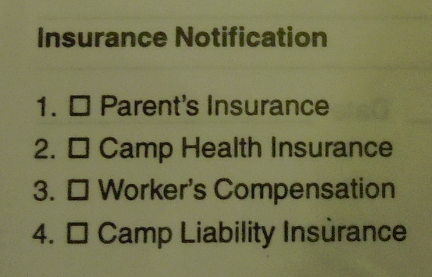
The first three make sense to me. You want to write down a claim number for the insurance claim when the claim is based on a duty to provide in a personal health insurance policy or a WC policy. However, why in the world would you write on this form that you contacted the Liability Insurance Carrier of the program? Can you see what this means to the plaintiff’s attorney when he or she receives this from? From the date of the accident onward they knew they had screwed up!
However, even if the information that is being tracked makes sense, what is it doing on that form? That is an accident report form, not an insurance report form.
I saw this tack of forms on a table and just glanced at them, flipped them over and laughed out loud when I saw that last line!
However, these forms are worse than the information they collect. They are worse because the information is collected to begin with. The purpose, although thought to be great and altruistic when started never works and usually becomes a nightmare.
A. Never track incidents. An incident at worse is your good luck that it was not worse. You can never track all the incidents and the definition of an incident will cost you a day on the stand and in deposition as the opposing attorney attempts to understand why you track something’s and not others.
An incident is anything less than an accident. That is the best definition you can reasonably apply. Are these incidents?
I grabbed the salt rather than sugar shaker while making cookies, through the cookie dough out.
Johnny was doing his swim test and panicked. I grabbed him and pulled him to shore.
Suzy fell off the climbing wall but landed on the pads. She is fine.
Jerry, a staff member did not have his locking carabiner on correctly, and it had snagged open on his shirt. I noticed it from the ground and let him know.
All have the potential to be accidents or disasters. Even so, you or your staff corrected the problem before the accident occurred. Track them? Heck no. The staff did what you had trained them to do, prevent accidents.
So?
Don’t write forms worried about lawyers and lawsuits. Do create forms based on what is needed. This form is needed to track first aid and accidents. Nothing more should be on this form than to track first aid issues and accident issues.
Next only create a form to collect facts. Never Opinions. It is not your job to write down an opinion. As soon as you do, more information will surface that may change your opinion. There is nothing worse than a corrected form especially when the changes are in the “what happened” section.
All the problems I’ve listed above violate the above two rules.
No opinions, no information other than what was needed to record information for future use. Record nothing that can come back to haunt you in court or worse make you look foolish or stupid in court.
How should you do it?
If you do record information, for accidents only record what is necessary. One ski area in Colorado could track 80% of the medical calls on the front and back of 5” X 7” cards. Witness statements were on a separate 5” X 7”. Do not collect anything more; who was injured, and their contact information, where they were hurt and any other important information.
Determine what you need? Then collect that and only that information.
What do you think? Leave a comment.
Copyright 2010 Recreation Law (720) Edit Law, Recreation.Law@Gmail.com
Twitter: RecreationLaw
Facebook: Rec.Law.Now
Facebook Page: Outdoor Recreation & Adventure Travel Law
Blog: http://www.recreation-law.com
Keywords: #recreation-law.com, #outdoor law, #recreation law, #outdoor recreation law, #adventure travel law, #law, #travel law, #Jim Moss, #James H. Moss, #attorney at law, #tourism, #adventure tourism, #rec-law, #rec-law blog, #recreation law, #recreation law blog, #risk management, #Human Powered, #human powered recreation,# cycling law, #bicycling law, #fitness law, #recreation-law.com, #backpacking, #hiking, #Mountaineering, #ice climbing, #rock climbing, #ropes course, #challenge course, #summer camp, #camps, #youth camps, #skiing, #ski areas, #negligence, #accident, #incident, #forms,
Technorati Tags: Afraid,recreation,plaintiff,management,paperwork,conference,Accident,Incident,Report,Form,Most,information,cabinets,trees,Think,purpose,belief,intentions,realities,clients,lawsuit,Forms,location,item,person,extent,Here,definition,Colorado,Jury,Instructions,LIMITATION,negligence,defendant,injuries,injury,situation,incidents,accidents,indication,plaintiffs,juries,Stupid,Human,Tricks,opinions,paper,opinion,parents,Response,message,attorney,manager,Besides,owner,directors,evaluation,discovery,client,Third,Describe,media,Answer,reporter,Again,Emergency,Procedures,decades,Insurance,Notification,Under,Parent,Camp,Health,Worker,Compensation,policy,Carrier,From,luck,cost,dough,Johnny,Suzy,Jerry,member,shirt,disasters,Track,Heck,lawyers,lawsuits,Record,area,cards,statements,Determine,Leave,Edit,Gmail,Twitter,RecreationLaw,Facebook,Page,Outdoor,Adventure,Travel,Blog,Keywords,Moss,James,tourism,youth,areas,Technorati,Tags,Windows,Live
Windows Live Tags: Afraid,recreation,plaintiff,management,paperwork,conference,Accident,Incident,Report,Form,Most,information,cabinets,trees,Think,purpose,belief,intentions,realities,clients,lawsuit,Forms,location,item,person,extent,Here,definition,Colorado,Jury,Instructions,LIMITATION,negligence,defendant,injuries,injury,situation,incidents,accidents,indication,plaintiffs,juries,Stupid,Human,Tricks,opinions,paper,opinion,parents,Response,message,attorney,manager,Besides,owner,directors,evaluation,discovery,client,Third,Describe,media,Answer,reporter,Again,Emergency,Procedures,decades,Insurance,Notification,Under,Parent,Camp,Health,Worker,Compensation,policy,Carrier,From,luck,cost,dough,Johnny,Suzy,Jerry,member,shirt,disasters,Track,Heck,lawyers,lawsuits,Record,area,cards,statements,Determine,Leave,Edit,Gmail,Twitter,RecreationLaw,Facebook,Page,Outdoor,Adventure,Travel,Blog,Keywords,Moss,James,tourism,youth,areas,Technorati,Tags,Windows,Live
WordPress Tags: Afraid,recreation,plaintiff,management,paperwork,conference,Accident,Incident,Report,Form,Most,information,cabinets,trees,Think,purpose,belief,intentions,realities,clients,lawsuit,Forms,location,item,person,extent,Here,definition,Colorado,Jury,Instructions,LIMITATION,negligence,defendant,injuries,injury,situation,incidents,accidents,indication,plaintiffs,juries,Stupid,Human,Tricks,opinions,paper,opinion,parents,Response,message,attorney,manager,Besides,owner,directors,evaluation,discovery,client,Third,Describe,media,Answer,reporter,Again,Emergency,Procedures,decades,Insurance,Notification,Under,Parent,Camp,Health,Worker,Compensation,policy,Carrier,From,luck,cost,dough,Johnny,Suzy,Jerry,member,shirt,disasters,Track,Heck,lawyers,lawsuits,Record,area,cards,statements,Determine,Leave,Edit,Gmail,Twitter,RecreationLaw,Facebook,Page,Outdoor,Adventure,Travel,Blog,Keywords,Moss,James,tourism,youth,areas,Technorati,Tags,Windows,Live
Well written article about the risks of Avalanches and survival with the latest gear.
Posted: January 13, 2011 Filed under: Avalanche, Risk Management Leave a commentIf you don’t know your gear, know when to deploy or use it and can do it no matter what, your chances are not awful in surviving an avalanche.
This article looks at the risks of avalanches and how professional in the ski industry look at them. The article is filled with great quotes that anyone thinking about skiing out of bounds should know.
Alain Duclos, avalanche expert with the Chambery court in the French Savoie comments “there is a belief that we can predict avalanches. It is not true! We can simply predict the conditions that favour their release. There is a big difference.”
American avalanche expert Bruce Tremper argues that “avalanche beacons have probably killed more people than they have saved.”
A non-ABS victim who manages to release his skis will find it easier to get out of the moving snow (skiers and boarders really need to use releasable bindings in avalanche terrain).
The analysis of using an airbag system, Avalung® and/or beacon is worth the read alone.
Are your chances greater with an ABS or airbag? Yes, but only if you know when and how to use them.
Read! Avalanche airbags, training and risk homeostasis.
Copyright 2010 Recreation Law (720) Edit Law, Recreation.Law@Gmail.com
Twitter: RecreationLaw
Facebook: Rec.Law.Now
Facebook Page: Outdoor Recreation & Adventure Travel Law
Blog: www.recreation-law.com
Who You Gonna’ Call, Ghostbusters?
Posted: September 22, 2010 Filed under: Risk Management | Tags: planning, Risk Management, risk management plan Leave a commentA real risk management plan.
For some of us, the worst part of any accident is after the bleeding has stopped or the victim is in the hospital. What happens next? Who should be contacted and how? Who should do the calling? Many times, insurance companies seemingly train us to play “Ostrich.” Stick our heads in the ground, hide and ignore what may be happening all around us. For example, take a look at the back of you your automobile insurance card. On most insurance cards, you are instructed to say nothing to anyone except the police.
For this industry, this may be the wrong advice. For most of you, this may sound heretical. However, to do something different will definitely strike fear in the hearts of insurance companies and defense attorneys. (Yeah, as if an insurance company has a heart to scare! [Just kidding guys!])
One of the big reasons most of us are in this business is because we like two things: the outdoors, and people. We develop great relationships with the people we introduce to the wilderness and help some of them to make changes in their lives. We are in the business watching our guests to see new vistas both inside and in front of them. To wreck that experience after an accident occurs is contrary to your goals and desires. It is also contrary to the basic decency and curtsey you were taught as a child. Why not take the parts of the experience you enjoy and the relationship you have created and build on it when disaster occurs.
Let’s look at some examples:
OSTRICH RISK MANAGEMENT PLAN
In this scenario, you are notified that a disaster has occurred. One person is dead and several people are badly hurt. You have everyone transported to where they can be treated. The injured are taken to the hospital; the deceased to the morgue; and everyone else safely to a hotel. Then you run home, turn out the lights, and hide under your bed. While you are hiding, this is what is occurring.
Hospital: Hello? Mrs. Smith? Mrs. Smith, this is Nurse Jane Fuzzywuzzy at Metropolitan Memorial Hospital. I need to know if your husband is allergic to any drugs or medications.
Mrs. Smith has been celebrating the fact her husband and breadwinner is gone for a week playing testosterone games. All of a sudden, out of nowhere, she is answering questions about her husband’s medical needs with no warning and without hearing any other information, such as how the accident occurred.
Hospital Pay Phone call to Jane Brown: Jane? Jane! Oh, Jane! It was terrible. It was a disaster! I don’t know what happened, but I think Bill is hurt bad. The hospital will not tell me anything. (Patient privacy laws remember?). I called you just as soon as I could….
Jane has been worried for a week. She just knew something was going to happen while Bill was gone. Then she gets a hysterical phone call from one of Bill’s friends from the hospital, and no one told her anything.
Sheriff’s Department (on voice mail): Ms. Jones, this is Deputy Dawg of the Monumental Screw Up County Sheriff’s department. I’m sorry to inform you that your husband, Jim or was it John, darn, I can’t read my own notes, anyway he was rock climbing with XYZ Rock Climbing company, you know those hippies down on the other side of town, they look funny, well they killed him today rock climbing. If you have any questions, you can just call back here and ask for me. Ok? Good-bye.
Ms. Jones was just told by the sheriff’s department that someone killed her husband. She is alone, lost and destroyed.
All three of these people, unexpectedly have had their lives turned upside down. Let’s look at what is running through their minds.
Questions! They all have questions. What happened? How did it happen? Are they going to be all right? How do I get to where they are to take care of them? How do I pay to get to where they are? How do I get his body home? Who is going to help me? How am I going to survive? Whom can I call for help? What am I going to do without him?
Now let look at some better scenarios.
Scene 1 and 2
At Your Office as Soon as you were notified of a Problem: Mrs. Smith, this is Bob Jones of ABC Company. Your husband was injured today while climbing with us. He is being transported to Metropolitan Memorial Hospital. I do not know his condition is at this time, but I am on my way to the hospital right now to check on him. As soon as I learn anything, I will call you back. Do you have something to write on, I want to give you my telephone numbers. The office 800 number here is 877-Don’t Die. If you call here and I’m not here, ask for Suzy. My cell phone number is 123-456-7890. My home telephone number is 102-345-6789. My name is Bob Jones. It will take me about 45 minutes to get to the hospital. As soon as I find out anything, I will call you right away.
At Hospital: Mrs. Smith, this is Bob Jones, I just was talking to your husband’s doctor, (or here is your husband’s doctor). Your husband is going to recover fully. He broke his arm while climbing. His Doctor’s name is Dr. Wacko, and his telephone number is 321-654-0987. The hospital is Local Memorial Hospital, and the telephone number is 231-465-0897. I am not sure what his room number is, but as soon as I find out, I will call you back. As soon as I can talk to your husband, I will also call you back. Is there anything else I can do for you at this time? I am going to stay here so call me if you have any more questions. Just call my cell phone number you still have that number correct? Great, I’ll call you in a bit. I’m glad your husband will be all right.
After Husband is in Hospital Room. Mrs. Smith, this is Bob Jones, here is your husband. Then hand the telephone to the husband.
After Mrs. Smith has talked to her husband. Mr. Smith, here is my home, cellular and office telephone numbers. Call me any time if you need anything. Is there anything I can get for you right now? Ok, I’ll stop back tomorrow morning and see how you are doing. The doctor said you are going to be discharged tomorrow. I will start to arrange to make sure you can get home, as soon as I get back to my office.
Next Day. Hello Mr. Smith, how are you today. I talked to your wife on the way over here. She said she would be here about noon and expects to take your home right after that. How are you feeling? Great. I brought you this ABC Company T-shirt, and I have a rain check here for you. When you arm heals up, we would like you to come back and finish your day of rock climbing. You have my telephone number, so if you need anything or have any questions give me a call. It was nice meeting you, and I am very sorry you were hurt, as we discussed before you went out on the trip, occasionally accidents do happen when climbing, but we sure are sorry it happened to you. I hope you come back and see us again.
Next Week. Hello Mr. Smith, how are you? This is Bob Jones from ABC Company. I just thought I would call and see how you are doing. Great, I am glad things are going fine. Still have my telephone numbers? Great. It has been nice talking to you take care of yourself. Give me a call when you are ready to go climbing again.
Some of you might argue this is setting you up for a lawsuit, but how? You have done nothing except be nice and courteous, (the way your mother would expect you to act). Worst-case scenario is you are sued. The worst-case scenario is the same either way. Even if everything you did was presented to a jury, what could be used against you? You acted as a kind and courteous businessperson. You did not admit liability, you reinforced the language in your release, and you helped an injured human being.
Scene 3
When a death occurs, you must do some research immediately. Contact any friends of the deceased who were on the trip when the accident occurred and learn as much as you can. Find out who you can call to go visit the deceased’s family. Call that person and have them go to the family’s house to be there. If those people are not available, or in addition to that person, call the person’s minister or priest if possible.
“Mrs. Jones, this is Bob Jones of ABC Company. Mrs. Jones, I am sorry to tell you that your husband was fatally injured today rock climbing. I am not sure what happened, as soon as we learn something I will call you and let you know. Mrs. Jones, is there anyone I can call for you, I have all ready called your priest and Mrs. Neighbor and asked them to come over to your house. Do you have something to write with, I want to give you my telephone numbers so you can contact me? The office 800 number here is 877 Did Die. If you call here and I am not here, ask for Suzy. My cell phone number is 123-456-7890. My home telephone number is 102-345-6789. My name is Bob Jones. As soon as I find out what happened, I will call you back and let you know. I will also call you back and talk to you when I find out what the authorities have done with your husband and how we can transport him back to you.”
The critical component in all three of these telephone calls is you. You are there to answer their questions. They have your telephone number to use to call a nice, friendly, helpful person to answer their questions. You are not creating hospital or bureaucratic nightmares. You are not allowing the system to create a disaster for you. You are attempting to ease their problems.
The call from the previous paragraph about the fatality is not going to be easy. In fact, people are going to be crying and screaming on the phone. However, it will pay off both for you and for the family. I know I have made those phone calls.
In a fatality, many counties require the Sheriff’s department or the corner to make the notification of the death. That is done usually by having the local law enforcement authorities stop by in person. Make sure you stay on top of the situation. In one case, it took twelve hours from the time of death to notify the family because of bureaucratic delays. The family did not need this. You should work with the authorities to notify the family in a timely and kind manner.
Many times, you will be confronted with angry or even hostile responses. Do not waiver; continue with the same calm helpful tone of voice. Do not bow down, hide, or become angry. Just continue to help. Some people when faced with these situations react in ways that might be difficult to deal with. In those situations, they will eventually calm down and thank you for your response. Becoming angry or hostile will just send them to an attorney quicker.
The other reason people hide from this duty is time. They believe they do not have the time to respond to these situations. Let’s look at this from a couple of different perspectives. If you lose your company, you will have plenty of time to do anything you want, stand in unemployment lines, stand in free food lines, or sit and feed pigeons in the park. In addition, the time you spend working with your injured clients may save you hundreds of hours later. If you are sued, think about how much time you will miss from your business for trials, depositions, working with your attorneys and everything else that is involved with defending a suit. Finally, consider it marketing time. If someone has been injured, they are going to tell everyone at work, school, church, and in their community. They can either put a good spin or a bad spin on how they were treated. One description of the facts can help your company immensely; the other can only hurt you. The opportunity is in your hands.
SEVEN IMPORTANT POINTS TO REMEMBER!
1. You should make the phone calls from your base of operation. Not from the field. The trip leaders have their hand full with the living, the bleeding, and the dead they do not have the time or energy to deal with calling people. (Why everyone carries client emergency contact information with them in the field is beyond me. Yet, every time I tell someone to leave it behind, they are aghast!). They are already emotionally, physically and mentally exhausted. They do not need any additional responsibilities. You have access to telephones, faxes, and the Internet. You are set up for communication. If you are running international treks, you are prepared to call overseas cheaply and easily. If you are US based, you can give the people a local number or an 800 number to call you back.
2. You are familiar with the travel business! This is a promise, I am making too you. If someone dies on your trip, the family will show up at the scene someday to see what happened. Ninety-nine percent of the time!, I had a Risk Management Seminar graduate call me to tell me that a family had come from Pakistan to the East Coast to see where their relative had died. They will come.
Knowing this, you can help them arrive and take care of them while they are on-site. You have relationships with the airlines that will allow you to get these people to your location quickly and easily. You can meet them at the airport and help them to a hotel. You know the hotel owners because you market to them every day. You know what the family of the injured or deceased does not know. If you have a guest who is going to spend several days or more in your local hospital, the family will come to the bedside of the injured person. Why not be prepared, help them get to where they need to be, stay and go home. It is better to know they are coming, then to be introduced, unexpectedly, in a hospital room. Eating alone in a strange city is intimidating. The chance to take someone out and provide them with a non-hospital kitchen meal will do wonders for them and your relationship. You can answer their questions; you can get to know them. You can become their friend. You can provide them with a source of information. You can show them you are a human being, not just a nameless face. A human being is hard to sue. A nameless face and a Company are easy to sue.
3. Who would you want to call if a member of your family was injured? Would you want a telephone call from the company your family member was with when they were injured or died? I believe you would. I also believe that everyone would. In every single deposition, I have attended or read at some point a family member says, “They didn’t even call me.”
People want some connection. People believe what their mother taught them more than what insurance companies want them to do. Our mothers taught us to make that telephone call.
4. The family members are going to have questions, and they will stop at nothing to have them answered. Here again, at every single trial, at every single deposition, at some time during every negotiation the attorney hears the comment “they would not even return my telephone calls to tell me what happened.”
You may not have the answers, but that still does not mean the questions are not going to be asked. If you do not answer the questions, the family will find someone to force you to answer them. That person will be an attorney. One of the great lines used by attorneys to clinch the sale is “I’ll get you your answers.” For most attorneys, that translates to we will use this excuse to get money out of the defendant. In addition, it works if the family member does not know how or why their loved one died. You understand what happens on the river or in the mountains. Those who stay at home have no idea what occurs, except what they see on television.
After a while, the desire to have those questions answered may go away, but the attorney can keep the desire alive or can roll that desire into the desire for money. One emotion, grief is converted to another emotion, greed. If they do not answer the question, they should pay. The desire for money never goes away.
I had this happen to me personally. I was in Salt Lake City years ago when the tornado hit that town. I ended up performing CPR on the one man who died. A month later, his widow called me. I did not have any answers for her, and she knew that. However, she wanted a connection with the last person to deal with her husband. I talked about what I did, what I thought, how it happened from my eyes. She was extremely grateful. Some call this closure; some might call it answering questions, whatever it is people wanted to know.
5. You can provide them with a central number to help with many of their problems. They can call you to get answers. They can call you to get personal property back. They can call you for transportation. They can call you to find the rest of their party. You, of all the people involved, are going to have the most answers.
I was working for a business when a guest was involved in an accident and became a quadriplegic. The mother in law of the injured guest called wanting to know where the guest’s watch was. It took time to find the medical report that stated the watch had been put inside the guest’s mitten, and then stuffed inside his coat pocket. I faxed that report to the mother in law. She called me back to say they had found the watch. She thanked me for my efforts, and she thanked the resort for their efforts on behalf of her son-in-law. People, who thank you for your help do not sue, and that family did not sue.
6. You are going to present the best front for your company. Not everyone else the family members deal with will present your business in a good light. Hospitals and the people who work there only see adventure activities as dangerous. They only see the injured people coming through the doors; they do not see the thousands of people having fun. The sheriff department and the state or federal land management agency just sees paperwork because people are injured. The only see numbers, whether 1 or 100 it is more work for them. Here again, they do not see the happy satisfied customers.
7. You DO NOT tell the family member you killed their loved one.
REMEMBER
A. Look up the emergency numbers your clients provided. Review the other information you have to see if it has any other information you may need to know. Have someone else determine the quickest way for the family to get to your location. Make the telephone call.
Tell them what happened to their loved one. Tell them where that person is and how to get there. Give them your name and telephone number so they can call you if they have any more questions. Tell them you will call them back the next day to check on them. Be prepared to tell them what happened, if you know. Provide facts, not guesses or opinions. If you were not there, you cannot guess or speculate. Ask them if they want to come to the hospital/scene. Tell them if they do not know you can help arrange for them. Do not speculate do not lie both will condemn you.
Many times, they will call you back after the initial shock wears off. They will call back to ask more questions. Be prepared for that. Again, ask them if they want to come. You need to know what they are going to do. You need to know if relatives are going to be out looking around at your business or the accident scene.
If they do want to come, pick up some of the tab if you can. “I’ve made arrangements for you to stay at the Bad Bed Motel. I can pick you up at the airport and take you to the hospital and then to the motel. What else can I do to help you?”
Think about the situation that person is in and what you would want to have done if you were in their shoes. What you would want to know, what questions would you have? If you cannot come up with anything, ask your spouse or mother. Mother’s are great at this.
Do they have the money to rent a car? Can you provide them with a car and driver? They may be lonely in a new town, have dinner with them or invite them over for dinner.
If you are dealing with a death, contact a mortician and find out what needs to occur. Become the intermediary to help. Tell the people you will go to the airport with the deceased to make sure things work smoothly. Call them from the airport and tell them the body is on the flight, and the flight left 20 minutes late (I fly out of Denver) and the expected time of arrival.
Keep in touch over time. After the second call on the second day, call the next day. Skip a day and call again. Call a week later. Continue to stay in touch. After six months tell them, you probably will not call again, unless they want you too. Tell them to call you any time, and if there is anything else, they need to let you know.
Your insurance company is afraid you are going to admit liability. If you are smart enough to subscribe to the law review, you will not say something stupid. Be honest, answer questions. Tell them the river, the weather, or Mother Nature acts in ways you cannot control, and you could not predict. Tell them you are sorry for their loss. Act the way your mother taught you, and you may not have to act the way your lawyer says you must.
Conclusion
You have a great opportunity to prevent litigation if you do not play ostrich. That telephone call will be tough. However, when you are done, you will feel better 90% of the time.
What do you think? Leave a comment.
Copyright 2010 Recreation Law (720) Edit Law, Recreaton.Law@Gmail.com
Twitter: RecreationLaw
Facebook: Rec.Law.Now
Facebook Page: Outdoor Recreation & Adventure Travel Law
Blog: www.recreation-law.com
Mobile Site: http://m.recreation-law.com
#RecreationLaw, #@RecreationLaw, #Cycling.Law #Fitness.Law, #Ski.Law, #Outside.Law, #Recreation.Law, #Recreation-Law.com, #Outdoor Law, #Recreation Law, #Outdoor Recreation Law, #Adventure Travel Law, #law, #Travel Law, #Jim Moss, #James H. Moss, #Attorney at Law, #Tourism, #Adventure Tourism, #Rec-Law, #Rec-Law Blog, #Recreation Law, #Recreation Law Blog, #Risk Management, #Human Powered, #Human Powered Recreation,# Cycling Law, #Bicycling Law, #Fitness Law, #Recreation-Law.com, #Backpacking, #Hiking, #Mountaineering, #Ice Climbing, #Rock Climbing, #Ropes Course, #Challenge Course, #Summer Camp, #Camps, #Youth Camps, #Skiing, #Ski Areas, #Negligence, #Snowboarding, #RecreationLaw, #@RecreationLaw, #Cycling.Law #Fitness.Law, #SkiLaw, #Outside.Law, #Recreation.Law, #RecreationLaw.com, #OutdoorLaw, #RecreationLaw,
Technorati Tags: Ghostbusters,recreation,adventure,Moss,James,attorney,tourism,management,communication,insurance,whitewater,transportation,injuries,blog
Windows Live Tags: Ghostbusters,recreation,adventure,Moss,James,attorney,tourism,management,communication,insurance,whitewater,transportation,injuries,blog
WordPress Tags: Ghostbusters,recreation,adventure,Moss,James,attorney,tourism,management,communication,insurance,whitewater,transportation,injuries,blog
Blogger Labels: Ghostbusters,recreation,adventure,Moss,James,attorney,tourism,management,communication,insurance,whitewater,transportation,injuries,blog
You can’t cover everything, trying will only prove it and set you up for litigation
Posted: February 5, 2010 Filed under: Risk Management Leave a commentMany times trade associations are encouraging you to write massive risk management plans. “Experts” are out there offering their services in doing so. You start this process and either get bogged down or finish a plan where you believe you have it covered. But you don’t. You can’t discover every way that people can get hurt on or at your program.
David Apgar is an author and researcher who talks about the risks of absolute risks. In his book Relevance: Hitting Your Goals by Knowing What Matters Dr. Apgar stated “No amount of brainstorming or help from an experienced consultant will unearth a complete set of risks facing a [business].”
David Apgar is the author of “Risk Intelligence: Learning to Manage What We Don’t Know” (Harvard Business Press 2006) and “Relevance: Hitting Your Goals by Knowing What Matters” (Jossey-Bass, 2008).
If you want to prove this to yourself, start with an easy example. Write down all of the things that can happen to you while sitting at your computer reading this article. How long is that list? Did you include any of the following:
Eye Strain,
Electrocution
Your chair breaking,
Carpal Tunnel
Paper cut
Allergic reaction to the fumes from the computer
Have we scratched the surface? What else did you come up with that I did not? Will any of these issues change if you add weather to the equation? Will the chances increase, will the risk increase, will the severity increase, and will your response change?
Now take this list and start adding to if for outdoors, add speed to the equation, weather, and poor judgment. Your risk management plan will have a new name, Encyclopedia and will match the encyclopedia in size.
Once you have your plan written, you must keep it up to date. Will your risk management plan need to change based on the experience of your staff or the training they have received? What if you change the location of part of the program? Any change in the law may affect how the plan is written.
Eventually you will have a staff equal to that of the encyclopedia to maintain and update the risk management plan.
The solution is twofold to develop a framework for dealing with problems
Develop program for dealing with all issues
Train your employees to deal with everything
Hire people able to deal with the issues.
The Federal Land Management Agencies and Emergency response programs have figured this out and dealt with it. They developed the Incident Command System. Instead of detailing exactly what to do when something happens, the developed a program that details how to deal, no matter what the program.
You can take the first class in the Incident Command System online in a few minutes (most federal agencies offer the course on line) and learn how the system works. Once you learn that you can develop your risk management plan like the ICS system. A plan that works not matter what happens.
In the mean time, let me know how that encyclopedia is coming.
Who should use a Release? Its November Review your Release for Free Month
Posted: November 4, 2009 Filed under: First Aid, Release (pre-injury contract not to sue), Risk Management Leave a commentBecause its November’s Review your release for free month I’m posting articles on Wednesday about Releases and why you should use them.
Anyone who offers activities to the public, where there are numerous risks outside of the control of the operator should use a release.
- Outfitters: business who offer outdoor trips to the public. Whether a hike down a trail to look at wildlife or to the top of Mt Everest to add to your resume.
Anyone who is offering products to the public which the public may not understand or may not be able to comprehend
- Demo’s: Whether a rep, retailer or manufacturer you want your products to be tested and tried. New products may require new skills or new ideas that your guests are not use too.
- Rental Programs: People rent when they want to have fun, want to try, or are interested in having a good time. All of these are done by people who may not have experience with the specific product you are renting.
Anyone who may be involved in a lawsuit do to the actions of someone you can’t control should use a release
- Retailers: a manufacture has sold you a new product. You have agreed to be the guinea pig on whether it works or sells. You should not be a guinea pig on the first lawsuit
- Manufactures: Promises made by sales come back to haunt risk management. If you are manufacturing a product that can be sold incorrectly, you don’t need to learn about it in a summons and complaint
Anyone placing products in the stream of commerce before they are finalized
- Testing: You have hired
Anyone who is offering products for a discount
- Season tickets at resorts or ski areas: you need to recoup your lowered cost by decreasing your insurance and claims costs.
Anyone takes students out of their normal environment to educate them.
- College & University programs: the student does not sue his or her parent or insurance company may. Learning may incorporate more that what you teach in the classroom, it may incorporate the courtroom.
Anyone who hires professional athletes to be a promoter of the product
- Sponsor: You want your product seen by everyone so you pay or provide the product to people to show it off. Showing off usually means bigger, higher, faster or deeper which all can lead to litigation.
Anyone who is taking people outside of their normal environment
- Inner city youth to the country
- Farm kids to large east coast cities
- Anyone taking anyone around animals
Anyone dealing with youth whose parents are not around and consider you a nice alternative to paid babysitters.
- Parents who drop their kids off, don’t know who you are, don’t understand what you are doing, and will never understand why their child was hurt.
If you are worried about being sued and you are located in a state where releases are upheld, you are offering a recreational service or opportunities to the public you might try using a release.
In an opportunity to help generate ideas and interest in this blog and the Outdoor Recreation and Fitness Law Review I am going to make everyone an offer you can’t refuse. During the month of November I am going to review your releases or acknowledgment of risk forms for free.
Stay tuned I’ll come up with the requirements and how the program is going to work, but it will be no cost to you (and hopefully no major headaches for me!)
Pass this on, repost for your friends on Facebook and Re-tweet or just email it to your friends.
Spring is here.
Posted: April 14, 2009 Filed under: Release (pre-injury contract not to sue), Risk Management Leave a comment
Spring is here in the Rockies. You can always tell; there are only a couple of ski areas still open and the first motor home of the season is slowly grinding its way up the mountains. At this time the marketing of the winter starts to turn into equipment cleaning and employee training for the summer. Spring is also the time when decisions start to be made.
The decisions involve how your summer recreation business is going to operate for the season. Those decisions always involve a balancing: cost versus benefit. Many times those decisions have an impact or are impacted by risk management and insurance issues. In those situations, your attorney and insurance company can provide you with advice, although only your attorney’s advice is going to be conflict free.
As a lawyer, it is my job to provide you with information from purely a legal position so you can make those decisions. It is not my job or any attorney’s job, to make those decisions for you. The information an attorney provides to his client is always at one end of the operational spectrum; the perfect, no lawsuit end. An attorney can’t give you answers that would put you in a position where you may be sued. We can only give you the best advice we have. You can ask about any middle ground, we will answer your questions if possible and direct you back to safe, lawsuit free side of the balance.
An attorney can tell you his or her best guess on what would happen if you did not operate at the highest level of operations. However, that is scary for an attorney. Yet, we know that you must balance that decision between no lawsuits and a profitable operation. Sometimes, you must run your business knowing that someone may be injured and someone make file a claim.
At that point you must always make 3 steps in your risk management process. (1) You must deal with any accident appropriately. (2) You must follow your risk management plan. (3) And you must hope your release and/or other documentation will keep the incident from becoming a problem.
There are three areas that are always at issue for every business that each has an effect on risk management.
Employee Training: All too often employee training is cut back or eliminated in an effort to save money. It costs money to train employees; it costs more money to have employees not making you money. However employee training is critical in all aspects of your business. Well trained employees are less likely to develop or create a risk management problem. Well trained employees handle problems better and with less friction if a problem does arise. Well trained employees require less management, and well trained employees look good in accident reports and you look better if they are on the witness stand.
Equipment Maintenance: There is nothing worse than having equipment fail, except having the failure be the cause of an accident. Equipment maintenance is must do on your spring checklist. Start with equipment that would be termed safety equipment. Lifejackets, climbing ropes, harnesses, tack, helmets and any other equipment that would be classified by someone as necessary for the safety of the activity. There is no defense to a claim that you allowed guests to participate in your program with unsafe equipment that is required to keep the guests safe. Follow up with each piece of equipment. It might be a great time to create an equipment maintenance plan to track equipment, equipment failure, repair and replacement.
Vehicles: Automobile claims and the ensuing claims check are part of US society. I worked for an insurance company who automatically mailed anyone in an accident $500 if they said they were “shook up.” Combine that with the state and federal laws dealing with transporting people and a vehicle that does not meet safety requirements is a big check waiting to be mailed. Make sure the vehicle not only runs, but stops, and meets all state and federal (if necessary) safety requirements. Take this opportunity to clean your vehicles. Customers appreciate a clean ride to and from the activity. Here again, this may be the time to develop a vehicle maintenance plan in conjunction with a professional to track equipment, equipment failure, repair and replacement.
There are thousands of ways to spend your money and you are constantly balancing how that money is spent. In the past there was a tendency to rely on insurance to balance the safety end of the business and risk management plan; accident occurs call the claims number. However as shown by the last 2 years, insurance premiums can skyrocket, even if claims do not, and worse insurance policies can just disappear from the marketplace. For several industries the last 24 months was not one of paying more for insurance but desperately trying to find any insurance policy. The cost of an insurance policy is affected by dozens of factors, your claims history is one of those factors, the more that you can do to keep your claims from happening and from becoming a check will help to keep those costs from rising quickly.
Your insurance budget used to be large, but not the 2000 pound eating machine it has recently become. That balancing act now requires a larger commitment to spending more money to try and keep the eating machine from eating more, blowing your budget past the breaking point.
These decisions cannot be made by your attorney. Those decisions are made in consultation with your attorney to make the decisions based on all of the factors for your business. Your attorney does understand those issues and hates giving you advice that requires you to walk a thin or gray line between profitability and bankruptcy, but that is your attorney’s job. Your job is to take the information and based on your parameters and your budget to use it as best you can.
Have a great season.
Great article dealing with a fatality at a fitness center or anywhere else
Posted: April 9, 2009 Filed under: Risk Management Leave a comment
Fitness Management online has a great article Sudden Death at Fitness Center that everyone in the fitness or recreation industry should read. The article reinforces several things I have personally experienced and have preached for years.
“After the tragedy, the only support he received from the company was a phone call from the corporate office saying, “You can take the rest of the day off.” The next day, it was business as usual. He is still traumatized from these events, and suffers from regular panic attacks.”
How many of your operations employ 20 year olds, either as boatman, front desk personal or trainers? How often in the United States do we deal with death? Never! Bodies are whisked away, packaged and prepared now days. Think about the trauma your employees are going to have if they have to deal with someone dying. You better start now in preparing your employees for this and in preparing for a post incident program.
“In addition to this employee, think about the other members who witnessed the event. Aside from the obvious shock of a member dying in the facility, how did the other members view the fitness staff?”
What about the other people who witness or participate in the incident. How many of them have actually dealt with a death. What are they going to think of you when the incident is over? Why does that matter, because a bystander always has another name, which is called a witness in a trial. Are those people going to testify for you or against you? Are they going to say you did everything you could, that you were prepared, that you handled the situation correctly?
“Training scenarios for your staff members should include situations where a rescue is not successful.”Practicing how you handle a tragedy like this will give you a reference point for the future in how you respond in supporting your team, and how you face and answer difficult questions from members,” says Streich. “This is not a movie or TV show. The victim does not always survive.” “
This is awesome. Training for a situation where the participant or guest does not survive. The article states most people don’t survive CPR or the problems that prompts the need for CPR. Have you prepared your staff, yourself and your program to deal with that? Brilliant!
“Even if the victim survives, there are still emotions left to deal with.”After an event like this, it is natural for the first responders to feel some degree of guilt,” Kennedy explains. “Some may have recalled their initial hesitation, panic and feeling of helplessness. They will ask themselves questions: ‘Could I have done more?’ ‘Did I do anything wrong?’ All of these types of questions surface.””
I worked at a ski resort. Immediately after a fatality or a life changing incident a CISD (Critical Incident Stress Debriefing) session was scheduled and held. I was amazed at several things. The first was who showed up at some of them. It is amazing how many people are actually on the scene that you will never see in the middle of the incident. The second was how much better I felt afterwards.
At the opposite extreme, after performing CPR on the victim of a tornado in Salt Lake City twelve years ago I asked a police officer and then a fireman if there was a CISD program in Salt Lake. Both said no. Piling on was the feeling I got. I knew this was going to be a mess to deal with and worse I had no outlet for dealing with it. Thankfully I was able to find some knowledgeable people to talk to about the issues.
Everyone who reads this blog should read this article!
What you see as normal, the rest of the world thinks is NUTS!
Posted: November 28, 2008 Filed under: Risk Management Leave a comment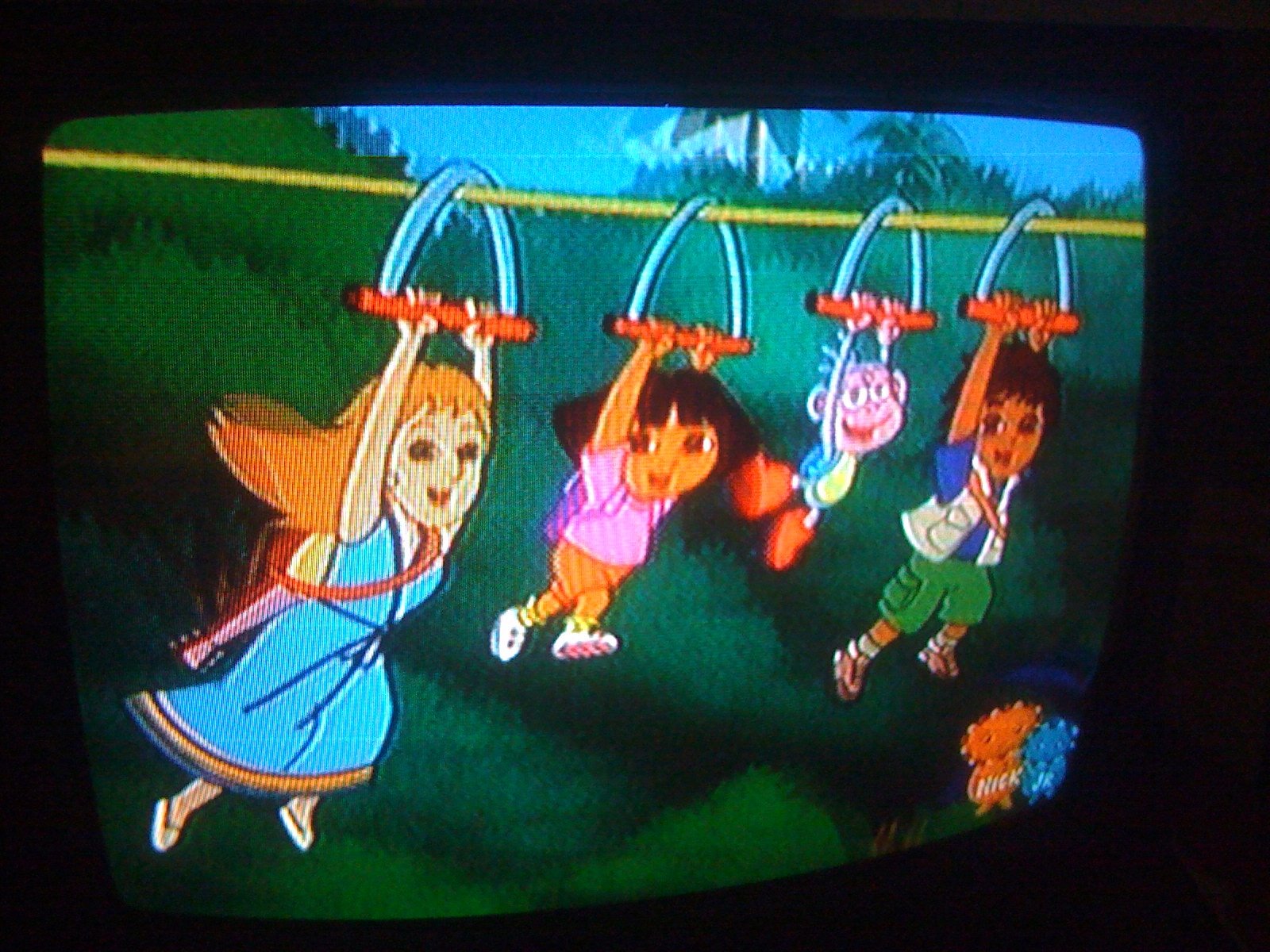
I read an interesting article about a zip line that employees of Google has strung between the Google campuses. There is a new building on the other side of a ditch from the main campus and a long drive around. The main campus is where all of the employee benefits are like “lobsters for lunch.”
The zip line from the photographs appears to be about 10′ above the ditch and guessing less than 20′ wide. The ditch is too wide to jump and obviously who wants to drive to lunch.
However the city took the zip line down. Probably and this is purely a guess for liability reasons. The liability of falling 5′ into dirty water is pretty big……
We have to realize that what we do in our sport, what we take for granted scares the heck out of most other people. What looks like fun and an easy way to get to lunch to a 20 year old looks dangerous and scary to a 50 year bureaucrat. We work on the river, in the cave or above ground on a zip line or challenge course every day. We are used to what we are doing. It is our backyard, our office. We go to work by putting on a harness or a life jacket and think life is wonderful.
You have to remember that everything we take for granted and do every day is a new experience for our customers. You can tell when you hand them a harness or PFD and they just stare at it. We approach the first rapid and they get buzzed or nervous. We climb the tower, sometimes forgetting to clip in and they check their harness and tie in half dozen times before putting a step on the first ladder.
You have to remember this way before and way after any incident. You need to tell potential customers exactly what they are facing, from their point of view. Walking a balance beam on the ground is easy. Walking a balance beam 4′ in the air at the Olympics is terrifying. If it were not so, no one would care or watch.
You also must realize this after someone is hurt. Family members are not going to understand why you put their loved one at risk. They can’t fathom any recreation or vacation as anything other than Disneyland.® Why would anyone go to be hurt doing something.
See Google ‘invests’ in Zip Lines and Google’s New Zip Line Yet Another Reason to Hate Your Office
You also need to remember that what we see as dangerous the cartoons in our life may see as normal.
Thanks Matthew!
BSA develops successful defense strategy: Train your attorneys
Posted: April 22, 2008 Filed under: Insurance, Risk Management | Tags: Boy Scouts of America, BSA, defense, Law, Scout Leave a commentThe Boy Scouts of Americawent from a poor win record to almost a perfect record by organizing and training their attorneys. Business Insurance

Image via Wikipedia
reported in an article Risk Manager of the Year, published April 24, 2006 that the BSA’s risk manager had organized their defense counsel to make these dramatic changes. In doing so the Risk Manager, Debra Griffith, became the Manager of the Year for her success.
The first approach was to create a unified defense strategy. One law firm was hired to coordinate all lawsuits. This took the claims out of the hand of the insurance company who hired good counsel but never provided additional support for the defense attorneys. Information and successfully strategies where then routed to all attorneys handling cases providing solid ideas and information.
A second approach was to make sure all interrogatories where reviewed by the BSA defense team. This made sure that all interrogatories were answered correctly and the same way.
If you did not know, the plaintiff’s bar has been filing documents for years so answers to interrogatories form another case can be searched to find inconsistencies.
The third idea, and to a large extent the most controversial was a unified training program of all defense counsel…..at a Boy Scout Camp. This allows the defense counsel to get a real feel for the BSA and how the program works. These training programs encourage information and idea sharing both at the conference and when the attorneys go back to home.
It is this last idea that I find so exciting and valuable. From studying motions and briefs and talking to other attorneys in cases the only difference between winning and losing is not the facts of the case but how well the attorneys representing the defendant understand what the defendant was trying to accomplish and how. It is one thing to understand the problems when someone is injured on a ropes course. It is another when the defense team understands the physics of the activity as well as the goals of the participants in the activity.
Another way of looking at this is horseback or equine suits. Falling off a horse produces the same type of defenses: release, equine law and assumption of the risk. However the risks can be explained in a much better way when the plaintiff was part of a weeklong camp program versus someone who rented a horse for a day. The education and care that a camp provides is much different and creates a very different atmosphere from a trail ride offered out the back door of a conference center. Knowing why people are riding the horse can be important in defending a case as knowing the legal issues.
Reading between the lines is to not leave this solely to your insurance company. They will not hire the best law firm, they will not assist in training or getting the firm up to speed, they rarely understand your program and they won’t support you if the dollars look better to sette.
My own experience supports this idea. In the outdoor recreation industry we win cases when the defense firm understands what they are defending rather than throwing the case in their pot and following the same old strategy. Outdoor recreation is different from an auto accident, a fuel spill and a breach of contract. The participants and the outfitters/facilitators/guides are working together to accomplish goals. These facts combined with an attorney who understands the goals of the program, the program and the defenses create a win.

It’s Not Money
Posted: February 10, 2008 Filed under: Risk Management, Skiing / Snow Boarding | Tags: Dispute Resolution, Insurance, Lawsuit, Litigation Prevention, Plaintiff, Recreation, Solving Problems Leave a commentMost Plaintiffs in the outdoor recreation industry do not sue for money. However, the end result of all claims, litigation or disputes is money because the system can only provide money. Lawsuits don’t bring people back to life, lawsuits don’t answer questions, lawsuits only move money around. Dealing with a plaintiff with the idea that money is their goal, you will end up in court, or at least writing a check. What research that has been done, has shown that at least seventy percent of the time the customer suing you does not want money. This may vary for some types of Plaintiffs, but for your average “Joe,” (not an MD, JD, Corporation, Business, super high income or experienced plaintiff,) its not money that an angry customer wants.
Money is how we respond to people questions, people who hurt or people who are mad. A classic case of you offering apples and the customer is talking oranges. Specifically, trying solving a problem with a hammer when a kind word and a few minutes of listening might do.
Ten Reasons Why People Sue
-
Why: This questions is never answered
-
How: No one will Answer this question
-
Where: Why won’t they tell me where the accident happened
-
Answers: No one will answer my questions
-
Justice: I want justice its been promised to me since first grade
-
Community: I don’t want anyone else damaged by this company
-
Retribution: I want to put them out of business
-
Communication: I want them to talk to me
-
Acknowledgement: I want them to admit they were wrong
-
Revenge: closely aligned with the issue of justice
-
Closure: An element of many of the above, but a reality in the US today.
I was a small law practice for fifteen years and was open to any person who walked through the door. Never, in fifteen years did an individual walk through the door and ask me to sue someone for money. What the injured customer wanted fell into several categories, mostly (1) answers to their questions (2) revenge or (3) justice.
Little old ladies who had been taken by a contractor only wanted to make sure no one else was hurt by the contractor. A friend of mine who had been blown up in an explosion and totally disabled, wanted to wait until the last day to see if his old boss might call.
Attorneys and insurance companies have pounded into our heads that if we are involved in potential claim we are to shut up. If you read the back of our automobile insurance cards, it reiterates what we have been trained in the “litigation minded society” to remember. “Say nothing. Only talk to our insurance representatives or law enforcement authorities.” We live in America by this mantra.
Look at this article from the Columbus Dispatch about why a family was suing a camp.
Columbus Dispatch August 16, 2000.
Family sues summer camp over drowning Wednesday, August 16, 2000 Kate Schott, Dispatch Staff Reporter
The uncle said nothing about money. The lawsuit was not started obviously because of money but because of emotional issues.
Fifty-four questions about what happened. How did my child die? Answering the questions might have diffused the lawsuit. However, the article goes on to say the defendants had a lawyer who was protecting them.
Protecting them…………….. Right into a lawsuit.
Answers
The lawyer for the family had this to say:
The lawyer is all ready starting to cross the emotional and question issues with monetary answers. If we do not get answers, we will get money or money will force them to answer our questions. If we get money, that answers your questions.
“Evans said the money was not the point of the suit. ” There is no way to put a price on his life,” he said. Rather, the family wants closure, to know how Shawan could have gone unnoticed by the adults at the pool. ”
Here is a multi-million dollar lawsuit that might be defused with honest answers to the family’s questions. Of course, there is a fine line to walk between honestly answering questions and setting yourself up for a lawsuit. In addition, that needs to be done before the injured party retains an attorney. If you have stalled the participant into hiring an attorney, your better make your defense wall a lot bigger and taller.
The family was asking questions about how their child died. None of those questions seemed to be targeted at gaining information to use in a lawsuit. However, the Camp’s answers, unintentionally, were structured to make sure the lawsuit happens. Not getting any answer to their questions forced them to the next highest step, court. To get money, No. To get the answers to their questions: How did my child die?
Put yourself in place of the parent. You receive a phone call telling you to go to the hospital your child has been injured. You arrive and are informed your child is dead. How? This question is searing through your mind. How did my child die? Can you think of any emotion or need that would overcome that desire to learn how your child died? Yet as attorneys, we feel we have the right to keep that information from someone to protect our clients.
Knowledge
Closure is not a new word in the American language. However, it is a word that is very important for most Americans. Injured people need to know what happened. Survivors want to know how they survived and others died. One hundred years ago, people were hurt and they died and that was life. In the past hundred years we have learned the answers to millions of questions we could not previously answer. That leads Americans to believe that question should have an answer. Everything should have closure. That is not always the case and it takes time to explain that to people. You cannot expect them to have the understanding of your industry and consequently the acceptance of the answer that you provide. You have experience and industry education to help you understand the forces and factors that create the incidents that cause injuries and death. You also understand the unknowns that affect the business. All of these give you insight and perspective that provides you with answers.
How then, based on your experience and knowledge can you expect a novice to your business how an injury or accident occurred. That takes time. Unless you are willing to put in the time, they will not be willing to understand.
Justice
In kindergarten we started to learn about our rights. Our rights have been explained to us each year until graduation as the basic foundation of the United States and one of the pillars of our success. Since that time, we have rights to everything. The right to know. The right to justice. No one lives with injustice any more. If you customer feels that they have been unjustly treated, that education that they received for twelve years rears it ugly head, however perverted that knowledge has become, we want the justice we are do.
Most people have no clude what their rights are, you see them on the news every night screaming their rights have been violated, now knowing that really has happened to them.
That desire for justice, combined with lack of knowledge on the guest part and lack of understanding on the business part leads to litigation. The desire to receive justice, the desire to extract retribution, the desire to protect others from injustice are issues, almost values that are important to our society. Unless you as the business owner understand these issues, you again will be looking at a checkbook at the way to solve your problem.
Emotional Justice is worse for everyone to handle. For years, we have approached lawsuits as being a money issue based on greed. Yet, the people who walk into an attorney’s office are normally the product of poor customer service. Many times there may or may not be a legally recognizable claim. That is the job of the attorney. The attorney will take that anger and turn it into a desire for money over time. The emotions that linger or the desire to hurt the business always heightens that desire.
And justice is not just an American issue based on law. John Rawls in his A Theory of Justice states that for humans, justice is a fundamental part of our makeup. If the value or even intrinsic issue of justice exists, we cannot ignore it when a guest has been injured.
Duty to our Client
Do attorneys do this consciously, No. Or at least I hope not. We honestly feel we are protecting your client. Based on our training and the horror stories of law school we are afraid that our clients will make a fatal mistake that not only starts the suit, but also guarantees a win for the plaintiff. However, that is not the case. If suits were monetary, then the attorney’s fears would be real. Because they are emotional or based on the US theory of rights or justice, these suits are started for reasons that simple curtseys, answers, and honesty can eliminate.
7 Mistakes Made by People who are called Defendant
-
Hire and retain Uncaring Employees: Hire Well, Train Well, and Treat Well
-
Failing Know Your Customers and why they are buying from you.
-
Failing to Treat Your Customers the Way They Want to Be Treated:
-
Examining the problem from Your Perspective: Your customer sees the problem differently than you. The customer may not even understand the problem.
-
Placing a ridiculous value on principles and pride. Principles & Pride Goeth Before a Lawsuit
-
Never know Why you are being sued: Sticking your head in the sand, or passing the problem to a lawyer does not resolve the problem.
-
Forgetting What Your Mother Taught You: If you act like your mother taught you, you won’t be sued.
As the emotion drains with time, the attorney refuels the desire for the suit with another emotion – greed. Even if greed itself will not work, the attorney can show the financial impact the greed has on the business. If nothing else, a large monetary judgment can be turned into justice by equating the cost to the business as punishment or revenge
What happened to turn a customer from a client to a litigant?
At a ski resort there is one brief moment in time when a happy guest is converted to an injured guest. After realizing that they are injured, the majority of injured skiers do not start thinking about money. They wantg help. However, in the mind of the ski resort something did change. That person evolved from a happy guest to a potential litigant. The ski resort goes from bending over backward to get that guest into the resort and having fun, to fearful of the person. The resort will rush food and linens to your room and transport you from one place to another with a smile prior to your injury, yet the guest is now left standing outside the clinic with no way to get back to their room or car afterwards.
What did the guest do to change? What thought occurs, that works it way through the pain that says to the guest, you are now different. Or did that evolution only occur in the minds of the people running the resort?
Angry customers do not sue. Angry ex-clients do.
You can stop anger, revenge, or unhappy customers before they turn to a lawyer.
Solutions
Do not give them a reason to go find someone to beat you up.
Work with your clients to help them back to an even emotional level. This may not always be possible if they have lost a loved one; they have suffered life-changing injuries or their financial future. You can show them you should not be the target of their anger. You can help them direct their anger to other persons or at least deal with you on a reasonable basis. You will not always be able to do this in one meeting, it may take days or months, but persistence pays off.
When in doubt compare the cost of the angry customer, attorneys to defend, and your time to the benefit of turning an angry customer into a happy customer again.
Answer questions.
Worse case scenario, you go to court and admit you answered the client’s questions. Do not believe the attorney’s mantra that clients are dumb and going to give away the company by admitting liability. It will be difficult for to answer some questions with no liability because of the ingrained fear we have of talking to injured clients. Trust yourself.
Prepare your answers as you drive over to help. However, prepare answers, not evasion.
Evasion is so evident it does not work. It makes you look like you have something to hide. By evading answers you are sending the guest to someone who will find out the answer. Since kindergarten we have been taught our “rights.” Those rights in most people have evolved into everything possible. People believe they have the right to know. They have that right with governments they therefore feel it must extend to everything else.
At the same time, why not. If a member of your family were injured, you would want to know what happened.
Treat the people as you want or they believe they want to be treated.
How can we solve these issues? We can answer questions and treat people, as we want to be treated. It will scare the living daylights out of every one of us and send our attorneys screaming to their malpractice carriers, but we may avoid a costly battle over the word “why.”
During spring of 2000, a small ski resort had a number of snowstorms. During these storms, lift operators are faced with two decisions when small children load the lift. Clean the chair lift seat or assist young children into their chair. The obvious answer is to assist young people into the lift. The sport is skiing and it is done on snow.
On this particular day, the resort received approximately four inches of snow in a couple of hours. A mother and her 9-year-old son loaded a two-person chair. The lift operator assisted the boy into the chair and consequently did not clean the chair. The mother and son started brushing the snow off the chair seat. Shifting to do so, the son was moving around the chair. The mother told the son either to be careful or not to clean the snow but he continued to do so. The young boy slipped off the chair and fell approximately 15 feet.
The mother rode the chair to the top where a Ski Patroller met her, who took her down to the scene. Upon arrival, she snapped photographs of the scene and the chair. A ski patroller assisted the mother; other patrollers took son down to the clinic and in the process learned, she was an attorney.
I was notified of the lift accident and the fact the mother was an attorney. I met the ambulance at the Clinic and assisted the parties in getting into the clinic. Mother was quite terse and demanding. Normal emotions for a mother concerned about her son. However, if you couple that attitude with her vocation, it brings fear to a risk manager’s heart. No injuries could be found on the boy; however, he was not communicating and complained of pain so he was air lifted to Denver.
Mother was given a map, given telephone numbers to contact me and escorted to her car. She was contacted at the hospital that night to make sure she arrived. She and her son walked out of the hospital that night around midnight and the mother and son checked out the next day.
The son was sent a resort Teddy Bear and a personal card. The mother was also sent a card. Mother responded with a card and thanked the staff for their help.
The mother called fall of 2001 and stated she wanted to come back skiing but her son was afraid of the lifts. In order to assist in this, the resort volunteered to find the perfect instructor to assist the boy for two all days’ private lessons so that mother and son could enjoy skiing.
I met the family the night they arrived and talked to them for two hours about the resort and skiing. Mother is a tax attorney and concerned that son would no longer want to ski, but the son was a quite excited.
After two days of private lessons, the mother and son were skiing intermediate and some expert runs. They hired the ski instructor for a third day of private lessons. They family left after 5 days and are now excited about skiing. Since that first incident they have come back to the resort two more times. Each time they have hired the same private instructor for a day or more. This last time they visited the resort, the mother and son took me out to dinner.
Whether this was ever, a lawsuit is unknown. However, a disgruntled scared guest has been turned into a happy guest. By treating the guest as a guest and not a litigant, a customer with a possible propensity to recover damages was turned into a lifelong customer. In addition, by coming back to the resort, skiing, and riding lift, from which the boy fell; we substantially reduced the chance of a lawsuit. (People who come back to ski have a hard time suing. On the stand, they cannot answer the question, “If the resort is so dangerous, why did you go back and ski there?”)
Mom and Son are happy and will always come back to the resort.
Costs: two private all day lessons, one teddy bear, telephone calls, postage, etc. Less than $700.00.
Return: eleven nights lodging in a one or two-bedroom unit, Twenty-three days of lift tickets, and two all day private lesson, meals.
Possible damages: days in depositions, staff hours responding to discovery, may a win, maybe a loss. Either way, a customer we had spent money on to come to the resort was lost
Results: Happy guests and no lawsuit. I have three cards from the family on my shelf and a free meal.
In this case, I ignored our liability issues. I just concentrated on dealing with the guest, answering questions honestly or honestly saying, “I don’t know,” and getting back to the guest with answers when I learned them. Getting back to the customer and answering their questions establishes credibility.
Every time you say, “I don’t know,” write the question down and research to find the answer. If you can’t find an answer, explain why. Maybe there is no answer, but if you use that statement, there better not be an answer. Coming back and restating the question and answering the question will provide you with an immense amount of respect and trust. As Franklin Covey stated in his 7 Habits of Highly Effective People, talks about the Emotional Bank Account. He states you can only trust someone if they have developed an emotional bank account with the other person. “You make deposits in the emotional bank account through genuine courtesy, respect, and appreciate for that person and for the other point of view.”
When you make the commitment to establish an emotional bank account with another person:
Dr. Covey stresses the idea that a Win/Win situation is achievable when this type of relationship is established. A Win/Win resolution to any issue can work for a monetary or emotional crisis. However his words fit perfectly with the idea that lawsuits start as emotion. Develop a relationship, work to a Win/Win relationship on the emotional basis and you may not need to identify the financial issues
You are probably starting with a negative balance in the guests Emotional Bank Account. You are the person representing the loss of money, income, the injury or even loss of life. Whether or not you had any or all of the responsibility for the crisis, you are the person who must open and Emotional Bank Account and start making deposits.
Work hard at making deposits in to the Emotional Bank Account. You cannot even open an account unless you are sincere, unless you care, unless you have real empathy and a desire to help. “With those guides you can listen and when the opportunity presents itself, start making deposits.
“By listening, you will here the opportunity to establish deposits.” Establish report. Listen for the opportunity to learn about the guest. Learn about what type of deposits they want. To learn how they deal with the different issues they present, by listening to them.
Habit 4 of Dr. Stephen Covey is Win/Win involves mutual learning, mutual influence, and mutual benefits. Relationships built on a Win/Win begin with character and move toward relationships out of which flow agreements.
Compromise is a settlement and for most people settlement has a negative feeling, a negative connotation. Settlement is not the end of a problem, it is the result of what I was really owed, but I settled for something else. I was owed more, but I settled for less. You do not settle for anything in your life, why settle in this emotional issue. Settlement also means money. No emotion, only money. Once money is on the table, then money is the only currency that can be used to settle the issues. For money brings its own emotion, greed. And few, if any other emotions except love can overcome greed.
Who: You. It must be you or someone on your staff who can speak with authority for you and the business. Sending your attorney or risk manager will only raise suspicion that you have something to hide. You are real, you are credible, and you have the connection to the disaster that raises the concerns.
The guest has always dealt with customer service when there was a problem. Again what changed that moved the business response from customer service to risk management. The guest has a problem, deal with it, whether the room is too hot, they are short of towels, they are hungry or they are hurt.
What if the situation still goes bad? You have created several defenses to a lawsuit by being human, by showing kindness and being honest. The mother and son came back to the resort Mountain. The Mother and son rode the chairlift from which the boy had fallen. The defense: If it was so dangerous, why did you come back to the resort and ride the dangerous device. Why did you ride the same chair lift?
To rent equipment and sign up for the ski lesson, mother signed a rental agreement releasing her and son for future and past liability.
The thank-you cards I have from the mother make no allegations of negligence or wrongdoing on the part of the resort. A Plaintiff does not send the defendant thank you cards.
Even catastrophic accidents such as a customer death or accident can be handled to change a customer’s attitude about your company.
Even catastrophic accidents can be handled in a dignified manner providing comfort, support, and answers to your customers.
Your customer is at your business and their spouse dies. Have food delivered. Lots of food. Remember the casserole parade, (as I call it) of the sixties. Someone was hurt and within hours, casseroles were rolling down the sidewalk, some in the hands of mothers, others by kids. Families with problems did not have to cook.
Dealing with the problems, big and small can eliminate anger and many other emotions.
Helping a mourning family receive closure works. Unanswered question nag for years, maybe past the statute – maybe not.
This idea is not something that is person specific, anyone can use this technique. A friend of mine running a community outdoor recreation program had a minor injured on a mountain bike trip to Gunnison County. The program director called the father and told him about the incident and agreed to meet the father at the hospital about the time the ambulance was expected to arrive back to the Front Range.
At midnight, the agreed meeting time, my friend was walking into the hospital dreading what he was going to do. He knew beyond those doors was possibly an angry parent. He walked through the doors and met the father and they talked. The ambulance was two hours late, so both men had plenty of time to get to know one another. By the time the ambulance arrived they had become friends.
No litigation came from the child’s injuries. The program director and the father became such good friends they would meet for lunch.
In another situation, a rafting company in the Grand Canyon had an attorney receive a facial injury on a trip. She was helicoptered out of the grand to the hospital in Flagstaff. The river company managers met her in the hospital and spent time with her while she was there. When she checked out, she, along with an employee hiked down to the canyon and met up the trip and continued on. She later came back and took the entire trip again.
In both of these cases, they fear of dealing with an angry customer and the fear of litigation were put behind the business and the reality of dealing with an injured party was placed in the first priorty. In each case, the results were not successful in preventing litigation, but they had far reaching effects after the injuries had healed.
Money or Emotion
A mild mannered woman comes to the front desk of your business and asks for you by name. As you approach, she smiles and confirms your name. She then hands you several pieces of paper and says, “You’re served.”
Your rush to your attorney’s office with conflicting emotions fighting to surface. Rage that someone could sue you. Anger that you have to waste time over such a stupid issue. Concerned about the financial impact this is going to have on your business. Scared.
Your attorney reads the summons and complaint asks you a few questions and says, “Don’t worry, it is not personal. They only want money.”
Your attorney is wrong. It is personal. It is very personal for the plaintiff. For the consumer or customer listed as the plaintiff, the last issue your customer is thinking about is money. The customer is angry, is walking around with feelings of resentment. Your customer wants justice. He or she wants you and your business to hurt just as they hurt. They want to make sure that what you did to them never happens again.
It should be personnel for you. It is a sign of bad service, unjust treatment, or believing in lawyers and insurance companies too much. The easiest way to start a lawsuit is to protect your self from losing a lawsuit. That seems to be an impossible balancing act; however, it is quite possible and very easy. Worst-case scenario, you appear to be an honest, good-hearted person/corporation on the witness stand.
How you approach this problem, personal, or monetary is irrelevant now, but was critical at the time the problem first started.
References


 Recreation Law