
Costs, when you win a lawsuit you normally can recover your costs
Posted: March 5, 2012 Filed under: Ski Area, Skiing / Snow Boarding | Tags: Alpine Meadows, California, Outdoors, Recreation, Rock climbing, Ski, Ski Resort, Snowboard, snowboarding Leave a commentGregorie v. Alpine Meadows Ski Corporation, 2011 U.S. Dist. LEXIS 20275
Costs do not include attorney fees
This case is a lawsuit by the parents of a 24-year-old girl who died snowboarding. The father, in response to her death founded the California Ski & Snowboard Association (CSSO as set forth by the court and California Ski and Snowboard Safety Organization based on their website). An association allegedly started to make ski areas safer. However, the young girl died out of bounds.
The girl and her friend were hiking out of bounds. On the way, they passed two signs warning people of the dangers. While on the High Beaver Tavers she slipped, slid out of bounds and died.
The girl signed a release before skiing at Alpine Meadows in California. On top of that she was described as an experienced snowboarder.
California Ski & Snowboard Association (CSSO) is an organization that I have written about as a wolf in sheep’s clothing (or maybe it should be skin or wool). Originally, the organization came across as wanting to work with ski areas to make them safer. See Grieving Father starts organization to make skiing safer and California Ski and Snowboard Safety Organization turns out to be a Wolf in Sheep’s Clothing.
Recently, the organization has changed its mission to:
Mission
To promote and support safety improvements in California skiing, snowboarding and recreational snow sports and serve as an independent, factual public resource regarding the safety of California ski resorts.
Vision
A recreational skiing and snowboarding environment in which federal and state governments, health and safety organizations and the ski resort industry are proactively and collaboratively working to establish and maintain the safest possible snow sport environment and experience.
Summary of the case
The plaintiffs sued for Premise’s liability, misrepresentation of the risk, negligence, breach of the season pass agreement, two claims of rescission and declaratory relief.
Rescission is a contract claim that attempts to void the contract and place the parties back in the position they were in prior to the signing of the contract. To win a claim for rescission the party wanting out of the agreement must claim material misstatement of the issues creating the contract, or something akin to fraud or misrepresentation.
The defendants filed a motion for summary judgment based on the release (express assumption of the risk) and primary assumption of the risk. The trial court granted the defendants motion and dismissed the claims of the plaintiff.
As is normal, the defendant then filed a bill of costs. This is a motion to recover their costs they expended in defending the lawsuit. Costs are normally granted to the winning party in a suit.
Costs are the actual money spent for things necessary to defend the suit. In federal court, costs are set out by statute.
Federal Rule of Civil Procedure 54(d)(1)
(1) Fees of the clerk and marshal;
(2) [*5] Fees for printed or electronically recorded transcripts necessarily obtained for use in the case;
(3) Fees and disbursements for printing and witnesses;
(4) Fees for exemplification and the costs of making copies of any materials where the copies are necessarily obtained for use in the case;
(5) Docket fees under section 1923 of this title
(6) Compensation of court appointed experts, compensation of interpreters, and salaries, fees, expenses, and costs of special interpretation services under section 1828 of this title.
A better way to look at costs is; those things the party wrote a check to, necessary to litigate.
Costs do not include attorney fees. To recover attorney fees, there must be a violation of a state statute that awarded costs, a contract that awards costs or liquidated damages or an action (claim) by one side or the other that is frivolous, groundless and wholly without any legal merit. “Rule 54(d)(1) provides that costs, “other than attorney’s fees shall be allowed as of course to the prevailing party unless the court otherwise directs.”
Costs are up to the discretion of the court. Normally, the court will allow most costs if the costs were specifically part of the trial or litigation. I look at it this way. If the judge saw the results of what you paid for, then that might be costs.
On the other hand, if money was spent on something that only might or did lead to what the judge might see, then probably not allowed as costs.). “If the depositions are for investigatory or for discovery purposes only, rather than for presentation of the case, courts have found that they are not taxable.”
The decision looks at several of the items the trial court allowed as costs. The original order allowing costs was $72,515.36. The court found that only $51,042.76 of the amount should have been allowed.
So Now What?
There are several interesting issues that are just good to know if you run a ski area or any recreation business. The deposition of the father took three days. Part of that deposition concerned the organization he started, California Ski & Snowboard Association (CSSO); however, no matter why, think about losing three days out of the office for deposition and probably another six days preparing for the deposition. Nine days total for something that if you work hard in the beginning, might have been prevented.
The expert witness of the plaintiff testified for two days. That would be an expensive two days. You and/or your insurance company would be paying probably two lawyers to attend the deposition and paying your expert witness to be questioned. Even if you are not having your expert deposed, just an employee, you are paying the employee to be there. Simply put, depositions on one side or the other can easily cost $1000 per hour.
Winning or losing a lawsuit, is an expensive proposition. Usually, the costs awarded by the court are less than 50% of the actual costs spent. Add to that the time incurred to defend a lawsuit, and it is ridiculous.
What do you think? Leave a comment.
If you like this let your friends know or post it on FB, Twitter or LinkedIn
Copyright 2012 Recreation Law (720) Edit Law
Twitter: RecreationLaw
Facebook: Rec.Law.Now
Facebook Page: Outdoor Recreation & Adventure Travel Law
Mobile Site: http://m.recreation-law.com
#RecreationLaw, #@RecreationLaw, #Cycling.Law #Fitness.Law, #Ski.Law, #Outside.Law, #Recreation.Law, #Recreation-Law.com, #Outdoor Law, #Recreation Law, #Outdoor Recreation Law, #Adventure Travel Law, #law, #Travel Law, #Jim Moss, #James H. Moss, #Attorney at Law, #Tourism, #Adventure Tourism, #Rec-Law, #Rec-Law Blog, #Recreation Law, #Recreation Law Blog, #Risk Management, #Human Powered, #Human Powered Recreation,# Cycling Law, #Bicycling Law, #Fitness Law, #Recreation-Law.com, #Backpacking, #Hiking, #Mountaineering, #Ice Climbing, #Rock Climbing, #Ropes Course, #Challenge Course, #Summer Camp, #Camps, #Youth Camps, #Skiing, #Ski Areas, #Negligence, #Snowboarding, #RecreationLaw, #@RecreationLaw, #Cycling.Law #Fitness.Law, #SkiLaw, #Outside.Law, #Recreation.Law, #RecreationLaw.com, #OutdoorLaw, #RecreationLaw, #OutdoorRecreationLaw, #AdventureTravelLaw, #Law, #TravelLaw, #JimMoss, #JamesHMoss, #AttorneyatLaw, #Tourism, #AdventureTourism, #RecLaw, #RecLawBlog, #RecreationLawBlog, #RiskManagement, #HumanPowered, #HumanPoweredRecreation,# CyclingLaw, #BicyclingLaw, #FitnessLaw, #RecreationLaw.com, #Backpacking, #Hiking, #Mountaineering, #IceClimbing, #RockClimbing, #RopesCourse, #ChallengeCourse, #SummerCamp, #Camps, #YouthCamps, #Skiing, #Ski Areas, #Negligence, #Snowboarding, sport and recreation laws, ski law, cycling law, Colorado law, law for recreation and sport managers, bicycling and the law, cycling and the law, ski helmet law, skiers code, skiing accidents, California Ski & Snowboard Association, CSSO, Alpine Meadows, fatality, snowboarding, costs,
WordPress Tags: Costs,lawsuit,Gregorie,Alpine,Meadows,Corporation,Dist,LEXIS,attorney,parents,girl,response,death,California,Snowboard,Association,CSSO,Organization,areas,friend,dangers,High,Beaver,Tavers,sheep,wool,Father,Wolf,mission,improvements,resource,resorts,Vision,environment,governments,health,resort,industry,Summary,plaintiffs,Premise,misrepresentation,negligence,agreement,relief,Rescission,fraud,defendants,judgment,assumption,plaintiff,defendant,money,statute,Federal,Rule,Civil,Procedure,Fees,clerk,transcripts,disbursements,Docket,Compensation,experts,interpreters,salaries,interpretation,violation,action,discretion,litigation,discovery,purposes,presentation,decision,items,area,recreation,Part,office,Nine,insurance,lawyers,employee,cost,hour,proposition,Leave,Twitter,LinkedIn,Edit,RecreationLaw,Facebook,Page,Outdoor,Adventure,Travel,Blog,Mobile,Site,Outside,Moss,James,Tourism,Risk,Management,Human,Rock,Ropes,Course,Challenge,Summer,Camp,Camps,Youth,SkiLaw,OutdoorLaw,OutdoorRecreationLaw,AdventureTravelLaw,TravelLaw,JimMoss,JamesHMoss,AttorneyatLaw,AdventureTourism,RecLaw,RecLawBlog,RecreationLawBlog,RiskManagement,HumanPoweredRecreation,CyclingLaw,BicyclingLaw,FitnessLaw,RopesCourse,ChallengeCourse,SummerCamp,YouthCamps,Colorado,managers,helmet,accidents,three

Skier/Boarder Fatalities 2011-2012 Ski Season 2/15/12
Posted: February 29, 2012 Filed under: Ski Area | Tags: Fatalities, helmet, Rock climbing, Ski, ski area, Ski Resort, skiing, Snowboard, snowboarding, Sport, Sports, Vail Colorado, Winter sport, winter sports Leave a commentThis list is not guaranteed to be accurate. The information is found from web searches and news dispatches. If you have a source for information on any fatality please leave a comment.
If this information is incorrect or incomplete please let me know. This is up to date as of February 15, 2012. Thanks.
|
# |
Date |
Resort |
Age |
Skier Ability |
Ski/ Tele /Boarder |
Reference |
|
|
1 |
11/18/2011 |
62 |
Skier |
Yes |
|||
|
2 |
11/18/2011 |
Breckenridge |
19 |
Expert |
Boarder |
Yes |
|
|
3 |
11/27/2011 |
Mountain High ski resor |
23 |
Beginner |
Boarder |
Yes |
|
|
4 |
12/18/2011 |
Sugar Bowl ski resort |
7 |
Expert |
Skier |
|
|
|
5 |
1/4/2012 |
Ski Ward |
19 |
Expert |
Skier |
||
|
6 |
1/11/2012 |
Ski Apache |
29 |
Skier |
No |
||
|
7 |
1/12/2012 |
Sugarloaf ski resort |
41 |
Skier |
Yes |
||
|
8 |
1/14/2012 |
Silverton Mountain Ski Area |
25 |
Expert |
Skier |
||
|
9 |
1/17/2012 |
Heavenly Mountain Resort |
34 |
Boarder |
Yes |
||
|
10 |
1/18/2012 |
Aspen Highlands |
30 |
Boarder |
Yes |
||
|
11 |
1/18/2012 |
Mt. Hood Meadows Ski Resort |
15 |
Boarder |
No |
||
|
12 |
1/19/2012 |
Park City |
29 |
Boarder |
Yes |
||
|
13 |
1/20/2012 |
Copper Mountain |
51 |
Yes |
|||
|
14 |
1/20/2012 |
Whiteface Mountain |
25 |
Yes |
|||
|
15 |
1/21/2012 |
Vail |
13 |
Expert |
Skier |
||
|
16 |
1/22/2012 |
Winter Park |
28 |
Expert |
Skier |
||
|
17 |
1/24/2012 |
Steamboat Ski Area |
32 |
Boarder |
|||
|
18 |
1/24/2012 |
Taos Ski Valley |
60 |
Skier |
|||
|
19 |
1/25/2012 |
Keystone Ski Area |
54 |
Skier |
|||
|
20 |
1/27/2012 |
Mt. Hood Skibowl |
17 |
Boarder |
|||
|
21 |
1/29/2012 |
Canyons Ski Resort |
19 |
||||
|
22 |
1/30/2012 |
Seven Springs Mountain Resort |
36 |
Skier |
|||
|
27 |
1/31/2012 |
Solitude Ski Resort |
74 |
Skier |
No |
||
|
23 |
2/1/2012 |
Squaw Valley |
51 |
Skier |
|||
|
26 |
2/4/2012 |
Sugarbush Resort |
41 |
Skier |
Yes |
||
|
33 |
2/4/2012 |
Ski Windham Mountain Resor |
54 |
Skier |
|||
|
24 |
2/5/2012 |
Keystone Ski Area |
58 |
Skier |
No |
||
|
25 |
2/5/2012 |
Ski Windham Mountain Resort |
54 |
Skier |
|||
|
30 |
2/6/2012 |
Mount Snow |
33 |
||||
|
28 |
2/8/2012 |
Vail |
37 |
Yes |
|||
|
29 |
2/9/2012 |
Keystone Ski Area |
72 |
Yes |
|||
|
31 |
2/11/2012 |
Jay Peak Resort |
29 |
Boarder |
Yes |
||
|
32 |
2/11/2012 |
Terry Peak Ski Area |
24 |
Skier |
No |
What do you think? Leave a comment.
If you like this let your friends know or post it on FB, Twitter or Linkedin
Copyright 2012 Recreation Law (720) Edit Law
Twitter: RecreationLaw
Facebook: Rec.Law.Now
Facebook Page: Outdoor Recreation & Adventure Travel Law
#RecreationLaw, #@RecreationLaw, #Cycling.Law #Fitness.Law, #Ski.Law, #Outside.Law, #Recreation.Law, #Recreation-Law.com, #Outdoor Law, #Recreation Law, #Outdoor Recreation Law, #Adventure Travel Law, #law, #Travel Law, #Jim Moss, #James H. Moss, #Attorney at Law, #Tourism, #Adventure Tourism, #Rec-Law, #Rec-Law Blog, #Recreation Law, #Recreation Law Blog, #Risk Management, #Human Powered, #Human Powered Recreation,# Cycling Law, #Bicycling Law, #Fitness Law, #Recreation-Law.com, #Backpacking, #Hiking, #Mountaineering, #Ice Climbing, #Rock Climbing, #Ropes Course, #Challenge Course, #Summer Camp, #Camps, #Youth Camps, #Skiing, #Ski Areas, #Negligence, #Snowboarding, #RecreationLaw, #@RecreationLaw, #Cycling.Law #Fitness.Law, #SkiLaw, #Outside.Law, #Recreation.Law, #RecreationLaw.com, #OutdoorLaw, #RecreationLaw, #OutdoorRecreationLaw, #AdventureTravelLaw, #Law, #TravelLaw, #JimMoss, #JamesHMoss, #AttorneyatLaw, #Tourism, #AdventureTourism, #RecLaw, #RecLawBlog, #RecreationLawBlog, #RiskManagement, #HumanPowered, #HumanPoweredRecreation,# CyclingLaw, #BicyclingLaw, #FitnessLaw, #RecreationLaw.com, #Backpacking, #Hiking, #Mountaineering, #IceClimbing, #RockClimbing, #RopesCourse, #ChallengeCourse, #SummerCamp, #Camps, #YouthCamps, #Skiing, #Ski Areas, #Negligence, #Snowboarding, sport and recreation laws, ski law, cycling law, Colorado law, law for recreation and sport managers, bicycling and the law, cycling and the law, ski helmet law, skiers code, skiing accidents, #Vail, #Breckenridge, #Mountain High Ski Resort, #Ski Ward, #Sugarloaf, #Silverton, Ski Apache, #Sugarloaft, #Heavenly, #Aspen, Mt Hood, Park City, #Copper, #Whiteface, Winter Park, #Steamboat, #Taos, #Keystone, #Canyons, Seven Springs, #Solitude, Ski Windham, Mount Snow, Jay Peak Terry Peak,
WordPress Tags: Skier,Boarder,Fatalities,Season,information,news,February,Thanks,Date,Resort,Tele,Helmet,Reference,Vail,Breckenridge,Expert,Mountain,High,Beginner,Sugar,Bowl,Ward,Apache,Sugarloaf,Silverton,Area,Aspen,Highlands,Meadows,Park,Copper,Whiteface,Winter,Steamboat,Taos,Valley,AihrSt,Skibowl,Canyons,Seven,Springs,Solitude,Squaw,Sugarbush,Windham,Resor,Mount,ABqYPQ,Peak,Terry,Leave,Twitter,Linkedin,Recreation,Edit,RecreationLaw,Facebook,Page,Outdoor,Adventure,Travel,Blog,Outside,Moss,James,Attorney,Tourism,Risk,Management,Human,Rock,Ropes,Course,Challenge,Summer,Camp,Camps,Youth,Areas,Negligence,SkiLaw,OutdoorLaw,OutdoorRecreationLaw,AdventureTravelLaw,TravelLaw,JimMoss,JamesHMoss,AttorneyatLaw,AdventureTourism,RecLaw,RecLawBlog,RecreationLawBlog,RiskManagement,HumanPoweredRecreation,CyclingLaw,BicyclingLaw,FitnessLaw,RopesCourse,ChallengeCourse,SummerCamp,YouthCamps,Colorado,managers,accidents,Sugarloaft
Research shows beacons have issues with multivictim searches
Posted: February 14, 2012 Filed under: Avalanche, Search and Rescue (SAR), Skiing / Snow Boarding | Tags: Adventure travel, avalanche, Avalanche Beacons, Beacons, Mulit Victim Searches, Mulitvictim Searches, Ski Resort Leave a commentProblems may be more prevalent with older models of beacons
The issue is that some beacons will mask another beacon. If two victims with beacons are buried in close proximity then you may only see the one victim.
The article and issues are complex and are still be investigated, however if you are a professional or possibly use your beacon in multivictim situations you should read the article.
See Problems with multivictim searches or watch a Video about the issue.
What do you think? Leave a comment.
Copyright 2011 Recreation Law (720) Edit Law, Recreation.Law@Gmail.com
Twitter: RecreationLaw
Facebook: Rec.Law.Now
Facebook Page: Outdoor Recreation & Adventure Travel Law
Mobile Site: http://m.recreation-law.com
#RecreationLaw, #@RecreationLaw, #Cycling.Law #Fitness.Law, #Ski.Law, #Outside.Law, #Recreation.Law, #Recreation-Law.com, #Outdoor Law, #Recreation Law, #Outdoor Recreation Law, #Adventure Travel Law, #law, #Travel Law, #Jim Moss, #James H. Moss, #Attorney at Law, #Tourism, #Adventure Tourism, #Rec-Law, #Rec-Law Blog, #Recreation Law, #Recreation Law Blog, #Risk Management, #Human Powered, #Human Powered Recreation,# Cycling Law, #Bicycling Law, #Fitness Law, #Recreation-Law.com, #Backpacking, #Hiking, #Mountaineering, #Ice Climbing, #Rock Climbing, #Ropes Course, #Challenge Course, #Summer Camp, #Camps, #Youth Camps, #Skiing, #Ski Areas, #Negligence, #Snowboarding, #RecreationLaw, #@RecreationLaw, #Cycling.Law #Fitness.Law, #SkiLaw, #Outside.Law, #Recreation.Law, #RecreationLaw.com, #OutdoorLaw, #RecreationLaw, #OutdoorRecreationLaw, #AdventureTravelLaw, #Law, #TravelLaw, #JimMoss, #JamesHMoss, #AttorneyatLaw, #Tourism, #AdventureTourism, #RecLaw, #RecLawBlog, #RecreationLawBlog, #RiskManagement, #HumanPowered, #HumanPoweredRecreation,# CyclingLaw, #BicyclingLaw, #FitnessLaw, #RecreationLaw.com, #Backpacking, #Hiking, #Mountaineering, #IceClimbing, #RockClimbing, #RopesCourse, #ChallengeCourse, #SummerCamp, #Camps, #YouthCamps, #Skiing, #Ski Areas, #Negligence, #Snowboarding, #Avalanches, #Beacons, #multivictim, #Search, #SAR, Search and Rescue,
WordPress Tags: Research,beacons,Problems,beacon,victims,victim,article,situations,Video,Leave,Recreation,Edit,Gmail,Twitter,RecreationLaw,Facebook,Page,Outdoor,Adventure,Travel,Blog,Mobile,Site,Outside,Moss,James,Attorney,Tourism,Risk,Management,Human,Rock,Ropes,Course,Challenge,Summer,Camp,Camps,Youth,Areas,Negligence,SkiLaw,OutdoorLaw,OutdoorRecreationLaw,AdventureTravelLaw,TravelLaw,JimMoss,JamesHMoss,AttorneyatLaw,AdventureTourism,RecLaw,RecLawBlog,RecreationLawBlog,RiskManagement,HumanPoweredRecreation,CyclingLaw,BicyclingLaw,FitnessLaw,RopesCourse,ChallengeCourse,SummerCamp,YouthCamps,Avalanches,Search,Rescue,multivictim
Skier/Boarder Fatalities 2011-2012 Ski Season
Posted: February 1, 2012 Filed under: Skiing / Snow Boarding | Tags: California, Ski, Ski Resort, Sports, Winter sport Leave a commentThis list is not guaranteed to be accurate. The information is found from web searches and news dispatches. If you have a source for information on any fatality please leave a comment.
If this information is incorrect or incomplete please let me know. This is up to date as of January 15, 2012. Thanks.
|
# |
Date |
Resort |
State |
Run |
Run Difficulty |
Doing What |
Age |
Skier Ability |
Ski/ Tele /Boarder |
Cause of Death |
Helmet |
Reference |
|
1 |
11/18/2011 |
Vail |
CO |
Gitalong Road |
Beginner |
62 |
Skier |
Yes |
||||
|
2 |
11/18/2011 |
Breckenridge |
CO |
Northstar |
Intermediate |
hitting a tree while snowboarding |
19 |
Expert |
Boarder |
suffered massive internal injuries |
Yes |
|
|
3 |
11/27/2011 |
Mountain High ski resor |
CA |
Chisolm trail |
Beginner |
boarding |
23 |
Beginner |
Boarder |
internal injuries |
Yes |
|
|
4 |
12/18/11 |
Sugar Bowl |
CA |
Mt Lincoln Lift |
|
fell off lift |
7 |
Expert |
Skier |
|
|
|
|
5 |
1/4/12 |
Ski Ward |
MA |
Chair Lift |
|
Fell off lift |
19 |
Expert |
Skier |
|
|
|
|
6 |
1/11/12 |
Ski Apache |
NM |
CapitanSlope |
Intermediate |
fell |
29 |
|
|
|
No |
|
|
7 |
1/12/12 |
Sugarloaf |
ME |
Lower Timber |
Beginner |
hit tree |
41 |
|
|
|
Yes |
|
|
8 |
1/14/12 |
Silverton |
CO |
Riff Run |
Expert |
fell and slid 1500′ |
25 |
Expert |
Skier |
|
|
What do you think? Leave a comment.
If you like this let your friends know or post it on FB, Twitter or Linkedin
Copyright 2012 Recreation Law (720) Edit Law
Twitter: RecreationLaw
Facebook: Rec.Law.Now
Facebook Page: Outdoor Recreation & Adventure Travel Law
#RecreationLaw, #@RecreationLaw, #Cycling.Law #Fitness.Law, #Ski.Law, #Outside.Law, #Recreation.Law, #Recreation-Law.com, #Outdoor Law, #Recreation Law, #Outdoor Recreation Law, #Adventure Travel Law, #law, #Travel Law, #Jim Moss, #James H. Moss, #Attorney at Law, #Tourism, #Adventure Tourism, #Rec-Law, #Rec-Law Blog, #Recreation Law, #Recreation Law Blog, #Risk Management, #Human Powered, #Human Powered Recreation,# Cycling Law, #Bicycling Law, #Fitness Law, #Recreation-Law.com, #Backpacking, #Hiking, #Mountaineering, #Ice Climbing, #Rock Climbing, #Ropes Course, #Challenge Course, #Summer Camp, #Camps, #Youth Camps, #Skiing, #Ski Areas, #Negligence, #Snowboarding, #RecreationLaw, #@RecreationLaw, #Cycling.Law #Fitness.Law, #SkiLaw, #Outside.Law, #Recreation.Law, #RecreationLaw.com, #OutdoorLaw, #RecreationLaw, #OutdoorRecreationLaw, #AdventureTravelLaw, #Law, #TravelLaw, #JimMoss, #JamesHMoss, #AttorneyatLaw, #Tourism, #AdventureTourism, #RecLaw, #RecLawBlog, #RecreationLawBlog, #RiskManagement, #HumanPowered, #HumanPoweredRecreation,# CyclingLaw, #BicyclingLaw, #FitnessLaw, #RecreationLaw.com, #Backpacking, #Hiking, #Mountaineering, #IceClimbing, #RockClimbing, #RopesCourse, #ChallengeCourse, #SummerCamp, #Camps, #YouthCamps, #Skiing, #Ski Areas, #Negligence, #Snowboarding, sport and recreation laws, ski law, cycling law, Colorado law, law for recreation and sport managers, bicycling and the law, cycling and the law, ski helmet law, skiers code, skiing accidents, #Vail, #Breckenridge, #Mountain High Ski Resort, #Ski Ward, #Sugarloaf, Silverton, Ski Apache,
WordPress Tags: Skier,Boarder,Fatalities,Season,information,news,January,Thanks,Date,Resort,State,Tele,Cause,Death,Helmet,Reference,Vail,Gitalong,Road,Beginner,Breckenridge,Northstar,Intermediate,tree,Expert,injuries,Mountain,High,Chisolm,Sugar,Bowl,Lincoln,Lift,Ward,Chair,Fell,Apache,CapitanSlope,Sugarloaf,Lower,Timber,Silverton,Riff,Leave,Twitter,Linkedin,Recreation,Edit,RecreationLaw,Facebook,Page,Outdoor,Adventure,Travel,Blog,Outside,Moss,James,Attorney,Tourism,Risk,Management,Human,Rock,Ropes,Course,Challenge,Summer,Camp,Camps,Youth,Areas,Negligence,SkiLaw,OutdoorLaw,OutdoorRecreationLaw,AdventureTravelLaw,TravelLaw,JimMoss,JamesHMoss,AttorneyatLaw,AdventureTourism,RecLaw,RecLawBlog,RecreationLawBlog,RiskManagement,HumanPoweredRecreation,CyclingLaw,BicyclingLaw,FitnessLaw,RopesCourse,ChallengeCourse,SummerCamp,YouthCamps,Colorado,managers,accidents
New Mexico Skier Safety Act
Posted: January 23, 2012 Filed under: New Mexico, Ski Area | Tags: Chairlift, New Mexico, Ski lift, Ski Resort, skiing Leave a commentNew Mexico Skier Safety Act
Chapter 24. Health and Safety
Article 15. Ski Safety
Go to the New Mexico Code Archive Directory
Contents
§ 24-15-6. Provisions in lieu of others
§ 24-15-7. Duties of ski area operators with respect to skiing areas
§ 24-15-8. Duties of ski area operators with respect to ski lifts
§ 24-15-9. Duties of passengers
§ 24-15-10. Duties of the skiers
§ 24-15-11. Liability of ski area operators
§ 24-15-12. Liability of passengers
§ 24-15-13. Liability of skiers
§ 24-15-14. Limitation of actions; notice of claim
§ 24-15-1. Short title
Chapter 24, Article 15 NMSA 1978 may be cited as the “Ski Safety Act”.
§ 24-15-2. Purpose of act
A. In order to safeguard life, health, property and the welfare of this state, it is the policy of New Mexico to protect its citizens and visitors from unnecessary hazards in the operation of ski lifts and passenger aerial tramways and to require liability insurance to be carried by operators of ski lifts and tramways. The primary responsibility for the safety of operation, maintenance, repair and inspection of ski lifts and tramways rests with the operators of such devices. The primary responsibility for the safety of the individual skier while engaging in the sport of skiing rests with the skier himself. The state, through the Ski Safety Act [24-15-1 NMSA 1978], recognizes these responsibilities and duties on the part of the ski area operator and the skier.
B. It is recognized that there are inherent risks in the sport of skiing, which should be understood by each skier and which are essentially impossible to eliminate by the ski area operator. It is the purpose of the Ski Safety Act [24-15-1 NMSA 1978] to define those areas of responsibility and affirmative acts for which ski area operators shall be liable for loss, damage or injury and those risks which the skier or passenger expressly assumes and for which there can be no recovery.
§ 24-15-3. Definitions
As used in the Ski Safety Act [24-15-1 NMSA 1978]:
A. “ski lift” means any device operated by a ski area operator used to transport passengers by single or double reversible tramway, chair lift or gondola lift, T-bar lift, J-bar lift, platter lift or similar device or a fiber rope tow;
B. “passenger” means any person, at any time in the year, who is lawfully using a ski lift or is waiting to embark or has recently disembarked from a ski lift and is in its immediate vicinity;
C. “ski area” means the property owned, permitted, leased or under the control of the ski area operator and administered as a single enterprise within the state;
D. “ski area operator” means any person, partnership, corporation or other commercial entity and its agents, officers, employees or representatives who has operational responsibility for any ski area or ski lift;
E. “skiing” means participating in the sport in which a person slides on snow, ice or a combination of snow and ice while using skis;
F. “skiing area” means all slopes, trails, terrain parks and competition areas, not including any ski lift;
G. “skier” means any person, including a person enrolled in ski school or other class for instruction, who is on skis and present at a skiing area under the control of a ski area operator for the purpose of engaging in the sport of skiing by utilizing the ski slopes and trails and does not include a passenger;
H. “ski slopes and trails” means those areas designated by the ski area operator to be used by skiers for the purpose of participating in the sport of skiing;
I. “ski retention device” means a device designed to help prevent runaway skis; and
J. “skis” means any device used for skiing, including alpine skis, telemark skis, cross-country skis, mono-skis, snowboards, bladerunners, adaptive devices used by disabled skiers, or tubes, sleds or any other device used to accomplish the same or a similar purpose to participate in the sport of skiing.
§ 24-15-4. Insurance
A. Every operator shall file with the state corporation commission [public regulation commission] and keep on file therewith proof of financial responsibility in the form of a current insurance policy in a form approved by the commission, issued by an insurance company authorized to do business in the state, conditioned to pay, within the limits of liability herein prescribed, all final judgments for personal injury or property damage proximately caused or resulting from negligence of the operator covered thereby, as such negligence is defined and limited by the Ski Safety Act [24-15-1 NMSA 1978]. The minimum limits of liability insurance to be provided by operators shall be as follows:
SKI SAFETY ACT
Liability insurance
Limits of Liability
Required Minimum Coverage’s
For Injuries, Death or Damages
|
Kind and Number of Lifts Operated |
Limits for Bodily Injury to or Death of Property One Person Damage |
Limits for Bodily Injury to or Death of All Persons Injured or Killed in Any One Accident |
Property Damage |
|
Not more than three surface lifts |
$ 100,000 |
$ 300,000 |
$ 5,000 |
|
Not more than three ski lifts, including one or more chair lifts |
250,000 |
500,000 |
25,000 |
|
More than three ski lifts or one or more tramways |
500,000 |
1,000,000 |
50,000. |
B. No ski lift or tramway shall be operated in this state after the effective date of the Ski Safety Act [24-15-1 NMSA 1978] unless a current insurance policy as required herein is in effect and properly filed with the state corporation commission [public regulation commission]. Each policy shall contain a provision that it cannot be canceled prior to its expiration date without thirty days’ written notice of intent to cancel served by registered mail on the insured and on the commission.
§ 24-15-5. Penalty
Any operator convicted of operating a ski lift or aerial passenger tramway without having obtained and kept in force an insurance policy as required by the Ski Safety Act [24-15-1 NMSA 1978] is guilty of a misdemeanor punishable by a fine of not more than five hundred dollars ($ 500) for each day of illegal operation. The attorney general or the district attorney of the county where the ski area is located has the power to bring proceedings in the district court of the county in which the ski area is located to enjoin the operation of any ski lift or tramway being operated without a current insurance policy, in the amounts prescribed herein, being obtained and kept in force and covering the operator concerned.
§ 24-15-6. Provisions in lieu of others
Provisions of the Ski Safety Act [24-15-1 NMSA 1978] are in lieu of all other regulations, registration or licensing requirements for ski areas, ski lifts and tramways. Ski lifts and tramways shall not be construed to be common carriers within the meaning of the laws of New Mexico.
§ 24-15-7. Duties of ski area operators with respect to skiing areas
Every ski area operator shall have the following duties with respect to the operation of a skiing area:
A. to mark all snow-maintenance vehicles and to furnish such vehicles with flashing or rotating lights, which shall be in operation whenever the vehicles are working or are in movement in the skiing area;
B. to mark with a visible sign or other warning implement the location of any hydrant or similar equipment used in snow-making operations and located on ski slopes and trails;
C. to mark in a plainly visible manner the top or entrance to each slope, trail or area with the appropriate symbol for its relative degree of difficulty, using the symbols established or approved by the national ski areas association; and those slopes, trails or areas which are closed, or portions of which present an unusual obstacle or hazard, shall be marked at the top or entrance or at the point of the obstacle or hazard with the appropriate symbols as are established or approved by the national ski areas association or by the New Mexico ski area operators association;
D. to maintain one or more trail boards at prominent locations at each ski area displaying that area’s network of ski trails and slopes with each trail and slope rated in accordance with the symbols and containing a key to the symbols;
E. to designate by trail board or otherwise at the top of or entrance to the subject trail or slope which trails or slopes are open or closed;
F. to place or cause to be placed, whenever snow-maintenance vehicles or snow-making operations are being undertaken upon any trail or slope while such trail or slope is open to the public, a conspicuous notice to that effect at or near the top or entrance of such trail or slope;
G. to provide ski patrol personnel trained in first aid, which training meets at least the requirements of the national ski patrol outdoor emergency care course, and also trained in winter rescue and toboggan handling to serve the anticipated number of injured skiers and to provide personnel trained for the evacuation of passengers from stalled aerial ski lifts. A first aid room or building shall be provided with adequate first aid supplies, and properly equipped rescue toboggans shall be made available at all reasonable times at the top of ski slopes and trails to transport injured skiers from the ski slopes and trails to the first aid room;
H. to post notice of the requirements of the Ski Safety Act [24-15-1 NMSA 1978] concerning the use of ski retention devices;
I. to warn of or correct particular hazards or dangers known to the operator where feasible to do so; and
J. to warn of snowmobiles or all-terrain vehicles (ATV’s) operated on the ski slopes or trails with at least one lighted headlamp, one lighted red tail lamp, a brake system and a fluorescent flag that is at least forty square inches and is mounted at least six feet above the bottom of the tracks or tires.
§ 24-15-8. Duties of ski area operators with respect to ski lifts
Every ski area operator shall have the duty to operate, repair and maintain all ski lifts in safe condition. The ski area operator, prior to December 1 of each year, shall certify to the state corporation commission [public regulation commission] the policy number and name of the company providing liability insurance for the ski area and the date of the ski lift inspections and the name of the person making such inspections.
§ 24-15-9. Duties of passengers
Every passenger shall have the duty to conduct himself carefully and not to:
A. board or embark upon or disembark from a ski lift except at an area designated for such purpose;
B. drop, throw or expel any object from a ski lift;
C. do any act which shall interfere with the running or operation of a ski lift;
D. use any ski lift unless the passenger has the ability to use it safely without any instruction on its use by the ski area operator or requests and receives instruction before boarding the ski lift;
E. willfully or negligently engage in any type of conduct which contributes to or causes injury to any person;
F. embark on a ski lift without the authority of the ski area operator;
G. use any ski lift without engaging such safety or restraining devices as may be provided; or
H. wear skis without properly securing ski retention devices; or
I. use a ski lift while intoxicated or under the influence of any controlled substance.
§ 24-15-10. Duties of the skiers
A. It is recognized that skiing as a recreational sport is inherently hazardous to skiers, and it is the duty of each skier to conduct himself carefully.
B. A person who takes part in the sport of skiing accepts as a matter of law the dangers inherent in that sport insofar as they are obvious and necessary. Each skier expressly assumes the risk of and legal responsibility for any injury to person or property which results from participation in the sport of skiing, in the skiing area, including any injury caused by the following: variations in terrain; surface or subsurface snow or ice conditions; bare spots; rocks, trees or other forms of forest growth or debris; lift towers and components thereof, pole lines and snow-making equipment which are plainly visible or are plainly marked in accordance with the provisions of Section 24-15-7 NMSA 1978; except for any injuries to persons or property resulting from any breach of duty imposed upon ski area operators under the provisions of Sections 24-15-7 and 24-15-8 NMSA 1978. Therefore, each skier shall have the sole individual responsibility for knowing the range of his own ability to negotiate any slope or trail, and it shall be the duty of each skier to ski within the limits of the skier’s own ability, to maintain reasonable control of speed and course at all times while skiing, to heed all posted warnings, to ski only on a skiing area designated by the ski area operator and to refrain from acting in a manner which may cause or contribute to the injury of anyone.
C. Responsibility for collisions by any skier while actually skiing, with any person or object, shall be solely that of each individual involved in the collision, except where an employee, agent or officer of the ski area operator is personally involved in a collision while in the course and scope of his employment or where a collision resulted from any breach of duty imposed upon a ski area operator under the provisions of Sections 24-15-7 or 24-15-8 NMSA 1978. Each skier has the duty to stay clear of and avoid collisions with snow-maintenance equipment, all-terrain vehicles and snowmobiles marked in compliance with the provisions of Subsections A and J of Section 24-15-7 NMSA 1978, all other vehicles, lift towers, signs and any other structures, amenities or equipment on the ski slopes and trails or in the skiing area.
D. No person shall:
(1)place any object in the skiing area or on the uphill track of any ski lift which may cause a passenger or skier to fall;
(2)cross the track of any T-bar lift, J-bar lift, platter lift or similar device or a fiber rope tow, except at a designated location;
(3)when injured while skiing or using a ski lift or, while skiing, when involved in a collision with any skier or object in which an injury results, leave the ski area before giving his name and current address to the ski area operator, or representative or employee of the ski area operator, and the location where the injury or collision occurred and the circumstances thereof; provided, however, in the event a skier fails to give the notice required by this paragraph, a court, in determining whether or not such failure constitutes a violation of the Ski Safety Act [24-15-1 NMSA 1978], may consider the reasonableness or feasibility of giving such notice; or
(4)use a ski lift, skiing area, slopes or trails while intoxicated or under the influence of any controlled substance.
E. No skier shall fail to wear retention straps or other ski retention devices to help prevent runaway skis.
F. Any skier upon being injured shall indicate, to the ski patrol personnel offering first aid treatment or emergency removal to a first aid room, his acceptance or rejection of such services as provided by the ski area operator. If such service is not refused or if the skier is unable to indicate his acceptance or rejection of such service, the acceptance of the service is presumed to have been accepted by the skier. Such acceptance shall not constitute a waiver of any action for negligent provision of the service by the ski patrol personnel.
§ 24-15-11. Liability of ski area operators
Any ski area operator shall be liable for loss or damages caused by the failure to follow the duties set forth in Sections 24-15-7 and 24-15-8 NMSA 1978 where the violation of duty is causally related to the loss or damage suffered, and shall continue to be subject to liability in accordance with common-law principles of vicarious liability for the willful or negligent actions of its principals, agents or employees which cause injury to a passenger, skier or other person. The ski area operator shall not be liable to any passenger or skier acting in violation of his duties as set forth in Sections 24-15-9 and 24-15-10 NMSA 1978 where the violation of duty is causally related to the loss or damage suffered.
§ 24-15-12. Liability of passengers
Any passenger shall be liable for loss or damages resulting from violations of the duties set forth in Section 24-15-9 NMSA 1978, and shall not be able to recover from the ski area operator for any losses or damages where the violation of duty is causally related to the loss or damage suffered.
§ 24-15-13. Liability of skiers
Any skier shall be liable for loss or damages resulting from violations of the duties set forth in Section 24-15-10 NMSA 1978, and shall not be able to recover from the ski area operator for any losses or damages where the violation of duty is causally related to the loss or damage suffered.
§ 24-15-14. Limitation of actions; notice of claim
A. Unless a ski area operator is in violation of the Ski Safety Act [24-15-1 NMSA 1978], with respect to the skiing area and ski lifts, and the violation is a proximate cause of the injury complained of, no action shall lie against such ski area operator by any skier or passenger or any representative of a skier or passenger. This prohibition shall not prevent the bringing of an action against a ski area operator for damages arising from injuries caused by negligent operation, maintenance or repair of the ski lift.
B. No suit or action shall be maintained against any ski area operator for injuries incurred as a result of the use of a ski lift or ski area unless the same is commenced within three years of the time of the occurrence of the injuries complained of.
Created January 9, 2012
Safety First Mantra Highlighted At Colorado Ski Resorts
Posted: January 13, 2012 Filed under: Ski Area, Skiing / Snow Boarding | Tags: Arapahoe Basin, Aspen Highlands, CSCUSA, National Ski Patrol, Ski, Ski Resort, skiing, Terrain park, United States Forest Service, Winter sport 2 Comments
Safety First Mantra Highlighted At Colorado Ski Resorts
Safety Week Features Knowing the Code Giveaways, Safety Events, and Artistic Showcases
Colorado Ski Country USA (CSCUSA) and its 22 member resorts, in conjunction with the National Ski Areas Association (NSAA), have teamed up to promote National Safety Awareness Week, which begins tomorrow, January 14, and runs through January 21.
With fresh snow on the mountains from the past week, CSCUSA member resorts across the state will host events, clinics and other activities designed to educate and remind skiers and riders of the importance of slope safety. These programs, promotions and prizes motivate safe skiing and riding behavior, and highlight the Skier Responsibility Code and various resort safety measures.
“This week reinforces the value of safety that our member resorts prioritize for our consumers,” said Melanie Mills, CSCUSA president and CEO. “Guest safety is number one at our resorts and this week is an excellent chance to refresh awareness about skiing and snowboarding responsibly, which is the best way for everyone to enjoy a day on the slopes.”
For CSCUSA member resorts, every week is safety week as resorts have safety measures in place permanently during the season. Examples of how resorts raise awareness about safety include providing information about snow safety and avalanches, educating guests about helmet use, posting reminders about proper hydration and sunscreen use, and designating slow skiing zones.
Ultimately, it is the responsible behavior of skiers and riders that make the slopes safe. Knowing the nationally recognized Your Responsibility Code is crucial to skier and rider responsibility. Referred to simply as The Code, it is comprised of seven principles that collectively outline on-mountain skier etiquette and safe skiing practices.
Responsibilities within The Code include:
-
Always stay in control, and be able to stop or avoid other people or objects.
-
People ahead of you have the right of way. It is your responsibility to avoid them.
-
You must not stop where you obstruct a trail, or are not visible from above.
-
Whenever starting downhill or merging into a trail, look uphill and yield to others.
-
Always use devices to help prevent runaway equipment.
-
Observe all posted signs and warnings. Keep off closed trails and out of closed areas.
-
Prior to using any lift, you must have the knowledge and ability to load, ride and unload safely.
Below are details about resort-specific events happening for National Safety Awareness Week:
Arapahoe Basin
Arapahoe Basin is hosting a safety weekend on January 14-15 starting at 10 a.m. The base area will be filled with booths focusing on the terrain park, ski patrol, snowsports, and more. One of the sponsors will also be giving away 100 helmets each day, along with a raffle and cake.
Copper Mountain
Copper Mountain will showcase its year-long safety efforts with Copper Safety Fest on January 14-16 in Copper’s Center Village. Along with kid-friendly signage and messaging throughout the West Village, Copper is showing off artwork created by Frisco Elementary School third-graders that focuses on the Responsibility Code and Terrain Park Safety. Copper has also teamed up with many community safety entities like the National Ski Patrol, Copper Mountain Ski Patrol and Avalanche Dogs, US Forest Service, and more to offer tips and information during its family-friendly Safety Fest.
Safety Fest will also have a Flight-For-Life helicopter fly-over on January 15, as well as Avalanche Dog drills and an open house at Ski Patrol Headquarters. There will be daily prize drawings in Burning Stones Plaza.
Copper Ski Patrol is also inviting guests to join in sweeping the mountain during Safety Fest. Each day at 4:15 p.m., Ski Patrol will sweep the trails to make sure that all guests are safely off the mountain before it closes. Guest can sign-up to follow a patroller as they clear the mountain. Spots are limited, so guests must sign up by 2 p.m. that day. For more information and to sign up, call 970.968.2318 x 66124.
Echo Mountain
Echo Mountain celebrates National Safety Awareness Week with activities on January 14-21. Activities include a kids’ poster contest, an on mountain slope-safety scavenger hunt, a stretching session, Responsibility Code trivia and prizes, a Never Summer demo day, and more. Helmet discounts of up to 10 percent will also be offered to Echo Mountain pass holders at participating stores. For more information, visit http://www.echomt.com/.
Loveland
Loveland is kicking off Safety Week on Saturday, January 14 with a visit from Neptune Mountaineering and Pieps, who will join with the Loveland Ski Patrol to give guests avalanche awareness information and beacon training. The ski area’s terrain park crew will also be giving information on the Smart Style Program. Loveland will also feature a manned booth to give information on the skier responsibility code, the importance of sun safety with help from Rocky Mountain Sun Screen, and hydration issues with support from Vitamin Water.
Steamboat
Safety Week at Steamboat will feature a variety of safety messages and activities listed below:
§ Park Rangers: The designers, testers and maintainers of Steamboat’s Terrain Parks will be in Gondola Square January 14-16 sharing the PARKWISE code.
§ Meet Patrol: The men and women who help keep the mountain safe will be onsite in Gondola Square January 14-16 to provide additional information and answer any questions guests may have about mountain safety.
§ Bear the Safety Dog: Steamboat’s Safety Mascot will be in Gondola Square January 14-16.
§ Snow Safety/Avalanche Awareness: On Saturday and Sunday, January 14 and 15, Steamboat Ski Patrol will host special seminars on snow safety and avalanche awareness. The seminars are free to the public and meet at Patrol Headquarters at the top of Sundown Express Chairlift at 1:00 p.m. both days.
§ Know the Code Contest: Skiers and Riders will randomly be stopped on the slopes by members of Steamboat’s Patrol. If they know at least three of the seven parts to the Responsibility Code they’ll receive a prize. The contest runs January 14-22.
§ Billy Kidd One O’Clock Run: This is a free clinic by Steamboat’s director of skiing, who will be joined by Patrol.
§ Free Mountain Tours: Guests c join Steamboat’s Ambassadors with SlopeWise & Safety Information from Patrol at 10:30 a.m. at the top of Vagabond Trail.
§ Free Racing: Any guests who can tell the attendant one of the seven topics of the Responsibility Code races free at the NASTAR training course.
Sunlight
The Sunlight Ski Patrol and Valley View Hospital are hosting Safety Awareness Day at Sunlight Mountain Resort on January 21. As a part of the event, $2,000 worth of helmets will be given to kids in the valley. Visit http://www.sunlightmtn.com/ for more information on the day’s events.
Winter Park
During Safety Week, employees of Winter Park will be out on the mountain, around the Winter Park Resort base and in The Village at Winter Park, sporadically wearing their “Know the Code” arm bands. Guests that talk about the Code with Winter Park employees will be entered into a drawing for a 2012-13 Winter Park Resort adult season pass. During the weekends, Winter Park Resort will have tents set up at the bases of Winter Park and Mary Jane with NSAA giveaways.
Skier/Boarder Fatalities 2011-2012 Ski Season
Posted: January 11, 2012 Filed under: Ski Area, Skiing / Snow Boarding | Tags: Fatalities, Ski Resort, skiing, Sports, Terrain park, United States, winter sports Leave a commentThis list is not guaranteed to be accurate. The information is found from web searches and news dispatches. If you have a source for information on any fatality please leave a comment.
If this information is incorrect or incomplete please let me know. Thanks.
|
# |
Date |
Resort |
Run |
Run Difficulty |
Age |
Skier Ability |
Ski/ Tele /Boarder |
Cause of Death |
Helmet |
Reference |
|
1 |
11/18 |
Vail |
Gitalong Road |
Beginner |
62 |
Skier |
Yes |
|||
|
2 |
11/18 |
Breckenridge |
Northstar |
Intermediate |
19 |
Expert |
Boarder |
suffered massive internal injuries |
Yes |
|
|
3 |
11/27 |
Mountain High ski resort |
Chisolm trail |
Beginner |
23 |
Beginner |
Boarder |
internal injuries |
Yes |
|
|
4 |
12/18 |
Sugar Bowl |
Chair Lift |
|
7 |
Expert |
Skier |
fell off chair lift |
|
|
| 5 | 1/4 | Ski Ward | Chair Lift | 19 | Expert | Skier | fell of chair lift | http://rec-law.us/y3sOtx |
What do you think? Leave a comment.
If you like this let your friends know or post it on FB, Twitter or Linked In
Copyright 2012 Recreation Law (720) Edit Law
Twitter: RecreationLaw
Facebook: Rec.Law.Now
Facebook Page: Outdoor Recreation & Adventure Travel Law
#RecreationLaw, #@RecreationLaw, #Cycling.Law #Fitness.Law, #Ski.Law, #Outside.Law, #Recreation.Law, #Recreation-Law.com, #Outdoor Law, #Recreation Law, #Outdoor Recreation Law, #Adventure Travel Law, #law, #Travel Law, #Jim Moss, #James H. Moss, #Attorney at Law, #Tourism, #Adventure Tourism, #Rec-Law, #Rec-Law Blog, #Recreation Law, #Recreation Law Blog, #Risk Management, #Human Powered, #Human Powered Recreation,# Cycling Law, #Bicycling Law, #Fitness Law, #Recreation-Law.com, #Backpacking, #Hiking, #Mountaineering, #Ice Climbing, #Rock Climbing, #Ropes Course, #Challenge Course, #Summer Camp, #Camps, #Youth Camps, #Skiing, # Sugar BowlWordPress Tags: Skier,Boarder,Fatalities,Season,information,news,Thanks,Date,Resort,Tele,Cause,Death,Helmet,Reference,Vail,Gitalong,Road,Beginner,Brecken,Northstar,Intermediate,Expert,injuries,Mountain,High,Chisolm,Ward,Leave,Twitter,Linkedin,Recreation,Edit,RecreationLaw,Facebook,Page,Outdoor,Adventure,Travel,Blog,Outside,Moss,James,Attorney,Tourism,Risk,Management,Human,Rock,Ropes,Course,Challenge,Summer,Camp,Camps,Youth,Areas,Negligence,SkiLaw,OutdoorLaw,OutdoorRecreationLaw,AdventureTravelLaw,TravelLaw,JimMoss,JamesHMoss,AttorneyatLaw,AdventureTourism,RecLaw,RecLawBlog,RecreationLawBlog,RiskManagement,HumanPoweredRecreation,CyclingLaw,BicyclingLaw,FitnessLaw,RopesCourse,ChallengeCourse,SummerCamp,YouthCamps,Colorado,managers,accidents,Breckenridge
Vail installing new Gondolas for the 50th Anniversary with WiFi
Posted: January 7, 2012 Filed under: Ski Area | Tags: Adventure travel, Chair Lift, Gondola, ski area, Ski Resort, Vail Leave a commentLoading other lifts with backpack and laptop should get exciting…..
Vail has announced it will be replacing the Vista Bahn Express Lift (#16) in Vail Village with a new gondola. Lift capacity will be increased by 40%.
The new gondola still needs approval from the Town of Vail and from the USFS, however I don’t expect that to be a problem.
Wow.
What do you think? Leave a comment.
Copyright 2011 Recreation Law (720) Edit Law
Twitter: RecreationLaw
Facebook: Rec.Law.Now
Facebook Page: Outdoor Recreation & Adventure Travel Law
Mobile Site: http://m.recreation-law.com
#RecreationLaw, #@RecreationLaw, #Cycling.Law #Fitness.Law, #Ski.Law, #Outside.Law, #Recreation.Law, #Recreation-Law.com, #Outdoor Law, #Recreation Law, #Outdoor Recreation Law, #Adventure Travel Law, #law, #Travel Law, #Jim Moss, #James H. Moss, #Attorney at Law, #Tourism, #Adventure Tourism, #Rec-Law, #Rec-Law Blog, #Recreation Law, #Recreation Law Blog, #Risk Management, #Human Powered, #Human Powered Recreation,# Cycling Law, #Bicycling Law, #Fitness Law, #Recreation-Law.com, #Backpacking, #Hiking, #Mountaineering, #Ice Climbing, #Rock Climbing, #Ropes Course, #Challenge Course, #Summer Camp, #Camps, #Youth Camps, #Skiing, #Ski Areas, #Negligence, #Snowboarding, #RecreationLaw, #@RecreationLaw, #Cycling.Law #Fitness.Law, #SkiLaw, #Outside.Law, #Recreation.Law, #RecreationLaw.com, #OutdoorLaw, #RecreationLaw, #OutdoorRecreationLaw, #AdventureTravelLaw, #Law, #TravelLaw, #JimMoss, #JamesHMoss, #AttorneyatLaw, #Tourism, #AdventureTourism, #RecLaw, #RecLawBlog, #RecreationLawBlog, #RiskManagement, #HumanPowered, #HumanPoweredRecreation,# CyclingLaw, #BicyclingLaw, #FitnessLaw, #RecreationLaw.com, #Backpacking, #Hiking, #Mountaineering, #IceClimbing, #RockClimbing, #RopesCourse, #ChallengeCourse, #SummerCamp, #Camps, #YouthCamps, #Skiing, #Ski Areas, #Negligence, #Snowboarding, #Vail, #gondola, #TownofVail, #VistaBahn
WordPress Tags: Vail,Gondolas,Anniversary,WiFi,backpack,laptop,Vista,Bahn,Lift,Village,approval,Town,USFS,Leave,Recreation,Edit,Twitter,RecreationLaw,Facebook,Page,Outdoor,Adventure,Travel,Blog,Mobile,Site,Outside,Moss,James,Attorney,Tourism,Risk,Management,Human,Rock,Ropes,Course,Challenge,Summer,Camp,Camps,Youth,Areas,Negligence,SkiLaw,OutdoorLaw,OutdoorRecreationLaw,AdventureTravelLaw,TravelLaw,JimMoss,JamesHMoss,AttorneyatLaw,AdventureTourism,RecLaw,RecLawBlog,RecreationLawBlog,RiskManagement,HumanPoweredRecreation,CyclingLaw,BicyclingLaw,FitnessLaw,RopesCourse,ChallengeCourse,SummerCamp,YouthCamps,TownofVail,VistaBahn,gondola
I won’t tell you how to run your life, you don’t tell me how to run my ski area!
Posted: December 21, 2011 Filed under: Ski Area | Tags: Jim Moss, Recreation, Recreation Law, Recreation-Law.com, Rock climbing, Ropes course, Ski Resort Leave a commentAn article Should Ski Areas Expand When Skier Numbers Are Flat? Raises some interesting questions. However I’m not sure those are questions the public should be asking.
The Ski Area Citizens’ Coalition is saying that ski areas should not be expanding their terrain when the number of skiers is not growing. Basically the Ski Area Citizens’ Coalition is grading ski areas on their environmental footprint and expansion is a negative aspect of their score card. They are then tying its grade to the lack of growth in the number of skiers coming to resorts.
Resorts who receive a good grade are happy with it and resorts who receive a bad grade found fault with the grading system. I had the same response all throughout my formal education.
Grading anyone on its sustainability, its environmental concerns are great. I try and check those issues when I deal or make a purchase from some companies. However tying it into an economic issue, when most resorts are making money is a little lame.
This is different from the National Ski Area Association’sSustainable Slopes Program which grades ski areas on their environmental score card.
What do you think? Leave a comment.
Copyright 2011 Recreation Law (720) Edit Law
Twitter: RecreationLaw
Facebook: Rec.Law.Now
Facebook Page: Outdoor Recreation & Adventure Travel Law
Mobile Site: http://m.recreation-law.com
#RecreationLaw, #@RecreationLaw, #Cycling.Law #Fitness.Law, #Ski.Law, #Outside.Law, #Recreation.Law, #Recreation-Law.com, #Outdoor Law, #Recreation Law, #Outdoor Recreation Law, #Adventure Travel Law, #law, #Travel Law, #Jim Moss, #James H. Moss, #Attorney at Law, #Tourism, #Adventure Tourism, #Rec-Law, #Rec-Law Blog, #Recreation Law, #Recreation Law Blog, #Risk Management, #Human Powered, #Human Powered Recreation,# Cycling Law, #Bicycling Law, #Fitness Law, #Recreation-Law.com, #Backpacking, #Hiking, #Mountaineering, #Ice Climbing, #Rock Climbing, #Ropes Course, #Challenge Course, #Summer Camp, #Camps, #Youth Camps, #Skiing, #Ski Areas, #Negligence, #Snowboarding, #RecreationLaw, #@RecreationLaw, #Cycling.Law #Fitness.Law, #SkiLaw, #Outside.Law, #Recreation.Law, #RecreationLaw.com, #OutdoorLaw, #RecreationLaw, #OutdoorRecreationLaw, #AdventureTravelLaw, #Law, #TravelLaw, #JimMoss, #JamesHMoss, #AttorneyatLaw, #Tourism, #AdventureTourism, #RecLaw, #RecLawBlog, #RecreationLawBlog, #RiskManagement, #HumanPowered, #HumanPoweredRecreation,# CyclingLaw, #BicyclingLaw, #FitnessLaw, #RecreationLaw.com, #Backpacking, #Hiking, #Mountaineering, #IceClimbing, #RockClimbing, #RopesCourse, #ChallengeCourse, #SummerCamp, #Camps, #YouthCamps, #Skiing, #Ski Areas, #Negligence, #Snowboarding, #NSAA, #SustainableSlopes, #NationalSkiAreaAssociation, #SkiAreaCitizensCoalition,
WordPress Tags: life,area,article,Should,Areas,Expand,Skier,Numbers,Flat,Raises,Citizens,Coalition,terrain,footprint,expansion,aspect,card,growth,resorts,system,response,education,money,National,Association,Sustainable,Slopes,Program,Leave,Recreation,Edit,Gmail,Twitter,RecreationLaw,Facebook,Page,Outdoor,Adventure,Travel,Blog,Mobile,Site,Outside,Moss,James,Attorney,Tourism,Risk,Management,Human,Rock,Ropes,Course,Challenge,Summer,Camp,Camps,Youth,Negligence,SkiLaw,OutdoorLaw,OutdoorRecreationLaw,AdventureTravelLaw,TravelLaw,JimMoss,JamesHMoss,AttorneyatLaw,AdventureTourism,RecLaw,RecLawBlog,RecreationLawBlog,RiskManagement,HumanPoweredRecreation,CyclingLaw,BicyclingLaw,FitnessLaw,RopesCourse,ChallengeCourse,SummerCamp,YouthCamps,NSAA,SustainableSlopes,NationalSkiAreaAssociation,SkiAreaCitizensCoalition,skiers

Skier/Boarder Fatalities 2011-2012 Ski Season
Posted: December 7, 2011 Filed under: Ski Area, Skier v. Skier, Skiing / Snow Boarding | Tags: Breckenridge, fatality, JimMoss, Mountain High Ski Resort, Outdoor recreation, Ski Resort, Skiing / Snow Boarding, snowboarding, Vail Leave a commentThis list is not guaranteed to be accurate. The information is found from web searches and news dispatches. If you have a source for information on any fatality please leave a comment.
If this information is incorrect or incomplete please let me know. Thanks.
| # | Date | Resort | Run | Run Difficulty | Age | Skier Ability | Ski/ Tele /Boarder | Cause of Death | Helmet | Reference |
| 1 | 11/18 | Vail | Gitalong Road | Beginner | 62 | Skier | Yes | http://rec-law.us/rBcn7A | ||
| 2 | 11/18 | Brecken-ridge | Northstar | Intermediate | 19 | Expert | Boarder | suffered massive internal injuries | Yes | http://rec-law.us/rBcn7A |
| 3 | 11/27 | Mountain High ski resort | Chisolm trail | Beginner | 23 | Beginner | Boarder | internal injuries | Yes | http://rec-law.us/uGuW17 |
What do you think? Leave a comment.
Copyright 2011 Recreation Law (720) Edit Law, Recreation.Law@Gmail.com
Twitter: RecreationLaw
Facebook: Rec.Law.Now
Facebook Page: Outdoor Recreation & Adventure Travel Law
Blog: www.recreation-law.com
Mobile Site: http://m.recreation-law.com
#RecreationLaw, #@RecreationLaw, #Cycling.Law #Fitness.Law, #Ski.Law, #Outside.Law, #Recreation.Law, #Recreation-Law.com, #Outdoor Law, #Recreation Law, #Outdoor Recreation Law, #Adventure Travel Law, #law, #Travel Law, #Jim Moss, #James H. Moss, #Attorney at Law, #Tourism, #Adventure Tourism, #Rec-Law, #Rec-Law Blog, #Recreation Law, #Recreation Law Blog, #Risk Management, #Human Powered, #Human Powered Recreation,# Cycling Law, #Bicycling Law, #Fitness Law, #Recreation-Law.com, #Backpacking, #Hiking, #Mountaineering, #Ice Climbing, #Rock Climbing, #Ropes Course, #Challenge Course, #Summer Camp, #Camps, #Youth Camps, #Skiing, #Ski Areas, #Negligence, #Snowboarding, #RecreationLaw, #@RecreationLaw, #Cycling.Law #Fitness.Law, #SkiLaw, #Outside.Law, #Recreation.Law, #RecreationLaw.com, #OutdoorLaw, #RecreationLaw, #OutdoorRecreationLaw, #AdventureTravelLaw, #Law, #TravelLaw, #JimMoss, #JamesHMoss, #AttorneyatLaw, #Tourism, #AdventureTourism, #RecLaw, #RecLawBlog, #RecreationLawBlog, #RiskManagement, #HumanPowered, #HumanPoweredRecreation,# CyclingLaw, #BicyclingLaw, #FitnessLaw, #RecreationLaw.com, #Backpacking, #Hiking, #Mountaineering, #IceClimbing, #RockClimbing, #RopesCourse, #ChallengeCourse, #SummerCamp, #Camps, #YouthCamps, #Skiing, #Ski Areas, #Negligence, #Snowboarding,
Technorati Tags: Skier,Boarder,Fatalities,Season,information,news,Thanks,Date,Resort,Tele,Cause,Death,Helmet,Reference,Vail,Gitalong,Road,Beginner,Brecken,Northstar,Intermediate,Expert,injuries,Mountain,High,Chisolm,Leave,Recreation,Edit,Gmail,Twitter,RecreationLaw,Facebook,Page,Outdoor,Adventure,Travel,Blog,Mobile,Site,Outside,Moss,James,Attorney,Tourism,Risk,Management,Human,Rock,Ropes,Course,Challenge,Summer,Camp,Camps,Youth,Areas,Negligence,SkiLaw,OutdoorLaw,OutdoorRecreationLaw,AdventureTravelLaw,TravelLaw,JimMoss,JamesHMoss,AttorneyatLaw,AdventureTourism,RecLaw,RecLawBlog,RecreationLawBlog,RiskManagement,HumanPoweredRecreation,CyclingLaw,BicyclingLaw,FitnessLaw,RopesCourse,ChallengeCourse,SummerCamp,YouthCamps
Windows Live Tags: Skier,Boarder,Fatalities,Season,information,news,Thanks,Date,Resort,Tele,Cause,Death,Helmet,Reference,Vail,Gitalong,Road,Beginner,Brecken,Northstar,Intermediate,Expert,injuries,Mountain,High,Chisolm,Leave,Recreation,Edit,Gmail,Twitter,RecreationLaw,Facebook,Page,Outdoor,Adventure,Travel,Blog,Mobile,Site,Outside,Moss,James,Attorney,Tourism,Risk,Management,Human,Rock,Ropes,Course,Challenge,Summer,Camp,Camps,Youth,Areas,Negligence,SkiLaw,OutdoorLaw,OutdoorRecreationLaw,AdventureTravelLaw,TravelLaw,JimMoss,JamesHMoss,AttorneyatLaw,AdventureTourism,RecLaw,RecLawBlog,RecreationLawBlog,RiskManagement,HumanPoweredRecreation,CyclingLaw,BicyclingLaw,FitnessLaw,RopesCourse,ChallengeCourse,SummerCamp,YouthCamps
WordPress Tags: Skier,Boarder,Fatalities,Season,information,news,Thanks,Date,Resort,Tele,Cause,Death,Helmet,Reference,Vail,Gitalong,Road,Beginner,Brecken,Northstar,Intermediate,Expert,injuries,Mountain,High,Chisolm,Leave,Recreation,Edit,Gmail,Twitter,RecreationLaw,Facebook,Page,Outdoor,Adventure,Travel,Blog,Mobile,Site,Outside,Moss,James,Attorney,Tourism,Risk,Management,Human,Rock,Ropes,Course,Challenge,Summer,Camp,Camps,Youth,Areas,Negligence,SkiLaw,OutdoorLaw,OutdoorRecreationLaw,AdventureTravelLaw,TravelLaw,JimMoss,JamesHMoss,AttorneyatLaw,AdventureTourism,RecLaw,RecLawBlog,RecreationLawBlog,RiskManagement,HumanPoweredRecreation,CyclingLaw,BicyclingLaw,FitnessLaw,RopesCourse,ChallengeCourse,SummerCamp,YouthCamps
NJ court holds ski statute stops suit by snowboarding expert for hitting a post
Posted: October 16, 2011 Filed under: New Jersey, Ski Area | Tags: Adventure travel, New Jersey, Outdoor recreation, Rock climbing, Ropes course, Ski Resort, summer camp Leave a commentNeustadter v. Mountain Creek Resort, Inc., 2008 N.J. Super. Unpub. LEXIS 1584
You hit a post as an expert and expect the resort to be at fault
In this New Jersey decision, the plaintiff sued Mountain Creek Resort for the injuries he sustained when he snowboarded into a piece of PVC pipe holding orange netting. The netting was used to separate two runs, one for experts and one for beginners.
The plaintiff stated he swerved to avoid a cluster of skiers hitting the post. Under New Jersey law a manmade object should be removed as soon as possible, unless necessary for the normal operation of the resort. N.J.S.A. 5:13-3(a)(3)
The plaintiff claimed the defendant “plaintiff claimed defendant “negligently, carelessly, and/or recklessly designed, constructed, supervised, operated and/or maintained the premises so as to create and/or allow a dangerous and hazardous condition to exist.” The judge at the trial court level dismissed the plaintiff’s case in the middle of the trial because the plaintiff had failed to prove his case.
The judge had also limited the testimony of the plaintiff’s expert witness because the expert witness had only visited the site once and his opinion included information and photographs that were not relevant to the facts of the case. The plaintiff’s expert did not have experience in running a ski operation so a large part of his opinion on the operation of the resort was also excluded.
After the dismissal the plaintiff appealed where the NJ Appellate court reached this decision finding for the defendant.
Analysis
The analysis of this case is very different. Normally you look at what the defendant did wrong, but what the plaintiff failed to do.
First the plaintiff hired an expert who either was asked or on his own went beyond the parameters of his area of expertise. An expert witness can only testify about what they have expertise either through experience, education or skill has specialized knowledge or expertise in an area. However that area is strictly defined. When an expert offers opinions beyond the area of expertise the court is required to eliminate or restrict the testimony.
Second, to go forward with a case and to ultimately win a decision at the trial court level the plaintiff has to prove all of the points necessary to prove negligence or to prove the statute was violated. Here, when the plaintiff lost the expert witnesses testimony he did not have enough proof to sustain his case.
What do you think? Leave a comment.
Copyright 2011 Recreation Law (720) Edit Law, Recreation.Law@Gmail.com
Twitter: RecreationLaw
Facebook: Rec.Law.Now
Facebook Page: Outdoor Recreation & Adventure Travel Law
Blog: www.recreation-law.com
Mobile Site: http://m.recreation-law.com
Keywords: #RecreationLaw, #@RecreationLaw, #Cycling.Law #Fitness.Law, #Ski.Law, #Outside.Law, #Recreation.Law, #Recreation-Law.com, #Outdoor Law, #Recreation Law, #Outdoor Recreation Law, #Adventure Travel Law, #law, #Travel Law, #Jim Moss, #James H. Moss, #Attorney at Law, #Tourism, #Adventure Tourism, #Rec-Law, #Rec-Law Blog, #Recreation Law, #Recreation Law Blog, #Risk Management, #Human Powered, #Human Powered Recreation,# Cycling Law, #Bicycling Law, #Fitness Law, #Recreation-Law.com, #Backpacking, #Hiking, #Mountaineering, #Ice Climbing, #Rock Climbing, #Ropes Course, #Challenge Course, #Summer Camp, #Camps, #Youth Camps, #Skiing, #Ski Areas, #Negligence, #Snowboarding, #RecreationLaw, #@RecreationLaw, #Cycling.Law #Fitness.Law, #SkiLaw, #Outside.Law, #Recreation.Law, #RecreationLaw.com, #OutdoorLaw, #RecreationLaw, #OutdoorRecreationLaw, #AdventureTravelLaw, #Law, #TravelLaw, #JimMoss, #JamesHMoss, #AttorneyatLaw, #Tourism, #AdventureTourism, #RecLaw, #RecLawBlog, #RecreationLawBlog, #RiskManagement, #HumanPowered, #HumanPoweredRecreation,# CyclingLaw, #BicyclingLaw, #FitnessLaw, #RecreationLaw.com, #Backpacking, #Hiking, #Mountaineering, #IceClimbing, #RockClimbing, #RopesCourse, #ChallengeCourse, #SummerCamp, #Camps, #YouthCamps, #Skiing, #Ski Areas, #Negligence, #Snowboarding, #MountainCreek, #NewJersey, #NJ
Technorati Tags: statute,Neustadter,Mountain,Creek,Resort,Super,Unpub,LEXIS,Jersey,decision,plaintiff,injuries,experts,beginners,Under,defendant,premises,testimony,opinion,information,dismissal,Appellate,Analysis,parameters,area,expertise,education,skill,knowledge,opinions,Second,negligence,Here,Leave,Recreation,Edit,Gmail,Twitter,RecreationLaw,Facebook,Page,Outdoor,Adventure,Travel,Blog,Mobile,Site,Keywords,Outside,Moss,James,Attorney,Tourism,Risk,Management,Human,Rock,Ropes,Course,Challenge,Summer,Camp,Camps,Youth,Areas,SkiLaw,OutdoorLaw,OutdoorRecreationLaw,AdventureTravelLaw,TravelLaw,JimMoss,JamesHMoss,AttorneyatLaw,AdventureTourism,RecLaw,RecLawBlog,RecreationLawBlog,RiskManagement,HumanPoweredRecreation,CyclingLaw,BicyclingLaw,FitnessLaw,RopesCourse,ChallengeCourse,SummerCamp,YouthCamps,MountainCreek,NewJersey
Windows Live Tags: statute,Neustadter,Mountain,Creek,Resort,Super,Unpub,LEXIS,Jersey,decision,plaintiff,injuries,experts,beginners,Under,defendant,premises,testimony,opinion,information,dismissal,Appellate,Analysis,parameters,area,expertise,education,skill,knowledge,opinions,Second,negligence,Here,Leave,Recreation,Edit,Gmail,Twitter,RecreationLaw,Facebook,Page,Outdoor,Adventure,Travel,Blog,Mobile,Site,Keywords,Outside,Moss,James,Attorney,Tourism,Risk,Management,Human,Rock,Ropes,Course,Challenge,Summer,Camp,Camps,Youth,Areas,SkiLaw,OutdoorLaw,OutdoorRecreationLaw,AdventureTravelLaw,TravelLaw,JimMoss,JamesHMoss,AttorneyatLaw,AdventureTourism,RecLaw,RecLawBlog,RecreationLawBlog,RiskManagement,HumanPoweredRecreation,CyclingLaw,BicyclingLaw,FitnessLaw,RopesCourse,ChallengeCourse,SummerCamp,YouthCamps,MountainCreek,NewJersey
WordPress Tags: statute,Neustadter,Mountain,Creek,Resort,Super,Unpub,LEXIS,Jersey,decision,plaintiff,injuries,experts,beginners,Under,defendant,premises,testimony,opinion,information,dismissal,Appellate,Analysis,parameters,area,expertise,education,skill,knowledge,opinions,Second,negligence,Here,Leave,Recreation,Edit,Gmail,Twitter,RecreationLaw,Facebook,Page,Outdoor,Adventure,Travel,Blog,Mobile,Site,Keywords,Outside,Moss,James,Attorney,Tourism,Risk,Management,Human,Rock,Ropes,Course,Challenge,Summer,Camp,Camps,Youth,Areas,SkiLaw,OutdoorLaw,OutdoorRecreationLaw,AdventureTravelLaw,TravelLaw,JimMoss,JamesHMoss,AttorneyatLaw,AdventureTourism,RecLaw,RecLawBlog,RecreationLawBlog,RiskManagement,HumanPoweredRecreation,CyclingLaw,BicyclingLaw,FitnessLaw,RopesCourse,ChallengeCourse,SummerCamp,YouthCamps,MountainCreek,NewJersey
Neustadter v. Mountain Creek Resort, Inc., 2008 N.J. Super. Unpub. LEXIS 1584
Posted: October 16, 2011 Filed under: Assumption of the Risk, Legal Case, New Jersey, Ski Area, Skiing / Snow Boarding | Tags: additionally, Assumption of risk, case-in-chief, correctly, essential element, expert testimony, failed to present, fence post, fencing, Hazard, hazardous, inflexible, involuntary dismissal, legitimate inferences, man-made, photographs, pole, practicable, reasonable time, reconstructed, Ski, ski area, Ski Resort, Skier, skiing, Slope, Snow, Snowboarders, sufficient evidence, Trail Leave a commentNeustadter v. Mountain Creek Resort, Inc., 2008 N.J. Super. Unpub. LEXIS 1584
Mark Neustadter and Katherine Neustadter, Plaintiffs-Appellants, v. Mountain Creek Resort, Inc., Defendant-Respondent.
DOCKET NO. A-5671-05T5
Superior Court of New Jersey, Appellate Division
2008 N.J. Super. Unpub. LEXIS 1584
September 11, 2007, Argued
February 15, 2008, Decided
NOTICE: NOT FOR PUBLICATION WITHOUT THE APPROVAL OF THE APPELLATE DIVISION.
PLEASE CONSULT NEW JERSEY RULE 1:36-3 FOR CITATION OF UNPUBLISHED OPINIONS.
SUBSEQUENT HISTORY: Certification denied by Neustadter v. Mountain Creek Resort, 195 N.J. 521, 950 A.2d 907, 2008 N.J. LEXIS 721 (2008)
PRIOR HISTORY: [*1]
On appeal from the Superior Court of New Jersey, Law Division, Sussex County, L-670-03.
CORE TERMS: pole, man-made, hazard, ski, skier, trail, sufficient evidence, involuntary dismissal, expert testimony, failed to present, fence post, fencing, slope, ski resort, assumption of risk, photographs, correctly, hazardous, skiing, snow, reconstructed, snowboarders, ski area, reasonable time, legitimate inferences, essential element, case-in-chief, additionally, practicable, inflexible
COUNSEL: John R. Lanza argued the cause for the appellants (Lanza & Lanza, LLP, attorneys; John R. Lanza, of counsel; Mr. Lanza and Kenneth W. Thomas, on the brief).
Samuel J. McNulty argued the cause for the respondent (Hueston McNulty, attorneys; Mr. McNulty, of counsel and on the brief).
JUDGES: Before Judges Skillman, Yannotti and LeWinn.
OPINION
PER CURIAM
Plaintiffs, husband and wife, appeal from the trial court’s grant of an involuntary dismissal at the end of their case seeking damages for injuries allegedly sustained by plaintiff-husband, Mark Neustadter (hereinafter “plaintiff”), in an accident on defendant’s premises, a ski resort.
On January 7, 2002, plaintiff, an acknowledged snowboarding expert, was injured while snowboarding at defendant’s resort when he collided with a post supporting orange netting on the slope. The gravamen of his negligence claim was that the post was so deeply embedded in snow, and of such an inflexible material, that it was immovable and took the full force of his body, resulting in a shattered knee.
At the conclusion of plaintiff’s case, the trial judge determined that plaintiff had not presented [*2] sufficient evidence to allow the jury reasonably to find liability on defendant’s part. The judge also concluded that plaintiff had failed to adduce any evidence to show the injury in question was caused by the collision with the identified fence post. Accordingly, the judge dismissed the complaint.
Plaintiff raises the following points on appeal:
POINT I: THE TRIAL COURT ERRED IN GRANTING DEFENDANTS’ [SIC] MOTION FOR AN INVOLUNTARY DISMISSAL PURSUANT TO R. 4:37-2(b)
A. AS TO THE MEDICAL EXPERT, DR. WEISS
B. AS TO THE LIABILITY EXPERT, MR. HANST
1. THE PHOTOGRAPHS
2. THE ALLEGED NET OPINION
POINT II: THE TRIAL COURT IMPROPERLY LIMITED THE EXPERT TESTIMONY OF DR. WEISS AND MR. HANST
POINT III: THE TRIAL COURT ERRED BY PERMITTING DEFENDANT TO CROSS-EXAMINE PLAINTIFF’S EXPERT WITH A DOCUMENT IT FAILED TO PRODUCE IN DISCOVERY
POINT IV: THE TRIAL COURT IMPROPERLY EXCLUDED THE INTRODUCTION OF PLAINTIFF’S MEDICAL BILLS INTO EVIDENCE
POINT V: THE TRIAL COURT SHOULD NOT HAVE PERMITTED DEFENDANT TO NAME A MEDICAL EXPERT AFTER THE CONCLUSION OF THE ARBITRATION
Having thoroughly reviewed the trial record, we are convinced the judge properly limited the testimony of plaintiff’s liability expert and correctly [*3] concluded that plaintiff had not presented sufficient evidence to allow the jury reasonably to find liability on defendant’s part. This conclusion makes it unnecessary to reach the other issues raised on appeal.
In his complaint, plaintiff claimed defendant “negligently, carelessly, and/or recklessly designed, constructed, supervised, operated and/or maintained the premises so as to create and/or allow a dangerous and hazardous condition to exist.” He set forth the “particulars” of defendant’s negligence as follows:
a) Defendant knew, or in the exercise of reasonable care should have known, that the unprotected pole was dangerous, and Defendant failed to warn Plaintiff of that condition;
b) Defendant failed to cover the pole with a material in order to protect Plaintiff from being injured should Plaintiff come into contact with the pole;
c) Defendant knew, or should have known, that the pole, if left open and exposed was likely to be dangerous to ski[ers] and snowboarders, and with such knowledge Defendant failed to cover the pole or use any other means to keep it safe for its business invitees;
d) Defendant failed to cover the pole with a protective covering for the protection of skiers [*4] and snowboarders; and
e) Defendant permitted the pole to be left unprotected and defective and dangerous knowing that the pole would necessarily pose a risk of harm to Plaintiff and other business invitees, skiers, and snowboarders.
Plaintiff proffered John H. Hanst as his liability expert. Hanst rendered a report on May 21, 2005. Other than his review of documents, Hanst’s opinions were based solely upon his one and only site visit to the ski resort on March 24, 2005, more than three years after plaintiff’s accident.
During that site visit Hanst “reconstructed” the accident with plaintiff and described the reconstruction in his report as follows: “We walked up the trail to the area where the incident occurred. The area was modestly changed. . . . A few of the fence posts have been covered with padding although the majority of them were not padded.” (Emphasis added). Hanst included photographs of the reconstructed accident scene in his report.
Defendant challenged Hanst’s report and testimony in an in limine motion. Defendant contended that Hanst described “conditions that were not those described by the Plaintiff. . . . H[is report] talk[ed] about a condition that did not exist and [wa]s [*5] not relevant or material to the case that w[ould] be before th[e] Court.”
In ruling on that motion, the trial judge found that Hanst’s report described conditions that were not in existence “on the date of [plaintiff’s] . . . accident. . . . They were at a [much later] time . . . when the conditions on the slope were not the same. Nobody can say they were the same.” (Emphasis added).
The judge limited Hanst’s testimony to “what conditions should exist on a ski slope and how the conditions on the day in question deviated, based upon the testimony of Mr. Neustadter.” The judge also ruled Hanst’s photographs of the reconstructed accident scene inadmissible because they “specifically show poles that are different from those that are described by Mr. Neustadter as existing in the area where he was injured on the day in question.” In the course of his ruling, the judge noted that Hanst’s report did not address plaintiff’s claim that “the poles had been in the snow too long and ice had formed around them and possibly they didn’t flex the way they should.”
At trial, plaintiff testified that he swerved to avoid a cluster of skiers ahead of him. This caused him to collide with a PVC pole, one to [*6] two inches in diameter, that was supporting orange mesh fencing erected to distinguish the expert trail from the novice trail.
At the conclusion of Hanst’s voir dire, the judge limited his qualification as an expert to the area of alpine skiing, and excluded him from giving expert testimony on the subject of “mountain management” since he had no experience in that field. The sum total of Hanst’s liability testimony was that a rigid pole was a “man-made hazard,” and the ski operator had an obligation to reduce or eliminate that hazard.
After plaintiff had completed presentation of his case-in-chief, defendant moved for involuntary dismissal of the complaint pursuant to Rule 4:37-2(b). The judge granted the motion finding that plaintiff failed to present sufficient evidence to establish liability under the Ski Statute, N.J.S.A. 5:13-1 to -11. The judge additionally found that plaintiff failed to present sufficient evidence to show that any negligence on the part of defendant was a proximate cause of his injury. On June 23, 2006, the judge entered an order memorializing his findings. This appeal followed.
Plaintiff argues that the judge erred by granting defendant’s motion for involuntary [*7] dismissal of their complaint. He maintains that defendant had a duty under the Ski Statute to remove any “obvious man-made hazard” from the premises. Plaintiff contends that he presented evidence showing that he struck a man-made fence pole. He contends further that, because his evidence showed that the post was rigid, thereby constituting a “hazard,” the jury should have been permitted to determine whether defendant failed to discharge its duty to remove the pole. We disagree.
Rule 4:37-2(b) provides that, upon completion of a plaintiff’s case-in-chief,
the defendant . . . may move for dismissal of the action or of any claim on the ground that upon the facts and upon the law the plaintiff has shown no right to relief. . . . [S]uch motion shall be denied if the evidence, together with the legitimate inferences therefrom, could sustain a judgment in plaintiff’s favor.
In other words, dismissal is appropriate where the court determines that no rational jury could conclude from the evidence that an essential element of plaintiff’s case is present. “The trial court is not concerned with the worth, nature or extent . . . of the evidence, but only with its existence, viewed most favorably to [*8] the party opposing the motion.” Dolson v. Anastasia, 55 N.J. 2, 5-6, 258 A.2d 706 (1969). Where, as here, plaintiff failed to adduce expert testimony on the essential element of liability, such failure will warrant dismissal of his personal injury action.
The Ski Statute clearly defines the respective liabilities of skiers and ski operators, and sets forth the duties of both and the assumption of risk borne by skiers. N.J.S.A. 5:13-1 to -5. The statute states that a skier’s assumption of risk under N.J.S.A. 5:13-5 bars recovery for injuries sustained due to “the inherent risks of skiing . . . created by weather conditions, conditions of snow, trails, slopes, other skiers, and all other inherent conditions.” N.J.S.A. 5:13-6 states that a skier’s assumption of risk:
shall be a complete bar of suit and shall serve as a complete defense to a suit against an operator by a skier for injuries resulting from the assumed risks, . . . unless an operator has violated his duties or responsibilities under this act, in which case the provisions of [comparative negligence] shall apply.
The Ski Statute imposes upon the ski operator a duty to “[r]emove as soon as practicable obvious, man-made hazards.” N.J.S.A. 5:13-3(a)(3). [*9] However, the statute expressly exempts a ski operator from liability for its failure to remove man-made hazards such as fencing or poles which are necessary for the normal operation of a ski resort, as follows:
No operator shall be responsible to any skier or other person because of its failure to [remove obvious man-made hazards] if such failure was caused by . . . the location of man-made facilities and equipment necessary for the ordinary operation of the ski area, such as . . . fencing of any type, racing poles, or any other object or piece of equipment utilized in connection with the maintenance of trails . . . used in connection with skiing.
[N.J.S.A. 5:13-3(b)(3) (emphasis added).]
In addition, a ski operator shall not be held liable for failure to remove obvious, man-made hazards unless the operator “has knowledge of the failure to [remove man-made hazards]” or “should have reasonably known of such condition and having such knowledge has had a reasonable time in which to correct [the] condition.” N.J.S.A. 5:13-3(d).
Plaintiff failed to present any evidence to support his allegations that the fence post was an obvious, man-made hazard; or that defendant had actual or constructive [*10] knowledge of an obvious, man-made hazard relating to plaintiff’s injuries; or that defendant failed to remove such a hazard within a reasonable time. Therefore, the trial judge correctly found that plaintiff failed to present sufficient evidence from which a jury could reasonably find that defendant failed to meet its duty under N.J.S.A. 5:13-3(a)(3) to “[r]emove as soon as practicable obvious, man-made hazards.” As the trial judge recognized, liability may not be imposed under the Ski Statute if a ski operator’s failure to comply with N.J.S.A. 5:13-3(a)(3) was caused by the “location of man-made facilities” that are “necessary for the ordinary operation of the ski area[.]”
In his decision on the record, the judge aptly observed that there was nothing inappropriate about the placement of the fence posts delineating the expert trail and the novice trail; and it was plaintiff’s burden to show, through expert testimony, that something had happened to the poles after their installation which rendered them hazardous and not “necessary for the ordinary operation” of the facility. The judge properly determined that plaintiff had not met his burden in this regard. Moreover, the judge rightly [*11] found that plaintiff had not presented any evidence to show that defendant was aware, or reasonably should have been aware, that the poles had become hazardous for a reasonable period of time in which to address that condition. Therefore, the judge correctly determined that the evidence presented by plaintiff, and the “legitimate inferences” that could be drawn from that evidence, were insufficient to “sustain a judgment in plaintiff’s favor.” R. 4:37-2(b).
Plaintiff additionally argues that the judge erred by limiting Hanst’s testimony at trial. Again, we disagree. A trial judge has the discretion to determine whether an expert is competent to testify. Carey v. Lovett, 132 N.J. 44, 64, 622 A.2d 1279 (1993). As we stated previously, the judge barred Hanst from testifying concerning the fencing on defendant’s premises because Hanst’s opinions were not based on the conditions that existed at the time plaintiff was injured. At trial, the judge also precluded Hanst from testifying that defendant should have had special “break away poles” and refused to permit Hanst to speculate as to whether weather conditions that might have existed at the time of the accident caused the PVC poles to become inflexible. [*12] None of those issues had been addressed in Hanst’s report. We are convinced that the judge did not abuse his discretion by limiting Hanst’s testimony.
Affirmed.
Maine follows the majority and does not allow a parent to sign away a minor’s right to sue.
Posted: August 15, 2011 Filed under: Minors, Youth, Children, Release (pre-injury contract not to sue) | Tags: Adventure travel, American Ski Company, Children, JimMoss, MAINE, Minor, Outdoor recreation, Parental Responsibility, Parental Rights, Rock climbing, Ski Resort, United States Leave a commentRice, Et Als, vs. American Skiing Company, Et Als, 2000 Me. Super. LEXIS 90
However the court held out the possibility that a
properly written indemnification clause may
be upheld.
In Rice et all the plaintiff was a nine year old boy skiing at Sunday River Ski Area. Sunday River Skiway Corporation was owned by the now defunct

Image via Wikipedia
American Ski Company at the time. The mother of the plaintiff signed the plaintiff up for an all-day ski lesson. While doing so she signed a “Acknowledgement &; Acceptance of Risks & Liability Release” (Ski Enrollment Form)” The form stated the risks and released the defendant of liability for negligence. The form also contained an indemnification provisions which stated the parents would indemnify the ski area for any losses of the minor.
During the afternoon instruction the plaintiff fell. The class stopped and waited for him to catch up. The plaintiff lost control and skied into the tree suffering injuries. The plaintiff sued for negligent supervision. The defendants claimed the defenses of the Maine Skiers’ and Tramway Passengers’ Responsibilities Act, 32 M.R.S.A. § 15217 (Supp. 1999) and the release signed by the mother.
The court quickly found the Maine Ski Act did not stop the lawsuit. The Maine Ski Act allows a suit for “does not prevent the maintenance of an action against the ski area operator for the negligent operation of the ski area”. The court found that negligent supervision “clearly” falls within the Maine Ski Acts “negligent operation” exclusion.
The court then looked at the release and struck the normal cords discussing releases. The court looks with disfavor on releases, releases must be strictly construed, and they must spell out with greatest particularity the intention of the parties.
After reviewing Zivich v. Mentor Soccer Club, Inc., 82 Ohio St. 3d 367, 696 N.E.2d 201 (Ohio 1998), the court held that Zivich only applied to non-profit organizations and in one-half of a sentence dismissed the issue that a parent is constitutionally allowed to sign a release for a child. The court then looked at prior law in Maine and held that a parent could not sign away a minor’s right to sue in Maine.
The court then looked at the mother’s claim for lost wages. The mother’s claim is derivative of the son’s claims. That means that if the son’s claim does not prevail then the mother’s claim does not stand. Because there were no defenses to the son’s claim then the mother’s claim could go forward.
Whether a parent can recover for their own losses when a child is negligently injured varies from state to state.
The final defense reviewed by the court was the indemnification language in the release. Maine, like all other states disfavors indemnification clauses against a defendant’s own negligence. The court found that this clause was not sufficient to state a defense under Maine law. However the court did not deny indemnifications claims absolutely. A release or indemnification agreement written with the guidelines of the court may be upheld.
So? Summary of the case
Maine fell in with the majority of the states holding that a parent could not sign away a minor’s right to sue. Nothing knew there. However there were several other defenses that were not raised or maybe were raised at later times.
The mother enrolled the plaintiff in a level III class. That required the plaintiff to have experience and be able to “form a wedge, to be able to stop and start and to get up on their own if they fall and they can put their skis on by themselves and that they have experience riding the chairlift.” A minor can assume the risk of injury. Whether or not a nine year minor can I do not know. The specific age were a minor can assume a risk varies by state and by age. However, the plaintiff did have experience skiing and as such might have assumed the risk.
Another outside claim might be that the mother was a fault for signing here son up for a class that was beyond his abilities. Maybe the minor should have been enrolled in a Level 1 or 2 class. However, this claim would be subject to the claim that the instructor should have moved the child if the child was in the wrong class by lunch. This argument may hold if the accident occurred in the morning before the ski instructor had the opportunity to review the student.
The court also brought up and pointed out that the father had not signed any of the documentation. Not a legal point, but an interesting one in this case.

Image via Wikipedia
So Now What?
1. Get the best most well written release you can that specifically stops lawsuits by parents.
2. Educate the minor in advance, and probably the parents so you might have an assumption of the risk defense.
3. Be very wary with kids. If it appears that the minor cannot ski with the rest of the class, either move the minor to another class or move the class to a slope the minor can handle.
What do you think? Leave a comment.
Copyright 2011 Recreation Law (720) Edit Law, Recreation.Law@Gmail.com
Twitter: RecreationLaw
Facebook: Rec.Law.Now
Facebook Page: Outdoor Recreation & Adventure Travel Law
Blog: www.recreation-law.com
Keywords: #recreationlaw, #@recreationlaw, #cycling.law #fitness.law, #ski.law, #outside.law, #recreation.law, #recreation-law.com, #outdoor law, #recreation law, #outdoor recreation law, #adventure travel law, #law, #travel law, #Jim Moss, #James H. Moss, #attorney at law, #tourism, #adventure tourism, #rec-law, #rec-law blog, #recreation law, #recreation law blog, #risk management, #Human Powered, #human powered recreation,# cycling law, #bicycling law, #fitness law, #recreation-law.com, #backpacking, #hiking, #Mountaineering, #ice climbing, #rock climbing, #ropes course, #challenge course, #summer camp, #camps, #youth camps, #skiing, #ski areas, #negligence, #Sunday River, #ski area, #ski school, #skiway,
Technorati Tags: Maine,Rice,American,Company,Super,LEXIS,clause,plaintiff,River,Area,Skiway,Corporation,lesson,Acknowledgement,Acceptance,Risks,Release,Enrollment,Form,defendant,negligence,parents,instruction,tree,injuries,supervision,defendants,Skiers,Tramway,Passengers,Responsibilities,Supp,lawsuit,maintenance,action,operator,Acts,exclusion,cords,intention,Zivich,Mentor,Soccer,Club,Ohio,Whether,clauses,agreement,guidelines,Summary,injury,Another,abilities,Maybe,Level,instructor,argument,accident,student,documentation,Motivational,lawsuits,Educate,assumption,Leave,Recreation,Edit,Gmail,Twitter,RecreationLaw,Facebook,Page,Outdoor,Adventure,Travel,Blog,Keywords,Moss,James,attorney,tourism,management,Human,youth,areas,indemnification,nine
Windows Live Tags: Maine,Rice,American,Company,Super,LEXIS,clause,plaintiff,River,Area,Skiway,Corporation,lesson,Acknowledgement,Acceptance,Risks,Release,Enrollment,Form,defendant,negligence,parents,instruction,tree,injuries,supervision,defendants,Skiers,Tramway,Passengers,Responsibilities,Supp,lawsuit,maintenance,action,operator,Acts,exclusion,cords,intention,Zivich,Mentor,Soccer,Club,Ohio,Whether,clauses,agreement,guidelines,Summary,injury,Another,abilities,Maybe,Level,instructor,argument,accident,student,documentation,Motivational,lawsuits,Educate,assumption,Leave,Recreation,Edit,Gmail,Twitter,RecreationLaw,Facebook,Page,Outdoor,Adventure,Travel,Blog,Keywords,Moss,James,attorney,tourism,management,Human,youth,areas,indemnification,nine
WordPress Tags: Maine,Rice,American,Company,Super,LEXIS,clause,plaintiff,River,Area,Skiway,Corporation,lesson,Acknowledgement,Acceptance,Risks,Release,Enrollment,Form,defendant,negligence,parents,instruction,tree,injuries,supervision,defendants,Skiers,Tramway,Passengers,Responsibilities,Supp,lawsuit,maintenance,action,operator,Acts,exclusion,cords,intention,Zivich,Mentor,Soccer,Club,Ohio,Whether,clauses,agreement,guidelines,Summary,injury,Another,abilities,Maybe,Level,instructor,argument,accident,student,documentation,Motivational,lawsuits,Educate,assumption,Leave,Recreation,Edit,Gmail,Twitter,RecreationLaw,Facebook,Page,Outdoor,Adventure,Travel,Blog,Keywords,Moss,James,attorney,tourism,management,Human,youth,areas,indemnification,nine
10 First Aid Myths
Posted: December 8, 2010 Filed under: First Aid | Tags: Adventure travel, Epinephrine, first aid, James H. Moss, Myths, Recreation, Ski Resort 3 CommentsThis Presentation was given at the 2010 Association of Outdoor Recreation and Education Conference at Keystone Colorado.
Copyright 2010 Recreation Law (720) Edit Law, blog@rec-law.us
Colorado Appellate Court finds Vail’s boundary marking not enough to prevent a lawsuit.
Posted: November 1, 2010 Filed under: Colorado, Ski Area | Tags: Appellate Court, Colorado, James H. Moss, JimMoss, Lawsuit, Recreational Equipment Incorporated, Ski Resort, Summary judgment, Vail, Vail & Associates Leave a commentTwo nearly identical mishaps at the same location bring two suits where the skier was able to overturn a motion for summary judgment.
Ciocian v. Vail Corporation, 2010 Colo. App. LEXIS 1353
In Ciocian v. Vail Corporation and Anderson v. Vail Corporation the decisions from the court were identical. The two cases had almost identical accidents against the same defendant, at the same place, within six days of each other. The parties were all represented by the same attorneys so the court issued one opinion to apply to both cases.
The case involved skiers who skied through the ski area boundary, out of bounds, on to private land. The skiers were injured when they skied over a 19’ embankment onto a driveway. The issue was whether the skiers saw the ski area boundary markers and if they did not, whether the boundary was marked correctly under the Colorado Skier Safety Act.
The Colorado Skier Safety Act requires that all boundaries of ski areas be marked. Colorado Revised Statute (C.R.S.) §§ 33-44-107. Duties of ski area operators – signs and notices required for skiers’ information states:
(6) The ski area operator shall mark its ski area boundaries in a fashion readily visible to skiers under conditions of ordinary visibility. Where the owner of land adjoining a ski area closes all or part of his land and so advises the ski area operator, such portions of the boundary shall be signed as required by paragraph (e) of subsection (2) of this section. This requirement shall not apply in heavily wooded areas or other nonskiable terrain.
In the case in these two accidents, the downhill border of a catwalk was the boundary of the ski area. Soon thereafter there is a 19’ drop onto a driveway. The area on the uphill side of the catwalk and the two runs the catwalk connected were in bounds. The uphill side of the catwalk was open for tree skiing. In both cases, the plaintiff skied over the catwalk without seeing the boundary signs.
The skiers skied through the trees and across the catwalk passing the boundary.
The boundary was marked part of the way on the entrance and exit of the catwalk with ropes and signs. The center part of the catwalk, approximately 303 yards, was marked with nine signs.
The issue brought before the court was whether the signs were enough under the act to be seen by skiers warning them that they were about to go outside of the ski area boundary.
Any violation of the Colorado Skier Safety Act is negligence on the part of the ski area: C.R.S. §§ 33-44-104. Negligence – civil actions.
(1) A violation of any requirement of this article shall, to the extent such violation causes injury to any person or damage to property, constitute negligence on the part of the person violating such requirement.
The plaintiffs argued the ski area failed to mark the boundary in a fashion that was visible to the skiers as required by C.R.S. §§ 33-44-107(6) and therefore, the ski area was negligent under C.R.S. §§ 33-44-104(1). If the negligence of the defendant is based on a violation of a statute (negligence per se) then a release is not effective to stop a lawsuit. This also became an issue for the ski area.
The court first looked at the statute to determine if the statute was clear or if the statute needed interpretation by the courts to be effective. In making that determination the court’s duty is to “to effectuate the intent of the General Assembly, looking first to the statute’s plain language.” If the language of the statute was not plan, or if it is ambiguous the duty is to “construe the statute in light of the General Assembly’s objective, employing the presumption that the legislature intended a consistent, harmonious, and sensible effect.”
The court found the language of the statute was plain and upheld the interpretation of the statute put forth above.
The court also pointed out statements made by the ski patrol about the incident.
With respect to skier # 1, a responding member of the ski patrol testified in his deposition that he “could see how this happened” and responded affirmatively to the question, “you didn’t believe that it was sufficiently clear that that was the area boundary?” With respect to skier # 2, the ski patrol supervisor confirmed that he probably told her that there was “no way she could have known the trees were beyond the ski area boundary and, therefore, it was not her fault,” or words to that effect.
The Appellate Court over turned the trial court’s grant of the defendant’s motion for summary judgment and sent the case back to the trial court for trial. However, this case was decided on September 16, 2010 and there is still time for the Defendant Vail Corporation to appeal the decision so this decision may not be final. If not appealed and taken to trial, there is still a long way to go before a decision is handed down by the court.
So?
There are still several things to learn from this decision.
If you are subject to a statute, you must make sure you meet all the requirements of the statute. Failure to do so will not only find you are negligent it will also stop most if not all of your defenses.
You also have to be aware that employees are going to answer questions honestly. The ski patrollers that answered the questions that assisted the plaintiff’s cases were doing so because they must tell the truth first and help their employer second. If your case is such that your employees may believe the plaintiff’s claim, you need to evaluate your case.
At the same time, no matter how much an employee may agree that the company did something wrong, that does not mean that they agree with the amount of money the plaintiff is asking for.
One interesting note, the court in a footnote referenced REI’s www.rei.com glossary in its expert advice section to define a catwalk. It’s not every day that a retailer’s website is referenced in a lawsuit as being a definitive way to define something.
For Other Colorado Decisions see:
Aspen Skiing Company Release stops claim by injured guest hit by an employee on snowmobile.
What do you think? Leave a comment.
 Jim Moss |
Jim Moss is an attorney specializing in the legal issues of the outdoor recreation community. He represents guides, guide services, and outfitters both as businesses and individuals and the products they use for their business. He has defended Mt. Everest guide services, summer camps, climbing rope manufacturers; avalanche beacon manufacturers, and many more manufacturers and outdoor industries. Contact Jim at Jim@Rec-Law.us |
Jim is the author or co-author of eight books about legal issues in the outdoor recreation world; the latest is Outdoor Recreation Insurance, Risk Management,
Outdoor Recreation Insurance, Risk Management and Law
To see Jim’s complete bio go here and to see his CV you can find it here. To find out the purpose of this website go here.
If you are interested in having me write your release, download the form and return it to me.
Connect
If you like this let your friends know or post it on FB, Twitter, or LinkedIn
Facebook Page: Outdoor Recreation & Adventure Travel Law
LinkedIn https://www.linkedin.com/in/recreationlaw/
Threads https://www.threads.net/@recreation_law
X https://twitter.com/RecreationLaw
Email: Jim@Rec-Law.US
By Recreation Law Rec-law@recreation-law.com James H. Moss
@2010-2023 Summit Magic Publishing, LLC
G-YQ06K3L262
#recreation-law.com, #outdoor law, #recreation law, #outdoor recreation law, #adventure travel law, #law, #travel law, #Jim Moss, #James H. Moss, #attorney at law, #tourism, #adventure tourism, #rec-law, #rec-law blog, #recreation law, #recreation law blog, #risk management, #Human Powered, #human powered recreation,# cycling law, #bicycling law, #fitness law, #recreation-law.com, #backpacking, #hiking, #Mountaineering, #ice climbing, #rock climbing, #ropes course, #challenge course, #summer camp, #camps, #youth camps, #skiing, #ski areas, #negligence, #REI, #Recreational Equipment Incorporated, #Vail, #Colorado, #Colorado Skier Safety Statute, #Skier Safety Statute, Vail Incorporated, #ski area boundary,
WordPress Tags: Colorado,Appellate,Court,Vail,boundary,lawsuit,recreation,adventure,Moss,James,attorney,tourism,management,Human,youth,areas,negligence,Recreational,Equipment,Skier,Statute,area,blog
Fines issued after fatality for failing to have proper permits on USFS land
Posted: July 29, 2008 Filed under: Uncategorized | Tags: Aspen Daily News, Aspen Highlands, Bureau of Land Management, Forest Service, Ski Resort, United States Forest Service, US Forest Service Leave a commentThe Aspen Daily News is reporting that three people have been cited in conjunction with the death of Wallace Westfeldt. The citations are for filming on US Forest Service land without the proper film permits. The Story, Three cited in fatal film shootstates the fines will be $500 each.

Image via Wikipedia
The citations came after the investigation into the death of Westfeldt. Westfeldt died while filming in Tonar Bowl outside of Aspen Highlands ski area. Tonar died after jumping off a cliff for a film shoot for the Aspen Ski Company. See Snowboarder killed in Highlands backcountry.
Two stories in the Aspen Daily News hinted that the Aspen Ski Company knew they had violated the law. See: SkiCo vows to ‘more carefully scrutinize permit compliance’ and Fatal Tonar shoot may have broke law.
All commercials activities that occur on US Forest Service lands (as well as NPS and BLM lands) must be done with a commercial permit. The permits are issued to make sure the land is not destroyed, the visitor experience is not altered and that no risk is posed for a visitor. The USFS also receives income from issuing the permits.
Information about Special Use Permits can be found at the US Forest Special Use website. Information on filming on Forest Service lands can be found at http://www.fs.fed.us/specialuses/special_film.shtml.
There is a difference between taking a photograph or movie for your personal use or to bore your friends and neighbors after you get home. If you are going to use the photographs or video for commercial purposes, to promote a commercial venture or business you must have a permit from all federal land management agencies.
The three men can either pay the fine or within thirty days contest the charges in Federal Court. The charges are a Class B Misdemeanor.

Image via Wikipedia
Another lawsuit between a skier and a snowboarder
Posted: July 24, 2008 Filed under: Skier v. Skier | Tags: Alpine skiing, Colorado, Colorado Mountain College, Leadville Colorado, Ski, Ski Resort, Sports 1 CommentAs I have talked about before, skier v. snowboard litigation is growing and a real mess. See 8 Year old boy sued in Colorado for ski collision. That case settled, see Lawsuit settles. However another lawsuit has been filed in Colorado see: Lawsuit filed in Snowmass skiing accident.
In this current case a husband and wife from Illinois are suing a snowboarder from New York. Allegedly the snowboarder was uphill from the plaintiffs and traveling at a high rate of speed when he hit the husband. The husband suffered a broken leg, broken collarbone and a torn rotator cuff. The spouse is suing for Loss of Consortium. Loss of Consortium is the loss of the services a spouse provides to a marriage. Loss of consortium includes the loss of sex. If you married sex has a value.
Colorado specifically allows for skier v. skier litigation in its Skier Safety Act. C.R.S. 33-44-109(1) (see below) when many states have said that skier v. skier collisions are a risk you assume when skiing. (Skiing here is interchangeable for any activity at a ski resort using the snow and mountain.)
The legal basis of the complaint is the failure of the snowboarder to comply with the Colorado Skier Safety Act. The Colorado skier safety act is a statute first passed in 1979 and amended several times. It is the strongest legislation protecting ski areas in the US. The act does have several requirements for skiers. Colorado Revised Statutes § 33-44-108 states:
As you read through this section of the act, you will notice however that the act places burdens on all skiers that must be followed. If you don’t you could be sued.
When you ski, you have to follow the rules and the laws. Everyone worries about the speed patrol or the ski patrol yanking their ski passes if they ski too

Image via Wikipedia
fast or out of control. Here you can see if you ski out of control the repercussions can be much worse.
If you would like more education about ski area liability I teach a college level ski area risk management course through Colorado Mountain College. The course is SAO 110. The course is taught in Leadville Colorado for 10 weeks in the fall and is available online year round.
Grieving Father starts organization to make skiing safer
Posted: April 16, 2008 Filed under: Skiing / Snow Boarding | Tags: California, National Ski Area Association, Ski Resort Leave a commentI’ve written about the issues that are the reasons why people sue. See Serious Disconnect: Why people sue., Common Mistakes made by Outfitters and Insurance C…, Another lawsuit asking for change, but only going …, and It’s Not Money. This article tackles the work of a grieving father who is dealing with the death of this daughter in a different way. See One man’s mission to make skiing safer.
Dan Gregorie lost his daughter, Jessica, at Alpine Meadows Ski Resort in 2006. His daughter was walking along the northern boundary of the resort when she dropped her snowboard over a cliff. When she attempted to collect the board she fell over the cliff.
The area that Jessica fell over was not marked with a fence or a warning sign.

Image via Wikipedia
Dr. Gregorie has started the California Ski and Snowboard Safety Organization. The purpose of the organization is to have all ski areas use similar safety language at all resorts in the US.
The organization website states:
The resorts website is a little lacking. It uses the death of three Mammoth Ski Patrollers as an example of what can be done after a death at a resort. Interesting, but none of the changes the organization is promoting would affect these deaths. The other examples are equally weak as examples of government regulations controlling resorts. As a physician, a member of a group that is constantly fighting more government intervention, requesting or citing more government intervention seems to be hypocritical. However that is an assumption on my part, Dr. Gregorie may like government intervention.
The one link on the website is to www.skilaw.com. This site is run by Jim Chalat an attorney who represents plaintiffs in skier v skier collisions and suits against ski resorts.
Dr. Gregorie argues that the slope ratings are not standardized. The current Green, Blue, and Black are made by each resort which the website says is not enough. He also wants resorts to mark hazards consistently such as terrain grading, managing traffic and padding trees and fences at sharp turns. I have yet to see an instrument or machine that can grade a slope. Even if done by a committee the slopes are going to grade different across the US. Even more importantly, who should the slopes be graded for, the customers or a national average. A blue or black run from Ohio or Michigan is graded that way for the Ohio or Michigan customers. A blue runs means it is harder than a green run. Skiers understand that slope grading is done for that ski area and recognize that a black run in Ohio may be different than a black run in Colorado.
The website seems to be going both directions. It quotes extensively form the National Ski Area Association but at the same time shows how resorts have been fined for problems and links to a plaintiff’s attorney.
Notwithstanding the fact the National Ski Area Association has been trying to standardize signs across the industry, the better issue to explore is why?
None of the issues that the organization is striving to achieve would have prevented Jessica Gregorie’s death? Yet her father wants to save others.
I have no answers; I’m not trained to analyze those issues. However this is an example of the energy and emotion that can be created after the loss of a loved one. Think if this energy was directed in a negative way, against the ski area.
Outdoor Recreation Program Directory and Data/Resource Guide
Posted: March 7, 2008 Filed under: Uncategorized | Tags: Adventure travel, David Webb, JimMoss, Outdoor recreation, Rock climbing, Ropes course, Ski Resort Leave a comment
Ventura Beach House - ODR Trip (Photo credit: Presidio of Monterey: DLIFLC & USAG)
A book I keep within arm’s reach is the Outdoor Recreation Program Directory and Data/Resource Guide. Started by David Webb, M.A. and continued by Dr. Raymond Poff, this is a listing of college and university recreation programs: degree, non-degree and activity. The book also includes military programs. It is a very comprehensive look at what is happening at colleges, university, cities, government and military programs in the outdoors.
This is the staggering information. The book identifies $50 Million in Gross Income and 522,000 Participants Reported by Outdoor Recreation Programs in 280 programs. That’s participants, not user days; a pretty staggering figure.
If you need information on the how, when, why and who of military and higher education recreation programs, this is your book. The press release for the book and more information is below:
PRESS RELEASE
FOR IMMEDIATE RELEASE: 3/3/08
CONTACT:
Dr. Raymond Poff
E-mail: info@raymondpoff
Website: http://www.raymondpoff.com
VALUED MARKETING TOOL FOR OUTDOOR INDUSTRY VENDORS & ORGANIZATIONS
Dr. Raymond Poff of Western Kentucky University www.wku.edu, released (May 2007) the 4th edition of the Outdoor Recreation Program Directory & Data/Resource Guide, a marketing tool for outdoor industry vendors and organizations. Originally created and published by the late David J Webb in 1991, 1996, and 2000, this updated 361 page resource includes survey data from more than 280 outdoor recreation programs at: four-year colleges and universities; two-year colleges; government agencies – cities, counties, park commissions; U.S. Military installations, schools, operations; and nonprofit organizations. This represents a 30% percent increase in the number of outdoor programs being previously detailed (up from 220 programs in the 3rd Edition).
This publication addresses the needs of several audiences. Equipment vendors and sales reps interested in establishing business accounts with outdoor recreation programs will find the Outdoor Recreation Directory & Data/Resource Guide an essential tool. Equipment manufacturers trying to market pro-purchasing programs will benefit by connecting with the programs included in this edition. Training companies offering first aid, rescue, and activity specific training will discover organizations dedicated to high quality staff training.
Administrators of outdoor recreation programs at colleges, universities, military installations, cities, and counties can use this resource to network with their peers, benchmark their programs, and monitor trends. Employers such as camps and outfitters may find this resource helpful when searching for trained outdoor leaders to hire. Researchers interested in studying outdoor recreation programs will find the 4th edition invaluable in contacting potential research subjects.
This survey data helps communicate the size and scope of this sector of the outdoor recreation industry. Included in the resource is: an overall summary of survey data; detailed information about each outdoor program in the survey and their survey responses; financial information with 18 reports detailing various financial aspects; program activity information with 15 reports detailing trips/clinics/events; participation and climbing wall/ropes course facility information; and the top 35 trips/clinics/events ranked by participation. The “Research/Commercial” edition includes the printed book plus a data file containing mailing addresses for the institutions in the book to help companies and organizations share marketing materials for products and services. A “Vendor” edition includes the “Research/Commercial” edition plus the opportunity to be listed on the Outdoor Recreation Program Directory & Data/Resource Guide website.
For more information visit http://www.raymondpoff.com or e-mail info@raymondpoff.com
Want to “own” a ski area in North Central Wyoming?
Posted: February 27, 2008 Filed under: Ski Area, Uncategorized | Tags: Bighorn Mountains, Bighorn National Forest, Ski, Ski Resort, United States Forest Service, USFS Leave a commentTwo different reports state the U.S. Forest Service will be seeking new operators of the Antelope Butte Ski Area in the Bighorn Mountains. The ski area is located about 90 miles east of Cody, Wyoming. Both the Casper Star Tribune and the CBS affiliate online Montana News Station posted the story. The ski area has been closed since 2005 when the USFS took over the operation and property at the ski area.
If you are interested in running your own ski area, you will probably have to show a business plan, plenty of capital (money) and experience in running a ski area. The ski area is operated on land under the auspices of the Bighorn National Forestalthough a search of the Bighorn USFS website showed no

Image via Wikipedia
information now.
Probably the most important item you will need, which the USFS may not want is a marketing plan. I don’t know if the ski area has land available for development, but running a ski area based on lift sales alone is a very difficult proposition these days.
Avalanche: Man-Made Snow to the Ground
Posted: February 10, 2008 Filed under: Avalanche, Indiana, Ski Area | Tags: avalanche, backcountry, Indiana, Ski Resort, skiing, Snow, winter sports Leave a comment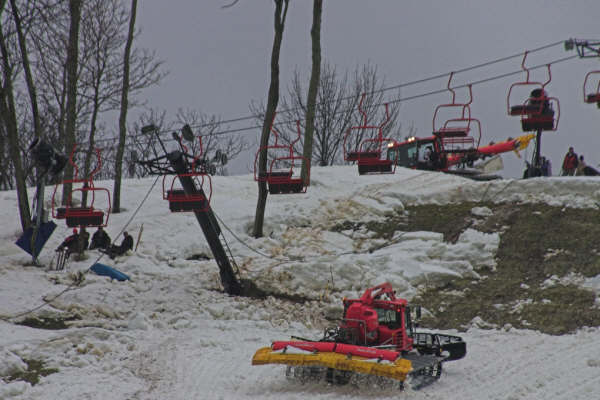
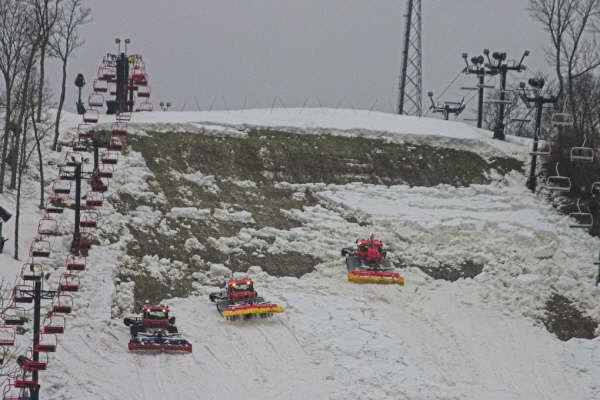
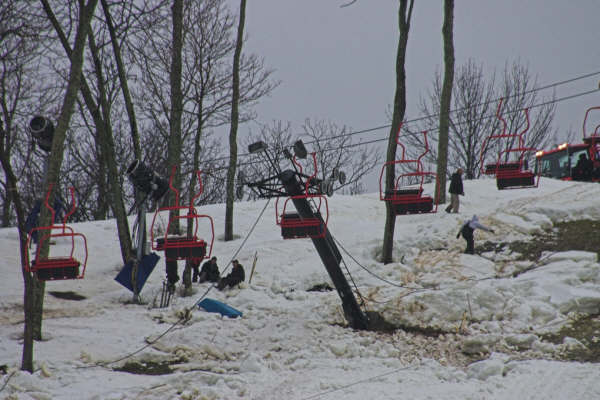
In one of the most bizarre occurrences an avalanche occurred in the Midwest. During the fall of 2006 at the Indiana ski resort Perfect North Slope. This central Indiana resort was making snow on bare ground, as is common at most resorts. After a night of snow making the staff arrived to see the slope had avalanched.
Not enough research was done on this avalanche but several firsts or at least extremely unusual things occurred during this avalanche
- ·An avalanche occurred in the Midwest
- ·The avalanche was composed of 100% man made snow
- ·The avalanche slid on bare ground with no snow layer below
Good Idea, Bad Approach and it Didn’t Work Anyway: Berkshire Ski Area wins lawsuit
Posted: February 10, 2008 Filed under: Massachusetts, Ski Area | Tags: Berkshire East Ski Resort, Death, Law, Massachusetts, Ski, Ski Resort, snowmaking Leave a commentA ski area recently one a lawsuit filed by the parents of a teenage who died skiing at the Berkshire East Ski Resort. Elizabeth Ann Loughman was skiing with her high school when she fell hitting a snowmaking hydrant. The jury deliberated for two hours before finding that the ski area and its employees were not liable for the death of the young women.
This is a sad story in two ways. One, a young woman died skiing and two, a father felt the legal system was the best way to create a change in to keep other people safe. Another example where the law was felt by the parents to be the best way to accomplish their goals, but not an effective way.
For more information see:
Greenfield, Massachusetts Recorder.com: Jury: Ski resort not at fault in teen death
MassLive.com: Ski area wins lawsuit in death of local teen


 Recreation Law