
J.T., Jr., a minor v. Monster Mountain, Llc, 2010 U.S. Dist. LEXIS 130407; 78 Fed. R. Serv. 3d (Callaghan) 182
Posted: June 20, 2011 Filed under: Alabama, Legal Case, Minors, Youth, Children, Release (pre-injury contract not to sue) Leave a commentJ.T., Jr., a minor v. Monster Mountain, Llc, 2010 U.S. Dist. LEXIS 130407; 78 Fed. R. Serv. 3d (Callaghan) 182
J.T., Jr., a minor who sues by and through SUSAN THODE, his mother and next of friend, Plaintiff, v. MONSTER MOUNTAIN, LLC, D/B/A MONSTER MOUNTAIN MX PARK; DOUBLE AA ENTERPRISES, LLC; PRECISION CYCLES, LLC, D/B/A TRACK SIDE PERFORMANCE PRO SHOP; WILLIAM ANDERSON, III; and MILAN HARRIS, Defendants.
CIVIL ACTION NO. 2:09cv643-WHA-TFM (WO)
UNITED STATES DISTRICT COURT FOR THE MIDDLE DISTRICT OF ALABAMA, NORTHERN DIVISION
2010 U.S. Dist. LEXIS 130407; 78 Fed. R. Serv. 3d (Callaghan) 182
December 9, 2010, Decided
December 9, 2010, Filed
COUNSEL: [*1] For J.T., Jr., a minor who sues by and through Susan Thode, his mother and next of friend, Plaintiff: Benjamin E. Baker , Jr., LEAD ATTORNEY, Dana Claire Taunton, Beasley Allen Crown Methvin Portis & Miles PC, Montgomery, AL; Michael J. Crow, LEAD ATTORNEY, Beasley Allen Crow Methvin Portis & Miles PC, Montgomery, AL.
For Monster Mountain, LLC, doing business as Monster Mountain MX Park, Double AA Enterprises, LLC, William Anderson, III, Defendants: Richard Brett Garrett, LEAD ATTORNEY, Rushton Stakely Johnston & Garrett PC, Montgomery, AL; Thomas Grant Sexton , Jr., Rushton, Stakely, Johnston & Garrett, P.A., Montgomery, AL.
For Precision Cycles, LLC, doing business as Track Side Performance Pro Shop, Milan Harris, Defendants: Joseph William Warren, LEAD ATTORNEY, Joseph W. Warren, P.C., Montgomery, AL.
JUDGES: W. HAROLD ALBRITTON, SENIOR UNITED STATES DISTRICT JUDGE.
OPINION BY: W. HAROLD ALBRITTON
OPINION
MEMORANDUM OPINION AND ORDER
I.INTRODUCTION
This cause is before the court on a Motion for Summary Judgment filed by Monster Mountain, LLC (“Monster Mountain”); Double AA Enterprises, LLC (“Double AA”); and William Anderson, III (“Anderson,” collectively, the “Monster Mountain Defendants”) (Doc. #30). The Plaintiff, [*2] J.T., Jr. (“J.T.”) filed a Complaint in this case alleging that Monster Mountain, Double AA, Anderson, Precision Cycles, LLC, and Milan Harris (collectively, the “Defendants”) are liable to him on the basis of premises liability, negligence, and wantonness. The Monster Mountain Defendants moved for summary judgment on the negligence cause of action, asserting that a contractual exculpatory clause bars J.T.’s claim. For the reasons to be discussed, the Motion for Summary Judgment is due to be DENIED.
II.SUMMARY JUDGMENT STANDARD
[HN1] Summary judgment is proper “if there is no genuine issue as to any material fact and . . . the moving party is entitled to a judgment as a matter of law.” Celotex Corp. v. Catrett, 477 U.S. 317, 322, 106 S. Ct. 2548, 91 L. Ed. 2d 265 (1986).
The party asking for summary judgment “always bears the initial responsibility of informing the district court of the basis for its motion,” relying on submissions “which it believes demonstrate the absence of a genuine issue of material fact.” Id. at 323. Once the moving party has met its burden, the nonmoving party must “go beyond the pleadings” and show that there is a genuine issue for trial. Id. at 324.
[HN2] Both the party “asserting that a fact cannot be,” and [*3] a party asserting that a fact is genuinely disputed, must support their assertions by “citing to particular parts of materials in the record,” or by “showing that the materials cited do not establish the absence or presence of a genuine dispute, or that an adverse party cannot produce admissible evidence to support the fact.” Fed. R. Civ. P. 56(c)(1)(A), (B). Acceptable materials under Rule 56(c)(1)(A) include “depositions, documents, electronically stored information, affidavits or declarations, stipulations (including those made for purposes of the motion only), admissions, interrogatory answers, or other materials.”
[HN3] To avoid summary judgment, the nonmoving party “must do more than show that there is some metaphysical doubt as to the material facts.” Matsushita Elec. Indus. Co. v. Zenith Radio Corp., 475 U.S. 574, 586, 106 S. Ct. 1348, 89 L. Ed. 2d 538 (1986). On the other hand, the evidence of the nonmovant must be believed and all justifiable inferences must be drawn in its favor. See Anderson v. Liberty Lobby, 477 U.S. 242, 255, 106 S. Ct. 2505, 91 L. Ed. 2d 202 (1986).
After the nonmoving party has responded to the motion for summary judgment, the court shall grant summary judgment if the movant shows that there is no genuine dispute as to any material [*4] fact and the movant is entitled to judgment as a matter of law. Fed. R. Civ. P. 56(a).
III.FACTS
The submissions of the parties establish the following facts, viewed in a light most favorable to the non-movant:
J.T. is a minor from the state of Indiana and a competitive motocross rider. On January 29, 2009, J.T. traveled to Monster Mountain MX Park in Alabama, a motocross park owned by Double AA. He was accompanied by several friends and his coach, James Tyler Thompson (“Thompson”). Prior to departing, J.T.’s parents signed a notarized document authorizing Thompson to “act as our son’s legal guardian in our absence for the purpose of signing all release of liability and registration forms and to give consent for medical treatment.” (Doc. #30-1.)
To ride at Monster Mountain, all riders must pay an entry fee and execute a Release and Waiver of Liability and Indemnity Agreement (the “Release”). The Release reads in pertinent part:
IN CONSIDERATION of being permitted to enter . . . EACH OF THE UNDERSIGNED, for himself, his personal representatives, heirs, and next of kin, acknowledges, agrees and represents that he has, or will immediately upon entering . . . [inspect the premises] . . .
[and] [*5] HEREBY RELEASES, WAIVES, DISCHARGES, AND COVENANTS NOT TO SUE the . . . track operator [or] track owner . . . from all liability to the undersigned, his personal representatives, assigns, heirs, and next of kin for any and all loss or damage . . . whether caused by the negligence of the releasees or otherwise while the undersigned is in or upon the restricted area . . .
[and] HEREBY AGREES TO INDEMNIFY AND SAVE AND HOLD HARMLESS the releasees and each of them from any loss, liability, damage, or cost they may incur due to the presence of the undersigned in or upon the restricted area . . .
[and] HEREBY ASSUMES FULL RESPONSIBILITY FOR AND RISK OF BODILY INJURY, DEATH OR PROPERTY DAMAGE due to the negligence of releasees or otherwise . . . .
THE UNDERSIGNED HAS READ AND VOLUNTARILY SIGNS THE RELEASE AND WAIVER . . . and further agrees that no oral representations, statements or inducements apart from the foregoing written agreement have been made.
(Doc. #30-2.)
During his first three days at Monster Mountain, J.T. rode without incident. On the morning of February 1, 2009, J.T., Thompson, and the other riders who traveled with them, arrived at Monster Mountain for another day of riding.
After [*6] J.T. and Thompson signed the Release, with Thompson signing on J.T.’s behalf, Thompson paid J.T.’s entry fee, and J.T. entered Monster Mountain and began riding around the track. Subsequently, J.T. rode over a blind jump, became airborne, and crashed into a tractor on the track that he did not see until he was airborne. J.T. alleges, among other causes of action, that Defendants’ failure to remove the tractor from the track constituted negligence.
IV.DISCUSSION
The issue before the court is whether J.T.’s negligence claims against the Monster Mountain Defendants are barred by the Release. The Monster Mountain Defendants contend that they are entitled to summary judgment because J.T. signed the Release and Thompson “signed [the Release] on [J.T.’s] behalf,” thus binding J.T. to a contract that exculpates the Monster Mountain Defendants from liability for J.T.’s injuries. (Br. in Supp. of Mot. for Summ. J. at 3.)
J.T. responds that, under Alabama law, a contract made with a minor is voidable. Young v. Weaver, 883 So. 2d 234, 236-37 (Ala. Civ. App. 2003). 1 J.T. argues that because the Release is effectively a contract with a minor, whether signed on his behalf or not, the Release is not [*7] binding on him.
1 One exception to the rule that a contract with an infant is voidable at the election of the infant is that “when an infant executes a contract, the infant is liable only on his implied promise to pay for necessaries.” Ex parte Odem, 537 So. 2d 919, 920 (Ala. 1988).
The Monster Mountain Defendants concede that J.T.’s signature on the contract cannot make it binding, due to the rule that a contract with a minor is voidable. However, they attempt to overcome J.T.’s argument by asserting that Thompson, an adult who was acting on behalf of J.T.’s parents, signed the Release on J.T.’s behalf. Thus, the Monster Mountain Defendants contend that if a child’s parents, acting through an agent, sign an exculpatory contract on their child’s behalf, the contract is binding on the child and not voidable.
As the following discussion indicates, the court agrees with J.T., and therefore, summary judgment is due to be denied.
A. Alabama Law
The parties agree that Alabama law applies in this case. They also agree that Alabama courts have not addressed the specific factual situation presented by this case. However, Alabama courts have dealt with three relevant legal principles.
First, [HN4] Alabama, [*8] like virtually all jurisdictions, applies the longstanding common law rule that, except for a contract for necessaries, “a minor is not liable on any contract he makes and that he may disaffirm the same.” See, e.g., Young, 883 So. 2d at 236 (internal punctuation omitted). This rule exists to protect minors from being taken advantage of by others due to minors’ “improvidence and incapacity.” Bell v. Burkhalter, 176 Ala. 62, 57 So. 460 (Ala. 1912) (citing Am. Freehold Land Mortg. Co. v. Dykes, 18 So. 292, 294, 111 Ala. 178 (Ala. 1895)). This rule is firmly entrenched in the common law and has existed at least since the year 1292. 5 Richard A. Lord, Williston on Contracts § 9:2 (4th ed. 1993).
Second, while Alabama courts have noted an exception to this rule, that exception is narrow. In Peck v. Dill, the Alabama Supreme Court held that a parent could sign a binding contract on behalf of a child, pursuant to a health care plan, that required the child to subrogate the health insurer for injuries caused by third parties. 581 So. 2d 800, 802 (Ala. 1991), overruled on other grounds by Ex Parte State Farm Fire & Cas. Co., 764 So. 2d 543, 544, 546 (Ala. 2000)). The court noted that contracts involving minors are generally [*9] voidable, yet carved out an exception to this default rule due to the following policy considerations (1) “the availability of medical insurance to minors depends on whether parents” can bind their children to these subrogation clauses; (2) “a minor cannot take the benefits of a contract while disaffirming the burdens;” and (3) a minor not bound to this subrogation clause would receive a windfall by recovering from both an insurer and a tortfeasor for the same injury. Id. at 804 (quoting Hamrick v. Hosp. Serv. Corp., 110 R.I. 634, 296 A.2d 15, 17-18 (R.I. 1972)).
Third, [HN5] Alabama courts have restricted the right of a parent or guardian to release a minor’s post-injury claims. Abernathy v. Colbert Cnty. Hosp. Bd., 388 So. 2d 1207, 1209 (Ala. 1980). Specifically, a parent or guardian cannot bind a minor to a settlement that releases the minor’s post-injury claims without express court approval. Id. The rationale behind the need for express court approval, similar to the voidable contract rule for minors, is to protect the minor’s “best interest[s].” Id.
The teaching of these cases is that, in Alabama, the default rule is that contracts with minors are voidable. While the Alabama Supreme Court has shown [*10] willingness to make a narrow exception to this rule in the unique factual scenario from Peck v. Dill, that case serves as an exception, not a change in, the default rule.
B. Law from Other Jurisdictions
Because no Alabama case or statute directly addresses the issue of the case at bar, the court turns to the law of other jurisdictions for persuasive guidance. There are three important conclusions to be drawn from the law of other jurisdictions.
First, [HN6] the majority rule in the United States is that parents may not bind their children to pre-injury liability waivers by signing the waivers on their children’s behalf. See, e.g., Galloway v. Iowa, 790 N.W.2d 252, 2010 WL 4365953, at *4 (Iowa 2010) (listing cases and stating that “the majority of state courts who have examined the issue . . . have concluded public policy precludes enforcement of a parent’s preinjury waiver of her child’s cause of action for injuries caused by negligence”); Kirton v. Fields, 997 So. 2d 349, 356 (Fla. 2008) (listing cases, and stating that “[i]n holding that pre-injury releases executed by parents on behalf of minor children are unenforceable for participation in commercial activities, we are in agreement [*11] with the majority of other jurisdictions.”).
Second, many courts rejecting parents’ right to bind children to pre-injury releases have relied on legal principles recognized by Alabama, as discussed above. For example, courts have relied in part on the principle that parents may not bind a child to a settlement releasing post-injury claims without court approval. Galloway, 790 N.W.2d 252, 2010 WL 4365953, at *6 (“As the Washington Supreme Court has noted, if a parent lacks authority without court approval to compromise and settle her minor child’s personal injury claim after an injury has occurred, ‘it makes little, if any, sense to conclude a parent has the authority to release a child’s cause of action prior to an injury.'”) (quoting Scott v. Pac. W. Mountain Resort, 119 Wn.2d 484, 834 P. 2d 6, 11-12 (Wash. 1992)); accord Hojnowski v. Vans Skate Park, 187 N.J. 323, 901 A.2d 381, 386 (N.J. 2006); Meyer v. Naperville Manner, Inc., 262 Ill. App. 3d 141, 634 N.E.2d 411, 414-15, 199 Ill. Dec. 572 (Ill. App. Ct. 1994). Courts have also relied on the policy, also recognized in Alabama, of the state’s role of protecting minors from harm. See, e.g., Kirton, 997 So. 2d at 357-58; Hojnowski, 901 A.2d at 386; Meyer, 634 N.E.2d at 414-15.
Third, the only published decisions from [*12] other jurisdictions that have bound children to pre-injury releases executed by a parent or guardian on the child’s behalf have done so in the context of a “minor’s participation in school-run or community-sponsored activities.” Kirton, 997 So. 2d at 356 (citing Hohe v. San Diego Unified Sch. Dist., 224 Cal. App. 3d 1559, 274 Cal. Rptr. 647 (1990); Sharon v. City of Newton, 437 Mass. 99, 769 N.E. 2d 738 (2002); Zivich v. Mentor Soccer Club, Inc., 82 Ohio St. 3d 367, 1998 Ohio 389, 696 N.E. 2d 201, 205 (1998). By contrast, this court is not aware of a single case, that has not been overturned, that has held these clauses to be binding in the context of a for-profit activity. 2
2 In Cooper v. Aspen Skiing Co., the Colorado Supreme Court reversed a Colorado appellate court’s holding that a parent’s waiver on behalf of a minor was binding in favor of a for-profit ski company. 48 P.3d 1229, 1230-31 (Colo. 2002). That case was subsequently superseded by a statute that stated that “[a] parent of a child may, on behalf of the child, release or waive the child’s prospective claim for negligence.” Colo. Rev. Stat. § 13-22-107(3). The fact that Colorado’s legislature, not courts, modified the default rule that a contract with a minor is voidable suggests that changing [*13] this default rule should be a legislative choice.
C. Application to the Case at Bar
The court concludes, based on the law of Alabama as well as persuasive authority from other jurisdictions, that the Release signed by Thompson on J.T.’s behalf is not binding on J.T.
First, J.T. is a minor, so the applicable default rule under Alabama law is that any contract made with J.T. is voidable.
Second, there is no exception under current Alabama law that requires that this court apply a different rule under the facts of this case. For example, the policy considerations that the Alabama Supreme Court discussed in Peck, of ensuring that minors receive medical care and do not receive windfalls, do not apply to the facts of this case. This is not a case about a child receiving medical care, rather, it is a case about a child participating in a recreational event.
Third, under Alabama law, a parent may not bind a child to a settlement releasing the child’s post-injury claims without express court approval. This court agrees with the rationale of other jurisdictions that it would be completely illogical if, despite this rule, a parent could bind a child, before any injury occurs, to an exculpatory clause [*14] releasing parties from any liability for injuries which might be caused in the future, simply by signing a contract on the child’s behalf.
Fourth, the weight of authority in other jurisdictions suggests that the release in this case is not binding. The majority rule in jurisdictions throughout the United States is that a parent may not bind a child to a liability waiver. Moreover, and more significantly, no published decision that has not been overturned holds that a parent may bind a child to a liability waiver in favor of a for-profit entity, such as the Monster Mountain Defendants in this case. The few cases that have upheld a pre-injury waiver have made a point of emphasizing that the policy reasons for doing so are based on the fact of the defendant being a non-profit sponsor of the activity involved, such as with school extra-curriculars.
Based on all of the above considerations, the court concludes that, [HN7] under Alabama law, a parent may not bind a child to a pre-injury liability waiver in favor of a for-profit activity sponsor by signing the liability waiver on the child’s behalf. Accordingly, the Release Thompson signed on J.T.’s behalf, based on authority given by J.T.’s parents, [*15] does not bar J.T. from asserting a negligence claim against the Monster Mountain Defendants. Summary judgment on this issue in favor of the Monster Mountain Defendants, therefore, is due to be DENIED. 3
3 The court does not hold that an indemnity agreement, such as that contained in another clause of the Release, signed by parents in order for their child to be allowed to participate in a dangerous activity, would not be enforceable against the parties. That issue is not presented.
V.CONCLUSION
For the foregoing reasons, the Motion for Summary Judgment (Doc. #30) is ORDERED DENIED.
Done this 9th day of December, 2010.
/s/ W. Harold Albritton
W. HAROLD ALBRITTON
SENIOR UNITED STATES DISTRICT JUDGE
Moss Quote 6/17/11
Posted: June 17, 2011 Filed under: Uncategorized Leave a commentThe only thing most rules and regulations do is give you a way to measure failure.
Study shows 87000 jobs in recreation in Arizona
Posted: June 16, 2011 Filed under: Uncategorized Leave a commentProbably all of them are in Flagstaff and Prescott… 
The Access Fund generated this study showing the economic impact of recreation in Arizona.
The study found:
38 percent of human-powered recreation outings result in an overnight stay.
Human-powered recreation produces $5.3 billion in annual retail sales in Arizona and generates nearly $371 million in state tax revenue.
Spending on human-powered recreation activities is responsible for 12 percent of Arizona’s total retail economy.
Human-powered recreation directly supports nearly 87,000 Arizona jobs, and indirectly supports another 100,000 jobs.
Do Something
Let your congressman know that the Land and Water Conversation Fund should be funded to provide jobs.
See Human -powered Recreation Generates 87,000 Jobs in Arizona
What do you think? Leave a comment.
Copyright 2010 Recreation Law (720) Edit Law, Recreation.Law@Gmail.com
Twitter: RecreationLaw
Facebook: Rec.Law.Now
Facebook Page: Outdoor Recreation & Adventure Travel Law
Blog: www.recreation-law.com
Keywords: #recreationlaw, #@recreationlaw, #cycling.law #fitness.law, #ski.law, #outside.law, #recreation.law, #recreation-law.com, #outdoor law, #recreation law, #outdoor recreation law, #adventure travel law, #law, #travel law, #Jim Moss, #James H. Moss, #attorney at law, #tourism, #adventure tourism, #rec-law, #rec-law blog, #recreation law, #recreation law blog, #risk management, #Human Powered, #human powered recreation,# cycling law, #bicycling law, #fitness law, #recreation-law.com, #backpacking, #hiking, #Mountaineering, #ice climbing, #rock climbing, #ropes course, #challenge course, #summer camp, #camps, #youth camps, #skiing, #ski areas, #negligence, #Access Fund, #LWCF, #Land and Water Conservation Fund, #Arizona,
Technorati Tags: Study,jobs,recreation,Arizona,Flagstaff,Prescott,Fund,impact,outings,Human,sales,million,revenue,Land,Water,Conversation,Generates,Leave,Edit,Gmail,Twitter,RecreationLaw,Facebook,Page,Outdoor,Adventure,Travel,Blog,Keywords,Moss,James,attorney,tourism,management,youth,areas,negligence,LWCF,Conservation
Windows Live Tags: Study,jobs,recreation,Arizona,Flagstaff,Prescott,Fund,impact,outings,Human,sales,million,revenue,Land,Water,Conversation,Generates,Leave,Edit,Gmail,Twitter,RecreationLaw,Facebook,Page,Outdoor,Adventure,Travel,Blog,Keywords,Moss,James,attorney,tourism,management,youth,areas,negligence,LWCF,Conservation
WordPress Tags: Study,jobs,recreation,Arizona,Flagstaff,Prescott,Fund,impact,outings,Human,sales,million,revenue,Land,Water,Conversation,Generates,Leave,Edit,Gmail,Twitter,RecreationLaw,Facebook,Page,Outdoor,Adventure,Travel,Blog,Keywords,Moss,James,attorney,tourism,management,youth,areas,negligence,LWCF,Conservation
Blogger Labels: Study,jobs,recreation,Arizona,Flagstaff,Prescott,Fund,impact,outings,Human,sales,million,revenue,Land,Water,Conversation,Generates,Leave,Edit,Gmail,Twitter,RecreationLaw,Facebook,Page,Outdoor,Adventure,Travel,Blog,Keywords,Moss,James,attorney,tourism,management,youth,areas,negligence,LWCF,Conservation
As long as there are laws, there will be people trying to get around them.
Posted: June 15, 2011 Filed under: Summer Camp Leave a commentPersonal responsibility cannot be replaced by a law. If you are going to put your kid in day care or a summer camp, check it out.
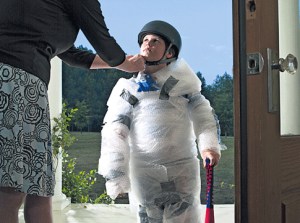
An article titled Classic kid’s games like kickball deemed unsafe by state in an effort to increase summer camp regulation had the greatest photograph so far this year. A mother sending a kid out to play with a helmet and wrapped in bubble wrap. The article described a new law aimed at getting day care centers to register in New York.
The summer camps were avoiding registration because they claimed they were day care centers. So the state made a list of risk recreational activities. If you allow the kids in your charge to play two games, one of which is on the list then you must register. The list of risk recreational games includes:
| Freeze tag | Wiffle Ball | Kickball |
| Red Rover | Kickball | Dodgeball |
| Capture the Flag | Steal the Bacon |
This is the hilarious part. Frisbee, tug of war and sack races are safe.
It makes Colorado’s problems with mountain boarding look minor.
Response
The overall effect is the state is saying we can do a better job of protecting your kids then you can, so you don’t have to. Instead of investigating whether the place you are dropping off your kid is well staffed, has a medical plan and is registered, we are doing that for you. Instead of finding out if the place is a disaster and a pit, we will do that for you.
Of course the state won’t, and kids will get hurt and parents will scream and the people who tried to get around the law will get away with the money.
See Classic kids games like kickball deemed unsafe by state in effort to increase summer camp regulation
What do you think? Leave a comment.
Copyright 2011 Recreation Law (720) Edit Law, Recreation.Law@Gmail.com
Twitter: RecreationLaw
Facebook: Rec.Law.Now
Facebook Page: Outdoor Recreation & Adventure Travel Law
Blog: www.recreation-law.com
Keywords: #recreationlaw, #@recreationlaw, #cycling.law #fitness.law, #ski.law, #outside.law, #recreation.law, #recreation-law.com, #outdoor law, #recreation law, #outdoor recreation law, #adventure travel law, #law, #travel law, #Jim Moss, #James H. Moss, #attorney at law, #tourism, #adventure tourism, #rec-law, #rec-law blog, #recreation law, #recreation law blog, #risk management, #Human Powered, #human powered recreation,# cycling law, #bicycling law, #fitness law, #recreation-law.com, #backpacking, #hiking, #Mountaineering, #ice climbing, #rock climbing, #ropes course, #challenge course, #summer camp, #camps, #youth camps, #skiing, #ski areas, #negligence, #summer camp, #New York #NY, #kids, #games, #kickball, #summer, #day care, #,
Technorati Tags: laws,Personal,article,Classic,effort,regulation,helmet,York,registration,Freeze,Wiffle,Ball,Kickball,Rover,Dodgeball,Capture,Flag,Steal,Bacon,Frisbee,Colorado,mountain,Response,Instead,disaster,parents,money,Leave,Recreation,Edit,Gmail,Twitter,RecreationLaw,Facebook,Page,Outdoor,Adventure,Travel,Blog,Keywords,Moss,James,attorney,tourism,management,Human,youth,areas,negligence
Windows Live Tags: laws,Personal,article,Classic,effort,regulation,helmet,York,registration,Freeze,Wiffle,Ball,Kickball,Rover,Dodgeball,Capture,Flag,Steal,Bacon,Frisbee,Colorado,mountain,Response,Instead,disaster,parents,money,Leave,Recreation,Edit,Gmail,Twitter,RecreationLaw,Facebook,Page,Outdoor,Adventure,Travel,Blog,Keywords,Moss,James,attorney,tourism,management,Human,youth,areas,negligence
WordPress Tags: laws,Personal,article,Classic,effort,regulation,helmet,York,registration,Freeze,Wiffle,Ball,Kickball,Rover,Dodgeball,Capture,Flag,Steal,Bacon,Frisbee,Colorado,mountain,Response,Instead,disaster,parents,money,Leave,Recreation,Edit,Gmail,Twitter,RecreationLaw,Facebook,Page,Outdoor,Adventure,Travel,Blog,Keywords,Moss,James,attorney,tourism,management,Human,youth,areas,negligence
Blogger Labels: laws,Personal,article,Classic,effort,regulation,helmet,York,registration,Freeze,Wiffle,Ball,Kickball,Rover,Dodgeball,Capture,Flag,Steal,Bacon,Frisbee,Colorado,mountain,Response,Instead,disaster,parents,money,Leave,Recreation,Edit,Gmail,Twitter,RecreationLaw,Facebook,Page,Outdoor,Adventure,Travel,Blog,Keywords,Moss,James,attorney,tourism,management,Human,youth,areas,negligence
Yeah! Tax credit for Adventure Tourism businesses
Posted: June 14, 2011 Filed under: Adventure Travel 1 CommentTennessee has it going!
A bill is in the Tennessee legislature to give business a $4500 tax credit for each job created in the Adventure Tourism industry. The purpose of the bill is to encourage tourism in rural counties.
See Lawmakers want tax credits for ‘adventure tourism’
What do you think? Leave a comment.
Copyright 2010 Recreation Law (720) Edit Law, Recreation.Law@Gmail.com
Twitter: RecreationLaw
Facebook: Rec.Law.Now
Facebook Page: Outdoor Recreation & Adventure Travel Law
Blog: www.recreation-law.com
Keywords: #recreationlaw, #@recreationlaw, #cycling.law #fitness.law, #ski.law, #outside.law, #recreation.law, #recreation-law.com, #outdoor law, #recreation law, #outdoor recreation law, #adventure travel law, #law, #travel law, #Jim Moss, #James H. Moss, #attorney at law, #tourism, #adventure tourism, #rec-law, #rec-law blog, #recreation law, #recreation law blog, #risk management, #Human Powered, #human powered recreation,# cycling law, #bicycling law, #fitness law, #recreation-law.com, #backpacking, #hiking, #Mountaineering, #ice climbing, #rock climbing, #ropes course, #challenge course, #summer camp, #camps, #youth camps, #skiing, #ski areas, #negligence, # Tennessee, #adventure, #tourism, #rural
Technorati Tags: Yeah,Adventure,Tourism,Tennessee,legislature,industry,purpose,counties,Lawmakers,Leave,Recreation,Edit,Gmail,Twitter,RecreationLaw,Facebook,Page,Outdoor,Travel,Blog,Keywords,Moss,James,attorney,management,Human,youth,areas,negligence
Windows Live Tags: Yeah,Adventure,Tourism,Tennessee,legislature,industry,purpose,counties,Lawmakers,Leave,Recreation,Edit,Gmail,Twitter,RecreationLaw,Facebook,Page,Outdoor,Travel,Blog,Keywords,Moss,James,attorney,management,Human,youth,areas,negligence
WordPress Tags: Yeah,Adventure,Tourism,Tennessee,legislature,industry,purpose,counties,Lawmakers,Leave,Recreation,Edit,Gmail,Twitter,RecreationLaw,Facebook,Page,Outdoor,Travel,Blog,Keywords,Moss,James,attorney,management,Human,youth,areas,negligence
Blogger Labels: Yeah,Adventure,Tourism,Tennessee,legislature,industry,purpose,counties,Lawmakers,Leave,Recreation,Edit,Gmail,Twitter,RecreationLaw,Facebook,Page,Outdoor,Travel,Blog,Keywords,Moss,James,attorney,management,Human,youth,areas,negligence
Texas follows majority with appellate court decision holding a parent cannot sign away a minor’s right to sue.
Posted: June 13, 2011 Filed under: Uncategorized Leave a commentPaz v. Life Time Fitness, Inc., et al., 2010 U.S. Dist. LEXIS 133058
Texas requires that a release be clear and conspicuous to anyone signing it. The release must inform the signor that they are giving up their legal rights.
The plaintiff, an injured child, was attending a summer day camp at a fitness center. She and her parents sued the fitness center for her injuries. The defendant filed a motion for summary judgment based on a participation agreement signed by the mother when she enrolled her daughter in the program. The participation agreement included a section entitled “Assumption of the Risk” and another section labeled “Release of Liability.”
The plaintiff’s sued for negligence, gross negligence and premises liability. Premises liability is a claim that the defendant failed to keep the premises (land or building or both) safe for the plaintiff. As the owner of land, each state sets for the requirements for what a landowner must do to keep his or her land safe for people coming upon their land. The amount of protection a person coming on the land deserves is also dependent upon their status when they enter the land and their relationship to the land owner.
The suit was brought in the Federal District Court. In the Federal Court System this is the trial court level. This level of courts, because it is in the Federal System publishes the opinions of the trial court. This is not done in most state court decisions. So in this case, we have an opinion by the trial court that is published.
The issue at the time was not one that had been decided by the Texas Supreme Court. The law of Texas applies to the parties in a Federal Court when the issue is a state issue between parties of two different states. (Confusing? I know.) The federal court system was set up to handle two major types of lawsuits; those against the federal government or concerning federal law and suits between parties of different states or countries. Here, there was no issue of federal law and neither of the parties were federal agencies so the case must be based on the parties being from different state. The case itself is silent on that issue.
Consequently the Federal Court was to decide a State Court legal issue. The court then looked at the Texas decisions and made its ruling on how the Federal Court thought the Texas Supreme Court would decide. This is really no different than how any legal decision is made; how will the court at the next level decide, it is just in this case the issue was discussed in the decision.
So? Summary of the case
The court discussed two major issues in making its decision. The first is Texas’ fair notice requirements for releases. The fair notice provision requires the person signing the release must know what they are signing. That means the release must be conspicuous. As the court stated, fair notice requires:
(1) a party seeking to enforce a release provision comply with the express negligence doctrine
(2) that the provision be conspicuous.
The first part requires part of the test requires the release must express the intent (to release or waive claims in advance of an injury) unambiguously. That means very clearly within the document the parties must be able to see that this is a release. The conspicuous part means that the release language must be so conspicuously written so that a reasonable person would notice it.
In short, you have to identify the document as a release and the release language must be pointed out and understandable. This requirement can be met if the person signing the document, the releaser knows they are signing a release.
The court then looked at whether Texas allowed a parent to sign away a minor’s right to sue and surmised that Texas would follow the majority and not allow a parent to sign away a minor’s right to sue.
So Now What?
This case is short and sweet and clearly outlines the requirements for a release under Texas law. The information contained here should be used by everyone writing a release because it is a very good format for making sure you prevent people from suing you if they are injured.
That means, you want to write a document that shows people when they sign it they can’t sue. That way, your release will not be tested in court. I always get a kick out of releases that when I read them I realize it is just waiting to be tested. The release language and the type of document are so hidden in the release or so obscure that there is no way that anyone would understand what they are signing.
Tell people in advance that they are signing a release. Make sure the release language in your document is clear and in the document in a way that any person reading the document can clearly and easily see they are signing a release.
Never give anyone a reason in your release to test it.
As far as minors in a program in Texas you are going to have to rely on the doctrine of assumption of the risk. You need to educate the parents and their children on the risks of the activity and do that in a way that you can prove to a jury that the child knew what they were doing was going to injure them. If they are too young to train and/or educate, then you must keep the children safe.
What do you think? Leave a comment.
Copyright 2011 Recreation Law (720) Edit Law, Recreation.Law@Gmail.com
Twitter: RecreationLaw
Facebook: Rec.Law.Now
Facebook Page: Outdoor Recreation & Adventure Travel Law
Blog: www.recreation-law.com
Keywords: #recreationlaw, #@recreationlaw, #cycling.law #fitness.law, #ski.law, #outside.law, #recreation.law, #recreation-law.com, #outdoor law, #recreation law, #outdoor recreation law, #adventure travel law, #law, #travel law, #Jim Moss, #James H. Moss, #attorney at law, #tourism, #adventure tourism, #rec-law, #rec-law blog, #recreation law, #recreation law blog, #risk management, #Human Powered, #human powered recreation,# cycling law, #bicycling law, #fitness law, #recreation-law.com, #backpacking, #hiking, #Mountaineering, #ice climbing, #rock climbing, #ropes course, #challenge course, #summer camp, #camps, #youth camps, #skiing, #ski areas, #negligence, #Texas, #minor, #,
Technorati Tags: Texas,decision,Life,Time,Dist,LEXIS,plaintiff,parents,injuries,defendant,judgment,participation,agreement,daughter,Assumption,Risk,Release,negligence,premises,owner,requirements,landowner,protection,person,status,relationship,Federal,District,Court,System,opinions,decisions,opinion,Supreme,lawsuits,government,Here,agencies,State,Summary,provision,doctrine,injury,requirement,information,Tell,Make,minors,jury,Leave,Recreation,Edit,Gmail,Twitter,RecreationLaw,Facebook,Page,Outdoor,Adventure,Travel,Blog,Keywords,Moss,James,attorney,tourism,management,Human,youth,areas,upon
Windows Live Tags: Texas,decision,Life,Time,Dist,LEXIS,plaintiff,parents,injuries,defendant,judgment,participation,agreement,daughter,Assumption,Risk,Release,negligence,premises,owner,requirements,landowner,protection,person,status,relationship,Federal,District,Court,System,opinions,decisions,opinion,Supreme,lawsuits,government,Here,agencies,State,Summary,provision,doctrine,injury,requirement,information,Tell,Make,minors,jury,Leave,Recreation,Edit,Gmail,Twitter,RecreationLaw,Facebook,Page,Outdoor,Adventure,Travel,Blog,Keywords,Moss,James,attorney,tourism,management,Human,youth,areas,upon
WordPress Tags: Texas,decision,Life,Time,Dist,LEXIS,plaintiff,parents,injuries,defendant,judgment,participation,agreement,daughter,Assumption,Risk,Release,negligence,premises,owner,requirements,landowner,protection,person,status,relationship,Federal,District,Court,System,opinions,decisions,opinion,Supreme,lawsuits,government,Here,agencies,State,Summary,provision,doctrine,injury,requirement,information,Tell,Make,minors,jury,Leave,Recreation,Edit,Gmail,Twitter,RecreationLaw,Facebook,Page,Outdoor,Adventure,Travel,Blog,Keywords,Moss,James,attorney,tourism,management,Human,youth,areas,upon
Blogger Labels: Texas,decision,Life,Time,Dist,LEXIS,plaintiff,parents,injuries,defendant,judgment,participation,agreement,daughter,Assumption,Risk,Release,negligence,premises,owner,requirements,landowner,protection,person,status,relationship,Federal,District,Court,System,opinions,decisions,opinion,Supreme,lawsuits,government,Here,agencies,State,Summary,provision,doctrine,injury,requirement,information,Tell,Make,minors,jury,Leave,Recreation,Edit,Gmail,Twitter,RecreationLaw,Facebook,Page,Outdoor,Adventure,Travel,Blog,Keywords,Moss,James,attorney,tourism,management,Human,youth,areas,upon
Paz v. Life Time Fitness, Inc., et al., 2010 U.S. Dist. LEXIS 133058
Posted: June 13, 2011 Filed under: Uncategorized Leave a commentPaz v. Life Time Fitness, Inc., et al., 2010 U.S. Dist. LEXIS 133058
Pablo Paz, et al., Plaintiffs, vs. Life Time Fitness, Inc., et al., Defendants.
CIVIL ACTION NO. H-09-2804
UNITED STATES DISTRICT COURT FOR THE SOUTHERN DISTRICT OF TEXAS, HOUSTON DIVISION
2010 U.S. Dist. LEXIS 133058
December 16, 2010, Decided
December 16, 2010, Filed
COUNSEL: [*1] For Pablo Paz, Individually and A/N/F of Jane Doe, Ruth Paz, Plaintiffs: Casey Michael Brown, Michael Stephen Callahan, LEAD ATTORNEYS, The Callahan Law Firm, Houston, TX.
For LIFE TIME FITNESS, INC., LTF CMBS I, L.L.C., LTF CLUB MANAGEMENT COMPANY, L.L.C., LTF CLUB OPERATIONS COMPANY, INC., GENE SMITH, Defendants: Marc A Sheiness, LEAD ATTORNEY, Sheiness Scott et al, Houston, TX.
For LTF CLUB OPERATIONS COMPANY, INC., LTF CMBS I, L.L.C., LIFE TIME FITNESS, INC., GENE SMITH, LTF CLUB MANAGEMENT COMPANY, L.L.C., LIFE TIME FITNESS, INC., GENE SMITH, LTF CLUB MANAGEMENT COMPANY, L.L.C., LTF CMBS I, L.L.C., LTF CLUB OPERATIONS COMPANY, INC., ThirdParty Plaintiffs: Marc A Sheiness, LEAD ATTORNEY, Sheiness Scott et al, Houston, TX.
JUDGES: Lee H. Rosenthal, United States District Judge.
OPINION BY: Lee H. Rosenthal
OPINION
MEMORANDUM AND OPINION
This is a personal injury suit brought by parents individually and on behalf of their minor daughter. The child was injured in June 2008 while attending a summer day camp at a fitness center in Sugarland, Texas. The defendants have moved for summary judgment on the basis of their affirmative defense of release. (Docket Entry No. 22). The defense is based on a “participation agreement” [*2] the mother signed when she enrolled the child in the program. The agreement includes one section labeled “ASSUMPTION OF RISK” and another labeled “RELEASE OF LIABILITY.” The defendants assert that the agreement is an enforceable preinjury waiver and move to dismiss the plaintiffs’ claims for premises liability, negligence, and gross negligence. The plaintiffs respond that under Texas law, a parent’s signature on a preinjury release is not enforceable as a waiver of the minor’s rights. Based on the pleadings, the motion and response, the parties’ submissions, and the applicable law, this court denies the summary judgment motion. The reasons are explained below.
I. The Participation Agreement
The Participation Agreement contained two sections with titles in bolded all capital letters labeled, “ASSUMPTION OF RISK” and “RELEASE OF LIABILITY,” which read in pertinent part:
ASSUMPTION OF RISK
The undersigned understands that there is an inherent risk of injury, whether caused by Participant or someone else, in the use of or presence at a Life Time Fitness center, the use of equipment and services at Life Time Fitness center, and participation in Life Time Fitness’ programs. This includes but [*3] is not limited to, indoor and outdoor pool areas with water slides, a climbing wall area, ball and racquet courts, cardiovascular, and resistance training equipment, personal training and nutrition classes and services, member programs, a child center, and spa and café products and services. The risk includes, but is not limited to:
1) Injuries arising from the use of any of Life Time Fitness’ centers or equipment, including any accidental or “slip and fall” injuries;
2) Injuries arising from participation in supervised or unsupervised activities and programs within a Life Time Fitness center or outside a Life Time Fitness center, to the extent sponsored or endorsed by Life Time Fitness;
3) Injuries or medical disorders, including, but not limited, to heart attacks, strokes, heart stress, sprains, broken bones and torn muscles or ligaments, resulting from my use of or presence at a Life Time Fitness center, Participant’s use of equipment or services at a Life Time Fitness center, or my participation in Life Fitness’ programs; and
4) Injuries resulting from the actions taken or decisions made regarding medical survival procedures.
The undersigned understands and voluntarily accepts this [*4] risk on behalf of Participant. The undersigned agrees to specifically assume all risk of loss, theft or damage of personal property for Participant while he or she is using or present at any Life Time Fitness center, using any lockers, equipment or services at any Life Time Fitness center or participating in Life Time Fitness’ programs whether such programs take place inside of or outside of a Life Time Fitness center.
RELEASE OF LIABILITY
The undersigned waives any and all actions that may arise against Life Time Fitness as well as its owners, directors, or volunteers, as a result of any such injury, loss, theft, or damage to any such person, including and without limitation, personal bodily or internal injury, economic loss or any damage to Participant including but not limited to the injuries described above, resulting from the negligence of Life Time Fitness or anyone else using a Life Time Fitness Center. The undersigned agrees to defend, indemnify, and hold Life Time Fitness harmless against any claims arising out of the negligence or willful acts or omissions of me or Participant.
The agreement also contained a clause in bold typeface above the signature line stating in part:
I [*5] hereby certify that I have read and understand this entire Agreement and agree to and accept the terms and conditions of this entire application . . . .
II. The Applicable Legal Standards
A. Summary Judgment
Summary judgment is appropriate if no genuine issue of material fact exists and the moving party is entitled to judgment as a matter of law. Fed. R. Civ. P. 56(c). “The movant bears the burden of identifying those portions of the record it believes demonstrate the absence of a genuine issue of material fact.” Triple Tee Golf, Inc. v. Nike, Inc., 485 F.3d 253, 261 (5th Cir. 2007) (citing Celotex Corp. v. Catrett, 477 U.S. 317, 322–25, 106 S. Ct. 2548, 91 L. Ed. 2d 265 (1986)).
If the burden of proof at trial lies with the nonmoving party, the movant may satisfy its initial burden by “‘showing’ — that is, pointing out to the district court — that there is an absence of evidence to support the nonmoving party’s case.” See Celotex, 477 U.S. at 325. While the party moving for summary judgment must demonstrate the absence of a genuine issue of material fact, it does not need to negate the elements of the nonmovant’s case. Boudreaux v. Swift Transp. Co., 402 F.3d 536, 540 (5th Cir. 2005) (citation omitted). “A fact is ‘material’ [*6] if its resolution in favor of one party might affect the outcome of the lawsuit under governing law.” Sossamon v. Lone Star State of Tex., 560 F.3d 316, 326 (5th Cir. 2009) (quotation omitted). “If the moving party fails to meet [its] initial burden, the motion [for summary judgment] must be denied, regardless of the nonmovant’s response.” United States v. $92,203.00 in U.S. Currency, 537 F.3d 504, 507 (5th Cir. 2008) (quoting Little v. Liquid Air Corp., 37 F.3d 1069, 1075 (5th Cir. 1994) (en banc)).
When the moving party has met its Rule 56(c) burden, the nonmoving party cannot survive a summary judgment motion by resting on the mere allegations of its pleadings. The nonmovant must identify specific evidence in the record and articulate how that evidence supports that party’s claim. Baranowski v. Hart, 486 F.3d 112, 119 (5th Cir. 2007). “This burden will not be satisfied by ‘some metaphysical doubt as to the material facts, by conclusory allegations, by unsubstantiated assertions, or by only a scintilla of evidence.'” Boudreaux, 402 F.3d at 540 (quoting Little, 37 F.3d at 1075). In deciding a summary judgment motion, the court draws all reasonable inferences in the light most favorable [*7] to the nonmoving party. Connors v. Graves, 538 F.3d 373, 376 (5th Cir. 2008).
B. Texas Law on Preinjury Releases
Texas imposes fair notice requirements on preinjury releases. See Dresser Indus., Inc. v. Page Petroleum, Inc., 853 S.W.2d 505, 508–09 (Tex. 1993). A release that fails to satisfy the state’s fair notice requirements is unenforceable as a matter of law. Storage & Processors, Inc. v. Reyes, 134 S.W.3d 190, 192 (Tex. 2004). Fair notice requires that (1) a party seeking to enforce a release provision comply with the express negligence doctrine and (2) that the provision be conspicuous. Id. The express negligence doctrine provides a party seeking to release potential claims against another party for the other party’s negligence must express that intent in unambiguous terms within the four corners of the agreement. Reyes, 134 S.W.3d at 192. The conspicuousness requirement provides that the releasing language must be conspicuously written so that a reasonable person against whom it is to operate should notice it. Id. at 192; Dresser, 853 S.W.2d at 508. Texas courts have consistently held that whether an agreement provides fair notice of a release provision is immaterial if the releaser [*8] had actual knowledge of the existence of the release provision. Dresser, 853 S.W.2d at 508 n.2; Cate v. Dover Corp., 790 S.W.2d 559, 561 (Tex. 1990) (a party who, before entering into contract, has actual knowledge of its terms cannot escape enforcement of those terms on the ground that the terms are inconspicuous); Coastal Transp. Co. v. Crown Cent. Petroleum Corp., 20 S.W.3d 119, 126 (Tex.App.–Houston [14th Dist.] 2000, pet. denied) (holding an indemnity agreement read by indemnitor conspicuous and rejecting indemnitor’s argument that the indemnitee must show that the indemnitor actually noticed the indemnity language when reading the agreement).
The plaintiffs rely on an additional aspect of the law governing preinjury releases. Texas and other courts have held that when a parent signs a document that releases a defendant of any liability for injuries suffered by a minor, that release is unenforceable on the basis of public policy.
The leading case in Texas appears to be Munoz v. II Jaz Inc., 863 S.W.2d 207 (Tex. App. — Houston [14th Dist.] 1993, no writ). In that case, the parents sued an amusement park for damages resulting from personal injuries their daughter incurred on a ride. [*9] The trial court granted summary judgment based on a “Waiver of Liability” form (“waiver”) signed by the child’s older sister who accompanied her to the park. The appellate court reversed, holding that § 12.04(7) of the Texas Family Code, (the predecessor to § 151.001(a)(7)), which empowers a parent to make legal decisions concerning their child, does not give parents the power to waive a child’s cause of action for personal injuries. The court stated that it based its decision “on what our supreme court has described as a ‘strong, long-standing policy of this state to protect the interests of its children.'” Id. at 210 (quoting Williams v. Patton, 821 S.W.2d 141, 145 (Tex. 1991) (holding that parents could not agree to reduce the amount of child support because it is a benefit of the child, not the custodial parent, based on a public policy to protect children)).
Other states and federal courts have also addressed the propriety of a parent or guardian’s execution of a preinjury release on behalf of a minor child. Most have held that preinjury releases executed by parents on behalf of minor children are unenforceable for participation in commercial activities. See, e.g., Johnson v. New River Scenic Whitewater Tours, Inc., 313 F. Supp. 2d 621, 629–32 (S.D. W.Va. 2004) [*10] (finding that a parent could not waive liability on behalf of a minor child and also could not indemnify a third party against the parent’s minor child for liability for conduct that violated a safety statute such as the Whitewater Responsibility Act); In re Complaint of Royal Caribbean Cruises Ltd., 459 F. Supp. 2d 1275, 1279–81 (S.D. Fla. 2006) (under Florida law, parent’s preinjury release of liability on behalf of minor child was unenforceable to exonerate the commercial lessor of personal watercraft from liability for injuries sustained by child in accident that occurred while the minor was a passenger on watercraft operated by the parent/lessee); Meyer v. Naperville Manner, Inc., 262 Ill. App. 3d 141, 146–47 199 Ill. Dec. 572, 634 N.E.2d 411 (1994) (finding a parental preinjury waiver unenforceable in a case involving a minor child injured after falling off a horse at a horseback riding school); Doyle v. Bowdoin Coll., 403 A.2d 1206, 1208 n.3 (Me. 1979) (stating in dicta that a parent cannot release a child’s cause of action); Smith v. YMCA of Benton Harbor/St. Joseph, 216 Mich. App. 552, 550 N.W.2d 262, 263 (1996) (“It is well settled in Michigan that, as a general rule, a parent [*11] has no authority, merely by virtue of being a parent, to waive, release, or compromise claims by or against the parent’s child.”); Hojnowski v. Vans Skate Park, 187 N.J. 323, 901 A.2d 381, 383 (2006) (finding in a case involving a child injured while skateboarding at a skate park facility, “a parent may not bind a minor child to a pre-injury release of a minor’s prospective tort claims resulting from the minor’s use of a commercial recreational facility”); Childress v. Madison County, 777 S.W.2d 1, 6–7 (Tenn. Ct. App.1989) (extending the law that a parent could not execute a preinjury release on behalf of a minor child to a mentally handicapped 20-year-old student who was injured while training for the Special Olympics at a YMCA swimming pool); Hawkins v. Peart, 2001 UT 94, 37 P.3d 1062, 1066 (Utah 2001) (concluding in a case involving a child injured by falling off a horse provided by a commercial business that “a parent does not have the authority to release a child’s claims before an injury”); Scott v. Pac. W. Mountain Resort, 119 Wash. 2d 484, 492–93, 834 P.2d 6 (1992) (holding that the enforcement of an exculpatory agreement signed by a parent on behalf of a minor child participating in a [*12] ski school is contrary to public policy).
There are cases enforcing preinjury releases executed by parents on behalf of minor children. Most of these cases involve a minor’s participation in school-run or community-sponsored activities. See, e.g., Hohe v. San Diego Unified Sch. Dist., 224 Cal. App. 3d 1559, 1564–65, 274 Cal. Rptr. 647 (Cal. Ct. App. 1990) (finding the preinjury release executed by a father on behalf of his minor child enforceable against any claims resulting from the child’s participation in a school-sponsored event); Sharon v. City of Newton, 437 Mass. 99, 112, 769 N.E.2d 738 (2002) (holding that a parent has the authority to bind a minor child to a waiver of liability as a condition of a child’s participation in public school extracurricular sports activities); Zivich v. Mentor Soccer Club, Inc., 82 Ohio St. 3d 367, 1998 Ohio 389, 696 N.E.2d 201, 205 (1998) (concluding that a parent may bind a minor child to a release of volunteers and sponsors of a nonprofit sports activity from liability for negligence because the threat of liability would strongly deter “many individuals from volunteering for nonprofit organizations”). As the Ohio Supreme Court explained in Zivich, in community [*13] and volunteer-run activities, the providers cannot afford to carry liability insurance because “volunteers offer their services without receiving any financial return.” 696 N.E.2d at 205.
III. Analysis
The parties have not cited a Texas Supreme Court case addressing the enforceability of a parent’s preinjury release of liability against a minor child. The guidance provided by the Texas appellate court case law and the underlying statutes provides a reliable basis for making an Erie prediction about how the highest Texas state court would rule if confronted with the question. “When making an Erie-guess in the absence of explicit guidance from the state courts, [this court] must attempt to predict state law, not to create or modify it.” Assoc. Inter. Ins. Co. v. Blythe, 286 F.3d 780, 783 (5th Cir. 2002) (citation omitted).
Based on the case law in Texas and in other jurisdictions, this court holds that the preinjury release executed by the minor’s mother in this case is not enforceable to release the defendants from all liability for the minor’s injuries. The record does not suggest that the defendants were operating a nonprofit community or school program. Under the majority approach, [*14] the release of a commercial enterprise from liability for the child’s injuries is not enforceable.
The motion for summary judgment is denied.
SIGNED on December 16, 2010, at Houston, Texas.
/s/ Lee H. Rosenthal
Lee H. Rosenthal
United States District Judge
Moss Quote 6/10/11
Posted: June 10, 2011 Filed under: Uncategorized Leave a commentMarketing makes promises that Risk Management has to pay for….
It’s time for my Annual Working vacation
Posted: June 9, 2011 Filed under: Whitewater Rafting Leave a commentRowing a Grand Canyon River trip for OARS!
I’ll be disappearing from the communication and electronic community June 4 for 16 days. No doubt the Grand Canyon and Grand Canyon National Park are some of the most beautiful places on the earth. The work is hard however the people I work with and customers of OARS are the greatest in the world.
Consequently if you post a comment, it will be a while before it appears. I hate to do that, but it is amazing the amount of crap (spam) that gets posted if I do not moderate the comments.
As much as I’ll be having fun, I sometimes think that I enjoy the trip because I can’t be found, I don’t have a keyboard and there is no phone in my ear. J

My Office for the next 17 days!
What do you think? Don’t even think about Leaving a comment.
Copyright 2011 Recreation Law (720) Edit Law, Recreation.Law@Gmail.com
Twitter: RecreationLaw
Facebook: Rec.Law.Now
Facebook Page: Outdoor Recreation & Adventure Travel Law
Blog: http://www.recreation-law.com
Keywords: #recreationlaw, #@recreationlaw, #cycling.law #fitness.law, #ski.law, #outside.law, #recreation.law, #recreation-law.com, #outdoor law, #recreation law, #outdoor recreation law, #adventure travel law, #law, #travel law, #Jim Moss, #James H. Moss, #attorney at law, #tourism, #adventure tourism, #rec-law, #rec-law blog, #recreation law, #recreation law blog, #risk management, #Human Powered, #human powered recreation,# cycling law, #bicycling law, #fitness law, #recreation-law.com, #backpacking, #hiking, #Mountaineering, #ice climbing, #rock climbing, #ropes course, #challenge course, #summer camp, #camps, #youth camps, #skiing, #ski areas, #negligence, #NPS, #Grand Canyon, #OARS, #whitewater, #rafting,
Technorati Tags: Annual,vacation,Grand,Canyon,River,OARS,communication,June,National,Park,earth,customers,spam,Office,Recreation,Edit,Gmail,Twitter,RecreationLaw,Facebook,Page,Outdoor,Adventure,Travel,Blog,Keywords,Moss,James,attorney,tourism,management,Human,youth,areas,negligence,whitewater
Windows Live Tags: Annual,vacation,Grand,Canyon,River,OARS,communication,June,National,Park,earth,customers,spam,Office,Recreation,Edit,Gmail,Twitter,RecreationLaw,Facebook,Page,Outdoor,Adventure,Travel,Blog,Keywords,Moss,James,attorney,tourism,management,Human,youth,areas,negligence,whitewater
WordPress Tags: Annual,vacation,Grand,Canyon,River,OARS,communication,June,National,Park,earth,customers,spam,Office,Recreation,Edit,Gmail,Twitter,RecreationLaw,Facebook,Page,Outdoor,Adventure,Travel,Blog,Keywords,Moss,James,attorney,tourism,management,Human,youth,areas,negligence,whitewater
If you have an accident or injury you are closed down!
Posted: June 8, 2011 Filed under: Summer Camp Leave a commentYou beat the government bureaucrat, and they get mad and basically promise to get back at you.
Remember the article I wrote about the State of Colorado trying to tell a camp, they could not mountainboard? Supreme Court says if Parents OK it kids can do it, except in Colorado were bureaucrats know more than parents or the rest of us! Well, the state has gone ahead and allowed the camp to have mountainboarding with a few caveats.
First some history: The State of Colorado said mountainboarding was too dangerous of an activity for kids. The state used pictures of mountain boarding on its tourism website and promoted the activity to tourists, but it was too dangerous for kids.
Educo Leadership Adventures appealed against the ruling and got it overturned. The letter granting him the right to mountain board stated that he would lose that right if he had any injuries due to negligence or lack of supervision. If an injury occurs the permission would be withdrawn.
The entire letter is below.
Now, first of all, how is the state going to determine if something was unsupervised let alone negligent?
However, here is the kicker.
The bureaucrat responsible for this operation told my friend verbally that “if they had any accidents or injuries” the letter allowing mountainboarding would be revoked. That is a major difference from the letter. The letter says one thing, but you are verbally threatened with another. This act reminds me of the mob as portrayed in movies. You and the mobster are smiling for the camera, but there is a gun in the back of your head.
As Brian, of Educo said “That said, if that same logic applied to tag or basketball or even lanyards and kumbayah, no camp in the country would have any activity left to do!”
An angry bureaucrat wants to run your life and everyone else’s, so when they lose, they threaten you.
Response
It was always amazing how IRS audits would change when a tape recorder was on the table. Digital recorders are cheap and most smartphones have a recording feature. In many states only one person of the two on the phone has to know the call is being recorded. Several stores offer gadgets to allow your phone calls on land lines to be recorded.

When dealing with the state in this situation, record the conversations.
Scary when we have to resort to this type of activity, but this bureaucrat needs fired. The state’s position is in the letter. This article will document the bureaucrat’s actions and hopefully protect the camp.
I have to applaud the state for listening to Brian Sense and Educo Leadership Adventures and allowing mountain boarding. However, any good that has been accomplished is tainted by the petty acts of the bureaucrat involved.
I’m starting to sound like an anti-government person, even scares me.
So protect yourself from people who want to sue you and those who want to make you kids play in bubblewrap!
What do you think? Leave a comment.

Copyright 2011 Recreation Law (720) Edit Law, Recreation.Law@Gmail.com
Twitter: RecreationLaw
Facebook: Rec.Law.Now
Facebook Page: Outdoor Recreation & Adventure Travel Law
Blog: www.recreation-law.com
Keywords: #recreationlaw, #@recreationlaw, #cycling.law #fitness.law, #ski.law, #outside.law, #recreation.law, #recreation-law.com, #outdoor law, #recreation law, #outdoor recreation law, #adventure travel law, #law, #travel law, #Jim Moss, #James H. Moss, #attorney at law, #tourism, #adventure tourism, #rec-law, #rec-law blog, #recreation law, #recreation law blog, #risk management, #Human Powered, #human powered recreation,# cycling law, #bicycling law, #fitness law, #recreation-law.com, #backpacking, #hiking, #Mountaineering, #ice climbing, #rock climbing, #ropes course, #challenge course, #summer camp, #camps, #youth camps, #skiing, #ski areas, #negligence, #mountainboarding, #mountain board, #camp, #summer camp, #Colorado, #Educo Leadership Adventures,
Technorati Tags: accident,injury,government,bureaucrat,Remember,article,State,Colorado,Supreme,Court,Parents,bureaucrats,caveats,history,mountain,tourism,tourists,Educo,Leadership,Adventures,letter,injuries,negligence,supervision,permission,friend,accidents,difference,movies,mobster,Brian,logic,lanyards,life,Response,recorder,Digital,recorders,person,Several,gadgets,situation,conversations,Scary,resort,Sense,Leave,Recreation,Edit,Gmail,Twitter,RecreationLaw,Facebook,Page,Outdoor,Adventure,Travel,Blog,Keywords,Moss,James,attorney,management,Human,youth,areas
Windows Live Tags: accident,injury,government,bureaucrat,Remember,article,State,Colorado,Supreme,Court,Parents,bureaucrats,caveats,history,mountain,tourism,tourists,Educo,Leadership,Adventures,letter,injuries,negligence,supervision,permission,friend,accidents,difference,movies,mobster,Brian,logic,lanyards,life,Response,recorder,Digital,recorders,person,Several,gadgets,situation,conversations,Scary,resort,Sense,Leave,Recreation,Edit,Gmail,Twitter,RecreationLaw,Facebook,Page,Outdoor,Adventure,Travel,Blog,Keywords,Moss,James,attorney,management,Human,youth,areas
WordPress Tags: accident,injury,government,bureaucrat,Remember,article,State,Colorado,Supreme,Court,Parents,bureaucrats,caveats,history,mountain,tourism,tourists,Educo,Leadership,Adventures,letter,injuries,negligence,supervision,permission,friend,accidents,difference,movies,mobster,Brian,logic,lanyards,life,Response,recorder,Digital,recorders,person,Several,gadgets,situation,conversations,Scary,resort,Sense,Leave,Recreation,Edit,Gmail,Twitter,RecreationLaw,Facebook,Page,Outdoor,Adventure,Travel,Blog,Keywords,Moss,James,attorney,management,Human,youth,areas
Blogger Labels: accident,injury,government,bureaucrat,Remember,article,State,Colorado,Supreme,Court,Parents,bureaucrats,caveats,history,mountain,tourism,tourists,Educo,Leadership,Adventures,letter,injuries,negligence,supervision,permission,friend,accidents,difference,movies,mobster,Brian,logic,lanyards,life,Response,recorder,Digital,recorders,person,Several,gadgets,situation,conversations,Scary,resort,Sense,Leave,Recreation,Edit,Gmail,Twitter,RecreationLaw,Facebook,Page,Outdoor,Adventure,Travel,Blog,Keywords,Moss,James,attorney,management,Human,youth,areas
Letter to the Editor Bicycling Magazine
Posted: June 7, 2011 Filed under: Cycling Leave a comment
Bicycling
400 S. Tenth St.
Emmaus, PA 18098
Via Email: bicycling@rodale.com
Re: Signing Your Life Away?, page 35
Volume LII Number 4, May 2011
Dear Mr. Flax:
I thought I should clarify some of the statements in your article Signing Your Life Away? (May 2011 issue of Bicycling Magazine).
Three states do not allow anyone to use a release; Louisiana,[i] Montana[ii] and Virginia.[iii] [iv] Several states limit how and when a release can be used; Arizona[v], New Mexico[vi] and West Virginia[vii], Hawaii[viii], New York[ix]. There are three states where the use of a release is very restricted or unknown; Connecticut, Wisconsin and Vermont. At present, no states that restrict the use of a release do so for cycling events except, perhaps, New York.
Your article did have one inaccuracy. Ten states allow a parent to sign away a minor’s right to sue;[x] Alaska[xi], Arizona[xii], Colorado[xiii], Florida[xiv], California, Massachusetts[xv], North Dakota[xvi], Ohio[xvii] and possibly Wisconsin[xviii]. At present, more than twenty states have not ruled on whether a parent can sign away a minor’s right to sue. In those states that have ruled that a parent cannot sign away a minor’s right to sue there still maybe the option to compel the minor and the parent to binding arbitration of the claims. This may reduce the overall recovery of the claimant.
In these courts and the rest of the states releases are worth their weight in gold. A release is an agreement that states in advance you will be responsible for your injuries. If you are worried about signing a release to enter an event or race, instead of rolling the dice to see if the release may be thrown out of court, purchase adequate health, life or disability insurance. This is probably a good idea for any cyclists riding on the streets.
Your readership needs to know that a release will more than likely stop their lawsuit for any injuries, so they can be prepared for that in advance rather than hoping they can win, not knowing their chances are slim.
The one thing that a cyclist may want to investigate, (read) in a release is whether or not they are protected from a lawsuit by another injured rider. Either the term co-participant or other participants (riders, cyclists, etc.) should be in the release as a person protected by the release or the rider may be sued for the injuries of another participant. Negligence of a race or event organizer is difficult to prove and most riders are unsuccessful. Proving negligence of another ride has been proven quite easily. A rider’s condo, apartment or homeowner’s insurance is the company that will step up to defend if a cyclist is sued.
Sincerely,
James H. Moss, JD
a member of The Spokesmen Cycling Podcast
[i] C.C. Art. 2004 (2005)
[ii] MCA § 27-1-701
[iii] Johnson’s Adm’x v. Richmond and Danville R.R. Co., 86 Va. 975, 11 S.E. 829 (1890)
[iv] States that do not Support the Use of a Release
[v] Phelps v. Firebird Raceway, Inc., 2005 Ariz. LEXIS 53
[vi] Berlangieri v. Running Elk Corporation, 132 N.M. 332;2002 NMCA 60;48
P.3d 70;2002 N.M. App. 39;41 N.M. St. B. Bull. 25
[vii] Kyriazis v. University of West Virginia; 192 W. Va. 60; 450 S.E.2d 649;
1994 W. Va. LEXIS 161
[viii] King v. CJM Country Stables, 315 F. Supp. 2d 1061, 2004 U.S. Dist. LEXIS 7511 (D. Haw. 2004)
[ix] General Obligation Law § 5-326
[x] States that allow a parent to sign away a minor’s right to sue
[xi] Alaska: Sec. 09.65.292
[xii] ARS § 12-553
[xiii] C.R.S. §§13-22-107
[xiv] Florida Statute § 744.301 (3)
[xv] Sharon v. City of Newton, 437 Mass. 99; 769 N.E.2d 738; 2002 Mass. LEXIS 384
[xvi] McPhail v. Bismarck Park District, 2003 ND 4; 655 N.W.2d 411; 2003 N.D. LEXIS 3
[xvii] Zivich v. Mentor Soccer Club, Inc., 696 N.E.2d 201, 82 Ohio St.3d 367 (1998)
[xviii] Osborn v. Cascade Mountain, Inc., 655 N.W.2d 546, 259 Wis. 2d 481, 2002 Wisc. App. LEXIS 1216, 2003 WI App 1
What do you think? Leave a comment.
Copyright 2010 Recreation Law (720) Edit Law, Recreation.Law@Gmail.com
Twitter: RecreationLaw
Facebook: Rec.Law.Now
Facebook Page: Outdoor Recreation & Adventure Travel Law
Blog: www.recreation-law.com
Keywords: #recreationlaw, #@recreationlaw, #cycling.law #fitness.law, #ski.law, #outside.law, #recreation.law, #recreation-law.com, #outdoor law, #recreation law, #outdoor recreation law, #adventure travel law, #law, #travel law, #Jim Moss, #James H. Moss, #attorney at law, #tourism, #adventure tourism, #rec-law, #rec-law blog, #recreation law, #recreation law blog, #risk management, #Human Powered, #human powered recreation,# cycling law, #bicycling law, #fitness law, #recreation-law.com, #backpacking, #hiking, #Mountaineering, #ice climbing, #rock climbing, #ropes course, #challenge course, #summer camp, #camps, #youth camps, #skiing, #ski areas, #negligence, #,
Technorati Tags: Letter,Editor,Magazine,April,Tenth,Emmaus,Email,Life,Away,Volume,Number,Dear,Flax,statements,article,Three,Louisiana,Montana,Virginia,Several,Arizona,Mexico,West,Hawaii,York,Connecticut,Wisconsin,Vermont,events,inaccuracy,Alaska,Colorado,Florida,California,Massachusetts,North,Dakota,Ohio,option,arbitration,recovery,claimant,worth,agreement,injuries,event,health,insurance,streets,readership,lawsuit,rider,Either,participant,participants,riders,person,Negligence,organizer,apartment,homeowner,James,Moss,member,Spokesmen,Podcast,Johnson,Richmond,Danville,States,Support,Release,Phelps,Firebird,Raceway,Ariz,LEXIS,Berlangieri,Corporation,NMCA,Bull,Kyriazis,Country,Stables,Supp,Dist,General,Obligation,Statute,Sharon,Newton,Mass,McPhail,Bismarck,Park,District,Zivich,Mentor,Soccer,Club,Osborn,Cascade,Mountain,Wisc,Leave,Recreation,Edit,Gmail,Twitter,RecreationLaw,Facebook,Page,Outdoor,Adventure,Travel,Blog,Keywords,attorney,tourism,management,Human,youth,areas,viii,xiii,xvii,xviii,whether,cyclists,cyclist
Windows Live Tags: Letter,Editor,Magazine,April,Tenth,Emmaus,Email,Life,Away,Volume,Number,Dear,Flax,statements,article,Three,Louisiana,Montana,Virginia,Several,Arizona,Mexico,West,Hawaii,York,Connecticut,Wisconsin,Vermont,events,inaccuracy,Alaska,Colorado,Florida,California,Massachusetts,North,Dakota,Ohio,option,arbitration,recovery,claimant,worth,agreement,injuries,event,health,insurance,streets,readership,lawsuit,rider,Either,participant,participants,riders,person,Negligence,organizer,apartment,homeowner,James,Moss,member,Spokesmen,Podcast,Johnson,Richmond,Danville,States,Support,Release,Phelps,Firebird,Raceway,Ariz,LEXIS,Berlangieri,Corporation,NMCA,Bull,Kyriazis,Country,Stables,Supp,Dist,General,Obligation,Statute,Sharon,Newton,Mass,McPhail,Bismarck,Park,District,Zivich,Mentor,Soccer,Club,Osborn,Cascade,Mountain,Wisc,Leave,Recreation,Edit,Gmail,Twitter,RecreationLaw,Facebook,Page,Outdoor,Adventure,Travel,Blog,Keywords,attorney,tourism,management,Human,youth,areas,Technorati,Tags,viii,xiii,xvii,xviii,whether,cyclists,cyclist
WordPress Tags: Letter,Editor,Magazine,April,Tenth,Emmaus,Email,Life,Away,Volume,Number,Dear,Flax,statements,article,Three,Louisiana,Montana,Virginia,Several,Arizona,Mexico,West,Hawaii,York,Connecticut,Wisconsin,Vermont,events,inaccuracy,Alaska,Colorado,Florida,California,Massachusetts,North,Dakota,Ohio,option,arbitration,recovery,claimant,worth,agreement,injuries,event,health,insurance,streets,readership,lawsuit,rider,Either,participant,participants,riders,person,Negligence,organizer,apartment,homeowner,James,Moss,member,Spokesmen,Podcast,Johnson,Richmond,Danville,States,Support,Release,Phelps,Firebird,Raceway,Ariz,LEXIS,Berlangieri,Corporation,NMCA,Bull,Kyriazis,Country,Stables,Supp,Dist,General,Obligation,Statute,Sharon,Newton,Mass,McPhail,Bismarck,Park,District,Zivich,Mentor,Soccer,Club,Osborn,Cascade,Mountain,Wisc,Leave,Recreation,Edit,Gmail,Twitter,RecreationLaw,Facebook,Page,Outdoor,Adventure,Travel,Blog,Keywords,attorney,tourism,management,Human,youth,areas,Technorati,Tags,Windows,Live,viii,xiii,xvii,xviii,whether,cyclists,cyclist
A specific statute, a badly written release and an equine liability statute sink instructors and business in horse riding accident.
Posted: June 6, 2011 Filed under: Equine Activities (Horses, Donkeys, Mules) & Animals, Release (pre-injury contract not to sue) Leave a commentPowers v. Mukpo et al., 12 Mass. L. Rep. 517; 2000 Mass. Super. LEXIS 566
This case could have been easily beaten if just one of the arguments could have been won. Rely on a Good Release not a bad statute!
This is a very confusing decision with the court first throwing out defenses, then allowing them then throwing them out again.
In Powers v. Mukpo et al., the plaintiff sued everyone involved in his accident. The parties and their relationship create a complicated case to understand the facts. The decision covers every aspect of the case from start to finish and creates a very confusing decision. I’ll start by explaining the parties and the facts of the case and then get into the legal discussion.
Parties
The Plaintiff Powers took horseback riding lessons from Windhorse Dressage Academy. Windhorse was using property and the accident took place on property known as Woodlock Farm. Windhorse was owned by Mukpo. Whitman was the instructor teaching Powers who was employed by Windhorse. Woodlock is owned by DeCicco’s.
DeCicco’s were dismissed from the suit by an earlier motion for summary judgment.
Facts
The plaintiff, a novice rider, was hurt when the horse he was riding reared and fell over on him. This had occurred once before and Mukpo knew of that incident. Supposedly this had something to do with arthritis the horse had.
Massachusetts has a statute ALM GL ch. 128, § 2B Operation of Riding Schools and of Certain Stables Licensed and Regulated. That requires all riding schools and instructors to be licensed. Whitman, Mukpo and Windhorse were not licensed at the time of the accident.
Summary of the legal arguments.
Release
The first issue the court addressed was the release. The release only referenced “Woodlock Farm, its instructors, and agents.” Based on this language, the court held that only Mukpo could be protected by the release. Mukpo was an agent of Woodlock in this case. Whitman and Windhorse were not covered in the release.
Under Massachusetts law, a release is void if the defendant fails to follow the statute affected by the release. Basically this is similar to a negligence per se argument. If you don’t follow the law, you can’t avail yourself of the defenses that may be available. Whitman was excluded from the benefit of the release, if she had been protected by the release. (Why this argument was necessary I’ve not determined. However it does lead to good educational information.)
Al although Whitman was not protected by the release because she was not a named party covered in the release, she was also not protected by the release because she had violated a state statute affecting her profession.
In other words, since Whitman’s professional judgment was involved, and because regulations are generally tailored to ensure that decisions such as this are made only by qualified instructors, Whitman’s violation of her statutory duty precludes enforcement of the release to shield her from liability.
Mukpo, Whitman and Windhorse did not have a release. They relied upon the release created by the owner of the stable and land, Woodlock. Because the language of the release was not broad enough and because Windhorse was operating on the land under a contract Windhorse was not an agent of Woodlock. Mukpo and Whitman where employees of Windhorse so thus they could not be agents or employees of Woodlock also. So now, under a different argument, none of the defendants in this motion could be protected by the release.
The court then stated, Whitman could be considered an agent of Woodlock, however because she was not licensed, she could not be protected by the release.
Equine Statute
The court finally looked at whether the Massachusetts Equine Statute provided protection to any of the defendants. G.L.c. 128, § 2D(b) Equine Activities; Sponsors; Liability; Required Warnings; Definitions. The court stated the statute protected equine professional from suits over injuries resulting from the inherent risks of equine activity.
However, the statute also has a section that excludes protection if the equine professional did not determine if the ability of the student was sufficient to ride the horse involved. The statute required the instructors to determine if the student’s skills matched the horse. Here the court found the defendants had not done their diligence, had not met the statute. The relevant statute section states:
Nothing in subsection (b) shall prevent or limit the liability of an equine activity sponsor, an equine professional, or any other person if the equine activity sponsor, equine professional, or person:
…..
(ii) provided the equine and failed to make reasonable and prudent efforts to determine the ability of the participant to engage safely in the equine activity, and determine the ability of the participant to safely manage the particular equine based on the participant’s representations of his ability;
The plaintiff was a beginning or novice rider and the horse had a known propensity to rear. The earlier time the horse had reared an experienced rider had been able to jump off the horse and avoid being crushed by the horse when it fell over backwards. Here the rider was a beginner without the necessary experience to know what to do or how to escape from the situation.
Because the defendants had not met the requirements of the Massachusetts Equine Liability Act they could not be protected by the act.
The court held that the defendants’ motion for summary judgment was denied.
So Now What?
This case is very confusing to read, however it does provide some insight, most of which I’ve covered several times in the past.
1. Equine liability Acts have very limited value. No matter how they are written the acts of the horse can always be attributed to the acts of a human and a lawsuit can be made by an injured plaintiff. In this case, the defendants failed to meet the requirements of the act.
I’ve said it several times before. Equine Liability Acts are 100% effective; no horse had been sued since they were enacted. However suits against horse owners and trainers, stables and riding schools are still going up.
2. No matter who you are, make sure you are covered by a release. Make sure when you go to work for someone that very specifically in the release you or your class of people are protected. Make sure that if you are part of a class of people that your class is directly named in the release also.
By class I mean if you are an employee; make sure the release says your employers name and all employees. If you are an independent contractor the release must name the person who has hired you and contractors and/or agents.
3. Have your release written by a professional. This release might have been, however it was written for people who had very little to do the lawsuit and could not be used to protect them. The release protected the people named in the release.
Hire an attorney who understands your operation the risks of your operation and what needs to be covered and protected. If Mukpo or Windhorse had hired a knowledgeable attorney to review this release she would have known to be licensed and would have a release that protects her and her employees.
4. Never ever, never, ever, never ever violate a statute. Never violate a statute that was designed to cover you or protect the people you work with.
In Short.
A. Buy a good insurance policy that will protect you and your employees and any agents or contractors you hire.
B. Make sure you meet or surpass any state laws.
C. Have a professional release written to protect you and your employees.
D. Make sure you understand the laws of the state you operate in so that understand what you can and cannot do.
E. Never rely on Equine Statutes.
What do you think? Leave a comment.
Copyright 2011 Recreation Law (720) Edit Law, Recreation.Law@Gmail.com
Twitter: RecreationLaw
Facebook: Rec.Law.Now
Facebook Page: Outdoor Recreation & Adventure Travel Law
Blog: www.recreation-law.com
Keywords: #recreationlaw, #@recreationlaw, #cycling.law #fitness.law, #ski.law, #outside.law, #recreation.law, #recreation-law.com, #outdoor law, #recreation law, #outdoor recreation law, #adventure travel law, #law, #travel law, #Jim Moss, #James H. Moss, #attorney at law, #tourism, #adventure tourism, #rec-law, #rec-law blog, #recreation law, #recreation law blog, #risk management, #Human Powered, #human powered recreation,# cycling law, #bicycling law, #fitness law, #recreation-law.com, #backpacking, #hiking, #Mountaineering, #ice climbing, #rock climbing, #ropes course, #challenge course, #summer camp, #camps, #youth camps, #skiing, #ski areas, #negligence, #equine, #stable, #horse, #Massachusetts, #Statute, #rear,
Powers v. Mukpo et al., 12 Mass. L. Rep. 517; 2000 Mass. Super. LEXIS 566
Posted: June 6, 2011 Filed under: Equine Activities (Horses, Donkeys, Mules) & Animals Leave a commentPowers v. Mukpo et al., 12 Mass. L. Rep. 517; 2000 Mass. Super. LEXIS 566
Robert Douglas Powers v. Diana Mukpo et al. 1
1 Juanita Whitman, Arlyn Lampie DeCicco, and Alfred DeCicco. The DeCiccos, however, are no longer parties to this suit; summary judgment was allowed in their favor last year. See Powers v. Mukpo, Memorandum of Decision and Order on Defendants’ Motion for Summary Judgment, (Botsford, J.) September 22, 1999 [10 Mass. L. Rptr. 535].
97-4891
SUPERIOR COURT OF MASSACHUSETTS, AT MIDDLESEX
12 Mass. L. Rep. 517; 2000 Mass. Super. LEXIS 566
September 29, 2000, Decided
October 2, 2000, Filed
DISPOSITION: [*1] Defendants’ motion for summary judgment DENIED.
JUDGES: Julian T. Houston, Justice of the Superior Court.
OPINION BY: Julian T. Houston
OPINION
MEMORANDUM OF DECISION AND ORDER ON DEFENDANTS’ MOTION FOR SUMMARY JUDGMENT
This action concerns personal injuries sustained by the plaintiff, Robert Douglas Powers (“Powers”), when the horse he was riding reared and fell backwards on top of him. At the time, Powers was receiving horseback riding lessons from Windhorse Dressage Academy (“WDA”) on a property in Sherborn, Massachusetts known as Woodlock Farm. Powers has brought negligence claims against Juanita Whitman (“Whitman”), a former WDA instructor, and Diana Mukpo (“Mukpo”), owner of the WDA. On June 8, 2000, the defendants filed a motion for summary judgment pursuant to Mass.R.Civ.P. 56, contending that they are shielded from liability because Powers signed a release, and because they are protected by G.L.c. 128, § 2D (1991 ed. & Supp. 2000), the Massachusetts Equine Statute. For the reasons set forth below, the defendants’ motion for summary judgment is DENIED.
BACKGROUND
The summary judgment record reveals the following facts; any factual disputes that exist have been resolved in the [*2] light most favorable to Powers. The WDA is a business involved in training dressage horses, teaching horseback riding, and importing horses for sale in the United States. At all times relevant to this case, WDA was located at Woodlock Farm, a fifteen-acre property in Sherborn, Massachusetts that is owned by Arlyn and Alfred DeCicco. On the property is a large horse barn with thirty stalls, an indoor riding arena, two outdoor arenas, fifteen turn-out paddocks, and a residence where the DeCiccos live. The DeCiccos operate a licensed riding school at Woodlock Farm, and lease portions of the barn to persons who conduct their own horse-related businesses from the space they lease; WDA was one of those businesses.
WDA and the DeCiccos entered into a written lease agreement on or about May 1, 1996. The agreement provides for the lease of individual stalls by WDA for $ 500 per month per stall; the fee covers bedding, shavings, hay, grain, and the use of paddocks. Under the lease, however, WDA is responsible for maintenance of the stalls and care of the horses boarding in them. The lease states that Woodlock Farm will make available “arena time” and indoor as well as outdoor areas to accommodate [*3] the lesson and training requirements of the WDA, but goes on to state that Woodlock Farm “shall not charge WDA teachers a percentage of income from lessons or training.” Thus, aside from sharing the same location, Woodlock Farm and the WDA riding schools operate completely independently of each other.
In 1996, the riding school operated by the DeCiccos was licensed by the Commonwealth, as were the riding instructors they employed. WDA, however, at least as of September 1996, was not licensed as a riding school, and neither Whitman nor Mukpo were licensed as a riding teachers. Whitman and Mukpo did not become licensed until the spring of 1997.
The horse involved in this incident, Take-A-Chance, was originally brought to Woodlock Farm by his owner, Rachel Williams, in or about August or September 1996. Williams made an arrangement with Mukpo and Whitman pursuant to which they would stable the horse at Woodlock Farm, Whitman would give riding lessons to Williams, and Whitman and Mukpo could use the horse for instructional purposes with other students.
Take-A-Chance had thrown a rider on at least one prior occasion. On July 28, 1996, while Take-A-Chance was being ridden by an experienced [*4] riding instructor, the horse reared up sharply on his hind legs and fell over backwards. Fortunately, the instructor’s horsemanship skills enabled her to jump off safely before the horse landed on top of her. Mukpo learned of the mishap shortly afterwards.
Several veterinary examinations of the horse conducted since 1995 revealed that the horse had arthritis in both hocks–joints in the animal’s hind legs that correspond loosely to the human ankle. The condition caused stiffness, pain, and lameness in the horse. The horse was treated periodically for the condition with injections. In August 1996, Whitman suggested a hock injection might be in order because she believed the horse was experiencing pain and stiffness. On September 12, 1996, a veterinary examination revealed lameness on the horse’s right side. As a result, a veterinarian injected the horse’s right hock and prescribed anti-inflammatory medication for stiffness.
Beginning in June or July 1996, Powers, a novice, began taking horseback riding lessons from Whitman. Powers paid Whitman directly for the lessons. Powers separately paid Mukpo for the lease of the horse used in his lessons; the lease cost was $ 630 per month.
[*5] On June 22, 1996, Powers signed a release in connection with his receiving instruction at Woodlock Farm. The form Powers signed bore a logo of Woodlock Farm and referenced only Woodlock Farm in its text. The form states in relevant part as follows:
RELEASE FORM
PLEASE READ THIS DOCUMENT CAREFULLY AND DO NOT SIGN IT UNLESS YOU FULLY UNDERSTAND IT.
Student’s Name
I recognize the inherent risks of injury involved in horseback riding generally and in learning to ride in particular. In taking lessons at Woodlock Farm, I assume any such risk of injury and further, I voluntarily release Woodlock Farm, its instructors, and agents from any responsibility on account of any injury I or my child or ward may sustain while receiving instruction or while riding in connection therewith, and I agree to indemnify and hold harmless Woodlock Farm, its instructors, and agents on account of any such claim.
-WARNING-
Under Massachusetts Law, an equine professional is not liable for an injury to, or the death of, a participant in equine activities resulting from the inherent risks of equine activities, pursuant to Chapter 128, [*6] Section 2D of the General Laws.
Student Date
Powers printed his name on the top line of the release form after “Student’s Name,” and signed the release on the bottom line after “Student.” On the copy of the release form in the summary judgment record, the initials “WDA” and “JW” have been handwritten near the top of the form. Powers testified in his deposition that he did not know if these initials were on the form at the time he signed it.
On September 20, 1996, Powers came to Woodlock Farm for a riding lesson with Whitman. At Whitman’s direction, he mounted Take-A-Chance. Moments after Powers mounted, the horse reared on his hind legs and fell back on top of Powers, causing him very serious hip and back injuries.
DISCUSSION
[HN1] Summary judgment is appropriate when no material facts are in dispute and the moving party is entitled to judgment as a matter of law. Mass.R.Civ.P. 56(c); Highlands Ins. Co. v. Aerovox Inc., 424 Mass. 226, 232, 676 N.E.2d 801 (1997). [HN2] A moving party which does not bear the burden of proof at trial is entitled to summary judgment if it submits affirmative evidence, unmet by countervailing [*7] materials, that either negates an essential element of the nonmoving party’s case or demonstrates that the nonmoving party has no reasonable expectation of proving an essential element of its case. See Kourouvacilis v. General Motors Corp., 410 Mass. 706, 716, 575 N.E.2d 734 (1991).
The court first turns its attention to the validity of the release in light of Whitman and Mukpo’s failure to obtain licenses. Concluding that only Mukpo may benefit from the release, the court then considers Mukpo’s claim that she is shielded from liability under its terms. Determining that the release language does not protect Mukpo, the court next considers Whitman’s and Mukpo’s claim of immunity under the Massachusetts Equine Statute, finally concluding that a genuine factual issue exists requiring the denial of Whitman’s and Mukpo’s motion for summary judgment.
I. Enforceability of the Release Against Unlicensed Instructors
A. Juanita Whitman
Since Whitman did not obtain a license to give horseback riding lessons, she cannot benefit from the release signed by Powers. [HN3] “No person shall hold himself out to be a horse riding instructor for hire without being licensed for [*8] such purpose by the commissioner.” G.L.c. 128, § 2D (1991). [HN4] A release may not shield a defendant from liability where the defendant has violated a statutory duty to obtain a license. See Henry v. Mansfield Beauty Academy, Inc., 353 Mass. 507, 511, 233 N.E.2d 22 (1968). In Henry, the plaintiff, who had signed a release form, sustained injuries when receiving services at a beauty school. Henry, 353 Mass. at 510. The Supreme Judicial Court ruled that the beauty school lost the protection of the release due to its violation of a statute requiring the registration of all students. Id. at 511.
Whitman contends, however, that she is an experienced instructor who has worked for many years outside of Massachusetts. Whitman contends, in essence, that her failure to obtain a license does not causally relate to Power’s injury; that he would have been injured whether or not she had obtained a license. Whitman cites to Vallone v. Donna, 49 Mass. App. Ct. 330, 729 N.E.2d 648 (2000), to support her position. However, Vallone is inapposite as applied to Whitman. In Vallone, an ice skater who signed a release sustained injuries [*9] in a fall caused by a soft spot in the ice of a skating rink. 729 N.E.2d at 650. The skater sued the rink owners and claimed that the release was invalid because the owners had violated a state building code. 729 N.E.2d at 649. The Appeals Court, nonetheless, ruled that since the code in question did not relate to the maintenance of the surface of the skating rink, the release was enforceable. 729 N.E.2d at 650. The Appeals Court held that [HN5] “violation . . . of a regulation is relevant to the question of negligence only if the risk that materialized was within the contemplation of the regulation.” Id. (quoting Matteo v. Livingstone, 40 Mass. App. Ct. 658, 661, 666 N.E.2d 1309 (1996)).
In this case, the risk that materialized was Powers’ injury after being thrown from a horse during a lesson conducted by Whitman. Whitman made a decision to put Powers on Take-A-Chance knowing the horse suffered from a painful medical condition. Since licensing regulations contemplate, inter alia, that the public receive safe and competent riding instruction, 2 under the reasoning in Henry and Vallone, Whitman cannot claim the protection of the release; the risk that materialized [*10] was within the contemplation of licensing regulations. In other words, since Whitman’s professional judgment was involved, and because regulations are generally tailored to ensure that decisions such as this are made only by qualified instructors, Whitman’s violation of her statutory duty precludes enforcement of the release to shield her from liability.
2 State licensing requirements for instructors in effect in 1996 clearly contemplated protecting the public. Massachusetts regulations required applicants to furnish three references who can attest to the knowledge and skill of the applicant. See 330 Code Mass. Regs. § 16.01(2)(1993). Regulations also delineate three licensing skill levels dependent on the ability of the applicant. See 330 Code Mass. Regs. at 16.01(3). Finally, applicant’s names must be published in a trade journal and comments on their qualifications solicited from the public. See 330 Code Mass. Regs. at 16.01(6). Contrast these regulations with more stringent ones currently in effect. See, e.g., 330 Code Mass. Regs. § 16.02(3)(b), (c) (1997) (requiring applicants to undergo a six month apprenticeship with a licensed riding instructor and to pass a Written examination).
[*11] B. Diana Mukpo
Mukpo stands on a different footing than Whitman. As an owner of a horseback riding school, she was obligated under G.L.c. 128, § 2B to obtain a license. [HN6] However, the regulations in effect in 1996 for riding school operators related exclusively to ensuring the proper care of horses; the regulations do not place any responsibilities on operators to hire licensed instructors. 330 Code Mass. Regs. 16.02 (1993). Only in 1997, the year following Power’s accident, did the regulations change to require that only licensed instructors could provide riding instruction on a riding school’s premises. 330 Code Mass. Regs. 16.03(5)(b) (1997). Therefore, under Vallone, the risk that materialized was not within the contemplation of 1996 regulations pertaining to riding schools, so Mukpo, unlike Whitman, is entitled to receive any benefits afforded by the release.
II. Enforceability of the Release According to Its Terms
Originally, Powers named the DeCiccos, the owners of Woodlock Farm, as defendants in this case. However, this court allowed the DeCiccos’ motion for summary judgment on September 22, 1999. See Powers v. Mukpo, Memorandum of Decision and Order [*12] on Defendants’ Motion for Summary Judgment, (Botsford, J.) September 22, 1999 [1999 Mass. Super. LEXIS 372, 10 Mass. L. Rptr. 535]. The court determined that the release was unambiguous in its protection of the DeCiccos and that they were shielded from all liability under its terms. 1999 Mass. Super. LEXIS 372 at 7, 10. The court also commented, without fully exploring the issue, that the release might be ambiguous in its protection of Whitman and Mukpo because of the circumstances of its execution (Whitman gave Powers the release to sign, instead of a representative of Woodlock Farm), and because its language explicitly refers only to Woodlock Farm. 1999 Mass. Super. LEXIS 372 at *9 & n.9. The release explicitly extends protection to “Woodlock Farm, its instructors, and agents.” Nonetheless, neither Whitman, Mukpo, nor the WDA qualify as instructors or agents of Woodlock Farm.
[HN7] Interpretation of this release, as does any contract, presents a question of law for the court to decide. See Freelander v. G & K Realty Corp., 357 Mass. 512, 516, 258 N.E.2d 786 (1970) (citing Governor Apartments, Inc. v. Carney, 342 Mass. 351, 173 N.E.2d 287 (1961)). Powers contends that the release language is clear and unambiguous; that [*13] it protects only Woodlock Farm; and that the release should be interpreted according to its plain meaning. [HN8] An unambiguous contract must be enforced according to its terms. Freelander, 357 Mass. at 516. Mukpo contends that application of the release, given the circumstances under which it was executed, creates an ambiguity, and that she is entitled to summary judgment because extrinsic evidence shows that Powers intended to release Mukpo. 3 [HN9] When an agreement contains ambiguous language, the court must construe it in a manner that effectuates the parties’ probable intent. See Massachusetts Mun. Wholesale Elect. Co., 411 Mass. 39, 45-46, 577 N.E.2d 283 (1991); J.A. Sullivan Corp. v. Commonwealth, 397 Mass. 789, 795, 494 N.E.2d 374 (1986). This intent can be determined by the circumstances surrounding the creation of the agreement. See Merrimack Valley Nat’l Bank v. Baird, 372 Mass. 721, 723-24, 363 N.E.2d 688 (1977). Furthermore:
[HN10] When the written agreement, as applied to the subject matter, is in any respect uncertain or equivocal in meaning, all the circumstances of the parties leading to its execution may be [*14] shown for the purpose of elucidating, but not of contradicting or changing its terms . . . Expressions in our cases to the effect that evidence of circumstances can be admitted only after an ambiguity has been found on the face of the written instrument have reference to evidence offered to contradict written terms.
Keating v. Stadium Management Corp., 24 Mass. App. Ct. 246, 249-50, 508 N.E.2d 121 (1987) (quoting Robert Industries, Inc. v. Spence, 362 Mass. 751, 753-54, 291 N.E.2d 407 (1973)).
3 When Powers was asked in his deposition whether he knew who he was releasing by signing the form, he responded “I guess I don’t know. I really don’t know.” When pressed, however, Powers responded, “I guess I believed I was releasing maybe almost anybody from something but not releasing them from–not completely releasing them [sic].”
Using these principles, the first thing for the court to determine is whether an ambiguity arises when the language of the release is applied to [*15] the subject matter of this case. Once again, the release states:
In taking lessons at Woodlock Farm, I assume such risk of injury and further, I voluntarily release Woodlock Farm, its instructors, and agents from any responsibility on account of any injury I . . . may sustain while receiving instruction or while riding in connection therewith, and I agree to indemnify and hold harmless Woodlock Farm, its instructors, and agents on account of any such claim.
Applying this language to Power’s riding mishap, an ambiguity arguably arises as to whether Whitman is covered because she was an “instructor” giving lessons at Woodlock Farm, although not an actual employee of the Farm. Thus, in a broad sense, Whitman could be considered one of Woodlock Farm’s “instructors” because she gave lessons at that location. Nevertheless, this is irrelevant because, as already discussed, Whitman cannot benefit from the release because she was not licensed.
By contrast, Woodlock Farm and WDA were completely distinct; Mukpo was merely a lessee of Woodlock Farm. Neither Mukpo nor WDA was an “agent” of Woodlock Farms, even in a broad sense; thus, the release language is clear and unequivocal [*16] on this point. [HN11] A contract is not ambiguous simply because litigants disagree about its interpretation. Alison H. v. Byard, 163 F.3d 2, 6 (1st Cir. 1998). Nor does the existence of the initials “WDA,” handwritten in the upper right hand corner of the document, create any ambiguity in the release’s interpretation, even if placed there prior to Power’s signing. While “Woodlock Farms, its instructors, and agents” are released under the operative text, the WDA is simply not covered. Hence, since there is no ambiguity in the release as to its coverage of Mukpo, it must be construed according to its plain meaning. Freelander, 357 Mass. at 516; Alison H. v. Byard, 163 F.3d at 6 ( [HN12] “Under Massachusetts law, ‘where the wording of the contract is unambiguous, the contract must be enforced according to its terms’ ” (citations omitted)). Therefore, resort to extrinsic evidence is inappropriate and the contract must be construed as not including Mukpo within its terms.
Alternately, Mukpo contends that if she is not protected under the release as an actual agent of Woodlock Farms, she is protected under the doctrine of apparent authority. This contention [*17] is without merit. [HN13] Under apparent authority, a principal may be held liable for the acts of another party if the principal creates an appearance that the other party is its agent. Linkage Corp. v. Trustees of Boston University, 425 Mass. 1, 16, 679 N.E.2d 191 (1997). Conversely, Mukpo argues, as an apparent agent, she should be entitled to the protection of Woodlock Farm’s release. Mukpo argues that because she is an apparent agent, she qualifies as an “agent” under the release terms and is shielded from liability. Nonetheless, even if Mukpo can be considered an apparent agent of Woodlock Farms, she cites to no case where the doctrine of apparent authority is applied in this manner. [HN14] The doctrine is used to create liability on the part of a principal, not to protect an agent. See, e.g., Linkage Corp., 425 Mass. at 17. Therefore, the court declines to apply the doctrine in the fashion urged by Mukpo.
III. Whitman and Mukpo’s Potential Immunity under the Massachusetts Equine Statute
Thus far, the court has determined that Whitman is not protected by the release because she was not licensed, and that Mukpo is not protected by the release because [*18] she does not come within its terms. Whitman and Mukpo, however, look to one further source for protection: G.L.c. 128, § 2D(b) (1991 ed. & Supp. 2000), the Massachusetts Equine Statute, which states in relevant part:
[HN15] an equine activity sponsor, an equine professional, or any other person, which shall include a corporation or partnership, shall not be liable for an injury to or the death of a participant resulting from the inherent risks of equine activity and, except as provided in subsection (c), no participant or participant’s representative shall make any claim against, maintain an action against, or recover from an equine activity sponsor, an equine professional, or any other person for injury, loss, damage, or death of the participant resulting from any of the inherent risks of equine activities.
[HN16] Thus, the statute protects “equine professionals” from suit over injuries resulting from the “inherent risks of equine activity.” An “equine professional” is defined, inter alia as “a person engaged for compensation in instructing a participant . . . for the purpose of riding.” G.L.c. 128, § 2D. “Inherent risks of equine activity” include injuries resulting from the [*19] “propensity of equines to behave in ways that may result in injury, harm, or death to persons on or around them.” Id.
Although Whitman and Mukpo fall squarely within the language of this statute, their motion for summary judgment must still be denied. [HN17] An exception to the statute provides that it shall not limit the liability of an equine professional, if such person “provided the equine and failed to make reasonable and prudent efforts to determine the ability of the participant to engage safely in the equine activity, and determine the ability of the participant to safely manage the particular equine based on the participant’s representations of his ability.” G.L.c. 128, § 2D(c)(1)(ii). In this case, Whitman and Mukpo provided Powers, an apparent novice, an arthritic horse which had thrown a rider several months earlier. Thus, a genuine issue of material fact exists as to whether Whitman and Mukpo made “reasonable and prudent” efforts to provide Powers with an appropriate horse, based on his riding ability.
ORDER
For the reasons stated above, it is hereby ORDERED that the defendants’ motion for summary judgment is DENIED.
[*20] Julian T. Houston
Justice of the Superior Court
Date: September 29, 2000
Application Deadline Reminder: Mountain and Wilderness Writing
Posted: June 3, 2011 Filed under: Uncategorized Leave a comment
Literary Arts
Application Deadline Reminder:
Mountain and Wilderness Writing
Financial aid up to 100 per cent is available
Mountain and Wilderness Writing
Program dates: October 28, 2011 – November 18, 2011
Application deadline: June 15, 2011
In this unique residency program, six writers delve into their own writing projects (essay, memoir, biography, feature article, poetry, or work of fiction) on a topic in the area of mountain or wilderness culture. This includes writing with a focus on adventure, history, or the environment.
Within the spectacular environs of Banff National Park, this residency offers participants individual consultation with faculty editors Marni Jackson and Tony Whittome, regular workshop discussions, and work space in the Leighton Artists’ Colony studios.
To receive updates on all other Banff Centre writing programs, please join our contact list.
More information
A Place for Artists
The Banff Centre puts the needs of artists above all else, providing time and space for inspired creativity and intense productivity (plus bacon and dessert every day!)  Watch the Video
Leighton Artists’ Colony for Independent Residencies
Set in a quiet and secluded wooded setting with a spectacular backdrop of the Canadian Rockies,
the Leighton Artists’ Colony Studios offer professional artists the opportunity for concentrated work in an exceptional environment. See the Leighton Artists’ Colony
For more information please contact:
1-403-762-6180 or 1-800-565-9989
arts_info@banffcentre.ca
www.banffcentre.ca/writing/
To unsubscribe, please send a blank email.
Contact the Centre Feedback Privacy Policy
The Banff Centre, 107 Tunnel Mountain Drive, Box 1020, Banff, Alberta T1L 1H5, Canada
USA Pro Cycling Challenge Announces National Contest for Fans to Create Competition’s Official Commemorative Posters
Posted: June 3, 2011 Filed under: Cycling Leave a commentBeginning Today, Fans Can Submit Artwork on Facebook – Winning Entries to be Seen by Millions
May 25, 2011, DENVER – The USA Pro Cycling Challenge is inviting sports and cycling fans to create the national and host city commemorative posters for the inaugural international cycling competition August 22-28. Entrants can submit their artwork through the event’s Facebook page now and submissions will be accepted until June 19, 2011. The winners will be announced on July 19, 2011.
The USA Pro Cycling Challenge brings the greatest athletes in the world to compete in the most scenic collection of quaint towns and mountain resorts imaginable – a combination that will inspire artists to capture the intensity of this race with the specific and unique characteristics of the tour’s host cities through original artwork.
Artists will be submitting artwork for consideration as one of 12 official posters: one for the national commemorative poster, and 11 for each of the host cities (Colorado Springs, Salida, Crested Butte, Gunnison, Aspen, Vail, Avon, Steamboat Springs, Breckenridge, Golden and Denver.) The posters will be used throughout the event for various promotional activities and will be seen by millions of sports fans worldwide.
“We hope the fan-generated commemorative posters become one of the most anticipated traditions of the USA Pro Cycling Challenge,” said Stacie Lange, EVP of Marketing and Communications for the USA Pro Cycling Challenge. “Our goal is for cycling fans to get excited about the opportunity to showcase the unique characteristics of the host cities, while capturing the drama and intensity of a professional cycling event.”
Fans will enter the contest on www.facebook.com/USAProCyclingChallenge by clicking on the contest link on the left side of the page to submit their artwork.
All entries must be capable of being posted on Facebook (only online entries will be eligible). This requires either that the artwork be in digital media or that a digital photograph of the artwork be made and posted in accordance with the rules, terms and conditions adopted by Facebook. Each file must be in JPEG format and otherwise comply with Facebook’s requirements for posting photographs.
The contest ends June 19, and no submissions will be accepted after this date. Winners will be contacted directly and the winning entry announced on the event’s Facebook page.
This is a skill-based contest and chance plays no part in the determination of winners. There is no fee to enter, no purchase is required, and purchase will not improve chances of winning. Official rules for the program can be found at www.facebook.com/USAProCyclingChallenge.
About the USA Pro Cycling Challenge
The USA Pro Cycling Challenge is expected to be the largest spectator event in Colorado history and one of the largest sporting events to ever take place in the United States. For seven consecutive days, 128 of the world’s top athletes will race across almost 500 miles through the majestic Rockies, reaching higher altitudes than they’ve ever had to endure, more than two miles in elevation. It’s the best of the best in professional cycling, competing on a challenging course through some of America’s most beautiful scenery.
Spectators of this race will see Olympians, World Champions and Tour de France competitors. Fans worldwide will have access to the competition and riders like never before with the most advanced, interactive online, smartphone and broadcast television experience presented to date in professional cycling.
The inaugural USA Pro Cycling Challenge will take place August 22-28, 2011, starting in Colorado Springs and traveling to Salida, Crested Butte/Mt. Crested Butte, Gunnison, Aspen, Vail, Avon, Steamboat Springs, Breckenridge and Golden, with the final finish in Denver. With more than one million spectators expected at the event, as well as national television exposure on NBC and the cable network VERSUS, the USA Pro Cycling Challenge will be the race to celebrate in America. Visit www.usaprocyclingchallenge.com for all the details on who is competing and how you can watch, or catch us on Facebook or Twitter @USAProChallenge.
What do you think? Leave a comment.
Copyright 2011 Recreation Law (720) Edit Law, Recreation.Law@Gmail.com
Twitter: RecreationLaw
Facebook: Rec.Law.Now
Facebook Page: Outdoor Recreation & Adventure Travel Law
Blog: www.recreation-law.com
Keywords: #recreationlaw, #@recreationlaw, #cycling.law #fitness.law, #ski.law, #outside.law, #recreation.law, #recreation-law.com, #outdoor law, #recreation law, #outdoor recreation law, #adventure travel law, #law, #travel law, #Jim Moss, #James H. Moss, #attorney at law, #tourism, #adventure tourism, #rec-law, #rec-law blog, #recreation law, #recreation law blog, #risk management, #Human Powered, #human powered recreation,# cycling law, #bicycling law, #fitness law, #recreation-law.com, #backpacking, #hiking, #Mountaineering, #ice climbing, #rock climbing, #ropes course, #challenge course, #summer camp, #camps, #youth camps, #skiing, #ski areas, #negligence, #cycling, #racing, #race, #contest,
Technorati Tags: Challenge,Announces,National,Contest,Fans,Create,Competition,Official,Commemorative,Posters,Submit,Artwork,Facebook,Entries,Millions,DENVER,August,Entrants,event,submissions,June,winners,athletes,collection,towns,mountain,resorts,combination,artists,characteristics,cities,poster,Colorado,Springs,Salida,Butte,Gunnison,Aspen,Vail,Avon,Steamboat,Breckenridge,Golden,traditions,Stacie,Lange,Communications,goal,showcase,drama,USAProCyclingChallenge,media,accordance,JPEG,requirements,skill,determination,About,spectator,history,events,States,Rockies,altitudes,elevation,America,scenery,Spectators,Olympians,World,Champions,Tour,France,competitors,riders,television,million,exposure,VERSUS,Visit,Twitter,USAProChallenge,Leave,Recreation,Edit,Gmail,RecreationLaw,Page,Outdoor,Adventure,Travel,Blog,Keywords,Moss,James,attorney,tourism,management,Human,youth,areas,negligence
Windows Live Tags: Challenge,Announces,National,Contest,Fans,Create,Competition,Official,Commemorative,Posters,Submit,Artwork,Facebook,Entries,Millions,DENVER,August,Entrants,event,submissions,June,winners,athletes,collection,towns,mountain,resorts,combination,artists,characteristics,cities,poster,Colorado,Springs,Salida,Butte,Gunnison,Aspen,Vail,Avon,Steamboat,Breckenridge,Golden,traditions,Stacie,Lange,Communications,goal,showcase,drama,USAProCyclingChallenge,media,accordance,JPEG,requirements,skill,determination,About,spectator,history,events,States,Rockies,altitudes,elevation,America,scenery,Spectators,Olympians,World,Champions,Tour,France,competitors,riders,television,million,exposure,VERSUS,Visit,Twitter,USAProChallenge,Leave,Recreation,Edit,Gmail,RecreationLaw,Page,Outdoor,Adventure,Travel,Blog,Keywords,Moss,James,attorney,tourism,management,Human,youth,areas,negligence
WordPress Tags: Challenge,Announces,National,Contest,Fans,Create,Competition,Official,Commemorative,Posters,Submit,Artwork,Facebook,Entries,Millions,DENVER,August,Entrants,event,submissions,June,winners,athletes,collection,towns,mountain,resorts,combination,artists,characteristics,cities,poster,Colorado,Springs,Salida,Butte,Gunnison,Aspen,Vail,Avon,Steamboat,Breckenridge,Golden,traditions,Stacie,Lange,Communications,goal,showcase,drama,USAProCyclingChallenge,media,accordance,JPEG,requirements,skill,determination,About,spectator,history,events,States,Rockies,altitudes,elevation,America,scenery,Spectators,Olympians,World,Champions,Tour,France,competitors,riders,television,million,exposure,VERSUS,Visit,Twitter,USAProChallenge,Leave,Recreation,Edit,Gmail,RecreationLaw,Page,Outdoor,Adventure,Travel,Blog,Keywords,Moss,James,attorney,tourism,management,Human,youth,areas,negligence
Michigan’s state parks have a camp green program encouraging campers to be eco and energy efficient while camping.
Posted: June 2, 2011 Filed under: Uncategorized Leave a commentYou’re in a motorhome (first problem) and leave with the windows open and the air conditioning on in a state park?
The “Go Green” plan has six steps.
1. Be smart about air conditioning
2. Turn off the lights
3. Conserve water
4. Properly dispose of gray water, sewage
5. Don’t burn trash
6. Recycle
It makes sense; we should not leave our eco consciousness at home just because we are outdoors. (We seem to leave our common sense at home…..)
See 5 things you should know about camping green
What do you think? Leave a comment.
Copyright 2010 Recreation Law (720) Edit Law, Recreation.Law@Gmail.com
Twitter: RecreationLaw
Facebook: Rec.Law.Now
Facebook Page: Outdoor Recreation & Adventure Travel Law
Blog: www.recreation-law.com
Keywords: #recreationlaw, #@recreationlaw, #cycling.law #fitness.law, #ski.law, #outside.law, #recreation.law, #recreation-law.com, #outdoor law, #recreation law, #outdoor recreation law, #adventure travel law, #law, #travel law, #Jim Moss, #James H. Moss, #attorney at law, #tourism, #adventure tourism, #rec-law, #rec-law blog, #recreation law, #recreation law blog, #risk management, #Human Powered, #human powered recreation,# cycling law, #bicycling law, #fitness law, #recreation-law.com, #backpacking, #hiking, #Mountaineering, #ice climbing, #rock climbing, #ropes course, #challenge course, #summer camp, #camps, #youth camps, #skiing, #ski areas, #negligence, #Michigan, #motorhome, #Go-Green, #State, #park,
Technorati Tags: Michigan,parks,campers,energy,park,Turn,Conserve,sewage,Recycle,Leave,Recreation,Edit,Gmail,Twitter,RecreationLaw,Facebook,Page,Outdoor,Adventure,Travel,Blog,Keywords,Moss,James,attorney,tourism,management,Human,youth,areas,negligence,State,motorhome
Windows Live Tags: Michigan,parks,campers,energy,park,Turn,Conserve,sewage,Recycle,Leave,Recreation,Edit,Gmail,Twitter,RecreationLaw,Facebook,Page,Outdoor,Adventure,Travel,Blog,Keywords,Moss,James,attorney,tourism,management,Human,youth,areas,negligence,State,motorhome
WordPress Tags: Michigan,parks,campers,energy,park,Turn,Conserve,sewage,Recycle,Leave,Recreation,Edit,Gmail,Twitter,RecreationLaw,Facebook,Page,Outdoor,Adventure,Travel,Blog,Keywords,Moss,James,attorney,tourism,management,Human,youth,areas,negligence,State,motorhome
Blogger Labels: Michigan,parks,campers,energy,park,Turn,Conserve,sewage,Recycle,Leave,Recreation,Edit,Gmail,Twitter,RecreationLaw,Facebook,Page,Outdoor,Adventure,Travel,Blog,Keywords,Moss,James,attorney,tourism,management,Human,youth,areas,negligence,State,motorhome
Ways to console someone who is grieving.
Posted: June 1, 2011 Filed under: Uncategorized Leave a commentGreat Article points to 11 things you can do to help.
This article here is a combination of the article I’m referencing and my personal experience, which mirrors the ideas in the article.
This is a great article. It may not make sense to someone who has not dealt with the loss of a friend, but the ideas can work for anyone who is having a hard time.
1. Don’t be afraid to mention the deceased friend’s name. It may bring on an onslaught of tears, but you can’t think that by not saying the deceased name, they either no longer existed or will be forgotten any quicker.
2. Offer hope. The saying time heals all wounds is correct. You need to provide your friend with encouragement that things will get better.
3. Call on the phone. Picking up the phone and making phone calls not just the first day or week but for the next several weeks or months is important. Do not use phrases such as “its God’s will” or such, unless the grieving person mentions these ideologies first. Sympathy or empathy after everyone else has stopped calling is important.
4. Write a note. In these times of being green and saving paper holiday cards and letters are following the dinosaurs. However, a handwritten note to someone who is grieving can mean the world. It is something to re-read or hold on to when the phone calls have stopped.
5. Help out. Be specific, a general what do you need will receive a general nothing response. Specifically say, I’m going to clean up, or I’ll be back with groceries and then do it. Spending time and dealing with phone calls is immensely valuable. Having to repeat the bad news when you are grieving to everyone who calls is wearing.
6. Be sensitive to religious or cultural differences. We all grieve differently and many times religion comes back into a person’s life when they lose someone. Cultural, ethnic or family traditions may also play a role in how a person deals with grief. Be aware and never criticize these issues no matter your own opinion. They are valuable and provide an immense amount of support for someone who is grieving.
7. Schedule activities or make a date. Low impact low stress activities are great for moving forward. Set up specific times and goals and do them with your friend. Going for a walk or watching a movie forces someone out of their cocoon and back into the real world. Again be sensitive but being there and doing something has great value.
8. Listen don’t advise. Listen, talking is a great way to deal with the stress of a loved one who dies. Being a good friend who can listen and be comforting is invaluable. At the same time, do not offer advice. No matter what your personal situation, it is not identical to your friends. I always tell people who have lost a spouse not to make any major decisions for one year. Decisions made based on grief, immediate financial concerns or a feeling of isolation or loss are never the right ones. Give grief time.
9. Don’t be afraid to express your own feelings. There is nothing wrong in sharing your feelings about your loss also. Even saying “I don’t know what to say” is good. You need the release as much as your friend. Sharing your emotions will help. Just remember you are there to support your friend or acquaintance, not to become the one needing support.
10. Deal with the anger. Many times the loss of a loved one triggers anger or resentment. If you are the subject of that do not fight back or respond negatively. More often than not, it is an emotion, not truly an issue. Waiting for the anger to subside and dealing with it gently or later can be effective for both of you.
11. Keep your promises. Do not abandon the person. If you say you are going to do something, do it. If you say you are going to be there, be there early. Nothing is worse than feeling abandoned due to the death of a loved one and then feeling the same with your friends. Being there can mean the world to someone who is left floating in an emotional void with no idea where to go or how to get there. Make sure you do not add to the void.
The 11 ideas in the article are great. They focus on being there for the person. Listen, help and don’t just provide lip service. We will all need this from our friends at some time.
These tips can be used by anyone at any time. Effectively dealing with several of these ideas can allow a trip which has suffered a fatality to compose itself, deal with the situation and move on with the problems at hand.
See 11 ways to comfort someone who’s grieving
What do you think? Leave a comment.
Copyright 2010 Recreation Law (720) Edit Law, Recreation.Law@Gmail.com
Twitter: RecreationLaw
Facebook: Rec.Law.Now
Facebook Page: Outdoor Recreation & Adventure Travel Law
Blog: www.recreation-law.com
Keywords: #recreationlaw, #@recreationlaw, #cycling.law #fitness.law, #ski.law, #outside.law, #recreation.law, #recreation-law.com, #outdoor law, #recreation law, #outdoor recreation law, #adventure travel law, #law, #travel law, #Jim Moss, #James H. Moss, #attorney at law, #tourism, #adventure tourism, #rec-law, #rec-law blog, #recreation law, #recreation law blog, #risk management, #Human Powered, #human powered recreation,# cycling law, #bicycling law, #fitness law, #recreation-law.com, #backpacking, #hiking, #Mountaineering, #ice climbing, #rock climbing, #ropes course, #challenge course, #summer camp, #camps, #youth camps, #skiing, #ski areas, #negligence, #grief, #loss,
Technorati Tags: Ways,Great,Article,combination,friend,onslaught,Offer,encouragement,Call,person,ideologies,Sympathy,empathy,Write,paper,cards,dinosaurs,Help,response,groceries,news,differences,religion,life,Cultural,traditions,role,grief,opinion,Schedule,impact,goals,movie,Again,Listen,advice,situation,spouse,decisions,isolation,Give,emotions,Just,acquaintance,Deal,Many,resentment,emotion,Keep,death,Make,Leave,Recreation,Edit,Gmail,Twitter,RecreationLaw,Facebook,Page,Outdoor,Adventure,Travel,Blog,Keywords,Moss,James,attorney,tourism,management,Human,youth,areas,negligence
Windows Live Tags: Ways,Great,Article,combination,friend,onslaught,Offer,encouragement,Call,person,ideologies,Sympathy,empathy,Write,paper,cards,dinosaurs,Help,response,groceries,news,differences,religion,life,Cultural,traditions,role,grief,opinion,Schedule,impact,goals,movie,Again,Listen,advice,situation,spouse,decisions,isolation,Give,emotions,Just,acquaintance,Deal,Many,resentment,emotion,Keep,death,Make,Leave,Recreation,Edit,Gmail,Twitter,RecreationLaw,Facebook,Page,Outdoor,Adventure,Travel,Blog,Keywords,Moss,James,attorney,tourism,management,Human,youth,areas,negligence
WordPress Tags: Ways,Great,Article,combination,friend,onslaught,Offer,encouragement,Call,person,ideologies,Sympathy,empathy,Write,paper,cards,dinosaurs,Help,response,groceries,news,differences,religion,life,Cultural,traditions,role,grief,opinion,Schedule,impact,goals,movie,Again,Listen,advice,situation,spouse,decisions,isolation,Give,emotions,Just,acquaintance,Deal,Many,resentment,emotion,Keep,death,Make,Leave,Recreation,Edit,Gmail,Twitter,RecreationLaw,Facebook,Page,Outdoor,Adventure,Travel,Blog,Keywords,Moss,James,attorney,tourism,management,Human,youth,areas,negligence
Blogger Labels: Ways,Great,Article,combination,friend,onslaught,Offer,encouragement,Call,person,ideologies,Sympathy,empathy,Write,paper,cards,dinosaurs,Help,response,groceries,news,differences,religion,life,Cultural,traditions,role,grief,opinion,Schedule,impact,goals,movie,Again,Listen,advice,situation,spouse,decisions,isolation,Give,emotions,Just,acquaintance,Deal,Many,resentment,emotion,Keep,death,Make,Leave,Recreation,Edit,Gmail,Twitter,RecreationLaw,Facebook,Page,Outdoor,Adventure,Travel,Blog,Keywords,Moss,James,attorney,tourism,management,Human,youth,areas,negligence
Washington University figured out what most of us know. Adventure tourism boosts the economy.
Posted: May 31, 2011 Filed under: Uncategorized Leave a commentStudy shows that adventure tourism is a rapidly growing market and a way for countries to grow tourism.
From the article, it appears that the tourism market thought adventure tourism was a small niche market. From my perspective over-crowding is becoming a major issue. In 2009 adventure tourists spent 89 billion having a good time. Another 53 billion was spent on gear purchases.
The study also found no new infrastructure is needed for adventure tourism. (Duh! OK, let’s go plant a jungle there and build mountains there to get people to come see us.)
One new factor is adventure tourists want sustainable and ecologically responsible adventure.
See Adventure tourism key to boosting economies
What do you think? Leave a comment.
Copyright 2010 Recreation Law (720) Edit Law, Recreaton.Law@Gmail.com
© 2011 James H. Moss
Keywords: #recreationlaw, #@recreationlaw, #cycling.law #fitness.law, #ski.law, #outside.law, #recreation.law, #recreation-law.com, #outdoor law, #recreation law, #outdoor recreation law, #adventure travel law, #law, #travel law, #Jim Moss, #James H. Moss, #attorney at law, #tourism, #adventure tourism, #rec-law, #rec-law blog, #recreation law, #recreation law blog, #risk management, #Human Powered, #human powered recreation,# cycling law, #bicycling law, #fitness law, #recreation-law.com, #backpacking, #hiking, #Mountaineering, #ice climbing, #rock climbing, #ropes course, #challenge course, #summer camp, #camps, #youth camps, #skiing, #ski areas, #negligence, #adventure, #tourism, #Washington #university,
Technorati Tags: Washington,Adventure,tourism,Study,From,article,niche,perspective,tourists,Another,gear,infrastructure,jungle,mountains,factor,economies,Leave,Recreation,Edit,Recreation,Gmail,James,Moss,Keywords,attorney,management,Human,youth,areas,negligence,billion,recreationlaw,blog
Windows Live Tags: Washington,Adventure,tourism,Study,From,article,niche,perspective,tourists,Another,gear,infrastructure,jungle,mountains,factor,economies,Leave,Recreation,Edit,Recreation,Gmail,James,Moss,Keywords,attorney,management,Human,youth,areas,negligence,billion,recreationlaw,blog
WordPress Tags: Washington,Adventure,tourism,Study,From,article,niche,perspective,tourists,Another,gear,infrastructure,jungle,mountains,factor,economies,Leave,Recreation,Edit,Recreation,Gmail,James,Moss,Keywords,attorney,management,Human,youth,areas,negligence,billion,recreationlaw,blog
Blogger Labels: Washington,Adventure,tourism,Study,From,article,niche,perspective,tourists,Another,gear,infrastructure,jungle,mountains,factor,economies,Leave,Recreation,Edit,Recreation,Gmail,James,Moss,Keywords,attorney,management,Human,youth,areas,negligence,billion,recreationlaw,blog
Good Release stops lawsuit against Michigan bicycle renter based on marginal acts of bicycle renter
Posted: May 30, 2011 Filed under: Cycling, Michigan, Release (pre-injury contract not to sue) | Tags: Bicycle Demo Release, Bicycle Release, Bicycle Rental, Mackinac Island, Michigan, Release, Waiver Leave a commentDuncan, et al., v. Ryba Company, 1999 U.S. Dist. LEXIS 12424
However other states would have found problems with the issues in this case.
A couple was on Mackinac Island Michigan and decided to rent bikes. The plaintiff noticed the seat, and pedals were loose and before leaving asked the shop to fix both. She was assured that both had been fixed by the shop before leaving on their ride.
After a short distance, the plaintiff knew the seat had not been fixed and she and her husband decided to take the bikes back and rent them from somewhere else. As she turned the bike around to go back, she lost control, the brakes failed, and she crashed in front of an oncoming horse drawn carriage. The horse kicked the plaintiff causing her injuries.
The plaintiff and her husband sued the bicycle rental shop. The lower court granted the defendant’s motion for summary judgment, and the case was appealed.
So?
The court first looked at release law in Michigan. To be valid a release under Michigan’s law must be fairly and knowingly made. A release is not valid under Michigan’s law if:
(1) the releasor was dazed, in shock, or under the influence of drugs,
(2) the nature of the instrument was misrepresented, or
(3) there was other fraudulent or overreaching conduct.
The plaintiff first claimed the release was not valid because they were not informed the slips of paper, in other places called deposit slips, where releases. The plaintiff also claimed she did not have her reading glasses. The court interpreted this argument as the plaintiff claimed she did not read the release, and therefore, the release should not be valid. However, the court quickly dismissed this argument with the statement “It is well settled under Michigan’s law that a party’s failure to read release language before signing the document does not invalidate a proper release.” The court also found that for a release to fail because it was not identified as such to the plaintiff would also not work as a defense. However, the court stated the law “the law [does not] require an explanation that the document is a release or waiver of rights.”
For the release to fail, misrepresentation or fraud must be used to induce the plaintiff to sign the release. A simple misrepresentation or fail to explain the release will not void the release. A misrepresentation must be made with the purpose and intent to mislead or deceive the signor. There must be the fraudulent intent to mislead the signor.
The plaintiff then claimed an employee of the defendant said the releases were for the deposit on the bikes. However, the court struck down this argument in two ways.
First the court pointed out if the plaintiff would have read the document, she would have realized it was a release. The release was three sentences, each, which stated the release of liability. The second point was the plaintiffs could not point to the actions of the defendant’s employee as an intentional with the intent to deceive or induce the signature.
The plaintiff argued an amended complaint should be allowed to be filed that alleged the acts of the defendant were grossly negligent. However, the court denied the motion to amend the complaint and thus the gross negligence claim because the plaintiff could not point to anything in the facts that rose to the level of gross negligence.
Gross Negligence under Michigan’s law is defined as “conduct so reckless as to demonstrate a substantial lack of concern for whether an injury results.”
The court also pointed out that even though the bicycle seat was not fixed, the plaintiff continued to ride the bicycle rather than walk the bicycle back to the shop. The acts of the defendant, if the plaintiff continued to ride the bike, could not have been so bad to be grossly negligent.
“Simply labeling negligence allegations as conduct amounting to gross negligence is not enough to satisfy plaintiffs’ burden in this case.”
So Now What?
Although the defendant won this lawsuit, in other states this case might have gone differently.
As I have repeatedly said, make sure your release is clear and evident on its face. Your release should state it is a release or the signor is giving up future legal rights. Don’t hide your release from your clients.
There are also the ethical issues of hiding a release inside documents or identified as something else.
The second issue is telling the plaintiff the bike was fixed when it wasn’t or not fixed correctly. In many jurisdictions, this could have given rise to a misrepresentation and fraud claim that may have won in many jurisdictions.
As much as courts follow the law, the ethics of the situation can always come into play with the judge and will definitely come to play with the jury. The defendant may have the law on their side but can lose because the jury sees what the defendant did as just “not right.”
Treat your customers honestly and you will increase your chances dramatically in staying out of court.
What do you think? Leave a comment.
James H. “Jim” Moss
Jim Moss is an attorney specializing in the legal issues of the outdoor recreation community. He represents guides, guide services, and outfitters both as businesses and individuals and the products they use for their business. He has defended Mt. Everest guide services, summer camps, climbing rope manufacturers; avalanche beacon manufacturers, and many more manufacturers and outdoor industries. Contact Jim at Jim@Rec-Law.us Jim is the author or co-author of eight books about legal issues in the outdoor recreation world; the latest is Outdoor Recreation Insurance, Risk
Outdoor Recreation Insurance, Risk Management, and Law
Management, and Law. To Purchase Go Here:
To see Jim’s complete bio go here and to see his CV you can find it here. To find out the purpose of this website go here.
If you are interested in having me write your release, download the form and return it to me.
Connect
If you like this let your friends know or post it on FB, Twitter, or LinkedIn
Threads
X, Formerly Twitter
Facebook Logo
Recreation Law
Threads
By Recreation Law Rec-law@recreation-law.com James H. Moss
@2011-2023 Summit Magic Publishing, LLC
G-YQ06K3L262
Keywords: #recreationlaw, #@recreationlaw, #cycling.law #fitness.law, #ski.law, #outside.law, #recreation.law, #recreation-law.com, #outdoor law, #recreation law, #outdoor recreation law, #adventure travel law, #law, #travel law, #Jim Moss, #James H. Moss, #attorney at law, #tourism, #adventure tourism, #rec-law, #rec-law blog, #recreation law, #recreation law blog, #risk management, #Human Powered, #human powered recreation,# cycling law, #bicycling law, #fitness law, #recreation-law.com, #backpacking, #hiking, #Mountaineering, #ice climbing, #rock climbing, #ropes course, #challenge course, #summer camp, #camps, #youth camps, #skiing, #ski areas, #negligence, #Michigan, #bicycle, #rental, #renter, #seat,



Technorati Tags: Release,lawsuit,Michigan,bicycle,renter,Duncan,Ryba,Company,Dist,LEXIS,Mackinac,Island,bikes,plaintiff,husband,bike,horse,carriage,injuries,rental,defendant,judgment,drugs,instrument,paper,glasses,argument,statement,failure,explanation,waiver,misrepresentation,fraud,purpose,employee,plaintiffs,signature,complaint,negligence,Gross,injury,allegations,Although,clients,jurisdictions,ethics,situation,jury,Treat,customers,Leave,Recreation,Edit,Gmail,Twitter,RecreationLaw,Facebook,Page,Outdoor,Adventure,Travel,Blog,Keywords,Moss,James,attorney,tourism,management,Human,youth,areas,signor
Windows Live Tags: Release,lawsuit,Michigan,bicycle,renter,Duncan,Ryba,Company,Dist,LEXIS,Mackinac,Island,bikes,plaintiff,husband,bike,horse,carriage,injuries,rental,defendant,judgment,drugs,instrument,paper,glasses,argument,statement,failure,explanation,waiver,misrepresentation,fraud,purpose,employee,plaintiffs,signature,complaint,negligence,Gross,injury,allegations,Although,clients,jurisdictions,ethics,situation,jury,Treat,customers,Leave,Recreation,Edit,Gmail,Twitter,RecreationLaw,Facebook,Page,Outdoor,Adventure,Travel,Blog,Keywords,Moss,James,attorney,tourism,management,Human,youth,areas,signor
WordPress Tags: Release,lawsuit,Michigan,bicycle,renter,Duncan,Ryba,Company,Dist,LEXIS,Mackinac,Island,bikes,plaintiff,husband,bike,horse,carriage,injuries,rental,defendant,judgment,drugs,instrument,paper,glasses,argument,statement,failure,explanation,waiver,misrepresentation,fraud,purpose,employee,plaintiffs,signature,complaint,negligence,Gross,injury,allegations,Although,clients,jurisdictions,ethics,situation,jury,Treat,customers,Leave,Recreation,Edit,Gmail,Twitter,RecreationLaw,Facebook,Page,Outdoor,Adventure,Travel,Blog,Keywords,Moss,James,attorney,tourism,management,Human,youth,areas,signor
Blogger Labels: Release,lawsuit,Michigan,bicycle,renter,Duncan,Ryba,Company,Dist,LEXIS,Mackinac,Island,bikes,plaintiff,husband,bike,horse,carriage,injuries,rental,defendant,judgment,drugs,instrument,paper,glasses,argument,statement,failure,explanation,waiver,misrepresentation,fraud,purpose,employee,plaintiffs,signature,complaint,negligence,Gross,injury,allegations,Although,clients,jurisdictions,ethics,situation,jury,Treat,customers,Leave,Recreation,Edit,Gmail,Twitter,RecreationLaw,Facebook,Page,Outdoor,Adventure,Travel,Blog,Keywords,Moss,James,attorney,tourism,management,Human,youth,areas,signor
Duncan, et al., v. Ryba Company, 1999 U.S. Dist. LEXIS 12424
Posted: May 30, 2011 Filed under: Cycling, Michigan, Release (pre-injury contract not to sue) | Tags: Bicycle Demo Release, Bicycle Release, Lakewview Bike Rental, Mackinac Island, Michigan, Release, Rental Release, Ryba Company Leave a commentTo Read an Analysis of this decision see
Good Release stops lawsuit against Michigan bicycle renter based on marginal acts of bicycle renter
Duncan, et al., v. Ryba Company, 1999 U.S. Dist. LEXIS 12424
Linda Duncan, et al., Plaintiffs, v. Ryba Company, Defendant.
Case No. 2:98-cv-194, CONSENT CASE
UNITED STATES DISTRICT COURT FOR THE WESTERN DISTRICT OF MICHIGAN, NORTHERN DIVISION
1999 U.S. Dist. LEXIS 12424
August 6, 1999, Decided
August 6, 1999, Filed
DISPOSITION: [*1] Defendant’s motion for summary judgment granted and plaintiffs’ motion to amend the complaint denied. Case DISMISSED.
COUNSEL: For LINDA DUNCAN, JIM DUNCAN, plaintiffs: Harry Ingleson, II, Lyon & Ingleson, Cheboygan, MI.
For RYBA COMPANY, defendant: Paul M. Brewster, Lewinski & Brewster, Sault Ste. Marie, MI.
JUDGES: TIMOTHY P. GREELEY, UNITED STATES MAGISTRATE JUDGE.
OPINION BY: TIMOTHY P. GREELEY
OPINION
OPINION
Plaintiffs Linda Duncan and her husband, Jim Duncan, filed this lawsuit against defendant Ryba Company for injuries sustained by Linda Duncan. Defendant has filed a motion for summary judgment, and plaintiffs have filed a motion to amend their complaint. The parties filed a consent to proceed before the undersigned pursuant to 28 U.S.C. § 636(c). A hearing was held on June 1, 1999. Plaintiffs were ordered to file an affidavit supporting their motion to amend their complaint. Plaintiffs filed an affidavit and defendant has filed a responsive pleading to the affidavit.
On August 2, 1996, the Duncans rented two bicycles from Lakeview Bike Rental on Mackinac Island, Michigan. Defendant Ryba Company operates Lakeview Bike Rental on the Island. Prior to taking [*2] the bicycles, plaintiff Linda Duncan signed a release which stated in part:
I hereby assume full responsibility for the use of Bicycle No. …. The owner of the Bicycle assumes no liability for injury to me while I am using same. I do hereby certify that I have this day thoroughly examined the above machine and find the same with all equipment thereon in a safe and satisfactory condition.
Plaintiff Linda Duncan alleges in her original complaint that she noticed that the pedals and handlebars were loose and that the bicycle had no brakes. She immediately notified defendant’s employee and requested that necessary repairs be made on the bicycle. She also asked if the seat could be lowered. According to the complaint, the bicycle was returned to plaintiff with assurances that the repairs had been made. Plaintiff began to ride the bike and immediately noticed that the repairs had not been made. Plaintiff attempted to turn the bicycle around to return to the rental place. However, she lost control and fell into the path of an oncoming horse drawn carriage. Ms. Duncan was kicked by a horse pulling the carriage. Jim Duncan sues for loss of consortium. Plaintiffs request [*3] judgment in the amount of $ 125,000 against defendant.
James and Linda Duncan filed an affidavit after the hearing in this matter to clarify the factual allegations in their complaint and proposed amended complaint. After receiving the “deposit slips,” which also contained the release language, the Duncans were helped by a male who made no representations about the mechanical fitness of the bicycles. The employee encouraged Linda Duncan to ride a boys’ bicycle. Linda Duncan noticed the seat was loose and asked that it be tightened. The employee took some action to tighten the seat. Nothing else was done to the bicycle. As Linda Duncan began to ride the bicycle she noticed “that the seat was still loose and also heard some clicking noise involving the pedals/chains.” Apparently the Duncans decided that they would return the bicycles and rent elsewhere. When Linda Duncan applied the brakes on her bicycle, she was surprised that they did not work. She then fell attempting to dismount the bicycle.
Presently before the Court is defendants’ Motion for Summary Judgment, filed pursuant to Fed. R. Civ. P. 56. Plaintiffs have filed a response and the matter is ready for decision. [HN1] Summary judgment [*4] is appropriate only if the moving party establishes that there is no genuine issue of material fact for trial and that he is entitled to judgment as a matter of law. Fed. R. Civ. P. 56(c); Celotex Corp. v. Catrett, 477 U.S. 317, 322-323, 91 L. Ed. 2d 265, 106 S. Ct. 2548 (1986). If the movant carries the burden of showing there is an absence of evidence to support a claim or defense, then the party opposing the motion must demonstrate by affidavits, depositions, answers to interrogatories, and admissions on file, that there is a genuine issue of material fact for trial. Id. at 324-25. The nonmoving party cannot rest on its pleadings but must present “specific facts showing that there is a genuine issue for trial.” Id. at 324 (quoting Fed. R. Civ. P. 56(e)). While the evidence must be viewed in the light most favorable to the nonmoving party, a mere scintilla of evidence in support of the nonmovant’s position will be insufficient. Anderson v. Liberty Lobby, Inc., 477 U.S. 242, 251-52, 91 L. Ed. 2d 202, 106 S. Ct. 2505 (1986). Ultimately, the Court must determine whether there is sufficient “evidence on which the jury [*5] could reasonably find for the plaintiff.” Id. at 252.
Defendant argues that the release signed by plaintiff entitles defendant to summary judgment on all claims. [HN2] Under Michigan, law a party may contract against liability for damages caused by ordinary negligence. Dombrowski v. City of Omer, 199 Mich. App. 705, 502 N.W.2d 707 (1993); Skotak v. Vic Tanny International, Inc., 203 Mich. App. 616, 513 N.W.2d 428 (1994). The validity of a release is controlled by the intent of the parties to the contract. A release is valid if it is fairly and knowingly made. A release is invalid if (1) the releasor was dazed, in shock, or under the influence of drugs, (2) the nature of the instrument was misrepresented, or (3) there was other fraudulent or overreaching conduct.
Plaintiffs do not claim that the language contained within the release was improper or insufficient to release defendant from liability for ordinary negligence. Plaintiffs claim that the release is invalid because defendant’s employees only informed plaintiff Linda Duncan that she had to sign the two slips of paper containing the release language to get her deposit back. Plaintiffs [*6] claim that they were not informed that the slips of paper also contained release language. In their response brief it is claimed that plaintiff Linda Duncan did not have her reading glasses with her. The court presumes that plaintiff Linda Duncan is claiming that she did not read the release prior to signing it. [HN3] It is well settled under Michigan law that a party’s failure to read release language before signing the document does not invalidate a proper release. Dombrowski, Mich. App. at 710, 502 N.W.2d at 710. Nor does the law require an explanation that the document is a release or waiver of rights. Paterek v. 6600 Limited, 186 Mich. App. 445, 449, 465 N.W.2d 342, 344 (1990). A release will be held invalid if misrepresentation or fraud was used to induce the releasor to sign the document. A simple misrepresentation will not invalidate an otherwise valid release. In Paterek, the plaintiff, who injured himself playing softball, sued the filed owner. Plaintiff had signed an official team roster and contract which contained release language. Plaintiff alleged that he was never informed that the roster was a release of waiver of his rights. The court [*7] rejected plaintiff’s claim of misrepresentation.
We believe, however, that plaintiffs have misconstrued the meaning of “misrepresent” in this context. . . . [A] misrepresentation must be made with the intent to mislead or deceive. In the instant case, none of the documentary evidence available to the trial court raised a reasonable inference that defendant or its agents intentionally or fraudulently misrepresented the nature of the roster/contract. At the most, the document may have been innocently misrepresented, which would not have been sufficient to invalidate the release. Therefore, there was no genuine issue of material fact and plaintiffs’ claim was barred by the release.
This conclusion is also supported by the principle that one who signs a contract cannot seek to invalidate it on the basis that he or she did not read it or thought that its terms were different, absent a showing of fraud or mutual mistake. As we stated in Moffit v. Sederlund, 145 Mich. App. 1, 8, 378 N.W.2d 491 (1985), lv. den. 425 Mich. 860 (1986), ” [HN4] failure to read a contract document provides a ground for rescission only where the failure was not induced by [*8] carelessness alone, but instead was induced by some stratagem, trick, or artifice by the parties seeking to enforce the contract.” Id. See also Christensen v. Christensen, 126 Mich. App. 640, 645, 337 N.W.2d 611 (1983), lv. den. 417 Mich. 1100.45 (1983). This principle is directly applicable to the facts of this case, where plaintiff admits to signing the release contract, but claims that he was not aware of the terms of the document.
186 Mich. App. at 449, 465 N.W.2d at 345.
Plaintiffs claim that defendant’s employee told plaintiff Linda Duncan that the bike rental agreements were for her deposit. Plaintiffs argue that defendant’s employee misrepresented the nature of the bike rental agreement. It is clear that the bike rental agreement was used to record plaintiffs’ deposit. It is also clear that in very simple language the bike rental agreement released defendant’s liability. The agreement contains three simple sentences. Each of the sentences involve the release of liability. The alleged employee’s statement that the agreement was for the deposit was a correct statement. At most, a simple misrepresentation may have occurred. [*9] However, plaintiff Linda Duncan’s failure to read the release language is no defense to an otherwise valid release that she signed. Plaintiffs can point to no evidence to support a claim that defendant’s employee fraudulently induced Linda Duncan to sign the rental agreement. The record supports the conclusion that plaintiff Linda Duncan signed a valid release of liability. Defendant is entitled to dismissal of plaintiffs’ claims of negligence.
Plaintiffs have filed a motion to amend their complaint to add new theories of negligence, a claim of gross negligence, and a violation of the Michigan Consumers Protection Act. [HN5] Leave to amend a complaint “shall be freely given when justice so requires.” Fed. R. Civ. P. 15(a). The court may deny leave to amend a complaint where the amendment is brought in bad faith, will result in undue delay or prejudice to the opposing party, or is futile. Crawford v. Roane, 53 F.3d 750, 753 (6th Cir. 1995), cert. denied, 517 U.S. 1121, 116 S. Ct. 1354, 134 L. Ed. 2d 522 (1996).
Plaintiffs negligence claims include failure to properly train, failure to warn of bike, pedestrian and horse traffic, and other dangers on the [*10] Island. However, the release that Linda Duncan signed in the bike rental agreement covered ordinary negligence. Plaintiffs have attempted to overcome the release language by proposing a claim of gross negligence. [HN6] Under Michigan law it is recognized that a release clause absolving a party from liability for gross negligence is against public policy. Universal Gym Equipment v. Vic Tanny International, 207 Mich. App. 364, 367, 526 N.W.2d 5, 7 (1995), vacating remand 209 Mich. App. 511, 531 N.W.2d 719. Plaintiffs assert that defendant was grossly negligent for “failing to inspect and maintain its equipment, with added knowledge of the use to which the equipment was going to be put. . . .” Gross negligence has been defined as conduct so reckless as to demonstrate a substantial lack of concern for whether an injury results. Jennings v. Southwood, 446 Mich. 125, 136-37, 521 N.W.2d 230 (1994). It appears that although plaintiffs label defendant’s conduct as gross negligence, they are merely suing defendant for negligence. Plaintiffs have failed to explain to this court how defendant was grossly negligent in failing to inspect and maintain its [*11] equipment as opposed to simply negligent in failing to inspect and maintain its equipment. At most, plaintiffs have alleged that defendant’s employee failed to properly tighten the loose seat after plaintiff Linda Duncan complained that the seat was loose. This allegation fails to rise to the level of gross negligence. Moreover, it appears that plaintiff Linda Duncan continued to ride the bicycle, without any perceived difficulty, even after she discovered that the bicycle seat was still loose. Plaintiffs also allege that the brakes on the bike were defective. Plaintiffs have failed to submit allegations or factual circumstances that could possibly cause the alleged negligence to rise to gross negligence. Simply labeling negligence allegations as conduct amounting to gross negligence is not enough to satisfy plaintiffs’ burden in this case.
Plaintiffs also seek to add a claim for a violation of the Michigan Consumer Protection Act, M.C.L. § 445.903, M.S.A. § 19.418(3). While plaintiffs reassert the statutory language in their proposed amended complaint, the proposed amended complaint fails to allege how defendants may have violated the act. Moreover, plaintiffs have failed to submit [*12] a brief with their motion to amend their complaint which could assist the court in understanding the proposed theory of liability. Absent any explanation as to how the factual allegations could possibly justify a violation of the Michigan Consumer Protection Act, as stated in the complaint, the court will not allow the proposed amendment.
Accordingly, defendant’s motion for summary judgment will be granted and plaintiffs’ motion to amend the complaint will be denied.
Dated: August 6, 1999
TIMOTHY P. GREELEY
UNITED STATES MAGISTRATE JUDGE
JUDGMENT
In accordance with the opinion issued this date,
IT IS HEREBY ORDERED that plaintiffs’ motion to amend complaint (Docket # 28) is DENIED.
IT IS FURTHER ORDERED that defendant’s motion for summary judgment (Docket # 26) is GRANTED and this case is DISMISSED.
IT IS SO ORDERED.
Dated: August 6, 1999
TIMOTHY P. GREELEY
UNITED STATES MAGISTRATE JUDGE
NPS Teacher to Ranger to Teacher Program
Posted: May 27, 2011 Filed under: Uncategorized Leave a commentWhat a fantastic opportunity!
The link below is for our summer teacher opportunities available through our Teacher to Ranger to Teacher positions available at the Intermountain Regional Office this summer. This program is for teachers looking to develop place based curricula using our parks (in the 8 states of WY, MT, CO, UT, NM, AZ, OK, TX) and will be Colorado standards-based. The positions have minimal pay for 8 weeks of service but we are somewhat flexible on this and flexible on their schedules as well. The teachers are encouraged to then implement the curricula into their classes throughout the year (or for other teachers if they don’t wish or can’t implement themselves). The teachers are hired as interpretive rangers with uniform for the National Park Service for the summer. We generally use this program to take teachers and get them into parks, serve as interpreters and then return to the classroom. However, for the 2 positions still open now they would alternatively be placed in our office in Denver (with possible travel to some parks) to develop curricula. They can contact me or my colleague Jason, listed below to get more information or to send resumes.
http://www.nps.gov/learn/trt/index.html
Alison Fullerton
Park Ranger – Interpretation,
Education & Youth Engagement
National Park Service
Intermountain Region
Tel: (303) 969 – 2322
Fax: (303) 969 – 2063
Get paid to work in one of our Parks! Apply Now!
What do you think? Leave a comment.
Copyright 2010 Recreation Law (720) Edit Law, Recreation.Law@Gmail.com
Twitter: RecreationLaw
Facebook: Rec.Law.Now
Facebook Page: Outdoor Recreation & Adventure Travel Law
Blog: www.recreation-law.com
Keywords: #recreationlaw, #@recreationlaw, #cycling.law #fitness.law, #ski.law, #outside.law, #recreation.law, #recreation-law.com, #outdoor law, #recreation law, #outdoor recreation law, #adventure travel law, #law, #travel law, #Jim Moss, #James H. Moss, #attorney at law, #tourism, #adventure tourism, #rec-law, #rec-law blog, #recreation law, #recreation law blog, #risk management, #Human Powered, #human powered recreation,# cycling law, #bicycling law, #fitness law, #recreation-law.com, #backpacking, #hiking, #Mountaineering, #ice climbing, #rock climbing, #ropes course, #challenge course, #summer camp, #camps, #youth camps, #skiing, #ski areas, #negligence, #teacher, #ranger, #NPS, #National Park Service, #curriculum,
Technorati Tags: Teacher,Ranger,Program,opportunities,Intermountain,Regional,Office,teachers,curricula,parks,Colorado,rangers,National,Park,Service,interpreters,classroom,Denver,colleague,Jason,information,index,Alison,Fullerton,Interpretation,Education,Youth,Engagement,Region,Leave,Recreation,Edit,Gmail,Twitter,RecreationLaw,Facebook,Page,Outdoor,Adventure,Travel,Blog,Keywords,Moss,James,attorney,tourism,management,Human,areas,negligence,curriculum
Windows Live Tags: Teacher,Ranger,Program,opportunities,Intermountain,Regional,Office,teachers,curricula,parks,Colorado,rangers,National,Park,Service,interpreters,classroom,Denver,colleague,Jason,information,index,Alison,Fullerton,Interpretation,Education,Youth,Engagement,Region,Leave,Recreation,Edit,Gmail,Twitter,RecreationLaw,Facebook,Page,Outdoor,Adventure,Travel,Blog,Keywords,Moss,James,attorney,tourism,management,Human,areas,negligence,curriculum
WordPress Tags: Teacher,Ranger,Program,opportunities,Intermountain,Regional,Office,teachers,curricula,parks,Colorado,rangers,National,Park,Service,interpreters,classroom,Denver,colleague,Jason,information,index,Alison,Fullerton,Interpretation,Education,Youth,Engagement,Region,Leave,Recreation,Edit,Gmail,Twitter,RecreationLaw,Facebook,Page,Outdoor,Adventure,Travel,Blog,Keywords,Moss,James,attorney,tourism,management,Human,areas,negligence,curriculum
Blogger Labels: Teacher,Ranger,Program,opportunities,Intermountain,Regional,Office,teachers,curricula,parks,Colorado,rangers,National,Park,Service,interpreters,classroom,Denver,colleague,Jason,information,index,Alison,Fullerton,Interpretation,Education,Youth,Engagement,Region,Leave,Recreation,Edit,Gmail,Twitter,RecreationLaw,Facebook,Page,Outdoor,Adventure,Travel,Blog,Keywords,Moss,James,attorney,tourism,management,Human,areas,negligence,curriculum
This Saturday another Spokesmen Podcast will be up May 28, 2011
Posted: May 27, 2011 Filed under: Cycling Leave a commentIf you are into cycling or just like to, tune into the Spokesmen.
The Spokesmen are a group of cycling professional, fanatics and interesting people rolled into one podcast every other weekend.
- David Bernstein
- Carlton Reid
- Tim Grahl
- Tim Jackson
- Donna Tocci
- Richard Masoner
- Jeff Helfand at VeloReviews
- Richard Kelly
- DL Byron
- Bob Roll
- Chris Smith
- VeloCast
- Neil Browne
- District Cycling
- Jim Moss, Esq.
Listen live at The Spokesmen Live at Upstream.
Or tune in one of these ways:
What do you think? Leave a comment.
Copyright 2011 Recreation Law (720) Edit Law, Recreation.Law@Gmail.com
Twitter: RecreationLaw
Facebook: Rec.Law.Now
Facebook Page: Outdoor Recreation & Adventure Travel Law
Blog: http://www.recreation-law.com
Keywords: #recreationlaw, #@recreationlaw, #cycling.law #fitness.law, #ski.law, #outside.law, #recreation.law, #recreation-law.com, #outdoor law, #recreation law, #outdoor recreation law, #adventure travel law, #law, #travel law, #Jim Moss, #James H. Moss, #attorney at law, #tourism, #adventure tourism, #rec-law, #rec-law blog, #recreation law, #recreation law blog, #risk management, #Human Powered, #human powered recreation,# cycling law, #bicycling law, #fitness law, #recreation-law.com, #backpacking, #hiking, #Mountaineering, #ice climbing, #rock climbing, #ropes course, #challenge course, #summer camp, #camps, #youth camps, #skiing, #ski areas, #negligence, #spokesmen, #the spokesmen, #David Bernstein, #Carlton Reid, #Tim Grahl, #Tim Jackson, #Donna Tocci, #Richard Masoner, #Jeff Helfand, #VeloReviews, #Richard Kelly, #DL Byron, #Bob Roll, #Chris Smith, #VeloCast, #Neil Browne, #District Cycling, #Jim Moss, Esq., #cycling, #bicycling,
Technorati Tags: Spokesmen,Podcast,fanatics,David,Bernstein,Carlton,Reid,Grahl,Jackson,Donna,Tocci,Richard,Masoner,Jeff,Helfand,VeloReviews,Byron,Roll,Chris,Smith,VeloCast,Neil,Browne,District,Moss,Listen,Live,Upstream,Subscribe,Leave,Recreation,Edit,Gmail,Twitter,RecreationLaw,Facebook,Page,Outdoor,Adventure,Travel,Blog,Keywords,James,attorney,tourism,management,Human,youth,areas,negligence
Windows Live Tags: Spokesmen,Podcast,fanatics,David,Bernstein,Carlton,Reid,Grahl,Jackson,Donna,Tocci,Richard,Masoner,Jeff,Helfand,VeloReviews,Byron,Roll,Chris,Smith,VeloCast,Neil,Browne,District,Moss,Listen,Live,Upstream,Subscribe,Leave,Recreation,Edit,Gmail,Twitter,RecreationLaw,Facebook,Page,Outdoor,Adventure,Travel,Blog,Keywords,James,attorney,tourism,management,Human,youth,areas,negligence
WordPress Tags: Spokesmen,Podcast,fanatics,David,Bernstein,Carlton,Reid,Grahl,Jackson,Donna,Tocci,Richard,Masoner,Jeff,Helfand,VeloReviews,Byron,Roll,Chris,Smith,VeloCast,Neil,Browne,District,Moss,Listen,Live,Upstream,Subscribe,Leave,Recreation,Edit,Gmail,Twitter,RecreationLaw,Facebook,Page,Outdoor,Adventure,Travel,Blog,Keywords,James,attorney,tourism,management,Human,youth,areas,negligence
Blogger Labels: Spokesmen,Podcast,fanatics,David,Bernstein,Carlton,Reid,Grahl,Jackson,Donna,Tocci,Richard,Masoner,Jeff,Helfand,VeloReviews,Byron,Roll,Chris,Smith,VeloCast,Neil,Browne,District,Moss,Listen,Live,Upstream,Subscribe,Leave,Recreation,Edit,Gmail,Twitter,RecreationLaw,Facebook,Page,Outdoor,Adventure,Travel,Blog,Keywords,James,attorney,tourism,management,Human,youth,areas,negligence
Recall: SCORPIO Via Ferrata Lanyards
Posted: May 27, 2011 Filed under: Uncategorized Leave a commentConcerns all SCORPIO lanyards Manufactured before May 17th 2011 up to serial number 11137****.
The relevant product references are: L60, L60 CK, L60 2, L60 2CK, L60 H, L60 WL, K29VF 1, K29VF 2, K29VE 1, K29VE 2, K29V 1, K29V 2.

If you possess a SCORPIO via ferrata lanyard as detailed above we ask you to:
immediately stop using it!
contact Petzl America:
– by telephone: 801 926 1541,
– or by email: inspection.scorpio@petzl.com.
For more information on this Recall please see the Petzl website: http://rec-law.us/kAFkyZ
The via ferrata lanyards ZYPER and ZYPER VERTIGO are not concerned by this alert for inspection.
You may continue to use these products, whilst respecting the conditions of use, maintenance and inspection outlined in their respective technical notices.
What do you think? Leave a comment.
Copyright 2010 Recreation Law (720) Edit Law, Recreation.Law@Gmail.com
Twitter: RecreationLaw
Facebook: Rec.Law.Now
Facebook Page: Outdoor Recreation & Adventure Travel Law
Blog: www.recreation-law.com
Keywords: #recreationlaw, #@recreationlaw, #cycling.law #fitness.law, #ski.law, #outside.law, #recreation.law, #recreation-law.com, #outdoor law, #recreation law, #outdoor recreation law, #adventure travel law, #law, #travel law, #Jim Moss, #James H. Moss, #attorney at law, #tourism, #adventure tourism, #rec-law, #rec-law blog, #recreation law, #recreation law blog, #risk management, #Human Powered, #human powered recreation,# cycling law, #bicycling law, #fitness law, #recreation-law.com, #backpacking, #hiking, #Mountaineering, #ice climbing, #rock climbing, #ropes course, #challenge course, #summer camp, #camps, #youth camps, #skiing, #ski areas, #negligence, #Petzl, # SCORPIO, # Via#, Ferrata, #Lanyards,
Technorati Tags: Recall,SCORPIO,Ferrata,Lanyards,Concerns,product,references,lanyard,Petzl,America,inspection,information,ZYPER,VERTIGO,products,maintenance,Leave,Recreation,Edit,Gmail,Twitter,RecreationLaw,Facebook,Page,Outdoor,Adventure,Travel,Blog,Keywords,Moss,James,attorney,tourism,management,Human,youth,areas,negligence
Windows Live Tags: Recall,SCORPIO,Ferrata,Lanyards,Concerns,product,references,lanyard,Petzl,America,inspection,information,ZYPER,VERTIGO,products,maintenance,Leave,Recreation,Edit,Gmail,Twitter,RecreationLaw,Facebook,Page,Outdoor,Adventure,Travel,Blog,Keywords,Moss,James,attorney,tourism,management,Human,youth,areas,negligence
WordPress Tags: Recall,SCORPIO,Ferrata,Lanyards,Concerns,product,references,lanyard,Petzl,America,inspection,information,ZYPER,VERTIGO,products,maintenance,Leave,Recreation,Edit,Gmail,Twitter,RecreationLaw,Facebook,Page,Outdoor,Adventure,Travel,Blog,Keywords,Moss,James,attorney,tourism,management,Human,youth,areas,negligence
Blogger Labels: Recall,SCORPIO,Ferrata,Lanyards,Concerns,product,references,lanyard,Petzl,America,inspection,information,ZYPER,VERTIGO,products,maintenance,Leave,Recreation,Edit,Gmail,Twitter,RecreationLaw,Facebook,Page,Outdoor,Adventure,Travel,Blog,Keywords,Moss,James,attorney,tourism,management,Human,youth,areas,negligence
OSHA issues $12,000 in fines for Ski Patrollers death to ski area.
Posted: May 25, 2011 Filed under: Avalanche, Ski Area Leave a commentWhile there they, they tack on another $5000 for a hand rail violation..
OSHA issued fines for $12,000 to Wolf Creek Ski Area over the death of one of their patrollers last fall. See Ski Patroller dies in Avalanche at Wolf Creek. If you have a major injury on the job or a death of an employee OSHA will show up and OSHA will fine you. Not help you, not understand what is going on if you are in the recreation business, just fine you.
In this case, they showed up to investigate the death of a ski patroller who died in an avalanche and issued another $5000 fine for a hand rail violation.
The first citation is for allowing an employee to do hazardous work, explosive work, alone. This is a serious violation and carries a $7000.00 fine.
The second citation is the railing citation which is a $5000 and another serious violation.
The third violation is also a serious violation which is allowing the explosives work to be done without a helmet. This also carries a $5000 fine.
I’m not sure what good a helmet is going to do in an Avalanche. I know it won’t do any good if there is an explosion. I’ve read almost 100 avalanche reports and investigations and never saw anything indicating a head injury was a major or contributing factor to the fatality or injury. Sure a helmet might protect you from minor injuries as you are tumbling, but it probably is not going to make a difference in whether you live or die.
If you wish to review the actual citation documents they can be found here.
My Response,
There are some rules that should not be broken no matter who you are or how much education or training you have. More importantly, no matter how short staffed or how much money you might be trying to save. Don’t do explosives work alone.
However, if you read the actual citation you will wonder how wearing helmets would have done anything. Here are the facts as OSHA found them in the OSHA citations. 

I have no idea what the exact cause of death is, however, OSHA would have put that in the report if it concerned a head injury.
At this point in time, between Jackson Hole’s fight (see 20 Year Veteran of Ski Patrol Dies performing avalanche control work) and this one. I would have to advise ski patrollers doing avalanche work to be issued helmets.
OSHA does not say what type of helmet so any ski helmet (Tupperware?) should work. It is stupid, but it will be cheaper until someone really wants to fight OSHA.
However, OSHA is correct, a helmet will stop head injuries, and injuries are as important to OSHA as stopping fatalities. Not a lot, not many, if any but a few.
What do you think? Leave a comment.
Copyright 2010 Recreation Law (720) Edit Law, Recreation.Law@Gmail.com
Twitter: RecreationLaw
Facebook: Rec.Law.Now
Facebook Page: Outdoor Recreation & Adventure Travel Law
Blog: www.recreation-law.com
Keywords: #recreationlaw, #@recreationlaw, #cycling.law #fitness.law, #ski.law, #outside.law, #recreation.law, #recreation-law.com, #outdoor law, #recreation law, #outdoor recreation law, #adventure travel law, #law, #travel law, #Jim Moss, #James H. Moss, #attorney at law, #tourism, #adventure tourism, #rec-law, #rec-law blog, #recreation law, #recreation law blog, #risk management, #Human Powered, #human powered recreation,# cycling law, #bicycling law, #fitness law, #recreation-law.com, #backpacking, #hiking, #Mountaineering, #ice climbing, #rock climbing, #ropes course, #challenge course, #summer camp, #camps, #youth camps, #skiing, #ski areas, #negligence, #Avalanche, #OSHA, #worker’s compensation,
Technorati Tags: OSHA,Patrollers,death,area,violation,Wolf,Creek,Patroller,Avalanche,injury,employee,recreation,citation,helmet,explosion,investigations,factor,Sure,injuries,difference,Response,education,money,helmets,Here,citations,Jackson,Hole,Veteran,Patrol,Dies,Tupperware,Leave,Edit,Gmail,Twitter,RecreationLaw,Facebook,Page,Outdoor,Adventure,Travel,Blog,Keywords,Moss,James,attorney,tourism,management,Human,youth,areas,negligence,worker,compensation
Windows Live Tags: OSHA,Patrollers,death,area,violation,Wolf,Creek,Patroller,Avalanche,injury,employee,recreation,citation,helmet,explosion,investigations,factor,Sure,injuries,difference,Response,education,money,helmets,Here,citations,Jackson,Hole,Veteran,Patrol,Dies,Tupperware,Leave,Edit,Gmail,Twitter,RecreationLaw,Facebook,Page,Outdoor,Adventure,Travel,Blog,Keywords,Moss,James,attorney,tourism,management,Human,youth,areas,negligence,worker,compensation
WordPress Tags: OSHA,Patrollers,death,area,violation,Wolf,Creek,Patroller,Avalanche,injury,employee,recreation,citation,helmet,explosion,investigations,factor,Sure,injuries,difference,Response,education,money,helmets,Here,citations,Jackson,Hole,Veteran,Patrol,Dies,Tupperware,Leave,Edit,Gmail,Twitter,RecreationLaw,Facebook,Page,Outdoor,Adventure,Travel,Blog,Keywords,Moss,James,attorney,tourism,management,Human,youth,areas,negligence,worker,compensation
Blogger Labels: OSHA,Patrollers,death,area,violation,Wolf,Creek,Patroller,Avalanche,injury,employee,recreation,citation,helmet,explosion,investigations,factor,Sure,injuries,difference,Response,education,money,helmets,Here,citations,Jackson,Hole,Veteran,Patrol,Dies,Tupperware,Leave,Edit,Gmail,Twitter,RecreationLaw,Facebook,Page,Outdoor,Adventure,Travel,Blog,Keywords,Moss,James,attorney,tourism,management,Human,youth,areas,negligence,worker,compensation
Authors are responsible for accidents.
Posted: May 24, 2011 Filed under: Uncategorized Leave a commentThe intelligence behind this proposed law matches the intelligence behind several of the laws in Hawaii.
If you need money, go to Hawaii and get hurt. California we always thought made it easy to sue. However, Hawaii has far surpassed any attempt by CA to reign as king of litigation.
In Hawaii a bill was passed to stop litigation for recreation business that only took away the defenses the recreation businesses had and made suing them easier.
In Hawaii the state is liable for anything that happens on their parks, which usually means something stupid or inane by tourists.
In Hawaii the National Park Service is dragged into writing big checks because stay law requires it.
So in an effort to curb injuries, and probably pay outs, a law is being proposed in Hawaii that would make authors of guide books liable for injuries of people to who took the authors’ advice.
Can’t you see the next Hawaiian guidebook? The top ten padded rooms to see while visiting Hawaii.
See Guidebooks to Risky Attractions Stir Up Trouble in Paradise
Eventually, a lot of people will spend money, and lawyers will get rich proving that the First Amendment works in Hawaii. It did not get lost traveling over the Pacific Ocean. It will take time and legislators will pat themselves on the back and say they have done something to make Hawaii safer.
Do Something
1. Send a letter to the Governor of Hawaii and remind the governor that there is a first amendment, and it does work in Hawaii.
2. Tell the Governor if they want to quit writing checks they need to pass a law that says if you are stupid you can’t collect money.
3. Tell the Governor to pass a law that says a release is a valid contract that Hawaiian business should be allowed to use.
4. Tell the Governor to veto any bill holding authors liable for the acts of others.
What do you think? Leave a comment.
Copyright 2011 Recreation Law (720) Edit Law, Recreation.Law@Gmail.com
Twitter: RecreationLaw
Facebook: Rec.Law.Now
Facebook Page: Outdoor Recreation & Adventure Travel Law
Blog: www.recreation-law.com
Keywords: #recreationlaw, #@recreationlaw, #cycling.law #fitness.law, #ski.law, #outside.law, #recreation.law, #recreation-law.com, #outdoor law, #recreation law, #outdoor recreation law, #adventure travel law, #law, #travel law, #Jim Moss, #James H. Moss, #attorney at law, #tourism, #adventure tourism, #rec-law, #rec-law blog, #recreation law, #recreation law blog, #risk management, #Human Powered, #human powered recreation,# cycling law, #bicycling law, #fitness law, #recreation-law.com, #backpacking, #hiking, #Mountaineering, #ice climbing, #rock climbing, #ropes course, #challenge course, #summer camp, #camps, #youth camps, #skiing, #ski areas, #negligence, #guidebooks, #authors, #Hawaiian, #liability,
Technorati Tags: Authors,accidents,intelligence,laws,Hawaii,money,California,litigation,recreation,parks,tourists,National,Park,Service,effort,injuries,advice,Hawaiian,guidebook,Guidebooks,Risky,Attractions,Stir,Trouble,Paradise,lawyers,Amendment,Pacific,Ocean,legislators,Send,letter,Governor,Tell,Leave,Edit,Gmail,Twitter,RecreationLaw,Facebook,Page,Outdoor,Adventure,Travel,Blog,Keywords,Moss,James,attorney,tourism,management,Human,youth,areas,negligence
Windows Live Tags: Authors,accidents,intelligence,laws,Hawaii,money,California,litigation,recreation,parks,tourists,National,Park,Service,effort,injuries,advice,Hawaiian,guidebook,Guidebooks,Risky,Attractions,Stir,Trouble,Paradise,lawyers,Amendment,Pacific,Ocean,legislators,Send,letter,Governor,Tell,Leave,Edit,Gmail,Twitter,RecreationLaw,Facebook,Page,Outdoor,Adventure,Travel,Blog,Keywords,Moss,James,attorney,tourism,management,Human,youth,areas,negligence
WordPress Tags: Authors,accidents,intelligence,laws,Hawaii,money,California,litigation,recreation,parks,tourists,National,Park,Service,effort,injuries,advice,Hawaiian,guidebook,Guidebooks,Risky,Attractions,Stir,Trouble,Paradise,lawyers,Amendment,Pacific,Ocean,legislators,Send,letter,Governor,Tell,Leave,Edit,Gmail,Twitter,RecreationLaw,Facebook,Page,Outdoor,Adventure,Travel,Blog,Keywords,Moss,James,attorney,tourism,management,Human,youth,areas,negligence
Blogger Labels: Authors,accidents,intelligence,laws,Hawaii,money,California,litigation,recreation,parks,tourists,National,Park,Service,effort,injuries,advice,Hawaiian,guidebook,Guidebooks,Risky,Attractions,Stir,Trouble,Paradise,lawyers,Amendment,Pacific,Ocean,legislators,Send,letter,Governor,Tell,Leave,Edit,Gmail,Twitter,RecreationLaw,Facebook,Page,Outdoor,Adventure,Travel,Blog,Keywords,Moss,James,attorney,tourism,management,Human,youth,areas,negligence


 Recreation Law