
Vancouver BC, Canada passes helmet law for cyclists and skaters
Posted: March 2, 2008 Filed under: Cycling | Tags: Canada, helmet, Law, Vancouver, Vancouver City Council, Vancouver Police Department Leave a commentThe Columbian is reporting that the Vancouver City Council will soon require juvenile and adult cyclists and skaters to wear a helmet. All bicycles, skateboards, roller skates, roller blades, scooters and unicycles on public streets, sidewalks and trails will be required to wear a helmet.
The article Vancouver city council enacts helmet law states that Vancouver has a cyclist fatality rate is five times the Canadian national average. The law also provided for $5000 dollars for education and helmets for low income children. The law will be enforced by the Vancouver Police Department.
Sound like the money could be also spent on a driver education program. Five times the Canadian national fatality rate!

A new idea that makes sense in helmets: the Bern Hard Hat
Posted: March 2, 2008 Filed under: Uncategorized | Tags: Bern, Canadian Institute for Health Information, Canadian Medical Association Journal, Canadian Standards Association, Head injury, helmet, skiing Leave a commentMany people have heard my comments on helmets for the outdoor recreation industry. Very few helmets, if any, are fitted properly, worn properly or used properly. Many helmets are used in ways that increase the risk or are worthless because head injuries do not occur in the sport.
Examples are studies from Ski-Injury.com that showed helmets are only effective in skiing for slow injuries1,2 and that head injuries only represent 10-20% of all skiing injuries3 in one study and only 2 to 8% in another.4 For males between the ages of the late teens to their early thirties a helmet will not affect the mortality rate.5 Helmets do reduce head injuries.6 Several studies have shown the most important aspect of wearing a helmet on the slopes is to protect your head from being hit by a chairlift or lift if you fall down.7
The other argument with helmets is the issues of risk homeostasis or risk compensation. This theory states that the safer you feel, the more likely you are to increase your risk. Wearing a helmet will subsequently increase your risk of an accident because you feel safer with the helmet.8,9 Consequently injuries among skiers are highest among those that are wearing helmets.10
One place a helmet may make a difference is the courtroom. Judges and appellate courts invariably comment about whether the plaintiff in a lawsuit was wearing a helmet when the plaintiff suffered a head injury.
At the same time, helmets in some activities are needed. For skiing, if you recognize the possible risk homeostasis issues, buy a helmet that fits properly, properly wear the helmet and throw the helmet away if you have a major impact, they will prevent head injuries, not death, but injuries. Throw the helmet away? Yes!
Helmets come with disclaimers that say they should be discarded and destroyed if they suffer a major impact. This is because 99% of the helmets sold for most sports are sold with a plastic or other hard shell surrounding an EPS liner. The protection afforded by the helmet is combination of the shell and the liner. EPS is that hard foam under the soft padding that gives the helmet its protection. Because of the way the EPS and shell are molded together, cracks in the EPS are rarely visible from the inside. Moreover if there is a liner glued to the EPS. The EPS is difficult to remove from the shell and doing so ruins the helmet. Once a crack occurs in the EPS the structural integrity of the helmet is compromised and the helmet should be discarded.
Bern has come up with a slightly different approach to this problem. They have helmets, which they call Hard Hats that are lined with Brock foam.11 This foam is a multi-impact liner that allows the user to experience several if not dozens of impacts without having to replace the hard hat. Besides the foam is soft and very comfortable to wear, breathable and allows air to circulate as well as wicking.
The problem is the foam does not meet the current standards to receive ASTM or EN approval. So technically it is not a helmet but a hard hat. The buyer is faced with a decision to buy a helmet that does not provided the protection that an EPS lined helmet does or to buy a helmet that provides less protection, but more protection for the injuries helmets do really protect the wearer from. A real catch 22 for the buyer, but one worth studying. Bern offers all its helmets with Brock Foam with EPS if you like the style, but want different protection.
You can take a lot of falls. The choice is up to you, measured better protection at an minute amount for a small percentage of risk or a helmet that can take a beating, protect you head and last longer than one trip to the slopes.
1 Helmets on the slopes….Heads you win?
3 Helmets on the slopes….Heads you win?
4 BackTalk; Helmets Do Not Make The Ski Slopes Safer
5 Shealy research sheds light on helmet use
6 Helmet Safety, Standards and Design
8 Risk Compensation & Helmet Wearing. June 2001
9 Helmets
10 BackTalk; Helmets Do Not Make The Ski Slopes Safer
11 Bern Catalog
Alpine Ski Boots
Posted: February 28, 2008 Filed under: Skiing / Snow Boarding, Uncategorized | Tags: Alpine skiing, Outdoors, Recreation, Ski, Ski boot Leave a commentThe ski industry is a little different. Where else can you go spend $600 or more to buy the necessary boots for the sport and then still have to spend $200 or $300 and several hours more to get them to fit? Walk into any retailer who sells skis and you can see the proof of the argument. Every ski retailer has a wall full of orthotics and straps and prices on getting your boot to fit your feet. There is even a standalone store, Superfeet that does nothing but boot fittings. The Snowsports Industry Association is full of new straps, orthotics, daily ski boot clinics and lists of master boot fitting clinics being advertised for the next year.
And we expect the consumer to buy it. It almost appears that the ski boot manufactures don’t care about fit, knowing the consumer is going to have to spend more money to have their product fit right. For most customers fit right means they are not in agony!
My concern with this issue is we are creating a nightmare for the consumer. Based on the “growth” in the alpine skiindustry, customers are not buying it either.

Image via Wikipedia
We expect the elite of any sport to have custom made equipment. However in alpine skiing, every skier appears to need custom equipment. Working in a rental shop, that is the complaint 99% of the time: “my boots hurt!” To accommodate the renter, low tech easy use equipment is sold, hoping the consumer does not need a better boot.
Rental shops still thrive on rear entry books, no matter how bad they are to ski in because they fit most people’s feet.
Telemark and AT gear is growing and one common answer why is because the boots are comfortable. You can buy a telemark boot or an AT boot and wear it on the slopes right out of the store. Any orthotic needed is to increase performance, not to stop pain. The same can be said about snowboarding. I’ve talked to dozens of over 30 snowboarders who switched because the gear was warm and not painful.
Not Painful! The adverbs and adjectives we use to describe our clothing should not include the words Not Painful! The middle ages and coats of armor are gone, why can’t we do the same with ski boots.
If we expect people to come to and enjoy the sport, we just can’t concentrate on that small percentage of people whose feet perfectly fit the narrow selection of ski boots currently available.

Image via Wikipedia
New type of sled suffers fatality
Posted: February 28, 2008 Filed under: Uncategorized | Tags: Hammerhead, Recreation, skiing, Sled, Sledding, Sports, Wachusett Mountain, winter sports Leave a commentA new type of sled that was recently show at the Outdoor Retailer trade show was being ridden by a man who lost control slid into some trees and die. The Worcester Telegram is reporting in Man killed sledding at Mt. Wachusett states a man was riding a Hammerhead when he lost control of the sled and died. The decedent had hiked up Wachusett Mountain which was owned by the Connecticut Department of Conservation and Recreation to ride. Much of the land is leased to the Wachusett Mountain Ski Area however the decedent was sledding outside of the ski area.
The sled has several warnings which suggest that riders wear helmet, avoid icy areas and sled away from trees. The reports state the rider hit some ice, lost control and slid into trees suffering his injuries.
Winter Outdoor Retailer Review of Gear for Youth
Posted: February 27, 2008 Filed under: Uncategorized | Tags: Clothing, Helly Hansen, Scouts, Smartwool, Undergarment, Winter sport, Yellowman Leave a commentHere is my semi-annual review of what is coming on the market in the future for the outdoor industry for youth groups. That means you may not find this stuff on your local retailer’s shelves until a year from now.
Every six months I attend the Outdoor Retailer Trade Show. This is the show where the manufactures show the retailers what is new for the next selling season, normally 12 months out. I check out a lot of things for a lot of different reasons, but my personal favorite is finding teenage youth friendly products. By that I mean stuff that can be used and abused by Scouts and other youth groups.
I’m not paid by any manufacture I write about. In some cases I receive product to review which I can keep.
There wasn’t a lot of new stuff that jumped out of the booths this year at either the Outdoor Retailer or Snowsports Industry Association shows. I would suspect that based on predictions of the economy going somewhere, money for R&D was slowed or cutoff.
Generally the one good thing was the green items. A lot of companies have figured out how to use green materials to make their products as well as to ship and show them. Patagonia of course has been doing this for more than ten years and still leads the way, but several other companies are starting down that path.
Another general idea that is associated with the green movement is the resurgence of wool. There are a lot of companies making wool products Smartwool and Ibex have been doing it awhile are getting bigger.
There are always a lot of comments about the SteriPen as a way to sterilize water. For a group of 12 it won’t work. But for two people on a small trip or traveling to water questionable countries it is very convenient and easy to use. What makes it pretty slick this year is the new case which contains a solar charger. While carrying the case if the solar panel is exposed to the sun it recharges the spare battery inside the case.
Underwear
Thanks to the NFL and other professional sports underwear used to keep us warm, not it helps us stay active, recover quicker and just be better all around. What used to be a niche industry has broken out and is pretty much taking over the base layer industry. Skins is the new manufacture on the block with some very interesting claims. Yellowman has one feature other underwear manufactures do not have. When you look at someone wearing a Yellowman shirt it takes a second to realize it is not a tattoo. Under Amour was the first and still seems to be leading the pack (their booth is getting bigger).
I know I may be stretching things here, but I really have fallen in love with their underwear. It is very comfortable, what I really like is after 12 or 14 hours of strenuous activity or just walking tradeshow halls, it still feels good and does not stink. You don’t feel clammy, and it does not hold moisture that can create other problems. You can wash it out in the sink, hang it up to dry and it will be ready to go the next morning. For you weight fiends, you could theoretically get away with one pair that weighs less than 2 ounces for the entire trip. (If you do only take one pair of underwear to Philmont on your trip, please don’t let me know!)
With the big discussions about the “carcinogens” (BPA) being released from many types of plastic bottles the whole issue is a mess. To deal with it Camelback has come out with a new bottle to retrofit their old bottles. You just unscrew the bottle, put the old lid and tube in and go. This also gives you a spare cap without a spout if you need one.
I’ve been using them for almost a year and have converted to them. The bottle allows you to drink with the bottle upright and you lose the opportunity to spill whatever is inside your drinking bottle down your shirt. There is a tube that extends into the bottle and a Camelback bite tube at the top. When you are done drinking the bite tube folds out of the way and seals the flow of water closed. The lid is designed so it can be clipped to a carabineer without fear of losing the bottle or breaking the clip. They come in several sizes for different uses.
Brooks-Range makes several interesting products. What I found interesting was their mountaineering rescue sled. It weighs 2 pounds and folds up into a mall package. When used it unrolls to fit over skis to create a sled for hauling someone off a mountain. Expensive but neat.
For you guys & gals who never have enough pockets, Helly Hansen is making a Patrol Vest. It is designed to be light weight and work with a pocket for everything. There are six pockets of different function, size and type on the front of the jacket. It is designed to zip to Helly Hansen Pants to create an effective one piece suit. It also is supposed to match up with one or more of their jackets so you can reach through the jacket pockets into the vest pockets.
I wore something like this when I worked at a ski area and it was wonderful. I kept it loaded with what I needed and I knew I was set when I put it on.
Headlamps
Petzl, Princeton Tec and Black Diamond have gone nuts with headlamps. They are small and lightweight. I carry a Petzl that can be seen for miles, has red and white led’s, flashes and is a little larger than two quarters. If you are need something to look through your pack, read in the evening or find your way to the woods when nature calls in the middle of the night these are perfect.
If you are searching for someone and need to light up an area, these aren’t enough. Dependent upon what you real uses are though you can find a light that works and probably a lot less in price and a lot less in weight than a couple of years ago.
CAMP-USA, a distributor for CAMP SpA has several new or updated ideas. Their helmets are getting a lot of buzz. The CAMP Pulse has been getting good buzz. CAMP-USA has also gotten into being the lightest gear on the market.
General stuff
Skis are wacky. They are lighter, faster, turn sharper and a lot more fun to ski these days. AT or backcountry skiing gear as well as Telemark skiing is growing. The equipment has made it to the big time and works, inbounds and out.
The price of resin is rising in the near future due to the cost of petroleum going up. If you are looking for new plastic boats, whitewater kayaks, sea kayaks, sit on tops, etc, buy now while the price has not jumped yet.
Want to “own” a ski area in North Central Wyoming?
Posted: February 27, 2008 Filed under: Ski Area, Uncategorized | Tags: Bighorn Mountains, Bighorn National Forest, Ski, Ski Resort, United States Forest Service, USFS Leave a commentTwo different reports state the U.S. Forest Service will be seeking new operators of the Antelope Butte Ski Area in the Bighorn Mountains. The ski area is located about 90 miles east of Cody, Wyoming. Both the Casper Star Tribune and the CBS affiliate online Montana News Station posted the story. The ski area has been closed since 2005 when the USFS took over the operation and property at the ski area.
If you are interested in running your own ski area, you will probably have to show a business plan, plenty of capital (money) and experience in running a ski area. The ski area is operated on land under the auspices of the Bighorn National Forestalthough a search of the Bighorn USFS website showed no

Image via Wikipedia
information now.
Probably the most important item you will need, which the USFS may not want is a marketing plan. I don’t know if the ski area has land available for development, but running a ski area based on lift sales alone is a very difficult proposition these days.
Common Mistakes made by Outfitters and Insurance Companies
Posted: February 25, 2008 Filed under: Insurance, Paddlesports, Rivers and Waterways | Tags: Canoe, Canoe Livery, Hurricane Floyd, Insurance, Outfitter Leave a commentBACKGROUND
An eastern canoe livery operation was open during high water after Hurricane Floyd. A canoe livery is a hybrid between an Outfitter and a Rental operation. Courts have determined that because the Livery is in charge of the pickup and return of the guest as well as only allowing the rental of the canoe on one river, the livery is not a rental program but more closely aligned to an outfitter. Although customers rent canoes, the livery controls every aspect of the customer’s experience, as such, the livery owner is held to the standard of an outfitter.
At a canoe livery, the customer pays for a canoe, paddles, life jacket and transportation. The customer is fitted with a life jacket, handed a paddle and escorted to his/her canoe. At the end of the specified trip the canoeist pulls over and is driven back to the rental operation by the livery operator. In some cases, a customer is transported up river and floats back to the livery operation. The canoe livery controls where the activity takes place, the time the participant is on the river, and transportation to and from the river. Most liveries operate on class 0 or 1 rivers, rivers with current but no rapids.
Liveries are mainly located in the eastern United States, usually within 2-3 hours of large cities. Church, school and youth groups are a large part of their business. Most are family run businesses that have been in operation for twenty years or more.
Instruction is generally not provided and rarely requested. The rivers are calm. Sitting in the canoe and holding on, will normally allow you to arrive at the takeout unscathed.
Ten years ago, life jackets where an “add on” – provided if the customer requested one. Normally, customers were handed a floating seat cushion. Since then, the standard in the industry has evolved to giving every customer a life jacket which buckles or straps on, even though most states by law do not require them in canoes.
FACTS OF THE CASE

Image via Wikipedia
1. Livery Statement: In this case, a recent storm had increased the river flow. The river was higher than normal but not closed. The customer called the livery the day before to see if the river was open. The customer was informed the river was high, but still open. The customer claims they were told the river was “safe.” Four customers arrived, rented two canoes for $54.00 and paid with a credit card. The livery transported the customers and the equipment upriver to float down to the livery office. The bus driver reiterated to the customers that the water was high.
The customers over-turned their canoes. They came back to the operation, cold, wet and mad. At the livery, the customers claimed they had lost a wallet containing $600.00 in cash, prescription glasses, and other items. They had minor scratches, but refused medical treatment.
Customer Complaint: Soon after the incident, the customers filed a complaint with a State Consumer Agency. In the complaint, they stated they had rented the canoes 2 days after Hurricane Floyd. While they were concerned the river might be too high, too dangerous or obstructed, they assumed the campground would have checked for these things and suspended their trips if the trip was too dangerous for their skill level. The customers informed the livery they were novices. They did not receive instructions or warnings from the livery.
According to the complaint: “In fact they [the livery] broadly proclaimed we could ‘float back’ in 4 hours. The river was so high that we were over our heads and the banks were under water. When we complained to the livery they admitted that no one had checked the river since the storm, yet they sent us out in these canoes…. They refused to refund our money for the rentals or compensate us for our losses…. They took a chance with our lives to make a lousy $54.00! … We could have easily been seriously injured or died as a result of their blatant negligence.”
Over a month later the customer sent a complaint letter to the livery. In the letter they claimed $840.00 in lost cash and one day of lost work because of a physician visit. The lost work was valued at $200.00. The customer also complained that “no advice or instructions were offered by your representative” concerning canoeing. They also claimed that no warning given about the high water conditions.
3. Documents: The livery’s brochure offers no information as to risk or whether a release must be signed. Another brochure advises that “If you are unable to swim – a life jacket will be available.” There is no risk or release information in the second brochure either. The only notice is about failure to return equipment.
The customers did sign a rental contract, which they relied upon in making their compliant. However, a rental contract is in fact and in law not a contract; it is a receipt. A receipt contains information about the renter and the return of the items rented, including life jackets. At the very bottom of this rental contract, there is a statement about returning equipment on time. There is also a line for the customer’s signature below the return policy.
4: Insurance Company: The customer’s complaint was forwarded to the livery’s insurance company. The insurance company wrote the complaining customer. [Starting the lawsuit!] The insurance company letter said in part:
The insurance company denied any claim.
5. Complaint: Approximately 2 months after the original rental, the customer filed a complaint in the Small Claims court requesting $1,408.00.
The Plaintiff in the Complaint stated as follows: “XXX Campground operates a canoe rental concession. On XX/XX/XX myself & three others rented a canoe for a pleasure trip. Defendant was asked in advance if the conditions were safe to allow canoeing. The stated condition was safe. All four of us were thrown from our canoes into the river as the result of surging waters well above normal state. I ____ lost of personal goods and work time. They were negligent in not checking conditions on river & allowing anyone to navigate the river.”
LIVERY MISTAKES

Image via Wikipedia
Basic Mistakes: No properly written release. No pre-trip safety talk. No pre-trip National Livery Safety System video. No information in their brochure about risk, loss of property or that a release had to be signed.
Less obvious with respect to defending a lawsuit, but much more critical in preventing a lawsuit: No thorough knowledge of their insurance policy and no understanding of how their insurance company would react; not dealing with the complaint immediately; not dealing with the complaint when a complaint was filed with the state; knowing the customer was lying; and, basing their response on the “customer lied” rather than focusing the bigger problem.
The customer in two documents states they were told the river was safe. This guarantees a lawsuit and a loss for the livery or any outfitter. No river is safe. Life is not safe. By stating that your river, trip or activity is safe you are making a promise you cannot meet. It might have been safe for the previous 1 million people who went down the river, but the next person who goes down and may be injured and will not have a safe trip. Your promise of “safe” makes their suit for negligence golden. The outfitter denies making those claims. However, something was said that induced the people to come to the river, even after they called to confirm the river was open during high water.
A complaint based on the concept that a livery should check river conditions is rare – and relatively new. Some livery owners inspect the river each day; however, the vast majorities do not. There are definitely situations when an inspection is warranted, i.e., when a customer or third party notifies you of a problem, or if your canoes quit coming down river. At the beginning of the season and possibly after high water, you might also require a check. However, checking river conditions each day is probably not necessary.
To alleviate the need to check daily, a statement regarding your policy should be included in the release, along with language about who owns the river and what is and is not within your control. Similarly, a statement that Mother Nature controls the river – not the livery owner – should also be included. You might want to place a similar statement in your brochure and on your website.
Another complaint is the “lack of instruction.” The customer claimed they were not given adequate instruction to navigate the river. No liveries provide instruction except in answering basic questions. However, this area is changing with the use of the National Livery Safety System video. The NLSS video provides several minutes of instruction that would have helped the customer in this case. Possibly guests should be prompted to ask questions or if they have any questions, maybe even a sign at the check in that asks the customer to ask questions.
Another statement that stands out is the one about the water being over the customer’s heads. Either the customer was under the belief the river was shallow or someone had implied this was so. No customer should ever enter a river with the belief they can stand up in the river. Two reasons exist for this: (1) river bottoms change. A river can be six inches deep one day and the next be 20 feet deep; (2) Foot entrapments. Foot entrapments are a major cause of death in canoeing and rafting river deaths. A person walking along the riverbed steps in a hole and the current keeps them from being able to remove their foot. As such, they can be quickly shoved under the water and drowned. Here again, the NLSS video speaks about foot entrapments.
Brochures: Every brochure should do three things to prevent litigation: (1) the brochure should state the livery is not responsible for any injury or death. (2) The brochure should state the livery is not responsible for lost property. (3) The brochure should state the customer will be required to sign a release before undertaking the trip. Failure to inform your guests of the risks and the potential losses they are going to be taking on is weak at best and leads to lawsuits.
Releases: In this day and age, a properly written release is a must for any livery, outfitter or risk operation.
INSURANCE COMPANY MISTAKES

Image via Wikipedia
This is the scariest part of the entire situation. The insurance company in an effort to save a nickel could have cost themselves millions. They took legalese and attempted to use it to stop a lawsuit. A common technique of insurance companies is to deny coverage and provide the upset customers with the information for them to sue.
Fatal Insurance Company Error 1: No one had mentioned a lawsuit until the insurance company brought it up: “That is, if the matter were taken to court, they could be found responsible.” Let’s translate this for the common man: “You can’t get any money from the livery or us unless you sue us.” Small claims court is easy. It is easier still to stay up late and watch TV, make a toll free call in the morning and find an attorney to take on the arrogant insurance company. That is what those late night ads are all about.
Fatal Insurance Company Error 2: “The duties owed you by Livery are to: (1) Exercise reasonable care in the maintenance of the premises for your safety; (2) Warn you of any dangerous condition which are not open and obvious and of which the owner has knowledge; (3) Make reasonable inspections of the premises and remedy any dangerous conditions the inspections reveal.” The insurance company denied any claim. Let’s interpret this as a reasonable man would.
Reasonable Care: It was blatantly obvious to the customer that “reasonable” would have been for the livery to canoe the river and check it out. “Reasonable” legally means what every other outfitter is doing. The customer, however, does not care what every other outfitter is doing. They only care about what the one they paid did as compared to what they believe or were led to believe would happen.
Open and Obvious: To a competent canoeist, a strainer is obvious. To novice canoer’s, strainers may not be obvious until they are caught in one.
Owner has knowledge: The customer believed the livery should have had knowledge of the river conditions.
Reasonable Inspection: It was blatantly obvious that the customer believed it was reasonable to canoe the river.
Premises. The insurance company defined this as the land area being insured, probably only as that land owned by the livery. The customer defined this as everything the customer was upon while paying the livery for the day, the land, the river and the bus.
The legal paragraph quoted above said this to the customer: It was reasonable for the livery to check out the river. Once they did they should have told us more about the river.
The insurance company gave the customer the reason to go to court on a silver platter. While this letter might not afford the customer solid legal grounds in a higher court, in small claims court, they could hold up the insurance company letter and make an augment that will likely win. Because it is small claims court, the insurance company has no liability and will not pay to defend. The insurance company ducked out, costing the livery some money but it could have cost them both thousands.
More importantly, the insurance company told the customer to sue! The insurance company letter stated the only way they customer could recover was if they sued, so the customer did. In fact, they were told to sue by the livery’s insurance company.
Isn’t this the opposite of everything you expect from your insurance company and what your insurance company stands for? Aren’t your insurance companies supposed to assist you in stopping lawsuits, in making sure you do not go to court? Yet the insurance company sent a letter that told the angry customer that they could sue and get money.
INTERESTING LEGAL ISSUES
The customer made a claim for negligence in the complaint. If the judge finds negligence the judge can award more than the damages requested, kick the case to another court, or ignore the negligence claim.
ANALYSIS
The livery dodged a bullet; the insurance company dodged a bullet. Wet, cold angry customers came into the operation after their trip and could have been dealt with then. However, they were sent on their way, still wet, cold and angry. Angry customers, who feel their lives have been put at risk don’t stop complaining and don’t let go of their angry easily. These customers spent six months dealing with the anger. Each time they received an unsatisfactory answer, they kept going till they got an answer.
They never got the answer they wanted, “We’re sorry, here is your money back.” They got a lot more money, but that is the only thing the court could give them. See It’s Not Money.
The livery also got angry. A customer was stupid enough to take valuables down a river and then demanded compensation when they lost then. That anger increased when each time a claim was made, the value of the items lost increased.
Two angry people are now fighting each other. One because they felt they were treated badly, their lives put at risk. The other because they felt someone was trying to cheat them.
SUMMARY

Image via Wikipedia
This case is a miracle. The customer, if they could prove they were told the trip was safe could sue for negligence, and probably win. This case could have been settled for $54.00 or less, instantly. It could have been settled easily at any stage along the way, until the insurance company became involved. Any settlement of less than $10,000 is probably a good deal.
- The customer should never be told the river was safe.
- The customer should have been told to leave their valuables in their car and their keys in the livery office. This should have been confirmed in writing in a release
- It is better to have no money and somewhat satisfied customers rather than $54.00 and angry customers.
- The conditions and acknowledgment of the river should have been in writing
- The customers should have been informed in advance in the brochure or website that instruction is not provided; it is just a rental, not training.
- The river should have been checked by the livery if not regularly, at least every time the river flow changes to look for problems, strainers and ascertain the river is still runable.
- The letter sent by the insurance company was an invitation to sue the livery. The livery should have handled the problem because it is their customer. Insurance companies have no empathy and are better at starting lawsuits than they are at stopping them. The insurance company basically told the customers to sue.
Deal with your own problems because no one will deal with them as well as you will.
Videos
I don’t know of anyone making videos you can use to point out the risks and dangers of your sports. Stay in touch with Quietwater Films, who maybe is working on some.
Amusement Zip Line Error in Mexico
Posted: February 25, 2008 Filed under: Zip Line | Tags: Mexico, Zip-line Leave a commentThe Eureka Reporter is reporting a zip line accident in a story Zip-lines mishap called “operator error.” According to the report one of the participants had not cleared the zip line when another was sent down. The second participant broke her leg in three places due to the collision with the first rider, her husband. The husband exiting the zip line needed stitches in his head.
The article then looked into whether travel accident insurance would have assisted, it wouldn’t they decided, looked a zip lines and the entire issue of taking risks in Mexico.

Image via Wikipedia
Lawsuit against maker of floating amusement
Posted: February 22, 2008 Filed under: Florida | Tags: Destin Florida, Florida Leave a commentA trial began this week in Destin Florida over an injury a woman received when she jumped off a floating inflated amusement and hit the bottom of the bay causing her injuries. The plaintiff a tourist paid to climb an inflatable object called the Iceberg floating behind a restaurant in Destin, Florida. She jumped from the wrong side of the device and shattered her leg, ankle and busted her teeth.
She had climbed most of the way up the 14′ device with the assistance of an employee of the Iceberg. She was supposed to cross to the smooth side of the device and jump. Three sides of the device have ladders on it. She did not, but jumped from the side she was climbing when she hit the bottom of the bay.
The plaintiff is a successful sales person prior to the climb. She was one of a few adults that climbed on the device, most patrons where children. Her suit is based on failing to maintain the device and failing to warn users of unsafe conditions.
Reported by the Northwest Florida Daily News
Update on climbing wall accident at Wood River YMCA Climbing Wall
Posted: February 21, 2008 Filed under: Climbing Wall | Tags: Climbing Wall, YMCA Leave a commentWe posted information about an accident at the Wood River YMCA titled Climbing accident at Ketchum Idaho indoor Climbing Wall. A new story indicating everyone has hired lawyers was posted recently: Investigation into YMCA accident continues by the Idaho Mountain Express.
It appears that both parties have gone to the mattresses. (An old mafia phrase for gearing up for war.) The article dated 2/20/08 states both parties are not talking based on advice from their attorneys.
Why do you suppose the plaintiff all ready has an attorney? Maybe because they want to find out what happened? Since the plaintiff can’t find anything out because the YMCA attorney is not letting his client’s speak or answer questions, where else are you going to go to learn what happened? The person you have the most confidence in and one who matches the force the other side has applied…..another attorney.
It’s based on Newton’s Law of Motion as paraphrased for the law: For every action there is an equal and opposite reaction. If one side gets an attorney, guaranteed the other side will get an attorney.
Lots of questions in this post, lots of unanswered questions in the article and I suspect the injured climber and his families mind.

Image via Wikipedia
A helmet manufacture understands the issues
Posted: February 19, 2008 Filed under: Uncategorized | Tags: American Dental Association, Canadian Medical Association Journal, Canadian Standards Association, Concussion, Head injury, helmet, Mouthguard, Uvex Leave a commentUvex has been selling ski and bicycle helmets for a while. Their helmets, from a legal standpoint, are about like everyone else’s. You can argue color, shape, design or air flow makes them standout, but the legal reality is Uvex helmets are a one-hit helmet just like everyone else’s. However Uvex has realized and have eliminated a flaw in their protection plan for customers. All helmet manufactures for the skiing, biking and other industries had missed a major component of head injuries.
Head injuries come in two different types, 1.) Bruises and cuts and 2.) Concussions. Most helmets do an adequate job of protecting against bruises and cuts to the head. At the same time, a plastic bowl and duct tape will also do a fairly good job for a lot less money. Concussions are the real threat to the long term health of participants.1
One of the major sources of concussions is blows to the jaw2. That is why football players and many other sports participants wear a helmet and a mouthguard.
Mouthguards protect three ways. Mouthguards protect against neck injuries, they protect teeth and they protect against concussions3. The protection against concussions is the most important thing a mouthguard does.4
At present The American Dental Association5 recommends wearing custom mouthguards for the following sports: acrobats, basketball, boxing, field Hockey, football, gymnastics, handball, ice hockey, lacrosse, martial arts, racquetball, roller hockey, rugby, shot putting, skateboarding, skiing, skydiving, soccer, squash, surfing, volleyball, water polo, weightlifting, wrestling.6 This list is old and has not kept with the increase in the variety of sports people are undertaking today.
Mouthguards take on an even bigger role in sports where the injuries to the head occur by hitting the jar or face such as skiing, biking and whitewater rafting.
Uvex has recognized this issue and is now selling an LP Mouthguard along with their ski and bike helmets. The mouthguard appears to be like those we used in junior high (way before middle school) football. It can be custom formed by boiling the mouthguard and then forming it to your teeth.
If you are serious about protecting yourself or your customers from injuries, then you need to understand the issues.
- What are the real types of injuries my customers face?
- What protections are available?
- What protections that are being used by the industry work?
- What protections being used by the industry don’t work?
- Why?
Based on the research from other sports, a person wanting to protect against head injuries should be wearing a helmet and a mouthguard. Thanks Uvex.
1 Journal of Athletic Training
4 Sportsguard Laboratories, Inc.
Climbing accident at Ketchum Idaho indoor Climbing Wall
Posted: February 19, 2008 Filed under: Climbing Wall | Tags: Climbing Wall, Idaho, Ketchum, Ketchum Idaho 9 CommentsThe Wood River Community YMCA in Ketchum, Idaho is investigating an accident that occurred on its climbing wall January 25, 2008, as reported by the Idaho Mountain Express and Guide in an article Accident at YMCA still Under Investigated. The injured climber Curtis Hoffenbach, 21 had reached the top of the wall when he fell to the floor. The YMCA has a climbing expert to investigate the accident.
It is not known yet how or why the accident happened. Mr. Hoffenbach’s injuries consisted of six cracked vertebrae, two of which were burst fractures. In order to stabilize them, the L8 through T12 were fused together and the L1 through L3 were anchored with titanium screws Mr. Hoffenbach is expected to be on his back for several months for recovery.
The YMCA requires all persons sign a release to be a member.

Image via Wikipedia
2008 TAPS Symposium Series
Posted: February 17, 2008 Filed under: Sea Kayaking | Tags: Symposium Leave a comment
TAPS Symposium Series 2008
West Coast Sea
Kayak Symposium
Port Townsend, WA
September 19, 20, 21
North East Canoe & Kayak Symposium
Clinton, NJ
September 5, 6, 7
Save the Dates
TAPS, is excited to announce its expansion to the East coast and the 25th anniversary of The West Coast Sea Kayak Symposium!
East Coast: September 19, 20, 21 2008 Fort Worden State Park
West Coast: September 5, 6, 7 2008 Spruce Run Rec Area
Contacts:
West Coast: Nikki Rekman, nikki@gopaddle.org800 755 5228
East Coast: Ray Fusco ray@gopaddle.org 845 440 3127
Remember the women who sued her date when she fell rock climbing with him?
Posted: February 15, 2008 Filed under: Rock Climbing, Utah | Tags: Climbing, Recreation, Rock climbing, Utah, Wall Street Journal 4 CommentsLindsey Enloe had met Stephen Stinson and had asked her out on a date. Stinson took Enloe climbing saying he had been climbing for 12 years. Allegedly Stinson had not been truthful about his climbing experience or the fact that he was married. The anchor Stinson set failed and Enloe fell, out of love, and into a hospital. Enloe then sued Stinson for the injuries she incurred in the fall.
The case garnered national attention. The Wall Street Journal said “We wonder how many dates she’ll get now.”
The Intermountain Commercial Salt Lake Times the Record listed the case as settled for $65,000 sometime in August of 2002. That was either an expensive date or an expensive lie. Either way, I suspect the costs for Mr. Stinson did not subside once his wife found out that he had been dating and now owed her $65,000. Even in Utah professionals have to be cheaper!
Another lawsuit asking for change, but only going to receive money.
Posted: February 12, 2008 Filed under: Uncategorized | Tags: Canada, Gatineau, Gatineau City, Lawsuit, Quebec, Sledding Leave a commentThe Free Republic is reporting in a story Lawsuit in sledding Tragedy that a family from City of Gatineau, Canada is suing the City of Gatineau over the death of their son in a sledding accident. The family is suing because the sledding hill was unsafe.
The Free Republic is reporting that the family is suing in the hopes that the hill will be closed or changed so that no one else has to live through what have. The father stated “”We’re not doing it for the money, we’re doing it for our son,….”
This is another situation such as discussed in the article It’s Not Money. The plaintiff’s are suing want to make a change, however the only thing the courts can provide is cash.
Student suing school district for climbing wall injury
Posted: February 12, 2008 Filed under: Climbing Wall, Wisconsin | Tags: Climbing Wall, School district, Student, Wisconsin Leave a comment
Image via Wikipedia
The Janesville, Wisconsin GazetteXtra.com in a headline titled Milton student sues for injury
states that a student injured in a climbing wall accident at school is suing the school district. A “safety strap” broke when she was climbing the wall resulting in a 10′ fall breaking her tailbone. The strap was attached to the ceiling and held the climbing rope. The strap broke after the student had reached the top of the wall. Another student had allegedly informed the school the rope was frayed earlier.
The lawsuit claims the school district was “negligent for failing to properly maintain or inspect the equipment and to properly place the mats. It also claims the district violated the Wisconsin Safe Place statute.”
Assumption of the Risk
Posted: February 11, 2008 Filed under: Assumption of the Risk | Tags: Assumption of risk, Boy Scouts of America, education, Insurance, Law, Lawsuit, Risk Management, Summary judgment Leave a commentAssumption of the risk is defined as someone knowing and understanding the risks of the activity that injured them.
Every state has slightly different definitions of assumption of risk. In general, prior to the guest becoming injured, the guest must comprehend the risks of the activity. The comprehension must include not only the knowledge of the danger, but most states require the plaintiff know extent of the possible injury.
If this knowledge is confirmed in writing then assumption of the risk is called express assumption of the risk. If the knowledge is not written down, then assumption of the risk it is called implied assumption of the risk. In many states implied assumption of the risk has been merged with contributory negligence and goes to the percentage of fault of the plaintiff.
Assumption of the Risk in most states is no longer available as a pure defense to a claim. The legal defense of assumption of the risk has been merged into contributory negligence. With contributory negligence, the jury decides how much each person in the lawsuit was a fault. If the Plaintiff was 50% or more at fault (51% in some states) then the Plaintiff cannot recover from the Defendant. Assumption of the risk is one of the factors that contribute to a plaintiff being at fault in an accident.
However that is changing in many states as courts are tired of dealing with claims in sports and recreation where the injured party should not recover for their actions.
Assumption of the risk is a valuable a defense. It can be used to show a jury that the plaintiff was solely responsible for his or her injuries. Assumption of the risk is also the only defense available when a minor sues in many states.
However, the legal issues aside, 28 years of reviewing claims and lawsuits have shown that assumption of the risk great value besides use as a defense. Plaintiffs, who understand the risks, do not get injured. More importantly, outfitters and guides who take the time to get to know their guests, answer their questions and fully inform their guest of the risks are not sued.
There are several sub issues of these ideas that need to be explored. From the guests perspective the more the guest knows they least likely that they will be injured. A guest who really understands what is going to happen is better prepared. The guest understands the activity is not an amusement park, that there are millions of things that are out of anyone’s control. Those guests will enjoy the experience, be less afraid and will deal with any issues with better results.
Guest’s who understand the risks also are more likely to ask questions before leaping. Is that snake poisonous, is that ice solid, can I boulder over here? Answering these questions might prevent guest injuries. An outfitter who goes forward informing and educating a guest is usually also one who encourages questions. Most people if they feel comfortable will ask questions, especially, if the conversation between guest and guide is encouraged rather than strained.
Outfitters and Guides who make it part of the program to educate their guests understand that educated guests are the best guests. Not only do educated guests remain healthy, they have more fun. Nothing is worse then giving up your warm clothing to a shivering guest when they should have brought their own, but did not know to do so. That may seem like a far fetched statement, but in the whitewater rafting industry, every guide carries extra clothing because guests are rarely fully informed.
Another important issue that arises when guests are educated is they develop a closer relationship with the guides and the outfitter. As such, there is usually little anger or emotion accompanying an injury. Anger or some other emotion is the basis for the majority of lawsuits and if you can eliminate this emotion you can reduce your chances of being sued. Educated injured guests usually understand how they were injured, or understand that accidents happen that do not have someone to blame for the injury.
Finally, educated guests appreciate the risk. They understand what the outfitter and guide are doing to make the activity fun and a success as well as to keep the guests safe. They understand the energy it takes to keep a group organized and together. Educated guests are the ones you like to work for.
One major problem of assumption of the risk is quickly once we become enamored with an activity; the risks fade as a danger and become mundane. Those risks that a new guest may see as terrifying, we lightly skip over every day. Watch your guest the next time you casually stroll the to an ice climb as they contemplate, with an engaged if not terrifying look on their mind, the crampons, ice axes and the mixed terrain slope. Those risks that we now ignore are real to your guests.
This acceptance of risk can create dire consequences for the guide and outfitter. Most times we fail to identify the mundane to your guests and consequently, leave our guests in a precarious position. Yet it is the mundane risks that generally lead to the small activity ending injuries. Slightly injured guests either leave or end their activity or continue placing everyone at a heightened risk.
Watch a guest carefully negotiate the cliff edge as you walk around it or standing on a slightly sloping ice covered rock. The greatest risk to everyone within earshot is possibly the flying ice axe as the guest, feet firmly planted tries to remain upright.
Most of the time, we work heard at informing the guests of the hidden risks. Avalanches, rock fall, and hypothermia are always covered in great detail. We miss those things we have come to accept as the day to day. Like driving to and from the activity, we talk about the risks of the activity in the van, ignoring the fact we are traveling at 65 miles per hour in the deadliest contraption invented by man.
Employee or contractor guides also accept risks as mundane that are still dangerous to them. This mundane acceptance becomes a worker’s compensation injury if awareness is not kept at the forefront of both guest and guide’s awareness.
Does this mean you need a continuous monologue of warnings coming from everyone’s mouth? No, it does mean that you need to have a well thought out education program. Inform the guest of what they need to know to evaluate the activity when they are exploring the idea of going. What the guests need to know when preparing for the activity. What the guests need to know when they are engaging in the activity. More importantly, paying attention to the guests looking for those expressions or voice intonations that indicate more information is needed.
For more articles on Assumption of the Risk see:
New York Decision explains the doctrine of Primary Assumption of the Risk for cycling.
Keep your guests educated, healthy and happy and you will probably stay out of court.
Copyright 2011-2023 Recreation Law 720 334 8529, Recreaton.Law@Gmail.com
Four State Supreme Courts Reverse their Positions on Release
Posted: February 11, 2008 Filed under: Arizona, New Mexico, Release (pre-injury contract not to sue), Wisconsin | Tags: Arizona, Arizona Supreme Court, Connecticut Supreme Court, New Mexico Supreme Court, Supreme Court, Wisconsin Supreme Court Leave a commentReleases are the foundation of most adventure outfitters program to prevent lawsuits. Dependent upon your base of operation and/or your area of operation a release or waiver is the best way to inform your guests of the risks and stop lawsuits. However, the law concerning releases has changed dramatically in four states over the past 18 months.
Changes started February of 2005 when the Wisconsin Supreme court overturned its law on releases. In a case involving a drowning at a

Image via Wikipedia
health club, Atkins v. Swimwest Family Fitness Center, 2005 WI 4; 2005 Wisc. LEXIS 2 the Wisconsin Supreme Court set up a series of requirements for releases which will be impossible to meet. Each of the requirements allows the guest to invalidate the release or takes the legal teeth out of the release. The final requirement is a bargain for exchange requirement. This means the outfitter must offer the guest the opportunity to take the trip without signing a release for an additional charge. The additional charge to enjoy the adventure without signing a release must only be a nominal amount; however that does not make economic sense. (For a more thorough analysis see the Outdoor Recreation Law Review
Wisconsin Supreme Court decision threatens businesses relying on releases.)

Image via Wikipedia
In Arizona, in a race car mishap, the Arizona Supreme Court took an approach to releases no other state has adopted. In Phelps v. Firebird Raceway, Inc., 2005 Ariz. LEXIS 53, the Arizona Supreme Court held that releases, written contracts, are only an acknowledgement of risk. As such, the trier of fact, normally the jury, must decided whether the injured patron understood the risk of the activity and the release is additional, but not substantive proof of the knowledge. As such, releases in Arizona are not just proof of acknowledgement of risk rather than a contract to prevent a lawsuit. In the future, a defendant relying upon a release will be forced to go to trial to prove the injured guest understood the risk of the activity that injured him. (See the Outdoor Recreation Law Review
Surprising Arizona Supreme Court Decision Further Endangers Release Language.)
The New Mexico Supreme Courtdetermined that a statute designed to protect the Equine industry prevented the use of a release by a stable.

Image via Wikipedia
In Berlangieri et al. v. Running Elk Corporation, et al., 48 P. 3d 70 (N.M. App. April, 2002 the New Mexico Supreme Court stated the New Mexico Equine Liability act provided the only protection for equine outfitters and therefore it prevented the use of a release. This decision is limited to only equine activities; however a similar decision in West Virginia was the beginning of a series of decisions invalidating releases. This is an example of a statute that was meant to protect an industry doing more harm than good. (See the Outdoor Recreation Law Review
Release of Liability Found to Violate Public Policy.)

Image via Wikipedia
The final decision is a Connecticut Supreme Court decision, Hanks v. Powder Ridge Restaurant Corporation et al. 276 Conn. 314, 2005 Conn. LEXIS 500 that overruled a case with the identical fact situation six years earlier. In this case a patron at a tubing hill signed a release and was injured tubing. He sued and the Connecticut Supreme Court overruled itself stating releases were no longer valid in the state because it removed the incentive for the tubing operator to keep the premises safe. The Supreme Court held that releases for recreational activities violate public policy. Public policy is the protection the courts extend to the public to protect them when they cannot protect themselves. Those protections are normally limited to those necessities of live that the public cannot live without such as utilities or public transportation. (See the Outdoor Recreation Law Review Connecticut Supreme Court takes yet another bite out of releases with latest decision.)
All of these decisions are discouraging; however there are methods to change the results for a particular outfitter. The easiest and most important way is by using an effective Jurisdiction and Venue clause in a release. Jurisdiction means the law that will be applied and Venue means the location of the court that will hear the case. If you are operating in any of these four states, or another state that prohibits the use of a release, you can specify in the release the state where the case will be heard and the law that will be applied.
For Additional Analysis of these cases or to read the legal opinion, go to the Outdoor Recreation and Fitness Law Review.
Government Regulation of our Industry and how it Starts
Posted: February 11, 2008 Filed under: Uncategorized | Tags: Government, Government agency, Regulation, United States Leave a commentAll of a sudden a government agency decides you need to be regulated.
The cause of government regulation is not statistical. Government regulation starts when the press is notified and picks up the cause, probably because of a slow news week or someone has a contact in the government. Very little statistical data is collected by any government agency. Hospitals collect data (for various medical and government groups) on catastrophic injuries. Catastrophic injuries are life changing injuries. Those are things like major facial injuries, concussions of a certain degree, major broken bones, etc.
An example is broken wrists which are not catastrophic or life changing. Snowboarding broken wrists have not surfaced yet as an issue to be followed. There are estimated to be about 1 broken wrist per 1000 skier days so that is 1 per 300 snowboarders. That is a fairly high number injuries for any sport, yet because broken wrists fall under the radar no one does much about it.
The other exception is studies either government or educational that collect data in some area. Those are usually limited by economics to a smaller geographic area or a limited number of hospitals. Many times there is a review of the information the government all ready collected.
How do things come to the attention of an agency in the government? In most cases angry family members or victims keep pushing either the press or a contact they have in government to “do something.” A lot of times this occurs because there is no other relief available, such as compensation or no one has dealt with the injury/fatality. Momentum is created and some agency is tasked with “doing something.”
Once an agency is tasked it is very difficult to stop or slow its momentum, especially if it must report to the press or a legislator. Two effective ways are time and the law. Some agencies can grind down to a stop if they are too unfamiliar and reach too much opposition to their investigation. However this is not guaranteed and very risky.
A better way is to show the agency does not have jurisdiction over the issue. By this you argue that the language that authorizes the agency does not allow the agency to move into this area. Another way is to argue the acts of the agency are illegal because it violates some other law.
Either way, if an injury or death meets public outcry, you need to get involved or face governmental review forever.
Avalanche: Man-Made Snow to the Ground
Posted: February 10, 2008 Filed under: Avalanche, Indiana, Ski Area | Tags: avalanche, backcountry, Indiana, Ski Resort, skiing, Snow, winter sports Leave a comment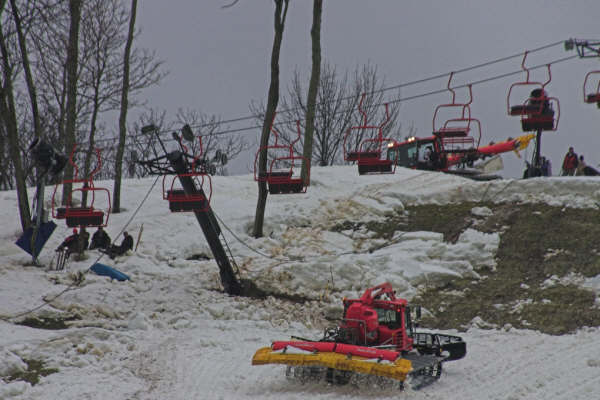
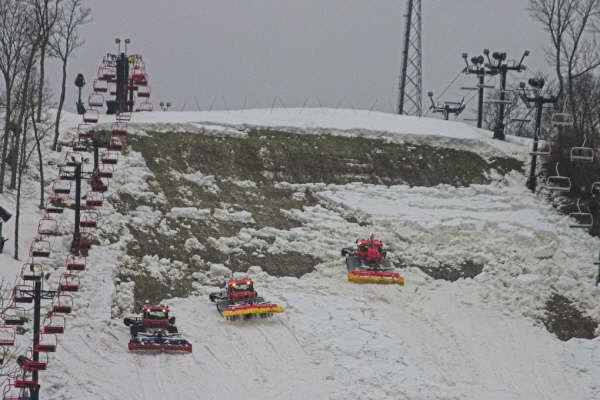
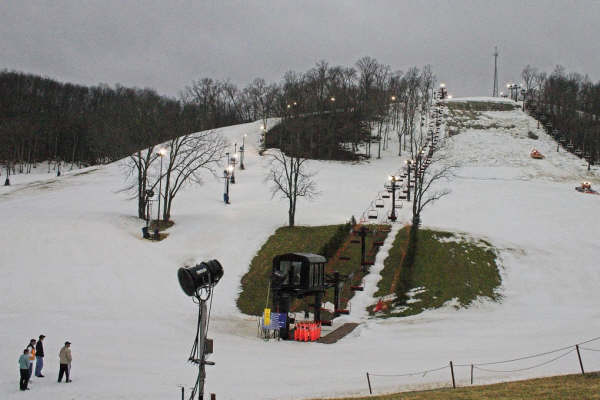
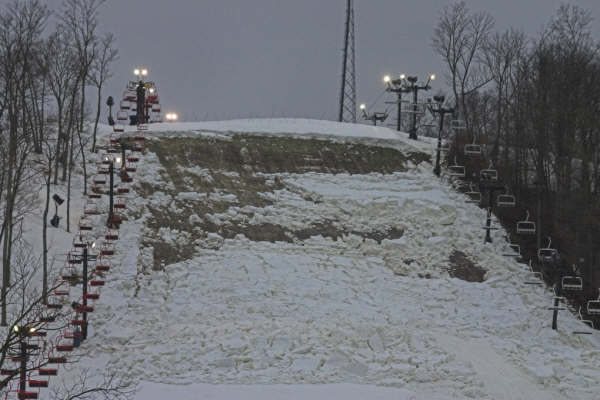
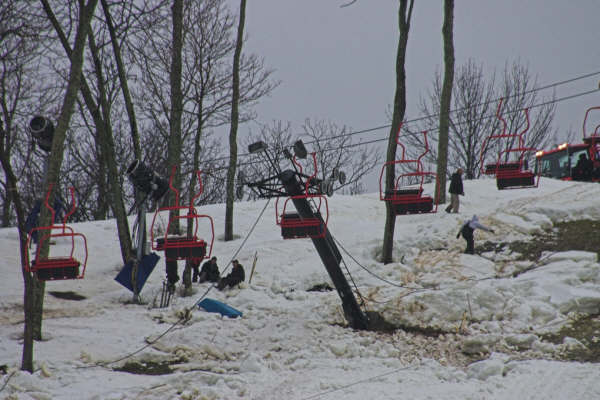
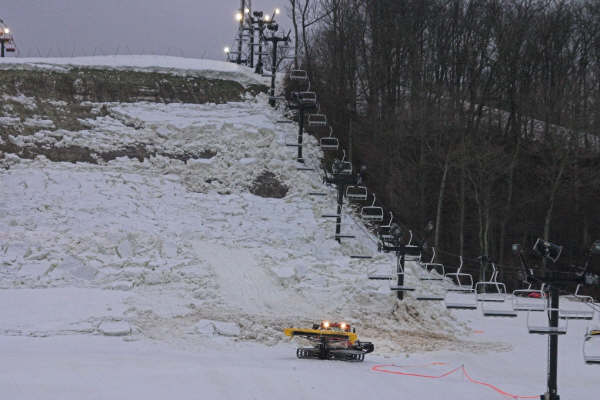
In one of the most bizarre occurrences an avalanche occurred in the Midwest. During the fall of 2006 at the Indiana ski resort Perfect North Slope. This central Indiana resort was making snow on bare ground, as is common at most resorts. After a night of snow making the staff arrived to see the slope had avalanched.
Not enough research was done on this avalanche but several firsts or at least extremely unusual things occurred during this avalanche
- ·An avalanche occurred in the Midwest
- ·The avalanche was composed of 100% man made snow
- ·The avalanche slid on bare ground with no snow layer below
Ritchey Design Announces Voluntary Recall on Limited Number of Seatposts
Posted: February 10, 2008 Filed under: Cycling Leave a comment
FOR IMMEDIATE RELEASE
Ritchey Design Announces Voluntary Recall on Limited Number of
Left Arm WCS and PRO Model Cranksets and WCS Carbon One-Bolt Seatposts
Ritchey provides affected model numbers and instructions for
receiving replacement product
SAN CARLOS, Calif. – Jan. 28, 2008 – Ritchey Design today announced a voluntary recall of a limited number of WCS and PRO model non-drive side crank arms (left arm) and the WCS carbon one-bolt seatposts due to potential safety issues.
Left Arm WCS and Pro Model Cranksets
Affected WCS and Pro crank arms have a forged channel running the length of the outward facing portion of the arm. Due to an out of specification forging at the deepest part of the channel, a crack may slowly form near the midpoint of the left arm. If a crank arm breaks or cracks during cycling, the cyclist may lose control of the bicycle, which could lead to serious injury.
“We have produced the WCS and Pro cranksets since 2003,” said Steve Parke, general manager and vice president of marketing for Ritchey Design. “Of the tens of thousands of cranksets we have made since then, the recall effects only slightly more than 1,500 left hand crank arms. We don’t want anyone to get hurt riding our product, so we felt it necessary to issue a voluntary recall.”
Models affected include:
· Pro Road 130 bcd in black only (39/53 chainring combination)
· WCS Road 130 bcd in black w/ silver machined face only (39/53 chainring combination)
· Pro Compact Road 110 bcd in black only (34/50 chainring combination)
· WCS Compact Road (110 bcd in black only (34/50 chainring combination)
· Pro Cross 130 bcd in black only (38/48 chainring combination)
· WCS Cross 130 bcd in black only (38/48 chainring combination)
Consumers who are concerned that their crankset might be part of the recall can download the WCS and Pro Crank Arm Recall Notice form from http://www.ritcheylogic.com/web/Ritchey~Logic/Ritchey~Site/web/EN/main/LatestNews/all_news/21676/29964/29965.html. The document outlines how to identify a recalled arm and the contact information to receive a replacement. Ritchey requires that all defective arms be returned to its office for replacement.
“We know one day out of a cyclist’s training regime can be disruptive,” said Parke. “If a cyclist doesn’t want to send in the arm and wait for a new one, they can also contact us ahead of time and we’ll send them a new arm for only $5.00, which we will credit back to them after the recalled arm is returned.”
The (right-side) drive crank arm is not affected by this issue. The reinforcement from the spiders lend the necessary strength to the design to prevent breakages. Ritchey has received zero reports of drive-side arm breakages.
WCS One-Bolt Seatpost
Affected WCS carbon single-bolt seatposts were a result of an improper layup method used during the manufacturing process. The deviation from standard procedure resulted in potential product failure and safety concerns for approximately 150 seatposts.
“In September of last year, we were notified of some breakages through a European distributor.” said Parke. “Given the safety concerns with a seatpost breaking, we froze sales of all inventories in early October and were able to track down a large portion of the goods still unsold at the US distributor level.”
Models affected include:
27.2 – all lengths
30.9 – all lengths
31.6 – all lengths with this serial number present on product: G707049. All other lengths of the 31.6, having a different serial number than the one list above, are safe to use.
Customers who are concerned their seatpost are part of the recall should contact the Ritchey warranty department by calling 650.368.4018 ext. 1878 for an RA number (Return Authorization number) and further instructions. Replacement products are in stock and ready to be shipped as needed.
“Ritchey has every confidence in these seatposts. We use them personally and will sponsor the Health Net and Symmetrics professional racing team with these posts for the 2008 race season,” concluded Parke.
The recalls come as a preventive measure in the interests of putting the safety of Ritchey consumers first. Ritchey Design products are designed meet the highest industry standards and the problem was caught early with a limited number of arms and seatposts affected.
About Ritchey Design, Inc.
Northern California-based Ritchey Design was founded by road racer, mountain bike pioneer and product innovator Tom Ritchey in 1974. The company is well-known for its technical merits through attention to detail during the product design phase, resulting in high-quality, reasonably priced road and mountain bike components. Under its Fit Logic philosophy, Ritchey Designs offers a wide range of “cockpit” components (handlebars, stems and seatposts) that help riders custom fit their bikes for a more efficient and comfortable. Ritchey Designs also offers a complete line of innovative products ranging from headsets to tires for professional racers and the serious weekend rider, as well as its line of “Break-Away” travel bicycles for traveling cyclists. For more information about Ritchey Design, please visit http://www.ritcheylogic.com.
# # #
MEDIA CONTACTS:
Chip Smith, SOAR Communications, 801.523.3730(wk) / 801.597.7515(cell), csmith@soarcomm.com or
Maura Lansford, SOAR Communications, 801.523.3730(wk) / 817.929.8123(cell), mlansford@soarcomm.com
Good Idea, Bad Approach and it Didn’t Work Anyway: Berkshire Ski Area wins lawsuit
Posted: February 10, 2008 Filed under: Massachusetts, Ski Area | Tags: Berkshire East Ski Resort, Death, Law, Massachusetts, Ski, Ski Resort, snowmaking Leave a commentA ski area recently one a lawsuit filed by the parents of a teenage who died skiing at the Berkshire East Ski Resort. Elizabeth Ann Loughman was skiing with her high school when she fell hitting a snowmaking hydrant. The jury deliberated for two hours before finding that the ski area and its employees were not liable for the death of the young women.
This is a sad story in two ways. One, a young woman died skiing and two, a father felt the legal system was the best way to create a change in to keep other people safe. Another example where the law was felt by the parents to be the best way to accomplish their goals, but not an effective way.
For more information see:
Greenfield, Massachusetts Recorder.com: Jury: Ski resort not at fault in teen death
MassLive.com: Ski area wins lawsuit in death of local teen
Serving on a Non-Profit Board of Directors
Posted: February 10, 2008 Filed under: Uncategorized | Tags: 501(c) organization, Articles of Incorporation, Associations & Tradeshows, Board of directors, Bylaws, Nonprofit organization, Roberts Rules of Order 2 CommentsROUGH NOTES ON TWENTY YEARS OF REPRESENTING NON-PROFIT CORPORATIONS AND THEIR BOARDS OF DIRECTORS
Board meetings of non-profits can be fun, or they can be excruciating. This opinion depends what which side of the argument you are standing: whether you are on the winning or losing side of the current debate. After twenty years of representing boards of directors, attending board meetings and watching some boards flourish and others fail, I have the following suggestions.
1. Most time at board meeting is lost because no one remembers what happened at the last five meetings.
The law requires that the Articles of Incorporation and Bylaws be kept for a Non-Profit Association. That means that someone somewhere has to keep track of all the amendments, resolutions, minutes, etc. However, one person is not enough. Each board meeting some issue that has been determined or discussed will resurface. To eliminate those hours of time spent arguing on what happened in the past the Association should provide each Board Member with a Notebook. The Notebook should contain the following dividers and information.
- Purpose, Goals and Mission Statement
- Articles of Incorporation: Latest amended copy
- Bylaws: latest amended copy and copies going back 3 years.
- Meeting Minutes: Starting 3 years before the oldest member joined the board
- Meeting Notices: Starting 3 years before the oldest member joined the board
- Agenda: For past 1-3 years
- Financial and Budgets: for past 1-3 years
- Goals & Strategic Planning
- Committees Dividers: One for Each committee for their reports
- Robert’s Rules of Order
- Contracts: memorandums of understanding, employment contracts, etc.
Each board member should be required to place all new material in their notebooks and keep the notebooks up to date and with them at all board meetings. Having everyone flip to page XX can quickly kill any arguments. This also requires the board member to spend a few minutes when they receive agenda’s and reports to review items while placing them in the notebook.
Some Associations fine members for not having their notebooks or not having them up to date. The dollar into the coffee kitty is minor compared to the embarrassment of not keeping things current.
Staying current and keeping good records is part of the responsible and duties of a member of the board.
2. The front piece of the Notebook should have a quick-one page outline of what is expected of a member of the Board. A suggestion would be.
XXX ASSOCIATION BOARD MEMBER DUTIES AND OBLIGATIONS
- Attend all Board Meetings
- Attend all Committee Meetings where you have agreed to serve on the committee
- Read and Understand the Articles and Bylaws
- Read and Understand the Purpose and Goals
- Have all Agenda Items to Secretary XX days in Advance
- Have all Committee Reports to Secretary XX days in Advance
- Before each Board meeting Read and Review the Agenda, all committee reports, proposed resolutions, etc.
- Assist the Board in Recruiting your Replacement when your term is over
3. The President or Chairman of the Board, (person running that meeting), should also familiarize themselves with Robert’s Rules of Order. It will help move meetings along. The purpose of a Board meeting is not to agonize over every issue. If you can’t understand or be able to live with losing on a vote, do not run for the board. A majority rules and a person who is always in the majority is worthless to the board. Opinions and ideas are great, needed; they just do not have to be tolerated before every vote. Very often the minority on an issue will want to drag on hoping if nothing else the constant droning will switch a vote. If won’t. If the votes are there for a win, call a vote, vote and move on. No need wasting everyone’s time hearing things he or she all ready know.
The president also needs to be able to determine when to call for a vote, which is when it will pass. Not when a consensus is reached. It never matters who or how many people voted for something, only whether it passed or not.
4. On that issue. If you want to serve, you must learn to be prepared (to steal from the Boy Scouts) before a board meeting. Know the issues, the votes, get ready and vote. Do you lobbing before the meeting, not at the meeting. Your chances will increase dramatically of moving your vote forward.
5. Have all reports into he secretary XX (45 days) in advance. The Secretary copies and forwards to all board members XX (30 days) in advance. You cannot receive, review and vote on an issue at a board meeting. Get your committee or individual reports done and in so everyone can read and understand rather than waste everyone’s time at meetings.
Effective board meetings can be very short and sweet if everyone understands in advance that board meetings are for voting, not for arguing.
Staying Current
Posted: February 10, 2008 Filed under: Uncategorized | Tags: Business, Colorado, Conference, Law, Lawsuit, Legal Information, Personal Flotation Device, Reasonable person, Services, Standard, Standard of Care, Tradeshow, West Virginia 2 CommentsLegal Reasons Why You Should be at your Industry Conference
You also do not want to miss out on all the fun!
People attend conferences for numerous reasons. To see old friends, meet new friends or to save money. The money you can save by buying equipment at a conference will usually pay for the trip. However, many people miss a very and important reason for attending their industry conference. Attending could keep you from being sued. This is a hidden, but very important benefit of attending a conference that most people do not appreciate until they are sitting on the witness stand in a courtroom.
There are several defenses you can use in running your outdoor recreation business. Releases and Assumption of the Risk are the two biggest and the ones most frequently use. Both to some extent revolve around the question whether you met the “reasonable standard for the industry.” Reasonable is defined as what a reasonable person would do in the same situation. Standard is the level of safety or knowledge and practice of safety required Industry is the paddling business industry. The definition combines to create a safety requirement that is the absolute minimum that a reasonable person running an outdoor recreation business would do. Standards are not goals; however, falling below the standard will almost always guaranty a losing lawsuit or at least increasing the cost of winning one.
Standards are floating. It is not always the same for a state, region or the nation. The standard will also change based on the water level, the type of river you are on, the equipment you are using and in several cases the types of guests to whom you are marketing. A recreation business in a rural area with a slow mellow stream that market’s to local people may have a different standard then when on a stream with small rapids near a large city and marketing to the masses. As such, you need to meet other people who are applying the same standard in the industry that you are using. You may also need to converse with people who are applying higher standards. History shows that companies move up to meet the standards for better operations or operations with higher standards.
Standards are not made, written down or created in courtrooms. They are constantly changing and they can only be found in the eyes and actions of everyone else in the industry. In trials, expert witnesses are brought in to tell the jury what the standard of care in a particular situation should have been. These expert opinions are based on the knowledge of the accident and a broad knowledge of the industry. You need to maintain your knowledge level of the industry at the same level as the experts. You are required to know the standard of the industry and your standards when running any business.
“Why does attending a conference change the way I do business?” Because the only way you can find out about a change in the standards is by meeting and greeting other people in the industry. If you have not attended a conference in several years, you may not know that the majority of states now require Personal Flotation Devices‘ for children. Even though your state may not require them, the standard has changed. You may not be required by law to provide a PFD, however, the standard is that one will be required and as such you have dropped below what the reasonable person would do in your situation.
Without attending a conference and seeing what everyone else is doing, you will not stay current in the industry. As such, you are wearing a target on your back that says sue me. Only personal injury attorneys can see that target. But see it they will when someone is hurt at your business.
There are other reasons for attending the conference. Unless you have hired an attorney to stay current on the issues or a lobbyist, you may have missed a change in the law. Many laws are passed each year that do not make the news. Old laws may also change. A great example of that is how courts have interpreted laws in West Virginia and Colorado recently. Unless you attend a conference, you may not know how new or interpreted laws have changed over the past year. What was a defense to the horseback riding industry in Colorado is now a welcome mat for lawsuits.
New ways to promote safety show up at conferences. New ideas that one business develops in their program can be a great way to keep your guests safe. New equipment is debuted, with the plusses and minuses at conferences.
New ideas also change the legal environment. A new product by a manufacture showing at the Conference can quickly change the standard for an industry. A new design of boat, Personal Flotation Device or trailer may suddenly make your system a risky liability issue.
These changes will not only affect whether a guest can sue you for injuries but also whether your own employees can sue you. Lifting canoes to the top level of a trailer may cause worker’s compensation injuries. A new design that promotes employee health and welfare could save thousands in worker’s compensation benefits.
The final legal reason for attending a conference is the overall education you receive. Judges and juries look at witnesses and examine their credibility. People who are honest are the witnesses’ juries believe. Honesty is not just how you are on the stand when you are testifying, but how you ran your business. An honest and upstanding member of the business community is going to continually want to improve his business. Being a member of your professional organization and attending the yearly conferences shows a jury that you care enough about your business and your clients to spend the extra time and money to run your business the best way possible. If you are willing to show an interest in your clients by receiving the most up to date education, you must not be as bad as you are being portrayed by the opposing attorney.
Some insurance companies give discounts on premium for attending a conference. They know that the company that attends a conference is concerned about staying current with the industry and keeping their operation as top notch as possible. Companies that attend conferences and get the most possible from a conference are less likely to have accidents that cost insurance company’s money.
Go to this year’s Conference and increase your chances of not going to court!
Releases 101
Posted: February 10, 2008 Filed under: Colorado, Release (pre-injury contract not to sue), Whitewater Rafting | Tags: Colorado, Lawsuit, Outdoor recreation, Outfitter, Rafting, Recreation Leave a commentSeveral years ago Justin R. Melat of the Colorado Springs law firm of Melat, Pressman, Ezell & Higbie, LLP sent a letter to Representative Mark Larson of the Colorado Legislation asking him if he would sponsor a bill eliminating the uses of releases in Colorado. Accompanying the letter was a copy of a page from Trial Talk, the Plaintiff’s bar newsletter. The Trial Talk letter was from Eric Leaper who decried the use of releases in outdoor recreation programs. Eric Leaper has testified several times on behalf of Plaintiffs in whitewater cases.
The injury that prompted the letter was a church group from Kansas who lost a leader while whitewater rafting in Colorado. The facts as set forth in the letter are as follows: As Church Group stepped off the bus to enter the boats they were handed a release. They were told Colorado law required that they sign a release. The boat captain had 2 weeks experience. The boat flipped and the Chaperone died.
I have not been able to verify the death or the incidence; however, the facts are not that different from similar incidents in the past.
The law firm emphasized the trips were pre-arranged and pre-paid as well as non-refundable. The letter then explored common law that did not allow the release of a future tort. The final paragraph of the letter is well written:
“Future releases are especially inappropriate and damaging to Colorado’s tourism, when there is no prior warning of the requirement. A simple statute declaring releases of “future” negligence that is negligence not yet committed to be void, as a matter of public policy would allow the law to operate smoothly and cases to be settled and releases given for negligence past, as it always has been.”

Image via Wikipedia
A quick review of where the outfitter acted in a way to increase his chances of being sued, based on the law firms letter is in order here.
-
The Outfitter did not communicate the release to the group before they arrived in Colorado.
Releases must be given to clients with the opportunity to read, understand, sign and/or reject them. Handing out releases at the put-in is a great way to have a court void a release. It does not give the person the necessary opportunity to read and understand the release.
Many times this is done so customers will not quit a trip. This attitude leads to litigation. A person who does not sign the release is a great person for any outdoor recreational activity. Those are people who read and understand your release and make a decision not to go on the trip. That person should be thanked, have there money cheerfully refunded and helped to their car. They are the ones who are going to sue you in the future if they are forced to undertake a trip because they could not get their money back.
I would love to see an outfitter defend him or herself in court when sued for a refund. The little lady on the stand would state she did not understand what whitewater rafting was and when she saw the river and heard the safety talk, she was too afraid to go on the trip. Then the big mean outfitter did not give her money back. Every judge in Colorado would land on that outfitter with both feet and a money extracting judgment.
If you are not refunding clients money after they have read and understood your release form, you deserve to be sued and go out of business. You should always refund money if someone, after reading the release, looking at the rock or seeing the river, decides they do not want to take the trip.
- By not sending the releases in advance, the releases are worthless pieces of paper against any action by an injured or deceased youth.
This was a youth trip. People under the age of 18 cannot contract away their legal rights. This entire action was an exercise in wasted paper by the outfitter because most of the people on the trip would have the release thrown out by the court immediately.
By only providing the release forms at the put in, the outfitter ignored the only real chance at using an effective release, having the parents sign the form. As such, the only person who could have the form used against them was the only person who died.
Here again, the fears of losing a client made the outfitter think in a way that might have lost him is business. There are many old proverbs that prove this thinking process is defective. You would think they would not need repeating in the 90’s.
- Release forms should be provided to the customer as soon as possible.
As soon as you know about a person, coming to your business, you should provide them with a copy of your release. Besides saving time and money on the day the trip departs, this allows participants, parents and leaders to honestly evaluate the risk of the trip and made the decision as to whether they want to undertake the activity.
This also increases the chances that your release documents will effectively stop some of the possible litigation. If one parent signs, then there is one less person to sue you if a minor is hurt or injured.
Brochures and marketing information should tell future customers that they will be required to sign a release. A marketing program should also inform customers that they outfitter is not responsible for lost property or any injury they receive. Be honest and up front in your documents and you save a lot of hassles later.
The releases can be collected rather than signed at any point along the way. People knowledgeable about the release are answering questions about the release, rather than a guide who may misinterpret the legal document. (Remember statements by your guides can void your release.)
- The outfitter lied to their customers with the statement that Colorado law required the release. (Duress)
The fear of having a customer refuse to sign a release made a liar out of the outfitter. If the Plaintiff’s attorney had realized this, he probably could have voided the release and sued the outfitter. The outfitter would be labeled a liar. There is no Colorado law requiring the use of a release.
Don’t lie to customers. Don’t inflate or deflate the risk of the activities. I enjoy brochures for the Arkansas River advertising river sections one full class above their historical rating. This is an easy way to prove that anything an outfitter may say on the stand is a lie. They lied to customers in their brochure, what is stopping them from lying o the stand.
Second, the heirs of the deceased person could have claimed the release was signed under duress. Duress is being forced to sign a document. Having not right to a refund and being forced to sign a release because the law requires it, when it in fact does not require it may be enough to support a defense of duress.
Fact Summary:
This story relates examples that should have gone the way of the bell-bottom pants and the disco. However, like the disco, which is returning as much as a joke as a fad, these operations still exist. This outfitter should be encouraged to attend state and national meetings to learn the latest in properly handling clients. The numerous mistakes made which the heirs and their attorneys missed took a big chunk out of the outfitters “luck” box. The next time the heirs may find a sharper attorney.
Conclusion
If Eric Leaper’s letter is in Trial Talk, this could be a major war for the outfitting industry. Trial Talk is a highly respective magazine that encourages and supports Plaintiff’s lawsuits. By subscribing you learn the latest and greatest new plaintiffs and ways to win lawsuits. Eric has been making money as an expert witness for the Plaintiffs over the past several years. His letter does a good job of weaving different ideas and legal theories into a plausible argument. Several interesting quotes from his letter are set forth here:
“We are concerned about the present lack of accountability of commercial rafting companies and other outdoor outfitters in Colorado.”
“But we often see outfitters sending inexperienced “first season” guides into hard whitewater rapids with inadequate equipment.”
“The use of these release forms is fraud. As you know, they are unlawful in other states.”
“At present, the outfitter business in Colorado is untrustworthy, to put it mildly.”
“There are organizations of experienced river runners and conservationists (such as our organization” and there are outfitter trade organizations. But there is no organization of outfitter customers. Trial Lawyers are their only advocates. Therefore, we would urge you to thoroughly demonstrate that these dangerous rafting practices violate national standards and that these all-encompassing release forms are fraudulent.”
If Mr. Leaper’s statements were true, then this set of facts would have allowed the Plaintiffs to sue successfully. Colorado state law specifically sets forth that outfitters must use safe equipment. If use of a release is fraudulent, then the release is void.
There are several lessons to be learned from these letters and the facts surrounding this case. Don’t make these mistakes.
More importantly, find out what you Colorado legislator is doing and whether he received one of these letters. Start now to prepare for another battle to eliminate releases in Colorado.
Originally published December 1999 in the Outdoor Recreation Law Newsletter
Copyright 2011-2023 Recreation Law 720 Edit Law, Recreaton.Law@Gmail.com


 Recreation Law