
SRAM Recalls Zipp Bicycle Quick Releases Due to Crash and Injury Hazards
Posted: March 25, 2016 Filed under: Cycling | Tags: Consumer Product Safety Council, CPSC, Recall, SRAM, Zipp Bicycle Quick Releases 1 Commenthttp://www.cpsc.gov/en/Recalls/2016/SRAM-Recalls-Zipp-Bicycle-Quick-Releases/
Recall Summary
Name of Product: Zipp® bicycle quick releases
Hazard: The quick releases can fail to engage in the closed position, posing crash and injury hazards to the rider.
Remedy: Replace
Consumers should immediately stop using any bicycles equipped with the recalled quick releases and contact SRAM or their local bicycle dealer for a free replacement quick release.
Consumer Contact: SRAM at 800-346-2928 from 9 a.m. to 8 p.m. ET Monday through Thursday and from 9 a.m. to 6 p.m. ET on Fridays, or visit http://www.sram.com or http://www.zipp.com and click on Recall Notice for more information.
Recall Details
Photos available at http://www.cpsc.gov/en/Recalls/2016/SRAM-Recalls-Zipp-Bicycle-Quick-Releases/
Units: About 6,400
Description: This recalls involves SRAM’s Zipp stainless steel or titanium quick releases. They were sold as aftermarket components or as part of the 202 DB V2, 303 DB V2, 404 Firestrike V2, 202 Firecrest V3, 303 Firecrest V3, 404 Firecrest V3, 808 Firecrest V3 or 808 NSW wheels. The quick release has a curved, black lever. Zipp appears on the lever. Only quick releases without a marking at the center of the underside of the lever, below the Zipp logo are included on this recall.
Incidents/Injuries: The firm has received three incident reports of the quick release failing. No injuries have been reported.
Sold at: Specialty bicycle stores nationwide from March 2015 through December 2015 for about $47 for the stainless steel quick release and about $84 for the titanium quick release. Wheel sets equipped with the quick releases were sold for between $1,000 and $3,600.
Distributor: SRAM LLC, of Chicago, Ill.
Manufacturer: Ful Chee Ent Co., Ltd., of Taichung City, Taiwan
Manufactured in: Taiwan
Retailers: If you are a retailer of a recalled product you have a duty to notify your customers of a recall. If you can, email your clients or include the recall information in your next marketing communication to your clients. Post any Recall Poster at your stores and contact the manufacturer to determine how you will handle any recalls.
For more information on this see:
For Retailers
Recalls Call for Retailer Action
Combination of a Products Liability statute, an Expert Witness Report that was just not direct enough and odd facts holds a retailer liable as manufacture for product defect.
Product Liability takes a different turn. You must pay attention, just not rely on the CPSC.
Retailer has no duty to fit or instruct on fitting bicycle helmet
Summary Judgment granted for bicycle manufacturer and retailer on a breach of warranty and product liability claim.
For Manufacturers
The legal relationship created between manufactures and US consumers
 What do you think? Leave a comment.
If you like this let your friends know or post it on FB, Twitter or LinkedIn
Author: Outdoor Recreation Insurance, Risk Management and Law
Copyright 2016 Recreation Law (720) Edit Law
Email: Rec-law@recreation-law.com
Google+: +Recreation
Twitter: RecreationLaw
Facebook: Rec.Law.Now
Facebook Page: Outdoor Recreation & Adventure Travel Law
Blog: www.recreation-law.com
Mobile Site: http://m.recreation-law.com
By Recreation Law Rec-law@recreation-law.com James H. Moss
#AdventureTourism, #AdventureTravelLaw, #AdventureTravelLawyer, #AttorneyatLaw, #Backpacking, #BicyclingLaw, #Camps, #ChallengeCourse, #ChallengeCourseLaw, #ChallengeCourseLawyer, #CyclingLaw, #FitnessLaw, #FitnessLawyer, #Hiking, #HumanPowered, #HumanPoweredRecreation, #IceClimbing, #JamesHMoss, #JimMoss, #Law, #Mountaineering, #Negligence, #OutdoorLaw, #OutdoorRecreationLaw, #OutsideLaw, #OutsideLawyer, #RecLaw, #Rec-Law, #RecLawBlog, #Rec-LawBlog, #RecLawyer, #RecreationalLawyer, #RecreationLaw, #RecreationLawBlog, #RecreationLawcom, #Recreation-Lawcom, #Recreation-Law.com, #RiskManagement, #RockClimbing, #RockClimbingLawyer, #RopesCourse, #RopesCourseLawyer, #SkiAreas, #Skiing, #SkiLaw, #Snowboarding, #SummerCamp, #Tourism, #TravelLaw, #YouthCamps, #ZipLineLawyer, Recall, CPSC, Consumer Product Safety Council, SRAM, , Zipp Bicycle Quick Releases,
SRAM Recalls Zipp Bicycle Wheel Hubs Due to Crash and Injury Hazards
Posted: March 22, 2016 Filed under: Cycling | Tags: Consumer Product Safety Council, CPSC, Recall, SRAM, Zipp Bicycle Wheel Hubs Leave a commentName of Product: Zipp 88 aluminum front hubs
http://www.cpsc.gov/en/Recalls/2016/SRAM-Recalls-Zipp-Bicycle-Wheel-Hubs/
Recall Summary
Hazard: The hub flanges on the front hubs can fail, posing a crash and injury hazard.
Remedy: Replace
Consumers should immediately stop using bicycles equipped with the recalled front hubs and contact SRAM or local bicycle dealer for a free replacement hub.
Consumer Contact: SRAM at 800-346-2928 between 9 a.m. and 8 p.m. ET Monday through Thursday and 9 a.m. to 6 p.m. ET on Friday, or visit http://www.sram.com or http://www.zipp.com and click on “Recall Notice” for more information.
Recall Details
Photos available at http://www.cpsc.gov/en/Recalls/2016/SRAM-Recalls-Zipp-Bicycle-Wheel-Hubs/
Units: About 54,000 (In addition, about 2,900 were sold in Canada)
Description: This recall includes SRAM’s Zipp bicycle wheel hubs. The model names of the affected hubs are ZIPP 88v6, 88v7 and 88v8. The Z logo is printed on the hub. The wheel hubs come in black, silver and falcon grey. The diameter of the clinch nut is approximately 1.46 inches. Some of the hubs were sold as part of wheel sets installed on new bicycles. SRAM will post a list of affected bicycle brands and models on its website at http://www.sram.com.
Incidents/Injuries: SRAM has received one report in the U.S. of hub flange failure that could have led to wheel collapse. No injuries have been reported in the U.S.
Sold at: Specialty bicycle stores nationwide from May 2010 through January 2015. The front hubs sold for about $215. Complete front wheels with the hubs sold for between $1,035 and $1,325. The front wheel was also sold as a wheel set with a rear wheel for between $2,300 and $2,950.
Distributor: SRAM LLC, of Chicago, Ill.
Manufacturers: Prodigy Group, of Mooresville, Ind. and Decoletaje Y Fujacion, of Spain.
Manufactured in: U.S. and Spain
Note: Health Canada’s press release is available at: http://healthycanadians.gc.ca/recall-alert-rappel-avis/hc-sc/2016/57544r-eng.php
Retailers: If you are a retailer of a recalled product you have a duty to notify your customers of a recall. If you can, email your clients or include the recall information in your next marketing communication to your clients. Post any Recall Poster at your stores and contact the manufacturer to determine how you will handle any recalls.
For more information on this see:
For Retailers
Recalls Call for Retailer Action
Combination of a Products Liability statute, an Expert Witness Report that was just not direct enough and odd facts holds a retailer liable as manufacture for product defect.
Product Liability takes a different turn. You must pay attention, just not rely on the CPSC.
Retailer has no duty to fit or instruct on fitting bicycle helmet
Summary Judgment granted for bicycle manufacturer and retailer on a breach of warranty and product liability claim.
For Manufacturers
The legal relationship created between manufactures and US consumers
 What do you think? Leave a comment.
If you like this let your friends know or post it on FB, Twitter or LinkedIn
Author: Outdoor Recreation Insurance, Risk Management and Law
Copyright 2016 Recreation Law (720) Edit Law
Email: Rec-law@recreation-law.com
Google+: +Recreation
Twitter: RecreationLaw
Facebook: Rec.Law.Now
Facebook Page: Outdoor Recreation & Adventure Travel Law
Blog: www.recreation-law.com
Mobile Site: http://m.recreation-law.com
By Recreation Law Rec-law@recreation-law.com James H. Moss
#AdventureTourism, #AdventureTravelLaw, #AdventureTravelLawyer, #AttorneyatLaw, #Backpacking, #BicyclingLaw, #Camps, #ChallengeCourse, #ChallengeCourseLaw, #ChallengeCourseLawyer, #CyclingLaw, #FitnessLaw, #FitnessLawyer, #Hiking, #HumanPowered, #HumanPoweredRecreation, #IceClimbing, #JamesHMoss, #JimMoss, #Law, #Mountaineering, #Negligence, #OutdoorLaw, #OutdoorRecreationLaw, #OutsideLaw, #OutsideLawyer, #RecLaw, #Rec-Law, #RecLawBlog, #Rec-LawBlog, #RecLawyer, #RecreationalLawyer, #RecreationLaw, #RecreationLawBlog, #RecreationLawcom, #Recreation-Lawcom, #Recreation-Law.com, #RiskManagement, #RockClimbing, #RockClimbingLawyer, #RopesCourse, #RopesCourseLawyer, #SkiAreas, #Skiing, #SkiLaw, #Snowboarding, #SummerCamp, #Tourism, #TravelLaw, #YouthCamps, #ZipLineLawyer, Recall, CPSC, Consumer Product Safety Council, SRAM, Zipp Bicycle Wheel Hubs,
2016 Gravel Grinder Championship Series
Posted: March 9, 2016 Filed under: Cycling | Tags: #race, Cycling, Gravel Grinder, Mountain biking, Race Series Leave a comment
Crisis Communication
Posted: February 10, 2016 Filed under: Cycling, Mountain Biking | Tags: Bicycling, Colorado Bicycle Event Coalition, Crisis, Cycling, Cycling Event, Guests, Injured Guest, Lawsuit Prevention Leave a commentWhat do you do when someone gets hurt?
http://www.slideshare.net/JHMoss/crisis-communication-57527422
Audience: Colorado Bicycle Event Coalition
Location: REI Downtown, Denver, COlorado
Date: January 21, 2016
Presentation: Crisis Communication
For additional articles on the subject see:
10 Signs of Great Risk Management http://rec-law.us/sUzpHT
7 Mistakes Made by People who are called Defendant http://rec-law.us/stli09
Crisis Response http://rec-law.us/ul6Nrl
Reasons Why People Sue http://rec-law.us/uZ5RKR
Ten Commandments of Dealing with People in a Crisis http://rec-law.us/KoI8Xo
Remember the law changes constantly, this presentation may be out of date. Check back at www.recreation-law.com and with your attorney to make sure the information is still valid.
What do you think? Leave a comment.
If you like this let your friends know or post it on FB, Twitter or LinkedIn
Copyright 2016 Recreation Law (720) Edit Law
Email: Rec-law@recreation-law.com
Google+: +Recreation
Twitter: RecreationLaw
Facebook: Rec.Law.Now
Facebook Page: Outdoor Recreation & Adventure Travel Law
Blog: www.recreation-law.com
Mobile Site: http://m.recreation-law.com
By Recreation Law Rec-law@recreation-law.com James H. Moss #Authorrank
<rel=”author” link=” https://plus.google.com/u/0/b/112453188060350225356/” />
#AdventureTourism, #AdventureTravelLaw, #AdventureTravelLawyer, #AttorneyatLaw, #Backpacking, #BicyclingLaw, #Camps, #ChallengeCourse, #ChallengeCourseLaw, #ChallengeCourseLawyer, #CyclingLaw, #FitnessLaw, #FitnessLawyer, #Hiking, #HumanPowered, #HumanPoweredRecreation, #IceClimbing, #JamesHMoss, #JimMoss, #Law, #Mountaineering, #Negligence, #OutdoorLaw, #OutdoorRecreationLaw, #OutsideLaw, #OutsideLawyer, #RecLaw, #Rec-Law, #RecLawBlog, #Rec-LawBlog, #RecLawyer, #RecreationalLawyer, #RecreationLaw, #RecreationLawBlog, #RecreationLawcom, #Recreation-Lawcom, #Recreation-Law.com, #RiskManagement, #RockClimbing, #RockClimbingLawyer, #RopesCourse, #RopesCourseLawyer, #SkiAreas, #Skiing, #SkiLaw, #Snowboarding, #SummerCamp, #Tourism, #TravelLaw, #YouthCamps, #ZipLineLawyer, Crisis Communication, Crisis, Guests, Injured Guest, Lawsuit Prevention, Cycling, Bicycling, Cycling Event, Colorado Bicycle Event Coalition,
Cycling is Evolving Fast, Stay Up: Lennard Zinn’s New Road Bike Maintenance Book Covers New and Old Tech for All the Bikes You Ride
Posted: February 5, 2016 Filed under: Cycling | Tags: Bicycle Maintenance, Bike Maintenance, bottom bracket, braking, Cycling, Cyclocross, forks, Lennard Zinn, shifting, systems, Zinn & the Art of Road Bike Maintenance 1 CommentLennard Zinn’s New Road Bike Maintenance Book Covers New and Old Tech for All the Bikes You Ride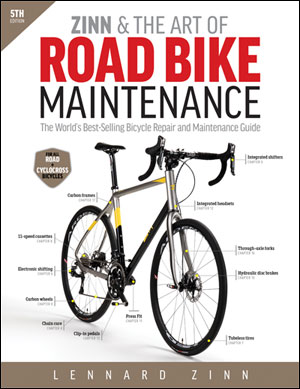
Lennard Zinn, the world’s leading expert on bicycle maintenance and repair, has released the new fifth edition of his best-selling guide Zinn & the Art of Road Bike Maintenance. Offering simple step-by-step instructions to vintage components as well as the newest shifting, braking, cyclocross, forks, and bottom bracket systems, Zinn’s fifth edition is the most complete resource for DIY bike service. The book is now available in bookstores, bike shops, and online. Preview the book and the expanded table of contents at http://www.velopress.com/zinn.
Zinn & the Art of Road Bike Maintenance is the world’s best-selling guide to bicycle repair and maintenance. From basic repairs like how to fix a flat tire to advanced overhauls of drivetrains and brakes, Lennard Zinn’s clearly illustrated guide makes every bicycle repair and maintenance job easy for everyone.
Zinn’s friendly step-by-step guide explains the tools you’ll need and how to know you’ve done the job right. The book’s two-color interior is easy to read-even in a dimly-lit garage or workshop. Hundreds of hand-drawn illustrations and exploded parts diagrams show just the right level of detail to lead you through every bicycle repair task.
What’s New in Zinn & the Art of Road Bike Maintenance, 5th Ed.:
* New tech covered in depth: through-axle forks, SRAM eTap wireless shifting, second generation Shimano and Campagnolo electronic shifting, direct-mount sidepull brakes, SRAM X-Sync 1×11 cyclocross systems, tubular tire gluing tapes.
* New chapter on electronic shifting covers maintenance, service, repair, and troubleshooting of all Shimano, SRAM, and Campagnolo electronic shifting groups.
* New chapter on disc brakes covers maintenance, service, and repair of all hydraulic and mechanical systems.
* New troubleshooting charts
* New master guide to press-fit bottom brackets
* Also covered in the 5th edition: All derailleur shifting systems (5-speed through 11-speed); all bottom bracket systems (cone-and-cup through press-fit); all brake systems (including caliper, V-brake, cantilever, and disc); all headset, stem, handlebar and fork systems; wheelbuilding for all bikes including cyclocross and disc-brake wheels; special sections on cyclocross throughout including troubleshooting, maintenance, service, repair, and equipment selection; updated and expanded torque tables; complete illustration index and complete subject index.
Zinn & the Art of Road Bike Maintenance: The World’s Best-Selling Bicycle Repair and Maintenance Guide, 5th Ed.
Lennard Zinn | Paperback. Two-color interior with tables and over 700 illustrations throughout.
8 1/2″ x 11″, 488 pp., $26.95, 9781937715373
Lennard Zinn is the world’s leading expert on bike maintenance and repair. He is a world-renowned bicycle technician, frame builder, and tech writer for VELO magazine and VeloNews.com. Zinn was a member of the U.S. national racing team and has been riding and fixing bikes for nearly 50 years. A professional frame builder for his business Zinn Cycles, Lennard hosts the popular bike tech Q&A column on VeloNews.com. His best-selling bike maintenance and repair books include Zinn & the Art of Road Bike Maintenance, Zinn & the Art of Triathlon Bikes, Zinn’s Cycling Primer, The Mountain Bike Performance Handbook, and The Mountain Bike Owner’s Manual.
Amgen Tour of California Route Released 800 mile ride starting May 15, 2016
Posted: February 4, 2016 Filed under: Cycling | Tags: Amgen Tour of California, Cycling Leave a comment2016 AMGEN TOUR OF CALIFORNIA ROUTE ANNOUNCED,
ONE OF THE LONGEST AND MOST CHALLENGING IN RACE HISTORY
Millions Expected to Line Nearly 800 Scenic Miles to Cheer on
Premier Men and Women Cyclists in Eleventh Annual Event
LOS ANGELES, Calif. (Jan. 28, 2016) – The 2016 Amgen Tour of California route was released today, revealing a scenic but challenging course across nearly 800 miles of California’s most beautiful terrain where the world’s most accomplished cyclists will compete for the overall title May 15-22, 2016. Presented by Visit California, the route announcement included a route video with details of each of the eight stages, viewable at www.amgentourofcalifornia.com/stages.
Beginning May 19, an international field of lauded women cyclists will compete for four days with similar stage starts and finishes to the men’s course, doubling the racing excitement for many of this year’s host cities. The Amgen Tour of California Women’s Race empowered with SRAM is the first North American stage race of the inaugural UCI Women’s WorldTour and features the first Team Time Trial in race history.
For only the second time in Amgen Tour of California history, the race will progress south to north, beginning in San Diego and traveling through 10 additional host cities (four new this year) before a new champion is crowned in the state capital of Sacramento. The peloton will endure nearly 65,000 feet of climbing, including the race’s first ascent up the infamous Gibraltar Road in Santa Barbara County.
“We have an epic route in store for the 11th annual Amgen Tour of California,” said Kristin Klein, president of the Amgen Tour of California and executive vice president of AEG Sports. “Competitors and fans are in for thrills – in particular, one of the longest routes ever with lots of climbing, our second time riding south to north across the state, four new host cities, our first team time trial (women), and a can’t-miss race finish with the first-ever Gibraltar Road climb during the Queen Stage. The level of competition will highlight why the Amgen Tour of California is America’s Greatest Race and also one of the international season’s most challenging.”
Cyclists of all levels will have the chance to join public preview rides of several Amgen Tour of California stages, including the sixth annual L’Etape California on April 24 from Thousand Oaks to Santa Barbara County, and other free community rides with new race ambassador and four-time National Champion Freddie Rodriguez in Folsom (today), Monterey County (Feb. 3) Santa Rosa (March 19) and San Diego (April 30). More information on Amgen Tour of California public rides is available at amgentourofcalifornia.com.
Once again, local organizing committees are filling thousands of volunteer positions for various duties along the course. Volunteer registration is now open at amgentourofcalifornia.com.
2016 AMGEN TOUR OF CALIFORNIA ROUTE ANNOUNCEMENT PRESENTED BY VISIT CALIFORNIA
MEN’S ROUTE
STAGE 1 PRESENTED BY AMGEN SHIFTING GEARS FOR HEART HEALTH
SUNDAY, MAY 15
San Diego
106 miles / 170.5 kilometers
Expected Outcome: Group sprint finish
The first day of racing will begin and end in first-time host city San Diego, the birthplace of California and the state’s second largest city. A natural fit for the nation’s premier cycling race, San Diego features a vibrant beach-oriented community whose residents are passionate about living a healthy lifestyle.
The peloton will depart Mission Bay traveling through Balboa Park before heading south toward downtown and the harbor with views of the historic Gaslamp District and Coronado Bridge.
The race’s first Visit California Sprint will take place in bike-friendly Imperial Beach before heading east toward the rolling hills of East County. With only one Lexus King of the Mountain point on Honey Springs Road, fans can expect a fast finish as the riders race west back to the coast.
STAGE 2
MONDAY, MAY 16
South Pasadena to Santa Clarita
92 miles / 148 kilometers
Expected Outcome: Group sprint finish
Stage 2 will begin in new host city South Pasadena, known for its historic homes, charming tree-lined streets and proximity to Rose Bowl Stadium.
Despite being a sprinter’s finish, the profile on the way to Santa Clarita is filled with long gradual climbs that could take a toll on the sprinters’ legs. Riders will face several Lexus King of the Mountain points in the Angeles National Forest including Highway 2, Big Tujunga and Little Tujunga Canyon. Throughout the route, riders will see numerous historic California bridges and tunnels.
Santa Clarita, host to the most stages in race history (12), will welcome the riders for a wide, flat finish in downtown Newhall.
STAGE 3 PRESENTED BY AMGEN BREAKAWAY FROM CANCER®
TUESDAY, MAY 17
Thousand Oaks to Santa Barbara County (Gibraltar Road)
104.1 miles / 167.5 kilometers
Expected Outcome: Select group of 2-4 riders
Stage 3 has been 11 years in the making and is the day every general classification rider will have circled on their calendar. The challenging Queen Stage will begin in Thousand Oaks, home to biotechnology company Amgen, the race’s title sponsor since its inception. This area is a popular training ground for professional and weekend cyclists alike. Riders will leave Thousand Oaks and quickly descend to the cool breeze of the Pacific Coast Highway.
After traversing the flat strawberry fields of Oxnard and Ventura, the peloton will roll through the undulating terrain of Lake Casitas, Carpinteria and Montecito.
With approximately 6 miles to go, the profile will turn upward on Gibraltar Road, a beautiful twisting mountain road with an 8% average grade. Fans and teams have long requested a finish here, and road conditions have finally made it possible this year. With each turn toward what is sure to be an epic finish, the peloton will experience magnificent views of Santa Barbara and the beach below.
Fans have the opportunity to ride this course at the sixth annual L’Etape California on April 24, three weeks before the race. Once again, Amgen Tour of California Ambassador Jens Voigt will lead the ride along with new ambassador and four-time National Champion Freddie Rodriguez. Registration is open now at amgentourofcalifornia.com/letapecalifornia-register.
STAGE 4 PRESENTED BY VISIT CALIFORNIA
WEDNESDAY, MAY 18
Morro Bay to Monterey County at Mazda Laguna Seca Raceway
133.6 miles / 215 kilometers
Expected outcome: Select group finish
Stage 4 will feature several race “firsts” including the inaugural journey north up Pacific Coast Highway from new waterfront host city Morro Bay, which will showcase its natural beauty to the world.
Riders will roll out from the iconic Morro Rock and head north along California’s most famous coastline, passing windswept beaches and a dynamic estuary. For the next 100 miles, there are no turns as riders head north through coastal Cambria, over Big Sur’s famous Bixby Bridge and through Carmel-By-The-Sea en route to Monterey County.
The road to the marine-life oriented region of Monterey will be long with possible headwinds but also boundless beauty. Monterey was originally a fishing village, and today is one of the most visited areas in California and home to the world-famous Pebble Beach and Monterey Bay Aquarium.
With several short, steep climbs in the final five miles, this course could favor riders with quick bursts of power like last year’s race champion Peter Sagan (SVK). After 133 miles, expect a select group at the front to take a lap on the first racecourse finish in race history – the famously technical Mazda Raceway Laguna Seca, a venue known worldwide for motorsports competitions.
STAGE 5 PRESENTED BY VISIT CALIFORNIA
THURSDAY, MAY 19
Lodi to South Lake Tahoe
132.4 miles / 213 kilometers
Expected Outcome: Select group finish
Stage 5 will usher riders from the beautiful vineyards of Lodi to a long gradual ascent to an uphill finish in South Lake Tahoe, reaching a peak elevation of 8,600 feet – the highest in race history. The ride, essentially a 130-mile climb that gains in elevation from 50 feet to 6,650 at the finish, will showcase California’s diversity, from the rich soil of the Central Valley to the mighty peaks of the Sierra Nevada Mountains.
This stage will be similar to Big Bear Lake stages of years past with plenty of climbing over the long route through national forest and wilderness areas. Upon reaching South Lake Tahoe, a short steep climb up Ski Run Boulevard will deliver the cyclists to the finish at Heavenly Mountain Resort.
STAGE 6
FRIDAY, MAY 20
Folsom Time Trial
12.6 miles / 20.3 kilometers
Expected Outcome: Wide roads and non-technical, rolling course favors pure time trialists
In 2014, time trial specialists Bradley Wiggins, Rohan Dennis, and Taylor Phinney took podium honors. In 2016, the 12.6-mile out and back course returns to Historic Downtown Folsom.
In a town made famous by musician Johnny Cash, cycling now takes center stage, with the course passing beneath the recently constructed Johnny Cash Bike Trail Bridge. Folsom residents enjoy a healthy lifestyle and will be lining up to see the next time trial winner show off their best race against the clock.
STAGE 7 PRESENTED BY LEXUS
SATURDAY, MAY 21
Santa Rosa
109 miles / 175.4 kilometers
Expected Outcome: Select group finish
Stage 7 will begin and end in longtime host city Santa Rosa in the heart of Sonoma County wine county, one of the many fantastic viticulture hot beds the race will pass through this year. It will cover some of the same territory as the popular annual Levi’s GranFondo event.
The course will be rolling throughout with four Lexus King of the Mountain points along King Ridge Road, Pacific Coast Highway and Coleman Valley Road. These country roads through redwoods, coastline and forests will keep the peloton attentive with the feeling of riding on the edge of a continent.
With a crucial time trial the day prior, this penultimate stage in the general classification competition will most likely feature aggressive racing and a small group vying on the downtown circuits of the flat finish.
STAGE 8 PRESENTED BY LEXUS
SUNDAY, MAY 22
Sacramento
93 miles / 149.7 kilometers
Expected Outcome: Group sprint finish
The capital city of California has hosted the Amgen Tour of California Overall Start for the past two years as well as individual stage finishes; 2016 will bring its first Overall Finish. This sports-crazed city is thriving with a new stadium under construction and several national sporting events taking place throughout the year.
The course will travel along the Sacramento River and cross Tower Bridge twice before returning downtown where fans will anxiously wait along the traditional finish circuits around the Capitol building.
Last year was the closest men’s race finish ever with general classification champion Peter Sagan winning by a mere 3 seconds after earning an intermediate sprint time bonus and bonus seconds on the final stage sprint. What excitement will this year’s final race day hold?
2016 AMGEN TOUR OF CALIFORNIA ROUTE ANNOUNCEMENT PRESENTED BY VISIT CALIFORNIA
WOMEN’S ROUTE
STAGE 1 PRESENTED BY VISIT CALIFORNIA
THURSDAY, MAY 19
South Lake Tahoe
72.7 miles / 117 kilometers, 4,700-foot gain (at an altitude of 6,500 feet)
Expected Outcome: Select group finish
Stage 1 of the Amgen Tour of California Women’s Race empowered with SRAM will complete a full clockwise 72-mile loop of Lake Tahoe, just like the first stage in 2015.
The high-altitude route will feature an early Queen of the Mountain climb at Emerald Bay on the West Shore before reaching North Lake Tahoe and the communities of Kings Beach and Incline Village. As the race traverses the hilly yet beautiful East Shore, teams will begin working to set up \ general classification contenders for the short but steep uphill finish to Heavenly Mountain Resort – a 1-mile climb at an approximately 7% average gradient.
Lake Tahoe is known for its natural wildlife and outdoor enthusiasts, so fans will likely be watching from boats, paddle boards and bikes throughout the loop.
STAGE 2
FRIDAY, MAY 20
Folsom Team Time Trial
12.6 miles / 20.3 kilometers
Expected Outcome: Wide roads and non-technical, rolling course will create opportunities for strong teams
Stage 2 of the Women’s UCI WorldTour race will be a critical team time trial, a first for the Amgen Tour of California. The teams will race on the same time trial course as the men, out and back from Historic Downtown Folsom.
STAGE 3 PRESENTED BY LEXUS
SATURDAY, MAY 21
Santa Rosa
64 miles / 111 kilometers
Expected Outcome: Select group finish
Stage 3 of the Women’s Race empowered with SRAM will feature another long road course loop, similar to the first stage of the race around Lake Tahoe. At a race distance of 64 miles over rolling and twisting terrain, expect aggressive riding before the race returns to downtown Santa Rosa for three circuits. Santa Rosa is in for double the racing excitement, hosting the start and finish for the women and men on this day.
The first and last third of the course will feature the same roads as the men’s route with a single Queen of the Mountain climb on Coleman Valley Road.
STAGE 4 PRESENTED BY LEXUS
SUNDAY, MAY 22
Sacramento
41 miles / 66 kilometers (20 laps)
Expected Outcome: Group sprint finish
The overall champion will be decided after 20 laps of a downtown Sacramento circuit on wide, fast roads. Fans can expect shakeups until the very end — last year, Sacramento saw a thrilling women’s finish when Trixi Worrack’s (GER) general classification win came down to sprint time bonuses and the final sprint for the stage.
Preview Video – https://youtu.be/am3iWtJiN8k
Full-Length Video – https://youtu.be/_7PoKUwi7ds
New Organization hopes to promote cycling city by city, run by experts in the industry
Posted: February 2, 2016 Filed under: Cycling, Mountain Biking Leave a commentBikeLife Cities Expands, Helping Cities Build Bike Culture and Safer Streets
BikeLife Cites, a new media venture based in the Platinum bike-friendly community of Boulder, Colorado, was spawned by Catalyst Communication to help towns and cities inspire their neighborhoods, citizens and communities to become more bike friendly. BikeLife and Catalyst are rooted in the belief that bicycling makes cities more sustainable, healthier and more vibrant places to live and work. The venture partners directly with city transportation departments and cycling advocacy groups to help them achieve measurable outreach goals.
BikeLife Cities includes a full-color magazine designed to be mailed to all or a targeted portion of a city’s residents, along with an interactive website, social media platform and email marketing campaigns.
The concept launched with three cities that have been designated Bicycle Friendly Communities: Boulder (platinum) including the University of Colorado, Tucson (gold) and Kansas City (bronze) and quickly expanded to include partnerships with Seattle, San Diego, Tempe/Mesa (Phoenix), Kansas City, Denver and Anchorage.
“Our goal is to help the cities reach new audiences with safe ways to enjoy cycling,” said Lynn Guissinger, president of Catalyst. “While the vast majority of car trips taken are under two miles, our vision is that BikeLife can be a means to inspire folks to take a few more trips by bike or just ride for the pure fun of it.”
Working in partnership with city transportation leadership, BikeLife seeks to connect city resources and stories to the majority of the population that are “interested in cycling, but concerned about safety, equipment or routes” identified in research conducted by the Portland Department of Transportation. BikeLife helps cities reach goals of safer streets, increase ridership, while supporting overall health and economic development goals.
Content includes up to 16 pages of local stories provided by the cities and national stories focused on the interests of the local community. Features often target women, families and other groups showing increasing interest in riding. BikeLife Cities combines local maps, events, and showcases businesses connected to the “bike-ecosystem” of each city.
Deb Ridgway, the Bike/Ped Coordinator for Kansas City, MO, said, “We need to provide more information on safe places, routes and ways to ride, to help get more people on bikes. With many cities investing in better bike infrastructure, BikeLife is an excellent complement to promote those facilities to get more people riding and help educate them on rider safety.”
BikeLife Cities magazines are typically mailed directly to households and/or distributed free at key events or locations throughout the city. A full website complements the print versions and digital resources are circulated to major employer networks in the cities.
Cities have been spreading the cost of producing BikeLife across a number of groups, often using it as a communication tool to fulfill grant requirements. Cities typically pay a portion and state or federal grants have also been utilized through the Surface Transportation Program (STP) Tiger, Vision Zero safety grants or air quality grants to help fund publishing costs. National partnerships and advertising also offset printing and distribution.
About Catalyst Communication
Catalyst Communication has 30 years’ experience in the bicycling and outdoor industry producing marketing, media and advertising for retailers, suppliers and advocacy. Under the leadership of its late founder, Leslie Bohm, it has been a leader in bicycle advocacy, as a founder of Bikes Belong (People for Bikes) and a long-time activist with the League of American Bicyclists and other advocacy organizations.
For more information, or to discuss partnerships with BikeLife Cities, please contact Lynn Guissinger at lynn@catacom.com or 303-444-5545 x106 or visit http://www.bikelifecities.com.
If you are interested in this for your city Contact Rich Cook, rich@catacom.com, Tel: 970-485-0170
 What do you think? Leave a comment.
If you like this let your friends know or post it on FB, Twitter or LinkedIn
Author: Outdoor Recreation Insurance, Risk Management and Law
Copyright 2016 Recreation Law (720) Edit Law
Email: Rec-law@recreation-law.com
Google+: +Recreation
Twitter: RecreationLaw
Facebook: Rec.Law.Now
Facebook Page: Outdoor Recreation & Adventure Travel Law
Blog: www.recreation-law.com
Mobile Site: http://m.recreation-law.com
By Recreation Law Rec-law@recreation-law.com James H. Moss
#AdventureTourism, #AdventureTravelLaw, #AdventureTravelLawyer, #AttorneyatLaw, #Backpacking, #BicyclingLaw, #Camps, #ChallengeCourse, #ChallengeCourseLaw, #ChallengeCourseLawyer, #CyclingLaw, #FitnessLaw, #FitnessLawyer, #Hiking, #HumanPowered, #HumanPoweredRecreation, #IceClimbing, #JamesHMoss, #JimMoss, #Law, #Mountaineering, #Negligence, #OutdoorLaw, #OutdoorRecreationLaw, #OutsideLaw, #OutsideLawyer, #RecLaw, #Rec-Law, #RecLawBlog, #Rec-LawBlog, #RecLawyer, #RecreationalLawyer, #RecreationLaw, #RecreationLawBlog, #RecreationLawcom, #Recreation-Lawcom, #Recreation-Law.com, #RiskManagement, #RockClimbing, #RockClimbingLawyer, #RopesCourse, #RopesCourseLawyer, #SkiAreas, #Skiing, #SkiLaw, #Snowboarding, #SummerCamp, #Tourism, #TravelLaw, #YouthCamps, #ZipLineLawyer, Bike Life, Rich Cook, Cycling, BikeLife
Adventure Cycling Association new Cycle Though Our National Parks Program on September 24
Posted: January 21, 2016 Filed under: Cycling, Mountain Biking | Tags: Adventure Cycling Association, Bike Your Park Day, Cycling, National Parks, NPS Leave a comment
Adventure Cycling Announces First-Ever Bike Your Park Day
Registration is now open for a national event on September 24, 2016, for people of all ages and abilities to discover their parks and public lands by bicycle.
MISSOULA, MONT., January 12, 2016 — Adventure Cycling Association today announced the inaugural Bike Your Park Day, which will inspire and empower thousands of people to bike in or to a national park, state park, wildlife refuge, or other public lands on the same day — September 24, 2016. Anyone interested in participating can now register and start planning their ride. Participants can register their own ride or join an existing ride posted on the Bike Your Park Day interactive map, which pinpoints all of the rides happening throughout the United States.
“Your park is only a pedal away on September 24th,” said Jim Sayer, executive director of Adventure Cycling Association. “You can ride one mile or 100 miles, you can go solo, ride with friends or bring the kids — it’s all about getting people to explore and discover the parks and public lands out their back door by bicycle.”
The event celebrates Adventure Cycling Association’s 40th anniversary and the National Park Service’s (NPS) Centennial, and is also on National Public Lands Day. Many parks will offer activities and volunteer opportunities, and many parks will waive entry fees.
“Bike Your Park Day is a great opportunity to promote healthy, active recreation in our parks while at the same time encouraging family-friendly activities during the NPS Centennial year,” said Bob Ratcliffe, NPS Program Chief of Conservation and Outdoor Recreation. “Plus, it’s a much better experience seeing our parks from the seat of a bicycle than sitting in a car!”
For those who are new to bicycling or unfamiliar with local routes, more than 100 Bike Your Park Day ambassadors are available in 47 states to answer questions about bicycling, safety, bike-friendly routes, and nearby parks and public lands. These ambassadors are volunteers who are eager to share their local and regional knowledge and offer ride recommendations.
“Bike Your Park Day is a national event that is building connections at the local level through the joy of bicycling,” Jim Sayer said. “In our 40 years as the top resource for bicycle travel, Adventure Cycling has seen time and again that there is no better way to connect with your neighbors and meet new people than on a bike. Bike Your Park Day will help spark those connections.”
Participants can share their rides on Facebook, Twitter, Instagram, and other social media using promotional materials on the Adventure Cycling website, including the Bike Your Park Day logo, sample social media posts and images, a downloadable poster, and sample press release and newsletter article.
Everyone who registers for Bike Your Park Day at adventurecycling.org/bikeyourpark before September 5th will be entered into a drawing to win a custom-painted Salsa Marrakesh touring bicycle and will receive a Bike Your Park Day sticker. The first 250 people to register will receive a Bike Your Park Day embroidered patch.
In addition to Bike Your Park Day, Adventure Cycling will celebrate its 40th anniversary with two other major events. National Bike Travel Weekend, June 3–5, encourages adventurers throughout North America to gather up their family and friends and bike to their favorite campground, B&B or hostel with thousands of others on the same weekend. Registration and DIY resources are available at adventurecycling.org/BikeTravelWeekend. The Montana Bicycle Celebration, July 15–17, will include parties, nationally acclaimed speakers, bike rides, music, art, film, and reunions in Missoula, Montana, Adventure Cycling’s headquarters. Tickets to the Friday reception and Saturday dinner are available at adventurecycling.org/MTBikeCelebration.
Major sponsors of the 40th Anniversary events include Raleigh Bicycles, Montana Department of Commerce, Salsa Cycles, Primal Wear, Advocate Cycles, Visit Mississippi, Travel Oregon, Osprey Packs, Experience Plus!, and Destination Missoula.
“Raleigh is honored to support Adventure Cycling’s 40th anniversary,” said Larry Pizzi, Raleigh’s senior vice president. “When we learned of the opportunity, we realized a perfect alignment with the association’s mission of inspiring and empowering people to travel by bicycle. At Raleigh, we believe that bicycling changes and improves people’s lives and we are pleased to be able to support an organization that helps create wonderful bicycling experiences and embraces the simple pleasures that riding a bicycle can bring.”
For more information about Adventure Cycling’s 40th anniversary visit http://www.adventurecycling.org/40th
Adventure Cycling Association inspires and empowers people to travel by bicycle. It is the largest cycling membership organization in North America with more than 48,000 members. Adventure Cycling produces cycling routes and maps for North America, organizes more than 100 tours and leadership courses annually, and publishes the Adventure Cyclist magazine. With 44,662 meticulously mapped miles in the Adventure Cycling Route Network, Adventure Cycling gives cyclists the tools and confidence to create their own bike travel adventures. Phone: 800-755-BIKE (2453). Web: www.adventurecycling.org.
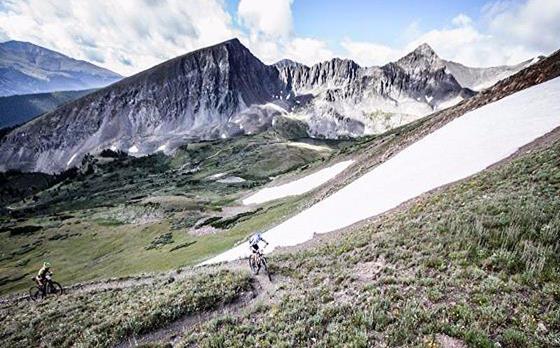
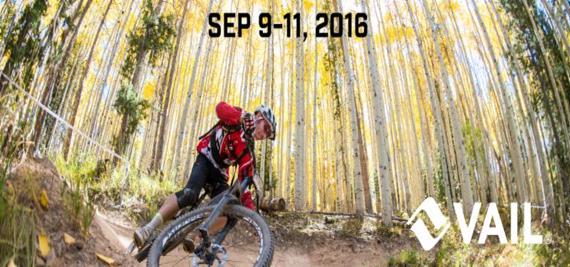
Dates Announced for the 2016 Vail Outlier Offroad Festival, Breck Epic, Eagle Outside Festival
Posted: January 7, 2016 Filed under: Cycling, Mountain Biking | Tags: 2016, Breck Epic, Eagle Outside Festival, Mountain biking, Offroad Festival, Vail Outlier Leave a comment
 |
|
|





|
Felt Bicycles Recalls Mountain Bikes with OEM Carbon Fiber Seatposts Due to Risk of Injury, Fall Hazards
Posted: December 18, 2015 Filed under: Mountain Biking | Tags: Carbon Fiber, Consumer Product Safety Council, CPSC, Felt, Mountain bike, Recall, Seat Post, Seatpost Leave a commentName of Product: Mountain Bicycles
Hazard: The carbon seat post originally sold with the bicycle can crack and break, posing injury and fall hazards to the rider.
Recall Summary
Remedy: Replace
Consumers should immediately stop using the recalled bicycles and contact their local Felt Bicycles dealer for a free inspection and seat post replacement.
Consumer Contact: Felt Bicycles toll-free at 866-433-5887 from 8 a.m. to 5 p.m. PT Monday through Friday or online at http://www.feltracing.com and click on “Notices” for more information.
Photos available at http://www.cpsc.gov/en/Recalls/2016/Felt-Bicycles-Recalls-Mountain-Bikes-with-OEM-Carbon-Fiber-Seatposts/
Recall Details
Units: 645
Description: This recall involves all model year 2015 Felt Double Double 30, NINEe 20 and Edict 1 mountain bicycles. The bicycles were sold with carbon fiber seat posts. The model name is printed on the top tube of the bicycles. The Felt logo is on the down tube of the Double Double 30 and the NINEe20, and on the top tube of the Edict 1. The Double Double 30 was sold in the color blue. The NINEe 20 was sold in a gray and orange color scheme. The Edict 1 was sold in a black and blue color scheme.
Incidents/Injuries: Felt has received 10 reports of the seat post cracking. No injuries have been reported.
Sold by: Bicycle specialty stores nationwide from August 2014 through September 2015 for between $2,000 and $5,500.
Distributor: Felt Bicycles, of Irvine, Calif.
Manufactured in: Taiwan
Retailers: If you are a retailer of a recalled product you have a duty to notify your customers of a recall. If you can, email your clients or include the recall information in your next marketing communication to your clients. Post any Recall Poster at your stores and contact the manufacturer to determine how you will handle any recalls.
For more information on this see:
For Retailers
Recalls Call for Retailer Action
Combination of a Products Liability statute, an Expert Witness Report that was just not direct enough and odd facts holds a retailer liable as manufacture for product defect.
Product Liability takes a different turn. You must pay attention, just not rely on the CPSC.
Retailer has no duty to fit or instruct on fitting bicycle helmet
Summary Judgment granted for bicycle manufacturer and retailer on a breach of warranty and product liability claim.
For Manufacturers
The legal relationship created between manufactures and US consumers
 What do you think? Leave a comment.
If you like this let your friends know or post it on FB, Twitter or LinkedIn
Author: Outdoor Recreation Insurance, Risk Management and Law
Copyright 2015 Recreation Law (720) Edit Law
Email: Rec-law@recreation-law.com
Google+: +Recreation
Twitter: RecreationLaw
Facebook: Rec.Law.Now
Facebook Page: Outdoor Recreation & Adventure Travel Law
Blog: www.recreation-law.com
Mobile Site: http://m.recreation-law.com
By Recreation Law Rec-law@recreation-law.com James H. Moss
#AdventureTourism, #AdventureTravelLaw, #AdventureTravelLawyer, #AttorneyatLaw, #Backpacking, #BicyclingLaw, #Camps, #ChallengeCourse, #ChallengeCourseLaw, #ChallengeCourseLawyer, #CyclingLaw, #FitnessLaw, #FitnessLawyer, #Hiking, #HumanPowered, #HumanPoweredRecreation, #IceClimbing, #JamesHMoss, #JimMoss, #Law, #Mountaineering, #Negligence, #OutdoorLaw, #OutdoorRecreationLaw, #OutsideLaw, #OutsideLawyer, #RecLaw, #Rec-Law, #RecLawBlog, #Rec-LawBlog, #RecLawyer, #RecreationalLawyer, #RecreationLaw, #RecreationLawBlog, #RecreationLawcom, #Recreation-Lawcom, #Recreation-Law.com, #RiskManagement, #RockClimbing, #RockClimbingLawyer, #RopesCourse, #RopesCourseLawyer, #SkiAreas, #Skiing, #SkiLaw, #Snowboarding, #SummerCamp, #Tourism, #TravelLaw, #YouthCamps, #ZipLineLawyer, Recall, CPSC, Consumer Product Safety Council, Felt, Seat Post, Mountain Bike, Carbon Fiber, Seatpost,
Shoulder to Shoulder: New Book from VeloPress with Photos of Cycling’s 1960s Superstar, in Newly Restored Vintage Photographs from The Horton Collection
Posted: December 10, 2015 Filed under: Cycling | Tags: Bike Riding, Cycling, Shoulder to Shoulder, The Horton Collection, VeloPress Leave a commentBoulder, CO, USA – November 16, 2015 – A new cycling history book, Shoulder to Shoulder, presents more than 100 newly restored vintage cycling photographs from The Horton Collection that showcase cycling’s first superstar, Jacques Anquetil, and the riders of the 1960s. Shoulder to Shoulder: Bicycle Racing in the Age of Anquetil is now available in bookstores, bike shops, and online. Preview a selection of the book’s striking photographs at http://www.velopress.com/shoulder.
With a comb in his pocket, his glamorous blonde wife by his side, and an unyielding will backed by blazing speed, Jacques Anquetil became cycling’s leading ambassador as the sport left behind the post-war era of Fausto Coppi to embrace the promise of the freewheeling ’60s.
Shoulder to Shoulder ushers readers into the zenith of Anquetil’s career with a fully restored collection of rare and valuable photographs. With the methodical son of Normandy in the lead, cycling’s professional peloton races through Europe’s capital cities and up its mountainous pathways, laying a path to a cosmopolitan era of unlimited possibilities.
Presenting more than 100 brilliant images-most unseen since their original publication in the magazines and newspapers of the day-Shoulder to Shoulder showcases the rise of a generation of cycling superstars whose gutsy riding and easy style founded the modern era of professional bike racing. Great names in these pages are Rik van Looy, Tom Simpson, Raymond Poulidor, Jan Janssen, Miguel Poblet, Rudi Altig, Federico Bahamontes, Jean Stablinski, Gastone Nencini, Jean Graczyk, and many more.
With an appendix of explanatory notes for each photo, a sewn, lay-flat binding, and premium acid-free paper, Shoulder to Shoulder will be an enduring addition to every cycling enthusiast’s library.
Shoulder to Shoulder: Bicycle Racing in the Age of Anquetil The Horton Collection Hardcover with full-color interior and 100 photographs. 8″ x 7″, 120 pp., $16.95, 9781937715366
The Horton Collection is one of the world’s finest collections of cycling memorabilia. Over the course of twenty-five years Shelly and Brett Horton have amassed an unprecedented 15,000 objects and 170,000 original vintage photographs. Their passion for the sport and its legacy has led them to the world’s greatest races, and many of the sport’s living legends have entrusted their own treasures to the care of The Horton Collection. The Hortons live in San Francisco, California. Learn more at
http://www.hortoncollection.com.
VeloPress is the leading publisher of books about endurance sports. See the best books on cycling at http://www.velopress.com.
Media, marketing, and sales contact: Dave Trendler, VeloPress, dtrendler@competitorgroup.com
-

- Shoulder to Shoulder The Horton Collection
-

- Shoulder to Shoulder The Horton Collection
-
- Shoulder to Shoulder The Horton Collection
-

- Shoulder to Shoulder The Horton Collection
Summer 2015 Commercial Fatalities
Posted: December 2, 2015 Filed under: Challenge or Ropes Course, Cycling, Whitewater Rafting, Zip Line | Tags: Cycling, Fatalities, fatality, Hiking, Ropes course, Whitewater Rafting, zip line Leave a commentThis list is not guaranteed to be accurate. The information is found from web searches and news dispatches. Those references are part of the chart. If you have a source for information on any fatality please leave a comment or contact me. Thank you.
If this information is incorrect or incomplete please let me know. This is up to date as of November 30, 2015. Thanks.
Rafting, Mountaineering and other summer sports are probably still safer than your kitchen or bathroom. This information is not to scare you away from any activity but to help you understand the risks and to study.
Red is a probable death due to medical issues unrelated to the activity
Dark blue is a death of an employee while working
|
Date |
Activity |
State |
Location |
What |
Age |
Sex |
Location 2 |
Reference |
|
3/2 |
Backcountry Skiing |
AK |
Chugach Mountains |
Calving Glacier |
28 |
M |
|
|
|
5/22 |
Whitewater Rafting |
CO |
Clear Creek |
Raft Flipped |
47 |
F |
M258.5 |
|
|
5/31 |
Whitewater Rafting |
MT |
Gallatin River |
Raft Flipped |
43 |
M |
House Rock |
|
|
6/5 |
Whitewater Rafting |
UT |
Colorado River, Westwater |
Raft Flipped |
50 |
M |
Funnel Falls |
|
|
6/10 |
Whitewater Rafting |
CO |
Arkansas River, Brown’s Canyon, |
Raft high sided |
11 |
M |
Big Drop |
|
|
6/11 |
Zip Line |
NC |
Camp Cheerio |
|
12 |
F |
|
|
|
|
Whitewater Rafting |
CO |
Arkansas River |
|
52 |
M |
Salt Lick |
|
|
|
Whitewater Rafting |
CO |
Animas |
|
|
M |
|
|
|
6/13 |
Whitewater Rafting |
CO |
Roaring Fork River |
|
44 |
F |
|
|
|
6/22 |
Hiking on Whitewater Rafting Trip |
AZ |
Colorado River |
Missing after hike |
22 |
M |
Pumpkin Springs, Swamper on trip |
|
|
6/23 |
Wakeboarding |
GA |
Carters Lake |
|
23 |
M |
|
|
|
|
Whitewater Rafting |
NM |
Rio Grande |
|
52 |
M |
|
|
|
7/4 |
Whitewater Rafting |
CO |
Clear Creek |
|
20 |
M |
|
|
|
7/6 |
Whitewater Rafting |
CO |
Poudre River |
Medical |
76 |
M |
|
|
|
7/13 |
Ropes Course |
SC |
Freebird |
|
16 |
F |
|
|
|
7/14 |
Zip Line |
UT |
Zip line |
Fell off platform |
54 |
M |
Grabbed guest who pulled him off |
|
|
7/18 |
Whitewater Rafting |
CO |
Dizzy Lizzy |
Fell out of raft |
35 |
M |
|
|
|
9/25/15 |
Zip Line |
MI |
Huron County |
Fell from zip line |
85 |
M |
|
|
|
9/27 |
Cycling Time Trial |
CA |
Yolo County |
Hit by car |
57 |
M |
County Road 19, west of Interstate 505 near Esparto |
If you are unable to read the chart, email me at jim@rec-law.us and I’ll send it to you as a PDF.
Our condolences go to the families of the deceased. Our thoughts extend to the families and staff at the areas who have to deal with these tragedies.
What do you think? Leave a comment.
If you like this let your friends know or post it on FB, Twitter or LinkedIn
Copyright 2015 Recreation Law (720) Edit Law
What do you think? Leave a comment.

If you like this let your friends know or post it on FB, Twitter or LinkedIn
Author: Outdoor Recreation Insurance, Risk Management and Law
Email: Rec-law@recreation-law.com
Google+: +Recreation
Twitter: RecreationLaw
Facebook: Rec.Law.Now
Facebook Page: Outdoor Recreation & Adventure Travel Law
Blog: www.recreation-law.com
Mobile Site: http://m.recreation-law.com
#AdventureTourism, #AdventureTravelLaw, #AdventureTravelLawyer, #AttorneyatLaw, #Backpacking, #BicyclingLaw, #Camps, #ChallengeCourse, #ChallengeCourseLaw, #ChallengeCourseLawyer, #CyclingLaw, #FitnessLaw, #FitnessLawyer, #Hiking, #HumanPowered, #HumanPoweredRecreation, #IceClimbing, #JamesHMoss, #JimMoss, #Law, #Mountaineering, #Negligence, #OutdoorLaw, #OutdoorRecreationLaw, #OutsideLaw, #OutsideLawyer, #RecLaw, #Rec-Law, #RecLawBlog, #Rec-LawBlog, #RecLawyer, #RecreationalLawyer, #RecreationLaw, #RecreationLawBlog, #RecreationLawcom, #Recreation-Lawcom, #Recreation-Law.com, #RiskManagement, #RockClimbing, #RockClimbingLawyer, #RopesCourse, #RopesCourseLawyer, #SkiAreas, #Skiing, #SkiLaw, #Snowboarding, #SummerCamp, #Tourism, #TravelLaw, #YouthCamps, #ZipLineLawyer, Fatality, Summer, 2015, Whitewater Rafting, Glacier, Calving, Flipped, Chugach Powder Guides, All American Adventures, Geyser Whitewater Expedition, Colorado River, Westwater Canyon, Funnel Falls, Bay Shore Camp
Email the Jefferson County, CO Commissioners and Encourage them to put in Bike Lanes
Posted: November 24, 2015 Filed under: Cycling | Tags: Bike Lanes, Bike Riding, biking, Cycling Leave a comment
|


League of American Bicyclists announces announce 55 new and renewing Bicycle Friendly Communities
Posted: November 18, 2015 Filed under: Cycling | Tags: Bicycle Friendly Community, Bicycling, Cycling, League of American Cyclists Leave a comment
|
||||||||||||||||||||||||||||||

 The League of American Bicyclists is leading the movement to create a Bicycle Friendly America for everyone. As leaders, our commitment is to listen and learn, define standards and share best practices to engage diverse communities and build
 |
|
|

Green Guru: Clincher Frame Bag Pre-Order
Posted: November 7, 2015 Filed under: Cycling | Tags: Green Guru, Recycling, Upcycle Leave a comment


|


Wishbone Design Recalls Recycled Edition Bikes Due to Injury Hazard
Posted: October 2, 2015 Filed under: Cycling | Tags: Handlebar, Wishbone Design, Wishbone Design Studio Limited, Wishbone Recycled Leave a commentHazard: The handlebar can pinch fingers placed at the center where the handlebar connects to the bike frame.
http://www.cpsc.gov/en/Recalls/2015/Wishbone-Design-Recalls-Recycled-Edition-Bikes/
Name of Product: Recycled Edition Bikes
Remedy: Repair
Consumers should immediately stop using the bike, take it away from children and contact Wishbone or the store where the bike was purchased for a free neoprene cover for the handlebar.
Consumer Contact: Wishbone Design Studio toll-free at 888-748-7453 from 8 a.m. to 5 p.m. ET Monday through Friday or online at http://www.wishbonedesign.com and click on Product Care and then Safety & Recalls at the bottom of the page for more information.
Photos available at http://www.cpsc.gov/en/Recalls/2015/Wishbone-Design-Recalls-Recycled-Edition-Bikes/
Units: About 400 (an additional 4,600 were sold outside the United States)
Description: The Wishbone Recycled (RE) Bikes are made from recycled black plastic materials with 12-inch, air-filled white rubber tires. The adjustable seat height ranges from 9 to 20 inches. The bikes weigh about 10 pounds. The two recalled bikes include one 3-in-1 model, which is adjustable as a 3-wheeler or 2-wheeler with a high seat or low seat; and one 2-wheeler model, which is adjustable with a high or low seat. The date codes for production appear in a round dial on the front frame of the bikes under the seat. Date codes are either December 2013 or May 2014. The year appears in the center of the dial and the arrow points to the month. There is also a Wishbone logo embossed on each bike fork.
Incidents/Injuries: The firm received reports of four incidents, including two injuries. One required stitches and one required restorative surgery.
Sold at: Independent toy and bike stores nationwide and online at http://www.amazon.com from July 2014 through June 2015 for about $200 for the 2-wheeler and $230 for the 3-in-1.
Importer: Wishbone Design Studio Limited of Yardville, N.J.
Manufactured in: China
Retailers: If you are a retailer of a recalled product you have a duty to notify your customers of a recall. If you can, email your clients or include the recall information in your next marketing communication to your clients. Post any Recall Poster at your stores and contact the manufacturer to determine how you will handle any recalls.
For more information on this see:
For Retailers
Recalls Call for Retailer Action
Combination of a Products Liability statute, an Expert Witness Report that was just not direct enough and odd facts holds a retailer liable as manufacture for product defect.
Product Liability takes a different turn. You must pay attention, just not rely on the CPSC.
Retailer has no duty to fit or instruct on fitting bicycle helmet
Summary Judgment granted for bicycle manufacturer and retailer on a breach of warranty and product liability claim.
For Manufacturers
The legal relationship created between manufactures and US consumers
 What do you think? Leave a comment.
If you like this let your friends know or post it on FB, Twitter or LinkedIn
Author: Outdoor Recreation Insurance, Risk Management and Law
Copyright 2015 Recreation Law (720) Edit Law
Email: Rec-law@recreation-law.com
Google+: +Recreation
Twitter: RecreationLaw
Facebook: Rec.Law.Now
Facebook Page: Outdoor Recreation & Adventure Travel Law
Blog: www.recreation-law.com
Mobile Site: http://m.recreation-law.com
By Recreation Law Rec-law@recreation-law.com James H. Moss
#AdventureTourism, #AdventureTravelLaw, #AdventureTravelLawyer, #AttorneyatLaw, #Backpacking, #BicyclingLaw, #Camps, #ChallengeCourse, #ChallengeCourseLaw, #ChallengeCourseLawyer, #CyclingLaw, #FitnessLaw, #FitnessLawyer, #Hiking, #HumanPowered, #HumanPoweredRecreation, #IceClimbing, #JamesHMoss, #JimMoss, #Law, #Mountaineering, #Negligence, #OutdoorLaw, #OutdoorRecreationLaw, #OutsideLaw, #OutsideLawyer, #RecLaw, #Rec-Law, #RecLawBlog, #Rec-LawBlog, #RecLawyer, #RecreationalLawyer, #RecreationLaw, #RecreationLawBlog, #RecreationLawcom, #Recreation-Lawcom, #Recreation-Law.com, #RiskManagement, #RockClimbing, #RockClimbingLawyer, #RopesCourse, #RopesCourseLawyer, #SkiAreas, #Skiing, #SkiLaw, #Snowboarding, #SummerCamp, #Tourism, #TravelLaw, #YouthCamps, #ZipLineLawyer, Wishbone Design Studio Limited, Wishbone Design, handlebar, Wishbone Recycled,
When you are mountain biking on land you are unfamiliar with, probably private land, any condition of the land causing any injury is your responsibility to find.
Posted: September 21, 2015 Filed under: Michigan, Mountain Biking | Tags: Deliberate Indifference, Gross negligence, Landowner, Mountain biking, Premises Liability, Recreational Use Act Leave a commentMichigan mountain biker that struck a cable gate liable for his own injuries because of the Michigan Recreational Use Statute. Actions of the land owner in creating the gate were not gross negligence when they had posted the property with no trespass signs.
Schoonbeck v. Kelly, 2015 Mich. App. LEXIS 223
State: Michigan, Court of Appeals of Michigan
Plaintiff: Thomas H. Schoonbeck
Defendant: v Casey J. Kelly, a/k/a Casey James Kelly, Nicholas Thomas Donajkowski, and Roger W. Nielsen
Plaintiff Claims: negligence and gross negligence
Defendant Defenses: Michigan Recreational Use Statute
Holding: for the defendant land owner and land lessee
Year: 2015
The plaintiff was mountain biking on private land that was adjacent to state land. While traveling down a trail he was injured when he struck a cable being used as a gate strung between two trees. The cable had a “No Trespassing” sign facing away from the plaintiff’s direction of travel so people coming onto the land could see the sign.
The land was owned by one defendant, Nielsen, who leased the land to Donajkowski and Kelly to use for hunting. Donajkowski and Kelly created the cable gate because it was the cheapest and easiest gate to erect. They also placed “no trespassing” signs around the property and at the corners of the property.
The plaintiff sued for negligence and gross negligence. The defendants filed a motion for summary disposition on the negligence claim and argued that installing a gate was not gross negligence. The trial court agreed, and this appeal followed.
Analysis: making sense of the law based on these facts.
The Michigan Recreational Use statute is very comprehensive. The statute covers any cause of action, which is a “concurrence of facts giving rise to the obligation sought to be enforced against the defendant.” on the land. That definition also is based on premise’s liability law, which is the law that is based on ownership of land.
The plaintiff’s argued the statute was based on laws occurring on the land, not of the land. Mainly the law dealt with nuisance claims, which is “unreasonable interference with a common right enjoyed by the general public.”
However, the argument failed in total because the nuisance argument was not raised in the lower court so it could not be argued in the appellate court.
The next argument was whether erecting (stringing) a cable gate on the land was gross negligence. The plaintiff argued the gate case created with “deliberate indifference to the likelihood that an injury would result.”
The court then looked at the definition of gross negligence in Michigan.
A person’s conduct is grossly negligent if the person engages in “conduct so reckless as to demonstrate a substantial lack of concern for whether an injury results.” “Evidence of ordinary negligence does not create a material question of fact concerning gross negligence.” Willful and wanton misconduct occurs when the defendant acted “with a set purpose to accomplish the results which followed the act,” which “implies malice.” “Willful and wanton misconduct is not a high degree of negligence; rather, it is in the same class as intentional wrongdoing.”
The plaintiff argued the defendants should have done more. They should have built a gate at the other end of the property, notified neighbors the land was now closed or turned the No Trespassing sign around. However, allegations that someone could have done more are not proof that what was done was gross negligence. “To be grossly negligent, a person must disregard precautions or safety in a way that suggests that he or she does not care about the welfare of others.”
The allegations of the plaintiff were the defendants could have done more, not that what they did was grossly negligent.
At best, Schoonbeck has only alleged that Donajkowski and Kelly could have done more. He has not provided any evidence that their actions showed a substantial lack of concern for whether an injury might result.
The actions of the defendant were not grossly negligent and the Michigan Recreational Use Statute provides protection for the negligence claims. The trial court dismissal of the complaint was upheld.
So Now What?
I don’t have mostly indifference to the plaintiff in this case. Mountain biking is defined by its falls, just like skiing. Not falling, not trying hard enough, etc.
Here the landowner/lease did what every other landowner did. The real sole issue was, whether the landowner should have done more when the status to the land allegedly changed. However, the plaintiff did not even prove that. The prior landowner did not allow mountain biking or other activities; he just did not go out and try to stop them.
If you own the land, and you don’t want people on it, do what the law requires to protect your land.
If you are a mountain biker, make sure you know where you are before you go barreling down a trail. Much like a terrain park skiing, check out the jumps before cruising through them.
 What do you think? Leave a comment.
If you like this let your friends know or post it on FB, Twitter or LinkedIn
Author: Outdoor Recreation Insurance, Risk Management and Law
Copyright 2015 Recreation Law (720) Edit Law
Email: Rec-law@recreation-law.com
Google+: +Recreation
Twitter: RecreationLaw
Facebook: Rec.Law.Now
Facebook Page: Outdoor Recreation & Adventure Travel Law
Blog: www.recreation-law.com
Mobile Site: http://m.recreation-law.com
By Recreation Law Rec-law@recreation-law.com James H. Moss
#AdventureTourism, #AdventureTravelLaw, #AdventureTravelLawyer, #AttorneyatLaw, #Backpacking, #BicyclingLaw, #Camps, #ChallengeCourse, #ChallengeCourseLaw, #ChallengeCourseLawyer, #CyclingLaw, #FitnessLaw, #FitnessLawyer, #Hiking, #HumanPowered, #HumanPoweredRecreation, #IceClimbing, #JamesHMoss, #JimMoss, #Law, #Mountaineering, #Negligence, #OutdoorLaw, #OutdoorRecreationLaw, #OutsideLaw, #OutsideLawyer, #RecLaw, #Rec-Law, #RecLawBlog, #Rec-LawBlog, #RecLawyer, #RecreationalLawyer, #RecreationLaw, #RecreationLawBlog, #RecreationLawcom, #Recreation-Lawcom, #Recreation-Law.com, #RiskManagement, #RockClimbing, #RockClimbingLawyer, #RopesCourse, #RopesCourseLawyer, #SkiAreas, #Skiing, #SkiLaw, #Snowboarding, #SummerCamp, #Tourism, #TravelLaw, #YouthCamps, #ZipLineLawyer, Recreational Use Act, Landowner, Mountain Biking, Gross Negligence, Deliberate Indifference, Premises Liability,
Schoonbeck v. Kelly, 2015 Mich. App. LEXIS 223
Posted: September 15, 2015 Filed under: Legal Case, Michigan, Mountain Biking | Tags: Deliberate Indifference, Gross negligence, Landowner, Mountain biking, Premises Liability, Recreational Use Act Leave a commentSchoonbeck v. Kelly, 2015 Mich. App. LEXIS 223
Thomas H. Schoonbeck, Plaintiff-Appellant, v Casey J. Kelly, a/k/a Casey James Kelly, Nicholas Thomas Donajkowski, and Roger W. Nielsen, Defendants-Appellees.
No. 318771
COURT OF APPEALS OF MICHIGAN
2015 Mich. App. LEXIS 223
February 10, 2015, Decided
NOTICE: THIS IS AN UNPUBLISHED OPINION. IN ACCORDANCE WITH MICHIGAN COURT OF APPEALS RULES, UNPUBLISHED OPINIONS ARE NOT PRECEDENTIALLY BINDING UNDER THE RULES OF STARE DECISIS.
PRIOR HISTORY: [*1] Muskegon Circuit Court. LC No. 12-048517-NO.
CORE TERMS: gate, trespassing, cable, gross negligence, wanton misconduct, willful, causes of action, installed, trail, nuisance claims, grossly negligent, recreational, material fact, premises liability, motorcycles, installing, favorable, struck, tenant, lessee, bike, snowmobiles, land use, claims of negligence, facts giving rise, questions of fact, de novo, genuine issue, nonmoving party, reasonable minds
COUNSEL: For THOMAS H. SCHOONBECK: ALANA LYNN WIADUCK, MUSKEGON, MI.
For CASEY J. KELLY: JAMES M SEARER, MUSKEGON, MI.
For ROGER W. NIELSEN: JOSEPH P VANDERVEEN, GRAND RAPIDS, MI.
JUDGES: Before: O’CONNELL, P.J., and SAWYER and MARKEY, JJ.
OPINION
Per Curiam.
Plaintiff, Thomas H. Schoonbeck, appeals as of right the trial court’s order granting summary disposition under MCR 2.116(C)(10) in favor of defendants, Casey James Kelly, Nicholas Thomas Donajkowski, and Roger W. Nielsen. Schoonbeck was injured when he struck a cable gate while riding a dirt bike on property that Nielsen had leased to Donajkowski and Kelly. The trial court ruled that the recreational land use act (the Act), 324.73301, barred Schoonbeck’s claims. We affirm.
I. FACTS
In September 2010, Schoonbeck was riding a dirt bike on Nielsen’s property when he struck a cable gate that was suspended across a trail between two trees. According to Trooper Brian Cribbs’s report of the incident, the cable was installed along a fairly straight section of the trail that had a “very slight curve” about 87 feet before where Schoonbeck struck it. A 10 x 14-inch sign that read “Private Property — No Trespassing” was attached to the middle of the cable. The sign faced the opposite direction from which Schoonbeck was traveling.
At his deposition, Nielsen testified that he had rented the property for hunting [*2] and recreational purposes to Donajkowski and Kelly at the time of the accident. A two-track trail traversed the property from the southwest to the northeast. In affidavits, various neighbors stated that the property did not have “no trespassing” signs and that they walked, rode bikes, and used motorcycles or snowmobiles on the property’s trails. Nielsen testified that he had previously seen some evidence that people rode motorcycles or snowmobiles across the property. However, according to Nielsen and Donajkowski, there were “no trespassing” ribbons at the corners of the property and “no trespassing” signs along its borders.
Kelly testified that he was not aware that motorcycles or snowmobiles crossed the property, but he wanted to inform people that the property was private because it abutted state land. Donajkowski testified that he wanted to put a gate on the trail to stop traffic. Nielsen testified that Donajkowski asked to install a gate on the property and complained that people were trespassing on it with motorcycles and off-road vehicles.
According to Kelly, about a week after leasing the property, he and Donajkowski installed “no trespassing” signs and a cable gate with a “no [*3] trespassing” sign on it. They installed a cable gate because it was the easiest kind of gate to install. It was Kelly’s first time on the property and Donajkowski’s second time on the property. Donajkowski testified that the “no trespassing” sign faced outward from the property.
In August 2012, Schoonbeck filed this suit. He alleged claims of negligence and gross negligence against Nielsen, Donajkowski, and Kelly. In May 2013, Nielsen moved for summary disposition under MCR 2.116(C)(8) and (10). In pertinent part, Nielsen contended that the Act barred Schoonbeck’s claims because Donajkowski and Kelly’s act of installing the cable gate was not grossly negligent or malicious. Donajkowski and Kelly also moved for summary disposition, adopting Nielsen’s arguments and further contending that they were not grossly negligent and did not commit willful or wanton misconduct. Schoonbeck responded that the Act did not apply and, even if it did apply, there were material questions of fact regarding whether Donajkowski and Kelly were grossly negligent or committed willful and wanton misconduct.
In a brief written opinion, the trial court granted the defendants’ motions under MCR 2.116(C)(10). It determined that the Act barred Schoonbeck’s [*4] claims. Schoonbeck now appeals.
II. STANDARDS OF REVIEW
This Court reviews de novo the trial court’s decision on a motion for summary disposition. Maiden v Rozwood, 461 Mich 109, 118; 597 NW2d 817 (1999). A party is entitled to summary disposition under MCR 2.116(C)(10) if “there is no genuine issue as to any material fact, and the moving party is entitled to judgment . . . as a matter of law.” The trial court must consider all the documentary evidence in the light most favorable to the nonmoving party. MCR 2.116(G)(5); Maiden, 461 Mich at 120. A genuine issue of material fact exists if, when viewing the record in the light most favorable to the nonmoving party, reasonable minds could differ on the issue. Allison v AEW Capital Mgt, LLP, 481 Mich 419, 425; 751 NW2d 8 (2008).
This Court reviews de novo issues of statutory interpretation. Neal v Wilkes, 470 Mich 661, 664; 685 NW2d 648 (2004). When interpreting a statute, our goal is to give effect to the intent of the Legislature. Id. at 665. The statute’s language is the best indicator of the Legislature’s intent. Id. If the language of a statute is unambiguous, we must enforce the statute as written. United States Fidelity & Guaranty Co v Mich Catastrophic Claims Ass’n (On Rehearing), 484 Mich 1, 13; 795 NW2d 101 (2009). This Court should not read language into an unambiguous statute. McCormick v Carrier, 487 Mich 180, 209; 795 NW2d 517 (2010).
III. APPLICATION OF THE RECREATIONAL LAND USE ACT
First, Schoonbeck contends the Act does not apply because it is limited to premises liability causes of action. We disagree.
The Act provides that “a [*5] cause of action” generally does not arise from a nonpaying outdoor recreational user’s use of an owner’s land unless the user’s injuries were caused by the owner’s gross negligence or willful and wanton misconduct:
Except as otherwise provided in this section, a cause of action shall not arise for injuries to a person who is on the land of another without paying to the owner, tenant, or lessee of the land a valuable consideration for the purpose of fishing, hunting, trapping, camping, hiking, sightseeing, motorcycling, snowmobiling, or any other outdoor recreational use or trail use, with or without permission, against the owner, tenant, or lessee of the land unless the injuries were caused by the gross negligence or willful and wanton misconduct of the owner, tenant, or lessee. [MCL 324.73301(1).]
A cause of action is a “concurrence of facts giving rise to the obligation sought to be enforced against the defendant.” Davis v Kramer Bros Freight Lines, Inc, 361 Mich 371, 376-377; 105 NW2d 29 (1960); also see Black’s Law Dictionary (9th ed) (“A group of operative facts giving rise to one or more bases for suing; a factual situation that entitles one person to obtain a remedy in court from another person.”).
The plain language of the statute bars any cause of action, not only those [*6] causes of action that sound in premises liability. Had the Legislature wished to limit the statute to a narrower set of circumstances, it could have used the words “cause in action sounding in premises liability” rather than the more general term “cause of action.” See Neal, 470 Mich at 665-666. It did not do so. We decline to read additional language into the statute and, therefore, we reject Schoonbeck’s argument that the Act only applies to claims sounded in premises liability.
Second, Schoonbeck contends that the trial court erred by granting summary disposition because the Act does not apply to nuisance claims. “A public nuisance is an unreasonable interference with a common right enjoyed by the general public.” Cloverleaf Car Co v Phillips Petroleum Co, 213 Mich App 186, 190; 540 NW2d 297 (1995). In this case, regardless of whether revoking an implied license to trespass constitutes a nuisance or whether the Act bars nuisance claims, Schoonbeck did not assert a nuisance claim in his complaint. He asserted only claims of negligence and gross negligence. Since Schoonbeck did not plead a nuisance claim, nor does he provide argument to support that the trial court erred by granting summary disposition on potentially meritorious claims that the plaintiff did not raise, we fail to see how he [*7] can be deemed to have addressed a nuisance claim. Moreover, we decline to make Schoonbeck’s arguments for him. See VanderWerp v Plainfield Charter Twp, 278 Mich App 624, 633; 752 NW2d 479 (2008). Accordingly, we reject this assertion because Schoonbeck did not allege a nuisance claim.
IV. GROSS NEGLIGENCE AND WILLFUL OR WANTON MISCONDUCT
Schoonbeck contends that the trial court erroneously granted summary disposition because there was a question of material fact regarding whether Donajkowski and Kelly’s installation of the cable gate showed a deliberate indifference to the likelihood that an injury would result. We conclude that Schoonbeck did not show a genuine issue of material fact regarding whether Donajkowski and Kelly acted with gross negligence or willful and wanton misconduct.
A person’s conduct is grossly negligent if the person engages in “conduct so reckless as to demonstrate a substantial lack of concern for whether an injury results.” Maiden, 461 Mich at 123; Xu v Gay, 257 Mich App 263, 269; 668 NW2d 166 (2003). “Evidence of ordinary negligence does not create a material question of fact concerning gross negligence.” Maiden, 461 Mich at 122-123. Willful and wanton misconduct occurs when the defendant acted “with a set purpose to accomplish the results which followed the act,” which “implies malice.” Boumelhem v Bic Corp, 211 Mich App 175, 185; 535 NW2d 574 (1995). “Willful and wanton misconduct is not a high degree [*8] of negligence; rather, it is in the same class as intentional wrongdoing.” Id.
Even accepting Schoonbeck’s assertions that Donajkowski and Kelly should have installed a gate at the other end of the property, faced a second sign inward on the gate, or informed the neighbors they were installing the gate, these allegations do not show a genuine question of material fact on the issue of gross negligence. An allegation that an actor could have done more or acted differently is not evidence of ordinary negligence, much less gross negligence. Tarlea v Crabtree, 263 Mich App 80, 90; 687 NW2d 333 (2004). To be grossly negligent, a person must disregard precautions or safety in a way that suggests that he or she does not care about the welfare of others. Id. At best, Schoonbeck has only alleged that Donajkowski and Kelly could have done more. He has not provided any evidence that their actions showed a substantial lack of concern for whether an injury might result.
In contrast, Donajkowski and Kelly provided evidence that they did not act with a deliberate indifference of whether an injury could result from installing the cable gate. Donajkowski and Kelly installed a “no trespassing” sign near the entrance to the property and hung a “no trespassing” [*9] sign from the cable gate. They installed the cable gate and sign on a fairly straight area of the trail. They also installed additional “no trespassing” signs. These signs faced toward the road, the logical direction from which to expect traffic would approach the gate. We conclude that, viewing the evidence in the light most favorable to Schoonbeck, reasonable minds could not differ concerning whether Donajkowski and Kelly’s action was so reckless that it showed a substantial lack of concern for whether an injury resulted. We conclude that the trial court did not err by granting summary disposition under MCR 2.116(C)(10).
V. CONCLUSION
We conclude that the Act is not limited to premises liability actions. Further, we conclude that the trial court did not err by granting summary disposition under MCR 2.116(C)(10) when Schoonbeck provided no evidence from which a reasonable juror could conclude that Donajkowski and Kelly acted recklessly.
We affirm. As the prevailing parties, defendants may tax costs. MCR 7.219.
/s/ Peter D. O’Connell
/s/ David H. Sawyer
/s/ Jane E. Markey
If you are injured by someone because they were avoiding someone who was negligent, can you sue the person who was negligent?
Posted: September 14, 2015 Filed under: Assumption of the Risk, Cycling, New York | Tags: assumption of the risk, Bike Lane, Causation, Choice of Two Evils, Cycling, Proximate Cause Leave a commentThis is a little off subject for me but something I’ve always wondered about. Here a car moves into the bike lane and the first rider stops; the second rider hits the first, injured and sues the driver.
State: New York, Supreme Court of New York, Appellate Division, Fourth Department
Plaintiff: Carol M. Stone and Roger E. Stone
Defendant: Jesse D. Neustradter and Craig E. Brittin
Plaintiff Claims: Negligence
Defendant Defenses: No Negligence
Holding: For the Plaintiff
Year: 2015
The facts are argued two different ways in this appeal; however, the court accepted the plaintiff’s version. The plaintiff was riding behind her husband. A car driven by the plaintiff moved into the bike lane. The husband took evasive actions to avoid being hit by the car and collided with his wife the plaintiff.
Here are the facts from the decision.
Defendants’ submissions included the deposition testimony of the husband, who testified that he was bicycling just ahead of plaintiff, with both of them traveling to the right of the white fog line in a “bike lane.” The husband further testified that plaintiffs were descending a hill when he saw the vehicle moving in the driveway approximately 15 feet ahead of them, and that the vehicle moved past the end of the driveway approximately two feet into the “bike lane.” He also testified that when he first saw the vehicle, he yelled to the driver as loud as he could to alert the driver to their presence. He then veered to the left for fear of being struck by the vehicle, and plaintiff’s bicycle struck his bicycle
The vehicle did not make contact with either rider. This fact was sufficient for the trial court to dismiss the case finding no negligence because there was no contact. The trial court found the sole cause of the accident was the “uncontrolled operation of a bicycle ridden by the husband.” (?)
The appellate court found otherwise and reversed.
Analysis: making sense of the law based on these facts.
The appellate court held that the defendant did not prove they were not negligent or not the proximate cause of the accident.
Specifically, defendants’ submissions failed to eliminate all questions of fact whether the driver was negligent in encroaching onto the shoulder of the road, thereby blocking the pathway of the oncoming bicycles, or in operating the vehicle as it approached the road from the driveway that was partially obscured by landscaping.
The trial court also found that the husband riding the bicycle was the sole proximate cause of the accident. “Defendants therefore also failed to establish as a matter of law that the husband’s operation of his bicycle was the sole proximate cause of the accident.” Meaning that the only reason for the accident was the way the husband rode his bicycle which is how the lower court seemed to have looked at this case.
The appellate court saw the issues differently.
We conclude that there are questions of fact whether the driver was driving in a reasonable manner and whether the driver’s actions set off a chain of events that caused the husband to take action in evading the vehicle, which led to the collision between the plaintiffs’ bicycles.
The court also dismissed the defense of assumption of the risk, which is a great benefit if you are a cyclist. “Finally, we conclude that “assumption of the risk does not apply to the fact pattern in this appeal, which does not fit comfortably within the parameters of the doctrine“”
If not, in every bicycle accident, the driver would have the opportunity to say he was not at fault because the cyclists assumed the risk of riding a bicycle.
So Now What?
This is a case where I support the plaintiff. I’m also a cyclist which should be disclosed. However, how often have you been in a situation where you thought you have the choice of two evils? I can hit the other car which is causing the accident or hit the innocent car, cyclists, or pedestrian.
If you are the real cause of the accident, even though your car was hit, you may still be sued for the accident for any injuries.
Here if a car swerves or bakes suddenly taking out the entire pace line, every injured cyclist can sue the driver for causing the accident.
 What do you think? Leave a comment.
If you like this let your friends know or post it on FB, Twitter or LinkedIn
Author: Outdoor Recreation Insurance, Risk Management and Law
Copyright 2015 Recreation Law (720) Edit Law
Email: Rec-law@recreation-law.com
Google+: +Recreation
Twitter: RecreationLaw
Facebook: Rec.Law.Now
Facebook Page: Outdoor Recreation & Adventure Travel Law
Blog: www.recreation-law.com
Mobile Site: http://m.recreation-law.com
By Recreation Law Rec-law@recreation-law.com James H. Moss
#AdventureTourism, #AdventureTravelLaw, #AdventureTravelLawyer, #AttorneyatLaw, #Backpacking, #BicyclingLaw, #Camps, #ChallengeCourse, #ChallengeCourseLaw, #ChallengeCourseLawyer, #CyclingLaw, #FitnessLaw, #FitnessLawyer, #Hiking, #HumanPowered, #HumanPoweredRecreation, #IceClimbing, #JamesHMoss, #JimMoss, #Law, #Mountaineering, #Negligence, #OutdoorLaw, #OutdoorRecreationLaw, #OutsideLaw, #OutsideLawyer, #RecLaw, #Rec-Law, #RecLawBlog, #Rec-LawBlog, #RecLawyer, #RecreationalLawyer, #RecreationLaw, #RecreationLawBlog, #RecreationLawcom, #Recreation-Lawcom, #Recreation-Law.com, #RiskManagement, #RockClimbing, #RockClimbingLawyer, #RopesCourse, #RopesCourseLawyer, #SkiAreas, #Skiing, #SkiLaw, #Snowboarding, #SummerCamp, #Tourism, #TravelLaw, #YouthCamps, #ZipLineLawyer, Cycling, Bike Lane, Proximate Cause, Assumption of the Risk, Causation,
Cycling Sports Group Recalls Cannondale Mountain Bicycles Due to Fall Hazard
Posted: September 11, 2015 Filed under: Cycling | Tags: Consumer Product Safety Council, CPSC, Cycling Sports Group Inc., Mountain bike, OPI stem/steering, Recall, Scalpel, Steering Tube, Stem, Trigger Cannondale Leave a commentName of Product: Cannondale mountain bicycles with OPI stem/steering tube
http://www.cpsc.gov/en/Recalls/2015/Cycling-Sports-Group-Recalls-Cannondale-Mountain-Bicycles/
Hazard: The OPI stem/steering tube assemblies can fail, posing a risk of injury from a fall.
Remedy: Repair
Consumers should immediately stop using the recalled bicycle and take it to the nearest authorized Cannondale dealer for a free repair. Cannondale dealers will fit a locking reinforcement wedge assembly inside the OPI stem/steering tube and replace the clamp bolts.
Consumer Contact: Cycling Sports Group at 800-BIKE-USA (800-245-3872) from 9 a.m. to 6 p.m. ET Monday through Friday, by email at custserve@cyclingsportsgroup.com or online at http://www.cannondale.com and click on “Recalls” under the Recalls & Safety link at the bottom of the page.
Photos available at http://www.cpsc.gov/en/Recalls/2015/Cycling-Sports-Group-Recalls-Cannondale-Mountain-Bicycles/
Recall Details
Units: About 23,000 (in addition, about 800 were sold in Canada)
Description: This recall involves all model year 2011 through 2015 Flash, FSi , F-4, F-5, F-29, Lexi, RZ, Scalpel and Trigger Cannondale mountain bicycles, with OPI stem/steering tube assemblies “OPI” is printed diagonally across the stem/steering tube in black letters.
Incidents/Injuries: None reported.
Sold at: Authorized Cannondale dealers nationwide from July 2010 to July 2015 for between $2,000 and $10,000.
Importer: Cycling Sports Group Inc., of Wilton, Conn.
Manufactured in: Taiwan
Note: Health Canada’s press release is available at http://healthycanadians.gc.ca/recall-alert-rappel-avis/hc-sc/2015/54850r-eng.php
Retailers: If you are a retailer of a recalled product you have a duty to notify your customers of a recall. If you can, email your clients or include the recall information in your next marketing communication to your clients. Post any Recall Poster at your stores and contact the manufacturer to determine how you will handle any recalls.
For more information on this see:
For Retailers
Recalls Call for Retailer Action
Combination of a Products Liability statute, an Expert Witness Report that was just not direct enough and odd facts holds a retailer liable as manufacture for product defect.
Product Liability takes a different turn. You must pay attention, just not rely on the CPSC.
Retailer has no duty to fit or instruct on fitting bicycle helmet
Summary Judgment granted for bicycle manufacturer and retailer on a breach of warranty and product liability claim.
For Manufacturers
The legal relationship created between manufactures and US consumers
What do you think? Leave a comment.
If you like this let your friends know or post it on FB, Twitter or LinkedIn
Copyright 2015 Recreation Law (720) Edit Law
Email: Rec-law@recreation-law.com
Google+: +Recreation
Twitter: RecreationLaw
Facebook: Rec.Law.Now
Facebook Page: Outdoor Recreation & Adventure Travel Law
Blog: www.recreation-law.com
Mobile Site: http://m.recreation-law.com
#AdventureTourism, #AdventureTravelLaw, #AdventureTravelLawyer, #AttorneyatLaw, #Backpacking, #BicyclingLaw, #Camps, #ChallengeCourse, #ChallengeCourseLaw, #ChallengeCourseLawyer, #CyclingLaw, #FitnessLaw, #FitnessLawyer, #Hiking, #HumanPowered, #HumanPoweredRecreation, #IceClimbing, #JamesHMoss, #JimMoss, #Law, #Mountaineering, #Negligence, #OutdoorLaw, #OutdoorRecreationLaw, #OutsideLaw, #OutsideLawyer, #RecLaw, #Rec-Law, #RecLawBlog, #Rec-LawBlog, #RecLawyer, #RecreationalLawyer, #RecreationLaw, #RecreationLawBlog, #RecreationLawcom, #Recreation-Lawcom, #Recreation-Law.com, #RiskManagement, #RockClimbing, #RockClimbingLawyer, #RopesCourse, #RopesCourseLawyer, #SkiAreas, #Skiing, #SkiLaw, #Snowboarding, #SummerCamp, #Tourism, #TravelLaw, #YouthCamps, #ZipLineLawyer, Recall, Recall, CPSC, Consumer Product Safety Council, Scalpel, Trigger Cannondale, Mountain Bike, Steering Tube, Stem, Cycling Sports Group Inc., OPI stem/steering,
Article in Bicycle Industry & Industry News (BRAIN) points out major issues in not understanding when a retailer is liable.
Posted: September 9, 2015 Filed under: Cycling | Tags: Bicycle Retailer & Industry News, Bicycle Retailer and Industry News, Bike Stores, BRAIN, Events, Group Rides, liability, Retailer Liability, Retailers, Store Liability 2 CommentsRemember the “Ride Board” in college? People looking for rides and people going somewhere with cars would post on the ride board. College’s involvement was the board, nothing more. If you are more than a “board,” you may have legal issues as a retailer.
Bicycle Retailer and Industry News is the trade magazine for the cycling industry. One of their columns is titled Retail and asks several retailers a question each edition about a topic of importance. The September 1, 2015 issue, Vol. 24, Number 15, page 18, asked the question “Does your shop host group rides? Is liability a concern?”
The answers from the retailers were all over the spectrum, as usual. However, what caught my attention was the lack of knowledge on where the liability boundary lies with retailers.
Below are quotes from the article and my response about what the liability may really be.
A.
“We have a weekly road rides that leaves from the store, but it’s just a starting point – the shop doesn’t really have anything to do with it.”
Hopefully, this statement is 100% correct. However, the issue is not what the liability is from the shops’ viewpoint but the liability from the customers and riders’ viewpoint. Do they see the shop as hosting the ride or does the shop just function as an address and parking lot?
Remember the ride board in college. It was usually a cork board with pins. People with cars going someplace looking for people to share gas or costs would post the info about their trip on the board. People looking for a ride someplace would also post their info on the board. If things matched a driver with a car got a rider for the trip.
The sole involvement of the college was the cork board, maybe pins and the 3X5 cards. The college did no go find drivers or riders. Consequently, the college’s involvement created no legal liability.
Legal liability attaches when you create a duty, an obligation to someone. That usually is not from your perspective but from the perspective of the injured party. Do the riders’ meeting at your store understand that you have no liability for the ride? That you are offering your packing lot as a service and that service ends when the riders walk out your door and leave on the ride.
A group ride where the retailer can’t be liable should probably be run the same way. In litigation, any involvement by the retailer can be interpreted as legally liable for the ride. Employees in kits from the retailer, employees organizing or leading the ride, or the employees telling customers about the stores rides might be enough to drag the retailer into court. Advertising the ride in a newsletter or online may create that misunderstanding in a rider.
Probably, retailers should jump in and get involved in the ride, have liability insurance to protect them from incidents on the ride and have a release signed or just put up a ride board. You are generating positive community feelings with the ride, which may be blunted by not telling anyone about them and telling those that show up you are not responsible for them.
B.
“A weekly group ride leaves from our store, but it is organized by the participants. We also hope to have gravel/adventure and mountain group rides leaving from out shop in the near future.”
The issue here was the two different sentences in the quote. If the participants truly are running the ride and the store is just an address, then the store is probably not liable. However, the store created liability when it said, “we hope to have” other rides. If the store wants the rides, is the store liable for the rides? That could be an issue.
You can probably create a ride board like situation with your newsletter or website; however, that would require a disclaimer. Actively going out and getting people to show up for a ride probably places you in a different view from the people showing up for the ride.
C.
“Several of our structured activities, like an “Introduction to Mountain Biking” series, are led by a professional instructor who carries her own insurance for groups like this.”
This is one way of avoiding liability but only if you go the extra steps.
1. The professional leading the rides MUST list the store on her insurance policy as an additional insured. Just because she has insurance does not mean the insurance will cover the store. If the store is found to have something to do with the ride, only if the store is covered as an additional insured will the instructor’s insurance be of any help.
The rider can have insurance and defend any claim but the store maybe left holding the bag. The professional’s insurance will not cover the store, unless there is an agreement, naming the store as an additional insured, to do so.
Just because one of the two possible defendants has insurance will not protect the one without insurance. If the injury is great enough or the medical bills large enough, the injured party, their insurance company and their attorney will look to anyone who might be able to write a check for the damages.
2. The professional rider should have a release that covers her and the store. That way, the instructor and the store and both protected rather than the injured consumer realizing the rider can’t be sued because of the release suing the store because they were not covered by the release.
Again if the professional rider has a release that protects her, the injured party may immediately turn to the store. The store is no covered by the release it makes the lawsuit against the store much easier. Small claims through many big claims will be started against the retailer than fight a release.
D.
“We try to keep a pretty chill attitude around the shop and events, and that tends to attract less litigious group of people.”
A large percentage of the lawsuits in the US are not filed by the injured person. They are filed by the injured person’s health insurer. Every health insurance policy, in fact, every insurance policy, has a subrogation clause. That clause allows the insurance company to file a lawsuit using your name to recover any funds from someone who may be liable for your injuries.
A rider, you best friend, is riding in your group rides. An accident occurs, and your friend is injured and spends a week in the hospital. Your friend’s health insurance policy looks at the facts and determines that your store was liable for the friend’s injuries and sues you. Your friend can do nothing to stop that lawsuit, unless he refuses the benefits under the policy and repays all the money the insurance company spent on his injury.
Not only is your shop at risk but so is your friendship.
The second big way this theory is destroyed is the surviving spouse. Facing life with no husband, no breadwinner with several kids a surviving spouse with no interest in cycling, and who saw your cycling shop as a money pit, might not have any qualms suing you.
The final issue is it might be money. If a customer becomes a quadriplegic or paraplegic, the cost of living is beyond anyone’s ability. Medical bills usually pass $5M, and future medical bills are usually more. Consequently, just living may force a cyclist now in a wheel chair or worse, to sue.
E.
“We do organize, collaborate on or host various endurance races, and for these we run the liability through a statewide organization that has a series of free events. These free races require a signed waiver to participate, and between that and the no-cash organization that keeps the series going…”
Just like the professional rider mentioned above the other party’s actions are not enough. The statewide organization should list the store as an additional insured on its policy and place the stores name on the release.
So Now What?
Events are a great way to get a retail stores name in front of the public and promote good will. They can be done with a minimum of money and mostly a lot of effort. The liability issues can be handled just as easily.
1) Make sure your general liability coverage on your policy covers the events you want to have. The policy should cover events and activities away from the store, in the parking lot and in the store. If you have doubts contact your broker and get an email or letter saying you have coverage for the event or activity.
2) Have a release created by an attorney to cover all the events you have that protects the store, the employees and officers of the store and anyone else that could be sued because of the event.
a) If the release is being provided by a third party, someone else, make sure your store and your employees are covered by their release. Your store must have its name on the release.*
b) At the same time, don’t have two releases. Several lawsuits have occurred where the plaintiff signed two releases and one or both releases were thrown out.
3) Make sure that anyone else that is part of the event and has insurance lists your store as an additional insured. Fights between insurance companies over whose insurance covers an accident can take longer and cost more than the original accident.
4) Dependent upon the type of event and who is putting it on, you may want an indemnification agreement from the party organizing the event. An example would be a cyclist jumping over your store on a mountain bike. You are getting some PR from the event, but the liability far exceeds the PR value in some cases. The Organizer is making money and should be able to indemnify you if the rider is caught by a gust a wind and lands on spectators, someone’s car or the wrong building.
* Retailers forget that a release collects information. You can use the release to collect names and contact info for future marketing or promotions. Include in the release language that they give you the right to contact them.
Additional articles you may find helpful:
Protecting Your Bike Shop and Yourself When Hosting Events
Insurance 101 http://rec-law.us/yw3HhI
RELEASE (Waiver) CHECKLIST http://rec-law.us/ZVVUtd
Release/Waivers: The basics, the very basics! http://rec-law.us/AaqwqH
States that do not Support the Use of a Release http://rec-law.us/1i5C6cN
Scott Chapin of Marsh & McLennan Agency who specializes in cycling insurance issues runs a blog about these issues: http://bicycleindustry.rjfagencies.com/Blog/ProtectionforShopRides.aspx
What do you think? Leave a comment.
If you like this let your friends know or post it on FB, Twitter or LinkedIn
Copyright 2015 Recreation Law (720) Edit Law
Email: Rec-law@recreation-law.com
Google+: +Recreation
Twitter: RecreationLaw
Facebook: Rec.Law.Now
Facebook Page: Outdoor Recreation & Adventure Travel Law
Blog: www.recreation-law.com
Mobile Site: http://m.recreation-law.com
By Recreation Law Rec-law@recreation-law.com James H. Moss
#AdventureTourism, #AdventureTravelLaw, #AdventureTravelLawyer, #AttorneyatLaw, #Backpacking, #BicyclingLaw, #Camps, #ChallengeCourse, #ChallengeCourseLaw, #ChallengeCourseLawyer, #CyclingLaw, #FitnessLaw, #FitnessLawyer, #Hiking, #HumanPowered, #HumanPoweredRecreation, #IceClimbing, #JamesHMoss, #JimMoss, #Law, #Mountaineering, #Negligence, #OutdoorLaw, #OutdoorRecreationLaw, #OutsideLaw, #OutsideLawyer, #RecLaw, #Rec-Law, #RecLawBlog, #Rec-LawBlog, #RecLawyer, #RecreationalLawyer, #RecreationLaw, #RecreationLawBlog, #RecreationLawcom, #Recreation-Lawcom, #Recreation-Law.com, #RiskManagement, #RockClimbing, #RockClimbingLawyer, #RopesCourse, #RopesCourseLawyer, #SkiAreas, #Skiing, #SkiLaw, #Snowboarding, #SummerCamp, #Tourism, #TravelLaw, #YouthCamps, #ZipLineLawyer, BRAIN, Bicycle Retailer and Industry News, Bicycle Retailer & Industry News, Retailers, Bike Stores, Events, Group Rides, Liability, Store Liability, Retailer Liability,
Stone v Neustradter, 129 A.D.3d 1615; 2015 N.Y. App. Div. LEXIS 5188; 2015 NY Slip Op 05327; 12 N.Y.S.3d 450
Posted: September 7, 2015 Filed under: Cycling, Legal Case, New York | Tags: assumption of the risk, Bike Lane, Causation, Cycling, Proximate Cause 2 CommentsStone v Neustradter, 129 A.D.3d 1615; 2015 N.Y. App. Div. LEXIS 5188; 2015 NY Slip Op 05327; 12 N.Y.S.3d 450
[***1] Carol M. Stone and Roger E. Stone, Plaintiffs-Appellants, v Jesse D. Neustradter and Craig E. Brittin, Defendants-Respondents.
626 CA 14-02028
SUPREME COURT OF NEW YORK, APPELLATE DIVISION, FOURTH DEPARTMENT
129 A.D.3d 1615; 2015 N.Y. App. Div. LEXIS 5188; 2015 NY Slip Op 05327; 12 N.Y.S.3d 450
June 19, 2015, Decided
June 19, 2015, Entered
NOTICE:
THE LEXIS PAGINATION OF THIS DOCUMENT IS SUBJECT TO CHANGE PENDING RELEASE OF THE FINAL PUBLISHED VERSION. THIS OPINION IS UNCORRECTED AND SUBJECT TO REVISION BEFORE PUBLICATION IN THE OFFICIAL REPORTS.
CORE TERMS: bicycle, driver, driveway, proximate cause, bicycling, matter of law, questions of fact, approached, collided, yelled, struck, bike, lane, feet, looked
COUNSEL: [**1] SMITH, MINER, O’SHEA & SMITH, LLP, BUFFALO (PHILIP J. O’SHEA, JR., OF COUNSEL), FOR PLAINTIFFS-APPELLANTS.
TIFFANY L. D’ANGELO, ROCHESTER, FOR DEFENDANTS-RESPONDENTS.
JUDGES: PRESENT: SMITH, J.P., CARNI, LINDLEY, VALENTINO, AND WHALEN, JJ.
OPINION
[*1616] Appeal from an order of the Supreme Court, Erie County (Diane Y. Devlin, J.), entered January 14, 2014. The order granted the motion of defendants for summary judgment and dismissed the complaint.
[EDITOR’S NOTE: This document reflects the format of the Official New York Appellate Division Reports.] It is hereby ORDERED that the order so appealed from is unanimously reversed on the law without costs, the motion is denied, and the complaint is reinstated.
Memorandum: Plaintiffs commenced this action seeking damages for injuries sustained by Carol M. Stone (plaintiff) when her bicycle collided with the bicycle of her husband, Roger E. Stone (husband), after he took evasive action to avoid a vehicle driven by defendant Jesse D. Neustradter (driver) and owned by defendant Craig E. Brittin (owner). From the driveway of the owner’s residence, the driver approached the road on which plaintiffs were bicycling and stopped. He looked right, then looked left, and to his left he observed the bicycles colliding. It is undisputed that the vehicle did not make contact with either [**2] of the plaintiffs or their bicycles. Following discovery, defendants moved for summary judgment dismissing the complaint on the grounds that the driver was not negligent, the sole proximate cause of the accident was the “uncontrolled” operation of the bicycle ridden by the husband, and plaintiff assumed the risk of bicycling.
We agree with plaintiffs that Supreme Court erred in granting the motion. We conclude that defendants failed to meet their burden of establishing as a matter of law that the driver was not negligent or that his actions were not a proximate cause of the accident (see generally Zuckerman v City of New York, 49 NY2d 557, 562, 404 N.E.2d 718, 427 N.Y.S.2d 595). Specifically, defendants’ submissions failed to eliminate all questions of fact whether the driver was negligent in encroaching onto the shoulder of the road, thereby blocking the pathway of the oncoming bicycles, or in operating the vehicle as it approached the road from the driveway that was partially obscured by landscaping. Defendants therefore also failed to establish as a matter of law that the husband’s operation of his bicycle was the sole proximate cause of the accident. Defendants’ submissions included the deposition testimony of the husband, who testified that he was bicycling [**3] just ahead of plaintiff, with both of them traveling to the right of the white fog line in a “bike lane.” The husband further testified that plaintiffs were descending a hill [*1617] when he saw the vehicle moving in the driveway approximately 15 feet ahead of them, and that the vehicle moved past the end of the driveway approximately two feet into the “bike lane.” He also testified that when he first saw the vehicle, he yelled to the driver as loud as he could to alert the driver to their presence. He then veered to the left for fear of being struck by the vehicle, and plaintiff’s bicycle struck his bicycle. After the bicycles collided, he yelled at the driver and occupants of the vehicle for “barreling out of [the] driveway” without looking. We conclude that there are questions of fact whether the driver was driving in a reasonable manner and whether the driver’s actions set off a chain of [***2] events that caused the husband to take action in evading the vehicle, which led to the collision between the plaintiffs’ bicycles (see Sheffer v Critoph, 13 AD3d 1185, 1186, 787 N.Y.S.2d 584; see generally Tutrani v County of Suffolk, 10 NY3d 906, 907, 891 N.E.2d 726, 861 N.Y.S.2d 610). We agree with plaintiffs that the lack of contact between a bicycle and the vehicle would not preclude a factual finding that the driver was negligent [**4] in his operation of the vehicle and that any such negligence proximately caused the accident (see Tutrani, 10 NY3d at 907).
Finally, we conclude that “assumption of the risk does not apply to the fact pattern in this appeal, which does not fit comfortably within the parameters of the doctrine” (Custodi v Town of Amherst, 20 NY3d 83, 89, 980 N.E.2d 933, 957 N.Y.S.2d 268).
Entered: June 19, 2015
Do you have contracts with all of your athletes? Manufacturers who provide more than swag to athletes may be sued without a written agreement.
Posted: September 7, 2015 Filed under: Contract, Cycling, Massachusetts, Mountain Biking | Tags: Athlete, BMX, Competitor, Cycling team, Cyclists, Defamation, Diamondback, Misrepresentation, Negligent Misrepresentation, Nicholi Rogatkin, Raleigh, Raleigh America, Raleigh America Inc., Sponsored Athlete, Sponsorship Leave a commentIn this case the manufacturer one because the damages were not able to be proven, however, this is just the tip of the iceberg on what could happen. What if the rider was injured, and you were their largest contributor to their income?
Rogatkin v. Raleigh America Inc., 69 F. Supp. 3d 294; 2014 U.S. Dist. LEXIS 164154
State: Massachusetts, UNITED STATES DISTRICT COURT FOR THE DISTRICT OF MAS-SACHUSETTS
Plaintiff: Nicholi Rogatkin, Minor by His Father and Next Friend, Vladmir Rogatkin
Defendant: Raleigh America Inc./Diamondback BMX, and John Does 1-8
Plaintiff Claims: : unauthorized use of name and portrait or picture in violation of Mass. Gen. Laws ch. 214 § 3A (Count I); unfair and/or deceptive business practices in violation of Mass. Gen. Laws ch. 93A, §§ 2 & 11 (Count II); defamation (Count III); negligent misrepresentation (Count IV); unjust enrichment (Count V); promissory estoppel (Count VI); and intentional misrepresentation (Count VII).
Defendant Defenses: No evidence and No damages
Holding: for the defendant
Year: 2014
The plaintiff was a very talented BMX rider starting at a very early age. The defendant started sponsoring him at age 11 in 2007. That sponsorship continued for five years until 2012 when the plaintiff moved on to another sponsorship. During that time, the sponsorship started as a bike and other equipment and grew to a monthly income and travel expenses. During that time the plaintiff wore the defendant’s logos and sent photographs and videos to the defendant to be used on their website.
The plaintiff one year flew out to the defendants, at the defendant’s expense to be photographed for the defendant’s catalog. The defendant started asking for in 2010 and was told that he had a great career ahead of him.
Prior to receiving income, the plaintiff and defendant did not have any contract between them. Once the defendant started receiving a monthly income the plaintiff signed a Team Rider Sponsorship Agreement. The agreement was signed by the plaintiff’s father on behalf of the plaintiff. The agreement provided the plaintiff with a monthly payment, and the defendant got unlimited promotional use of the plaintiff’s name and likeness.
At no time, was the plaintiff restricted from receiving sponsorship from other manufacturers. Eventually, the plaintiff was picked up by other manufacturers, including other bike manufacturers. Eventually, he went to one of the manufacturers as a high-paid rider and left the defendant. Soon thereafter the plaintiff, by and through his father, sued the defendant. The claims total seven counts.
unauthorized use of name and portrait or picture in violation of Mass. Gen. Laws ch. 214 § 3A (Count I);
unfair and/or deceptive business practices in violation of Mass. Gen. Laws ch. 93A, §§ 2 & 11 (Count II);
defamation (Count III);
negligent misrepresentation (Count IV);
unjust enrichment (Count V);
promissory estoppel (Count VI);
and intentional misrepresentation (Count VII).
Basically, the plaintiff sued to get more money believing that he was not compensated enough by the defendant for his work prior to leaving. He did not win any of these arguments. The judge granted the defendants motion for summary judgment.
Analysis: making sense of the law based on these facts.
The decisions starts with an analysis of the defamation claim. To prove defamation on Massachusetts law the plaintiff must prove:
…the defendant was at fault for the publication of a false statement regarding the plaintiff, capable of damaging the plaintiff’s reputation in the community, which either caused economic loss or is actionable without proof of economic loss.
The plaintiff based his claims on the theory that the defendant did not change the photos on its website fast enough to match the growth of the plaintiff and his riding larger bikes. For a year or so after he had advanced from a 16” (wheel size) bike to 18” then 20” bikes he was pictured on the website riding 16” bikes.
Although Rogatkin admits that the accused material was accurate and non-defamatory when published, he contends that as he grew in age and skill, his static portrayal by Raleigh took on a defamatory undertone.
Because the information was valid at the time it was posted, and the plaintiff’s date of birth was on the site, the court found no major issue with not changing photographs as quickly as the plaintiff wanted. The court even had fun with this argument.
Although Raleigh did not update Rogatkin’s biography with the march of time (the court knows of no duty the law imposes to do as much), it published Rogatkin’s accurate date of birth on the same page — a reasonable assurance that the public would never confuse Rogatkin with, say, Peter Pan or Benjamin Button.
More importantly the plaintiff could not offer any evidence showing that by failing to change the photographs, he had suffered an injury.
A false statement is defamatory if it “would tend to hold the plaintiff up to scorn, hatred, ridicule or contempt, in the minds of any considerable and respectable segment in the community
The court then had fun and brought in Shirley Temple in its analysis of the negative publicity claimed by the plaintiff.
The publication of Rogatkin’s age (12) and characterizing him as a “kid” in a biography is no more susceptible to a defamatory meaning than biographical references to Ambassador Shirley Temple as a child actor or as “America’s Little Darling.
A biography, like a photograph, is a faithful snapshot of a person taken at a particular time in his or her life.
The court also looked at the argument made by the plaintiff as one of not suffering injury from not showing him riding larger bikes, but of failing to post more images of him on larger bikes, which could not be actionable.
Rogatkin alleges that Raleigh’s continued publication of images of him as a 16-inch bike rider led to ridicule and scorn because he was not shown riding a larger bike. This is not an objection to the publications, but to the lack of publication of photos showing Rogatkin riding larger bikes. Rogatkin has not identified any support for the novel proposition that the absence of publication may form the basis of a defamation claim.
The court then looked at the first count, unauthorized use of the name and image of the plaintiff.
The statute at issue allows a private right of action when an image had been used for commercial advertising without the consent of the person. The defendant argued that the emails between them showed consent to use the images. The court agreed.
…Rogatkin does not disagree that he condoned Raleigh’s use of his name and images for purposes of advertising at the time of publication, or that he attended the various photo shoots (such as the one in Seattle in 2008) with any expectation other than that his name and image would be used by Raleigh to promote sales of its bikes.
The court also brought up the fact the emails from the plaintiff complained they were not posting enough photographs of him on the defendant’s website. Again, the plaintiff could not show any damages from the posting of his images. Just because Raleigh made money from using his injuries is not damages for injury upon the plaintiff. “Because Rogatkin has adduced no material evidence of damages attributable to the use of his name and image, Raleigh is entitled to summary judgment on Count I.”
Next the court took on claims IV, VI and VII, Intentional/Negligent Misrepresentation, and Promissory Estoppel.
Under Massachusetts’s law to win a claim of misrepresentation, the plaintiff had to show false statement that induced him to do something.
To sustain a claim of misrepresentation, a plaintiff must show a false statement of material fact made to induce the plaintiff to act, together with reliance on the false statement by the plaintiff to the plaintiff’s detriment. . . . The speaker need not know ‘that the statement is false if the truth is reasonably susceptible of actual knowledge, or otherwise expressed, if, through a modicum of diligence, accurate facts are available to the speaker.’
However, even if the defendant had made a false representation, the plaintiff had to prove he was worse off based on the false representation.
…a plaintiff must allege that (1) a promisor makes a promise which he should reasonably expect to induce action or forbearance of a definite and substantial character on the part of the promisee, (2) the promise does induce such action or forbearance, and (3) injustice can be avoided only by enforcement of the promise.
The plaintiff could have rejected the sponsorship from the defendant, and the plaintiff was free to contract with other manufacturers for sponsorship.
On top of that, the plaintiff could not prove a promissory estoppel claim because he could not prove any terms or elements to create a legal claim.
Under Massachusetts law, “as with a claim for breach of contract, [i]n order to establish the existence of an enforceable promise under promissory estoppel, the plaintiff must show that the defendants’ promise included enough essential terms so that a contract including them would be capable of being enforced.”
Count V, unjust enrichment was reviewed by the court next.
The plaintiff claimed that the defendant unfairly profited from his work and photographs by paying him minimally. To prove an unjust enrichment claim the plaintiff must show:
(1) a benefit conferred upon the defendant by the plaintiff;
(2) an appreciation or knowledge of the benefit by the defendant; and
(3) the acceptance or retention of the benefit by the defendant under circumstances which make such acceptance or retention inequitable.
Damages from an unjust enrichment claim are the disgorgement of the property unjustly appropriated.
Because unjust enrichment is a theory of equitable recovery, and not a separate cause of action, a court may not order restitution as a form of damages; it may only require a party to disgorge property that has been wrongfully appropriated from the rightful possession of the other party.
First because the relationship between the parties was voluntary there were no fraud or “unjust” actions by the defendant. On top of that, the plaintiff benefited from the relationship just as the defendants did.
He also benefited materially from the relationship in terms of equipment, gear, and travel expenses. If Rogatkin found the terms of his association with Raleigh unsatisfactory, he was free to renegotiate, or leave to pursue other opportunities (both of which he eventually did). Because Raleigh did not unfairly retain any benefit conferred by Rogatkin,….
Here again, the plaintiff could show no damages nor could he even show injury in this case.
The court looked at Count II then, Unfair and/or Deceptive Business Practices under Chapter 93A, a Massachusetts statute.
Here again, the plaintiff did not successfully argue this claim because he could not prove that the defendant was unethical, unscrupulous and a fraud.
Rogatkin has not shown that Raleigh’s actions fell within “the penumbra of some common-law, statutory, or other established concept of unfairness . . . or [was] immoral, unethical, oppressive or unscrupulous . . . [or] cause[d] substantial injury to consumers (or competitors or other businessmen).
These arguments were all based in fraud or contract. In all cases, the damages cannot be what the defendant got from third parties but what it cost the plaintiff in dealing with the defendant. Here the plaintiff could not show any damages that qualified, in fact, the court found the plaintiff had benefited from the relationship and at worse was a bad negotiator.
So Now What?
Once you put someone’s image on your website or your give something, specifically to someone based upon their relationship with your product you better have that relationship in writing.
Once you hand product to someone to sue in an effort to promote your product and create a long-term relationship with that person that is not defined by other facts, such as product testers, writers, reviewers, etc., you might look at immortalizing that relationship in writing.
Most states have laws concerning the unauthorized use of someone’s likeness without their permission. That is an easy reason to see why you should have an agreement.
The facts here are another reason. A written contract outlining the relationship from the beginning would have eliminated this lawsuit.
However, this can get worse.
The IRS wants to know what your relationship is. Without an agreement, the IRS is free to determine that relationship on its own with little help. (Although a contract is not persuasive, it helps when dealing with the IRS.) If the sponsored athlete is only sponsored by you and uses your equipment and does not pay taxes, the IRS can look to you for failing to pay withholding for the “employee.” The IRS wants it money and will work hard to get it from anyone who can write a check easily.
Another group that wants money is the athlete’s health insurance carrier or the unpaid hospital and doctors if the athlete does not have any insurance. The health insurance carrier through its subrogation clause can look to anyone it believes is legally responsible for the damages it paid out for the injured athlete’s medical bills. The insurer may see the action as the same way the IRS does; the injured athlete was an employee and should have been covered under your worker’s compensation insurance. A successful lawsuit on this issue will not only cost you money in paying the health insurance company, but double more for penalties to your worker’s comp carrier for not listing the athlete.
The health insurance carrier could also come after you if it believes the bike or another product was defective. Again, a contract with the athlete would eliminate both arguments.
Unpaid medical bills can also trigger claims based on either an employee theory or on the legal theory that you were legally responsible for encouraging the athlete.
It is easy to get these contracts written. You need to specify general issues like medical coverage, health insurance, taxes and the legal definition of the parties and that relationship. More importantly you need to define what you are going to do and all limits to that relationship so that no matter who or what, they cannot exceed the limits placed in the agreement.
You want to get your product out there, and you want to help up-and-coming athletes. However, taking the time to establish legally the relationship will make everyone’s life easier from the start.
Who knows, fifty years from now, that signature on an athlete’s first contract might have value in itself.
What do you think? Leave a comment.
 If you like this let your friends know or post it on FB, Twitter or LinkedIn
Author: Outdoor Recreation Insurance, Risk Management and Law
Copyright 2015 Recreation Law (720) Edit Law
Email: Rec-law@recreation-law.com
Google+: +Recreation
Twitter: RecreationLaw
Facebook: Rec.Law.Now
Facebook Page: Outdoor Recreation & Adventure Travel Law
Blog: www.recreation-law.com
Mobile Site: http://m.recreation-law.com
By Recreation Law Rec-law@recreation-law.com James H. Moss
#AdventureTourism, #AdventureTravelLaw, #AdventureTravelLawyer, #AttorneyatLaw, #Backpacking, #BicyclingLaw, #Camps, #ChallengeCourse, #ChallengeCourseLaw, #ChallengeCourseLawyer, #CyclingLaw, #FitnessLaw, #FitnessLawyer, #Hiking, #HumanPowered, #HumanPoweredRecreation, #IceClimbing, #JamesHMoss, #JimMoss, #Law, #Mountaineering, #Negligence, #OutdoorLaw, #OutdoorRecreationLaw, #OutsideLaw, #OutsideLawyer, #RecLaw, #Rec-Law, #RecLawBlog, #Rec-LawBlog, #RecLawyer, #RecreationalLawyer, #RecreationLaw, #RecreationLawBlog, #RecreationLawcom, #Recreation-Lawcom, #Recreation-Law.com, #RiskManagement, #RockClimbing, #RockClimbingLawyer, #RopesCourse, #RopesCourseLawyer, #SkiAreas, #Skiing, #SkiLaw, #Snowboarding, #SummerCamp, #Tourism, #TravelLaw, #YouthCamps, #ZipLineLawyer, BMX, Diamondback, Raleigh, Athlete, Sponsored Athlete, Cyclists, Competitor, Raleigh America Inc., Raleigh America, Nicholi Rogatkin, Cycling Team, Sponsorship, Defamation, Misrepresentation, Negligent Misrepresentation
Trek Recalls Superfly Bicycles Due to Fall Hazard; Seatpost Can Crack and Break
Posted: September 6, 2015 Filed under: Cycling | Tags: Bicycles, Bontrager Approved Carbon seatposts, Consumer Product Safety Council, CPSC, Recall, Superfly, Superfly Bicycles, Trek Leave a commenthttp://www.cpsc.gov/en/Recalls/2015/Trek-Recalls-Superfly-Bicycles/
Recall Summary
Name of Product: Trek 9.8 Superfly FS SL, X1 and XT bicycles
Hazard: The seatpost can crack and break, posing a fall hazard to the rider.
Remedy: Replace
Consumers should immediately stop using the recalled bicycles and contact an authorized Trek retailer for a free replacement seatpost plus a $20 coupon toward any Bontrager merchandise. The coupon can be used through December 31, 2015.
Consumer Contact: Trek at 800-373-4594 from 8 a.m. to 6 p.m. CT Monday through Friday, or online at http://www.trekbikes.com and click on Safety & Recalls at the bottom of the page for more information.
Photos available at http://www.cpsc.gov/en/Recalls/2015/Trek-Recalls-Superfly-Bicycles/
Recall Details
Units: About 330
Description: This recall involves model year 2015 Trek 9.8 Superfly FS SL, X1 and XT bicycles equipped with Bontrager Approved Carbon seatposts. Recalled bicycles have a serial number ending in J or K. The serial number is located on the bottom of the bicycle frame. Superfly FS, X1 or XT is printed on the bicycle’s top tube. Trek is printed on the frame downtube. “Bontrager Carbon” is printed on the seatpost.
Incidents/Injuries: Trek has received two incidents report involving the recalled bicycles. No injuries have been reported.
Sold at: Bicycle stores nationwide from September 2014 through July 2015 for about $5,300 for the FS SL and about $3,500 for the X1 and XT bicycles.
Importer: Trek Bicycle Corporation, of Waterloo, Wis.
Manufactured in: Taiwan
Retailers: If you are a retailer of a recalled product you have a duty to notify your customers of a recall. If you can, email your clients or include the recall information in your next marketing communication to your clients. Post any Recall Poster at your stores and contact the manufacturer to determine how you will handle any recalls.
For more information on this see:
For Retailers
Recalls Call for Retailer Action
Combination of a Products Liability statute, an Expert Witness Report that was just not direct enough and odd facts holds a retailer liable as manufacture for product defect.
Product Liability takes a different turn. You must pay attention, just not rely on the CPSC.
Retailer has no duty to fit or instruct on fitting bicycle helmet
Summary Judgment granted for bicycle manufacturer and retailer on a breach of warranty and product liability claim.
For Manufacturers
The legal relationship created between manufactures and US consumers
What do you think? Leave a comment.
If you like this let your friends know or post it on FB, Twitter or LinkedIn
Copyright 2015 Recreation Law (720) Edit Law
Email: Rec-law@recreation-law.com
Google+: +Recreation
Twitter: RecreationLaw
Facebook: Rec.Law.Now
Facebook Page: Outdoor Recreation & Adventure Travel Law
Blog: www.recreation-law.com
Mobile Site: http://m.recreation-law.com
#AdventureTourism, #AdventureTravelLaw, #AdventureTravelLawyer, #AttorneyatLaw, #Backpacking, #BicyclingLaw, #Camps, #ChallengeCourse, #ChallengeCourseLaw, #ChallengeCourseLawyer, #CyclingLaw, #FitnessLaw, #FitnessLawyer, #Hiking, #HumanPowered, #HumanPoweredRecreation, #IceClimbing, #JamesHMoss, #JimMoss, #Law, #Mountaineering, #Negligence, #OutdoorLaw, #OutdoorRecreationLaw, #OutsideLaw, #OutsideLawyer, #RecLaw, #Rec-Law, #RecLawBlog, #Rec-LawBlog, #RecLawyer, #RecreationalLawyer, #RecreationLaw, #RecreationLawBlog, #RecreationLawcom, #Recreation-Lawcom, #Recreation-Law.com, #RiskManagement, #RockClimbing, #RockClimbingLawyer, #RopesCourse, #RopesCourseLawyer, #SkiAreas, #Skiing, #SkiLaw, #Snowboarding, #SummerCamp, #Tourism, #TravelLaw, #YouthCamps, #ZipLineLawyer, Recall, Recall, CPSC, Consumer Product Safety Council, Bontrager Approved Carbon seatposts, Trek, Superfly Bicycles, Superfly, Bicycles


 Recreation Law