
Attractive Nuisance cases are rare, even rarer when it involves a ski area and ski lessons, let alone a collision case
Posted: December 9, 2013 Filed under: California, Ski Area, Skiing / Snow Boarding | Tags: Colorado Ski Safety Act, Premises Liability Act, Safety Act, ski lesson, Ski Safety Act, Snowmass, Snowmass Ski Area 2 CommentsThis is an early collision case and shows the development of alpine ski collision cases. This case also examines how courts review the Colorado Ski Safety Act and whether it conflicted with Colorado’s Premise Liability Statute.
Giebink v. Fischer, 709 F. Supp. 1012; 1989 U.S. Dist. LEXIS 7791
Plaintiff: James C. Giebink and Roxanne Johnson-Giebink, as parents and natural guardians of Michael Giebink, a minor; James C. Giebink, individually and Roxanne Johnson Giebink, individually, Plaintiffs
Defendant: Robert Fischer, as parent and natural guardian of Kevin Fischer, a minor; Robert Fischer, an individual and Aspen Skiing Corporation, a Colorado corporation, aka Aspen Skiing Company, and Jennifer Catherine Lang, Defendants
Plaintiff Claims:
Defendant Ski Area: negligent maintenance of the premises; C.R.S. 13-21-115, alleging that ASC “deliberately failed to exercise reasonable care to protect persons such as the minor Plaintiff, against dangers which were not ordinarily present on the aforesaid property despite the fact that Defendant actually knew or should have known of said dangers; and,
Under an attractive nuisance theory.
Defendant Ski School is liable for the negligent supervision of Michael by its agents and/or employees during the course of Michael’s ski lesson; and,
For negligent supervision and instruction of Michael while enrolled in the ski school.
Defendant Defenses: Colorado Skier Safety Act
Holding: partially for the plaintiff and for the defendant
This case was filed in federal district court gave rise to this decision based on motions to dismiss filed by the defendants’ ski area and ski school. The motions were an attempt to dismiss the majority of the plaintiff’s claims, to weaken their position and their case.
The defendant was skiing at Snowmass Mountain Resort when the defendant allegedly collided with the plaintiff. At the time of the collision, the plaintiff was enrolled in a ski lesson with the defendant ski school. The defendant skier was “lured” to a roll or jump on the slope which he went over colliding with the plaintiff. It was this roll that was defined as the property creating the attractive nuisance.
This was a different approach to attractive nuisance. Attractive nuisance is normally used to recover from a landowner when something on the land attracted the minor on to the land resulting in the minor being injured. Here the minor who was attracted to land, was legally on the land and caused injury to another.
The court classified the plaintiff as an invited guest and customer of Snowmass. This definition took in both statutes the court was going to have to decide in this case, the Colorado Ski Safety Act and the Colorado’s Premises Liability Statute’
Summary of the case
The court first looked at the plaintiff’s allegations that the Colorado Ski Safety Act violated Colorado’s Premises Liability Statute and as such was unconstitutional. Under the Premises Liability Statute, the duty owed to the plaintiff would be as a business invitee which is the highest degree of care owed to someone on your land and a much higher degree of care than required under the ski safety act. The premise’s liability statute defines the liability of a business invitee as:
If the landowner has expressly or impliedly invited the plaintiff onto the real property for the purposes of the landowner, the plaintiff may recover for damages caused by the landowner’s deliberate failure to exercise reasonable care to protect against dangers, which are not ordinarily present on property of the type involved and of which he actually knew.
The court found the statutes did not conflict because statutes were directed at different types of “dangerous activities and conditions.”
The court then reviewed the plaintiff’s argument that the defendant ski area failed to protect the plaintiff from dangers it should have known. The claim was based on a statute that requires actual knowledge. In this case, it means the defendant would have to have known the defendant skier was going to collide with the plaintiff. The knowledge required was more than foreseeable; it had to be actual to create liability.
The Ski Safety Act imposes specific duties upon ski operators as a means of protecting skiers against dangerous conditions that are commonly present at ski areas. In general, it does not protect against dangers arising from conditions or activities which are not ordinarily present at ski areas.
In contrast, the premises liability statute imposes liability against all landowners for conditions, or activities conducted on, or circumstances existing on his or her property. “If the landowner has expressly or impliedly invited the plaintiff onto the real property for the purposes of the landowner, the plaintiff may recover for damages caused by the landowner’s deliberate failure to exercise reasonable care to protect against dangers which are not ordinarily present on property of the type involved and of which he actually knew.”
Not to hold this way, the court stated, it would subject ski area operators to greater liability than other landowners. Because the plaintiff failed to make any claims under the Ski Safety Act, only claims under the Premises Liability Act the plaintiff was out on his negligence claims. Without the Premises Liability Act to support the claims, the claims failed when the Premises Liability Act was held not to supersede the Ski Area Safety Act.
However, the court reasoned the plaintiff’s claims of negligent supervision were not based on the premise’s liability statute those claims were allowed to continue. “Instructing people in the sport of skiing is not inherently related to the land.”
The attractive nuisance claims were also dismissed.
The purpose of the doctrine is to protect children from hazards, which tend to attract them onto property. By allowing the doctrine to survive the enactment of the premise’s liability statute, the Legislature evidenced an intent to give children under the age of fourteen protections beyond that which is now available to other persons. This protection logically should extend to children, regardless of their status as a trespasser, licensee, or invitee.
The doctrine only applies to features on the land that are unnatural and unusual.
The doctrine requires that the object be unnatural and unusual. This limitation protects landowners from liability for conditions, which are present on their property of which children should reasonably recognize the associated dangers.
Because the roll was natural and not unusual, the roll was not an attractive nuisance.
A possessor of land is . . . under a duty to keep so much of his land as he knows to be subject to the trespasses of young children, free from artificial conditions which involve an unreasonable risk of death or serious bodily harm to them. This does not require him to keep his land free from conditions which even young children are likely to observe and the full extent of the risk involved in which they are likely to realize. The purpose of the duty is to protect children from dangers which they are unlikely to appreciate and not to protect them against harm resulting from their own immature recklessness in the case of known danger. Therefore, even though the condition is one which the possessor should realize to be such that young children are unlikely to realize the full extent of the danger of meddling with it or encountering it, the possessor is not subject to liability to a child who in fact discovers the condition and appreciates the full risk involved therein but none the less chooses to encounter it out of recklessness or bravado.
The court dismissed the claims based on conditions of the land, but not those based on general negligence that were not based on the land.
So Now What?
This case has little direction for ski areas. However, it is a fundamental building block in Colorado law for the ski industry. The case also shows how a court determines which of two statutes will be controlling and how that decision is made by the courts.
The legal doctrine of attractive nuisance is also fading and not used much anymore. However, this case is a good analysis of the attractive nuisance doctrine. Here you can see that unnatural things on your land, which attract minors, under the age of 14, that causes injury to the minor can hold the landowner liable. Normally, a landowner would not be liable in this situation to a trespasser.
What do you think? Leave a comment.
If you like this let your friends know or post it on FaceBook, Twitter or LinkedIn
Copyright 2013 Recreation Law (720) Edit Law
Email: Rec-law@recreation-law.com
Google+: +Recreation
Twitter: RecreationLaw
Facebook: Rec.Law.Now
Facebook Page: Outdoor Recreation & Adventure Travel Law
Blog: www.recreation-law.com
Mobile Site: http://m.recreation-law.com
By Recreation Law Rec-law@recreation-law.com James H. Moss #Authorrank
<rel=”author” link=” https://plus.google.com/u/0/b/112453188060350225356/” />
#AdventureTourism, #AdventureTravelLaw, #AdventureTravelLawyer, #AttorneyatLaw, #Backpacking, #BicyclingLaw, #Camps, #ChallengeCourse, #ChallengeCourseLaw, #ChallengeCourseLawyer, #CyclingLaw, #FitnessLaw, #FitnessLawyer, #Hiking, #HumanPowered, #HumanPoweredRecreation, #IceClimbing, #JamesHMoss, #JimMoss, #Law, #Mountaineering, #Negligence, #OutdoorLaw, #OutdoorRecreationLaw, #OutsideLaw, #OutsideLawyer, #RecLaw, #Rec-Law, #RecLawBlog, #Rec-LawBlog, #RecLawyer, #RecreationalLawyer, #RecreationLaw, #RecreationLawBlog, #RecreationLawcom, #Recreation-Lawcom, #Recreation-Law.com, #RiskManagement, #RockClimbing, #RockClimbingLawyer, #RopesCourse, #RopesCourseLawyer, #SkiAreas, #Skiing, #SkiLaw, #Snowboarding, #SummerCamp, #Tourism, #TravelLaw, #YouthCamps, #ZipLineLawyer, Safety Act, Ski Safety Act, Colorado Ski Safety Act, Premises Liability Act, Ski Lesson, Snowmass, Snowmass Ski Area,
WordPress Tags: Attractive,Nuisance,area,lessons,collision,development,Colorado,Premise,Statute,Giebink,Fischer,Supp,Dist,LEXIS,Plaintiff,James,Roxanne,Johnson,parents,guardians,Michael,Plaintiffs,Defendant,Robert,guardian,Kevin,Aspen,Corporation,Company,Jennifer,Catherine,Lang,Defendants,Claims,maintenance,premises,dangers,fact,Under,theory,School,supervision,agents,employees,lesson,instruction,Defenses,Skier,district,decision,Snowmass,Mountain,Resort,landowner,Here,injury,guest,customer,definition,statutes,Summary,allegations,degree,purposes,failure,argument,knowledge,duties,operators,areas,landowners,negligence,purpose,doctrine,enactment,Legislature,protections,protection,status,trespasser,licensee,limitation,possessor,death,extent,danger,bravado,direction,industry,analysis,minors,situation,Leave,FaceBook,Twitter,LinkedIn,Recreation,Edit,Email,Google,RecreationLaw,Page,Outdoor,Adventure,Travel,Blog,Mobile,Site,Moss,Authorrank,author,AdventureTourism,AdventureTravelLaw,AdventureTravelLawyer,AttorneyatLaw,BicyclingLaw,Camps,ChallengeCourse,ChallengeCourseLaw,ChallengeCourseLawyer,CyclingLaw,FitnessLaw,FitnessLawyer,HumanPoweredRecreation,JamesHMoss,JimMoss,OutdoorLaw,OutdoorRecreationLaw,OutsideLaw,OutsideLawyer,RecLaw,RecLawBlog,LawBlog,RecLawyer,RecreationalLawyer,RecreationLawBlog,RecreationLawcom,Lawcom,RiskManagement,RockClimbingLawyer,RopesCourse,RopesCourseLawyer,SkiAreas,SkiLaw,SummerCamp,Tourism,TravelLaw,YouthCamps,ZipLineLawyer,invitee
Giebink v. Fischer, 709 F. Supp. 1012; 1989 U.S. Dist. LEXIS 7791
Posted: December 9, 2013 Filed under: Colorado, Legal Case, Ski Area, Skiing / Snow Boarding | Tags: Colorado Ski Safety Act, Premises Liability Act, Safety Act, ski lesson, Ski Safety Act, Snowmass Ski Area Leave a commentTo Read an Analysis of this decision see
Attractive Nuisance cases are rare, even rarer when it involves a ski area and ski lessons, let alone a collision case
Giebink v. Fischer, 709 F. Supp. 1012; 1989 U.S. Dist. LEXIS 7791
James C. Giebink and Roxanne Johnson-Giebink, as parents and natural guardians of Michael Giebink, a minor; James C. Giebink, individually and Roxanne Johnson Giebink, individually, Plaintiffs, v. Robert Fischer, as parent and natural guardian of Kevin Fischer, a minor; Robert Fischer, an individual and Aspen Skiing Corporation, a Colorado corporation, aka Aspen Skiing Company, and Jennifer Catherine Lang, Defendants
Civil Action No. 88-A-766
UNITED STATES DISTRICT COURT FOR THE DISTRICT OF COLORADO
709 F. Supp. 1012; 1989 U.S. Dist. LEXIS 7791
March 22, 1989, Decided
March 22, 1989, Filed
COUNSEL: [**1] Scott R. Larson, Esq., Scott R. Larson, P.C., Denver, Colorado, Attorney for Plaintiffs.
Thomas E. Hames, Esq., Inman, Erickson & Flynn, P.C., Denver, Colorado, Attorney for Defendants Fischers.
Paul D. Nelson, Esq., Hancock, Rothert & Bunshoft, San Francisco, California, Scott S. Barker, Esq., Mary D. Metzger, Esq., Perry L. Glantz, Esq., Holland & Hart, Englewood, Colorado, Attorneys for Defendants Aspen Skiing Co. and Jennifer Catherine Lang.
JUDGES: Alfred A. Arraj, United States District Judge.
OPINION BY: ARRAJ
OPINION
[*1013] MEMORANDUM OPINION AND ORDER ON MOTION TO DISMISS
ALFRED A. ARRAJ, UNITED STATES DISTRICT JUDGE.
This matter is before the court on defendants Aspen Skiing Company’s (“ASC”) and Jennifer Catherine Lang’s (“Lang”) Motion to dismiss the Third, Fifth, Sixth, Seventh and Portions of the Fourth Claim For Relief Contained in Plaintiffs’ Second Amended Complaint. This is the second motion to dismiss filed in this case.
In order to understand the procedural posture of this motion, it is helpful to first set out the factual events upon which plaintiffs’ claims arose. According to plaintiffs, defendant Kevin Fischer, minor son of defendant Robert Fischer, collided with plaintiff Michael Giebink (“Michael”) in a skiing accident at Snowmass Ski Area on or about March 29, 1988. As a result, Michael was seriously injured. At [**2] the time of the accident it is alleged that Michael was an invited guest and customer at Snowmass Mountain Resort which is owned by ASC.
Plaintiffs’ Third Claim in its Second Amended Complaint is based upon ASC’s alleged negligent maintenance of the premises. Plaintiffs’ Fourth Claim is apparently pled under C.R.S. 13-21-115, alleging that ASC “deliberately failed to exercise reasonable care to protect persons such as the minor Plaintiff, Michael Giebink, against dangers which were not ordinarily present on the aforesaid property despite the fact that Defendant actually knew or should have known of said dangers.” Second Amended Complaint para. 3 at 4. Plaintiffs’ Seventh Claim is also based upon the condition [*1014] of ASC’s premises under an attractive nuisance theory.
Plaintiffs further claim that Michael was enrolled in the Snowmass Ski School at the time of his accident. Defendant Jennifer Lang, an employee of ASC, was the skiing instructor. Plaintiffs’ Fifth Claim asserts that ASC is liable for the negligent supervision of Michael by its agents and/or employees during the course of Michael’s ski lesson. Plaintiffs’ Sixth Claim is against Lang, individually, for negligent supervision [**3] and instruction of Michael while enrolled in the ski school.
In its first motion to dismiss, defendant ASC moved to dismiss those of plaintiffs’ claims which were pled under theories of common law negligence. Defendant argued that C.R.S. § 13-21-115, the Colorado premises liability statute, abrogated common law claims and that the statute was plaintiffs’ exclusive means of remedy. Plaintiffs opposed dismissal on several grounds, including their contention that C.R.S. § 13-21-115 was unconstitutional. At a hearing held on July 15, 1988, this court denied ASC’s first motion without prejudice. Certification of the constitutional questions raised by plaintiffs was made to the Colorado Supreme Court on November 1, 1988. The Supreme Court declined to answer the certified questions on December 12, 1988.
The present motion to dismiss was filed January 24, 1989. In it, defendants move for dismissal of the Third, Fifth, Sixth and Seventh Claims and portions of the Fourth claim as contained in plaintiffs’ Second Amended Complaint. Defendants renew their argument that C.R.S. § 13-21-115 is plaintiffs’ exclusive remedy. They conclude that because § 13-21-115 abrogates common law claims against [**4] landowners, that plaintiffs’ Third, Fifth, and Sixth Claims, founded on common law negligence theories, fail to state a claim upon which relief can be granted. Defendants also urge this court to dismiss the Seventh Claim because it is admitted that Michael was not a trespasser, and, according to defendants, the doctrine of attractive nuisance only applies to trespassers. Finally, defendants argue that the Fourth Claim should be dismissed to the extent that, contrary to § 13-21-115, the complaint implies that liability may be imposed against a landowner for failure to exercise reasonable care to protect an invited plaintiff against dangers of which it “should have known.”
ANALYSIS
I) “Conflict” between the Colorado Ski Safety Act and Premises Liability Statute.
It is plaintiffs’ position that the premises liability statute, C.R.S. § 13-21-115, does not apply to this case involving a skiing accident because the Colorado Ski Safety Act (“Ski Safety Act”), C.R.S. §§ 33-44-101 to -111, is a specific statute which applies to ski areas and prevails over the general premises liability statute which applies to “any civil action brought against a landowner.” § 13-21-115(2). Plaintiffs contend [**5] that the Ski Safety Act authorizes negligence actions, and to the extent that § 13-21-115 abrogates common law negligence claims there is a conflict. Consequently, plaintiffs conclude that the specific statute prevails and that their negligence claims are viable under the Ski Safety Act.
My analysis begins with [HN1] C.R.S. § 2-4-205, which provides in full:
“If a general provision conflicts with a special or local provision, it shall be construed, if possible, so that effect is given to both. If the conflict between the provisions is irreconcilable, the special or local provision prevails as an exception to the general provision, unless the general provision is the later adoption and the manifest intent is that the general provision prevail.”
It is the court’s duty to construe statutes to avoid inconsistency if it is reasonably possible. Marshall v. City of Golden, 147 Colo. 521, 363 P.2d 650, 652 (1961). In the instant case the two statutes may reasonably be interpreted to avoid conflict. They apply to different activities and conditions.
The Ski Safety Act has an express purpose “to further define the legal responsibilities [*1015] of ski area operators 1 and their agents and employees; to define [**6] the responsibilities of skiers using such ski areas; and to define the rights and liabilities existing between the skier and the ski area operator and between skiers.” C.R.S. § 33-44-102. [HN2] The only responsibilities imposed upon operators by the Ski Safety Act relate to posting signs, §§ 33-44-106, 33-44-107, and providing lighting and other conspicuous markings for snow-grooming vehicles and snowmobiles. C.R.S. § 33-44-108. “A violation by a ski area operator of any requirement of this article or any rule or regulation promulgated by the passenger tramway safety board pursuant to section 25-5-710(a), C.R.S., shall, to the extent such violation causes injury to any person or damage to property, constitute negligence on the part of such operator.” C.R.S. § 33-44-104(2). Thus, the duties imposed upon ski operators by the Ski Safety Act, a breach of which constitutes actionable negligence, concern a very limited number of specifically identified activities and conditions.
1 “‘Ski area operator’ means ‘operator’ as defined in section 25-5-702(3), C.R.S., and any person, partnership, corporation, or other commercial entity having operational responsibility for any ski areas, including an agency of this state or a political subdivision thereof.” C.R.S. § 33-44-103(7).
[**7] The Ski Safety Act imposes specific duties upon ski operators as a means of protecting skiers against dangerous conditions that are commonly present at ski areas. See Pizza v. Wolf Creek Ski Development Corp., 711 P.2d 671, 678 (Colo. 1985) (“the legislature has attempted to identify those dangers which can reasonably be eliminated or controlled by the ski area operator.”). In general, it does not protect against dangers arising from conditions or activities which are not ordinarily present at ski areas. 2
2 Conceivably, a conflict could exist between the two statutes, as in a case where a ski operator fails to mark a man-made structure as required by § 33-44-107(7). If the structure was one not ordinarily present at a ski area, a conflict would exist. However, the instant case does not present the court with this situation.
In contrast, [HN3] the premises liability statute imposes liability against all landowners for conditions, or activities conducted on, or circumstances existing on his or her property. C.R.S. § 13-21-115(2). “If the landowner has expressly or impliedly invited the plaintiff onto the real property for the purposes of the landowner, the plaintiff may recover [**8] for damages caused by the landowner’s deliberate failure to exercise reasonable care to protect against dangers which are not ordinarily present on property of the type involved and of which he actually knew.” C.R.S. § 13-21-115(3)(c) (emphasis added). 3 Thus, it is clear that the statutes are directed at two different types of dangerous activities and conditions, ordinary and out of the ordinary.
3 It is the judge’s duty to determine which subsection of § 13-21-115(3) is applicable in each action. § 13-21-115(4). The parties do not dispute that if the premises liability statute does indeed control, that § 13-21-115(3)(c) is the applicable subsection.
In Calvert v. Aspen Skiing Company, 700 F. Supp. 520 (D. Colo. 1988), the court held that the two statutes did conflict and that the specific Ski Safety Act prevailed. Accordingly, the court denied the defendant’s motion to dismiss plaintiff’s negligence claims. The conflict, according to the court, was that the premises liability statute abrogates all common law claims for negligence while the Ski Safety Act does not. Id. at 522. However, the two statutes may be interpreted consistently in light of the different scope [**9] of activities and conditions addressed by each.
It would be contrary to the Legislature’s intent to expose ski operators to greater liability than other landowners. To sustain plaintiffs’ claims founded on negligence would have exactly that effect. The Colorado Supreme Court has addressed at least one of the Legislature’s purposes in enacting the Ski Safety Act, stating:
Indisputably, the ski industry is an important part of the Colorado economy. . . . The legislative history indicates that one of the purposes underlying the [presumption provided in § 33-44-109(2) which imposes a presumption that the [*1016] responsibility for collisions by skiers with any person, natural object, or man-made structure marked in accordance with the Act is solely that of the skier and not the ski area operator] is to reduce the number of frivolous lawsuits and, accordingly, the rapidly rising cost of liability insurance accruing to ski area operators.
Pizza, 711 P.2d at 679 (citation omitted). The Legislature intended to protect ski operators from the increasing burden of litigation by passing the Ski Safety Act. There is no reason to believe that it intended to single out ski operators as a subgroup [**10] of landowners who would be held to a higher standard of care.
While the Ski Safety Act does not abrogate common law causes of action for negligence, neither does it expressly or implicitly create a general negligence action for all injuries sustained at ski areas. In the present case plaintiffs have not alleged any facts that would be actionable as a violation of the specific duties imposed upon ski operators by the Ski Safety Act. Their common law negligence claims, therefore, cannot be sustained under the umbrella of the Act. 4
4 Defendants pose a second argument which leads to the same conclusion. The premises liability statute was adopted subsequent to the Ski Safety Act and contains the “manifest intent” to apply to “any civil action.” C.R.S. § 13-21-115(2) (emphasis added). Accordingly, the premises liability statute, which expressly abrogates common law claims, would prevail even if the two statutes did conflict. C.R.S. § 2-4-205.
II) Premises Liability Statute
I must now consider to what extent the premises liability statute applies to plaintiffs’ claims. The language of the statute appears to embrace a broad range of conditions and activities that exist or are [**11] conducted on a landowner’s property. C.R.S. § 13-21-115(2). However, the court in Geringer v. Wildhorn Ranch, Inc., 706 F. Supp. 1442 (D. Colo. 1988), noted that [HN4] “the statutory classification ‘activities conducted or circumstances existing on such property’ must be read narrowly with careful regard for the intent of the legislature to re-establish common law distinctions in the law of premises liability.” Id. at 1446.
In Geringer, the plaintiff brought a wrongful death action for the death of her husband and son in a drowning accident which occurred at the defendant’s guest ranch. The two drowned during a boating accident involving a peddleboat supplied by the defendant corporation. The court struck plaintiff’s claims founded on the premises liability statute. Following a jury verdict in favor of the plaintiff, the defendants made motions for judgment notwithstanding the verdict, for new trial, and for amended judgment. Defendants contended that they were prejudiced by the trial court’s failure to instruct the jury in accordance with the premises liability statute which provides a more difficult standard for plaintiffs to overcome. Defendants argued that the [**12] premises liability statute was plaintiff’s exclusive remedy. The court disagreed:
Traditionally, the activities for which a defendant is liable as a landowner are inherently related to the land — construction, landscaping or other activities treating the land. . . .
The causation evidence in this case focused on defendants’ maintenance of the peddleboats and on defendants’ knowledge of their condition following purported repairs. The duty litigated in this case was that of a supplier of chattel to provide its user with chattel that was not defective. . . . The statute does not reflect an intention to extend the application of premises liability doctrine to the negligent supply of chattel by a landowner.
Id. at 1446. The distinction between activities “inherently related to the land” and other activities which do not fall within the scope of the premises liability statute logically follows from the court’s conclusion that “the statute does not establish a feudal realm of absolute protection from liability for simple negligence based only on a defendant’s status as a landowner.” [*1017] Id. at 1446. 5
5 To hold otherwise would shield all types of negligent activities from the negligence standard, such as in a case where a doctor negligently treats a patient at his privately owned clinic. This result could not have been intended by the Legislature.
[**13] In the present case plaintiff’s Fifth and Sixth Claims are based upon the alleged negligent supervision of Michael during the course of his skiing instruction. Instructing people in the sport of skiing is not inherently related to the land. Therefore, plaintiffs’ Fifth and Sixth Claims should not be dismissed.
On the other hand, plaintiffs’ Third Claim is founded on defendant’s negligent maintenance of conditions at the ski area. Conditions of property clearly fall within the scope of the premises liability statute. C.R.S. § 13-21-115(2). Therefore, the Third Claim must be dismissed for failure to state a claim upon which relief can be granted.
III) Constitutionality of the Premises Liability Statute
Plaintiffs contest the constitutionality of C.R.S. § 13-21-115 on several grounds. [HN5] Statutes are presumed constitutional and the plaintiff, as the party attacking the statute, must prove the statute unconstitutional beyond a reasonable doubt. Bedford Motors, Inc. v. Harris, 714 P.2d 489, 491 (Colo. 1986).
Plaintiffs argue that the phrase “deliberate failure to exercise reasonable care,” as provided in C.R.S. § 13-21-115(3)(c), is unconstitutionally vague. It is plaintiffs’ position [**14] that the terms “deliberate” and “reasonable care” are contradictory. I disagree.
The premises liability statute is basically an economic regulation, designed to limit the liability of landowners. Therefore, the vagueness standard which must be applied in this case is less exacting than in a case involving a penal statute or laws regulating first amendment rights. Pizza, 711 P.2d at 676.
“Deliberate” is a common word used frequently in every-day experience and readily understood. [HN6] “The probable legislative intent in using such a word may be determined by resorting to a standard dictionary.” Pizza, at 676. Webster’s New World Dictionary (2nd ed. 1972) defines “deliberate” as “carefully thought out and formed, or done on purpose; premeditated; careful in considering, judging, or deciding; not rash or hasty.” [HN7] “Reasonable care” is obviously a common tort standard associated with negligence which requires a degree of care which an ordinarily prudent person would exercise under the same or similar circumstances. See Safeway Stores, Inc. v. Langdon, 187 Colo. 425, 532 P.2d 337, 339 (1975). Thus, in order to incur liability under § 13-21-115(3)(c), a landowner must purposely fail to act [**15] as an ordinarily prudent person would in a like situation.
Plaintiffs also argue that the statute denies them a right to a remedy for injury as guaranteed by [HN8] Article II, Section 6 of the Colorado Constitution. Article II, Section 6 provides:
Courts of justice shall be open to every person, and a speedy remedy afforded for every injury to person, property or character; and right and justice should be administered without sale, denial or delay.
As noted in Goldberg v. Musim, 162 Colo. 461, 427 P.2d 698, 702 (1967), this provision is a mandate to the judiciary, not the legislature. “The power of the legislature to abolish substantive common law rights including those vouch-safed by the common law of England, in order to attain a permissible legislative object, has already been decided by this court. . . .” Id. at 470. Thus, the Legislature’s enactment of § 13-21-115 does not violate the Colorado Constitution.
Next plaintiffs argue that the statute violates [HN9] Article V, Section 25 of the Colorado Constitution which prohibits the general assembly from passing special laws for the benefit of any corporation, association or individuals. The constitutional inhibition against class legislation [**16] arises “when the effect of the law is to prohibit a carrying on of a legitimate business [*1018] or occupation while allowing other businesses or occupations not reasonably to be distinguished from those prohibited to be carried on freely.” Dunbar v. Hoffman, 171 Colo. 481, 468 P.2d 742, 745 (1970). However, a statute is not special when “it is general and uniform in its operation upon all in like situation.” McCarty v. Goldstein, 151 Colo. 154, 376 P.2d 691, 693 (1962). The premises liability statute applies uniformly to all landowners to limit liability for injuries resulting from conditions and activities which are inherently related to ownership of property. It is, therefore, not a special law.
Plaintiffs’ equal protection challenge also fails. [HN10] The statutory classification need only be reasonably related to a legitimate state objective in order to pass constitutional muster because no fundamental right or suspect class is involved. Yarbro v. Hilton Hotels Corp., 655 P.2d 822, 827 (Colo. 1982). In this case the Legislature could have reasonably enacted the premises liability statute as a means of reducing liability of landowners for certain injuries occurring on their property. The Colorado [**17] Supreme Court has recognized that the Legislature has a legitimate interest in protecting the state economy. Pizza, 711 P.2d at 679. Providing limited protection to landowners is reasonably related to that end.
IV) Plaintiffs’ Fourth Claim
Defendants argue that plaintiffs’ Fourth Claim should be dismissed to the extent that it alleges that defendant ASC is liable for failure to exercise reasonable care to protect Michael against dangers of which it “should have known.” 6 Plaintiffs’ Fourth Claim is based on § 13-21-115(3)(c), which, by its express terms, requires actual knowledge. Plaintiffs’ Fourth Claim is dismissed to the extent that it seeks to impose liability for dangers of which ASC should have known.
6 Plaintiffs’ Fourth Claim alleges that ASC is liable because it “deliberately failed to exercise reasonable care to protect persons such as the minor Plaintiff, Michael Giebink, against dangers which were not ordinarily present on the aforesaid property despite the fact that Defendant actually knew or should have known of said dangers.”
V) Attractive Nuisance
Finally, defendants move to dismiss plaintiffs’ Seventh Claim which is founded upon the doctrine of attractive [**18] nuisance, 7 arguing that it only applies to situations involving trespassers, and that according to plaintiffs’ allegations Michael was not a trespasser. 8 In an attempt to strike a reasonable compromise between the conflicting interests between the freedom of land use and the protection of children, courts have recognized the attractive nuisance doctrine. [HN11] The doctrine imposes a higher standard of care on landowners toward children than would otherwise be owed to a trespasser. 9
7 In their Seventh Claim, plaintiffs accuse defendant ASC of maintaining an unreasonably dangerous and hazardous condition in the form of a roll jump. The roll jump is made entirely of earth. Skiers use it to perform aerial maneuvers.
8 The Colorado Legislature clearly provided that attractive nuisance, as it applies to persons under fourteen years of age, is not abrogated by the premises liability statute. C.R.S. § 13-21-115(2).
9 Prior to the Colorado Supreme Court’s decision in Mile High Fence Co. v. Radovich, 175 Colo. 537, 489 P.2d 308 (1971), landowners generally owed no duty to make or keep property safe for trespassers. See Staley v. Security Athletic Association, 152 Colo. 19, 380 P.2d 53, 54 (1963).
[**19] The purpose of the doctrine is to protect children from hazards which tend to attract them onto property. By allowing the doctrine to survive the enactment of the premises liability statute, the Legislature evidenced an intent to give children under the age of fourteen protection beyond that which is now available to other persons. This protection logically should extend to children, regardless of their status as a trespasser, licensee, or invitee. See W. Prosser & W. Keeton, Prosser and Keeton on Torts, § 59 at 402 (5th ed. 1984) (“In any case where the child could recover if he were a trespasser, he can recover at least as well when he is a licensee or an invitee [*1019] on the premises.”); Restatement (Second) of Torts § 343B (1977) (“In any case where a possessor of land would be subject to liability to a child for physical harm caused by a condition on the land if the child were a trespasser, the possessor is subject to liability if the child is a licensee or an invitee.”); State v. Juengel, 15 Ariz. App. 495, 489 P.2d 869, 873 (1971). See also CJI-Civ. 2d 12:6A (Supp. 1988).
However, plaintiffs’ Seventh Claim fails for several other reasons. Plaintiffs’ counsel made [**20] it clear at the March 17, 1989 hearing that it was not Michael that was lured to the accident scene by the roll jump; it was Kevin Fischer, the other youth allegedly involved in the collision, who was drawn to the location by the roll jump. The doctrine of attractive nuisance simply does not apply under these facts.
A second, related argument, also leads me to the conclusion that the doctrine should not be applied in this case. [HN12] The doctrine requires that the object be unnatural and unusual. This limitation protects landowners from liability for conditions which are present on their property of which children should reasonably recognize the associated dangers. See Esquibel v. City and County of Denver, 112 Colo. 546, 151 P.2d 757, 759 (1944) (attractive nuisance doctrine did not apply where child was injured while climbing on automobile bodies piled in an unstable heap). The Esquibel court cited the Restatement of Torts § 339 Comment on Clause (c):
A possessor of land is . . . under a duty to keep so much of his land as he knows to be subject to the trespasses of young children, free from artificial conditions which involve an unreasonable risk of death or serious bodily harm to [**21] them. This does not require him to keep his land free from conditions which even young children are likely to observe and the full extent of the risk involved in which they are likely to realize. The purpose of the duty is to protect children from dangers which they are unlikely to appreciate and not to protect them against harm resulting from their own immature recklessness in the case of known danger. Therefore, even though the condition is one which the possessor should realize to be such that young children are unlikely to realize the full extent of the danger of meddling with it or encountering it, the possessor is not subject to liability to a child who in fact discovers the condition and appreciates the full risk involved therein but none the less chooses to encounter it out of recklessness or bravado.
Other conditions which have been held to be common and obvious include an artificial pond, Phipps v. Mitze, 116 Colo. 288, 180 P.2d 233 (1947), an icy slope used for sledding, Ostroski v. Mount Prospect Shop-Rite, Inc., 94 N.J. Super. 374, 228 A.2d 545 (1967), a sand pile, Knight v. Kaiser Co., 48 Cal. 2d 778, 312 P.2d 1089 (1957), and a steep bluff, Zagar v. Union Pacific R. Co., [**22] 113 Kan. 240, 214 P. 107 (1923).
Defendants in this case had a right to expect youngsters who were actively participating in the sport of skiing to understand the dangers of conditions such as the roll jump. The dangers associated with the roll jump are apparent, not latent. It is not an “unusual condition.” Therefore, the doctrine of attractive nuisance is not available to the plaintiffs.
CONCLUSION
Accordingly,
IT IS ORDERED that plaintiffs’ Third and Seventh Claims be, and the same hereby are, DISMISSED with prejudice.
IT IS FURTHER ORDERED that plaintiffs’ Fourth Claim, to the extent that it seeks to impose liability for dangers of which ASC ‘should have known,’ be, and the same hereby is, DISMISSED with prejudice.
IT IS FURTHER ORDERED that defendants’ motion to dismiss to the extent that it requests dismissal of plaintiffs’ Fifth and Sixth Claims be, and the same hereby is, DENIED.
DATED at Denver, Colorado this 22nd day of March, 1989.
G-YQ06K3L262
http://www.recreation-law.com
WordPress Tags: Giebink,Fischer,Supp,Dist,LEXIS,James,Roxanne,Johnson,parents,guardians,Michael,Plaintiffs,Robert,guardian,Kevin,Aspen,Corporation,Colorado,Company,Jennifer,Catherine,Lang,Defendants,Civil,Action,STATES,DISTRICT,COURT,March,COUNSEL,Scott,Larson,Denver,Attorney,Thomas,Hames,Inman,Erickson,Flynn,Fischers,Paul,Nelson,Hancock,Rothert,Bunshoft,Francisco,California,Barker,Mary,Metzger,Perry,Glantz,Holland,Hart,Englewood,Attorneys,JUDGES,Arraj,Judge,OPINION,MEMORANDUM,ORDER,MOTION,DISMISS,Third,Fifth,Sixth,Seventh,Portions,Fourth,Claim,Relief,Second,Complaint,posture,events,defendant,plaintiff,accident,Snowmass,Area,guest,customer,Mountain,Resort,maintenance,premises,dangers,fact,nuisance,theory,School,employee,instructor,supervision,agents,employees,lesson,instruction,theories,negligence,statute,dismissal,contention,Certification,Supreme,November,December,January,Claims,argument,landowners,trespasser,doctrine,trespassers,extent,landowner,failure,ANALYSIS,Conflict,areas,provision,exception,adoption,statutes,inconsistency,Marshall,Golden,Colo,purpose,operators,liabilities,operator,markings,vehicles,violation,requirement,article,regulation,injury,person,Thus,duties,partnership,agency,subdivision,Pizza,Wolf,Creek,Development,Corp,legislature,situation,purposes,emphasis,subsection,Calvert,scope,industry,history,presumption,collisions,accordance,lawsuits,cost,insurance,citation,litigation,subgroup,injuries,umbrella,conclusion,Geringer,Wildhorn,Ranch,classification,distinctions,death,husband,jury,verdict,judgment,construction,causation,knowledge,supplier,user,intention,distinction,realm,protection,status,clinic,Conditions,Bedford,Motors,Harris,laws,amendment,Deliberate,dictionary,Webster,World,Reasonable,tort,degree,Safeway,Stores,Langdon,Section,Constitution,Courts,justice,sale,denial,Goldberg,Musim,judiciary,England,enactment,association,individuals,inhibition,legislation,occupation,occupations,Dunbar,Hoffman,Goldstein,ownership,Yarbro,Hilton,Hotels,Attractive,situations,allegations,freedom,earth,Skiers,Prior,decision,Mile,High,Fence,Radovich,Staley,Athletic,licensee,Prosser,Keeton,Torts,Restatement,possessor,State,Juengel,Ariz,youth,collision,location,limitation,Esquibel,automobile,Comment,Clause,danger,bravado,pond,Phipps,Mitze,Ostroski,Mount,Prospect,Shop,Rite,Super,Kaiser,Zagar,Union,Pacific,youngsters,FURTHER,upon,skier,chattel,invitee,hereby
National Association of State Boating Law Administrators deadline extended on Basic Human Propelled (Paddlesport, etc.) Boating Knowledge Standards Call for Proposed Regulations
Posted: December 6, 2013 Filed under: Paddlesports | Tags: NASBLA, National Association of State Boating Law Administrators, Paddlesport Education Leave a commentComment periods for boating education standards extended through Jan. 1. If you have not reviewed the new standards and you are part of this industry you should. Now!
Public comment periods for two national boating education standards have been extended or re-opened through Jan. 1, 2014. Due to technical difficulties identified during the site registration process, National Boating Education Standards Panel Chair Jeff Johnson has announced additional 30-day periods to ensure the opportunity for public input, review and comment on the following:
· The P-1-20XX Basic Boating Knowledge Standard’s Public Review Period is re-opened through Jan. 1, 2014. All previously submitted comments remain active and DO NOT need to be re-submitted. These will be posted in a separate EXCEL file on this site ASAP for reference and review. Additional comments can be posted by any interested party.
· The H-1-20XX Basic Human-Propelled (Paddlesports, etc.) Boating Knowledge Standard’s Call for Proposed Revisions period, originally scheduled to end Dec. 2, is extended an additional 30 days through Jan. 1, 2014.
If you have questions or need assistance in any way, please contact ESP staff member Pamela Dillon.
Here is a link to the National Paddlesport Standards currently in effect (since 2009): http://nasbla.org/files/public/Educ/Approval/Standards/Paddlesports%20Standards-final%20-Jan%202009.pdf
These standards have been reformatted (and more numbers added for ease of reference) and are retitled as H-1-20XX Basic Human-Propelled (Paddlesports, etc.) Knowledge standards and reposted on this site for public review and comment: http://esp.nasbla.org/esp/index.cfm
Do Something
If you are in the paddlesports industry go find out what is changing in how we teach the sport. If you have a concern, register and comment!
What do you think? Leave a comment.
If you like this let your friends know or post it on FB, Twitter or LinkedIn
Copyright 2013 Recreation Law (720) Edit Law
Email: Rec-law@recreation-law.com
Google+: +Recreation
Twitter: RecreationLaw
Facebook: Rec.Law.Now
Facebook Page: Outdoor Recreation & Adventure Travel Law
Mobile Site: http://m.recreation-law.com
By Recreation Law Rec-law@recreation-law.com James H. Moss #Authorrank
<rel=”author” link=” https://plus.google.com/u/0/b/112453188060350225356/” />
#RecreationLaw, #Recreation-Law.com, #OutdoorLaw, #OutdoorRecreationLaw, #AdventureTravelLaw, #law, #TravelLaw, #JimMoss, #JamesHMoss, #Tourism, #AdventureTourism, #Rec-Law, #RiskManagement, #CyclingLaw, #BicyclingLaw, #FitnessLaw, #Recreation-Law.com, #Backpacking, #Hiking, #Mountaineering, #IceClimbing, #RockClimbing, #RopesCourse, #ChallengeCourse, #SummerCamp, #Camps, #YouthCamps, #Skiing, #Ski Areas, #Negligence, #Snowboarding, #RecreationLaw, #@RecreationLaw, #Cycling.Law, #SkiLaw, #Outside.Law, #Recreation.Law, #RecreationLaw.com, #OutdoorLaw, #RecreationLaw, #OutdoorRecreationLaw, #AdventureTravelLaw, #Law, #TravelLaw, #JimMoss, #JamesHMoss, #AttorneyatLaw, #Tourism, #AdventureTourism, #RecLaw, #RecLawBlog, #RecreationLawBlog, #RiskManagement, #HumanPowered, #HumanPoweredRecreation,# CyclingLaw, #BicyclingLaw, #FitnessLaw, #RecreationLaw.com, #Backpacking, #Hiking, #Mountaineering, #IceClimbing, #RockClimbing, #RopesCourse, #ChallengeCourse, #SummerCamp, #Camps, #YouthCamps, #Skiing, #Ski Areas, #Negligence, #Snowboarding, sport and recreation laws, ski law, cycling law, Colorado law, law for recreation and sport managers, bicycling and the law, cycling and the law, ski helmet law, skiers code, skiing accidents, Recreation Lawyer, Ski Lawyer, Paddlesports Lawyer, Cycling Lawyer, Recreational Lawyer, Fitness Lawyer, Rec Lawyer, Challenge Course Lawyer, Ropes Course Lawyer, Zip Line Lawyer, Rock Climbing Lawyer, Adventure Travel Lawyer, Outside Lawyer, Recreation Lawyer, Ski Lawyer, Paddlesports Lawyer, Cycling Lawyer, #RecreationalLawyer, #FitnessLawyer, #RecLawyer, #ChallengeCourseLawyer, #RopesCourseLawyer, #ZipLineLawyer, #RockClimbingLawyer, #AdventureTravelLawyer, #OutsideLawyer, Good Samaritan, Samaritan, First Aid, Paddlesport, Education, Education Standards, NASBLA, National Association of State Boating Law Administrators, Paddlesport Education,
WordPress Tags: National,Association,State,Administrators,deadline,Basic,Human,Paddlesport,Knowledge,Standards,Call,Regulations,Comment,periods,education,industry,Public,registration,Panel,Chair,Jeff,Johnson,Standard,Review,Period,EXCEL,ASAP,reference,Additional,Paddlesports,Revisions,assistance,member,Pamela,Dillon,Here,Educ,Approval,index,Leave,Twitter,LinkedIn,Recreation,Edit,Email,Google,RecreationLaw,Facebook,Page,Outdoor,Adventure,Travel,Blog,Mobile,Site,James,Moss,Authorrank,author,OutdoorLaw,OutdoorRecreationLaw,AdventureTravelLaw,TravelLaw,JimMoss,JamesHMoss,Tourism,AdventureTourism,RiskManagement,CyclingLaw,BicyclingLaw,FitnessLaw,RopesCourse,ChallengeCourse,SummerCamp,Camps,YouthCamps,Areas,Negligence,SkiLaw,Outside,AttorneyatLaw,RecLaw,RecLawBlog,RecreationLawBlog,HumanPoweredRecreation,Colorado,managers,helmet,accidents,Lawyer,Recreational,Challenge,Course,Ropes,Line,Rock,RecreationalLawyer,FitnessLawyer,RecLawyer,ChallengeCourseLawyer,RopesCourseLawyer,ZipLineLawyer,RockClimbingLawyer,AdventureTravelLawyer,OutsideLawyer,Samaritan,NASBLA
Canadian suit would hold you liable for your ski buddy’s death. Ski buddy meaning the guy you don’t know skiing next to you.
Posted: December 4, 2013 Filed under: Skiing / Snow Boarding | Tags: Co-participant, Heli Ski, Heli-skiing, Mike Wiegele Helicopter Skiing, powder skiing, Ski Buddy, Tree Well Leave a commentSuit is absurd and if successful would create liability every time someone was hurt skiing. Riding the chairlift with someone might get you sued. And this is not alleged, a court is hearing this now in trial!
Sometimes you read about litigation that just knocks your socks off. This case is one of those. A widow, with $18 million after her husband’s death (so you know she needs the money) is suing a man assigned as a “ski buddy” at a heli-ski operation in Canada. The suit alleges the defendant was assigned to:
…was therefore obligated to stay close to him, keep him in sight, and assist or alert guides and other skiers if he observed his buddy in need of assistance.
The documents allege Coe failed to perform his duties as a “ski buddy” and therefore delayed the search and possibly a chance to rescue and revive Mark Kennedy.
The “ski buddy” was assigned by a guide for the heli-ski operation Mike Wiegele Helicopter Skiing. The deceased and the plaintiff did not know each other; it was something done by the guide.
Coe [defendant] says he was paired with Kennedy without any consultation, and that he alerted guides as soon as he noticed Kennedy was no longer with the group, shortly after Coe and the other skiers arrived at the bottom of the run.
So you are riding the lift, and someone leans over and says “let’s ski this run together,” are you their ski buddy now? What if a ski school instructor asks you to ride up with a minor in a ski school class to assist them on and off the lift? Are you liable if the minor falls getting off the lift? Is the minor liable if they cause you to fall getting off the lift?
Seriously, this is absurd and if allowed to continue will create untold amounts of liability in the ski industry and about any industry. Think about belayers when rock climbing.
Do Something or maybe be prepared to say “No.”
So you are heli-skiing or cat skiing, and the guide says OK, you two buddy up, what do you do? If this plaintiff is successful, you say no. You can either run the risk of skiing alone and dying or skiing with someone and getting sued if they die.
More importantly why ski with a guide service if their paperwork does not protect you. It would have cost Mike Wiegele Helicopter Skiing 3-5 more words on the release signed by the deceased to protect the defendant.
When you go undertake an activity where you sign a release, read it to make sure you are protected also. Normally, there is a higher standard of care between co-participants in a sport. (See Indiana adopts the higher standard of care between participants in sporting events in this Triathlon case) However, even in the US some states have allowed that to slip in skiing collision cases.
It seriously only takes a few additional words in a release to stop this litigation. If you are a guide or outfitting service make sure you are protecting your clients. You do not need to reputation of staying out of court and keeping your clients in court.
If you are in a position where an outfitter or guide can create liability for you, be prepared to make this stark and horrifying decision.
This case is in Canada. Once known for not allowing this type of crap. Let’s hope this stays up north.
See ‘Ski buddy’ sued in heli-ski death
You can read the pleadings (Complaint and Answer) here.
What do you think? Leave a comment.
If you like this let your friends know or post it on FB, Twitter or LinkedIn
Copyright 2013 Recreation Law (720) Edit Law
Email: Rec-law@recreation-law.com
Google+: +Recreation
Twitter: RecreationLaw
Facebook: Rec.Law.Now
Facebook Page: Outdoor Recreation & Adventure Travel Law
Mobile Site: http://m.recreation-law.com
By Recreation Law Rec-law@recreation-law.com James H. Moss #Authorrank
<rel=”author” link=” https://plus.google.com/u/0/b/112453188060350225356/” />
#RecreationLaw, #Recreation-Law.com, #OutdoorLaw, #OutdoorRecreationLaw, #AdventureTravelLaw, #law, #TravelLaw, #JimMoss, #JamesHMoss, #Tourism, #AdventureTourism, #Rec-Law, #RiskManagement, #CyclingLaw, #BicyclingLaw, #FitnessLaw, #Recreation-Law.com, #Backpacking, #Hiking, #Mountaineering, #IceClimbing, #RockClimbing, #RopesCourse, #ChallengeCourse, #SummerCamp, #Camps, #YouthCamps, #Skiing, #Ski Areas, #Negligence, #Snowboarding, #RecreationLaw, #@RecreationLaw, #Cycling.Law, #SkiLaw, #Outside.Law, #Recreation.Law, #RecreationLaw.com, #OutdoorLaw, #RecreationLaw, #OutdoorRecreationLaw, #AdventureTravelLaw, #Law, #TravelLaw, #JimMoss, #JamesHMoss, #AttorneyatLaw, #Tourism, #AdventureTourism, #RecLaw, #RecLawBlog, #RecreationLawBlog, #RiskManagement, #HumanPowered, #HumanPoweredRecreation,# CyclingLaw, #BicyclingLaw, #FitnessLaw, #RecreationLaw.com, #Backpacking, #Hiking, #Mountaineering, #IceClimbing, #RockClimbing, #RopesCourse, #ChallengeCourse, #SummerCamp, #Camps, #YouthCamps, #Skiing, #Ski Areas, #Negligence, #Snowboarding, sport and recreation laws, ski law, cycling law, Colorado law, law for recreation and sport managers, bicycling and the law, cycling and the law, ski helmet law, skiers code, skiing accidents, Recreation Lawyer, Ski Lawyer, Paddlesports Lawyer, Cycling Lawyer, Recreational Lawyer, Fitness Lawyer, Rec Lawyer, Challenge Course Lawyer, Ropes Course Lawyer, Zip Line Lawyer, Rock Climbing Lawyer, Adventure Travel Lawyer, Outside Lawyer, Recreation Lawyer, Ski Lawyer, Paddlesports Lawyer, Cycling Lawyer, #RecreationalLawyer, #FitnessLawyer, #RecLawyer, #ChallengeCourseLawyer, #RopesCourseLawyer, #ZipLineLawyer, #RockClimbingLawyer, #AdventureTravelLawyer, #OutsideLawyer, Good Samaritan, Samaritan, First Aid, Mike Wiegele Helicopter Skiing, Heli Ski, Ski Buddy, Tree Well, Heli-skiing, powder skiing, co-participant,
WordPress Tags: Canadian,buddy,death,Suit,Sometimes,litigation,million,husband,money,Canada,defendant,assistance,duties,Mark,Kennedy,Mike,Wiegele,Helicopter,plaintiff,consultation,instructor,amounts,industry,Think,paperwork,cost,participants,Indiana,events,Triathlon,collision,clients,reputation,decision,Once,Complaint,Answer,Leave,Twitter,LinkedIn,Recreation,Edit,Email,Google,RecreationLaw,Facebook,Page,Outdoor,Adventure,Travel,Blog,Mobile,Site,James,Moss,Authorrank,author,OutdoorLaw,OutdoorRecreationLaw,AdventureTravelLaw,TravelLaw,JimMoss,JamesHMoss,Tourism,AdventureTourism,RiskManagement,CyclingLaw,BicyclingLaw,FitnessLaw,RopesCourse,ChallengeCourse,SummerCamp,Camps,YouthCamps,Areas,Negligence,SkiLaw,Outside,AttorneyatLaw,RecLaw,RecLawBlog,RecreationLawBlog,HumanPoweredRecreation,Colorado,managers,helmet,accidents,Lawyer,Paddlesports,Recreational,Challenge,Course,Ropes,Line,Rock,RecreationalLawyer,FitnessLawyer,RecLawyer,ChallengeCourseLawyer,RopesCourseLawyer,ZipLineLawyer,RockClimbingLawyer,AdventureTravelLawyer,OutsideLawyer,Samaritan,Heli,Tree,participant,skiers
National Association of State Boating Law Administrators deadline for National Paddlesports Education Standards is due
Posted: November 29, 2013 Filed under: Paddlesports | Tags: education, Education Standards, NASBLA, National Association of State Boating Law Administrators, Paddlesports Education Standards, Paddlesports Standards Leave a commentComments for Paddlesports Standards due Dec. 2
National Association of State Boating Law Administrators
NASBLA’sEducation Standards Panel has issued a Call for Proposed Revisions to the content of the most currently approved version of the National Paddlesports Education Standards (which went into effect Jan. 1, 2009). Submissions are encouraged from any party materially affected by the standard, including NASBLA members and nonmembers alike. The comment period closes on Dec. 2.
Input on the standard will be accepted exclusively via the EZ-ESP website. Instructions for submitting comments (including how to obtain login credentials for the EZ-ESP website) and documents containing the current standard, the reformatted standard and the Education Standards Panel Rules are available for download at http://esp.nasbla.org/esp.
What do you think? Leave a comment.
If you like this let your friends know or post it on FB, Twitter or LinkedIn
Copyright 2013 Recreation Law (720) Edit Law
Email: Rec-law@recreation-law.com
Google+: +Recreation
Twitter: RecreationLaw
Facebook: Rec.Law.Now
Facebook Page: Outdoor Recreation & Adventure Travel Law
Mobile Site: http://m.recreation-law.com
By Recreation Law Rec-law@recreation-law.com James H. Moss #Authorrank
<rel=”author” link=” https://plus.google.com/u/0/b/112453188060350225356/” />
#RecreationLaw, #Recreation-Law.com, #OutdoorLaw, #OutdoorRecreationLaw, #AdventureTravelLaw, #law, #TravelLaw, #JimMoss, #JamesHMoss, #Tourism, #AdventureTourism, #Rec-Law, #RiskManagement, #CyclingLaw, #BicyclingLaw, #FitnessLaw, #Recreation-Law.com, #Backpacking, #Hiking, #Mountaineering, #IceClimbing, #RockClimbing, #RopesCourse, #ChallengeCourse, #SummerCamp, #Camps, #YouthCamps, #Skiing, #Ski Areas, #Negligence, #Snowboarding, #RecreationLaw, #@RecreationLaw, #Cycling.Law, #SkiLaw, #Outside.Law, #Recreation.Law, #RecreationLaw.com, #OutdoorLaw, #RecreationLaw, #OutdoorRecreationLaw, #AdventureTravelLaw, #Law, #TravelLaw, #JimMoss, #JamesHMoss, #AttorneyatLaw, #Tourism, #AdventureTourism, #RecLaw, #RecLawBlog, #RecreationLawBlog, #RiskManagement, #HumanPowered, #HumanPoweredRecreation,# CyclingLaw, #BicyclingLaw, #FitnessLaw, #RecreationLaw.com, #Backpacking, #Hiking, #Mountaineering, #IceClimbing, #RockClimbing, #RopesCourse, #ChallengeCourse, #SummerCamp, #Camps, #YouthCamps, #Skiing, #Ski Areas, #Negligence, #Snowboarding, sport and recreation laws, ski law, cycling law, Colorado law, law for recreation and sport managers, bicycling and the law, cycling and the law, ski helmet law, skiers code, skiing accidents, Recreation Lawyer, Ski Lawyer, Paddlesports Lawyer, Cycling Lawyer, Recreational Lawyer, Fitness Lawyer, Rec Lawyer, Challenge Course Lawyer, Ropes Course Lawyer, Zip Line Lawyer, Rock Climbing Lawyer, Adventure Travel Lawyer, Outside Lawyer, Recreation Lawyer, Ski Lawyer, Paddlesports Lawyer, Cycling Lawyer, #RecreationalLawyer, #FitnessLawyer, #RecLawyer, #ChallengeCourseLawyer, #RopesCourseLawyer, #ZipLineLawyer, #RockClimbingLawyer, #AdventureTravelLawyer, #OutsideLawyer, Good Samaritan, Samaritan, First Aid, NASBLA, National Association of State Boating Law Administrators, Education, Education Standards, Paddlesports Standards, Paddlesports Education Standards,
WordPress Tags: National,Association,State,Administrators,deadline,Paddlesports,Education,Standards,Comments,NASBLA,Panel,Call,Revisions,version,Submissions,nonmembers,Input,Instructions,credentials,Rules,Leave,Twitter,LinkedIn,Recreation,Edit,Email,Google,RecreationLaw,Facebook,Page,Outdoor,Adventure,Travel,Blog,Mobile,Site,James,Moss,Authorrank,author,OutdoorLaw,OutdoorRecreationLaw,AdventureTravelLaw,TravelLaw,JimMoss,JamesHMoss,Tourism,AdventureTourism,RiskManagement,CyclingLaw,BicyclingLaw,FitnessLaw,RopesCourse,ChallengeCourse,SummerCamp,Camps,YouthCamps,Areas,Negligence,SkiLaw,Outside,AttorneyatLaw,RecLaw,RecLawBlog,RecreationLawBlog,HumanPoweredRecreation,Colorado,managers,helmet,accidents,Lawyer,Recreational,Challenge,Course,Ropes,Line,Rock,RecreationalLawyer,FitnessLawyer,RecLawyer,ChallengeCourseLawyer,RopesCourseLawyer,ZipLineLawyer,RockClimbingLawyer,AdventureTravelLawyer,OutsideLawyer,Samaritan,website
The UIAA has a Code for High Altitude Guide Services
Posted: November 27, 2013 Filed under: Mountaineering | Tags: Code of Pratice, Guided, Guided Mountaineering Expeditions, High Altitude, International Mountaineering and Climbing Federation, Recommended Code of Practice for High Altitude Guided Commercial Expeditions, UIAA, Union Internationale des Associations d'Alpinisme Leave a commentThe basics of the code are great: the more a client knows the better the trip and the least likely a problem will occur.
The UIAA (International Mountaineering And Climbing Federation (Union Internationale Des Associations D’alpinisme)) developed a code for high altitude mountaineering. You can find the code at: Recommended Code of Practice for High Altitude Guided Commercial Expeditions
It is quite interesting and I’m curious about your comments and concerns about the code. Even better, are we living up to it?
Recommended Code of Practice for High Altitude Guided Commercial Expeditions
Approved by UIAA General Assembly Malacca October 1998
1. Definition. This Code applies specifically to commercial operators attempting 8000m or other comparable peaks which offer to guide or accompany climbers above Base Camp and also to operators who offer more limited facilities. However it may also concern operators who supply transport etc to Base Camp, and may also supply Base Camp services and High Altitude porters.
2. Rationale. A variety of organisations offer to take clients on 8000m peaks. They vary from those which provide a full service to the summit or nearly to the summit, to those where there is minimal support for clients above Base Camp. However at the present moment it is difficult for clients to deduce from brochures exactly what is offered in terms of guiding and support, and whether it corresponds to their needs. This Code supplies clients with pointers to assist them to make an informed choice.
3. High Altitude Warning. Mountaineers climbing at very high altitude, especially above 8000m are at the limit of their mental and physical powers and may not be capable of assisting others as has always been traditional in mountaineering.
This fact is of particular importance to mountaineers of limited experience who rely on professional guides to bring them safely up and down 8000m peaks. They should be made aware that the risks involved in climbing 8000m peaks are such that a high degree of self-reliance is always necessary.
Guides may have to carry out a rescue of members of their own team or others on the mountain. This may cause clients to miss a summit attempt.
The Code
1. The leader or chief guide and as many as possible of the guides should have high altitude experience appropriate to the altitude of the peak to be climbed. There is no qualification appropriate to high altitude guiding, so the term “guide” does not imply that the person holds a professional qualification. Clients can only judge from the previous experience of the guides, who may be westerners or Sherpas or other local mountaineers.
2. The guiding and portering staff on the mountain and the material supplied must be adequate for the aims of the party and stated level of service offered.
3. A doctor in the party is very desirable but at the very least advance arrangements must be made for medical help. Advance arrangements must also be made for evacuation assistance in case of emergency.
4. The minimum safety equipment available must be walkie-talkie radios, radio or satellite rear-link and recommended medical supplies.
5. Advertising must give a true picture of all the difficulties and dangers involved, and avoid promising the impossible. Biographical information about the guiding team should be included.
6. The client must truthfully reveal his experience, medical history etc to the organiser so that the organiser can make an informed choice about the potential client.
7. Information supplied in advance should include a clear statement of the guiding, porterage and equipment which will be supplied by the organiser, together with details of the clothing and equipment to be supplied by the client.
8. Operators and clients must take account of the UIAA Environmental Objectives and Guidelines and follow the UIAA Expeditions Code of Ethics.
What do you think? Leave a comment.
If you like this let your friends know or post it on FB, Twitter or LinkedIn
Copyright 2013 Recreation Law (720) Edit Law
Email: Rec-law@recreation-law.com
Google+: +Recreation
Twitter: RecreationLaw
Facebook: Rec.Law.Now
Facebook Page: Outdoor Recreation & Adventure Travel Law
Mobile Site: http://m.recreation-law.com
By Recreation Law Rec-law@recreation-law.com James H. Moss #Authorrank
<rel=”author” link=” https://plus.google.com/u/0/b/112453188060350225356/” />
#RecreationLaw, #@RecreationLaw, #Cycling.Law #Fitness.Law, #Ski.Law, #Outside.Law, #Recreation.Law, #Recreation-Law.com, #Outdoor Law, #Recreation Law, #Outdoor Recreation Law, #Adventure Travel Law, #law, #Travel Law, #Jim Moss, #James H. Moss, #Attorney at Law, #Tourism, #Adventure Tourism, #Rec-Law, #Rec-Law Blog, #Recreation Law, #Recreation Law Blog, #Risk Management, #Human Powered, #Human Powered Recreation,# Cycling Law, #Bicycling Law, #Fitness Law, #Recreation-Law.com, #Backpacking, #Hiking, #Mountaineering, #Ice Climbing, #Rock Climbing, #Ropes Course, #Challenge Course, #Summer Camp, #Camps, #Youth Camps, #Skiing, #Ski Areas, #Negligence, #Snowboarding, #RecreationLaw, #@RecreationLaw, #Cycling.Law #Fitness.Law, #SkiLaw, #Outside.Law, #Recreation.Law, #RecreationLaw.com, #OutdoorLaw, #RecreationLaw, #OutdoorRecreationLaw, #AdventureTravelLaw, #Law, #TravelLaw, #JimMoss, #JamesHMoss, #AttorneyatLaw, #Tourism, #AdventureTourism, #RecLaw, #RecLawBlog, #RecreationLawBlog, #RiskManagement, #HumanPowered, #HumanPoweredRecreation,# CyclingLaw, #BicyclingLaw, #FitnessLaw, #RecreationLaw.com, #Backpacking, #Hiking, #Mountaineering, #IceClimbing, #RockClimbing, #RopesCourse, #ChallengeCourse, #SummerCamp, #Camps, #YouthCamps, #Skiing, #Ski Areas, #Negligence, #Snowboarding, sport and recreation laws, ski law, cycling law, Colorado law, law for recreation and sport managers, bicycling and the law, cycling and the law, ski helmet law, skiers code, skiing accidents, Recreation Lawyer, Ski Lawyer, Paddlesports Lawyer, Cycling Lawyer, Recreational Lawyer, Fitness Lawyer, Rec Lawyer, Challenge Course Lawyer, Ropes Course Lawyer, Zip Line Lawyer, Rock Climbing Lawyer, Adventure Travel Lawyer, Outside Lawyer, Recreation Lawyer, Ski Lawyer, Paddlesports Lawyer, Cycling Lawyer, #RecreationalLawyer, #FitnessLawyer, #RecLawyer, #ChallengeCourseLawyer, #RopesCourseLawyer, #ZipLineLawyer, #RockClimbingLawyer, #AdventureTravelLawyer, #OutsideLawyer, Good Samaritan, Samaritan, First Aid, EMS, Emergency Medical Systems, UIAA, Recommended Code of Practice for High Altitude Guided Commercial Expeditions, High Altitude, Guided, Guided Mountaineering Expeditions, Code of Pratice, International Mountaineering And Climbing Federation, Union Internationale Des Associations D’alpinisme,
WordPress Tags: UIAA,Code,High,Altitude,basics,client,International,Federation,Union,Internationale,Associations,Practice,Commercial,Expeditions,General,Malacca,October,Definition,operators,climbers,Base,Camp,facilities,porters,Rationale,clients,summit,moment,brochures,pointers,Mountaineers,fact,importance,degree,self,reliance,Guides,team,mountain,leader,qualification,person,Sherpas,Advance,evacuation,assistance,equipment,talkie,radios,radio,satellite,dangers,Biographical,information,history,statement,account,Environmental,Guidelines,Ethics,Leave,Twitter,LinkedIn,Recreation,Edit,Email,Google,RecreationLaw,Facebook,Page,Outdoor,Adventure,Travel,Blog,Mobile,Site,James,Moss,Authorrank,author,Outside,Attorney,Tourism,Risk,Management,Human,Rock,Ropes,Course,Challenge,Summer,Camps,Youth,Areas,Negligence,SkiLaw,OutdoorLaw,OutdoorRecreationLaw,AdventureTravelLaw,TravelLaw,JimMoss,JamesHMoss,AttorneyatLaw,AdventureTourism,RecLaw,RecLawBlog,RecreationLawBlog,RiskManagement,HumanPoweredRecreation,CyclingLaw,BicyclingLaw,FitnessLaw,RopesCourse,ChallengeCourse,SummerCamp,YouthCamps,Colorado,managers,helmet,accidents,Lawyer,Paddlesports,Recreational,Line,RecreationalLawyer,FitnessLawyer,RecLawyer,ChallengeCourseLawyer,RopesCourseLawyer,ZipLineLawyer,RockClimbingLawyer,AdventureTravelLawyer,OutsideLawyer,Samaritan,Emergency,Medical,Systems,Pratice,alpinisme,organiser
It’s that time of year again. Support your local Avalanche Information Group
Posted: November 26, 2013 Filed under: Avalanche | Tags: avalanche, CAIC, Colorado Avalanche Information Center Leave a comment |
Morning Backcountry Weather Forecast |
 |
|
||||||||||||||||||||||||||||||||||||||||||||||||||||||||||||||||||||||||||||||||||||||||||||||||||||||||||||||||||||||||||||||||||||||||||||||||||||||||||||||||||||||||||||||||||||||||||||||||||||||||||||||||||||||||||||||||||||||||||||||||||||||||||||||||||||||||||
| © 2008 – 2013 Colorado Avalanche Information Center. All rights reserved. Powered by Weatherflow. |
=
Navigate Colorado state parks with new trail maps
Posted: November 22, 2013 Filed under: Colorado, Cycling, Mountain Biking | Tags: Bicycle Colorado, Bike Trails, Colorado State Parks, Parks, Trails Leave a commentColor-coded to make finding the right trail easier.
If you’re a frequent user of trails in Colorado’s state parks, here’s great news: Colorado Parks and Wildlife has created 60 new trail maps that use color coding to show allowable uses on specific trails, indicated by mile marker.
The new maps include information such as elevation, trail length, trail surface and GPS grids, similar to USGS 24k topographic maps.
The free maps are available on the Colorado Parks and Wildlife website.
From:
What do you think? Leave a comment.
If you like this let your friends know or post it on FB, Twitter or LinkedIn
Copyright 2013 Recreation Law (720) Edit Law
Email: Rec-law@recreation-law.com
Google+: +Recreation
Twitter: RecreationLaw
Facebook: Rec.Law.Now
Facebook Page: Outdoor Recreation & Adventure Travel Law
Mobile Site: http://m.recreation-law.com
By Recreation Law Rec-law@recreation-law.com James H. Moss #Authorrank
<rel=”author” link=” https://plus.google.com/u/0/b/112453188060350225356/” />
#RecreationLaw, #Recreation-Law.com, #OutdoorLaw, #OutdoorRecreationLaw, #AdventureTravelLaw, #law, #TravelLaw, #JimMoss, #JamesHMoss, #Tourism, #AdventureTourism, #Rec-Law, #RiskManagement, #CyclingLaw, #BicyclingLaw, #FitnessLaw, #Recreation-Law.com, #Backpacking, #Hiking, #Mountaineering, #IceClimbing, #RockClimbing, #RopesCourse, #ChallengeCourse, #SummerCamp, #Camps, #YouthCamps, #Skiing, #Ski Areas, #Negligence, #Snowboarding, #RecreationLaw, #@RecreationLaw, #Cycling.Law, #SkiLaw, #Outside.Law, #Recreation.Law, #RecreationLaw.com, #OutdoorLaw, #RecreationLaw, #OutdoorRecreationLaw, #AdventureTravelLaw, #Law, #TravelLaw, #JimMoss, #JamesHMoss, #AttorneyatLaw, #Tourism, #AdventureTourism, #RecLaw, #RecLawBlog, #RecreationLawBlog, #RiskManagement, #HumanPowered, #HumanPoweredRecreation,# CyclingLaw, #BicyclingLaw, #FitnessLaw, #RecreationLaw.com, #Backpacking, #Hiking, #Mountaineering, #IceClimbing, #RockClimbing, #RopesCourse, #ChallengeCourse, #SummerCamp, #Camps, #YouthCamps, #Skiing, #Ski Areas, #Negligence, #Snowboarding, sport and recreation laws, ski law, cycling law, Colorado law, law for recreation and sport managers, bicycling and the law, cycling and the law, ski helmet law, skiers code, skiing accidents, Recreation Lawyer, Ski Lawyer, Paddlesports Lawyer, Cycling Lawyer, Recreational Lawyer, Fitness Lawyer, Rec Lawyer, Challenge Course Lawyer, Ropes Course Lawyer, Zip Line Lawyer, Rock Climbing Lawyer, Adventure Travel Lawyer, Outside Lawyer, Recreation Lawyer, Ski Lawyer, Paddlesports Lawyer, Cycling Lawyer, #RecreationalLawyer, #FitnessLawyer, #RecLawyer, #ChallengeCourseLawyer, #RopesCourseLawyer, #ZipLineLawyer, #RockClimbingLawyer, #AdventureTravelLawyer, #OutsideLawyer, Good Samaritan, Samaritan, First Aid, Bicycle Colorado, Trails, Colorado State Parks, Parks, Bike Trails
WordPress Tags: Navigate,Colorado,parks,Color,user,news,Wildlife,marker,information,elevation,length,grids,USGS,From,Leave,Twitter,LinkedIn,Recreation,Edit,Email,Google,RecreationLaw,Facebook,Page,Outdoor,Adventure,Travel,Blog,Mobile,Site,James,Moss,Authorrank,author,OutdoorLaw,OutdoorRecreationLaw,AdventureTravelLaw,TravelLaw,JimMoss,JamesHMoss,Tourism,AdventureTourism,RiskManagement,CyclingLaw,BicyclingLaw,FitnessLaw,RopesCourse,ChallengeCourse,SummerCamp,Camps,YouthCamps,Areas,Negligence,SkiLaw,Outside,AttorneyatLaw,RecLaw,RecLawBlog,RecreationLawBlog,HumanPoweredRecreation,managers,helmet,accidents,Lawyer,Paddlesports,Recreational,Challenge,Course,Ropes,Line,Rock,RecreationalLawyer,FitnessLawyer,RecLawyer,ChallengeCourseLawyer,RopesCourseLawyer,ZipLineLawyer,RockClimbingLawyer,AdventureTravelLawyer,OutsideLawyer,Samaritan,Bicycle,Trails,State,Bike
Theo Meiners Avalanche Research Grants
Posted: November 19, 2013 Filed under: Avalanche | Tags: avalanche, Backcountry skiing, Grants, Ski Leave a comment
In honor of Theo Meiners’ tireless efforts to support avalanche research prior to his passing in the fall of 2012, new funding is available to support avalanche research projects. The International Snow Science Workshop 2012 has teamed with John Byrne III, the owner of Alyeska Resort, to offer two separate grants of $2,500 each during the fall of 2013, and two additional grants of $2,500 during the fall of 2014. These funds will be administered by the American Avalanche Association grants process.
Applications for the research grants must be submitted by November 30, 2013 with the awards being disseminated by December 31, 2013. The same dates will apply for the 2014 grants.
One of the two grants, the “research” grant, can be applied to basic research projects in avalanche behavior or modeling. The other “practical” grant will be awarded to a practitioner project with an emphasis on a subject that would be relevant to helicopter skiing.
Applicants should describe their proposed project, identify the need for grant funding as well as where the funding would be applied, and present a proposed timeline. All grant recipients will be required to submit a paper for presentation at the International Snow Science Workshop. For 2013 recipients they will be required to submit for Banff in 2014. Grant recipients in 2014 will be required to submit for Breckenridge in 2016.
Inquiries about the grants and appropriate projects can be directed to David Hamre at hamred or 907-223-9590
Applications can be submitted by downloading the form and emailing your application to the Chair of the AAA Research Committee (Jordy Hendrikx: jordy.hendrikx).
For more information refer to:
http://www.americanavalancheassociation.org/grants_research.php
BSA Summer Camp was able to have punitive damages claim dismissed prior to trial
Posted: November 18, 2013 Filed under: Minors, Youth, Children, Mountain Biking, Summer Camp, Tennessee | Tags: biking, Boy Scouts of America, Gross negligence, Inc., Mountain biking, Product liability, Punitive damages, Sequoyah Council, Sequoyah Council. BSA Leave a commentPlaintiff’s complaint was not sufficient to adequately plead its claim for punitive damages.
N.H., a minor child, v. N.H., a minor child, v. Sequoyah Council, Inc., Boy Scouts of America, 2012 U.S. Dist. LEXIS 87452 (ED Ten 2012)
Plaintiff: N.H., a minor child, by and through his parents Jorge Hernandez and Elizabeth Hernandez and Jorge Hernandez and Elizabeth Hernandez, Individually
Defendant: Sequoyah Council, Inc., Boy Scouts of America
Plaintiff Claims: (1) it [defendant] failed to keep the mountain bike trails in a reasonably safe condition; (2) it failed to warn the minor plaintiff of hidden perils of the trails which defendant knew, or by reasonable inspection, could have discovered; (3) it failed to properly train its employees; (4) it failed to properly mark the bike trail; (5) it failed to properly evaluate and assess the skill of the minor plaintiff before allowing him to ride the trail; and (6) it was “negligent in other manners
Defendant Defenses: Unknown
Holding: Motion to dismiss punitive damages claim by defendant granted for defendant
This is a pre-trial decision and should not be relied upon for a firm statement about the law in Tennessee as far as dismissing claims prior to trial.
The plaintiff was a boy who went to a Boy Scout Summer Camp in Tennessee. While mountain biking at the camp his brakes allegedly did not work, and he rode off the trail and hit a tree.
The plaintiff sued for a multitude of claims, including an allegation that punitive damages were being requested. The defendant filed this motion prior to trial to eliminate the claim for punitive damages.
Summary of the case
The court looked at Tennessee’s law concerning punitive damages. Under Tennessee’s law, punitive damages are only available for “only the most egregious of wrongs.” “Accordingly, under Tennessee’s law, “a court may … award punitive damages only if it finds a defendant has acted either (1) intentionally, (2) fraudulently, (3) maliciously, or (4) recklessly.”
Punitive damages are not available for gross negligence. To receive punitive damages under Tennessee’s law:
A person acts recklessly when the person is aware of, but consciously disregards, a substantial and unjustifiable risk of such a nature that its disregard constitutes a gross deviation from the standard of care that an ordinary person would exercise under all the circumstances.
In this case, the complaint did not make any allegations that fit within the required definitions. Consequently, the part of the complaint demanding punitive damages was dismissed.
So Now What?
This was a pre-trial motion that was of interest; however, this is not a final decision in the case and could be overturned by another court after the trial on this case.
Tennessee has higher requirements for most other states to ask for and receive punitive damages. Consequently, the defendant was able to dismiss that part of the complaint in advance of trial.
It never hurts to know the specifics of what is required to prove damages above normal damages. That knowledge can help keep you safe.
What do you think? Leave a comment.
If you like this let your friends know or post it on FaceBook, Twitter or LinkedIn
Copyright 2013 Recreation Law (720) Edit Law
Email: Rec-law@recreation-law.com
Google+: +Recreation
Twitter: RecreationLaw
Facebook: Rec.Law.Now
Facebook Page: Outdoor Recreation & Adventure Travel Law
Blog: www.recreation-law.com
Mobile Site: http://m.recreation-law.com
By Recreation Law Rec-law@recreation-law.com James H. Moss #Authorrank
<rel=”author” link=” https://plus.google.com/u/0/b/112453188060350225356/” />
#RecreationLaw, #@RecreationLaw, #Cycling.Law #Fitness.Law, #Ski.Law, #Outside.Law, #Recreation.Law, #Recreation-Law.com, #Outdoor Law, #Recreation Law, #Outdoor Recreation Law, #Adventure Travel Law, #law, #Travel Law, #Jim Moss, #James H. Moss, #Attorney at Law, #Tourism, #Adventure Tourism, #Rec-Law, #Rec-Law Blog, #Recreation Law, #Recreation Law Blog, #Risk Management, #Human Powered, #Human Powered Recreation,# Cycling Law, #Bicycling Law, #Fitness Law, #Recreation-Law.com, #Backpacking, #Hiking, #Mountaineering, #Ice Climbing, #Rock Climbing, #Ropes Course, #Challenge Course, #Summer Camp, #Camps, #Youth Camps, #Skiing, #Ski Areas, #Negligence, #Snowboarding, #RecreationLaw, #@RecreationLaw, #Cycling.Law #Fitness.Law, #SkiLaw, #Outside.Law, #Recreation.Law, #RecreationLaw.com, #OutdoorLaw, #RecreationLaw, #OutdoorRecreationLaw, #AdventureTravelLaw, #Law, #TravelLaw, #JimMoss, #JamesHMoss, #AttorneyatLaw, #Tourism, #AdventureTourism, #RecLaw, #RecLawBlog, #RecreationLawBlog, #RiskManagement, #HumanPowered, #HumanPoweredRecreation,# CyclingLaw, #BicyclingLaw, #FitnessLaw, #RecreationLaw.com, #Backpacking, #Hiking, #Mountaineering, #IceClimbing, #RockClimbing, #RopesCourse, #ChallengeCourse, #SummerCamp, #Camps, #YouthCamps, #Skiing, #Ski Areas, #Negligence, #Snowboarding, sport and recreation laws, ski law, cycling law, Colorado law, law for recreation and sport managers, bicycling and the law, cycling and the law, ski helmet law, skiers code, skiing accidents, Recreation Lawyer, Ski Lawyer, Paddlesports Lawyer, Cycling Lawyer, Recreational Lawyer, Fitness Lawyer, Rec Lawyer, Challenge Course Lawyer, Ropes Course Lawyer, Zip Line Lawyer, Rock Climbing Lawyer, Adventure Travel Lawyer, Outside Lawyer, Recreation Lawyer, Ski Lawyer, Paddlesports Lawyer, Cycling Lawyer, #RecreationalLawyer, #FitnessLawyer, #RecLawyer, #ChallengeCourseLawyer, #RopesCourseLawyer, #ZipLineLawyer, #RockClimbingLawyer, #AdventureTravelLawyer, #OutsideLawyer, Sequoyah Council, Inc., Boy Scouts of America, Sequoyah Council. BSA, Mountain Biking, Biking, Gross Negligence, Product Liability,
WordPress Tags: Summer,Camp,Plaintiff,complaint,Sequoyah,Council,Scouts,America,Dist,LEXIS,parents,Jorge,Hernandez,Elizabeth,Defendant,Claims,mountain,bike,perils,inspection,employees,skill,Defenses,Unknown,Motion,decision,statement,Tennessee,Scout,tree,multitude,allegation,Summary,Under,Punitive,negligence,person,deviation,allegations,definitions,requirements,specifics,knowledge,Leave,FaceBook,Twitter,LinkedIn,Recreation,Edit,Email,Google,RecreationLaw,Page,Outdoor,Adventure,Travel,Blog,Mobile,Site,James,Moss,Authorrank,author,Outside,Attorney,Tourism,Risk,Management,Human,Rock,Ropes,Course,Challenge,Camps,Youth,Areas,SkiLaw,OutdoorLaw,OutdoorRecreationLaw,AdventureTravelLaw,TravelLaw,JimMoss,JamesHMoss,AttorneyatLaw,AdventureTourism,RecLaw,RecLawBlog,RecreationLawBlog,RiskManagement,HumanPoweredRecreation,CyclingLaw,BicyclingLaw,FitnessLaw,RopesCourse,ChallengeCourse,SummerCamp,YouthCamps,Colorado,managers,helmet,accidents,Lawyer,Paddlesports,Recreational,Line,RecreationalLawyer,FitnessLawyer,RecLawyer,ChallengeCourseLawyer,RopesCourseLawyer,ZipLineLawyer,RockClimbingLawyer,AdventureTravelLawyer,OutsideLawyer,Gross,Product
N.H., a minor child, v. Sequoyah Council, Inc., Boy Scouts of America, 2012 U.S. Dist. LEXIS 87452 (ED Ten 2012)
Posted: November 18, 2013 Filed under: Cycling, Legal Case, Summer Camp, Tennessee | Tags: biking, Boy Scout, Boy Scouts of America, Eagle Scout, Elizabeth Hernandez, Gross negligence, Inc., Mountain biking, Product liability, Sequoyah Council, Sequoyah Council. BSA, Tennessee Supreme Court Leave a commentN.H., a minor child, v. Sequoyah Council, Inc., Boy Scouts of America, 2012 U.S. Dist. LEXIS 87452 (ED Ten 2012)
N.H., a minor child, by and through his parents Jorge Hernandez and Elizabeth Hernandez and Jorge Hernandez and Elizabeth Hernandez, Individually, v. Sequoyah Council, Inc., Boy Scouts of America
NO. 2:11-CV-171
UNITED STATES DISTRICT COURT FOR THE EASTERN DISTRICT OF TENNESSEE
2012 U.S. Dist. LEXIS 87452
April 30, 2012, Filed
COUNSEL: [*1] For Jorge Hernandez, Individually Minor N. H, Elizabeth Hernandez, Individually Minor N. H., Plaintiffs: Thomas C Jessee, Jessee & Jessee, Johnson City, TN.
For Sequoyah Council, Inc., Boy Scouts of America, defendant: Suzanne S Cook, LEAD ATTORNEY, Hunter, Smith & Davis – Johnson City, Johnson City, TN.
JUDGES: J. RONNIE GREER, UNITED STATES DISTRICT JUDGE.
OPINION BY: J. RONNIE GREER
OPINION
ORDER
This personal injury action is before the Court pursuant to 28 U.S.C. § 1332. Pending before the Court is the defendant’s motion to dismiss plaintiffs’ demand for punitive damages pursuant to Federal Rule of Civil Procedure 12(b)(6). [Doc. 5]. For the reasons which follow, the motion is GRANTED.
FACTS
The following facts are taken from plaintiffs’ Complaint and are assumed true for the purposes of defendant’s motion to dismiss. In June 2010, the minor plaintiff was registered by his parents to participate in a summer camp owned and operated by defendant in an attempt to earn merit badges towards becoming an Eagle Scout. On June 15, 2010, while at this summer camp, the minor plaintiff participated in a mountain biking activity/class sponsored by defendant. During the course of his participation, the minor plaintiff discovered [*2] that the brakes on his bike were not working, and he rode off the trail and struck a tree, sustaining severe bodily injuries.
The defendant was allegedly negligent as follows: (1) it failed to keep the mountain bike trails in a reasonably safe condition; (2) it failed to warn the minor plaintiff of hidden perils of the trails which defendant knew, or by reasonable inspection, could have discovered; (3) it failed to properly train its employees; (4) it failed to properly mark the bike trail; (5) it failed to properly evaluate and assess the skill of the minor plaintiff before allowing him to ride the trail; and (6) it was “negligent in other manners.” [Doc. 1 at ¶19]. The Complaint also states that “the negligence of Defendant . . . was the proximate cause of the injuries to the minor plaintiff.” Id. at ¶20. The Complaint contains a number of additional paragraphs that allege how the “negligence” of the defendant was the proximate cause of various other consequences. Id. at ¶¶22-27. The final paragraph of the Complaint states, “As a proximate . . . result of the negligence of Defendant, the Plaintiffs have been damaged . . . in an amount not to exceed $600,000.00 actual damages. As a [*3] direct and proximate result of the gross negligence of the Defendant, the Plaintiffs believe they are entitled to recover punitive damages . . ..” Id. at ¶28 (emphasis added).
Defendant has filed a motion asking the Court to dismiss the Complaint so far as punitive damages are concerned on the ground that the plaintiffs have failed to adequately plead a factual basis that would provide for the award of punitive damages.
LEGAL STANDARD
[HN1] Fed.R.Civ.P. 8(a) requires “a short and plain statement of the claims” that “will give the defendant fair notice of what the plaintiff’s claim is and the ground upon which it rests.” The Supreme Court has held that “[w]hile a complaint attacked by a Rule 12(b)(6) motion to dismiss does not need detailed factual allegations, a plaintiff’s obligation to provide the ‘grounds’ of his ‘entitlement to relief’ requires more than just labels and conclusions, and a formulaic recitation of the elements of a cause of action will not do. Factual allegations must be enough to raise a right to relief above the speculative level.” Bell Atlantic Corp. v. Twombly, 550 U.S. 544, 555, 127 S. Ct. 1955, 167 L. Ed. 2d 929 (2007).
[HN2] “To survive a motion to dismiss, a complaint must contain sufficient factual matter, [*4] accepted as true, to state a claim to relief that is plausible on its face.” Ashcroft v. Iqbal, 556 U.S. 662, 678, 129 S. Ct. 1937, 173 L. Ed. 2d 868 (2009). “A claim has facial plausibility when the plaintiff pleads factual content that allows the court to draw the reasonable inference that the defendant is liable for the misconduct alleged.” Id. Thus, “only a complaint that states a plausible claim for relief survives a motion to dismiss.” Id. at 1950. When considering a motion to dismiss, the Court must accept all of the plaintiff’s allegations as true in determining whether a plaintiff has stated a claim for which relief could be granted. Hishon v. King & Spalding, 467 U.S. 69, 73, 104 S. Ct. 2229, 81 L. Ed. 2d 59 (1984).
ANALYSIS
[HN3] “In a diversity action . . . the propriety of an award of punitive damages for the conduct in question, and the factors the jury may consider in determining their amount, are questions of state law.” Browning-Ferris Indus. of Vt., Inc., v. Kelco Disposal, Inc., 492 U.S. 257, 278, 109 S. Ct. 2909, 106 L. Ed. 2d 219 (1989). Thus, to survive a motion to dismiss, a claim for punitive damages must be plausible as defined by Tennessee law.
[HN4] The Tennessee Supreme Court has held that punitive damages are available in cases involving “only the most egregious of wrongs.” [*5] Hodges v. S.C. Toof & Co., 833 S.W.2d 896, 901 (Tenn. 1992). Accordingly, under Tennessee law, “a court may . . . award punitive damages only if it finds a defendant has acted either (1) intentionally, (2) fraudulently, (3) maliciously, or (4) recklessly.” Id. 1
1 [HN5] The Tennessee Supreme Court has expressly stated that punitive damages are not available for “gross negligence.” Hodges, 833 S.W.2d at 900-901. However, the legal sufficiency of a complaint does not depend upon whether or not the plaintiffs invoked the right “magic words,” but instead whether the facts as alleged may plausibly be construed to state a claim that meets the standards of Rule 12(b)(6). See Ashcroft v. Iqbal, 556 U.S. 662, 678, 129 S. Ct. 1937, 173 L. Ed. 2d 868 (2009)(clarifying the dismissal standard under Rule 12(b)(6) and noting that “Rule 8 marks a notable and generous departure from the hyper-technical, code-pleading regime of a prior era”). Consequently, the Court will construe the plaintiffs’ allegations of “gross negligence” in paragraph 28 of the Complaint as an allegation that defendant behaved “recklessly.”
Here, defendant asserts that “Although the Complaint cursorily mentions ‘gross negligence’ one time in a conclusory manner, the Complaint [*6] lacks any facts or allegations that aver an utter lack of concern or reckless disregard such that a conscious indifference can even be implied . . ..” [Doc. 6 at 3]. The plaintiff counters that “The plaintiff in this case has identified specific detailed acts of negligence on the part of the defendant and . . . [consequently] it is clear that a jury could decide that the actions of the defendant were grossly negligent.” [Doc. 7 at 2].
The Court has reviewed the Complaint and agrees with the defendant. [HN6] “Where a complaint pleads facts that are merely consistent with a defendant’s liability, it stops short of the line between possibility and plausibility of entitlement to relief. Iqbal, 556 U.S. at 678. Such is the case with the Complaint in this matter. The entirety of the Complaint is dedicated to explaining why the defendant was negligent. However, there is no separate mention made regarding why the defendant was reckless. To be sure, the plaintiff could argue that by alleging in multiple paragraphs that defendant “knew, or should have known,” of certain unsafe conditions, he has sufficiently pled both negligence and recklessness. However, plaintiff would be mistaken in asserting such [*7] argument.
[HN7] Under Tennessee law, “A person acts recklessly when the person is aware of, but consciously disregards, a substantial and unjustifiable risk of such a nature that its disregard constitutes a gross deviation from the standard of care that an ordinary person would exercise under all the circumstances.” Hodges, 833 S.W.2d at 901. An examination of the Complaint reveals that plaintiffs have failed to allege how or why the defendant was aware of the deficiencies in the bicycle and the biking trail. This is fatal to plaintiffs’ claim for punitive damages. See Carrier Corp. v. Outokumpu Oyj, 673 F.3d 430, 445 (6th Cir. 2012) ( [HN8] “To survive a motion to dismiss . . . allegations must be specific enough to establish the relevant ‘who, what, where, when, how or why.”); See also, Tucker v. Bernzomatic, 2010 U.S. Dist. LEXIS 43771, 2010 WL 1838704 (E.D.Pa. May 4, 2010) (Dismissing punitive damages claim in products liability action because consumer did not allege how or why manufacturer knew that its product was dangerous).
In light of the foregoing, the Court concludes that the Complaint does not contain sufficient factual content to allow the Court to draw the reasonable inference that defendant has acted recklessly. [*8] See Iqbal, 556 U.S. at 678. The punitive damages claim will therefore be dismissed.
CONCLUSION
For the foregoing reasons, defendant’s motion to dismiss plaintiffs’ demand for punitive damages [Doc. 5] is GRANTED and plaintiffs’ demand for punitive damages is DISMISSED.
ENTER:
/s/ J. RONNIE GREER
UNITED STATES DISTRICT JUDGE
WordPress Tags: Sequoyah,Council,Scouts,America,Dist,LEXIS,parents,Jorge,Hernandez,Elizabeth,STATES,DISTRICT,COURT,EASTERN,TENNESSEE,April,COUNSEL,Minor,Plaintiffs,Thomas,Jessee,Johnson,defendant,Suzanne,Cook,LEAD,ATTORNEY,Hunter,Smith,Davis,JUDGES,RONNIE,GREER,JUDGE,OPINION,ORDER,injury,action,Federal,Rule,Civil,Procedure,FACTS,Complaint,purposes,June,plaintiff,badges,Eagle,Scout,mountain,participation,bike,tree,injuries,perils,inspection,employees,skill,negligence,paragraphs,consequences,paragraph,emphasis,basis,LEGAL,STANDARD,statement,Supreme,allegations,obligation,entitlement,relief,conclusions,recitation,Factual,Bell,Atlantic,Corp,Ashcroft,Iqbal,facial,inference,misconduct,Thus,Hishon,ANALYSIS,factors,jury,Ferris,Indus,Kelco,Disposal,Hodges,Toof,Tenn,sufficiency,dismissal,departure,regime,allegation,Here,Although,manner,indifference,Where,argument,Under,person,deviation,examination,deficiencies,bicycle,Carrier,Outokumpu,Tucker,Bernzomatic,products,consumer,manufacturer,product,CONCLUSION,ENTER,pursuant,upon,whether
Ice is Forming in Colorado and the Ouray Ice Fest is coming together
Posted: November 12, 2013 Filed under: Youth Camps, Zip Line | Tags: Ice climbing, Ice Fest, Ouray 1 Comment
|


Wife signed release, husband signed addendum to release and was held to the exculpatory clause in the release
Posted: November 11, 2013 Filed under: Georgia, Health Club, Release (pre-injury contract not to sue) | Tags: Addendum, Contract, Douglasville Health & Athletic Club, Fitness Club, Gordon Johnson, Gym, Health club, James Haddle d/b/a Douglasville Health & Athletic Club, New York City, Public Policy, Release, Rock climbing, Summary judgment, Waiver Leave a commentLanguage of addendum was sufficient to bind husband to contract – but a risky legal move.
Plaintiff: Terrell L. Hembree
Defendant: Gordon Johnson and James Haddle d/b/a Douglasville Health & Athletic Club
Plaintiff Claims: negligence
Defendant Defenses: Release
Holding: for the defendants
The wife of the plaintiff joined the defendant Douglasville Health & Athletic Club. When she joined she signed the Membership Agreement that was referenced by an Agreement Number (13217). When she completed the agreement. She listed her husband, the plaintiff as a family member. The membership agreement on the front referred to rules and conditions that the signor agreed to that were listed on the back. The rules and conditions on the back included exculpatory (release) language.
Several months after his wife joined, the plaintiff joined the health club. He signed a Membership Addendum which stated, “I herewith modify my original membership agreement No. 13217 dated 4-14-92 as stated herein.”
The plaintiff allegedly slipped and fell while playing racquetball injuring his knee. The defendants filed a motion for summary judgment based upon the release signed by the spouse of the plaintiff.
Summary of the case
The plaintiff argued the dismissal of his case was improper because there was the existence of a material issue of a disputed fact. That fact was whether he assented to the release when he joined the defendant club.
Under Georgia law the construction of a written contract is a question of law, which can be decided by a court unless an ambiguity exists in the agreement.
Simply put, when the plaintiff signed the Membership Addendum, he assented to all the terms contained in the original agreement signed by his wife.
Even better the court stated, “It was incumbent upon Hembree [plaintiff] to read the contract and apprise himself of the terms to which he assented.”
Another issue raised by the plaintiff was the release violated the Georgia Fair Business Practices Act (O.C.G.A. § 10-1-393.2). The plaintiff failed to preserve the issue for appeal; however, the court did review the issue.
A health club membership does not violate public policy or violate the Georgia Fair Business Practices Act.
A contracting party may waive or renounce that which the law has established in his favor, provided doing so does not injure others or affect the public interest. O.C.G.A. § 1-3-7. It is well settled that public policy does not prohibit the inclusion of an exculpatory clause, like the one at issue here, in a health club membership.
So Now What?
Normally, a court looks at a release or waiver as a personal contract with a third party. No one can sign away the right to sue of another unless they are legally allowed to do so through a Power of Attorney or as a guardian.
In this case, the court looked at the relationship between the person who signed the original agreement and the person signing the addendum. The addendum specifically referred to the original agreement by a number.
Do not ever rely on this case to have a non-signor on a release held to a release. Always get a signature. In this case, it would have only taken a few more minutes to hand the plaintiff a release and have him read and sign the document.
 James H. “Jim” Moss |
Jim Moss is an attorney specializing in the legal issues of the outdoor recreation community. He represents guides, guide services, and outfitters both as businesses and individuals and the products they use for their business. He has defended Mt. Everest guide services, summer camps, climbing rope manufacturers, avalanche beacon manufacturers, and many more manufacturers and outdoor industries. Contact Jim at Jim@Rec-Law.us |
Jim is the author or co-author of six books about the legal issues in the outdoor recreation world; the latest is Outdoor Recreation Insurance, Risk Management
Outdoor Recreation Insurance, Risk Management, and Law
To see Jim’s complete bio go here and to see his CV you can find it here. To find out the purpose of this website go here.
G-YQ06K3L262
What do you think? Leave a comment.
If you like this let your friends know or post it on FB, Twitter or LinkedIn
 Blue Sky |
 Threads |
 |
 |
 X (formerly known as Twitter) logo |
 Stimulus |
Author: Outdoor Recreation Insurance, Risk Management and Law
Facebook Page: Outdoor Recreation & Adventure Travel Law
Email: Jim@Rec-Law.US
By Recreation Law Rec-law@recreation-law.com James H. Moss
@2024 Summit Magic Publishing, LLC
<rel=”author” link=” https://plus.google.com/u/0/b/112453188060350225356/” />
#RecreationLaw, #@RecreationLaw, #Cycling.Law #Fitness.Law, #Ski.Law, #Outside.Law, #Recreation.Law, #Recreation-Law.com, #Outdoor Law, #Recreation Law, #Outdoor Recreation Law, #Adventure Travel Law, #law, #Travel Law, #Jim Moss, #James H. Moss, #Attorney at Law, #Tourism, #Adventure Tourism, #Rec-Law, #Rec-Law Blog, #Recreation Law, #Recreation Law Blog, #Risk Management, #Human Powered, #Human Powered Recreation,# Cycling Law, #Bicycling Law, #Fitness Law, #Recreation-Law.com, #Backpacking, #Hiking, #Mountaineering, #Ice Climbing, #Rock Climbing, #Ropes Course, #Challenge Course, #Summer Camp, #Camps, #Youth Camps, #Skiing, #Ski Areas, #Negligence, #Snowboarding, #RecreationLaw, #@RecreationLaw, #Cycling.Law #Fitness.Law, #SkiLaw, #Outside.Law, #Recreation.Law, #RecreationLaw.com, #OutdoorLaw, #RecreationLaw, #OutdoorRecreationLaw, #AdventureTravelLaw, #Law, #TravelLaw, #JimMoss, #JamesHMoss, #AttorneyatLaw, #Tourism, #AdventureTourism, #RecLaw, #RecLawBlog, #RecreationLawBlog, #RiskManagement, #HumanPowered, #HumanPoweredRecreation,# CyclingLaw, #BicyclingLaw, #FitnessLaw, #RecreationLaw.com, #Backpacking, #Hiking, #Mountaineering, #IceClimbing, #RockClimbing, #RopesCourse, #ChallengeCourse, #SummerCamp, #Camps, #YouthCamps, #Skiing, #Ski Areas, #Negligence, #Snowboarding, sport and recreation laws, ski law, cycling law, Colorado law, law for recreation and sport managers, bicycling and the law, cycling and the law, ski helmet law, skiers code, skiing accidents, Recreation Lawyer, Ski Lawyer, Paddlesports Lawyer, Cycling Lawyer, Recreational Lawyer, Fitness Lawyer, Rec Lawyer, Challenge Course Lawyer, Ropes Course Lawyer, Zip Line Lawyer, Rock Climbing Lawyer, Adventure Travel Lawyer, Outside Lawyer, Recreation Lawyer, Ski Lawyer, Paddlesports Lawyer, Cycling Lawyer, #RecreationalLawyer, #FitnessLawyer, #RecLawyer, #ChallengeCourseLawyer, #RopesCourseLawyer, #ZipLineLawyer, #RockClimbingLawyer, #AdventureTravelLawyer, #OutsideLawyer, Gordon Johnson, James Haddle d/b/a Douglasville Health & Athletic Club, Douglasville Health & Athletic Club, Health Club, Gym, Fitness Club, Release, Waiver, Addendum, Public Policy,
WordPress Tags: Wife,husband,addendum,clause,Language,Hembree,Johnson,LEXIS,Fulton,Plaintiff,Terrell,Defendant,Gordon,James,Haddle,Douglasville,Health,Athletic,Club,Claims,negligence,Defenses,Release,defendants,Membership,Agreement,Number,member,Several,racquet,ball,knee,judgment,spouse,Summary,dismissal,existence,fact,Under,Georgia,construction,Another,Fair,Practices,policy,inclusion,waiver,Power,Attorney,guardian,relationship,person,signature,Leave,FaceBook,Twitter,LinkedIn,Recreation,Edit,Email,Google,RecreationLaw,Page,Outdoor,Adventure,Travel,Blog,Mobile,Site,Moss,Authorrank,author,Outside,Tourism,Risk,Management,Human,Rock,Ropes,Course,Challenge,Summer,Camp,Camps,Youth,Areas,SkiLaw,OutdoorLaw,OutdoorRecreationLaw,AdventureTravelLaw,TravelLaw,JimMoss,JamesHMoss,AttorneyatLaw,AdventureTourism,RecLaw,RecLawBlog,RecreationLawBlog,RiskManagement,HumanPoweredRecreation,CyclingLaw,BicyclingLaw,FitnessLaw,RopesCourse,ChallengeCourse,SummerCamp,YouthCamps,Colorado,managers,helmet,accidents,Lawyer,Paddlesports,Recreational,Line,RecreationalLawyer,FitnessLawyer,RecLawyer,ChallengeCourseLawyer,RopesCourseLawyer,ZipLineLawyer,RockClimbingLawyer,AdventureTravelLawyer,OutsideLawyer,Public,exculpatory,signor,upon
Hembree v. Johnson et al., 224 Ga. App. 680; 482 S.E.2d 407; 1997 Ga. App. LEXIS 182; 97 Fulton County D. Rep. 622
Posted: November 11, 2013 Filed under: Georgia, Health Club, Legal Case, Release (pre-injury contract not to sue) | Tags: Addendum, Douglasville Health & Athletic Club, Fitness Club, Georgia, Gordon Johnson, Gym, Health club, Hembree, James Haddle d/b/a Douglasville Health & Athletic Club, Public Policy, Release, Summary judgment, Waiver Leave a commentTo Read an Analysis of this decision see: Wife signed release, husband signed addendum to release and was held to the exculpatory clause in the release
Hembree v. Johnson et al., 224 Ga. App. 680; 482 S.E.2d 407; 1997 Ga. App. LEXIS 182; 97 Fulton County D. Rep. 622
Hembree v. Johnson et al.
A97A0034.
COURT OF APPEALS OF GEORGIA
224 Ga. App. 680; 482 S.E.2d 407; 1997 Ga. App. LEXIS 182; 97 Fulton County D. Rep. 622
February 14, 1997, Decided
PRIOR HISTORY: [***1] Slip and fall. Douglas Superior Court. Before Judge James.
DISPOSITION: Judgment affirmed.
COUNSEL: Akin & Tate, S. Lester Tate III, for appellant.
Chambers, Mabry, McClelland & Brooks, Rex D. Smith, Ian R. Rapaport, for appellees.
JUDGES: Judge Harold R. Banke. Pope, P. J., and Johnson, J., concur.
OPINION BY: Harold R. Banke
OPINION
[*680] [**408] Judge Harold R. Banke.
Terrell L. Hembree sued Gordon Johnson and James Haddle d/b/a Douglasville Health & Athletic Club (collectively “Johnson”) to recover damages relating to a knee injury allegedly sustained in a slip and fall on a racquetball court. Hembree appeals the trial court’s adverse summary judgment ruling.
Johnson moved for summary judgment relying primarily on exculpatory language contained in a membership agreement. The record shows that Melissa Hembree completed and signed joint Membership Agreement No. 13217 on which she listed Terrell Hembree, her husband, as a family member. The first section in the contract provides, “I agree to use the Health and Athletic Club in accordance with the Rules and Conditions printed on the reverse side.” Melissa Hembree signed the Rules and Conditions document which contains certain exculpatory provisions requiring a member [***2] to: (1) assume any risk occasioned by the use of the facilities, and (2) forever release and discharge the corporate owner of the club, and any affiliated companies and/or its agents and employees from liability for claims arising out of the use of the facilities. Several months after the joint membership expired, Terrell Hembree signed a Membership Addendum to obtain an individual membership. The Membership Addendum states, “I herewith modify my original membership agreement No. 13217 dated 4-14-92 as stated herein.” The only pertinent change in the addendum altered [*681] the joint membership to an individual one. During the time Hembree had an individual membership, he allegedly slipped and fell. Held:
1. We reject Hembree’s contention that summary judgment was precluded by the existence of a material issue of disputed fact as to whether he assented to the waiver. [HN1] The construction of a written contract is a question of law for the trial court unless after the court applies the applicable rules of construction, ambiguity remains. O.C.G.A. § 13-2-1; Binswanger Glass Co. v. Beers Constr. Co., 141 Ga. App. 715, 716 (1) (234 S.E.2d 363) (1977). This is not such a situation. When Hembree [***3] signed the Membership Addendum, he specifically assented to all the terms contained in Membership Agreement No. 13217, which was incorporated by reference in the Membership Addendum. [HN2] Incorporation by reference is generally effective to accomplish its intended purpose where, as here, the reference has a reasonably clear and ascertainable meaning. Binswanger, 141 Ga. App. at 717 (2). Hembree was bound by the terms and conditions of the contract that he signed including the Rules and Conditions giving effect to the waiver. It was incumbent upon Hembree to read the contract and apprise himself of the terms to which he assented. Conklin v. Liberty Mutual Ins. Co., 240 Ga. 58, 59 (239 S.E.2d 381) (1977); Lovelace v. Figure Salon, 179 Ga. App. 51, 53 (1) (345 S.E.2d 139) (1986). Having shown the absence of any genuine issue of material fact, Johnson was entitled to summary judgment as a matter of law. O.C.G.A. § 9-11-56 (c).
2. Hembree enumerates as errors an alleged violation of the Fair Business Practices Act (O.C.G.A. § 10-1-393.2) and an assertion that Johnson and Haddle are not [**409] agents and employees of the corporation as contemplated by the waiver language. Although Hembree [***4] claims that he raised these two issues during oral argument, he failed to provide a transcript of the summary judgment hearing. Hembree, as [HN3] the party alleging error, has the burden to show it affirmatively by the record. North Fulton Feed v. Purina Mills, 221 Ga. App. 576, 577 (472 S.E.2d 122) (1996). [HN4] Because Hembree failed to show that either of these issues was raised and argued below, they cannot be raised now for the first time. Auerbach v. First Nat. Bank of Atlanta, 147 Ga. App. 288, 290 (1) (B) (248 S.E.2d 551) (1978).
3. Notwithstanding Hembree’s argument to the contrary, we find no violation of public policy in the exculpatory clause at issue. [HN5] A contracting party may waive or renounce that which the law has established in his favor, provided doing so does not injure others or affect the public interest. O.C.G.A. § 1-3-7. It is well settled that public policy does not prohibit the inclusion of an exculpatory clause, like the one at issue here, in a health club membership. Day v. Fantastic Fitness, 190 Ga. App. 46 (1) (378 S.E.2d 166) (1989); My Fair Lady of Ga. v. Harris, 185 Ga. App. 459 (364 S.E.2d 580) (1987); Lovelace, 179 Ga. [*682] App. at 52 (1).
Judgment [***5] affirmed. Pope, P. J., and Johnson, J., concur.
G-YQ06K3L262
Hembree,Johnson,LEXIS,Fulton,COURT,APPEALS,GEORGIA,February,PRIOR,HISTORY,Slip,Douglas,Superior,Judge,James,DISPOSITION,Judgment,COUNSEL,Akin,Tate,Lester,appellant,Chambers,Mabry,McClelland,Brooks,Smith,Rapaport,JUDGES,Harold,Banke,Pope,OPINION,Terrell,Gordon,Haddle,Douglasville,Health,Athletic,Club,knee,injury,membership,agreement,Melissa,husband,member,accordance,Rules,Conditions,facilities,owner,agents,employees,Several,Addendum,Held,contention,existence,fact,waiver,construction,Binswanger,Glass,Beers,Constr,situation,reference,Incorporation,purpose,Conklin,Mutual,Lovelace,Figure,Salon,absence,errors,violation,Fair,Practices,assertion,corporation,Although,argument,transcript,error,North,Purina,Mills,Auerbach,Bank,Atlanta,policy,clause,inclusion,Fantastic,Lady,Harris,exculpatory
Smart Phone based avalanche transceivers don’t work
Posted: November 7, 2013 Filed under: Avalanche, Skiing / Snow Boarding | Tags: avalanche, Avalanche Beacon, Bluetooth, Burial, Canadian Avalanche Center, Canadian Avalanche Centre, GPS, Smart Phone, Transceiver, WiFi Leave a commentCanadian Avalanche Centre research shows several problems.
There are currently three different Apps that say they work as avalanche transceivers on your smart phone. All are from Europe. All three of them have major problems that make relying on them for an avalanche resource dangerous.
The Canadian Avalanche Centre has researched the apps and determined the following:
· The apps can only connect to an identical app.
· The apps cannot be used to find any other avalanche beacon
· The apps cannot be used to find other avalanche apps
· These apps have limited range
· These apps are not effective in transmitting through snow or debris
· These apps reflect off objects giving false readings
· The apps rely on WiFi and Bluetooth to work which do not transmit through snow
· The GPS readings are not accurate, and can be off by several meters.
Consequently this limits the value of these apps to just the wrong side of worthless. Besides how many of you ski or board in avalanche country with WiFi or a cell signal?
See: Canadian Avalanche Centre Warns Backcountry Users About New Smartphone Apps
For a more in-depth study see: CAC Reviews Smartphone avalanche search apps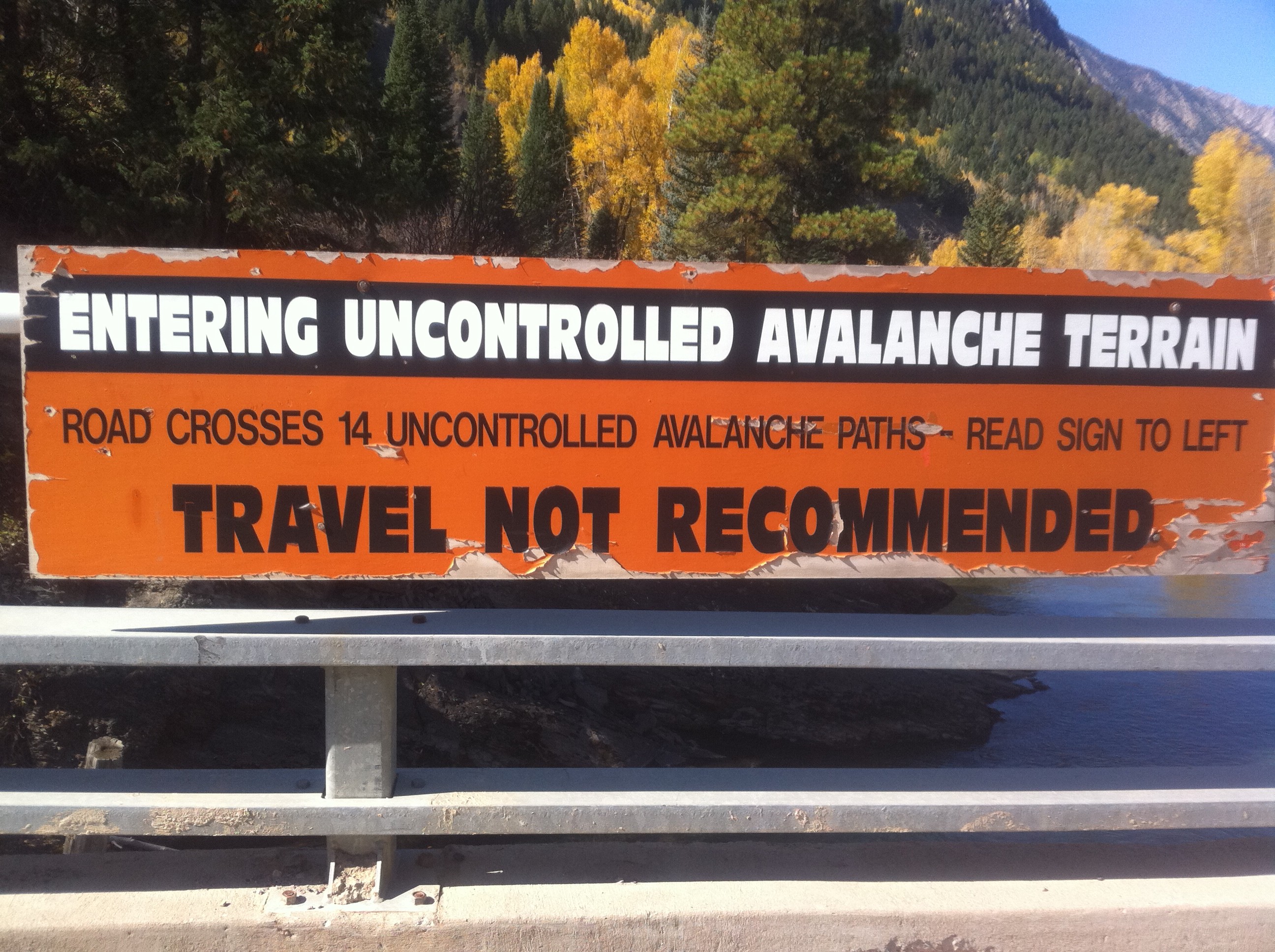
What do you think? Leave a comment.
If you like this let your friends know or post it on FB, Twitter or LinkedIn
Copyright 2013 Recreation Law (720) Edit Law
Email: Rec-law@recreation-law.com
Google+: +Recreation
Twitter: RecreationLaw
Facebook: Rec.Law.Now
Facebook Page: Outdoor Recreation & Adventure Travel Law
Mobile Site: http://m.recreation-law.com
By Recreation Law Rec-law@recreation-law.com James H. Moss #Authorrank
<rel=”author” link=” https://plus.google.com/u/0/b/112453188060350225356/” />
#RecreationLaw, #Recreation-Law.com, #OutdoorLaw, #OutdoorRecreationLaw, #AdventureTravelLaw, #law, #TravelLaw, #JimMoss, #JamesHMoss, #Tourism, #AdventureTourism, #Rec-Law, #RiskManagement, #CyclingLaw, #BicyclingLaw, #FitnessLaw, #Recreation-Law.com, #Backpacking, #Hiking, #Mountaineering, #IceClimbing, #RockClimbing, #RopesCourse, #ChallengeCourse, #SummerCamp, #Camps, #YouthCamps, #Skiing, #Ski Areas, #Negligence, #Snowboarding, #RecreationLaw, #@RecreationLaw, #Cycling.Law, #SkiLaw, #Outside.Law, #Recreation.Law, #RecreationLaw.com, #OutdoorLaw, #RecreationLaw, #OutdoorRecreationLaw, #AdventureTravelLaw, #Law, #TravelLaw, #JimMoss, #JamesHMoss, #AttorneyatLaw, #Tourism, #AdventureTourism, #RecLaw, #RecLawBlog, #RecreationLawBlog, #RiskManagement, #HumanPowered, #HumanPoweredRecreation,# CyclingLaw, #BicyclingLaw, #FitnessLaw, #RecreationLaw.com, #Backpacking, #Hiking, #Mountaineering, #IceClimbing, #RockClimbing, #RopesCourse, #ChallengeCourse, #SummerCamp, #Camps, #YouthCamps, #Skiing, #Ski Areas, #Negligence, #Snowboarding, sport and recreation laws, ski law, cycling law, Colorado law, law for recreation and sport managers, bicycling and the law, cycling and the law, ski helmet law, skiers code, skiing accidents, Recreation Lawyer, Ski Lawyer, Paddlesports Lawyer, Cycling Lawyer, Recreational Lawyer, Fitness Lawyer, Rec Lawyer, Challenge Course Lawyer, Ropes Course Lawyer, Zip Line Lawyer, Rock Climbing Lawyer, Adventure Travel Lawyer, Outside Lawyer, Recreation Lawyer, Ski Lawyer, Paddlesports Lawyer, Cycling Lawyer, #RecreationalLawyer, #FitnessLawyer, #RecLawyer, #ChallengeCourseLawyer, #RopesCourseLawyer, #ZipLineLawyer, #RockClimbingLawyer, #AdventureTravelLawyer, #OutsideLawyer, Good Samaritan, Samaritan, First Aid, Avalanche, Avalanche Beacon, Transceiver, Burial, Canadian Avalanche Centre, Canadian Avalanche Center, Smart Phone, GPS, WiFi, Bluetooth, Burial,
WordPress Tags: Smart,avalanche,Canadian,Centre,Apps,Europe,resource,beacon,debris,readings,WiFi,Bluetooth,meters,Besides,cell,Warns,Backcountry,Users,About,depth,Reviews,Leave,Twitter,LinkedIn,Recreation,Edit,Email,Google,RecreationLaw,Facebook,Page,Outdoor,Adventure,Travel,Blog,Mobile,Site,James,Moss,Authorrank,author,OutdoorLaw,OutdoorRecreationLaw,AdventureTravelLaw,TravelLaw,JimMoss,JamesHMoss,Tourism,AdventureTourism,RiskManagement,CyclingLaw,BicyclingLaw,FitnessLaw,RopesCourse,ChallengeCourse,SummerCamp,Camps,YouthCamps,Areas,Negligence,SkiLaw,Outside,AttorneyatLaw,RecLaw,RecLawBlog,RecreationLawBlog,HumanPoweredRecreation,Colorado,managers,helmet,accidents,Lawyer,Paddlesports,Recreational,Challenge,Course,Ropes,Line,Rock,RecreationalLawyer,FitnessLawyer,RecLawyer,ChallengeCourseLawyer,RopesCourseLawyer,ZipLineLawyer,RockClimbingLawyer,AdventureTravelLawyer,OutsideLawyer,Samaritan,Transceiver,Burial,Center,transceivers,three
State Ski Safe Acts
Posted: November 6, 2013 Filed under: Ski Area, Skiing / Snow Boarding | Tags: ski area, Ski Law, Ski Safety Act, skiing, snowboarding, statute, Winter Sports Act Leave a comment30 States have created statutes that affect regulate skiing. Two states have recreational statutes that apply to skiing.
Those state statutes are listed below along with significant portions of the act.
|
State |
Statute |
Ski Area Defined |
Lists Inherent Risks of Skiing |
Misc. |
|
AK |
Alaska Ski Safety Act of 1994, Alaska Stat. §§ 05.45.010 et seq. |
“ski area” means all downhill ski slopes or trails and other places under the control of a downhill ski area operator; “ski area” does not include a cross-country ski trail; |
changing weather conditions; snow conditions as they exist or may change, including ice, hard pack, powder, packed powder, wind pack, corn, crust, slush, cut-up snow, and machine-made snow; surface or subsurface conditions including bare spots, forest growth, rocks, stumps, streams, streambeds, and trees, or other natural objects, and collisions with natural objects; impact with lift towers, signs, posts, fences or enclosures, hydrants, water pipes, other man-made structures, and their components; variations in steepness or terrain, whether natural or as a result of slope design, snowmaking or grooming operations, including roads and catwalks or other terrain modifications; collision with other skiers; and the failure of skiers to ski within their own abilities |
Sec. 05.45.120. Use of liability releases Releases are void A ski area operator shall prepare a plan of operation for each ski season and shall implement the plan throughout the ski season. A plan of operation must include written provisions for ski patrol, avalanche control, avalanche rescue, grooming procedures, tramway evacuation, hazard marking, missing person procedures, and first aid. |
|
AZ |
“Ski area” means all ski slopes and trails or other places within the boundary of a ski area operator’s property, administered as a single enterprise in this state. |
(a) Changing weather conditions. (b) Existing and changing snow surface conditions, such as ice, hard pack, powder, packed powder, wind pack, corn, crust, slush, cut-up and machine-made snow. (c) Surface or subsurface conditions, whether marked or unmarked, such as bare spots, forest growth, rocks, stumps, streambeds, trees or other natural objects. (d) Impacts with lift towers, signs, posts, fences or other enclosures, hydrants, water pipes or other man-made structures and their components, whether marked or unmarked. (e) Variations in steepness or terrain, including roads, catwalks and other terrain modifications, whether natural or as a result of slope design, snowmaking or grooming operations. (f) Collisions with other skiers. (g) The failure of skiers to ski within their own abilities. |
§ 5-706. Release of liability In any action brought by a skier against a ski area operator, if the ski area operator proves that the skier signed a valid release, the ski area operator’s liability shall be determined by the terms of the release. |
|
|
CO |
“Ski area” means all ski slopes or trails and all other places within the ski area boundary, marked in accordance with section 33-44-107 (6), under the control of a ski area operator and administered as a single enterprise within this state. |
“Inherent dangers and risks of skiing” means those dangers or conditions that are part of the sport of skiing, including changing weather conditions; snow conditions as they exist or may change, such as ice, hard pack, powder, packed powder, wind pack, corn, crust, slush, cut-up snow, and machine-made snow; surface or subsurface conditions such as bare spots, forest growth, rocks, stumps, streambeds, cliffs, extreme terrain, and trees, or other natural objects, and collisions with such natural objects; impact with lift towers, signs, posts, fences or enclosures, hydrants, water pipes, or other man-made structures and their components; variations in steepness or terrain, whether natural or as a result of slope design, snowmaking or grooming operations, including but not limited to roads, freestyle terrain, jumps, and catwalks or other terrain modifications; collisions with other skiers; and the failure of skiers to ski within their own abilities. |
Notwithstanding any provision of law or statute to the contrary, the risk of a skier/skier collision is neither an inherent risk nor a risk assumed by a skier in an action by one skier against another. |
|
|
CT |
“Ski area operator” means a person who owns or controls the operation of a ski area and such person’s agents and employees. |
(1) Variations in the terrain of the trail or slope which is marked in accordance with subdivision (3) of section 29-211 or variations in surface or subsurface snow or ice conditions, except that no skier assumes the risk of variations which are caused by the ski area operator unless such variations are caused by snow making, snow grooming or rescue operations; (2) bare spots which do not require the closing of the trail or slope; (3) conspicuously placed or, if not so placed, conspicuously marked lift towers; (4) trees or other objects not within the confines of the trail or slope; (5) loading, unloading or otherwise using a passenger tramway without prior knowledge of proper loading and unloading procedures or without reading instructions concerning loading and unloading posted at the base of such passenger tramway or without asking for such instructions; and (6) collisions with any other person by any skier while skiing, except that collisions with on-duty employees of the ski area operator who are skiing and are within the scope of their employment at the time of the collision shall not be a hazard inherent in the sport of skiing. |
|
|
|
GA |
(7) “Ski area” means all snow ski slopes or trails and other places under the control of a ski area operator at a defined business location within this state. (8) “Ski area operator” means an individual, partnership, corporation, or other commercial entity who owns, manages, or otherwise directs or has operational responsibility for any ski area. (9) “Ski slopes or trails” means those areas open to the skiing public and designated by the ski area operator to be used by a skier. The designation may be generally set forth on trail maps and further designated by signage posted to indicate to the skiing public the intent that the areas be used by the skier for the purpose of skiing. Nothing in this paragraph implies that ski slopes or trails may not be restricted for use at the discretion of the ski area operator. |
(A) Changing weather conditions; (B) Surface and subsurface snow or ice conditions as they may exist or change from time to time, including variable conditions such as hard packed powder, packed powder, wind-blown snow, wind-packed snow, corn snow, crust slush, snow modified by skier use, or cut up snow; surface or subsurface snow or ice conditions as they exist or may change as the result of weather changes or skier use; snow created by or resulting from snow making or snow grooming operations; or collisions or falls resulting from such conditions; (C) Surface or subsurface conditions other than those specified in subparagraph (B) of this paragraph, including dirt, grass, rocks, trees, stumps, other forms of forest or vegetative growth, stream beds, or other natural objects or debris; or collisions or falls resulting from such conditions; (D) Collisions with: lift towers; components of lift towers; signs, posts, fences, mazes, or other enclosure devices; hydrants, pipes, or any other portions of snow making or snow delivery systems; snow grooming equipment or other over-snow vehicles marked or lighted as required by this chapter; or collisions with or falls resulting from any such structures or any other manmade structures or their components; (E) Variations in surface, contour, or steepness of terrain, including, but not limited to, moguls, ski jumps, roads, depressions, water bars, and cat walks; other terrain changes or modifications which occur naturally or result from slope design or construction, snow making, snow grooming, maintenance operations, or skier use; or collisions with or falls resulting from such variations; and (F) Collisions with other skiers unless such collisions are caused by the failure on the part of other skiers to conduct themselves in accordance with the provisions of this chapter. |
|
|
|
ID |
(3) “Ski area” means the property owned or leased and under the control of the ski area operator within the state of Idaho. (4) “Ski area operator” means any person, partnership, corporation or other commercial entity and their agents, officers, employees or representatives, who has operational responsibility for any ski area or aerial passenger tramway. (5) “Skiing area” means all designated slopes and trails but excludes any aerial passenger tramway. |
variations in terrain; surface or subsurface snow or ice conditions; bare spots, rocks, trees, other forms of forest growth or debris, lift towers and components thereof; utility poles, and snowmaking and snowgrooming equipment which is plainly visible or plainly marked in accordance with the provisions of section 6-1103, Idaho Code. |
|
|
|
ME |
§ 15202. Definitions 15. SKI AREA. “Ski area” means the ski slopes and trails, adjoining skiable terrain, areas designated by the ski area operator to be used for skiing as defined by section 15217, subsection 1, paragraph B and passenger tramways administered or operated as a single enterprise within this State. |
§ 15217. (1)(A)…existing and changing weather conditions; existing and changing snow conditions, such as ice, hardpack, powder, packed powder, slush and granular, corn, crust, cut-up and machine-made snow; surface or subsurface conditions, such as dirt, grass, bare spots, forest growth, rocks, stumps, trees and other natural objects and collisions with or falls resulting from such natural objects; lift towers, lights, signs, posts, fences, mazes or enclosures, hydrants, water or air pipes, snowmaking and snow-grooming equipment, marked or lit trail maintenance vehicles and snowmobiles, and other man-made structures or objects and their components, and collisions with or falls resulting from such man-made objects; variations in steepness or terrain, whether natural or as a result of slope design; snowmaking or snow-grooming operations, including, but not limited to, freestyle terrain, jumps, roads and catwalks or other terrain modifications; the presence of and collisions with other skiers; and the failure of skiers to ski safely, in control or within their own abilities. |
|
|
|
MA |
“Ski area”, all of the slopes and trails under the control of the ski area operator, including cross-country ski areas, slopes and trails, and any recreational tramway in operation on any such slopes or trails administered or operated as a single enterprise but shall not include base lodges, motor vehicle parking lots and other portions of ski areas used by skiers when not actually engaged in the sport of skiing. |
…know of the existence of certain unavoidable risks inherent in the sport of skiing, which shall include, but not be limited to, variations in terrain, surface or subsurface snow, ice conditions or bare spots |
No action shall be maintained against a ski area operator for injury to a skier unless as a condition precedent thereof the person so injured shall, within ninety days of the incident, give to such ski area operator notice, by registered mail, of the name and address of the person injured, the time, place and cause of the injury. |
|
|
MI |
Ski Area Safety Act of 1962, Mich. Comp. Laws Ann. §§ 408.321 to 408.344 |
“Ski area” means an area used for skiing and served by 1 or more ski lifts. |
…terrain; surface or subsurface snow or ice conditions; bare spots; rocks, trees, and other forms of natural growth or debris; collisions with ski lift towers and their components, with other skiers, or with properly marked or plainly visible snow-making or snow-grooming equipment. |
|
|
MT |
“Ski slopes and trails” means those areas designated by the ski area operator to be used by skiers for skiing. |
(2) “Inherent dangers and risks of skiing” means those dangers or conditions that are part of the sport of skiing, including: (a) changing weather conditions; (b) snow conditions as they exist or as they may change, including ice, hardpack, powder, packed powder, wind pack, corn snow, crust, slush, cut-up snow, and machine-made snow; (c) avalanches, except on open, designated ski trails; (d) collisions with natural surface or subsurface conditions, such as bare spots, forest growth, rocks, stumps, streambeds, cliffs, trees, and other natural objects; (e) collisions with lift towers, signs, posts, fences, enclosures, hydrants, water pipes, or other artificial structures and their components; (f) variations in steepness or terrain, whether natural or the result of slope design, snowmaking, or snow grooming operations, including but not limited to roads, freestyle terrain, ski jumps, catwalks, and other terrain modifications; (g) collisions with clearly visible or plainly marked equipment, including but not limited to lift equipment, snowmaking equipment, snow grooming equipment, trail maintenance equipment, and snowmobiles, whether or not the equipment is moving; (h) collisions with other skiers; (i) the failure of a skier to ski within that skier’s ability; (j) skiing in a closed area or skiing outside the ski area boundary as designated on the ski area trail map; and (k) restricted visibility caused by snow, wind, fog, sun, or darkness. |
|
|
|
NC |
All winter sports slopes, alpine and Nordic ski trails, freestyle terrain and passenger tramways, that are administered or operated as a ski area enterprise within this State. |
variations in terrain, snow, or ice conditions, bare spots and rocks, trees and other forms of forest growth or forest debris; |
|
|
|
ND |
Skiing Responsibility Act N.D. Cent. Code §§ 53-09-01 to 53-09-10 |
3. “Ski area” means property owned or leased and under the control of the ski area operator and administered as a single enterprise within the state of North Dakota. |
Each skier expressly assumes the risk of and legal responsibility for any injury to person or property which results from participation in the sport of skiing including any injury caused by the following: variations in terrain; surface or subsurface snow or ice conditions; bare spots, rocks, trees, or other forms of forest growth or debris, lift towers and components thereof; pole lines; and snowmaking equipment which are plainly visible or are plainly marked in accordance with the provisions of section 53-09-03. |
53-09-10. Effect of modified comparative fault. Notwithstanding section 32-03.2-02, any person is, consistent with the provisions of this chapter, barred from recovery for loss or damage resulting from a risk inherent in the sport of skiing and like-wise is so barred when it is established that a person has knowingly exposed oneself to the real or po-tential hazards of a situation. |
|
NH |
“Ski areas” means all passenger tramways and all designated alpine and nordic trails, slopes, freestyle terrain, tubing terrain, and nordic ski jumps under the control of the alpine and nordic ski area operator and any other areas under the operator’s control open to the public for winter sports recreation or competition. |
variations in terrain, surface or subsurface snow or ice conditions; bare spots; rocks, trees, stumps and other forms of forest growth or debris; terrain, lift towers, and components thereof (all of the foregoing whether above or below snow surface); pole lines and plainly marked or visible snow making equipment; collisions with other skiers or other persons or with any of the categories included in this paragraph. |
|
|
|
NJ |
“Ski area” includes all of the real and personal property, under the control of the operator or on the premises of the operator which are being occupied, by license, lease, fee simple or otherwise, including but not limited to all passenger tramways, designated trails, slopes and other areas utilized for skiing, operating toboggans, sleds, or similar vehicles during the skiing season. |
A skier is deemed to have knowledge of and to assume the inherent risks of skiing, operating toboggans, sleds or similar vehicles created by weather conditions, conditions of snow, trails, slopes, other skiers, and all other inherent conditions. |
As a precondition to bringing any suit in connection with a skiing injury against an operator, a skier shall report in writing to the ski area operator all the details of any accident as soon as possible, but in no event longer than 90 days from the time of the incident giving rise to the suit. |
|
|
NM |
“ski area” means the property owned, permitted, leased or under the control of the ski area operator and administered as a single enterprise within the state; |
variations in terrain; surface or subsurface snow or ice conditions; bare spots; rocks, trees or other forms of forest growth or debris; lift towers and components thereof, pole lines and snow-making equipment which are plainly visible or are plainly marked in accordance with the provisions of Section 24-15-7 |
|
|
|
NV |
Ski Safety Act, Nev. Rev. Stat. Ann. §§ 455A.060 to 455A.190 |
“Snow recreation area” means the slopes, trails, runs and other areas under the control of an operator that are intended to be used for skiing, snowboarding or for the observation of the sports. |
|
28-2-702 Contracts that violate policy of law — exemption from responsibility. |
|
NY |
4. “Ski area” means all ski slopes, ski trails and passenger tramways administered as a single enterprise within this state. |
(1) that downhill skiing, like many other sports, contains inherent risks including, but not limited to, the risks of personal injury or death or property damage, which may be caused by variations in terrain or weather conditions; surface or subsurface snow, ice, bare spots or areas of thin cover, moguls, ruts, bumps; other persons using the facilities; and rocks, forest growth, debris, branches, trees, roots, stumps or other natural objects or man-made objects that are incidental to the provision or maintenance of a ski facility in New York state; |
|
|
|
OH |
(D) “Ski area” means all the ski slopes, ski trails, and passenger tramways that are administered or operated as a single enterprise within this state. |
(A) (1) The general assembly recognizes that skiing as a recreational sport is hazardous to skiers regardless of all feasible safety measures that can be taken. It further recognizes that a skier expressly assumes the risk of and legal responsibility for injury, death, or loss to person or property that results from the inherent risks of skiing, which include, but are not limited to, injury, death, or loss to person or property caused by changing weather conditions; surface or subsurface snow or ice conditions; hard pack, powder, packed powder, wind pack, corn, crust, slush, cut-up snow, and machine-made snow; bare spots, rocks, trees, stumps, and other forms of forest growth or debris; lift towers or other forms of towers and their components, either above or below the snow surface; variations in steepness or terrain, whether natural or as the result of snowmaking, slope design, freestyle terrain, jumps, catwalks, or other terrain modifi-cations; any other objects and structures, including, but not limited to, passenger tramways and related structures and equipment, competition equipment, utility poles, fences, posts, ski equipment, slalom poles, ropes, out-of-bounds barriers and their supports, signs, ski racks, walls, buildings, and sheds; and plainly marked or otherwise visible snowmaking and snow-grooming equipment, snowmobiles, snow cats, and over-snow vehicles. |
(5) If the skier is utilizing a tubing park, to assume the risk of collision with others on the course. |
|
|
OR |
(4) “Ski area” means any area designated and maintained by a ski area operator for skiing. |
“Inherent risks of skiing” includes, but is not limited to, those dangers or conditions which are an integral part of the sport, such as changing weather conditions, variations or steepness in terrain, snow or ice conditions, surface or subsurface conditions, bare spots, creeks and gullies, forest growth, rocks, stumps, lift towers and other structures and their components, collisions with other skiers and a skier’s failure to ski within the skier’s own ability. |
(1) A ski area operator shall be notified of any injury to a skier by registered or certified mail within 180 days after the injury or within 180 days after the skier discovers, or reasonably should have discovered, such injury. |
|
|
PA |
|
|
|
|
|
RI |
|
|
|
|
|
TN |
Ski Area Safety & Liability Act, Tenn. Code Ann. §§ 68-114-101 et seq. |
(4) “Ski area” means all the ski slopes and ski trails and passenger tramways administered or op-erated as a single enterprise within this state; |
Except as otherwise specifically provided in this chapter, each skier or passenger is deemed to have assumed the risk of and legal responsibility for any injury to the skier’s or passenger’s person or property arising out of the skier’s or passenger’s participation in Alpine or downhill skiing or the use of any passenger tramways associated with Alpine or downhill skiing. |
|
|
UT |
Utah Inherent Risks of Skiing Act, Utah Code Ann. §§ 78-27-51 to 78-27-54 |
(4) “Ski area” means any area designated by a ski area operator to be used for skiing, nordic, free-style, or other type of ski jumping, and snowboarding. |
…certain risks are inherent in that sport, and to provide that, as a matter of public policy, no person engaged in that sport shall recover from a ski operator for injuries resulting from those inherent risks. (1) “Inherent risks of skiing” means those dangers or conditions which are an integral part of the sport of recreational, competitive, or professional skiing, including, but not limited to: (a) changing weather conditions; (b) snow or ice conditions as they exist or may change, such as hard pack, powder, packed powder, wind pack, corn, crust, slush, cut-up snow, or machine-made snow; (c) surface or subsurface conditions such as bare spots, forest growth, rocks, stumps, streambeds, cliffs, trees, and other natural objects; (d) variations or steepness in terrain, whether natural or as a result of slope design, snowmaking or grooming operations, and other terrain modifications such as terrain parks, and terrain features such as jumps, rails, fun boxes, and all other constructed and natural features such as half pipes, quarter pipes, or freestyle-bump terrain; (e) impact with lift towers and other structures and their components such as signs, posts, fences or enclosures, hydrants, or water pipes; (f) collisions with other skiers; (g) participation in, or practicing or training for, competitions or special events; and (h) the failure of a skier to ski within the skier’s own ability. |
|
|
VA |
Va. Code Ann. § 8.01-227.11 (2013) |
“Winter sports area” means all the real and personal property under control of the operator or on the premises of such property that is being occupied by the operator by fee simple, lease, license, easement, permission, or otherwise, including but not limited to any and all trails, freestyle terrain, competition terrain, passenger tramways, or other areas of real property. “Winter sports area” does not include a tubing park except for any passenger tramway serving a tubing park and the immediate vicinity of such a passenger tramway in which individuals embark upon or disembark from the passenger tramway. |
1. Existing and changing weather conditions and visibility; 2. Hazards associated with varying surface or subsurface conditions on a single trail or from one trail to another, including but not limited to hazards such as participant use, snow in any condition and changing snow conditions, man-made snow, synthetic snow, ice, synthetic ice, snow or ice falling from a tree or natural or man-made structure, crust, slush, soft spots, ridges, rollers, knobs, holes, grooves, tracks from winter sports area vehicles, bare spots, rocks, boulders, stumps, logs, and brush or other forest growth or debris, or piles thereof; 3. Variations in difficulty of terrain, whether natural or as a result of slope use, slope design, or both; 4. Trails that have, or fall away or drop off toward, natural or man-made obstacles or hazards, including but not limited to sharp corners, ridges, jumps, bumps, rollers, moguls, valleys, dips, compressions, cliffs, ravines, drop-offs, streams, rivers, ponds, lakes, stream beds, open water or water with thin ice, holes, steep, flat, and uphill sections, and all variants and combinations thereof; 5. The potential for collision with other participants or other individuals, including with winter sports area personnel, whether or not those personnel are on duty or off duty; with wild or domestic animals; or with equipment or objects such as winter sports area infrastructure, snowmaking equipment, buildings and posts, and stationary and moving lit or flagged winter sports area vehicles; 6. The potential for a participant to act in a negligent or reckless manner that may cause or contribute to the injury or death of the participant or other individuals or damage to property; 7. The location, construction, design, layout, configuration, and condition of trails, freestyle terrain, and competition terrain; 8. The fact that use of trails, freestyle terrain, and competition terrain and participation in or being near races or other competitions or events, including but not limited to as a participant, employee at a winter sports area, spectator, or observer, involves the risk of serious injury or death or damage to property; 9. The fact that a helmet may not afford protection in all instances and that failure to wear a helmet that is properly sized, fitted, and secured may increase the risk of injury or death or the risk of more severe injury; and 10. The fact that the use of passenger tramways may be hazardous to passengers, including but not limited to risks resulting from loading or unloading a tramway and the potential for a passenger to fall from a tramway. |
Each operator, upon request, shall provide to a participant a trail map of all trails located in the operator’s winter sports area. The maps shall be available at each ticket sales office and at other locations at the winter sports area such that the maps are easily accessible to participants. All trail maps shall indicate the skill-level designation for each trail at the winter sports area as designated in subsection C of § 8.01-227.12. Each winter sports participant, or the parent or legal guardian of, or adult acting in a supervisory position over, a participant under the age of 18, shall be responsible for determining whether the participant will wear a helmet and whether the helmet is sufficiently protective and properly sized, fitted, and secured. Nothing herein shall prevent a participant or passenger from offering evidence that he did not know the particular inherent risk of winter sports that proximately caused the injury or death or damage to property at issue, did not fully appreciate the nature and extent of such risk, or did not voluntarily expose himself to such risk. |
|
VT |
|
Notwithstanding the provisions of section 1036 of this title, a person who takes part in any sport accepts as a matter of law the dangers that inhere therein insofar as they are obvious and necessary. |
|
|
|
WA |
|
|
|
|
|
WV |
Skiing Responsibility Act, W. Va. Code Ann. §§ 20-3A-1 to 20-3A-8 |
“Ski area” means any property owned or leased and under the control of the ski area operator or operators within West Virginia. |
Variations in terrain including freestyle terrain; surface or subsurface snow or ice conditions; bare spots, rocks, trees, other forms of forest growth or debris; collisions with pole lines, lift towers or any component thereof; or, collisions with snowmaking equipment which is marked by a visible sign or other warning implement in compliance with section three [§ 20-3A-3] of this article. |
When no certified ambulance service is available in the vicinity, have on duty at or near the skiing area, during all times that skiing areas are open for skiing, at least one trained and currently certified emergency medical technician. |
|
WY |
|
|
|
Recreational Statutes that Include Skiing
|
State |
Statute |
|
|
|
WI |
Wis. Stat. Ann. § 895.525 |
|
|
|
WY |
Recreation Safety Act, Wyo. Stat. Ann. §§ 1-1-121 to 1-1-123 |
|
|
Always contact local legal counsel to determine the latest version of any state statute affecting your business.
What do you think? Leave a comment.
If you like this let your friends know or post it on FB, Twitter or LinkedIn
Copyright 2013 Recreation Law (720) Edit Law
Email: Rec-law@recreation-law.com
Google+: +Recreation
Twitter: RecreationLaw
Facebook: Rec.Law.Now
Facebook Page: Outdoor Recreation & Adventure Travel Law
Mobile Site: http://m.recreation-law.com
By Recreation Law Rec-law@recreation-law.com James H. Moss Jim Moss
#RecreationLaw, #@RecreationLaw, #Cycling.Law #Fitness.Law, #Ski.Law, #Outside.Law, #Recreation.Law, #Recreation-Law.com, #Outdoor Law, #Recreation Law, #Outdoor Recreation Law, #Adventure Travel Law, #law, #Travel Law, #Jim Moss, #James H. Moss, #Attorney at Law, #Tourism, #Adventure Tourism, #Rec-Law, #Rec-Law Blog, #Recreation Law, #Recreation Law Blog, #Risk Management, #Human Powered, #Human Powered Recreation,# Cycling Law, #Bicycling Law, #Fitness Law, #Recreation-Law.com, #Backpacking, #Hiking, #Mountaineering, #Ice Climbing, #Rock Climbing, #Ropes Course, #Challenge Course, #Summer Camp, #Camps, #Youth Camps, #Skiing, #Ski Areas, #Negligence, #Snowboarding, #RecreationLaw, #@RecreationLaw, #Cycling.Law #Fitness.Law, #SkiLaw, #Outside.Law, #Recreation.Law, #RecreationLaw.com, #OutdoorLaw, #RecreationLaw, #OutdoorRecreationLaw, #AdventureTravelLaw, #Law, #TravelLaw, #JimMoss, #JamesHMoss, #AttorneyatLaw, #Tourism, #AdventureTourism, #RecLaw, #RecLawBlog, #RecreationLawBlog, #RiskManagement, #HumanPowered, #HumanPoweredRecreation,# CyclingLaw, #BicyclingLaw, #FitnessLaw, #RecreationLaw.com, #Backpacking, #Hiking, #Mountaineering, #IceClimbing, #RockClimbing, #RopesCourse, #ChallengeCourse, #SummerCamp, #Camps, #YouthCamps, #Skiing, #Ski Areas, #Negligence, #Snowboarding, sport and recreation laws, ski law, cycling law, Colorado law, law for recreation and sport managers, bicycling and the law, cycling and the law, ski helmet law, skiers code, skiing accidents, Recreation Lawyer, Ski Lawyer, Paddlesports Lawyer, Cycling Lawyer, Recreational Lawyer, Fitness Lawyer, Rec Lawyer, Challenge Course Lawyer, Ropes Course Lawyer, Zip Line Lawyer, Rock Climbing Lawyer, Adventure Travel Lawyer, Outside Lawyer, Recreation Lawyer, Ski Lawyer, Paddlesports Lawyer, Cycling Lawyer, #RecreationalLawyer, #FitnessLawyer, #RecLawyer, #ChallengeCourseLawyer, #RopesCourseLawyer, #ZipLineLawyer, #RockClimbingLawyer, #AdventureTravelLawyer, #OutsideLawyer, Ski Safety Act, Ski Law, Skiing, Statute, Snowboarding, Ski Area, Statute, Winter Sports Act,
USA Pro Challenge gets jump on 2014 and announces host cities
Posted: November 5, 2013 Filed under: Colorado, Cycling | Tags: #ProChallenge, Aspen, Bicycle Racing, Breckenridge, Colorado, Colorado Springs, Crested Butte, Cycling, Denver, Gunnison, USA Pro Challenge, Vail, Woodland Park Leave a commentLast day of race to be voted on by viewers and cyclists and Tom Danielson got his wish
The USA Pro Challenge has announced the 2014 race. The host start and finish cities are:
Stage 1: Monday, Aug. 18 – Aspen Circuit Race
Stage 2: Tuesday, Aug. 19 – Aspen to Mt. Crested Butte
Stage 3: Wednesday, Aug. 20 – Gunnison to Monarch Mountain (mountaintop finish)
Stage 4: Thursday, Aug. 21 – Colorado Springs Circuit Race
Stage 5: Friday, Aug. 22 – Woodland Park to Breckenridge
Stage 6: Saturday, Aug. 23 – Vail Individual Time Trial
Stage 7: Sunday, Aug. 24 – ???
The question mark for the final stage is a pretty neat finish idea. The public will get to vote for the final stage they want. The choices are:
Denver Circuit Race similar to the final stage of the 2013 race
Start in Golden (2012 Stage 6 start city) and finish in Denver
Start in Boulder (2012 Stage 6 finish city) and finish in Denver
Start in Boulder and end in Golden
Go here to vote on the race you want. What’s Your Vote For Stage 7? Voting gets you a 15% discount off USA Pro Challenge items in the store.
The course:
The course is similar to the very successful 2013 race. Cities with two things; money and people who want to watch a bicycle race are involved. So Aspen and Vail are probably always going to be on the race circuit. The turn out and support in Gunnison, Crested Butte and Mt Crested Butte is 100%, even though that is only 20% of what Vail turns out. Breckenridge and Colorado Springs are next as far as both and the perennial Denver is becoming the home to great cycling because of work of past volunteers and the USA Pro Challenge.
Merry Christmas Tom Danielson
The only location with issues will be the finish on Monarch Mountain. This finish is a long way from Gunnison and close to Chaffee County, but still lacking in numbers of people. However it fulfills team Garmin Sharp’s Tom Danielson’s Christmas wish to have a mountain stage win at the Pro Challenge. Now he better win that stage!
But that will be a great finish no matter how many people. If you are a fan of the tour in Europe everyone watches, this will become a classic just like those finishes. It is a long and grueling climb. Probably only Wolf Creek Pass from the west is steeper. Finding a good place to see the race is going to be tough so get their early to stake out your spot.
Overall the race course looks fantastic so far. Until we see the actual routes we’ll not know the elevation or distances, however with the starts and finishes already picked this is destined to be another great week of cycling in Colorado.
It is going to be a great week of bicycle racing in Colorado.
See Host Cities Announced for 2014 USA Pro Challenge
What do you think? Leave a comment.
If you like this let your friends know or post it on FB, Twitter or LinkedIn
Copyright 2013 Recreation Law (720) Edit Law
Email: Rec-law@recreation-law.com
Google+: +Recreation
Twitter: RecreationLaw
Facebook: Rec.Law.Now
Facebook Page: Outdoor Recreation & Adventure Travel Law
Mobile Site: http://m.recreation-law.com
By Recreation Law Rec-law@recreation-law.com James H. Moss #Authorrank
<rel=”author” link=” https://plus.google.com/u/0/b/112453188060350225356/” />
#RecreationLaw, #Recreation-Law.com, #OutdoorLaw, #OutdoorRecreationLaw, #AdventureTravelLaw, #law, #TravelLaw, #JimMoss, #JamesHMoss, #Tourism, #AdventureTourism, #Rec-Law, #RiskManagement, #CyclingLaw, #BicyclingLaw, #FitnessLaw, #Recreation-Law.com, #Backpacking, #Hiking, #Mountaineering, #IceClimbing, #RockClimbing, #RopesCourse, #ChallengeCourse, #SummerCamp, #Camps, #YouthCamps, #Skiing, #Ski Areas, #Negligence, #Snowboarding, #RecreationLaw, #@RecreationLaw, #Cycling.Law, #SkiLaw, #Outside.Law, #Recreation.Law, #RecreationLaw.com, #OutdoorLaw, #RecreationLaw, #OutdoorRecreationLaw, #AdventureTravelLaw, #Law, #TravelLaw, #JimMoss, #JamesHMoss, #AttorneyatLaw, #Tourism, #AdventureTourism, #RecLaw, #RecLawBlog, #RecreationLawBlog, #RiskManagement, #HumanPowered, #HumanPoweredRecreation,# CyclingLaw, #BicyclingLaw, #FitnessLaw, #RecreationLaw.com, #Backpacking, #Hiking, #Mountaineering, #IceClimbing, #RockClimbing, #RopesCourse, #ChallengeCourse, #SummerCamp, #Camps, #YouthCamps, #Skiing, #Ski Areas, #Negligence, #Snowboarding, sport and recreation laws, ski law, cycling law, Colorado law, law for recreation and sport managers, bicycling and the law, cycling and the law, ski helmet law, skiers code, skiing accidents, Recreation Lawyer, Ski Lawyer, Paddlesports Lawyer, Cycling Lawyer, Recreational Lawyer, Fitness Lawyer, Rec Lawyer, Challenge Course Lawyer, Ropes Course Lawyer, Zip Line Lawyer, Rock Climbing Lawyer, Adventure Travel Lawyer, Outside Lawyer, Recreation Lawyer, Ski Lawyer, Paddlesports Lawyer, Cycling Lawyer, #RecreationalLawyer, #FitnessLawyer, #RecLawyer, #ChallengeCourseLawyer, #RopesCourseLawyer, #ZipLineLawyer, #RockClimbingLawyer, #AdventureTravelLawyer, #OutsideLawyer, Good Samaritan, Samaritan, First Aid, USA Pro Challenge, #ProChallenge, Cycling, Bicycle Racing, Colorado, Aspen, Vail, Breckenridge, Gunnison, Crested Butte, Colorado Springs, Denver, Woodland Park
WordPress Tags: Challenge,cities,Last,viewers,Danielson,Stage,Aspen,Circuit,Race,Butte,Gunnison,Monarch,Mountain,mountaintop,Colorado,Springs,Woodland,Park,Breckenridge,Vail,Individual,Time,Trial,Denver,Start,Golden,Boulder,Vote,items,money,bicycle,location,Chaffee,team,Garmin,Sharp,Christmas,Europe,Wolf,Creek,Pass,Overall,elevation,Host,Leave,Twitter,LinkedIn,Recreation,Edit,Email,Google,RecreationLaw,Facebook,Page,Outdoor,Adventure,Travel,Blog,Mobile,Site,James,Moss,Authorrank,author,OutdoorLaw,OutdoorRecreationLaw,AdventureTravelLaw,TravelLaw,JimMoss,JamesHMoss,Tourism,AdventureTourism,RiskManagement,CyclingLaw,BicyclingLaw,FitnessLaw,RopesCourse,ChallengeCourse,SummerCamp,Camps,YouthCamps,Areas,Negligence,SkiLaw,Outside,AttorneyatLaw,RecLaw,RecLawBlog,RecreationLawBlog,HumanPoweredRecreation,managers,helmet,accidents,Lawyer,Paddlesports,Recreational,Course,Ropes,Line,Rock,RecreationalLawyer,FitnessLawyer,RecLawyer,ChallengeCourseLawyer,RopesCourseLawyer,ZipLineLawyer,RockClimbingLawyer,AdventureTravelLawyer,OutsideLawyer,Samaritan,ProChallenge,week
Tennessee has a Ski Statute that must be construed narrowly or if you don’t understand skiing, ignored
Posted: November 4, 2013 Filed under: Assumption of the Risk, Minors, Youth, Children, Release (pre-injury contract not to sue), Tennessee | Tags: Bare Spot, Ice, Inc., Jaren Albert, Jarrod Albert, Ober Gatlinburg, ski lesson, Ski School, skiing, Slope, Smoky Mountain Snow SPORT School, Terrain Leave a commentHowever, the court rules that if parent signs a release the parent cannot recover for the child’s injures, even though the child still can
Albert v. Ober Gatlinburg, Inc., 2006 U.S. Dist. LEXIS 100150
Plaintiff: Jaren Albert, a minor bn/f Jarrod Albert, and Jarrod Albert
Defendant: Ober Gatlinburg, Inc., and Smoky Mountain Snow SPORT School, Inc.,
Plaintiff Claims: negligence
Defendant Defenses: Against Defendant Ski Area, Ober Gatlinburg Inc.: (1) Jaren Albert was guilty of negligence as a matter of law which bars recovery for her injuries; (2) Jaren’s claim is barred by the Tennessee Ski Area Safety and Liability Act (SASLA), T.C.A. § 68-114-101; and (3) Ober is not guilty of any negligence which proximately caused or contributed to Jaren’s accident and injuries.
Against the Ski School Smoky Mountain Snow Sport School, Inc.,: (1) his claims are solely derivative of the claims of Jaren Albert and that failure of her claims precludes any recovery by Jarrod Albert; and (2) that Jarrod Albert signed a valid release agreement contractually preventing him from bringing a claim against the ski operator.
Holding: For the defendants against the parent and for the child on all other motions.
The plaintiff was a 15-year-old girl who was skiing at the defendant’s ski area when she was injured. The day before she had skied at the ski area and taken a lesson from the defendant ski school. As the second day progressed, she started skiing more difficult runs and eventually lost control, sat down and was injured when her ski apparently hit her in the head.
A witness to the plaintiff’s accident testified “She was coming down; she slipped and started sliding on her butt; she tried to stop sideways; she started going head over heels for about 10 feet, then her ski came off, hit her in the head, and she was out.”
She sued the ski school and the ski area. The plaintiff hired an expert who testified that the defendant ski area:
…failed to use reasonable care in deciding to open the ski resort on the day of the accident, failed to close some slopes or warn of ultra hazardous conditions on the slope on which this accident occurred, and failed to designate the slope on which the accident occurred as ultra hazardous, ice-covered, and/or “black diamond,” thus breaching its duty to operate in conformity with the SASLA.
When slope conditions change from marginal to extra-hazardous in nature, Mr. Isham states it becomes the obligation and duty of the ski operator to post warnings at the top of each trail notifying skiers that the slopes have changed and that they demand extra caution and attention. Such warnings should have also been posted at the slope condition board at the base of the mountain to provide additional information to skiers.
Ice or bare spots on a ski slope are ultrahazardous?
Both defendants filed motions for summary judgment. The plaintiff filed a motion requesting oral arguments on the defendant’s motions for summary judgment, which was denied. The court then ruled on the defendants’ motions for summary judgment.
Summary of the case
Claims against the ski area
The court first looked at the claims and arguments against the defendant ski area. The ski area argued that the plaintiff should not have been on the black diamond ski slope, and that is what created her injury.
…was an inexperienced skier, yet she skied on a slope which she knew was designated as “most difficult” and rated as a “black diamond” slope; and she ignored the posted signs warning her that the slope she was preparing to ski on was not suited to her ability. Despite that knowledge, Ms. Albert skied down Mogul Ridge and suffered a fall. Defendant states that Ms. Albert was not skiing within the limits of her ability and she apparently failed to maintain control of her speed and course, resulting in her fall and injury.
The defendant ski area also argued that the Tennessee Ski Area and Liability Act (SASLA) barred the plaintiff’s suit because a skier assumed the risk and legal responsibility of skiing under the act. The court stated that the Tennessee Court of Appeals had reviewed the statute and held that the act did not protect the operators from their own negligence or provide them with blanket immunity.
The plaintiff’s then made a simple argument to which the court gave credence.
Plaintiffs state that Ober Gatlinburg owed a duty of reasonable care under the circumstances, in addition to their statutory duties, not to expose a skier to risks at the resort which were not an inherent risk of skiing.
Because there was a difference of opinion, a material fact to which the parties disagreed, summary judgment could not be granted to the ski area.
Claims against the ski school
The ski school’s major argument was the lesson ended the day before so the school could not be liable for injuries that occurred after the lesson ended. The school also argued that the school had no control over the actions against the plaintiff after the lesson ended.
The plaintiff countered by arguing the lesson was incomplete. The plaintiff argued the lesson was 5-10 minutes, and she learned to stop and to turn. The school argued the lesson was longer. (I find it hard to believe that a beginner could learn to snowplow and turn in 10 to 15 minutes.)
Here again the court found that because there was a disagreement as to whether or not the lesson was adequate the ski school would not be dismissed from the suit.
Release signed by the plaintiff, parent of the injured minor.
The plaintiff and father of the injured girl signed a release. There was no reference as to how or why the release was signed. It was put forth in the decision and is only one real paragraph.
Under Tennessee’s law the release would not work to stop a claim by a child. However, Tennessee’s law allowed a release signed by a parent to stop claims for the losses the parent suffered because of injuries to the child.
This court has previously found the release void as to Jaren Albert because it is well settled in Tennessee that a guardian may not waive the rights of an infant or an incompetent. However, the Tennessee courts have held that a parent signing a release like the one at issue here, is precluded from recovering for the loss of services and medical expenses resulting from the child’s injury.
The court then stated:
He further agreed to indemnity defendants “for any claims brought by my minor child as a result of any injuries or damages sustained while engaging in the activity of snow skiing.” Therefore, the release is valid with respect to Jarrod Albert’s right to recover for loss of services and medical expenses for his child.
Whether or not the court is defining indemnification such that the defendants could recover for any losses is not clarified in the decision. Nor based on other Tennessee laws would I guess it was possible. However, courts do not throw around such legal terms carelessly.
Based on the release signed by the plaintiff the court stated:
… the Tennessee courts have held that a parent signing a release like the one at issue here, is precluded from recovering for the loss of services and medical expenses resulting from the child’s injury.
The defendant’s motions concerning the minor plaintiff were denied. The defendant’s motions concerning the claims of the plaintiff parent were granted. The case was continued for additional issues and probably trial on the claims of the minor.
So Now What?
The Tennessee Court of Appeal’s decision that this court relied upon gutted the Tennessee Ski Area and Liability Act (SASLA). If the act does not protect suits from the negligence of the ski area and the inherent risks of skiing are no enumerated, the act provides no benefit from suit. Most times a ski area statute provides a defense by saying that the skier assumes the risk, as defined by the statute. In this case, the risk to be assumed by the skier would have been hitting an icy patch or a bare spot. Without that protection of risks enumerated in a statute, the ski area can be held negligent for not warning of the ice or bare spot or not correcting the conditions within the area.
However, the SASLA has no list of risks that are assumed by a skier and only the blanket statement quoted by the court.
“Except as otherwise specifically provided in this chapter, each skier or passenger is deemed to have assumed the risk of and legal responsibility for any injury to the skier’s or passenger’s person or property arising out of the skier’s or passenger’s participation in Alpine or downhill skiing or the use of any passenger tramways associated with Alpine or downhill skiing.”
Once a court decided the statute was to be narrowly construed and would not operate to prevent suits for negligence, there is little to zero value in the statute.
The decision about the very weak release is interesting. The court’s statements about the effect of the release lead to more interesting aspects of the case.
The rest of the case is going to be dependent upon the war of the experts. If the ski area and ski school could bring a credible expert to the witness stand to explain in ways, a jury could understand the ski area and ski school could win the case.
However, if the defendant’s credibility is blown at all, the outrageous claims of the plaintiff’s experts may hold water with a jury that does not understand skiing or Mother Nature.
|
Jim Moss is an attorney specializing in the legal issues of the outdoor recreation community. He represents guides, guide services, outfitters both as businesses and individuals and the products they use for their business. He has defended Mt. Everest guide services, summer camps, climbing rope manufacturers; avalanche beacon manufactures and many more manufacturers and outdoor industries. Contact Jim at Jim@Rec-Law.us |
Jim is the author or co-author of six books about the legal issues in the outdoor recreation world; the latest is Outdoor Recreation Insurance, Risk Management and Law.
To see Jim’s complete bio go here and to see his CV you can find it here. To find out the purpose of this website go here.
G-YQ06K3L262
What do you think? Leave a comment.
If you like this let your friends know or post it on FB, Twitter or LinkedIn
Author: Outdoor Recreation Insurance, Risk Management and Law
Facebook Page: Outdoor Recreation & Adventure Travel Law
Email: Jim@Rec-Law.US
By Recreation Law Rec-law@recreation-law.com James H. Moss
@2023 Summit Magic Publishing, LLC
WordPress Tags: Tennessee,Statute,Albert,Ober,Gatlinburg,Dist,LEXIS,Plaintiff,Jaren,Jarrod,Defendant,Smoky,Mountain,SPORT,School,Claims,negligence,Defenses,Against,Area,recovery,injuries,SASLA,accident,failure,agreement,operator,defendants,girl,lesson,feet,resort,diamond,Isham,obligation,warnings,attention,information,Both,judgment,arguments,Summary,injury,Despite,knowledge,Mogul,Ridge,Court,Appeals,operators,argument,credence,Plaintiffs,addition,duties,difference,opinion,fact,beginner,Here,disagreement,Release,reference,decision,paragraph,Under,guardian,infant,Whether,laws,Appeal,Most,protection,statement,Except,chapter,person,participation,Alpine,Once,zero,statements,aspects,experts,jury,Mother,Nature,Leave,FaceBook,Twitter,LinkedIn,Recreation,Edit,Email,Google,RecreationLaw,Page,Outdoor,Adventure,Travel,Blog,Mobile,Site,James,Moss,Authorrank,author,AdventureTourism,AdventureTravelLaw,AdventureTravelLawyer,AttorneyatLaw,BicyclingLaw,Camps,ChallengeCourse,ChallengeCourseLaw,ChallengeCourseLawyer,CyclingLaw,FitnessLaw,FitnessLawyer,HumanPoweredRecreation,JamesHMoss,JimMoss,OutdoorLaw,OutdoorRecreationLaw,OutsideLaw,OutsideLawyer,RecLaw,RecLawBlog,LawBlog,RecLawyer,RecreationalLawyer,RecreationLawBlog,RecreationLawcom,Lawcom,RiskManagement,RockClimbingLawyer,RopesCourse,RopesCourseLawyer,SkiAreas,SkiLaw,SummerCamp,Tourism,TravelLaw,YouthCamps,ZipLineLawyer,Terrain,Slope,Bare,Spot,skiers,skier,upon
CAEE Call for Presenters Teaching Outside the Box
Posted: November 2, 2013 Filed under: Youth Camps, Zip Line | Tags: CAEE Leave a comment
|



If you mix up your language, you will be held to the wrong standard in court
Posted: October 30, 2013 Filed under: Minors, Youth, Children, Summer Camp, Youth Camps | Tags: ACA, American Camp Association, Best Practices, Standard of Care, Standards, Summer Camp Leave a commentBest practices are not standards
A little piece popped up on an association website to try to convince people to buy into the association standards. Two of the statements, instead of solving problems as the piece was trying to do, will guaranty that members lose lawsuits. The statements that were posted were:
The media calls and asks what set of best practices/standards my camp follows.
I realize it is the professional standard of my profession.
Standards in court are the lowest acceptable level of doing (or not doing something). If you fall below the standard, then you have breached the duty of care that you owe to your guest. Duty is the first of four steps needed to prove you were negligent.
Best Practices are a good way of doing something, maybe not the absolute, but a very good way. Best practices are what you strive to achieve.

Best Practices and Standards are different. Different to the point that one is aimed at achieving the best you can and the other is the minimum that must be achieved.
Best Practices imply that there is more than one way to do something. Standards mean it is the way, usually the only way to do something.
That is how this confusion is going to affect a program that mixes these up and ends up in court. There are two possible outcomes from this mix. You write your standards and label them best practices, or you write best practices and label them as standards.
Problem 1: You write you standards and label them best practices
Someone is injured. This is an odd situation where you probably have not acted at the level you say you would. As an example, your best practices say that you want an average of three adults with every group of eight ten-year olds. You normally have two adults with a group like that, and the industry standard is one adult with a group of eight ten-year olds.
If a ten-year-old is injured you will have to show that you did not meet your best practices, but you probably did not fall below the standard.
Problem 2: You write best practices and label them as standards.
This is simple, no matter what you do, you will not be meeting the minimum acceptable level of doing (or not doing) something. Your standards will always be too high, and any injury will be proof that you have violated your own standards.
You must understand the difference between everything and standards from a legal point of view.
New Jersey Model Jury Instructions state:
5.10A NEGLIGENCE AND ORDINARY CARE – GENERAL
To summarize, every person is required to exercise the foresight, prudence and caution which a reasonably prudent person would exercise under the same or similar circumstances. Negligence then is a departure from that standard of care.
Restatement Second of Torts, section 282, defines negligence as “conduct which falls below the standard established by law for the protection of others against unreasonable risk of harm.”
These are just examples and when looking at the specific issues and instructions to be given, the law has much more depth. However, your own words will be used against you in the worst way by the opposing side if you are ever sued.
See ACA Standards Aren’t Important . . .
What do you think? Leave a comment.
If you like this let your friends know or post it on FB, Twitter or LinkedIn
Copyright 2013 Recreation Law (720) Edit Law
Email: Rec-law@recreation-law.com
Google+: +Recreation
Twitter: RecreationLaw
Facebook: Rec.Law.Now
Facebook Page: Outdoor Recreation & Adventure Travel Law
Mobile Site: http://m.recreation-law.com
By Recreation Law Rec-law@recreation-law.com James H. Moss #Authorrank
<rel=”author” link=” https://plus.google.com/u/0/b/112453188060350225356/” />
#RecreationLaw, #Recreation-Law.com, #OutdoorLaw, #OutdoorRecreationLaw, #AdventureTravelLaw, #law, #TravelLaw, #JimMoss, #JamesHMoss, #Tourism, #AdventureTourism, #Rec-Law, #RiskManagement, #CyclingLaw, #BicyclingLaw, #FitnessLaw, #Recreation-Law.com, #Backpacking, #Hiking, #Mountaineering, #IceClimbing, #RockClimbing, #RopesCourse, #ChallengeCourse, #SummerCamp, #Camps, #YouthCamps, #Skiing, #Ski Areas, #Negligence, #Snowboarding, #RecreationLaw, #@RecreationLaw, #Cycling.Law, #SkiLaw, #Outside.Law, #Recreation.Law, #RecreationLaw.com, #OutdoorLaw, #RecreationLaw, #OutdoorRecreationLaw, #AdventureTravelLaw, #Law, #TravelLaw, #JimMoss, #JamesHMoss, #AttorneyatLaw, #Tourism, #AdventureTourism, #RecLaw, #RecLawBlog, #RecreationLawBlog, #RiskManagement, #HumanPowered, #HumanPoweredRecreation,# CyclingLaw, #BicyclingLaw, #FitnessLaw, #RecreationLaw.com, #Backpacking, #Hiking, #Mountaineering, #IceClimbing, #RockClimbing, #RopesCourse, #ChallengeCourse, #SummerCamp, #Camps, #YouthCamps, #Skiing, #Ski Areas, #Negligence, #Snowboarding, sport and recreation laws, ski law, cycling law, Colorado law, law for recreation and sport managers, bicycling and the law, cycling and the law, ski helmet law, skiers code, skiing accidents, Recreation Lawyer, Ski Lawyer, Paddlesports Lawyer, Cycling Lawyer, Recreational Lawyer, Fitness Lawyer, Rec Lawyer, Challenge Course Lawyer, Ropes Course Lawyer, Zip Line Lawyer, Rock Climbing Lawyer, Adventure Travel Lawyer, Outside Lawyer, Recreation Lawyer, Ski Lawyer, Paddlesports Lawyer, Cycling Lawyer, #RecreationalLawyer, #FitnessLawyer, #RecLawyer, #ChallengeCourseLawyer, #RopesCourseLawyer, #ZipLineLawyer, #RockClimbingLawyer, #AdventureTravelLawyer, #OutsideLawyer, Good Samaritan, Samaritan, First Aid, ACA, American Camp Association, Standard of Care, Standards, Summer Camp, Best Practices,
WordPress Tags: Best,association,statements,lawsuits,media,profession,Standards,guest,Practices,Different,outcomes,Problem,situation,example,adults,industry,injury,difference,Jersey,Model,Jury,Instructions,NEGLIGENCE,ORDINARY,CARE,GENERAL,person,prudence,departure,Restatement,Second,Torts,protection,examples,depth,Aren,Important,Leave,Twitter,LinkedIn,Recreation,Edit,Email,Google,RecreationLaw,Facebook,Page,Outdoor,Adventure,Travel,Blog,Mobile,Site,James,Moss,Authorrank,author,OutdoorLaw,OutdoorRecreationLaw,AdventureTravelLaw,TravelLaw,JimMoss,JamesHMoss,Tourism,AdventureTourism,RiskManagement,CyclingLaw,BicyclingLaw,FitnessLaw,RopesCourse,ChallengeCourse,SummerCamp,Camps,YouthCamps,Areas,SkiLaw,Outside,AttorneyatLaw,RecLaw,RecLawBlog,RecreationLawBlog,HumanPoweredRecreation,Colorado,managers,helmet,accidents,Lawyer,Paddlesports,Recreational,Challenge,Course,Ropes,Line,Rock,RecreationalLawyer,FitnessLawyer,RecLawyer,ChallengeCourseLawyer,RopesCourseLawyer,ZipLineLawyer,RockClimbingLawyer,AdventureTravelLawyer,OutsideLawyer,Samaritan,American,Camp,Standard,Summer,olds
Virginia Ski Statutes
Posted: October 29, 2013 Filed under: Skiing / Snow Boarding, Virginia | Tags: Ski statute, skiing, snowboarding, VA, Virginia, Winter Sports Act Leave a commentTITLE 8.01. CIVIL REMEDIES AND PROCEDURE
CHAPTER 3. ACTIONS
ARTICLE 25. WINTER SPORTS SAFETY ACT.
GO TO CODE OF VIRGINIA ARCHIVE DIRECTORY
Va. Code Ann. § 8.01-227.11 (2013)
§ 8.01-227.11. Definitions
As used in this article, unless the context requires a different meaning:
“ANSI Ski Lift Code” means the American National Standard (B77.1-2006): Passenger Ropeways — Aerial Tramways, Aerial Lifts, Surface Lifts, Tows and Conveyors — Safety Requirements, as published by the American National Standards Institute, including any supplements thereto or revisions thereof.
“Competition” means any contest or event operated by a winter sports area operator or any other party authorized by the operator at a winter sports area involving comparison of skills, including, but not limited to, a ski race, mogul contest, jumping event, freestyle event, snowcross contest, or other similar contest or event. “Competition” includes training sessions or practice for a contest or event.
“Competition terrain” means any part of a winter sports area in which an operator has authorized a competition to take place.
“Competitor” means a winter sports participant who actually is engaged in a competition in any portion of a winter sports area made available by the winter sports area operator.
“Designated trail” means a winter sports area trail on which a participant is permitted by the operator to participate in a winter sport.
“Freestyle terrain” and “freestyle terrain park” means any portion of a winter sports area that has been designated as such by the operator for freestyle skiing, freestyle snowboarding, or similar freestyle winter sports and includes, but is not limited to, the terrain park itself and features such as rails, boxes, jumps, hits, jibs, tabletops, spines, ramps, banks, pipes, half-pipes, quarter-pipes, tables, logs, or other man-made features such as buses and other vehicles, propane tanks, and tractor tires; snowcross terrain and features; and other constructed or natural features, but does not include moguls, bumps, or rollers or jumps not built by the operator, unless they are within a designated freestyle terrain park.
“Freestyler” means a winter sports participant utilizing freestyle terrain or a freestyle terrain park.
“Helmet” means a type of molded headgear equipped with a neck or chin strap specifically designed by the manufacturer to be used while engaged in the winter sport of alpine skiing or snowboarding.
“Inherent risks of winter sports” or “inherent risks of the winter sport” include:
1. Existing and changing weather conditions and visibility;
2. Hazards associated with varying surface or subsurface conditions on a single trail or from one trail to another, including but not limited to hazards such as participant use, snow in any condition and changing snow conditions, man-made snow, synthetic snow, ice, synthetic ice, snow or ice falling from a tree or natural or man-made structure, crust, slush, soft spots, ridges, rollers, knobs, holes, grooves, tracks from winter sports area vehicles, bare spots, rocks, boulders, stumps, logs, and brush or other forest growth or debris, or piles thereof;
3. Variations in difficulty of terrain, whether natural or as a result of slope use, slope design, or both;
4. Trails that have, or fall away or drop off toward, natural or man-made obstacles or hazards, including but not limited to sharp corners, ridges, jumps, bumps, rollers, moguls, valleys, dips, compressions, cliffs, ravines, drop-offs, streams, rivers, ponds, lakes, stream beds, open water or water with thin ice, holes, steep, flat, and uphill sections, and all variants and combinations thereof;
5. The potential for collision with other participants or other individuals, including with winter sports area personnel, whether or not those personnel are on duty or off duty; with wild or domestic animals; or with equipment or objects such as winter sports area infrastructure, snowmaking equipment, buildings and posts, and stationary and moving lit or flagged winter sports area vehicles;
6. The potential for a participant to act in a negligent or reckless manner that may cause or contribute to the injury or death of the participant or other individuals or damage to property;
7. The location, construction, design, layout, configuration, and condition of trails, freestyle terrain, and competition terrain;
8. The fact that use of trails, freestyle terrain, and competition terrain and participation in or being near races or other competitions or events, including but not limited to as a participant, employee at a winter sports area, spectator, or observer, involves the risk of serious injury or death or damage to property;
9. The fact that a helmet may not afford protection in all instances and that failure to wear a helmet that is properly sized, fitted, and secured may increase the risk of injury or death or the risk of more severe injury; and
10. The fact that the use of passenger tramways may be hazardous to passengers, including but not limited to risks resulting from loading or unloading a tramway and the potential for a passenger to fall from a tramway.
“Operator” or “winter sports area operator” means any person who has responsibility for the operations of a winter sports area, including its officers, directors, and employees and agents acting within the scope of their employment.
“Participant” or “winter sports participant” means an individual of any age or physical or mental ability who is an amateur or professional invitee of the operator or a trespasser and who participates in a winter sport at the winter sports area, whether or not consideration is paid to participate in the winter sport and whether or not the participant holds a valid admission ticket for all or a portion of the winter sports area, and any employee of the operator who participates in a winter sport either as part of his employment duties or as recreation.
“Participates in a winter sport” or “participating in a winter sport” means:
1. Using a trail or other terrain at a winter sports area to engage in a winter sport;
2. Participating in training or lessons for a winter sport as either an instructor or a student;
3. Being a spectator, observer, bystander, or pedestrian of or to any activity on a trail or other terrain at or near a winter sports area; or
4. Being a passenger on a passenger tramway.
“Passenger” means any individual, including a winter sports participant, while being transported or conveyed by a passenger tramway, while waiting in the immediate vicinity for such transportation or conveyance, while moving away from the disembarkation or unloading point of a passenger tramway to clear the way for the following passengers, or while boarding or embarking upon or unloading or disembarking from a passenger tramway.
“Passenger tramway” means any ski lift, chairlift, gondola, tramway, cable car, or other aerial lift and any rope tow, conveyor, t-bar, j-bar, handle tow, or other surface lift used by an operator to transport participants, spectators, observers, or pedestrians at a winter sports area, and any associated components including, but not limited to, lift towers, concrete tower foundations, tower bolts, tower ladders, lift terminals, chairs, gondolas, t-bars, j-bars, conveyors, and other structures relating to passenger tramways.
“Person” means any individual, corporation, partnership, association, cooperative, limited liability company, trust, joint venture, government, political subdivision, or any other legal or commercial entity and any successor, representative, agent, agency, or instrumentality thereof.
“Snowmaking equipment” means any machine used to make snow, including but not limited to snow guns and any associated towers, components, pipe, hydrant, hose, or other structures or equipment, including electrical equipment.
“Trail” or “winter sports area trail” means any slope, trail, run, freestyle terrain, or competition terrain located in a winter sports area. “Trail” includes edges and transition areas to other terrain, but does not include a tubing park.
“Tubing” means sliding on inflatable tubes, minibobs, sleds, toboggans, or any other comparable devices down a prepared course or lanes at a winter sports area.
“Tubing park” means an area designated by an operator for tubing.
“Winter sport” means a recreational or sporting activity, including sliding, jumping, walking, or traveling on a winter sports area trail for alpine skiing; Nordic skiing; telemark skiing; freestyle skiing; snowboarding; freestyle snowboarding; snowshoeing; tobogganing; sledding; or use of a snowmobile, minibob, snowbike, or comparable device; or any similar activity or use of a device that takes place at any time of the year on natural snow, man-made snow, ice, synthetic snow, synthetic ice, or any other synthetic surface, including a competition or the use of any device by a disabled or adaptive participant for a winter sport. “Winter sport” does not include ice skating or tubing.
“Winter sports area” means all the real and personal property under control of the operator or on the premises of such property that is being occupied by the operator by fee simple, lease, license, easement, permission, or otherwise, including but not limited to any and all trails, freestyle terrain, competition terrain, passenger tramways, or other areas of real property. “Winter sports area” does not include a tubing park except for any passenger tramway serving a tubing park and the immediate vicinity of such a passenger tramway in which individuals embark upon or disembark from the passenger tramway.
“Winter sports area infrastructure” means:
1. Passenger tramways;
2. Snowmaking equipment;
3. Towers, buildings, shacks, fixtures, furniture, and other structures, including utility infrastructure, located on the winter sports area property; and
4. Signs, fences, ropes, flags, posts, poles, and any other materials or structures used for posting signs or to manage or direct winter sports participants, spectators, observers, or pedestrians or any combination thereof.
“Winter sports area vehicle” means a vehicle used on a winter sports area trail in the operation and maintenance of winter sports areas and competitions and includes, but is not limited to, snowmobiles, all-terrain vehicles, and any other similarly sized vehicles as well as larger maintenance vehicles such as snow grooming equipment.
§ 8.01-227.12. Warnings and other winter sports area operator requirements
A. Each winter sports area operator shall include the following warning on each ticket, season pass, and written contract for professional services, instruction, or the rental of equipment to a winter sports participant and on each sign required by this subsection:
“WARNING: Under Virginia law, a ski area operator or other winter sports area operator is not liable for an injury to or death of a winter sports participant in a winter sport conducted at this location, or for damage to property, if such injury, death, or damage results from the inherent risks of the winter sport or from the participant’s own negligence. The inherent risks of a winter sport include, among others, risks associated with the land, equipment, other participants, and animals, as well as the potential for you or another participant to act in a negligent manner that may contribute to the injury, death, or damage. You are assuming the inherent risks of participating in a winter sport at this location. Complete copies of the applicable Virginia law and the participant responsibility code published by the National Ski Areas Association are available for review at each ticket sales office of this winter sports area and online at [insert website for winter sports area].”
Every ticket, season pass, and written contract for professional services, instruction, or the rental of equipment to a participant shall contain the warning required by this subsection in clearly readable print. Every sign required by this section shall contain the warning required by this subsection in black letters, with each letter to be a minimum of one inch in height. An operator also may print on a ticket; season pass; written contract for professional services, instruction, or rental of equipment to a participant; or any sign required by this section any additional warning it deems appropriate. The warning required by this section does not constitute a preinjury contractual release and nothing in this section alters the common law of Virginia with regard to preinjury contractual releases.
B. Each operator shall install and maintain a sign containing the warning set forth in subsection A (i) at each designated ticketing office, (ii) at each front desk at each building or facility at which guests check in, (iii) at or near each ticket sales office of the winter sports area, and (iv) at, near, or en route to the loading area of each passenger tramway.
C. Each operator shall install and maintain at or near the beginning of each designated trail a sign that contains the name of the trail and any of the applicable difficulty-level words and emblems contained in this subsection, as determined by the operator. Directional arrows may be included on any sign, but shall be included if the sign is located at such a distance or position relative to the beginning of a trail that it would not be understandable by a reasonably prudent participant without directional arrows. As applicable, the signs shall indicate: (i) “Easiest” and include a green circle emblem, (ii) “More Difficult” and include a blue square emblem, (iii) “Most Difficult” and include a black diamond emblem, (iv) “Expert” or “Extreme Terrain” and include a two black diamond emblem, (v) “Freestyle Terrain” and include an orange oval emblem, or (vi) “Closed” and include a border around a black figure in the shape of a skier inside with a band running diagonally across the sign.
D. Each operator shall install and maintain at, near, or en route to the loading area for each passenger tramway that does not service trails that are designated by the operator as “Easiest” a sign that includes the following warning:
“WARNING. This lift does not service any trails that are designated Easiest (green circle emblem). All of the trails serviced by this lift are designated [as applicable, More Difficult (blue square emblem), Most Difficult (black diamond emblem), Expert (two black diamond emblem), or Freestyle Terrain (orange oval emblem)].”
E. Each operator shall install and maintain at, near, or en route to the entrance to each trail containing freestyle terrain a sign that indicates the location of the freestyle terrain. Each sign shall be denoted by an orange oval emblem, a stop sign emblem, and the statements “Freestyle skills required” and “Helmets are recommended.” Each sign also may include any other freestyle warning the operator deems appropriate.
F. Whenever trail grooming or snowmaking operations are being undertaken, or trail grooming equipment is being operated, on a trail that is at that time open to the public, the operator shall place or cause to be placed a sign to that effect at the top or beginning of the trail.
G. An operator may vary from the specific location requirements required by this section provided that the location is substantially the same as the location required by this section and that the sign is plainly visible to a reasonably prudent winter sports participant abiding by all of the participant’s duties and responsibilities.
H. Each operator shall make available, by oral or written report or otherwise, information concerning the daily conditions of its trails.
I. Each operator that offers a winter sport at nighttime shall meet the lighting standards for that winter sport provided by Illuminating Engineering Society of North America RP-6-01, Sports and Recreational Area Lighting § 6.24, including any supplements thereto or revisions thereof.
J. Each operator shall, upon request, provide (i) a freestyler who holds a valid admission ticket to the winter sports area’s freestyle terrain a reasonable opportunity to view the freestyle terrain and (ii) a competitor who has properly registered for the competition a reasonable opportunity to visually inspect the portion of the winter sports area designated by the operator for the competition.
K. Each operator shall provide a ski patrol and first-aid services.
L. Each operator shall make available on the winter sports area’s website and at each ticket sales office of the winter sports area for review by any winter sports participant, upon request, a copy of the participant responsibility code posted and available at each winter sports area and a copy of this article.
§ 8.01-227.13. Winter sports area trail maps
Each operator, upon request, shall provide to a participant a trail map of all trails located in the operator’s winter sports area. The maps shall be available at each ticket sales office and at other locations at the winter sports area such that the maps are easily accessible to participants. All trail maps shall indicate the skill-level designation for each trail at the winter sports area as designated in subsection C of § 8.01-227.12.
§ 8.01-227.14. Freestyle terrain
In addition to providing the signage and warnings set forth in subsections C and E of § 8.01-227.12, an operator shall construct a barricade through use of fencing, flagging, or similar means at the entrance to any trail containing freestyle terrain. The barricade shall contain an entrance opening not wider than 30 feet.
§ 8.01-227.15. Winter sports area vehicles
An operator shall install and maintain on or near the top of each winter sports area vehicle that is present on any designated trail of a winter sports area during the operating hours of any passenger tramway serving that trail a flashing or rotating light that flashes or rotates whenever the vehicle is on any such trail. An operator also shall install and maintain on any snowmobile, all-terrain vehicle, or any other similarly sized vehicle that is present on any designated trail during the operating hours of any passenger tramway serving that trail a red or orange flag that is at least 40 square inches in size and is mounted at least five feet from the bottom of the vehicle’s tracks or tires.
§ 8.01-227.16. Passenger tramways
A. Each operator shall be responsible for the safe operation and maintenance of each passenger tramway in its winter sports area whenever the tramway is in use, and for the safe construction of any passenger tramway that the operator constructed. At least once during each calendar year, each operator shall have all passenger tramways within the operator’s winter sports area inspected by an individual who is qualified pursuant to Virginia law to inspect passenger tramways for compliance with the requirements of the ANSI Ski Lift Code and shall not operate a passenger tramway that is not in compliance until that passenger tramway is certified by such an individual as being in compliance. An operator’s compliance with this inspection requirement does not by itself preclude potential liability on the part of the operator for any failure to operate or maintain a passenger tramway safely.
B. If a participant or a passenger using a passenger tramway at a winter sports area with the permission of the operator is unfamiliar with the use of a passenger tramway and asks for instruction on its use, the operator shall provide a reasonable opportunity for such instruction. In addition to the signs required by subsections A, B, and D of § 8.01-227.12, an operator shall install and maintain at or near the loading area for each passenger tramway in the winter sports area a sign stating that if a participant or other passenger is unfamiliar with the use of the passenger tramway and asks for instruction for its use, the operator will provide a reasonable opportunity for such instruction.
§ 8.01-227.17. Duties and responsibilities of winter sports participants and certain other individuals
A. A winter sports participant has a duty and responsibility to:
1. Exercise reasonable care in engaging in winter sports at the winter sports area, including, but not limited to, the exercise of reasonable care in:
a. Participating in a winter sport at a winter sports area only on designated trails that are not marked “closed” and refraining from participating in a winter sport in any portion of a winter sports area that is not a designated trail or is marked “closed”;
b. Knowing the range of his ability to participate in the winter sport in which he is participating and acting within the limits of that ability;
c. Being the sole judge of his knowledge of and ability to successfully negotiate any trail or passenger tramway and refraining from negotiating any trail or passenger tramway until obtaining sufficient knowledge and ability to do so;
d. Heeding and obeying all warnings, notices, and signs provided by an operator and not altering, defacing, removing, or destroying any such warning, notice, or sign;
e. Maintaining control of his speed and course at all times and maintaining a proper lookout so as to be able to avoid other participants and objects;
f. Staying clear of any winter sports area vehicle or infrastructure, other than when embarking on or disembarking from a passenger tramway or when present at or in a residential building or other building that is open to the public;
g. Wearing retention straps, ski brakes, or other devices to prevent runaway equipment;
h. Making a visual inspection of any winter sports area competition terrain and viewing any freestyle terrain the participant intends to use;
i. Acting in a safe manner that will avoid contributing to the injury or death of himself or others or the damage to property, including refraining from participating in a winter sport when the participant’s ability to do so safely is impaired by the consumption of alcohol or by the use of any narcotic or other drug or while under the influence of alcohol or any narcotic or other drug, or placing, fabricating, or shaping any object in a trail;
j. Embarking on a passenger tramway only with the authority of the operator;
k. Boarding or dismounting from a passenger tramway only at a designated area;
l. Acting in a manner while riding a passenger tramway that is consistent with posted rules and that will not interfere with the proper and safe operation of the passenger tramway;
m. Refraining from throwing or expelling any object while riding on a passenger tramway, and from placing an object on or about the uphill track, the entry area, or the exit area of any passenger tramway;
n. Crossing the uphill track of a passenger tramway only at designated locations; and
o. When involved in a winter sports collision or other accident involving another individual who the participant knows or reasonably should know is in need of medical or other assistance, obtaining assistance for that individual, notifying the proper authorities, and not leaving the scene of the collision or accident without giving the participant’s personal identification, including his name and local and permanent address, to an employee or representative of the operator or to someone providing assistance to the individual, except for the purpose of obtaining assistance for the individual, in which case the participant shall give his personal identification to an employee or representative of the operator or to someone providing assistance to the individual after obtaining such assistance; and
2. When requested, provide his personal identification to an employee or representative of the winter sports area or operator.
B. Each passenger using a passenger tramway with the permission of an operator shall abide by and fulfill each duty and responsibility set forth in subsection A that is applicable to use of a passenger tramway.
C. Each participant, and each passenger using a passenger tramway with the permission of an operator, shall be deemed as a matter of law to have seen and understood all postings, signs, and other warnings provided by the winter sports area operator as required by this article.
D. An operator is entitled to assume that each passenger who boards a passenger tramway has sufficient knowledge, ability, and physical dexterity to embark upon, disembark from, and negotiate the passenger tramway. Any passenger who is unfamiliar with the use of a passenger tramway or who believes he does not have sufficient knowledge to embark upon, disembark from, and negotiate a passenger tramway shall ask the operator for instruction on such use or to provide such knowledge. Nothing in this article shall be construed to extend liability to an operator for injury to or death of a participant or other individual or damage to property resulting from a passenger who is unfamiliar with the use of a passenger tramway or believes he does not have sufficient knowledge to embark, disembark from, or negotiate a passenger tramway and does not ask the operator for instruction on such use or to provide such knowledge, or who does not have the ability or physical dexterity to embark upon, disembark from, or negotiate a passenger tramway.
E. Any individual who is not authorized by the operator to use or be present at the winter sports area shall be deemed a trespasser.
§ 8.01-227.18. Helmets
Each winter sports participant, or the parent or legal guardian of, or adult acting in a supervisory position over, a participant under the age of 18, shall be responsible for determining whether the participant will wear a helmet and whether the helmet is sufficiently protective and properly sized, fitted, and secured.
Nothing in this article shall be construed to extend liability to an operator for injury to or death of a participant or other individual or damage to property resulting from a participant not wearing a helmet while participating in a winter sport.
§ 8.01-227.19. Assumption of risks
A. A winter sports participant shall be presumed to have known the inherent risks of the winter sport in which he participates, to have fully appreciated the nature and extent of such risks, and to have voluntarily exposed himself to such risks, even if a particular risk was not specifically presented or stated to the participant by the operator. A passenger who uses a passenger tramway with the permission of an operator shall be presumed to have known the risks of winter sports that are applicable to the use of passenger tramways, to have fully appreciated the nature and extent of such risks, and to have voluntarily exposed himself to such risks, even if a particular risk was not specifically presented or stated to the individual by the operator. Such presumption may be rebutted by the participant or passenger by proving that the participant or passenger did not know the particular inherent risk of winter sports that proximately caused the injury or death or damage to property at issue, did not fully appreciate the nature and extent of such risk, or did not voluntarily expose himself to such risk.
B. An operator’s negligence is not an inherent risk of winter sports, and a participant or passenger is not presumed to have accepted the risk of such negligence and the injuries proximately caused therefrom.
C. In determining if the presumption set forth in subsection A applies in a particular case, whether a particular circumstance or set of circumstances constitutes an inherent risk of winter sports shall be a question of law, and whether the participant or passenger assumed the particular inherent risk of winter sports shall be a question of fact.
D. Nothing herein shall prevent a participant or passenger from offering evidence that he did not know the particular inherent risk of winter sports that proximately caused the injury or death or damage to property at issue, did not fully appreciate the nature and extent of such risk, or did not voluntarily expose himself to such risk.
§ 8.01-227.20. Liability of winter sports area operator
A. A winter sports area operator shall be liable if the operator does any of the following:
1. Commits an act or omission related to a winter sport that constitutes negligence or gross negligence regarding the safety of an individual, or of property, and that act or omission proximately causes injury to or the death of the individual or damage to property; or
2. Recklessly, knowingly, or intentionally commits an act or omission related to a winter sport that proximately causes injury to or the death of a winter sports participant or other individual or damage to property.
B. No operator shall be liable and no individual or individual’s representative may recover from an operator under subdivision A 1 or subsection C if the individual is found to have assumed the risk of his injury or death, or damage to property, pursuant to § 8.01-227.19 or if a proximate cause of the injury, death, or damage was his own negligence, provided that in any action for damages against an operator pursuant to subdivision A 1 or subsection C, the operator shall plead, as appropriate, the affirmative defense of (i) assumption of the risk by the individual, (ii) contributory negligence by the individual, or (iii) both assumption of the risk and contributory negligence.
C. A winter sports area operator shall not be considered a common carrier under Virginia law but shall be liable for any injury to or death of an individual or damage to property caused by the operator’s failure to operate a passenger tramway in a reasonable manner or to comply with any mandatory provision of the ANSI Ski Lift Code.
D. The liability of a winter sports area operator to another individual who is not authorized by the operator to use or be present at the winter sports area shall be only the liability for the duty owed under Virginia law to a trespasser.
§ 8.01-227.21. Common law regarding minors
Nothing in this article shall abrogate Virginia common law regarding either (i) the capacity of a minor to be contributorily negligent or to assume a risk or (ii) the standard for measuring the conduct of a minor.
§ 8.01-227.22. Failure to fulfill duty or responsibility not negligence per se
An operator’s or participant’s failure to abide by or fulfill a duty or responsibility under this article shall not constitute negligence per se.
§ 8.01-227.23. Applicability of article
Any liabilities and presumptions pursuant to this article apply only with regard to actions or potential actions between an operator and a participant or passenger. This article has no applicability to actions between a participant or passenger and any other person.
Court writes clear decision a jump in a terrain park is an open and obvious risk
Posted: October 28, 2013 Filed under: Michigan, Ski Area, Skiing / Snow Boarding | Tags: Features, Half Pipe, Jump, MI, Michigan, Rails, Ramps, skiing, Snowboard, snowboarding, Terrain park Leave a commentIf you practice law in this area, you should hold on to this decision because of its statements on the risks of a terrain park.
Anderson v Boyne USA, Inc., 2012 Mich. App. LEXIS 1725
Plaintiff: Patrick N. Anderson
Defendant: Boyne USA, Inc.,
Plaintiff Claims: Negligence
Defendant Defenses: Michigan Ski Area Safety Act
Holding: for the defendant
This is a pretty simple Michigan case applying the Michigan Ski Area Safety Act (SASA) to an injury in a terrain park.
The plaintiff was paralyzed after go off a jump at a terrain park. The plaintiff sued, and the defendant filed a motion for summary judgment based on the Michigan Ski Area Safety Act. The motion was granted the plaintiff appealed. The appellate court upheld the trial court decision.
The plaintiff went off the jump the previous day. On the second day of skiing, when he was injured, he had not inspected the jump. The plaintiff knew that the features of the park would change over time, including overnight.
Summary of the case
What is striking and great about this case is the court’s frankness in describing the terrain park and its risks. The Michigan Ski Area Safety Act, MCL 408.342 provides:
(1) While in a ski area, each skier shall do all of the following:
(a) Maintain reasonable control of his or her speed and course at all times.
(b) Stay clear of snow-grooming vehicles and equipment in the ski area.
(c) Heed all posted signs and warnings.
(d) Ski only in ski areas which are marked as open for skiing on the trail board described in section 6a(e).
(2) Each person who participates in the sport of skiing accepts the dangers that inhere in that sport insofar as the dangers are obvious and necessary. Those dangers include, but are not limited to, injuries which can result from variations in terrain; surface or subsurface snow or ice conditions; bare spots; rocks, trees, and other forms of natural growth or debris; collisions with ski lift towers and their components, with other skiers, or with properly marked or plainly visible snowmaking or snow-grooming equipment.
As long as the risks or hazards of skiing are open and obvious to the sport, then the statute provides immunity to the ski area from suit.
Based on the statute, the Michigan Supreme court in another case (of the same name Anderson) found there were two types of inherent dangers in skiing: natural and unnatural hazards. The court then applied a legal principle, ejusdem generis which states: “general terms include those “of the same kind, class, character, or nature as those specifically enumerated.” Application of this principal provided a greater number of risks, more than those just listed in the statute.
Once hazards fall within the covered category, only if they are unnecessary or not obvious is the ski operator liable.” Id. The Court stated that the Legislature enacted the statute to remove these matters “from the common-law arena” and to grant immunity to ski-area operators. Id. Therefore, the reasonableness of the placement of the shack was not a consideration for the fact-finder.
The court found the jump in the terrain park was a hazard of skiing, even if created by the ski area; it was still a “variation in the terrain that a snowboarder would expect to see if he or she entered a terrain park. The court continued with this great statement.
Even if the jump were not inside the terrain park, it would still be a danger inherent in the sport of skiing; a snowboarder accepts the risks associated with snowboarding, regardless of whether he is snowboarding down a slope or performing tricks in a terrain park.
The court then went further and stated:
While it is true one can snowboard without jumps, a snowboarder enters a terrain park expecting to use jumps, rails, and boxes. Without those features, there would not be a terrain park. If a snowboarder did not want to use those features, he or she would not enter a terrain park. Instead, the snowboarder would simply propel down a ski hill. Therefore, a jump is a necessary feature of a terrain park.
There were signs posted at the entrance of the terrain park stating that skiers were responsible for familiarizing themselves with the terrain throughout its use, especially because the features change constantly due to snow conditions, weather, and usage. The jump was not a hidden feature of the park, and plaintiff would have seen it had he heeded all posted signs and warnings, as required by the statute.
The court looked at the plaintiff’s final argument that the jump was not obvious because the plaintiff was not aware of the dangerous it created by being improperly constructed. The plaintiff had an expert witness who opined that the jump could have been constructed in a “safer way.”
The court stated whether there was a safer way to make the jump was irrelevant. The statute removed this issue from litigation.
So Now What?
There are two statements by the court that you need to remember, and hopefully apply in your state. The first is:
Even if the jump were not inside the terrain park, it would still be a danger inherent in the sport of skiing; a snowboarder accepts the risks associated with snowboarding, regardless of whether he is snowboarding down a slope or performing tricks in a terrain park.
The creation of the terrain park or creating features in the terrain park does nothing to change the risks of skiing. The fact the feature is in a terrain park provides greater notice and ability to see and understand the risks to a skier or boarder. However, a jump, in or out of a terrain park, is still a risk to be assumed by someone on the slope.
The second is:
Without those features, there would not be a terrain park. If a snowboarder did not want to use those features, he or she would not enter a terrain park. Instead, the snowboarder would simply propel down a ski hill. Therefore, a jump is a necessary feature of a terrain park.
A terrain park is a hill without jumps, ramps, rails, half-pipes and other features. Without those features there is no terrain park. If you enter a terrain park there are going to be jumps, ramps, rails, half-pipes and other features.
Both of these would require that the language of your states Ski Area Statute is written similarly to Michigan’s. However both create great legal language for arguing that when you enter the terrain park you assume the risks of everything in the terrain park, even if you don’t understand or fail to inspect the features in it. But for the signs and ropes, a terrain park is no different from any other part of the ski slope.
This court put in an appeal the things many people have been saying for years.
|
Jim Moss is an attorney specializing in the legal issues of the outdoor recreation community. He represents guides, guide services, outfitters both as businesses and individuals and the products they use for their business. He has defended Mt. Everest guide services, summer camps, climbing rope manufacturers; avalanche beacon manufactures and many more manufacturers and outdoor industries. Contact Jim at Jim@Rec-Law.us |
Jim is the author or co-author of six books about the legal issues in the outdoor recreation world; the latest is Outdoor Recreation Insurance, Risk Management and Law.
To see Jim’s complete bio go here and to see his CV you can find it here. To find out the purpose of this website go here.
G-YQ06K3L262
What do you think? Leave a comment.
If you like this let your friends know or post it on FB, Twitter or LinkedIn
Author: Outdoor Recreation Insurance, Risk Management and Law

Outdoor Recreation Insurance, Risk Management and Law
Facebook Page: Outdoor Recreation & Adventure Travel Law
Email: Jim@Rec-Law.US
By Recreation Law Rec-law@recreation-law.com James H. Moss
@2023 Summit Magic Publishing, LLC
<rel=”author” link=” https://plus.google.com/u/0/b/112453188060350225356/” />
#AdventureTourism, #AdventureTravelLaw, #AdventureTravelLawyer, #AttorneyatLaw, #Backpacking, #BicyclingLaw, #Camps, #ChallengeCourse, #ChallengeCourseLaw, #ChallengeCourseLawyer, #CyclingLaw, #FitnessLaw, #FitnessLawyer, #Hiking, #HumanPowered, #HumanPoweredRecreation, #IceClimbing, #JamesHMoss, #JimMoss, #Law, #Mountaineering, #Negligence, #OutdoorLaw, #OutdoorRecreationLaw, #OutsideLaw, #OutsideLawyer, #RecLaw, #Rec-Law, #RecLawBlog, #Rec-LawBlog, #RecLawyer, #RecreationalLawyer, #RecreationLaw, #RecreationLawBlog, #RecreationLawcom, #Recreation-Lawcom, #Recreation-Law.com, #RiskManagement, #RockClimbing, #RockClimbingLawyer, #RopesCourse, #RopesCourseLawyer, #SkiAreas, #Skiing, #SkiLaw, #Snowboarding, #SummerCamp, #Tourism, #TravelLaw, #YouthCamps, #ZipLineLawyer, Snowboarding, Terrain Park, Skiing, Jump, Snowboard, MI, Michigan, Features, Ramps, Rails, Half-Pipe,
WordPress Tags: Court,decision,terrain,park,area,statements,Anderson,Boyne,Mich,LEXIS,Plaintiff,Patrick,Defendant,Claims,Negligence,Defenses,Michigan,SASA,injury,judgment,Summary,Maintain,Stay,vehicles,equipment,warnings,areas,person,dangers,injuries,variations,trees,growth,debris,collisions,components,statute,Supreme,principle,Application,Once,category,operator,Legislature,arena,operators,placement,shack,fact,finder,variation,statement,danger,Instead,hill,usage,argument,litigation,creation,boarder,ramps,Both,Leave,FaceBook,Twitter,LinkedIn,Recreation,Edit,Email,Google,RecreationLaw,Page,Outdoor,Adventure,Travel,Blog,Mobile,Site,James,Moss,Authorrank,author,AdventureTourism,AdventureTravelLaw,AdventureTravelLawyer,AttorneyatLaw,BicyclingLaw,Camps,ChallengeCourse,ChallengeCourseLaw,ChallengeCourseLawyer,CyclingLaw,FitnessLaw,FitnessLawyer,HumanPoweredRecreation,JamesHMoss,JimMoss,OutdoorLaw,OutdoorRecreationLaw,OutsideLaw,OutsideLawyer,RecLaw,RecLawBlog,LawBlog,RecLawyer,RecreationalLawyer,RecreationLawBlog,RecreationLawcom,Lawcom,RiskManagement,RockClimbingLawyer,RopesCourse,RopesCourseLawyer,SkiAreas,SkiLaw,SummerCamp,Tourism,TravelLaw,YouthCamps,ZipLineLawyer,Jump,Snowboard,Features,Rails,Half,Pipe,skier,skiers,snowboarder,whether
American Avalanche Association: AVPRO course location and dates
Posted: October 25, 2013 Filed under: Youth Camps, Zip Line | Tags: American Avalanche Association, avalanche, skiing, snowboarding Leave a comment
|
||||||||||||||||||||||||||||||

Attorney Client Privilege is not under control of the defendant
Posted: October 21, 2013 Filed under: Ohio, Ski Area | Tags: Attorney Client Privilege, Boston Mills Brandywine Ski Resort, Bullwheel, Lift Accident, Megan Nageotte, Privilege, Rope Tow, ski area, Witness Statement Leave a commentFor the protection of privilege to be applicable, the document or communication must be prepared for the attorney, not just given to the attorney
Plaintiff: Megan Nageotte
Defendant: Boston Mills Brandywine Ski Resort, et al., Raymond Conde, John Doe employees 1-5, John Doe individuals 1-5, and John Doe entities 1-5,
Plaintiff Claims: Negligence
Defendant Defenses: Documents were protected by Attorney Client Privilege
Holding: For the Plaintiff. No privilege applied to ski area witness statements
There is a misunderstanding about what attorney-client privilege is and how it works. Simply, a communication, of any type, prepared for an attorney during or in anticipation of litigation is protected because of attorney-client privilege. That means that no one can be told of or about or see the communication.
In this case, the plaintiff was injured when she did not let go or could not let go of a rope tow at the defendant ski area. She went around the bullwheel causing her injuries to her hand. She sued claiming the ski area and known, and unknown employees (John Does) were negligent.
During the discovery phase of the litigation, the plaintiff requested copies or to see the witness statements taken by an employee at the time of the accident. The ski area refused to provide them saying the witness statements were protected by attorney-client privilege, so she could not have them.
Ms. Nageotte [plaintiff] sought the witness statements of Mr. Conde [ski area employee and defendant] because Mr. Conde was working at the top of the slope where Ms. Nageotte was injured. Further, Ms. Nageotte believes that Mr. Conde failed to press an emergency stop button or otherwise prevent Ms. Nageotte’s injuries.
The plaintiff filed a motion to get the statements which was granted by the trial court. The defendant appealed the trial court’s motion to the appellate court.
Summary of the case
The issue before the appellate court was simple. Was the witness statements taken at the time of the accident by an employee of the ski area were protected by attorney-client privilege.
The burden to prove a document is protected is on the person attempting to protect the document. Consequently, the burden to prove the witness statements should not be provided to the plaintiff was on the ski area. The ski area’s argument was because the witness statements were provided to the attorney providing the defense to the ski area, the documents were protected.
Brandywine and Mr. Conde assert that Mr. Conde’s witness statements are protected by the attorney-client privilege because the statements were at some point provided to Brandywine’s and Mr. Conde’s attorney. Brandywine and Mr. Conde submitted the affidavit of their attorney, who averred that he is the attorney representing the defendant in the action and that Brandywine and its liability insurer provided him with Mr. Conde’s witness statements “for the purpose of defending this action.”
The lift supervisor of the defendant ski area testified about the witness statements and why they were taken.
Mr. March testified that: (1) the ski patrol, an all-volunteer organization, typically obtains witness statements; (2) Mr. March typically reviews those witness statements; (3) the witness statements are obtained and preserved as a part of Brandywine’s insurance program; (4) the statements are turned over to the insurance carrier if there is a claim made; and (5) the witness statements are turned over to counsel if necessary to defend against any litigation.
None of the reasons for the statements or timing of the statements would support an argument that the statements were privileged.
In order for a document to constitute a privileged communication, it is essential that it be brought into being primarily as a communication to the attorney.” (Emphasis added.) In re Klemann, 132 Ohio St. 187, 192, 5 N.E.2d 492 (1936). “A document of the client existing before it was communicated to the attorney is not within the present privilege so as to be exempt from production. But a document which has come into existence as a communication to the attorney, being itself a communication, is within the present privilege.”
That means that if the documents were to be privileged, when the witnesses were preparing the statements, they had to be done so knowing they were for the attorney, handed or mailed to the attorney and not seen by anyone other than the attorney for the ski area.
Just turning something over to an attorney does not make it privileged.
The documents were not made in anticipation of litigation because at the time of the accident, there was no litigation and the ski area had not been informed of litigation.
The people preparing the statements, the witnesses, were not preparing those statements for an attorney. They were preparing them for the ski area. There was probably nothing on the paper or form it indicating that the statements were for an attorney, probably only the name of the ski area.
Shortly after the incident, Mr. March began to take witness statements. He agreed during his deposition that part of his job was to take witness statements to understand what happened and that Brandywine would want to understand what happened when someone was injured irrespective of whether the person filed a claim. Moreover, he agreed that, at the time the witness statements were made, he did not know a claim or lawsuit was coming. Further, it is unclear when the statements were handed over to the insurance company and the attorney.
So Now What?
Simply put, for a statement to be protected, it must be made for and given to an attorney. No one else can see the document. The person making the communication must know about the litigation and know they are making the communication for the attorney.
The person making the communication must know that attorney-client privilege is going to apply to the communication when the document is being made for privilege to apply.
If you have an incident where you have a belief that (1) litigation is going to occur and (2) there is information your attorney may need and (3) you don’t want anyone else to know you must contact your attorney immediately. Your attorney must direct the creation of and transmittal of the communications.
In most states, documents prepared for insurance companies, even after litigation has started are not protected by attorney-client privilege.
Attorney-client privilege is a basic right that has an unbelievable power to protect. However, to fall within that protection each step must be met. Courts today, in order to facilitate discovery, will rule against protecting a document. If you want to protect a document, you must work with your attorney before the communication is prepared.
If you have a disaster, call your attorney first and then call your insurance company. Only communicate to anyone other than your attorney, only what your attorney tells you to communicate. Communicate everything to your attorney.
What do you think? Leave a comment.
If you like this let your friends know or post it on FaceBook, Twitter or LinkedIn
Copyright 2013 Recreation Law (720) Edit Law
Email: Rec-law@recreation-law.com
Google+: +Recreation
Twitter: RecreationLaw
Facebook: Rec.Law.Now
Facebook Page: Outdoor Recreation & Adventure Travel Law
Blog: www.recreation-law.com
Mobile Site: http://m.recreation-law.com
By Recreation Law Rec-law@recreation-law.com James H. Moss #Authorrank
<rel=”author” link=” https://plus.google.com/u/0/b/112453188060350225356/” />
#RecreationLaw, #@RecreationLaw, #Cycling.Law #Fitness.Law, #Ski.Law, #Outside.Law, #Recreation.Law, #Recreation-Law.com, #Outdoor Law, #Recreation Law, #Outdoor Recreation Law, #Adventure Travel Law, #law, #Travel Law, #Jim Moss, #James H. Moss, #Attorney at Law, #Tourism, #Adventure Tourism, #Rec-Law, #Rec-Law Blog, #Recreation Law, #Recreation Law Blog, #Risk Management, #Human Powered, #Human Powered Recreation,# Cycling Law, #Bicycling Law, #Fitness Law, #Recreation-Law.com, #Backpacking, #Hiking, #Mountaineering, #Ice Climbing, #Rock Climbing, #Ropes Course, #Challenge Course, #Summer Camp, #Camps, #Youth Camps, #Skiing, #Ski Areas, #Negligence, #Snowboarding, #RecreationLaw, #@RecreationLaw, #Cycling.Law #Fitness.Law, #SkiLaw, #Outside.Law, #Recreation.Law, #RecreationLaw.com, #OutdoorLaw, #RecreationLaw, #OutdoorRecreationLaw, #AdventureTravelLaw, #Law, #TravelLaw, #JimMoss, #JamesHMoss, #AttorneyatLaw, #Tourism, #AdventureTourism, #RecLaw, #RecLawBlog, #RecreationLawBlog, #RiskManagement, #HumanPowered, #HumanPoweredRecreation,# CyclingLaw, #BicyclingLaw, #FitnessLaw, #RecreationLaw.com, #Backpacking, #Hiking, #Mountaineering, #IceClimbing, #RockClimbing, #RopesCourse, #ChallengeCourse, #SummerCamp, #Camps, #YouthCamps, #Skiing, #Ski Areas, #Negligence, #Snowboarding, sport and recreation laws, ski law, cycling law, Colorado law, law for recreation and sport managers, bicycling and the law, cycling and the law, ski helmet law, skiers code, skiing accidents, Recreation Lawyer, Ski Lawyer, Paddlesports Lawyer, Cycling Lawyer, Recreational Lawyer, Fitness Lawyer, Rec Lawyer, Challenge Course Lawyer, Ropes Course Lawyer, Zip Line Lawyer, Rock Climbing Lawyer, Adventure Travel Lawyer, Outside Lawyer, Recreation Lawyer, Ski Lawyer, Paddlesports Lawyer, Cycling Lawyer, #RecreationalLawyer, #FitnessLawyer, #RecLawyer, #ChallengeCourseLawyer, #RopesCourseLawyer, #ZipLineLawyer, #RockClimbingLawyer, #AdventureTravelLawyer, #OutsideLawyer, Megan Nageotte, Boston Mills Brandywine Ski Resort, Attorney Client Privilege, Privilege, Ski Area, Rope Tow, Lift Accident, Bullwheel, Witness Statement,
WordPress Tags: Attorney,Client,Privilege,defendant,protection,communication,Nageotte,Boston,Mills,Brandywine,Resort,Ohio,LEXIS,Plaintiff,Megan,Raymond,Conde,John,employees,individuals,entities,Claims,Negligence,Defenses,Documents,area,statements,anticipation,litigation,injuries,Does,discovery,phase,employee,accident,Further,Summary,person,argument,affidavit,action,insurer,purpose,supervisor,March,insurance,carrier,Emphasis,Klemann,production,existence,Just,paper,incident,Moreover,lawsuit,statement,belief,information,creation,transmittal,Courts,disaster,Communicate,Leave,FaceBook,Twitter,LinkedIn,Recreation,Edit,Email,Google,RecreationLaw,Page,Outdoor,Adventure,Travel,Blog,Mobile,Site,James,Moss,Authorrank,author,Outside,Tourism,Risk,Management,Human,Rock,Ropes,Course,Challenge,Summer,Camp,Camps,Youth,Areas,SkiLaw,OutdoorLaw,OutdoorRecreationLaw,AdventureTravelLaw,TravelLaw,JimMoss,JamesHMoss,AttorneyatLaw,AdventureTourism,RecLaw,RecLawBlog,RecreationLawBlog,RiskManagement,HumanPoweredRecreation,CyclingLaw,BicyclingLaw,FitnessLaw,RopesCourse,ChallengeCourse,SummerCamp,YouthCamps,Colorado,managers,helmet,accidents,Lawyer,Paddlesports,Recreational,Line,RecreationalLawyer,FitnessLawyer,RecLawyer,ChallengeCourseLawyer,RopesCourseLawyer,ZipLineLawyer,RockClimbingLawyer,AdventureTravelLawyer,OutsideLawyer,Rope,Lift,Bullwheel,appellate


 Recreation Law