
Need an Internship: Audubon Society of Greater Denver has two in the Education Programs this Fall
Posted: August 6, 2015 Filed under: Colorado Leave a commentThe Audubon Society of Greater Denver is looking for two creative and energetic interns to assist with our education programs this fall!
These for-credit internship positions start in August/September 2015—December 2015 with possible winter/summer extensions. Candidates must be currently attending college/university and pursuing or holding a degree in education, environmental sciences, biology, geology, or related fields.
Please see attached document for details. Applications are due by August 28, 2015.
Please share far & wide with those who might be interested! J
Cheers,
Emily

Emily B. Hertz
School Programs Coordinator
9308 S. Wadsworth Blvd.
Littleton, CO 80128
303-973-9530
schoolprograms
Education Internship ASGD 2015-16.pdf
Summer 2015 Commercial Fatalities
Posted: June 10, 2015 Filed under: Colorado, Montana, Mountaineering, Paddlesports | Tags: 2015, All American Adventures, Calving, Chugach Powder Guides, fatality, Flipped, Geyser Whitewater Expedition, Glacier, Summer, Whitewater Rafting Leave a commentThis list is not guaranteed to be accurate. The information is found from web searches and news dispatches. Those references are part of the chart. If you have a source for information on any fatality please leave a comment or contact me. Thank you.
If this information is incorrect or incomplete please let me know. This is up to date as of June 1, 2015. Thanks.
Rafting, Mountaineering and other summer sports are probably still safer than your kitchen or bathroom. This information is not to scare you away from any activity but to help you understand the risks and to study.
Red is a probable death due to medical issues unrelated to the activity
Dark blue is a death of an employee while working
|
Date |
Activity |
State |
Location |
What |
Age |
Sex |
Location 2 |
Reference |
Company |
|
3/2 |
Backcountry Skiing |
AK |
Chugach Mountains |
Calving Glacier |
28 |
M |
|
Chugach Powder Guides |
|
|
5/23 |
Whitewater Rafting |
CO |
Clear Creek |
Raft Flipped |
47 |
F |
M258.5 |
All American Adventures |
|
|
5/31 |
Whitewater Rafting |
MT |
Gallatin River |
Raft Flipped |
43 |
M |
House Rock |
Geyser Whitewater Expedition |
If you are unable to read the chart, email me at jim@rec-law.us and I’ll send it to you as a PDF.
Our condolences go to the families of the deceased. Our thoughts extend to the families and staff at the areas who have to deal with these tragedies.
What do you think? Leave a comment.
If you like this let your friends know or post it on FB, Twitter or LinkedIn
Copyright 2013 Recreation Law (720) Edit Law
Email: Rec-law@recreation-law.com
Google+: +Recreation
Twitter: RecreationLaw
Facebook: Rec.Law.Now
Facebook Page: Outdoor Recreation & Adventure Travel Law
Blog: www.recreation-law.com
Mobile Site: http://m.recreation-law.com
#AdventureTourism, #AdventureTravelLaw, #AdventureTravelLawyer, #AttorneyatLaw, #Backpacking, #BicyclingLaw, #Camps, #ChallengeCourse, #ChallengeCourseLaw, #ChallengeCourseLawyer, #CyclingLaw, #FitnessLaw, #FitnessLawyer, #Hiking, #HumanPowered, #HumanPoweredRecreation, #IceClimbing, #JamesHMoss, #JimMoss, #Law, #Mountaineering, #Negligence, #OutdoorLaw, #OutdoorRecreationLaw, #OutsideLaw, #OutsideLawyer, #RecLaw, #Rec-Law, #RecLawBlog, #Rec-LawBlog, #RecLawyer, #RecreationalLawyer, #RecreationLaw, #RecreationLawBlog, #RecreationLawcom, #Recreation-Lawcom, #Recreation-Law.com, #RiskManagement, #RockClimbing, #RockClimbingLawyer, #RopesCourse, #RopesCourseLawyer, #SkiAreas, #Skiing, #SkiLaw, #Snowboarding, #SummerCamp, #Tourism, #TravelLaw, #YouthCamps, #ZipLineLawyer, Fatality, Summer, 2015, Whitewater Rafting, Glacier, Calving, Flipped, Chugach Powder Guides, All American Adventures, Geyser Whitewater Expedition,
Colorado has a new Epinephrine law allowing most outdoor programs the ability to stock and administer epinephrine without criminal liability
Posted: May 27, 2015 Filed under: Colorado, First Aid, Medical | Tags: Colorado, Epinephrine, Good Samaritan, Immunity Leave a comment
That means recreation camps, colleges and universities, day care facilities, youth sports leagues, amusement parks, restaurants, places of employment, ski areas, and sports arenas can carry epinephrine.
NOTE: The governor signed this measure on 5/14/2015.
|
|

HOUSE BILL 15-1232
BY REPRESENTATIVE(S) Ginal and Landgraf, Buckner, Esgar, Fields, Mitsch Bush, Pettersen, Primavera, Rosenthal, Ryden, Salazar, Tyler, Vigil, Williams, Young, Hullinghorst; also SENATOR(S) Todd and Martinez Humenik, Kefalas, Kerr, Newell.
CONCERNING THE EMERGENCY USE OF EPINEPHRINE AUTO–INJECTORS BY AUTHORIZED ENTITIES, AND, IN CONNECTION THEREWITH, MAKING AN APPROPRIATION.
Be it enacted by the General Assembly of the State of Colorado:
SECTION 1. In Colorado Revised Statutes, add article 47 to title 25 as follows:
ARTICLE 47 Use of Epinephrine Injectors by Authorized Entities
25-47-101. Definitions. AS USED IN THIS ARTICLE:
(1) “ADMINISTER“ MEANS TO DIRECTLY APPLY AN EPINEPHRINE AUTO–INJECTOR TO THE BODY OF AN INDIVIDUAL.
(2) “AUTHORIZED ENTITY“ MEANS AN ENTITY OR ORGANIZATION, OTHER THAN A SCHOOL DESCRIBED IN SECTION 22-1-119.5, C.R.S., OR A HOSPITAL LICENSED OR CERTIFIED PURSUANT TO SECTION 25-1.5-103 (1) (a)
(I) (A) OR 25-1.5-103 (1) (a) (II), AT WHICH ALLERGENS CAPABLE OF CAUSING ANAPHYLAXIS MAY BE PRESENT. THE TERM INCLUDES BUT IS NOT LIMITED TO RECREATION CAMPS, COLLEGES AND UNIVERSITIES, DAY CARE FACILITIES, YOUTH SPORTS LEAGUES, AMUSEMENT PARKS, RESTAURANTS, PLACES OF EMPLOYMENT, SKI AREAS, AND SPORTS ARENAS.
(3) “EMERGENCY PUBLIC ACCESS STATION“ OR “EPAS” MEANS A LOCKED, SECURE CONTAINER USED TO STORE EPINEPHRINE AUTO–INJECTORS FOR USE UNDER THE GENERAL OVERSIGHT OF A MEDICAL PROFESSIONAL, WHICH ALLOWS A LAY RESCUER TO CONSULT WITH A MEDICAL PROFESSIONAL IN REAL TIME BY AUDIO, TELEVIDEO, OR OTHER SIMILAR MEANS OF ELECTRONIC COMMUNICATION. UPON AUTHORIZATION OF THE CONSULTING MEDICAL PROFESSIONAL, AN EPAS MAY BE UNLOCKED TO MAKE AN EPINEPHRINE AUTO–INJECTOR AVAILABLE.
(4) “EPINEPHRINE AUTO–INJECTOR“ MEANS A SINGLE–USE DEVICE USED FOR THE AUTOMATIC INJECTION OF A PREMEASURED DOSE OF EPINEPHRINE INTO THE HUMAN BODY.
(5) “HEALTH CARE PRACTITIONER“ MEANS A PERSON AUTHORIZED BY LAW TO PRESCRIBE ANY DRUG OR DEVICE, ACTING WITHIN THE SCOPE OF HIS OR HER AUTHORITY.
(6) “MEDICAL PROFESSIONAL” MEANS A PHYSICIAN OR OTHER PERSON AUTHORIZED BY APPLICABLE LAW TO PRESCRIBE DRUGS IN THIS STATE OR ANOTHER STATE.
(7) “PHARMACIST“ HAS THE MEANING SET FORTH IN SECTION 12-42.5-102 (28), C.R.S.
(8) “PROVIDE“ MEANS TO SUPPLY ONE OR MORE EPINEPHRINE AUTO–INJECTORS TO AN INDIVIDUAL.
25-47-102. Stock supply of epinephrine auto-injectors emergency administration. (1) NOTWITHSTANDING ANY PROVISION OF LAW TO THE CONTRARY:
(a) Prescribing to an authorized entity permitted. A HEALTH
CARE PRACTITIONER MAY DIRECT THE DISTRIBUTION OF EPINEPHRINE AUTO–INJECTORS FROM AN IN–STATE PRESCRIPTION DRUG OUTLET TO AN AUTHORIZED ENTITY FOR USE IN ACCORDANCE WITH THIS ARTICLE, AND HEALTH CARE PRACTITIONERS MAY DISTRIBUTE EPINEPHRINE AUTO–INJECTORS TO AN AUTHORIZED ENTITY; AND
(b) Authorized entities permitted to maintain supply. AN AUTHORIZED ENTITY MAY ACQUIRE AND STOCK A SUPPLY OF EPINEPHRINE AUTO–INJECTORS PURSUANT TO A PRESCRIPTION ISSUED IN ACCORDANCE WITH THIS SECTION.
(2) EPINEPHRINE AUTO–INJECTORS MUST BE STORED:
(a) IN A LOCATION THAT WILL BE READILY ACCESSIBLE IN AN EMERGENCY;
(b) ACCORDING TO THE APPLICABLE INSTRUCTIONS FOR USE; AND
(c) IN COMPLIANCE WITH ANY ADDITIONAL REQUIREMENTS THAT MAY BE ESTABLISHED BY THE DEPARTMENT OF HEALTH.
(3) AN AUTHORIZED ENTITY SHALL DESIGNATE EMPLOYEES OR AGENTS WHO HAVE COMPLETED THE TRAINING REQUIRED BY SECTION 25-47-104 TO BE RESPONSIBLE FOR THE STORAGE, MAINTENANCE,CONTROL, AND GENERAL OVERSIGHT OF EPINEPHRINE AUTO–INJECTORS ACQUIRED BY THE AUTHORIZED ENTITY.
25-47-103. Use of epinephrine auto-injectors. (1) AN EMPLOYEE OR AGENT OF AN AUTHORIZED ENTITY OR OTHER INDIVIDUAL WHO HAS COMPLETED THE TRAINING REQUIRED BY SECTION 25-47-104 MAY USE EPINEPHRINE AUTO–INJECTORS PRESCRIBED PURSUANT TO SECTION 25-47-102 TO PROVIDE OR ADMINISTER AN EPINEPHRINE AUTO–INJECTOR TO ANY INDIVIDUAL WHO THE EMPLOYEE, AGENT, OR OTHER INDIVIDUAL BELIEVES IN GOOD FAITH IS EXPERIENCING ANAPHYLAXIS, REGARDLESS OF WHETHER THE INDIVIDUAL HAS A PRESCRIPTION FOR AN EPINEPHRINE AUTO–INJECTOR OR HAS PREVIOUSLY BEEN DIAGNOSED WITH AN ALLERGY, OR TO PROVIDE AN EPINEPHRINE AUTO–INJECTOR TO A FAMILY MEMBER, FRIEND, COLLEAGUE, CAREGIVER, OR PERSON WITH A SIMILAR RELATIONSHIP WITH THE INDIVIDUAL; AND
(2) THE ADMINISTRATION OF AN EPINEPHRINE AUTO–INJECTOR IN ACCORDANCE WITH THIS SECTION IS NEITHER THE PRACTICE OF MEDICINE NOR OF ANY OTHER PROFESSION THAT REQUIRES LICENSURE.
25-47-104. Training. (1) AN EMPLOYEE, AGENT, OR OTHER INDIVIDUAL MUST COMPLETE AN ANAPHYLAXIS TRAINING PROGRAM BEFORE USING AN EPINEPHRINE AUTO–INJECTOR. THE TRAINING MUST BE CONDUCTED BY A NATIONALLY RECOGNIZED ORGANIZATION EXPERIENCED IN TRAINING LAYPERSONS IN EMERGENCY HEALTH TREATMENT OR BY AN INDIVIDUAL OR ENTITY APPROVED BY THE DEPARTMENT OF HEALTH. THE DEPARTMENT OF HEALTH MAY APPROVE SPECIFIC ENTITIES OR INDIVIDUALS TO CONDUCT TRAINING OR MAY APPROVE SPECIFIC CLASSES BY INDIVIDUALS OR ENTITIES. THE TRAINING MAY BE CONDUCTED ON–LINE OR IN–PERSON AND, AT A MINIMUM, MUST COVER:
(a) HOW TO RECOGNIZE THE SIGNS AND SYMPTOMS OF SEVERE ALLERGIC REACTIONS, INCLUDING ANAPHYLAXIS;
(b) THE STANDARDS AND PROCEDURES FOR THE STORAGE AND ADMINISTRATION OF AN EPINEPHRINE AUTO–INJECTOR; AND
(c) EMERGENCY FOLLOW–UP PROCEDURES.
(2) THE INDIVIDUAL OR ENTITY THAT CONDUCTS THE ANAPHYLAXIS TRAINING PROGRAM SHALL ISSUE A CERTIFICATE, ON A FORM DEVELOPED OR APPROVED BY THE DEPARTMENT OF HEALTH, TO EACH PERSON WHO SUCCESSFULLY COMPLETES THE ANAPHYLAXIS TRAINING PROGRAM.
25-47-105. Reporting. AN AUTHORIZED ENTITY THAT POSSESSES AND MAKES AVAILABLE EPINEPHRINE AUTO–INJECTORS SHALL SUBMIT TO THE DEPARTMENT OF HEALTH, ON A FORM DEVELOPED BY THE DEPARTMENT OF HEALTH, A REPORT OF EACH INCIDENT ON THE AUTHORIZED ENTITY‘S PREMISES THAT INVOLVES THE ADMINISTRATION OF AN EPINEPHRINE AUTO–INJECTOR PURSUANT TO SECTION 25-47-103. THE DEPARTMENT OF HEALTH SHALL ANNUALLY PUBLISH A REPORT THAT SUMMARIZES AND ANALYZES ALL REPORTS SUBMITTED TO IT UNDER THIS SECTION.
25-47-106. Emergency public access stations – life-saving allergy medication. (1) NOTWITHSTANDING ANY LAW TO THE CONTRARY:
(a) A MEDICAL PROFESSIONAL MAY PRESCRIBE A STOCK SUPPLY OF EPINEPHRINE AUTO–INJECTORS TO ANY AUTHORIZED ENTITY FOR STORAGE IN AN EPAS, AND MAY PLACE A STOCK SUPPLY OF EPINEPHRINE AUTO–INJECTORS IN AN EPAS MAINTAINED BY AN AUTHORIZED ENTITY;
(b) A MEDICAL PROFESSIONAL MAY CONSULT THE USER OF AN EPAS AND MAKE THE EPINEPHRINE AUTO–INJECTORS STORED IN THE EPAS AVAILABLE TO THE USER; AND
(c) ANY PERSON MAY USE AN EPAS TO ADMINISTER OR PROVIDE AN EPINEPHRINE AUTO–INJECTOR TO AN INDIVIDUAL BELIEVED IN GOOD FAITH TO BE EXPERIENCING ANAPHYLAXIS OR TO PROVIDE AN EPINEPHRINE AUTO–INJECTOR TO A FAMILY MEMBER, FRIEND, COLLEAGUE, CAREGIVER, OR PERSON WITH A SIMILAR RELATIONSHIP WITH THE INDIVIDUAL.
(2) THE USE OF AN EPAS IN ACCORDANCE WITH THIS ARTICLE IS NEITHER THE PRACTICE OF MEDICINE NOR OF ANY OTHER PROFESSION THAT REQUIRES LICENSURE.
25-47-107. Good samaritan protections – liability. (1) THE FOLLOWING INDIVIDUALS AND ENTITIES ARE IMMUNE FROM CRIMINAL LIABILITY AND FROM SUIT IN ANY CIVIL ACTION BROUGHT BY ANY PERSON FOR INJURIES OR RELATED DAMAGES THAT RESULT FROM AN ACT OR OMISSION TAKEN PURSUANT TO THIS ARTICLE:
(a) AN AUTHORIZED ENTITY THAT POSSESSES AND MAKES AVAILABLE EPINEPHRINE AUTO–INJECTORS OR AN EPAS AND THE ENTITY‘S EMPLOYEES, AGENTS, AND OTHER INDIVIDUALS;
(b) AN AUTHORIZED ENTITY THAT DOES NOT POSSESS OR MAKE AVAILABLE EPINEPHRINE AUTO–INJECTORS OR AN EPAS AND THE ENTITY‘S EMPLOYEES, AGENTS, AND OTHER INDIVIDUALS;
(c) AN INDIVIDUAL OR ENTITY THAT CONDUCTS AN ANAPHYLAXIS TRAINING PROGRAM;
(d) AN INDIVIDUAL WHO PRESCRIBES OR DISPENSES AN EPINEPHRINE AUTO–INJECTOR;
(e) AN INDIVIDUAL WHO ADMINISTERS OR PROVIDES AN EPINEPHRINE AUTO–INJECTOR;
(f) A MEDICAL PROFESSIONAL WHO CONSULTS THE USER OF AN EPAS AND MAKES THE EPINEPHRINE AUTO–INJECTORS STORED IN THE EPAS AVAILABLE TO THE USER; OR
(g) AN INDIVIDUAL WHO USES AN EPAS.
(2) IMMUNITY UNDER SUBSECTION (1) OF THIS SECTION DOES NOT APPLY TO ACTS OR OMISSIONS THAT ARE GROSSLY NEGLIGENT OR WILLFUL AND WANTON.
(3) THIS SECTION DOES NOT ELIMINATE, LIMIT, OR REDUCE ANY OTHER IMMUNITY OR DEFENSE THAT MAY BE AVAILABLE UNDER STATE LAW, INCLUDING THE PROTECTIONS SET FORTH IN SECTION 13-21-108, C.R.S. PROVIDING OR ADMINISTERING AN EPINEPHRINE AUTO–INJECTOR BY AN ENTITY OR INDIVIDUAL IS DEEMED EMERGENCY CARE OR EMERGENCY ASSISTANCE FOR PURPOSES OF SECTION 13-21-108, C.R.S.
(4) AN AUTHORIZED ENTITY LOCATED IN THIS STATE THAT PROVIDES OR ADMINISTERS AN EPINEPHRINE AUTO–INJECTOR OUTSIDE OF THIS STATE IS NOT LIABLE FOR ANY RESULTING INJURIES OR RELATED DAMAGES IF THE AUTHORIZED ENTITY:
(a) WOULD NOT BE LIABLE FOR THE INJURIES OR RELATED DAMAGES IF THE EPINEPHRINE AUTO–INJECTOR HAD BEEN PROVIDED OR ADMINISTERED IN THIS STATE; OR
(b) IS NOT LIABLE FOR INJURIES OR RELATED DAMAGES UNDER THE LAW OF THE STATE WHERE THE AUTHORIZED ENTITY PROVIDED OR ADMINISTERED THE EPINEPHRINE AUTO–INJECTOR.
25-47-108. Health care professionals – hospitals – obligations under state and federal law. NOTHING IN THIS ARTICLE LIMITS THE OBLIGATIONS OF A HEALTH CARE PROFESSIONAL OR HOSPITAL UNDER STATE OR FEDERAL LAW IN PRESCRIBING, STORING, OR ADMINISTERING DRUGS OR DEVICES.
SECTION 2. In Colorado Revised Statutes, 12-36-117, amend
(1.8) as follows:
12-36-117. Unprofessional conduct. (1.8) A licensee shall IS not be subject to disciplinary action by the board for issuing standing orders and protocols regarding the use of epinephrine auto-injectors in a public or nonpublic school in accordance with the requirements of section 22-1-119.5, C.R.S., or for the actions taken by a school nurse or by any designated school personnel who administer epinephrine auto-injectors in accordance with the requirements of section 22-1-119.5, C.R.S., OR FOR PRESCRIBING EPINEPHRINE AUTO–INJECTORS IN ACCORDANCE WITH THE REQUIREMENTS OF ARTICLE 47 OF TITLE 25, C.R.S.
SECTION 3. In Colorado Revised Statutes, 12-38-125, add (1) (o) as follows:
12-38-125. Exclusions. (1) No provision of this article shall be construed to prohibit:
(o) A PRESCRIPTION BY AN ADVANCED PRACTICE NURSE WITH PRESCRIPTIVE AUTHORITY FOR THE USE OF EPINEPHRINE AUTO–INJECTORS BY AN AUTHORIZED ENTITY IN ACCORDANCE WITH ARTICLE 47 OF TITLE 25,
C.R.S.
SECTION 4. In Colorado Revised Statutes, 12-42.5-102, amend
(42) (b) (XV) as follows:
12-42.5-102. Definitions. As used in this article, unless the context otherwise requires or the term is otherwise defined in another part of this article:
(42) (b) “Wholesale distribution” does not include:
(XV) The distribution, donation, or sale by a manufacturer or wholesaler of a stock supply of epinephrine auto-injectors to public schools or nonpublic schools for emergency use by designated school personnel in accordance with the requirements of section 22-1-119.5, C.R.S., OR TO OTHER ENTITIES FOR EMERGENCY USE IN ACCORDANCE WITH THE REQUIREMENTS OF ARTICLE 47 OF TITLE 25, C.R.S.
SECTION 5. Appropriation. For the 2015-16 state fiscal year, $23,736 is appropriated to the department of public health and environment for use by the disease control and environmental epidemiology division.
This appropriation is from the general fund and is based on an assumption that the division will require an additional 0.4 FTE. To implement this act, the division may use this appropriation for costs to implement this act.
SECTION 6. Safety clause. The general assembly hereby finds, determines, and declares that this act is necessary for the immediate preservation of the public peace, health, and safety.
What do you think? Leave a comment.
If you like this let your friends know or post it on FB, Twitter or LinkedIn
Copyright 2015 Recreation Law (720) Edit Law
Email: Rec-law@recreation-law.com
Google+: +Recreation
Twitter: RecreationLaw
Facebook: Rec.Law.Now
Facebook Page: Outdoor Recreation & Adventure Travel Law
Blog: www.recreation-law.com
Mobile Site: http://m.recreation-law.com
By Recreation Law Rec-law@recreation-law.com James H. Moss
#AdventureTourism, #AdventureTravelLaw, #AdventureTravelLawyer, #AttorneyatLaw, #Backpacking, #BicyclingLaw, #Camps, #ChallengeCourse, #ChallengeCourseLaw, #ChallengeCourseLawyer, #CyclingLaw, #FitnessLaw, #FitnessLawyer, #Hiking, #HumanPowered, #HumanPoweredRecreation, #IceClimbing, #JamesHMoss, #JimMoss, #Law, #Mountaineering, #Negligence, #OutdoorLaw, #OutdoorRecreationLaw, #OutsideLaw, #OutsideLawyer, #RecLaw, #Rec-Law, #RecLawBlog, #Rec-LawBlog, #RecLawyer, #RecreationalLawyer, #RecreationLaw, #RecreationLawBlog, #RecreationLawcom, #Recreation-Lawcom, #Recreation-Law.com, #RiskManagement, #RockClimbing, #RockClimbingLawyer, #RopesCourse, #RopesCourseLawyer, #SkiAreas, #Skiing, #SkiLaw, #Snowboarding, #SummerCamp, #Tourism, #TravelLaw, #YouthCamps, #ZipLineLawyer, Epinephrine, Colorado, Good Samaritan, Immunity,
2015 USA Pro Challenge Route will Attract Great Racers and Great Fans
Posted: April 30, 2015 Filed under: Colorado, Cycling | Tags: #USAProChallenge, Bicycle Racing, Cycling, x, y, z Leave a comment
USA PRO CHALLENGE ANNOUNCES 2015 ROUTE WITH EPIC MOUNTAINTOP FINISH AND ALTITUDE INFUSED TIME TRIAL
New Host Communities Arapahoe Basin and Copper Mountain
Promise to Delight Fans
DENVER (April 28, 2015) – The 2015 USA Pro Challenge swings into action in its fifth year with a new circuit start in Steamboat Springs on Monday, August 17th and then it makes its way through another eight stunning host cities for the race finale in Denver on Sunday, August 23, 2015.
The Rocky Mountains of Colorado serve as home for the USA Pro Challenge, and every year since its inception over a million fans get to witness the world’s best cyclists, iconic routes and lung-piercing climbs of the seven stage event. With the State of Colorado containing 28 of the 50 highest peaks in the United States, it’s no surprise the race is a favorite for the world’s top teams and cyclists.
“Each of our 2015 host cities offers something unique and special to the 5th anniversary of the Pro Challenge,” said Shawn Hunter, CEO of USA Pro Challenge. “We’re confident that this year’s route will provide the most exciting week of racing yet. We have added new cities and a dramatic mountaintop finish that will prove to be a fierce battleground for riders eager to show they have what it takes to compete on a new climb up Loveland Pass.”
The Pro Challenge has grown into the largest spectator event in Colorado history with tremendous crowds enjoying the weeklong race action and event festivities. New additions to this year’s race include: Arapahoe Basin, Loveland Pass, Copper Mountain and a lung buster time-trial in Breckenridge, a new twist for a familiar host city of past races. This year the USA Pro Challenge also pays homage to the inaugural race in 2011 with a repeat of that year’s final stage – from Golden to Denver.
The 2015 USA Pro Challenge race is back with a combination of familiar host cities and new communities added into the mix.
Highlights of the route include:
Stage 1 – Steamboat Springs Circuit – Monday, August 17, 2015
After a brief venture onto the rolling roads of Routt County in 2013, the USA Pro Challenge knew it had to make a return to put on a classic circuit race. The quiet roads offer straights, twists, and a few rather steep surprises. Match that with the fan favorite host city of Steamboat Springs, and you have the makings of a great opening stage. This 49-mile circuit will be completed twice by the peloton, creating great spectator opportunities both in Steamboat Springs and for on course locations like the Rt. 27 KOM climb and the town of Oak Creek. Will Steamboat Springs be treated to another classic sprint finish or will the challenges of Routt County create an opportunity for a surprise first yellow jersey of 2015? Either way, the fans of Steamboat Springs will be treated to quite a show.
Stage 2 – Steamboat Springs to Arapahoe Basin – Tuesday, August 18, 2015
As the Pro Challenge says goodbye to its overall start host, Steamboat Springs, it welcomes a new member to the family with the race’s first visit to Arapahoe Basin. Leaving Steamboat Springs there is little time to settle in before the pros have to tackle Rabbit Ears Pass. From there, this familiar route heads south through Kremmling, around the Green Mtn. Reservoir, and continues through Silverthorne and Dillon. Unlike years past, the 2015 Pro Challenge will then turn east and suffer 5 miles up Loveland Pass to Arapahoe Basin. Look for jerseys to change hands, dreams fulfilled for some, expectations dashed for others, on this new mountain top finish.
Stage 3 – Copper Mountain to Aspen – Wednesday, August 19, 2015
Another new twist on an old favorite, but this time it is the opening that changes. Copper Mountain plays host to its first ever Pro Challenge stage and sends off Stage 3 in style, while familiar terrain and fans await the race on Independence Pass and the run into Aspen.
No rest for the weary this day as the climbing starts right away with the ascent of Freemont Pass, followed by the gorgeous shores of Turquoise Lake and then a quick sprint through Leadville. However that is only the appetizer as the main course awaits on the upper slopes of Independence Pass and then it’s down the breathtaking descent into Aspen where some of the most memorable moments in Pro Challenge history have played out.
Oh, and by the way, over half of Stage 3 takes place above 10,000 feet. Bring your lungs.
Stage 4 – Aspen to Breckenridge – Thursday, August 20, 2015
This crowd-pleasing stage from 2013 is back for an encore in 2015 as it connects the Pro Challenge’s two most visited towns; Aspen and Breckenridge. Starting off with 20 miles of climbing up Independence Pass is a rude wake up call, but that is only the beginning. The racers still have the climbs of Trout Creek Pass and Hoosier Pass to conquer, while sprints in Buena Vista and Fairplay dot the route to Breckenridge. Once in town, one final obstacle stands between the riders and victory, the wall up Moonstone road and the drop down Boreas Pass to the finish where the always boisterous crowds of Breckenridge await.
Stage 5 – Breckenridge Time Trial – Friday, August 21, 2015
Completely new for 2015, the Breckenridge Time Trial will test all of a rider’s skills and will produce a truly worthy winner. The 8.5-mile time trial starts out flat for the pure time trialists. However, it’s not long before it’s back onto the climb up Moonstone road, still fresh in the pain file from the day before and a real test of climbing skills. Finally, the race could be won or lost going downhill this day, as racers will push the limits on the Boreas Pass descent to shave seconds off their time. Whoever wins the day will certainly be one who can hammer the flats, dance up the climbs, and carve down the descents.
Stage 6 – Loveland to Ft. Collins – Saturday, August 22, 2015
The start and finish location of Stage 6 may be familiar, but what lies between the two is new and challenging.
The early flats and sprints in Windsor and Loveland hide the wicked side of the route that waits in the second half. It may not have the grand names or the huge elevation numbers, but the lower and smaller climbs of this stage still have a serious sting. Climbing the north side of Carter Lake and then onto the new climb up Rist Canyon should get everyone’s attention. It may also present one of the last chances for overall contenders to make a move. Wrapping up with the jagged rollers of Horsetooth Reservoir before bombing into Ft. Collins, this stage proves that a race doesn’t need to reach 12’000’ to be epic.
Stage 7 – Golden to Denver – Sunday, August 23, 2015
For a finale the Pro Challenge goes back to its roots. This route was the final stage of the first Pro Challenge in 2011 and introduced the world to the cycling crowds on the Front Range.
After a short loop north of Golden the race will tackle its main obstacle of the day, the 4-mile climb of Lookout Mtn. Another quick pass of Golden and the race is screaming through Wheat Ridge and Lakewood en route to downtown Denver. Four laps of the familiar Denver circuit await and Civic Center Park, City Park, and 17th street will be treated to blazing speeds as the last prizes of the week are fought for over tooth and nail.
One of the most highly anticipated events on the race calendar, the 2015 USA Pro Challenge will test the riders’ strength and endurance over a 605 mile course. To give fans the opportunity to see their heroes up close and in action, each stage, with the exception of the individual time trial, will start with at least one circuit lap in the start city before leaving town
Host city information, maps and elevation profiles are available on the race website http://www.usaprocyclingchallenge.com/route
About the USA Pro Challenge
Referred to as “America’s Race,” the USA Pro Challenge will take place August 17-23, 2015 and an inaugural Women’s USA Pro Challenge will take place from August 21-23, 2015. For seven consecutive days, the world’s top male and female athletes race through the majestic Colorado Rockies, reaching higher altitudes than they’ve ever had to endure. One of the largest cycling events in U.S. history and the largest spectator event in the history of the state, the USA Pro Challenge is back for 2015. Featuring a challenging course, the fifth annual race will spotlight the best of the best in professional cycling and some of America’s most beautiful scenery.
.
Colorado Agency now regulating Zip Lines and Ropes Courses in Ohio
Posted: April 18, 2015 Filed under: Challenge or Ropes Course, Colorado, Zip Line | Tags: Colorado, Ropes course, x, y, z, Zip Lines Leave a commentFrom: OPS Amusement Rides and Devices Program [mailto:cdle_amusements@state.co.us]
Sent: Monday, April 06, 2015 3:26 PM
To: undisclosed-recipients:
Subject: Proposed Revisions to the Amusement Rides and Devices Regulations and New Certificate of Inspection Form
Dear Amusement Rides and Devices Stakeholder,
The Amusement Rides and Devices Program hosted a stakeholder meeting on February 20, 2015, to discuss proposed changes to our rules, which included:
- adding language for the regulation of challenge courses and trampoline parks;
- improving current language in regulation regarding zip lines;
- adding language for patron responsibility;
- clarifying language for reportable injuries; and
- updating and/or including applicable standards and definitions.
We took all comments and feedback provided during the meeting into consideration and have postponed the effective date of the proposed changes to July 30, 2015, in order to conduct a second stakeholder meeting to discuss the revisions made after the meeting on February 20th. A draft copy of the revised proposed regulations is attached to this email for your review.
The second stakeholder meetings is scheduled for Tuesday, April 28, 2015 at 1 pm in Conference Room 5C at the CDLE offices (633 17th Street, Denver, Colorado 80202). If you cannot attend the meeting, we encourage you to submit feedback to Scott Narreau at scott.narreau or 303-318-8495. If you plan to attend the meeting:
- Please RSVP by sending an email to cdle_amusements; include your organization’s name and your contact information in your email.
- When you arrive for the meeting, please check in on the 2nd floor, and then you will be directed to the 5th floor conference room.
In addition to the rule changes, we have also made changes to our Certificate of Inspection form. The purpose of changing the form is to further streamline the application process by reducing the amount of documentation submitted to our office. With the new form, a Third-Party Inspector can submit inspection certification information for up to 10 devices on one single form. We have attached a draft copy of the new Certificate of Inspection form to this email. We encourage you to review it and advise us if these or other changes would benefit you as either an operator or a Third-Party inspector.
As always, we thank you for your participation in our program.
Kind regards,
Division of Oil and Public Safety
Amusement Rides and Devices Program

We Keep Colorado Working.
P 303.318.8552 | F 303.318.8488
633 17th St., Suite 500, Denver, CO 80202
cdle_amusements | www.colorado.gov/ops/amusementrides
**How are we doing? Please complete this survey to provide your feedback: OPS Customer Survey.**
Amusements Certificate of Inspection (Draft).pdf
Amusement Rides and Devices Proposed Rule Changes Effective 07-30-15 (Draft).pdf
Lahey v. Covington, 964 F. Supp. 1440 (Dist Colo 1996)
Posted: April 16, 2015 Filed under: Colorado, Legal Case, Release (pre-injury contract not to sue), Whitewater Rafting | Tags: Inc., Rafting, Release, Twin Lakes Expeditions, White water, White Water Rafting, Whitewater Rafting Leave a commentLahey v. Covington, 964 F. Supp. 1440 (Dist Colo 1996)
Carol Lahey, Plaintiff, v. Rick Covington d/b/a Twin Lakes Expeditions, Inc., and Douglas (Blues) Voisard, Defendants and Third-Party Plaintiffs, v. Rob Mobilian, Third-Party Defendant.
Civil Action No. 95 N 1396
United States District Court for the District of Colorado
964 F. Supp. 1440; 1996 U.S. Dist. LEXIS 21247
April 29, 1996, Decided
April 29, 1996, FILED; May 1, 1996, ENTERED
Disposition: [**1] Mobilian’s motion for judgment on the pleadings Granted.
Defendants’ motion for summary judgment Granted in part and Denied in part.
Counsel: For Carol Lahey, plaintiff: William A. Trine, Williams & Trine, P.C., Boulder, CO U.S.A.
For Twin Lakes Expeditions, Inc., a Colorado corporation, defendant: James V. Pearson, Pearson, Milligan & Horowitz, P.C., Denver, CO U.S.A. For Rick Covington, defendant: James V. Pearson, (See above). For Douglas (Blues) Voisard, defendant: James V. Pearson, (See above).
For Twin Lakes Expeditions, Inc., counter-claimant: James V. Pearson, Pearson, Milligan & Horowitz, P.C., Denver, CO U.S.A. For Rick Covington, counter-claimant: James V. Pearson, (See above). For Douglas (Blues) Voisard, counter-claimant: James V. Pearson, (See above).
For Twin Lakes Expeditions, Inc., third-party plaintiff: James V. Pearson, (See above). For Rick Covington, third-party plaintiff: James V. Pearson, (See above). For Douglas (BLUES) Voisard, third-party plaintiff: James V. Pearson, (See above).
For Carol Lahey, counter-defendant: William A. Trine, Williams & Trine, P.C., Boulder, CO U.S.A.
For Rob Mobilian, third-party defendant: Ira M. Long, Jr., Roos, [**2] Cohen & Long, P.C., Denver, CO U.S.A.
Judges: Edward W. Nottingham, United States District Judge
Opinion by: Edward W. Nottingham
Opinion:
[*1441] Order and Memorandum of Decision
This is a personal injury action. Plaintiff Carol Lahey alleges that she suffered serious injuries during a white-water rafting trip as a result of the negligence and willful and wanton conduct of Defendants and Third-Party Plaintiffs Rick Covington d/b/a Twin Lakes Expeditions, Inc., and Douglas (Blues) Voisard [hereinafter “defendants”]. Defendants allege that, pursuant to an indemnity agreement, both plaintiff and Third-Party Defendant Rob Mobilian (“Mobilian”) are liable to defendants for any fees and costs they incur in connection with this lawsuit. The matter is before the court on (1) “Third-Party Defendant’s Motion for Judgment on the Pleadings” filed November 15, 1995, and (2) “Defendants’ and Third-Party Plaintiffs’ Motion for Summary Judgment” filed January 19, [*1442] 1996. Jurisdiction is based on 28 U.S.C.A. § 1332 (West 1993).
Facts
At all times relevant to this case, Covington owned and operated Twin Lakes Expeditions, Inc., a white-water rafting company located in Twin Lakes, Colorado. (Defs.’ and Third-Party [**3] Pls.’ Br. in Supp. of Mot. for Summ. J., Statement of Undisputed Material Facts P A [filed Jan. 19, 1996] [hereinafter “Defs.’ Summ. J. Br.”]; admitted at Pl.’s Mem. Br. in Opp’n to Defs.’ Mot. for Summ. J., Resp. to Statement of Undisputed Material Facts P A [filed Feb. 5, 1996] [hereinafter “Pl.’s Resp. to Summ. J. Mot.”]; Mobilian’s Br. in Opp’n to Mot. for Summ. J., Resp. to Statement of Undisputed Facts [filed Feb. 9, 1995] [hereinafter “Mobilian’s Resp. to Summ. J. Mot.”] [incorporating “Pl.’s Resp. to Summ. J. Mot., Resp. to Undisputed Material Facts”].) At all times relevant to this case, Voisard worked for Twin Lakes as a rafting guide. (Defs.’ Summ. J. Br., Statement of Undisputed Material Facts P B; admitted at Pl.’s Resp. to Summ. J. Mot., Resp. to Statement of Undisputed Material Facts P B; Mobilian’s Resp. to Summ. J. Mot., Resp. to Statement of Undisputed Facts.)
At sometime prior to June 1, 1993, Mobilian scheduled a white-water rafting trip for himself and his family with Covington and Twin Lakes. (Defs.’ Summ. J. Br., Statement of Undisputed Material Facts P C; admitted at Pl.’s Resp. to Summ. J. Mot., Resp. to Statement of Undisputed Material [**4] Facts P C; Mobilian’s Resp. to Summ. J. Mot., Resp. to Statement of Undisputed Facts.) Mobilian is plaintiff’s brother. (See Answer, Countercl. and Third-Party Compl. P 15 [filed Sept. 15, 1995]; Am. Answer to Third-Party Compl. P 3 [filed Nov. 7, 1995].) On the morning of June 1, 1993, plaintiff, Mobilian, and family members arrived at Twin Lakes for the purpose of taking a white-water rafting trip. (See Pl.’s Resp. to Summ. J. Mot., Ex. A [Mobilian Dep. at 15-16].)
At the Twin Lakes office, plaintiff and Mobilian signed identical release agreements. (See Defs.’ Summ. J. Br., Exs. A [copy of release signed by plaintiff], B [copy of release signed by Mobilian].) Plaintiff did not read the release before she signed it. (Pl.’s Resp. to Summ. J. Mot. at 18.) The releases provided:
I recognize that there is a significant element of risk in whitewater rafting or any adventure expedition, sport or activity associated with the outdoors which I have voluntarily applied to participate in.
I fully understand that any activity associated with Twin Lakes Expeditions may include hazards and exposures connected in the outdoors which do involve risk and that I [**5] am aware of the risks and dangers inherent with the activities that I and/or my family, including any minor children, are involved in. I am mentally and physically capable of participating in the activities contracted for and willingly assume the risk of injury as my responsibility, including loss of control, collisions with other participants, trees, rocks, and other man made or natural obstacles, whether they are obvious or not obvious.
. . . .
As lawful consideration for being permitted by Twin Lakes Expeditions to participate in the activities involved, the undersigned, for himself and/or his heirs and assigns, hereby releases the State of Colorado, Bureau of Land Management, Twin Lakes Expeditions and employees of Twin Lakes Expeditions from any liability for claims or lawsuits brought by the undersigned and arising out of the activities provided by the concessioner.
I agree to defend, indemnify and hold harmless Twin Lakes Expeditions, the United States Forest Service and Parks Department, and all State or Government agencies, and private property [sic] the activities may be conducted on, and all of their officers, members, affiliated organizations, agents and employees [**6] for any injury or death caused by or resulting from me or my family’s participation in the activities associated with Twin Lakes Expeditions both scheduled and unscheduled whether or not such injury or death was caused by their negligence or from any other causes.
I assume complete and full responsibility for my family and myself, including any minor children, for bodily injury, loss of [*1443] life, loss of personal property and expenses thereof.
I have carefully read the agreement, fully understand and accept the terms and conditions explained and stated herein and acknowledge that this release shall be effective and legally binding upon me, my heirs, my estate, assigns[,] legal guardians and my personal representatives during the entire period of participation in the activities.
DO NOT SIGN THE RELEASE IF YOU DO NOT UNDERSTAND OR DO NOT AGREE WITH ITS TERMS.
(Id.)
After signing the releases, plaintiff, Mobilian, and the others embarked on a white-water rafting trip. (See Pl.’s Resp. to Summ. J. Mot., Ex. A [Mobilian Dep. at 21].) They went to the “Numbers” section of the Arkansas River. (See Am. Compl. in Tort for Damages P 10 [filed Aug. 24, 1995] [**7] [hereinafter “Am. Compl.”]; Answer, Countercl. and Third-Party Compl. P 10 [filed Sept. 15, 1995].) Plaintiff testified that, at the time of the trip, she understood that she faced the following risks: (1) she might fall into the river; (2) she might be swept away from her raft; (3) she might strike rocks in the river; and (4) she could be injured. (Defs.’ Summ. J. Br., Statement of Undisputed Material Facts P F; admitted at Pl.’s Resp. to Summ. J. Mot., Resp. to Statement of Undisputed Material Facts P F; Mobilian’s Resp. to Summ. J. Mot., Resp. to Statement of Undisputed Facts.).
Covington testified that, on June 1, 1993, “Numbers” were a Class IV-plus set of rapids. (Pl.’s Resp. to Summ. J. Mot., Ex. D [Covington Dep. at 128 11. 16-18].) He described the condition of the river as “high” but not “any more challenging that day than any other day.” (Id., Ex. D [Covington Dep. at 136 11. 6-11].) On June 1, 1993, the water flow at the “Numbers” measured 3.8 feet high on the Scott’s Bridge Gauge. (Defs.’ Summ. J. Br., Statement of Undisputed Material Facts P L; admitted at Pl.’s Resp. to Summ. J. Mot., Resp. to Statement of Undisputed Material Facts P L; Mobilian’s [**8] Resp. to Summ. J. Mot., Resp. to Statement of Undisputed Facts.) The Arkansas Headwater Recreation Area, apparently a white-water rafting regulatory group, recommends against commercial rafting through the “Numbers” when the water flow measures 4.0 feet high or more on the Scott’s Bridge Gauge. (Summ. J. Br., Statement of Undisputed Material Facts P M; admitted at Pl.’s Resp. to Summ. J. Mot., Resp. to Statement of Undisputed Material Facts P M; Mobilian’s Resp. to Summ. J. Mot., Resp. to Statement of Undisputed Facts.) Covington testified that his company policy was not to take people rafting through the “Numbers” if the water was four feet high or more. (See Defs.’ Summ. J. Br., Ex. H [Covington Dep. at 160 1. 23 to 161 1.7]; Pl.’s Resp. to Summ. J. Mot., Ex. D [Covington Dep. at 169 11. 4].) He explained that “anything up to [four] feet . . . was certainly not only acceptable, but a fine rafting level, exciting, and a guide’s favorite, if you want to put it that way.” (See Defs.’ Summ. J. Br., Ex. H [Covington Dep. at 161 ll. 4-7].)
During the trip, plaintiff was in a raft guided by Voisard. (Defs.’ Summ. J. Br., Statement of Undisputed Material Facts P K; [**9] admitted at Pl.’s Resp. to Summ. J. Mot., Resp. to Statement of Undisputed Material Facts P K; Mobilian ‘s Resp. to Summ. J. Mot., Resp. to Statement of Undisputed Facts.) As plaintiff ‘s raft entered “rapid number 4,” Voisard was thrown out of the raft. (Defs.’ Summ. J. Br., Statement of Undisputed Material Facts P N; admitted at Pl.’s Resp. to Summ. J. Mot., Resp. to Statement of Undisputed Material Facts P N; Mobilian’s Resp. to Summ. J. Mot., Resp. to Statement of Undisputed Facts.) Shortly thereafter, the raft capsized, tossing plaintiff into the river. (Id.) Plaintiff maintains that, as she was swept through the rapids, she incurred multiple injuries and, as a result, has had to undergo surgery and physical therapy. (Am. Compl. P 29.)
On May 31, 1995, plaintiff filed a complaint against defendants in this court, alleging that defendants were liable for (1) negligence and (2) willful and wanton conduct. (See Compl. [filed May 31, 1995].) On August 24, 1995, plaintiff filed an amended complaint, in which she corrected her allegation regarding Covington’s residence. (See Am. Compl.) [*1444] On September 15, 1995, defendants filed an answer to the amended complaint, a [**10] counterclaim against plaintiff, and a third-party complaint against Mobilian. (See Answer, Countercl. and Third-Party Compl.) In their counterclaim, defendants assert that, according to the terms of the release agreement, plaintiff is obligated to indemnify defendants for “all of their damages, attorneys’ fees, costs and other expenses incurred as a result of” her participation in the June 1, 1993, rafting trip. (See id. at 7-8.) Similarly in their third-party claim against Mobilian, defendants assert that, according to the terms of the release agreement, Mobilian must indemnify defendants for all of the fees and costs they incur in connection with this lawsuit.
The motions currently before the court present the following three issues:
(1) whether the release agreement bars plaintiff’s negligence claims; (2) whether plaintiff has presented evidence that defendants acted willfully and wantonly; (3) whether, by signing the release agreement, plaintiff and Mobilian agreed to indemnify defendants for their expenses in connection with this lawsuit. In his motion for judgment on the pleadings, Mobilian argues that the release agreement is unclear and ambiguous and counter to public [**11] policy and, thus, does not obligate him to indemnify defendants. In their motion for summary judgment, defendants maintain that: (1) plaintiff’s negligence claims are barred by the release agreement; (2) plaintiff has not presented evidence that defendants acted willfully and wantonly in taking her on the rafting trip; and (3) Mobilian is obligated to indemnify defendants for their expenses in connection with this lawsuit. I begin with the issues raised in defendants’ motion for summary judgment.
ANALYSIS
1. Defendants’ Motion for Summary Judgment
a. Legal Standard
Pursuant to rule 56(c) of the Federal Rules of Civil Procedure, the court may grant summary judgment where “the pleadings, depositions, answer to interrogatories, and admissions on file, together with the affidavits, if any, show that there is no genuine issue as to any material facts and the . . . moving party is entitled to judgment as a matter of law.” Fed. R. Civ. P. 56(c); see Anderson v. Liberty Lobby, Inc., 477 U.S. 242, 250, 106 S. Ct. 2505, 2511, 91 L. Ed. 2d 202 (1986); Concrete Works, Inc. v. City and County of Denver, 36 F.3d 1513, 1517 (10th Cir. 1994), cert. denied, 514 U.S. 1004, 131 L. Ed. [**12] 2d 196, 115 S. Ct. 1315 (1995). The moving party bears the initial burden of showing an absence of evidence to support the nonmoving party’s case. Celotex Corp. v. Catrett, 477 U.S. 317, 325, 106 S. Ct. 2548, 2554, 91 L. Ed. 2d 265 (1986). “Once the moving party meets this burden, the burden shifts to the nonmoving party to demonstrate a genuine issue for trial on a material matter.” Concrete Works, Inc., 36 F.3d at 1518 (citing Celotex Corp., 477 U.S. at 325, 106 S. Ct. at 2554). The nonmoving party may not rest solely on the allegations in the pleadings, but must instead designate “specific facts showing that there is a genuine issue for trial.” Celotex Corp., 477 U.S. at 324, 106 S. Ct. at 2553, see Fed. R. Civ. P. 56(e). The court may consider only admissible evidence when ruling on a summary judgment motion. See World of Sleep, Inc. v. La-Z-Boy Chair Co., 756 F.2d 1467, 1474 (10th Cir.), cert. denied, 474 U.S. 823, 106 S. Ct. 77, 88 L. Ed. 2d 63 (1985). Additionally, the factual record must be viewed in the light most favorable to the nonmoving party. Concrete Works, Inc., 36 F.3d at 1518 (citing Applied Genetics Int’l, Inc. v. First Affiliated [**13] Sec., Inc., 912 F.2d 1238, 1241 [10th Cir. 1990]).
b. Negligence
Colorado law disfavors exculpatory agreements such as the release agreement at issue here. See Heil Valley Ranch, Inc. v. Simkin, 784 P.2d 781, 783 (Colo. 1989) (en banc). Thus, they are strictly construed against the drafter. Anderson v. Eby, 998 F.2d 858, 861 (10th Cir. 1993) (quoting Jones v. Dressel, 623 P.2d 370, 376 [Colo. 1981] [en banc]); Potter v. National Handicapped Sports , 849 F. Supp. 1407, 1409 (D. Colo. 1994). Nevertheless, an exculpatory agreement is “not necessarily void . . . as long as one party [*1445] is not ‘at such obvious disadvantage in bargaining power that the effect of the contract is to put him at the mercy of the other’s negligence.’” Heil Valley Ranch, Inc., 784 P.2d at 784 (quoting W. Page Keeton, et al., Prosser and Keeton on the Law of Torts § 68, at 482 [5th ed. 1984].) The release agreement at issue here is not the sort where one party is at so great a disadvantage as to render the agreement void. See Jones, 623 P.2d at 374-75.
In determining whether an exculpatory agreement is valid, the court must consider the following four factors: “’(1) [**14] the existence of a duty to the public; (2) the nature of the service performed; (3) whether the contract was fairly entered into; and (4) whether the intention of the parties is expressed in clear and unambiguous language.’” Id. at 784 (quoting Jones, 623 P.2d at 376). Whether an exculpatory agreement is valid is a question of law for the court. Jones, 623 P.2d at 376; Potter, 849 F. Supp. at 1409. “For an exculpatory agreement to fail under the first factor, the party seeking exculpation must be engaged in providing a service of great importance to the public, which is often a matter of practical necessity for some members of the public.” Potter, 849 F. Supp. at 1409. Such is not the case here. As in Potter, the activity at issue—white-water rafting—is recreational in nature. Thus, “by definition and common sense, it is neither a matter of great public importance nor a matter of practical necessity.” Id. (citing Bauer v. Aspen Highlands Skiing Corp., 788 F. Supp. 472, 474 [D. Colo. 1992]).
The second factor, “the nature of the activity,” involves an assessment of whether the activity can be described as an “essential service.” See Potter, [**15] 849 F. Supp. at 1410; Jones, 784 P.2d. at 784. Clearly white-water rafting is neither. See Potter, 849 F. Supp. at 1409. Regarding the third factor, plaintiff testified that she does not feel that she was treated unfairly by Twin Lake’s requirement that she sign the release form before going on the rafting trip. (Def.’s Summ. J. Br., Ex. G [Pl.’s Dep. at 131 l. 23 to 132 l.
1].) Because plaintiff has presented no evidence which contradicts her testimony, I conclude that she entered into the release fairly. Thus, only the fourth factor, whether the terms of the exculpatory agreement are clear and unambiguous, remains to be considered.
The release agreement in this case is short (just over one page), written in simple, clear terms, free of legal jargon, and uncomplicated. Thus, under the standard expressed in Heil Valley Ranch, Inc., it appears to be clear and unambiguous. See Heil Valley Ranch, Inc., 784 P.2d at 785; see also Potter, 849 F. Supp. at 1410. Plaintiff maintains, however, that the agreement is not clear because, even if she had read it, n1 it would not have fully apprised her of the risks she would encounter on the rafting trip. Specifically, plaintiff [**16] complains that the release did not inform her of the following: (1) she would not be given an opportunity to observe “rapid number 4” before proceeding through it; (2) she would not be given an opportunity to determine what risks were inherent in “rapid number 4” before proceeding through it; (3) she would not be given an opportunity to walk around “rapid number 4” instead of rafting through it; and (4) Voisard could fall out of the raft and, consequently, be unable to direct and navigate the raft. (See Pl.’s Resp. to Summ. J. Mot. At 16.)
– – – – – – – – – – – – – – Footnotes – – – – – – – – – – – – – – –
n1 Even though plaintiff did not read the agreement before signing it, she is nevertheless bound by its terms since there is no evidence that she was fraudulently induced to sign it. See Day v. Snowmass Stables, Inc., 810 F. Supp. 289, 294 (D. Colo. 1993).
– – – – – – – – – – – – End Footnotes- – – – – – – – – – – – – –
Colorado law does not require that an exculpatory agreement describe in detail each specific risk that the signor might encounter. See Heil Valley Ranch, Inc., 784 P.2d at 785; see also Potter, 849 F. Supp. [**17] at 1410-11. Rather, an exculpatory agreement bars a claim if the agreement clearly reflects the parties’ intent to extinguish liability for that type of claim. See id.
Plaintiff asserts that the above-listed risks of which she allegedly was not informed were the product of defendants’ negligence. (Pl.’s Resp. to Summ. J. Mot. at 16.) The release agreement states in plain language, however, that plaintiff agreed to “hold harmless Twin Lakes Expeditions . . . and all of [its] officers . . . and employees for any injury . . . whether [*1446] or not such injury . . . was caused by their negligence. . . . “ (Defs.’ Summ. J. Br., Ex. A [copy of release agreement signed by plaintiff] [emphasis supplied].) Thus, the exculpatory agreement clearly reflects an intent to preclude claims based on defendants’ negligence. See Potter, 849 F. Supp. at 1411.
I conclude that the exculpatory portion of the release agreement is valid as a matter of law. See Heil Valley Ranch, Inc., 784 P.2d at 784; Jones, 623 P.2d at 378; see also Anderson, 998 F.2d at 861-62; Potter, 849 F. Supp. at 1410.
Consequently, it bars plaintiff’s claims to the extent that they are based on defendants’ [**18] alleged negligence. See id. Accordingly, defendants are entitled to summary judgment on plaintiff’s negligence claims. See id.c.
Willful and Wanton Conduct
In Colorado, “willful and wanton conduct” is conduct which an actor realizes is highly hazardous and poses a strong probability of injury to another but nevertheless knowingly and voluntarily chooses to engage in. See Steeves v. Smiley, 144 Colo. 5, 354 P.2d 1011, 1013-14 (Colo. 1960); Hodges v. Ladd, 143 Colo. 143, 352 P.2d 660, 663 (Colo. 1960) (en banc); Colo. Rev. Stat. § 13-21-102(1)(b) (1987) (concerning exemplary damages). Here, plaintiff claims that defendants are liable for willful and wanton conduct because they concealed from her the fact that the risks she would face on the rafting trip were greater that those usually involved in white-water rafting. (See Pl.’s Resp. to Summ. J. Br. at 13-14.) She maintains that “defendants knew that the [’Numbers’] stretch of the river was extremely dangerous and that only skilled and experienced rafters could safely maneuver the rapids.” (See id. at 13.)
Plaintiff’s claim, however, is wholly unsupported by the record. Plaintiff presents no evidence [**19] that defendants knew that the risks posed by rafting through the “Numbers” were greater than usual for the sport of white-water rafting, let alone any evidence that the risks were, in fact, greater. To the contrary, Covington’s uncontroverted testimony is that the river ‘s water-height on the day of plaintiff’s trip was appropriate for rafting according to industry standards as well as his company policy, and that the “Numbers” was not any more dangerous on June 1, 1993, than on any other day. (See Def.’s Summ. J. Br., Ex. H [Covington Dep. at 160 l. 21 to 164 l. 25]; Pl.’s Resp. to Summ. J. Mot., Ex. D [Covington Dep. at 136 ll. 6-12].) Plaintiff has introduced nothing to suggest that defendants did not believe that, in taking plaintiff on the rafting trip, they were acting (1) in conformance with industry standards, (2) in conformance with their company standards, and (3) in what they knew to be a reasonably safe manner, given the nature of white-water rafting. Thus, because plaintiff has failed to introduce evidence that defendants’ conduct rises to the level of willful and wanton, I conclude that defendants are entitled to summary judgment on that claim. Concrete [**20] Works, Inc., 36 F.3d at 1518 (citing Celotex Corp., 477 U.S. at 325, 106 S. Ct. at 2554).
d. Indemnity
As indicated above, defendants maintain that, by signing the release agreement, plaintiff agreed to indemnify them for their attorneys’ fees and other expenses incurred in connection with this lawsuit. Similarly, defendants argue that, because Mobilian is plaintiff’s brother, the indemnity clause in the release agreement obligates him to indemnify defendants for any costs they incur in connection with this lawsuit, including attorneys’ fees and costs.
In general, indemnity agreements, like exculpatory agreements, are strictly construed under Colorado law. Public Serv. Co. of Colo. v. United Cable Television of Jeffco, Inc., 829 P.2d 1280, 1284 (Colo. 1992) (en banc). For an indemnity agreement to be enforceable, it must contain clear and unequivocal language which manifests the parties’ intent that the indemnitee be indemnified for the expenses at issue. See id.; Williams v. White Mountain Constr. Co., Inc. , 749 P.2d 423, 426 (Colo. 1988) (en banc).
Here, the relevant language provides, “I agree to . . . indemnify [defendants] . . . for any injury or [**21] death caused by or resulting from me or my family’s participation [*1447] [in the rafting activity].” (Defs.’ Summ. J. Br., Exs. A [copy of release signed by plaintiff], B [copy of release signed by Mobilian].) That language does not clearly and unequivocally state that the signor agrees to pay the attorney’s fees and costs associated with a lawsuit such as this. In fact, it seems more likely that the clause means that the signor agrees to pay expenses such as medical bills which result from her or her family member’s physical injury during a rafting trip. Further, with respect to defendant’s claim against Mobilian, the term “family” is not clearly and unequivocally broad enough to encompass the signor’s adult sister as opposed to only the signor’s spouse and children. Thus, I conclude that the language of the indemnity clause does not obligate plaintiff or Mobilian to indemnify defendants for the attorneys’ fees and other expenses they incur in connection with this lawsuit. See Public Serv. Co. of Colo., 829 P.2d at 1284; Williams, 749 P.2d at 426. Accordingly, defendants’ summary judgment motion is denied on the issue of plaintiff’s and Mobilian’s indemnity obligations. [**22] I need not reach the parties’ further arguments on that issue.
2. Mobilian’s Motion for Judgment on the Pleadings
As indicated above, Mobilian moves for judgment on the pleadings with respect to his obligation to indemnify defendants for their attorneys’ fees and other expenses incurred in connection with this lawsuit. A motion for judgment on the pleadings is a motion to dismiss that is filed after the pleadings are closed.
Fed. R. Civ. P. 12(c); 2A James W. Moore, Moore’s Federal Practice P 12.15 (2d ed. 1995). The standard of review for such a motion is as follows:
For purposes of the motion, all well-pleaded material allegations of the non-moving party’s pleading are to be taken as true, and all allegations of the moving party which have been denied are taken as false. Conclusions of law are not deemed admitted. On the basis of the facts so admitted, the court may grant judgment only if the moving party is clearly entitled to judgment. 2A Moore P 12.15; Hamilton v. Cunningham, 880 F. Supp. 1407, 1410 (D. Colo. 1995). I therefore accept as true all allegations set forth by defendants. See id. “A judgment on the pleadings is appropriate [**23] when, even if all allegations in the complaint are true, the moving party is entitled to judgment as a matter of law.” Westlands Water Dist. v. Firebaugh Canal, 10 F.3d 667, 670 (9th Cir. 1993) (citation omitted).
Here, for the reasons explained in the previous section, I conclude as a matter of law that Mobilian is not obligated to indemnify defendants for their expenses in connection with this lawsuit. Accordingly, Mobilian’s motion for judgment on the pleadings is granted.
3. Conclusion
Based on the foregoing, it is therefore
ORDERED as follows:
1. Mobilian’s motion for judgment on the pleadings is GRANTED.
2. Defendants’ motion for summary judgment is GRANTED in part and DENIED in part.
3. Defendants’ motion for summary judgment is GRANTED with respect to plaintiff’s claims of negligence and willful and wanton conduct.
4. Defendants’ motion for summary judgment is DENIED with respect to defendants’ claim that plaintiff and Mobilian are obligated to indemnify defendants for their attorneys’ fees and other costs incurred in connection with this lawsuit.
5. Defendants’ third-party claim is hereby dismissed.
Dated this 29 day of April, 1996.
By The [**24] Court:
Edward W. Nottingham
United States District Judge
Great Opportunity for Graduate Student to Study in Colorado at Grand Sand Dunes National park and Preserve
Posted: April 9, 2015 Filed under: Colorado | Tags: George Wright Society, Graduate Student, Great Sand Dunes Ntional Park, National Park Service, x, y, z Leave a commentSocial Science Park Break – Great Sand Dunes National Park & Preserve
Dates: October 11-16, 2015
The opportunity:
The George Wright Society and National Park Service Social Science Program announce an exciting opportunity for graduate students. Applications are being accepted for participation in a social science focused Park Break Program at Great Sand Dunes National Park and Preserve (GRSA). The objective of this program is for students to understand a variety of applied social science methods to collect information about visitor activities, attitudes, and travel patterns in GRSA, and how these results integrate into planning across a diverse landscape of grasslands, wetlands, conifer and aspen forests, alpine lakes, and tundra. The park unit is ramping up efforts to conduct a backcountry management plan in the coming years, and has initiated collections of visitor use and social science information in the summer and fall of 2015. As part of this program, students will understand protected area management issues and questions that exist in relation to resource protection and visitor enjoyment, and how social science information can benefit this planning effort to prescribe backcountry management direction into the future.
What is included?
Park Break is an all-expenses-paid, park-based field seminar for graduate students who are thinking about a career in park management or park-related research and education. Park Break puts you in a national park unit for five days of field and classroom activities in close collaboration with park scientists and scholars, managers and administrators, and partner organizations.
Who is eligible?
Graduate students (Ph.D. or Master’s level) who are studying in fields related to parks, protected areas, and cultural sites.
Park Break puts you on the path to success:
Several Park Breakers have been hired by the National Park Service and the U.S. Forest Service. Other Park Break alums have embarked on Ph.D. programs. Park Break makes you and your skills visible!
For more information and how to apply:
Visit http://www.georgewright.org/parkbreak to learn more about the opportunity, and http://www.georgewright.org/parkbreak_apply to apply. Deadline is May 15, 2015.
Contact Ryan Sharp (ryan.sharp) with questions.
Get Outdoors Colorado now has a Summer Job Center
Posted: April 7, 2015 Filed under: Colorado | Tags: Employement, Get Outdoors Colorado, Job, Outdoor Job, Summer Job, x, y, z Leave a commentLet Get Outdoors Colorado help you find the best candidates for your seasonal and summer jobs! The Get Outdoors Colorado Job Center was launched in 2014 and has been a huge success. The Job Center is quickly becoming the premier place to post and search jobs in the natural resources, environmental education and outdoor recreation fields.
Here are a few tips to be sure you are maximizing the benefits of the Get Outdoors Colorado Job Center:
· Be a Partner – If you are not a partner yet, click here to sign up. It’s free and so are all of your job postings!
· Post Your Jobs – Our spring marketing has begun and is focused on driving job seekers to the site so be sure that your jobs are posted throughout the season. Click here for more information on how easy and quick it is to post a job.
· Like & Share – Social media seems to make the world go ’round these days. We’ll be using #GetOutdoorsJobs to draw people to the Job Center and track traffic. We’ll also be posting on Facebook, Twitter(@GetOutdoorsCO) and Instagram (@GetOutdoorsCO). Be sure to like and follow us on these platforms and share our posts or create posts of your own to let people know that your job opportunities can be seen on the Get Outdoors Colorado Job Center. Don’t forget, all your postings will link directly back to your site so traffic for the GOC website is traffic for your website.
Have questions about the Job Center or posting a job? Contact us at info.
Colorado Equine Liability Act
Posted: March 9, 2015 Filed under: Colorado, Equine Activities (Horses, Donkeys, Mules) & Animals | Tags: Equine, Equine Liability Act, Horse, Immunity, Llama Leave a commentC.R.S. 13-21-119 (2014)
COLORADO REVISED STATUTES
TITLE 13. COURTS AND COURT PROCEDURE
DAMAGES
ARTICLE 21.DAMAGES
PART 1. GENERAL PROVISIONS
13-21-119. Equine activities – llama activities – legislative declaration – exemption from civil liability13-21-119. Equine activities – llama activities – legislative declaration – exemption from civil liability
(1) The general assembly recognizes that persons who participate in equine activities or llama activities may incur injuries as a result of the risks involved in such activities. The general assembly also finds that the state and its citizens derive numerous economic and personal benefits from such activities. It is, therefore, the intent of the general assembly to encourage equine activities and llama activities by limiting the civil liability of those involved in such activities.
(2) As used in this section, unless the context otherwise requires:
(a) “Engages in a llama activity” means riding, training, assisting in medical treatment of, driving, or being a passenger upon a llama, whether mounted or unmounted or any person assisting a participant or show management. The term “engages in a llama activity” does not include being a spectator at a llama activity, except in cases where the spectator places himself in an unauthorized area and in immediate proximity to the llama activity.
(a.5) “Engages in an equine activity” means riding, training, assisting in medical treatment of, driving, or being a passenger upon an equine, whether mounted or unmounted or any person assisting a participant or show management. The term “engages in an equine activity” does not include being a spectator at an equine activity, except in cases where the spectator places himself in an unauthorized area and in immediate proximity to the equine activity.
(b) “Equine” means a horse, pony, mule, donkey, or hinny.
(c) “Equine activity” means:
(I) Equine shows, fairs, competitions, performances, or parades that involve any or all breeds of equines and any of the equine disciplines, including, but not limited to, dressage, hunter and jumper horse shows, grand prix jumping, three-day events, combined training, rodeos, driving, pulling, cutting, polo, steeplechasing, English and western performance riding, endurance trail riding and western games, and hunting;
(II) Equine training or teaching activities or both;
(III) Boarding equines;
(IV) Riding, inspecting, or evaluating an equine belonging to another, whether or not the owner has received some monetary consideration or other thing of value for the use of the equine or is permitting a prospective purchaser of the equine to ride, inspect, or evaluate the equine;
(V) Rides, trips, hunts, or other equine activities of any type however informal or impromptu that are sponsored by an equine activity sponsor; and
(VI) Placing or replacing horseshoes on an equine.
(d) “Equine activity sponsor” means an individual, group, club, partnership, or corporation, whether or not the sponsor is operating for profit or nonprofit, which sponsors, organizes, or provides the facilities for, an equine activity, including but not limited to: Pony clubs, 4-H clubs, hunt clubs, riding clubs, school and college-sponsored classes, programs and activities, therapeutic riding programs, and operators, instructors, and promoters of equine facilities, including but not limited to stables, clubhouses, ponyride strings, fairs, and arenas at which the activity is held.
(e) “Equine professional” means a person engaged for compensation:
(I) In instructing a participant or renting to a participant an equine for the purpose of riding, driving, or being a passenger upon the equine; or
(II) In renting equipment or tack to a participant.
(f) “Inherent risks of equine activities” and “inherent risks of llama activities” means those dangers or conditions which are an integral part of equine activities or llama activities, as the case may be, including, but not limited to:
(I) The propensity of the animal to behave in ways that may result in injury, harm, or death to persons on or around them;
(II) The unpredictability of the animal’s reaction to such things as sounds, sudden movement, and unfamiliar objects, persons, or other animals;
(III) Certain hazards such as surface and subsurface conditions;
(IV) Collisions with other animals or objects;
(V) The potential of a participant to act in a negligent manner that may contribute to injury to the participant or others, such as failing to maintain control over the animal or not acting within his or her ability.
(f.1) “Llama” means a South American camelid which is an animal of the genus lama, commonly referred to as a “one llama”, including llamas, alpacas, guanacos, and vicunas.
(f.2) “Llama activity” means:
(I) Llama shows, fairs, competitions, performances, packing events, or parades that involve any or all breeds of llamas;
(II) Using llamas to pull carts or to carry packs or other items;
(III) Using llamas to pull travois-type carriers during rescue or emergency situations;
(IV) Llama training or teaching activities or both;
(V) Taking llamas on public relations trips or visits to schools or nursing homes;
(VI) Participating in commercial packing trips in which participants pay a llama professional to be a guide on a hike leading llamas;
(VII) Boarding llamas;
(VIII) Riding, inspecting, or evaluating a llama belonging to another, whether or not the owner has received some monetary consideration or other thing of value for the use of the llama or is permitting a prospective purchaser of the llama to ride, inspect, or evaluate the llama;
(IX) Using llamas in wool production;
(X) Rides, trips, or other llama activities of any type however informal or impromptu that are sponsored by a llama activity sponsor; and
(XI) Trimming the nails of a llama.
(f.3) “Llama activity sponsor” means an individual, group, club, partnership, or corporation, whether or not the sponsor is operating for profit or nonprofit, which sponsors, organizes, or provides the facilities for, a llama activity, including but not limited to: Llama clubs, 4-H clubs, hunt clubs, riding clubs, school and college-sponsored classes, programs and activities, therapeutic riding programs, and operators, instructors, and promoters of llama facilities, including but not limited to stables, clubhouses, fairs, and arenas at which the activity is held.
(f.4) “Llama professional” means a person engaged for compensation:
(I) In instructing a participant or renting to a participant a llama for the purpose of riding, driving, or being a passenger upon the llama; or
(II) In renting equipment or tack to a participant.
(g) “Participant” means any person, whether amateur or professional, who engages in an equine activity or who engages in a llama activity, whether or not a fee is paid to participate in such activity.
(3) Except as provided in subsection (4) of this section, an equine activity sponsor, an equine professional, a llama activity sponsor, a llama professional, a doctor of veterinary medicine, or any other person, which shall include a corporation or partnership, shall not be liable for an injury to or the death of a participant resulting from the inherent risks of equine activities, or from the inherent risks of llama activities and, except as provided in subsection (4) of this section, no participant nor participant’s representative shall make any claim against, maintain an action against, or recover from an equine activity sponsor, an equine professional, a llama activity sponsor, a llama professional, a doctor of veterinary medicine, or any other person for injury, loss, damage, or death of the participant resulting from any of the inherent risks of equine activities or resulting from any of the inherent risks of llama activities.
(4) (a) This section shall not apply to the horse racing industry as regulated in article 60 of title 12, C.R.S.
(b) Nothing in subsection (3) of this section shall prevent or limit the liability of an equine activity sponsor, an equine professional, a llama activity sponsor, a llama professional, or any other person if the equine activity sponsor, equine professional, llama activity sponsor, llama professional, or person:
(I) (A) Provided the equipment or tack, and knew or should have known that the equipment or tack was faulty, and such equipment or tack was faulty to the extent that it did cause the injury; or
(B) Provided the animal and failed to make reasonable and prudent efforts to determine the ability of the participant to engage safely in the equine activity or llama activity and determine the ability of the participant to safely manage the particular animal based on the participant’s representations of his ability;
(II) Owns, leases, rents, or otherwise is in lawful possession and control of the land or facilities upon which the participant sustained injuries because of a dangerous latent condition which was known to the equine activity sponsor, equine professional, llama activity sponsor, llama professional, or person and for which warning signs have not been conspicuously posted;
(III) Commits an act or omission that constitutes willful or wanton disregard for the safety of the participant, and that act or omission caused the injury;
(IV) Intentionally injures the participant.
(c) Nothing in subsection (3) of this section shall prevent or limit the liability of an equine activity sponsor, equine professional, llama activity sponsor, or llama professional:
(I) Under liability provisions as set forth in the products liability laws; or
(II) Under liability provisions in section 35-46-102, C.R.S.
(5) (a) Every equine professional shall post and maintain signs which contain the warning notice specified in paragraph (b) of this subsection (5). Such signs shall be placed in a clearly visible location on or near stables, corrals, or arenas where the equine professional conducts equine activities if such stables, corrals, or arenas are owned, managed, or controlled by the equine professional. The warning notice specified in paragraph (b) of this subsection (5) shall appear on the sign in black letters, with each letter to be a minimum of one inch in height. Every written contract entered into by an equine professional for the providing of professional services, instruction, or the rental of equipment or tack or an equine to a participant, whether or not the contract involves equine activities on or off the location or site of the equine professional’s business, shall contain in clearly readable print the warning notice specified in paragraph (b) of this subsection (5).
(b) The signs and contracts described in paragraph (a) of this subsection (5) shall contain the following warning notice:
WARNING
Under Colorado Law, an equine professional is not liable for an injury to or the death of a participant in equine activities resulting from the inherent risks of equine activities, pursuant to section 13-21-119, Colorado Revised Statutes.
(6) (a) Every llama professional shall post and maintain signs which contain the warning notice specified in paragraph (b) of this subsection (6). Such signs shall be placed in a clearly visible location on or near stables, corrals, pens, or arenas where the llama professional conducts llama activities if such stables, corrals, pens, or arenas are owned, managed, or controlled by the llama professional. The warning notice specified in paragraph (b) of this subsection (6) shall appear on the sign in black letters, with each letter to be a minimum of one inch in height. Every written contract entered into by a llama professional for the providing of professional services, instruction, or the rental of equipment or tack or a llama to a participant, whether or not the contract involves llama activities on or off the location or site of the llama professional’s business, shall contain in clearly readable print the warning notice specified in paragraph (b) of this subsection (6).
(b) The signs and contracts described in paragraph (a) of this subsection (6) shall contain the following warning notice:
WARNING
Under Colorado Law, a llama professional is not liable for an injury to or the death of a participant in llama activities resulting from the inherent risks of llama activities, pursuant to section 13-21-119, Colorado Revised Statutes.
Dolores River Boating Advocates needs another Board Member: Join and maybe save a river
Posted: February 20, 2015 Filed under: Colorado | Tags: Boating, Dolores River, Fishing, Non-Profit, Rafting, Whitewater Rafting, x, y, z Leave a comment
|
||||||
|
||||||
|
||||||


CAIC Launches Mobile Avalanche App to help you Stay Alive in the Backcountry
Posted: February 13, 2015 Filed under: Avalanche, Colorado | Tags: x, y, z Leave a commentWe are proud to announce that we have launched version 1 of our mobile app in partnership with Black Diamond Equipment and the Northwest Avalanche Center.
The mobile app project aligns directly with our effort to make the avalanche forecast easily accessible across a variety of platforms. Version 1 of the mobile app consolidates and optimizes the daily zone avalanche forecasts for all 10 zones across Colorado. It also makes it incredibly easy to submit observations directly from your device to the CAIC Observation database.
Our partnership with Black Diamond and NWAC merges technology with a common goal to provide avalanche information, education and support for our incredible community of backcountry skiers.
The app is available on both Android and IOS platforms. Go get it and let us know what you think!
Forman v. Brown, d/b/a Brown’s Royal Gorge Rafting, 944 P.2d 559; 1996 Colo. App. LEXIS 343
Posted: February 7, 2015 Filed under: Colorado, Contract, Legal Case, Paddlesports, Release (pre-injury contract not to sue) | Tags: Arkansas River, big Horn Canyon, Novation, Release, Three Rocks, Waiver, Whitewater Rafting Leave a commentForman v. Brown, d/b/a Brown’s Royal Gorge Rafting, 944 P.2d 559; 1996 Colo. App. LEXIS 343
Sue Forman, Plaintiff-Appellant, v. Mark N. Brown, d/b/a Brown’s Royal Gorge Rafting, Brown’s Fort and Greg Scott, Defendants-Appellees.
No. 95CA1380
COURT OF APPEALS OF COLORADO, DIVISION B
944 P.2d 559; 1996 Colo. App. LEXIS 343
November 29, 1996, Decided
SUBSEQUENT HISTORY: [**1] Released for Publication October 23, 1997.
Rehearing Denied February 6, 1997.
PRIOR HISTORY: Appeal from the District Court of Fremont County. Honorable John Anderson, Judge. No. 93CV123.
DISPOSITION: JUDGMENT AFFIRMED
COUNSEL: Gregory J. Hock, Colorado Springs, Colorado, for Plaintiff-Appellant.
Hall & Evans, L.L.C., Alan Epstein, Denver, Colorado, for Defendants-Appellees.
JUDGES: Opinion by JUDGE NEY. Pierce *, J. concurs. Tursi *, J. concurs in part and dissents in part.
* Sitting by assignment of the Chief Justice under provisions of the Colo. Const. art. VI, Sec. 5(3), and § 24-51-1105, C.R.S. (1996 Cum. Supp.).
OPINION BY: NEY
OPINION
[*560] Opinion by JUDGE NEY
Plaintiff, Sue Forman, appeals from a summary judgment entered in favor of defendants, Mark N. Brown d/b/a Brown’s Royal Gorge Rafting and Brown’s Fort, and Greg Scott. We affirm.
Plaintiff participated in a rafting trip conducted by defendants. During the trip, defendant Scott, the river guide, pulled the raft off the river for a rest break and suggested [*561] that the participants take a swim in the river. Scott led some of the participants, including plaintiff, to a large boulder near the river and instructed them on the proper method [**2] to enter the water. Plaintiff injured her ankle when she jumped into the river.
Plaintiff brought this action alleging negligence, willful and wanton conduct, and breach of contract. Defendants moved for partial summary judgment on the grounds that the exculpatory agreement executed by plaintiff before the trip absolved them from liability for negligence as a matter of law. The trial court granted defendant’s motion for partial summary judgment, and later granted defendants’ motion for summary judgment on plaintiff’s remaining claims. This appeal followed.
I.
Plaintiff argues that summary judgment was improper because a genuine issue of fact existed as to whether she was mentally competent when she signed the exculpatory agreement. We disagree.
[HN1] Summary judgment is proper when the pleadings, affidavits, depositions, and admissions show that there is no genuine issue as to any material fact and that the moving party is entitled to judgment as a matter of law. C.R.C.P. 56; Civil Service Commission v. Pinder, 812 P.2d 645 (Colo. 1991).
The moving party has the burden to show that there is no issue of material fact. Once the moving party has met its initial burden, the burden then [**3] shifts to the nonmoving party to establish that there is a triable issue of material fact. Mancuso v. United Bank, 818 P.2d 732 (Colo. 1991).
In determining whether summary judgment is proper, the nonmoving party must receive the benefit of all favorable inferences that may reasonably be drawn from the undisputed facts. Mancuso v. United Bank, supra. Summary judgment is proper if reasonable persons could not reach differing conclusions. Morlan v. Durland Trust Co., 127 Colo. 5, 252 P.2d 98 (1952).
In their motion for summary judgment, defendants attached the exculpatory agreement, which was signed by plaintiff, entitled “Agreement to Participate (Acknowledgment of Risks),” and an agreement entitled “On River Prohibitions,” also signed by plaintiff, which listed rules that rafting participants were required to follow while on the rafts. Defendants also included plaintiff’s admissions that she signed the exculpatory agreements and that she was advised concerning the hazards involved in the raft trip. With this evidence, defendants established both the scope of the exculpatory agreement and the fact that plaintiff signed the agreement, and thus the burden shifted to plaintiff to establish [**4] triable issues of fact. Mancuso v. United Bank, supra.
Plaintiff admitted in her response to the summary judgment motion that she had signed the exculpatory agreement and she attached to her response an affidavit in which she stated:
I believe I am an intelligent woman and I
understand the (prohibition.) My failure to read the Agreement to Participate was related to my mental condition.
. . . .
Although I was not incompetent when I signed the on-river prohibitions and the Agreement to Participate, I do feel I lacked competency in the skills of independent decision-making and that I had mental impairment on relying on what Mr. Scott had advised.
Plaintiff also averred that she had been in therapy for several years before the incident, and included extensive documentation of the diagnosis and in-patient treatment of her emotional and mental condition that she underwent six months after the rafting incident. However, plaintiff’s complaint did not state any allegations of her impaired mental capacity.
Plaintiff filed a supplementary response to the summary judgment motion which included an affidavit from the therapist who had been treating her for several years prior to the rafting [**5] incident wherein the therapist stated that, at the time of the rafting trip, plaintiff was suffering from a mental impairment, “including a mental and/or emotional disability related to psychiatric problems, her [*562] inability to handle stress, emotional illness and severe psychiatric difficulties and serious emotional disturbances which prevented her from fully assessing the consequences of risks or prohibited conduct related to jumping into the river.” The therapist further opined that plaintiff had a tendency “to be quite vulnerable following the direction of someone she was trusting as well as to following the actions of those with whom she desired to be a part.”
Plaintiff also supplemented her response with an affidavit from a therapist who began treating her a year after the rafting incident in which the therapist averred that, at the time of the rafting incident, plaintiff’s need to be liked and accepted was likely to have caused her to suspend her own judgment in deference to others.
The trial court held that, even under the most favorable interpretation of the evidence, plaintiff did not show that she was incompetent to enter into a binding contract. Relying on plaintiff’s [**6] specific assertion that she was not incompetent when she signed the exculpatory agreements, the court found that plaintiff’s assertions of mental impairment, such as her need to belong to a group and her need to trust and follow the river guide, did not at all relate to her execution of a binding contract.
We agree with the trial court and find that the relevant evidence established, as a matter of law, that plaintiff was not, under principles of competency applicable to contracts in general, incompetent at the time she signed the exculpatory agreement.
[HN2] Every person is presumed by the law to be sane and competent for the purpose of entering into a contract. Hanks v. McNeil Coal Corp., 114 Colo. 578, 168 P.2d 256 (1946). A party can be insane for some purposes and still have the capacity to contract. Davis v. Colorado Kenworth Corp., 156 Colo. 98, 396 P.2d 958 (1964).
A person is incompetent to contract when the subject matter of the contract is so connected with an insane delusion as to render the afflicted party incapable of understanding the nature and effect of the agreement or of acting rationally in the transaction. Hanks v. McNeil Coal Corp., supra. Therefore, under this [**7] rule, it follows that emotional distress or severe mental depression generally is insufficient to negate the capacity to contract. See Drewry v. Drewry, 8 Va. App. 460, 383 S.E.2d 12 (Va. App. 1989)(severe mental depression did not render party to separation agreement legally incompetent where there was no evidence that party did not understand the nature and consequences of her acts).
Moreover, a contract may not be voided when, as here, the alleged incompetence arose after the execution of the contract. Competency to contract is determined by a party’s mental state at the time of execution of the agreement. See Hanks v. McNeil Coal Corp., supra.
[HN3] Where a party has failed to present sufficient evidence to make out a triable issue of material fact, the moving party is entitled to summary judgment. See Continental Air Lines Inc. v. Keenan, 731 P.2d 708 (Colo. 1987).
Plaintiff admitted that she was not incompetent at the time she signed the exculpatory agreement, that she was “an intelligent woman,” and that she understood the “prohibition.” Additionally, none of plaintiff’s evidence of her psychological diagnosis and treatment showed that, at the time she signed the exculpatory agreements, she was [**8] suffering under an insane delusion that prevented her from understanding the nature and effect of the agreements or of acting rationally in the transaction.
Nor do we agree with plaintiff’s claim that her impaired mental capacity caused her to fail to read the Agreement to Participate. As noted above, plaintiff admitted that she was not incompetent when she signed the exculpatory agreements; therefore, her failure to read the Agreement to Participate precludes her from arguing that she is not bound by it. See Rasmussen v. Freehling, 159 Colo. 414, 412 P.2d 217 (1966)(in the absence of fraud, one who signs a contract without reading it is barred from claiming she is not bound by what she has signed); Cordillera Corp. v. Heard, 41 Colo. App. 537, 592 P.2d 12 (1978), aff’d, 200 Colo. 72, 612 [*563] P.2d 92 (1980)(party signing an agreement is presumed to know its contents).
We conclude, therefore, that plaintiff failed to establish a triable issue of fact concerning her capacity to execute a contract at the time she signed the exculpatory agreement.
II.
Plaintiff also argues that the exculpatory agreement was invalid and ambiguous as to whether it applied to the activity in which she was [**9] injured. We disagree.
[HN4] The determination of the sufficiency and validity of an exculpatory agreement is a matter of law for the court to determine. Jones v. Dressel, 623 P.2d 370 (Colo. 1981).
The validity of an exculpatory agreement must be determined by the following four criteria: (1) the existence of a duty to the public; (2) the nature of the service performed; (3) whether the contract was fairly entered into; and (4) whether the intention of the parties is expressed in clear and unambiguous language. Jones v. Dressel, supra.
Only the fourth factor is at issue here, and as to this factor, the supreme court has held that in order for an exculpatory agreement to shield a party from liability, the intent of the parties to extinguish liability must be clearly and unambiguously expressed. Heil Valley Ranch, Inc. v. Simkin, 784 P.2d 781 (Colo. 1989).
The Agreement to Participate provided in relevant part:
I am aware that the activities I am participating in, under the arrangements of Brown’s Fort family recreation center; its agents, employees, and associates, involves certain inherent risks. I recognize that white water rafting, . . . and other activities, scheduled or unscheduled [**10] have an element of risk which combined with the forces of nature, acts of commission, or omission, by participants or others, can lead to injury or death.
I also state and acknowledge that the hazards include, but are not limited to the loss of control, collisions with rocks, trees and other man made or natural objects, whether they are obvious or not obvious, flips, immersions in water, hypothermia, and falls from vessels, vehicles, animals, or on land.
I understand that any route or activity, chosen as a part of our outdoor adventure may not be the safest, but has been chosen for its interest and challenge. . . . I . . . understand and agree that any bodily injury, death or loss of personal property, and expenses thereof, as a result of my . . . participation in any scheduled or unscheduled activities, are my responsibility. I hereby acknowledge that I and my family . . . have voluntarily applied to participate in these activities. I do hereby agree that I and my family . . . are in good health with no physical defects that might be injurious to me and that I and my family are able to handle the hazards of traffic, weather conditions, exposure to animals, walking, riding, and all [**11] and any similar conditions associated with the activities we have contracted for.
. . . .
I and my family . . . agree to follow the instructions and commands of the guides, wranglers, and others in charge at Brown’s Fort recreation center with conducting activities in which I and my family are engaged.
Further, and in consideration of, and as part payment for the right to participate in such trips or other activities . . . I have and do hereby assume all the above risks and will hold Brown’s Fort . . . its agents, employees, and associates harmless from any and all liability, action, causes of action, debts, claims, and demands of any kind or nature whatsoever which I now have or which may arise out of, or in connection with, my trip or participation in any other activities.
The terms of this contract shall serve as a release and assumption of risk for my heirs, executors and administers and for all members of my family, including any minors accompanying me. . . .
I have carefully read this contract and fully understand its contents. I am aware [*564] that I am releasing certain legal rights that
I otherwise may have and I enter into this contract in behalf of myself and my family [**12] of my own free will.
Plaintiff was engaged in an apparently unscheduled activity that had an element of risk which, combined with the forces of nature and acts of others, resulted in an injury. The language of the Agreement to Participate specifically addressed a risk, collision with boulders, that adequately described the circumstances of plaintiff’s injury, and by executing the Agreement to Participate, plaintiff was specifically made aware of and agreed to assume this risk. See Heil Valley Ranch, Inc. v. Simkin, 784 P.2d 781 (broad language in a release interpreted to cover all negligence claims); Barker v. Colorado Region–Sports Car Club of America, Inc., 35 Colo. App. 73, 532 P.2d 372 (1974) (in absence of duty to public, exculpatory agreements are valid when fairly made and may be enforced to preclude recovery for injury sustained by patrons of recreational facilities).
Therefore, we agree with the trial court that the Agreement to Participate unambiguously released defendants from liability for injuries occurring during associated scheduled or unscheduled activities such as the swimming activity here at issue.
III.
Plaintiff’s final contention is that the trial court erred in [**13] dismissing her claim of willful and wanton conduct against defendant Scott. We disagree.
[HN5] An exculpatory agreement does not bar an action based upon injuries sustained by a defendant’s willful and wanton conduct. Barker v. Colorado Region-Sports Car Club of America, Inc., supra. Willful and wanton conduct is purposeful conduct committed recklessly that exhibits an intent consciously to disregard the safety of others. Such conduct extends beyond mere unreasonableness. Terror Mining Co. v. Roter, 866 P.2d 929 (Colo. 1994) (applying definition of willful and wanton conduct to parental immunity doctrine); see also § 13-21-102(1)(b), C.R.S. (1987 Repl. Vol. 6A)(for purposes of exemplary damages, willful and wanton conduct means conduct purposefully committed which the actor must have realized as dangerous and which was done heedlessly and recklessly, without regard to the consequences, or of the rights and safety of others, particularly the plaintiff).
[HN6] Although the issue of whether a defendant’s conduct is purposeful or reckless is ordinarily a question of fact, Wolther v. Schaarschmidt, 738 P.2d 25 (Colo. App. 1986), if the record is devoid of sufficient evidence to raise a factual [**14] issue, then the question may be resolved by the court as a matter of law. See Continental Air Lines, Inc. v. Keenan, supra.
Plaintiff’s complaint alleged only that defendant Scott “beached the raft with Plaintiff and other guests, subsequently inviting, encouraging and directing Plaintiff and other guests to jump into the river and take a swim, directing them to a point of jumping that Scott represented as being safe for entry.” Plaintiff also gave a statement in which she said that, prior to the swim, defendant Scott reinforced the possibility of being hurt while jumping into the river but that he instructed the group on the proper manner of entry to avoid injury, and talked and stood close to the participants while they jumped.
Additionally, plaintiff stated in one of her affidavits:
Scott was with all of us monitoring the entry into the river. He gave brief instructions that we should try to jump with our feet up and keep our feet downstream and paddle to the shore. Although the possibility of being hurt existed, this clearly related to after we went downstream and tried to negotiate the river current and swim to the side of the river. I did not believe there were any safety [**15] problems in entering the water at the place he designated, nor could I see any submerged rocks.
. . . .
A couple jumped in before me and everything worked out fine. Their experience was consistent with what Scott had stated that if we followed his direction we would not get hurt.
. . . .
[*565] I feel that Scott was negligent in his suggesting the jumping and his preparing us and instructing us for that exercise.
Plaintiff’s evidence is insufficient to establish a factual question as to whether defendant Scott acted in a willful and wanton manner. Plaintiff’s statements that Scott instructed the participants on the proper manner to enter the water to avoid injury indicates that Scott did not consciously and willfully disregard the safety of the participants. Furthermore, plaintiff does not allege, nor does the record indicate, that Scott recklessly forced the participants to jump in the river or otherwise intentionally disregarded the participants’ safety. Rather, plaintiff states in her affidavit that Scott acted negligently. Negligence is not the same as willful or wanton conduct. Pettingell v. Moede, 129 Colo. 484, 271 P.2d 1038 (1954).
Therefore, the court properly entered summary [**16] judgment in defendant Scott’s favor. See Mancuso v. United Bank, supra.
The judgment is affirmed.
JUDGE PIERCE concurs.
JUDGE TURSI concurs in part and dissents in part.
CONCUR BY: TURSI (In Part)
DISSENT BY: TURSI (In Part)
DISSENT
JUDGE TURSI concurring in part and dissenting in part.
I concur in Parts I and III of the majority opinion and dissent as to Part II.
This matter is before us on summary judgment. The majority adequately sets forth the rules governing review of summary judgments. However, as to Part II, it misapplies them.
In Part II, the majority concludes that the documents which defendant had plaintiff execute were unambiguous. I disagree.
Plaintiff was presented with two documents by the defendants and was required to execute them simultaneously. These are the Agreement to Participate, quoted at length in the majority opinion, and the On River Prohibitions, which although mentioned, are not quoted.
It is axiomatic that if simultaneously executed agreements between the same parties and relating to the same subject matter are contained in more than one instrument, the documents must be construed together. Bledsoe v. Hill, 747 P.2d 10 (Colo. App. 1987).
The On River Prohibitions [**17] contained a prohibition that stated: “No diving or jumping into the river. (There are rocks under the surface of the river).”
By affidavit and by a statement appended to defendant’s motion for summary judgment, facts were presented that the guide had instructed plaintiff to “jump in” the river. In plaintiff’s affidavit (referred to by the majority), plaintiff further stated that the guide “indicated that we should jump into the water at that point.”
Plaintiff correctly argues that she was confronted with the requirement that she follow the instruction of the guide as required by the Agreement to Participate, but that this conflicted with a specific provision of the On River Prohibitions. The patently conflicting provision was, at a minimum, ambiguous and placed plaintiff in a situation that gave rise to a genuine issue of material fact. See Heil Valley Ranch, Inc. v. Simkin, 784 P.2d 781; Jones v. Dressel, 623 P.2d 370.
Clearly, the provision in the Agreement to Participate stating that participants “agree to follow the instruction . . . of the guides” creates a conflict when a participant is instructed by the guide to violate the specific prohibition against jumping into the river. Under [**18] these circumstances, an ambiguity arises which creates a genuine issue of material fact and thus, renders the entry of summary judgment reversible error.
Finally, after giving the entire agreement a fair reading, I am unable to comprehend how the majority can conclude that a prohibited activity is a foreseeable “unscheduled” [*566] activity. See Heil Valley Ranch, Inc. v. Simkin, 784 P.2d 781.
Therefore, in view of the ambiguity that arose under the documents based upon the material facts herein, I would reverse and remand to the trial court to proceed on the issues addressed in Part II of the majority opinion.
G-YQ06K3L262
http://www.recreation-law.com
USA Pro Challenge Stage 6 Route Announced: Loveland to Fort Collins
Posted: January 6, 2015 Filed under: Colorado, Cycling | Tags: Bicycle Race, Colorado, Cycling, Fort Collins, Loveland, USA Pro Challenge Leave a commentStage 6 of 2015 USA Pro Challenge will take Riders from Loveland to Fort Collins
Fans Helped Shape Stage 6 of Colorado Professional Cycling Race
Denver (Dec. 22, 2014) – With the majority of the host cities announced for the 2015 USA Pro Challenge, organizers looked to fans to help determine the start and finish locations for Stage 6. Thousands of fans submitted their opinions, providing more than 20 start and finish city options. In the end, nearly half the responses encouraged a return to Northern Colorado resulting in a Stage 6 start in Loveland and a finish in Fort Collins.
“Loveland and Fort Collins have been such great host cities in the past and we’re looking forward to visiting them again,” said Shawn Hunter, CEO of the USA Pro Challenge. “Last year, we gave fans the chance to weigh in on the final stage of the race and we got a huge response with people voicing their support for the two different options. This year, the fans once again showed their passion for the sport through an overwhelming number of responses regarding where Stage 6 should take place.”
After the initial host cities announcement just over two weeks ago, during which six of the seven stages for the 2015 race were revealed, fans were given the opportunity to provide suggestions for Stage 6 through Facebook and the race website.
USA Pro Challenge fan Michael DePalma wanted a return to Northern Colorado stating it, “offers some of the most spectacular cycling opportunities in the state.” And many spoke to returning to areas that were greatly damaged by the 2013 floods. Gary Crews said the Pro Challenge will, “help us further recover from the flooding and put a smile on the face of riders and residents alike.”
With the fans’ opinions taken into account, the Stage 6 host cities have been determined. And while the host cities are familiar to the race, after visiting them in 2013, the route through Larimer County promises to be new and unique in 2015.
“It has been incredible to witness the outpouring of support from the Northern Colorado community who has rallied together to bring back the USA Pro Challenge in 2015,” said Local Organizing Member Eric Thompson. “We are honored to have been selected for Stage 6 next summer and look forward to sharing the excitement with the cycling fans that made it happen.”
Taking place Aug. 17-23, the host cities and stages of the 2015 USA Pro Challenge include:
- Stage 1: Monday, Aug. 17 – Steamboat Springs Circuit Race
- Stage 2: Tuesday, Aug. 18 – Steamboat Springs to Arapahoe Basin
- Stage 3: Wednesday, Aug. 19 – Copper Mountain Resort to Aspen
- Stage 4: Thursday, Aug. 20 – Aspen to Breckenridge
- Stage 5: Friday, Aug. 21 – Breckenridge Individual Time Trial
- Stage 6: Saturday, Aug. 22 – Loveland to Fort Collins
- Stage 7: Sunday, Aug. 23 – Golden to Denver
Additional details regarding the start and finish locations of the 2015 race, as well as the specific, detailed route will be announced in the spring.
About the USA Pro Challenge
Referred to as “America’s Race,” the USA Pro Challenge will take place August 17-23, 2015. For seven consecutive days, the world’s top athletes race through the majestic Colorado Rockies, reaching higher altitudes than they’ve ever had to endure. One of the largest cycling events in U.S. history and the largest spectator event in the history of the state, the USA Pro Challenge is back for 2015.
More information can be found online at www.USAProChallenge.com and on Twitter at @USAProChallenge.
Colorado District court judge rules a ski area release does not cover the back entrance to a restaurant
Posted: December 3, 2014 Filed under: Colorado, Release (pre-injury contract not to sue), Ski Area | Tags: Alpine skiing, ASC, Aspen Highlands, Aspen Skiing Company, Assumption of risk, backdoor, Cloud 9, Cloud 9 restaurant, Release, restaurant, Ski Resort, SkiCo, skiing, Winter sport Leave a commentSeason pass holder went in the back door of restaurant to warm up. Slipped and fell in kitchen on way back out. Ski area sued for broken elbow.
This case has a long way to go as the trial has not even occurred. However it is sort of interesting based on the limited information available. Basically the language of the release was not enough to stop a lawsuit over a slip and fall in a building on the mountain.
The basis for the judge’s ruling, based on the article, is the term “facility” is not defined in the release to include restaurants. More importantly no release probably covers the back door entrance.
Bigger will be the response by the ski area.
· Will they put “employee only signs” on the back doors of all their buildings?
· Will they modify their release to provide better coverage for their buildings
· Will they put signs and mats down as the court seems to want?
Let me know your picks!
See Judge rules against SkiCo’s waiver in lawsuit
What do you think? Leave a comment.
If you like this let your friends know or post it on FB, Twitter or LinkedIn
Copyright 2013 Recreation Law (720) Edit Law
Email: Rec-law@recreation-law.com
Google+: +Recreation
Twitter: RecreationLaw
Facebook: Rec.Law.Now
Facebook Page: Outdoor Recreation & Adventure Travel Law
Blog: www.recreation-law.com
Mobile Site: http://m.recreation-law.com
#AdventureTourism, #AdventureTravelLaw, #AdventureTravelLawyer, #AttorneyatLaw, #Backpacking, #BicyclingLaw, #Camps, #ChallengeCourse, #ChallengeCourseLaw, #ChallengeCourseLawyer, #CyclingLaw, #FitnessLaw, #FitnessLawyer, #Hiking, #HumanPowered, #HumanPoweredRecreation, #IceClimbing, #JamesHMoss, #JimMoss, #Law, #Mountaineering, #Negligence, #OutdoorLaw, #OutdoorRecreationLaw, #OutsideLaw, #OutsideLawyer, #RecLaw, #Rec-Law, #RecLawBlog, #Rec-LawBlog, #RecLawyer, #RecreationalLawyer, #RecreationLaw, #RecreationLawBlog, #RecreationLawcom, #Recreation-Lawcom, #Recreation-Law.com, #RiskManagement, #RockClimbing, #RockClimbingLawyer, #RopesCourse, #RopesCourseLawyer, #SkiAreas, #Skiing, #SkiLaw, #Snowboarding, #SummerCamp, #Tourism, #TravelLaw, #YouthCamps, #ZipLineLawyer, Release, Aspen Skiing Company, ASC, SkiCo, Cloud 9 restaurant, Cloud 9, Aspen Highlands, backdoor, restaurant,
Colorado Electronic Signature Act
Posted: November 14, 2014 Filed under: Colorado, Contract | Tags: CO, Colorado, Colorado Electronic Signature Act, Contract, Electronic Signature, Electronic Signatures 2 CommentsColorado Electronic Signature Act
24-71-101. Electronic signatures – construction with other laws
(1) As used in this article, “electronic signature” means an electronic sound, symbol, or process attached to or logically associated with a record and executed or adopted by a person with the intent to sign the record.
(2) In any written communication in which a signature is required or used, any party to the communication may affix a signature by use of an electronic signature that complies with the requirements of article 71.3 of this title for electronic signatures.
(3) The use or acceptance of an electronic signature shall be at the option of the parties. Nothing in this section shall require any person to use or permit the use of an electronic signature.
(4) In the event of any conflict between article 71.3 of this title and this article, said article 71.3 shall control, but only to the extent of such conflict.
24-71.3-102. Definitions
As used in this article, unless the context otherwise requires:
(1) “Agreement” means the bargain of the parties in fact, as found in their language or inferred from other circumstances and from rules, regulations, and procedures given the effect of agreements under laws otherwise applicable to a particular transaction.
(2) “Automated transaction” means a transaction conducted or performed, in whole or in part, by electronic means or electronic records in which the acts or records of one or both parties are not reviewed by an individual in the ordinary course in forming a contract, performing under an existing contract, or fulfilling an obligation required by the transaction.
(3) “Computer program” means a set of statements or instructions to be used directly or indirectly in an information processing system in order to bring about a certain result.
(4) “Contract” means the total legal obligation resulting from the parties’ agreement as affected by this article and other applicable law.
(5) “Electronic” means relating to technology having electrical, digital, magnetic, wireless, optical, electromagnetic, or similar capabilities.
(6) “Electronic agent” means a computer program or an electronic or other automated means used independently to initiate an action or respond to electronic records or performances, in whole or in part, without review or action by an individual.
(7) “Electronic record” means a record created, generated, sent, communicated, received, or stored by electronic means.
(8) “Electronic signature” means an electronic sound, symbol, or process attached to or logically associated with a record and executed or adopted by a person with the intent to sign the record.
(9) “Governmental agency” means an executive agency, department, board, commission, authority, institution, or instrumentality of the federal government or of a state or of a county, municipality, or other political subdivision of a state.
(10) “Information” means data, text, images, sounds, codes, computer programs, software, databases, or the like.
(11) “Information processing system” means an electronic system for creating, generating, sending, receiving, storing, displaying, or processing information.
(12) “Person” means an individual, corporation, business trust, estate, trust, partnership, limited liability company, association, joint venture, governmental agency, public corporation, or any other legal or commercial entity.
(13) “Record” means information that is inscribed on a tangible medium or that is stored in an electronic or other medium and is retrievable in perceivable form.
(14) “Security procedure” means a procedure employed for the purpose of verifying that an electronic signature, record, or performance is that of a specific person or for detecting changes or errors in the information in an electronic record. The term includes a procedure that requires the use of algorithms or other codes, identifying words or numbers, encryption, or callback or other acknowledgment procedures.
(15) “State” means a state of the United States, the District of Columbia, Puerto Rico, the United States Virgin Islands, or any territory or insular possession subject to the jurisdiction of the United States. The term includes an Indian tribe or band, or Alaskan native village, that is recognized by federal law or formally acknowledged by a state.
(16) “Transaction” means an action or set of actions occurring between two or more persons relating to the conduct of business, commercial, charitable, or governmental affairs. For the purpose of this article, “transaction” shall not mean any ballot cast in any election or any petition related to any department, board, commission, authority, institution, or instrumentality of the state or any county, municipality, or of their political subdivisions, or any of their instrumentalities.
(1) Except as otherwise provided in subsection (2) of this section, this article applies to electronic records and electronic signatures relating to a transaction.
(2) This article does not apply to a transaction to the extent it is governed by:
(a) A law governing the creation and execution of wills, codicils, or testamentary trusts;
(b) The “Uniform Commercial Code”, title 4, C.R.S., other than sections 4-1-107 and 4-1-206, C.R.S., and articles 2 and 2.5 of title 4, C.R.S.
(3) Additional exceptions. This article shall not apply to:
(a) Court orders or notices or official court documents, including briefs, pleadings, and other writings, required to be executed in connection with court proceedings;
(b) Any notice of:
(I) The cancellation or termination of utility services, including water, heat, and power;
(II) Default, acceleration, repossession, foreclosure, or eviction, or the right to cure, under a credit agreement secured by, or a rental agreement for, a primary residence of an individual;
(III) The cancellation or termination of health insurance or benefits or life insurance benefits, excluding annuities; or
(IV) Recall of a product, or material failure of a product, that risks endangering health or safety; or
(c) Any document required to accompany any transportation or handling of hazardous materials, pesticides, or other toxic or dangerous materials.
(4) This article applies to an electronic record or electronic signature otherwise excluded from the application of this article under subsection (2) of this section to the extent it is governed by a law other than those specified in said subsection (2).
(5) A transaction subject to this article is also subject to other applicable substantive law.
(6) (a) This article is not intended to limit, modify, or supercede the requirements of section 101 (d), 101 (e), 102 (c), 103 (a), or 103 (b) of the federal “Electronic Signatures in Global and National Commerce Act”, 15 U.S.C. sec. 7001 (d), 7001 (e), 7002 (c), 7003 (a), and 7003 (b).
(b) The consumer disclosures contained in section 101 (c) of the federal “Electronic Signatures in Global and National Commerce Act”, 15 U.S.C. sec. 7001 (c), are incorporated by reference and shall also apply to intrastate transactions.
24-71.3-104. Prospective application
This article applies to any electronic record or electronic signature created, generated, sent, communicated, received, or stored on or after May 30, 2002.
24-71.3-105. Use of electronic records and electronic signatures – variation by agreement
(1) This article does not require a record or signature to be created, generated, sent, communicated, received, stored, or otherwise processed or used by electronic means or in electronic form.
(2) This article applies only to transactions between parties each of which has agreed to conduct transactions by electronic means. Whether the parties agree to conduct a transaction by electronic means is determined from the context and surrounding circumstances, including the parties’ conduct.
(3) A party that agrees to conduct a transaction by electronic means may refuse to conduct other transactions by electronic means. The right granted by this subsection (3) may not be waived by agreement.
(4) Except as otherwise provided in this article, the effect of any of its provisions may be varied by agreement. The presence in certain provisions of this article of the words “unless otherwise agreed”, or words of similar import, does not imply that the effect of other provisions may not be varied by agreement.
(5) Whether an electronic record or electronic signature has legal consequences is determined by this article and other applicable law.
24-71.3-106. Construction and application
(1) This article must be construed and applied:
(a) To facilitate electronic transactions consistent with other applicable law;
(b) To be consistent with reasonable practices concerning electronic transactions and with the continued expansion of those practices; and
(c) To effectuate its general purpose to make uniform the law with respect to the subject of this article among states enacting it.
24-71.3-107. Legal recognition of electronic records, electronic signatures, and electronic contracts
(1) A record or signature may not be denied legal effect or enforceability solely because it is in electronic form.
(2) A contract may not be denied legal effect or enforceability solely because an electronic record was used in its formation.
(3) If a law requires a record to be in writing, an electronic record satisfies the law.
(4) If a law requires a signature, an electronic signature satisfies the law.
24-71.3-108. Provision of information in writing – presentation of records
(1) If parties have agreed to conduct a transaction by electronic means and a law requires a person to provide, send, or deliver information in writing to another person, the requirement is satisfied if the information is provided, sent, or delivered, as the case may be, in an electronic record capable of retention by the recipient at the time of receipt. An electronic record is not capable of retention by the recipient if the sender or its information processing system inhibits the ability of the recipient to print or store the electronic record.
(2) If a law other than this article requires a record to be posted or displayed in a certain manner, to be sent, communicated, or transmitted by a specified method, or to contain information that is formatted in a certain manner, the following rules apply:
(a) The record must be posted or displayed in the manner specified in the other law.
(b) Except as otherwise provided in paragraph (b) of subsection (4) of this section, the record must be sent, communicated, or transmitted by the method specified in the other law.
(c) The record must contain the information formatted in the manner specified in the other law.
(3) If a sender inhibits the ability of a recipient to store or print an electronic record, the electronic record is not enforceable against the recipient.
(4) The requirements of this section may not be varied by agreement, but:
(a) To the extent a law other than this article requires information to be provided, sent, or delivered in writing but permits that requirement to be varied by agreement, the requirement under subsection (1) of this section that the information be in the form of an electronic record capable of retention may also be varied by agreement; and
(b) A requirement under a law other than this article to send, communicate, or transmit a record by first-class mail, postage prepaid, or regular United States mail may be varied by agreement to the extent permitted by the other law.
24-71.3-109. Attribution and effect of electronic record and electronic signature
(1) An electronic record or electronic signature is attributable to a person if it was the act of the person. The act of the person may be shown in any manner, including a showing of the efficacy of any security procedure applied to determine the person to which the electronic record or electronic signature was attributable.
(2) The effect of an electronic record or electronic signature attributed to a person under subsection (1) of this section is determined from the context and surrounding circumstances at the time of its creation, execution, or adoption, including the parties’ agreement, if any, and otherwise as provided by law.
24-71.3-110. Effect of change or error
(1) If a change or error in an electronic record occurs in a transmission between parties to a transaction, the following rules apply:
(a) If the parties have agreed to use a security procedure to detect changes or errors and one party has conformed to the procedure, but the other party has not, and the nonconforming party would have detected the change or error had that party also conformed, the conforming party may avoid the effect of the changed or erroneous electronic record.
(b) In an automated transaction involving an individual, the individual may avoid the effect of an electronic record that resulted from an error made by the individual in dealing with the electronic agent of another person if the electronic agent did not provide an opportunity for the prevention or correction of the error and, at the time the individual learns of the error, the individual:
(I) Promptly notifies the other person of the error and that the individual did not intend to be bound by the electronic record received by the other person;
(II) Takes reasonable steps, including steps that conform to the other person’s reasonable instructions, to return to the other person or, if instructed by the other person, to destroy the consideration received, if any, as a result of the erroneous electronic record; and
(III) Has not used or received any benefit or value from the consideration, if any, received from the other person.
(c) If neither paragraph (a) nor paragraph (b) of this subsection (1) applies, the change or error has the effect provided by other law, including the law of mistake, and the parties’ contract, if any.
(d) Paragraphs (b) and (c) of this subsection (1) may not be varied by agreement.
24-71.3-111. Notarization and acknowledgment
If a law requires a signature or record to be notarized, acknowledged, verified, or made under oath, the requirement is satisfied if the electronic signature of the person authorized to perform those acts, together with all other information required to be included by other applicable law, is attached to or logically associated with the signature or record.
24-71.3-112. Retention of electronic records – originals
(1) If a law requires that a record be retained, the requirement is satisfied by retaining an electronic record of the information in the record that:
(a) Accurately reflects the information set forth in the record after it was first generated in its final form as an electronic record or otherwise; and
(b) Remains accessible for later reference.
(2) A requirement to retain a record in accordance with subsection (1) of this section does not apply to any information the sole purpose of which is to enable the record to be sent, communicated, or received.
(3) A person may satisfy subsection (1) of this section by using the services of another person if the requirements of said subsection (1) are satisfied.
(4) If a law requires a record to be presented or retained in its original form, or provides consequences if the record is not presented or retained in its original form, that law is satisfied by an electronic record retained in accordance with subsection (1) of this section.
(5) If a law requires retention of a check, that requirement is satisfied by retention of an electronic record of the information on the front and back of the check in accordance with subsection (1) of this section.
(6) A record retained as an electronic record in accordance with subsection (1) of this section satisfies a law requiring a person to retain a record for evidentiary, audit, or like purposes unless a law enacted after May 30, 2002, specifically prohibits the use of an electronic record for the specified purpose.
(7) This section does not preclude a governmental agency of this state from specifying additional requirements for the retention of a record subject to the agency’s jurisdiction.
24-71.3-113. Admissibility in evidence
In a proceeding, evidence of a record or signature may not be excluded solely because it is in electronic form.
24-71.3-114. Automated transaction
(1) In an automated transaction, the following rules apply:
(a) A contract may be formed by the interaction of electronic agents of the parties, even if no individual was aware of or reviewed the electronic agents’ actions or the resulting terms and agreements.
(b) A contract may be formed by the interaction of an electronic agent and an individual, acting on the individual’s own behalf or for another person, including by an interaction in which the individual performs actions that the individual is free to refuse to perform and that the individual knows or has reason to know will cause the electronic agent to complete the transaction or performance.
(c) The terms of the contract are determined by the substantive law applicable to it.
24-71.3-115. Time and place of sending and receipt
(1) Unless otherwise agreed between the sender and the recipient, an electronic record is sent when it:
(a) Is addressed properly or otherwise directed properly to an information processing system that the recipient has designated or uses for the purpose of receiving electronic records or information of the type sent and from which the recipient is able to retrieve the electronic record;
(b) Is in a form capable of being processed by that system; and
(c) Enters an information processing system outside the control of the sender or of a person that sent the electronic record on behalf of the sender or enters a region of the information processing system designated or used by the recipient that is under the control of the recipient.
(2) Unless otherwise agreed between a sender and the recipient, an electronic record is received when:
(a) It enters an information processing system that the recipient has designated or uses for the purpose of receiving electronic records or information of the type sent and from which the recipient is able to retrieve the electronic record; and
(b) It is in a form capable of being processed by that system.
(3) Subsection (2) of this section applies even if the place the information processing system is located is different from the place the electronic record is deemed to be received under subsection (4) of this section.
(4) Unless otherwise expressly provided in the electronic record or agreed between the sender and the recipient, an electronic record is deemed to be sent from the sender’s place of business and to be received at the recipient’s place of business. For purposes of this subsection (4), the following rules apply:
(a) If the sender or recipient has more than one place of business, the place of business of that person is the place having the closest relationship to the underlying transaction.
(b) If the sender or the recipient does not have a place of business, the place of business is the sender’s or recipient’s residence, as the case may be.
(5) An electronic record is received under subsection (2) of this section even if no individual is aware of its receipt.
(6) Receipt of an electronic acknowledgment from an information processing system described in subsection (2) of this section establishes that a record was received but, by itself, does not establish that the content sent corresponds to the content received.
(7) If a person is aware that an electronic record purportedly sent under subsection (1) of this section or purportedly received under subsection (2) of this section was not actually sent or received, the legal effect of the sending or receipt is determined by other applicable law. Except to the extent permitted by the other law, the requirements of this subsection (7) may not be varied by agreement.
24-71.3-116. Transferable records
(1) In this section, “transferable record” means an electronic record that:
(a) Would be a note under article 3 of the “Uniform Commercial Code”, title 4, C.R.S., or a document under article 7 of the “Uniform Commercial Code”, if the electronic record were in writing; and
(b) The issuer of the electronic record expressly has agreed is a transferable record.
(2) A person has control of a transferable record if a system employed for evidencing the transfer of interests in the transferable record reliably establishes that person as the person to which the transferable record was issued or transferred.
(3) A system satisfies subsection (2) of this section, and a person is deemed to have control of a transferable record, if the transferable record is created, stored, and assigned in such a manner that:
(a) A single authoritative copy of the transferable record exists that is unique, identifiable, and, except as otherwise provided in paragraphs (d), (e), and (f) of this subsection (3), unalterable;
(b) The authoritative copy identifies the person asserting control as:
(I) The person to which the transferable record was issued; or
(II) If the authoritative copy indicates that the transferable record has been transferred, the person to which the transferable record was most recently transferred;
(c) The authoritative copy is communicated to and maintained by the person asserting control or its designated custodian;
(d) Copies or revisions that add or change an identified assignee of the authoritative copy can be made only with the consent of the person asserting control;
(e) Each copy of the authoritative copy and any copy of a copy is readily identifiable as a copy that is not the authoritative copy; and
(f) Any revision of the authoritative copy is readily identifiable as authorized or unauthorized.
(4) Except as otherwise agreed, a person having control of a transferable record is the holder, as defined in section 4-1-201 (20), C.R.S., of the transferable record and has the same rights and defenses as a holder of an equivalent record or writing under the “Uniform Commercial Code”, title 4, C.R.S., including, if the applicable statutory requirements under section 4-3-302 (a), 4-7-501, or 4-9-308, C.R.S., are satisfied, the rights and defenses of a holder in due course, a holder to which a negotiable document of title has been duly negotiated, or a purchaser, respectively. Delivery, possession, and indorsement are not required to obtain or exercise any of the rights under this subsection (4).
(5) Except as otherwise agreed, an obligor under a transferable record has the same rights and defenses as an equivalent obligor under equivalent records or writings under the “Uniform Commercial Code”, title 4, C.R.S.
(6) If requested by a person against which enforcement is sought, the person seeking to enforce the transferable record shall provide reasonable proof that the person is in control of the transferable record. Proof may include access to the authoritative copy of the transferable record and related business records sufficient to review the terms of the transferable record and to establish the identity of the person having control of the transferable record.
24-71.3-117. Creation and retention of electronic records by political subdivisions
Each department, board, commission, authority, institution, or instrumentality of the state, in accordance with the policies, standards, and guidelines set forth by the office of innovation and technology of this state, may determine whether, and the extent to which, such department, board, commission, authority, institution, or instrumentality shall create and retain electronic records and convert written records to electronic records. A county, municipality, or other political subdivision, or any of their instrumentalities, shall have the general power, in relation to the administration of the affairs of a county, municipality, or other political subdivision, or any of their instrumentalities, to determine the extent to which it will create and retain electronic records and electronic signatures.
24-71.3-118. Acceptance and distribution of electronic records by governmental agencies – rules
(1) Except as otherwise provided in section 24-71.3-112 (6), each department, board, commission, authority, institution, or instrumentality of the state may determine the extent to which such department, board, commission, authority, institution, or instrumentality shall send and accept electronic records and electronic signatures to and from other persons and otherwise create, generate, communicate, store, process, use, and rely upon electronic records and electronic signatures. A county, municipality, or other political subdivision, or any of their instrumentalities, shall have the general power, in relation to the administration of the affairs of a county, municipality, or of their political subdivision, or any of their instrumentalities, to determine the extent to which it will send and accept electronic records and electronic signatures to and from other persons and otherwise create, generate, communicate, store, process, use, and rely upon electronic records and electronic signatures.
(2) Except in relation to electronic payments, which shall be governed by the state treasurer, to the extent that a department, board, commission, authority, institution, or instrumentality of this state uses electronic records and electronic signatures under subsection (1) of this section, the secretary of state, giving due consideration to security, shall by rule specify:
(a) The manner and format in which the electronic records must be created, generated, sent, communicated, received, and stored and the systems established for those purposes;
(b) If electronic records must be signed by electronic means, the type of electronic signature required, the manner and format in which the electronic signature must be affixed to the electronic record, and the identity of, or criteria that must be met by, any third party used by a person filing a document to facilitate the process;
(c) Control processes and procedures as appropriate to ensure adequate preservation, disposition, integrity, security, confidentiality, and auditability of electronic records; and
(d) Any other required attributes for electronic records that are specified for corresponding nonelectronic records or reasonably necessary under the circumstances.
(3) Except as otherwise provided in section 24-71.3-112 (6), this article does not require a governmental agency of this state to use or permit the use of electronic records or electronic signatures.
(4) Repealed.
The secretary of state may, in adopting rules promulgated pursuant to section 24-71.3-118, encourage and promote consistency and interoperability with similar requirements adopted by other governmental agencies of this and other states and the federal government and nongovernmental persons interacting with governmental agencies of this state. If appropriate, such rules may specify differing levels of standards from which governmental agencies of this state may choose in implementing the most appropriate standard for a particular application.
24-71.3-120. Severability clause
If any provision of this article or its application to any person or circumstance is held invalid, the invalidity shall not affect other provisions or applications of this article that can be given effect without the invalid provision or application, and to this end the provisions of this article are hereby expressly declared to be severable.
24-71.3-121. Construction with other laws
In the event of any conflict between article 71 of this title and this article, this article shall control, but only to the extent of such conflict.
13-25-134. Electronic records and signatures – admissibility in evidence – originals
Pursuant to the provisions of article 71.3 of title 24, C.R.S., in any legal proceeding, nothing in the application of the rules of evidence shall apply so as to deny the admissibility of an electronic record or electronic signature into evidence on the sole ground that it is an electronic record or electronic signature or on the grounds that it is not in its original form or is not an original.
Love the Dolores River? Remember when it flowed freely? Join this Organization and help Keep the Dolores alive!
Posted: November 7, 2014 Filed under: Colorado, Paddlesports, Whitewater Rafting | Tags: Dolores, Dolores River, Dolores River Boating Advocates, Dolores River Valley Plan, x, y, z Leave a comment
|


USA Pro Challenge Starts Monday
Posted: August 16, 2014 Filed under: Colorado, Cycling | Tags: Aspen, Aspen Colorado, Colorado, Denver, Monarch Mountain, USA Pro Challenge Leave a comment
Are you ready to race in Colorado?
The USA Pro Challenge starts Monday in Aspen.
Find the route near you and go see the race!
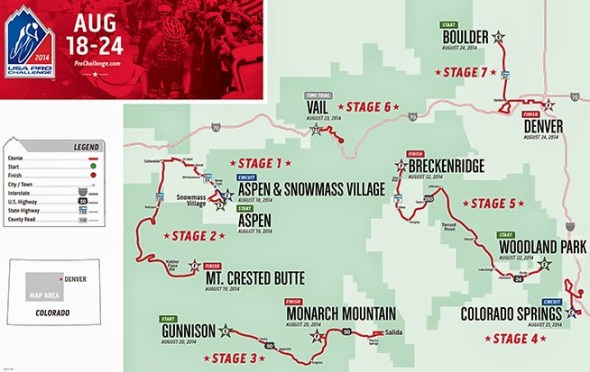

Commercial Summer Fatalities: 2014
Posted: July 9, 2014 Filed under: Arizona, Colorado, Idaho, Paddlesports, Whitewater Rafting | Tags: Chattooga River, Colorado, Commercial, Commercial Guide Service, Commercial Raft Company, Mountaineering, Rafting, Rock climbing, Whitewater, Whitewater Rafting Leave a commentOur condolences to the families of the deceased.
This list is not guaranteed to be accurate. The information is found from web searches and news dispatches. If you have a source for information on any fatality please leave a comment.
Whitewater fatalities are light blue
Medical fatalities are light red
This is up to date as of July 1, 2014
If this information is incorrect or incomplete please let me know. Thank You.
|
Date |
State |
Activity |
Where |
How |
Outfitter or Guide Service |
Sex |
Home |
Age |
Source |
Source |
|
5/28 |
AZ |
Whitewater Kayaking |
Colorado River, Grand Canyon, Badger Rapid |
Did not right his kayak |
|
M |
|
43 |
|
|
|
6/3 |
AZ |
Whitewater Rafting |
Colorado River, Grand Canyon |
Allergic reaction |
|
F |
Seattle, WA |
54 |
|
|
|
6/7 |
CO |
Whitewater Rafting |
Clear Creek |
Fell out of raft, possible respirator problems |
|
M |
Brighton, CO |
41 |
||
|
6/10 |
CO |
Whitewater Rafting |
Arkansas River, Salt Lick |
boat flipped or dump trucked |
Royal Gorge Rafting |
M |
Enid, OK |
48 |
||
|
6/14 |
CO |
Whitewater Rafting |
Arkansas River, Royal Gorge |
respiratory problems before he and five other rafters were tossed out |
|
M |
Colorado Springs, CO |
44 |
||
|
6/16 |
CO |
Whitewater Rafting |
Roaring Fork river |
Fell out of raft |
Blazing Adventures |
M |
Denver, CO |
44 |
|
|
|
6/27 |
ID |
Whitewater Rafting |
Salmon River, The Slide |
Ejected from raft |
Epley’s Whitewater Adventure |
M |
Poulsbo, WA |
50 |
Several of the water fatalities can be medical. A sudden full body cold water immersion can cause vasoconstriction in the hear resulting in death. See the Wikipedia listing Cold shock response.
If you are unable to see this graph, please email me at Rec-law@recreation-law.com and I will send you a PDF of the page.
What do you think? Leave a comment.
If you like this let your friends know or post it on FB, Twitter or LinkedIn
Copyright 2013 Recreation Law (720) Edit Law
Email: Rec-law@recreation-law.com
Google+: +Recreation
Twitter: RecreationLaw
Facebook: Rec.Law.Now
Facebook Page: Outdoor Recreation & Adventure Travel Law
Mobile Site: http://m.recreation-law.com
By Recreation Law Rec-law@recreation-law.com James H. Moss #Authorrank
<rel=”author” link=” https://plus.google.com/u/0/b/112453188060350225356/” />
#RecreationLaw, #Recreation-Law.com, #OutdoorLaw, #OutdoorRecreationLaw, #AdventureTravelLaw, #law, #TravelLaw, #JimMoss, #JamesHMoss, #Tourism, #AdventureTourism, #Rec-Law, #RiskManagement, #CyclingLaw, #BicyclingLaw, #FitnessLaw, #Recreation-Law.com, #Backpacking, #Hiking, #Mountaineering, #IceClimbing, #RockClimbing, #RopesCourse, #ChallengeCourse, #SummerCamp, #Camps, #YouthCamps, #Skiing, #Ski Areas, #Negligence, #Snowboarding, #RecreationLaw, #@RecreationLaw, #Cycling.Law, #SkiLaw, #Outside.Law, #Recreation.Law, #RecreationLaw.com, #OutdoorLaw, #RecreationLaw, #OutdoorRecreationLaw, #AdventureTravelLaw, #Law, #TravelLaw, #JimMoss, #JamesHMoss, #AttorneyatLaw, #Tourism, #AdventureTourism, #RecLaw, #RecLawBlog, #RecreationLawBlog, #RiskManagement, #HumanPowered, #HumanPoweredRecreation,# CyclingLaw, #BicyclingLaw, #FitnessLaw, #RecreationLaw.com, #Backpacking, #Hiking, #Mountaineering, #IceClimbing, #RockClimbing, #RopesCourse, #ChallengeCourse, #SummerCamp, #Camps, #YouthCamps, #Skiing, #Ski Areas, #Negligence, #Snowboarding, sport and recreation laws, ski law, cycling law, Colorado law, law for recreation and sport managers, bicycling and the law, cycling and the law, ski helmet law, skiers code, skiing accidents, Recreation Lawyer, Ski Lawyer, Paddlesports Lawyer, Cycling Lawyer, Recreational Lawyer, Fitness Lawyer, Rec Lawyer, Challenge Course Lawyer, Ropes Course Lawyer, Zip Line Lawyer, Rock Climbing Lawyer, Adventure Travel Lawyer, Outside Lawyer, Recreation Lawyer, Ski Lawyer, Paddlesports Lawyer, Cycling Lawyer, #RecreationalLawyer, #FitnessLawyer, #RecLawyer, #ChallengeCourseLawyer, #RopesCourseLawyer, #ZipLineLawyer, #RockClimbingLawyer, #AdventureTravelLawyer, #OutsideLawyer, Good Samaritan, Samaritan, First Aid, Whitewater Rafting, Rafting, Commercial, Commercial Raft Company, Commercial Guide Service,
Want to Maximize a Visit to Colorado? San Juan Mountain Guides can help!
Posted: June 24, 2014 Filed under: Colorado, Mountaineering | Tags: Alaska, Canyoning, Mountaineering, Peru, Rock climbing, San Juan, San Juan Mountain Guides, San Juan Mountains, SJMG, Via Ferrata, Washington, Weminuche Wilderness Leave a comment
|


Want to Volunteer for the USA Pro Challenge, sign up Now!
Posted: June 20, 2014 Filed under: Colorado, Cycling | Tags: Aspen, Bicycle Racing, Colorado, Colorado Springs, Cycling, Denver, Monarch Mountain, USA Pro Challenge, Volunteer Leave a comment
|
||||||||||||||||||||||||||||||||||||||||||||||||||||||||||||||||||||||||||||||||||||||||||||||||||||||||||||


Release is used to prove an activity is hazardous and deny a claim for life insurance. Heli-skiing should have been disclosed as a risk activity or hobby according to the court when buying life insurance.
Posted: April 21, 2014 Filed under: Avalanche, Colorado, Insurance, Skiing / Snow Boarding | Tags: Alaska, Assumption of risk, Buy Sell Agreement, Colorado, Disability Insurance, Health insurance, Heli-skiing, Heliski, Life Insurance, Policy, Premium, Rescission, scuba diving, skiing 4 Comments“Rating up” is a term used to say an insured is a higher than normal risk, and the insurance rate will increase. The amount of the increase is dependent upon the risk. Heli-skiing would have tripled the cost of a life insurance policy. However, not telling the insurance company denied the claim.
West Coast Life Insurance Company. Hoar, 558 F.3d 1151; 2009 U.S. App. LEXIS 5266
Date of the Decision: 2009
Plaintiff: West Coast Life Insurance Company
Defendants: Martha Hoar, as the personal representative of the other Estate of Stephen M. Butts; Telluride Properties, Llc., a Colorado Limited Liability Company; Telluride Properties, Inc., a Colorado corporation; Albert D. Roer, an individual; Polly Lychee, an individual
Plaintiff Claims: (1) breach of contract, (2) bad faith, and (3) violation of the Colorado Consumer Protection Act
Defendant Defenses: Rescission
Holding: for the plaintiff life insurance company
Owners in a business want to make sure the business will survive if one of the owners is disabled or dies. There is also a desire to take care of the family of the deceased. Finally, immediately purchasing the deceased share of the business keeps the business running smoothly without the worry or probate or someone with no business experience from running the business. This usually takes the form of a buy-sell agreement. The agreement sets out the terms on when the contract kicks in, how to value the business and how to pay the estate of the deceased or the disabled owner.
Many times the owners will want to make the purchase of the deceased estate immediate, so the business purchases life insurance on the owners. Upon the death of an insured, the insurance proceeds are used to keep the business going to pay for the ownership of the business from the estate of the deceased.
In this case, the parties created a business and purchased a $3 million-dollar policy on the owners. For large life insurance policies more underwriting, questions are asked and sometimes physicals are required. In this case, the insured owner was asked if he “”[e]ngaged in auto, motorcycle or boat racing, parachuting, skin or scuba diving, skydiving, or hang gliding or other hazardous avocation or hobby.” The insured said he was a scuba diver and skier. At the end of the form the insured had to affirm that all of his answers were full, complete, and true to the best of his knowledge and belief.
The insured was then interviewed by a third party hired to investigate the insured. The insured was asked what he did in his spare time. The insured answered he skied and golfed. He also stated he was into private aviation and scuba diving. At no time did the insured ask any clarifying questions as to what hazardous activities meant.
The insured regularly participated in heli-ski trips in Canada. He had been heli-skiing for at least six years. He purchased a Black Diamond Avalung for his ski trips. The heli-ski operation required the insured to sign a “Release of Liability, Waiver of Claims, Assumption of Risk and Indemnity Agreement.” The heli-ski operation also required avalanche rescue training, helicopter safety training and required the use of avalanche beacons.
During a heli-ski trip, the insured was killed in an avalanche.
The insurance company refused to pay the life insurance benefit because the insured had not been truthful on his application for insurance. The life insurance company sued for rescission. The trial court granted the life insurance company’s motion for summary judgment, and the case was appealed.
Summary of the case
Rescission is the term applied when a contract is unwound, and both parties are placed back in their original position. There must be a legally recognized cause for a court to require rescission. Material breach, or as in this case fraud, can be a cause for a court to rescind a contract.
To win a claim of rescission under Colorado law the insurance company had to prove:
(1) the applicant made a false statement of fact or concealed a fact in his application for insurance; (2) the applicant knowingly made the false statement or knowingly concealed the fact; (3) the false statement of fact or the concealed fact materially affected either the acceptance of the risk or the hazard assumed by the insurer; (4) the insurer was ignorant of the false statement of fact or concealment of fact and is not chargeable with knowledge of the fact; (5) the insurer relied, to its detriment, on the false statement of fact or concealment of fact in issuing the policy.
The court focused on the first and second claims that the deceased made a false statement or concealed a fact and did so knowingly.
The court did a thorough review of all the facts the life insurance company presented, which stated that heli-skiing was a high-risk operation. These facts included the acts of the insured/deceased as outlined above and statements made by the expert witness of the insurance company. One statement which the court found particularly informative was that heli-skier was “… approximately 18,702 times more likely to be killed in an avalanche than an individual skiing inbounds at a ski area.” This statement was then supported by this footnote the court included. “The probability of an avalanche fatality occurring while heli-skiing or snowcat skiing is approximately 1 per 29,000 visits.”
The risk of heli-skiing was then supported in the court’s argument by the fact the deceased had signed a release. “This is especially true where heli-skiers such as Butts were required to sign a waiver explicitly acknowledging heli-skiing was far more dangerous than resort skiing.”
The fact that the deceased had signed the release, purchased a Black Diamond Avalung, and took avalanche and helicopter training showed the activity was dangerous. That was proof of knowledge and intent that heli-skiing was a high-risk activity which his involvement in should have been disclosed to the insurance company.
The next argument was over the fourth element. The court found for this argument the insurance company had to have knowledge that the life insurance policy applicant was not truthful in answer questions.
Consequently, the beneficiary of the insurance policy, the defendants were not able to argue the contract should not be rescinded. The insurance company was granted rescission and did not have to pay the $3 million-dollar policy benefit.
So Now What?
The increase due to heli-skiing would have increased the yearly premium from $4,800 to $12,380. For most people making a living in the outdoor recreation, the basic premium is too much, the increased premium out of reach. Disability insurance can cost more.
Health insurance is probably no longer subject to such rating changes to do the Patient Protection and Affordable Care Act, which is one blessing for those of us making a living in the outdoors.
If you are just starting out, make sure you have good health, life and disability policies. Lying or misrepresenting the risks you take will subject your family to a similar situation. Purchasing the policies before you have gone too far…outdoors, may save you some money.
If you die mowing the lawn or in a car accident, the chances of this occurring are low. The investigation is triggered when you die doing a high-risk activity, and the insurance company finds out you regularly participated in the activity and did not tell them at the time you applied for the policy.
You’ll probably not have to worry about this issue. You’ll be dead.
What do you think? Leave a comment.
If you like this let your friends know or post it on FaceBook, Twitter or LinkedIn
Copyright 2014 Recreation Law (720) Edit Law
Email: Rec-law@recreation-law.com
Google+: +Recreation
Twitter: RecreationLaw
Facebook: Rec.Law.Now
Facebook Page: Outdoor Recreation & Adventure Travel Law
Blog: www.recreation-law.com
Mobile Site: http://m.recreation-law.com
By Recreation Law Rec-law@recreation-law.com James H. Moss #Authorrank
<rel=”author” link=” https://plus.google.com/u/0/b/112453188060350225356/” />
#AdventureTourism, #AdventureTravelLaw, #AdventureTravelLawyer, #AttorneyatLaw, #Backpacking, #BicyclingLaw, #Camps, #ChallengeCourse, #ChallengeCourseLaw, #ChallengeCourseLawyer, #CyclingLaw, #FitnessLaw, #FitnessLawyer, #Hiking, #HumanPowered, #HumanPoweredRecreation, #IceClimbing, #JamesHMoss, #JimMoss, #Law, #Mountaineering, #Negligence, #OutdoorLaw, #OutdoorRecreationLaw, #OutsideLaw, #OutsideLawyer, #RecLaw, #Rec-Law, #RecLawBlog, #Rec-LawBlog, #RecLawyer, #RecreationalLawyer, #RecreationLaw, #RecreationLawBlog, #RecreationLawcom, #Recreation-Lawcom, #Recreation-Law.com, #RiskManagement, #RockClimbing, #RockClimbingLawyer, #RopesCourse, #RopesCourseLawyer, #SkiAreas, #Skiing, #SkiLaw, #Snowboarding, #SummerCamp, #Tourism, #TravelLaw, #YouthCamps, #ZipLineLawyer, Life Insurance, Rescission, Policy, Premium, Health Insurance, Disability Insurance, Heli-Skiing, Skiing, Scuba Diving, Life Insurance, Buy Sell Agreement, Buy-Sell Agreement,
WordPress Tags: Release,life,insurance,Heli,hobby,cost,policy,West,Coast,Company,Hoar,LEXIS,Date,Decision,Plaintiff,Defendants,Martha,Estate,Stephen,Butts,Telluride,Properties,Colorado,corporation,Albert,Roer,Lychee,Claims,faith,violation,Consumer,Protection,Defendant,Defenses,Rescission,Owners,probate,agreement,owner,Many,Upon,death,ownership,million,dollar,policies,auto,motorcycle,boat,avocation,diver,knowledge,belief,aviation,Canada,Black,Diamond,Avalung,Waiver,Assumption,Risk,avalanche,helicopter,beacons,judgment,Summary,Material,fraud,applicant,statement,fact,acceptance,insurer,concealment,detriment,statements,area,footnote,argument,resort,involvement,fourth,beneficiary,recreation,Health,Patient,Affordable,Care,situation,money,lawn,accident,investigation,Leave,FaceBook,Twitter,LinkedIn,Edit,Email,Google,RecreationLaw,Page,Outdoor,Adventure,Travel,Blog,Mobile,Site,James,Moss,Authorrank,author,AdventureTourism,AdventureTravelLaw,AdventureTravelLawyer,AttorneyatLaw,BicyclingLaw,Camps,ChallengeCourse,ChallengeCourseLaw,ChallengeCourseLawyer,CyclingLaw,FitnessLaw,FitnessLawyer,HumanPoweredRecreation,JamesHMoss,JimMoss,Negligence,OutdoorLaw,OutdoorRecreationLaw,OutsideLaw,OutsideLawyer,RecLaw,RecLawBlog,LawBlog,RecLawyer,RecreationalLawyer,RecreationLawBlog,RecreationLawcom,Lawcom,RiskManagement,RockClimbingLawyer,RopesCourse,RopesCourseLawyer,SkiAreas,SkiLaw,SummerCamp,Tourism,TravelLaw,YouthCamps,ZipLineLawyer,Premium,Scuba,Sell,skier

West Coast Life Insurance Company. Hoar, 558 F.3d 1151; 2009 U.S. App. LEXIS 5266
Posted: April 21, 2014 Filed under: Colorado, Insurance, Legal Case, Skiing / Snow Boarding | Tags: Colorado, Disability Insurance, Health insurance, Heli-skiing, Insurance, Life Insurance, Policy, Premium, Rescission, scuba diving, Selkirk-Tangiers, skiing Leave a commentWest Coast Life Insurance Company. Hoar, 558 F.3d 1151; 2009 U.S. App. LEXIS 5266
West Coast Life Insurance Company, a Nebraska corporation, Plaintiff – Appellee, v. Martha Hoar, as the personal representative of the other Estate of Stephen M. Butts; Telluride Properties, Llc., a Colorado Limited Liability Company; Telluride Properties, Inc., a Colorado corporation; Albert D. Roer, an individual; Polly Lychee, an individual, Defendants – Appellants.
No. 07-1080
UNITED STATES COURT OF APPEALS FOR THE TENTH CIRCUIT
558 F.3d 1151; 2009 U.S. App. LEXIS 5266
March 6, 2009, Filed
PRIOR HISTORY: [**1]
APPEAL FROM THE UNITED STATES DISTRICT COURT FOR THE DISTRICT OF COLORADO. (D.C. NO. 05-CV-01765-EWN-BNB).
W. Coast Life Ins. Co. v. Hoar, 505 F. Supp. 2d 734, 2007 U.S. Dist. LEXIS 5442 (D. Colo., 2007)
COUNSEL: Blain D. Myhre (Stuart Pack with him on the briefs), Isaacson Rosenbaum P.C., Denver, Colorado, for Defendants-Appellants.
Stephen G. Masciocchi (Lee F. Johnston with him on the briefs), Holland & Hart LLP, Denver, Colorado, for Plaintiff-Appellee.
JUDGES: Before BRISCOE, EBEL, and MURPHY, Circuit Judges.
OPINION BY: MURPHY
OPINION
[*1153] MURPHY, Circuit Judge.
I. INTRODUCTION
West Coast Life Insurance Company (“WCLI”) brought suit in federal district court seeking rescission of an insurance policy based upon an alleged misrepresentation by Stephen Butts. Butts, who participated in heli-skiing on numerous occasions, stated in his insurance application that he did not engage in any hazardous activities. Butts’s estate and intended beneficiaries asserted counterclaims against WCLI alleging: (1) breach of contract, (2) bad faith, and (3) violation of the Colorado Consumer Protection Act. The district court dismissed Defendants’ Consumer Protection Act counterclaim with prejudice. It then granted WCLI’s motion for summary judgment, concluding Butts had knowingly made a false statement of material fact on which WCLI relied [**2] in issuing him the life insurance policy. On appeal, Defendants contend the district court erred in granting summary judgment to WCLI on its rescission claim because genuine issues of material fact exist as to whether: (1) there was a false statement or concealed fact in the Butts application, (2) Butts knowingly made the false statement or concealed the facts, and (3) WCLI was chargeable with the knowledge Butts engaged in heli-skiing. Defendants also appeal the district court’s grant of summary judgment with respect to their bad faith claim. Exercising jurisdiction pursuant to 28 U.S.C. § 1291, we affirm.
II. BACKGROUND
1. Factual Background
In August 2004, Butts (through his company, Defendant Telluride Properties, Inc.), Defendant Albert Roer, and Defendant Polly Lynchee formed a new company, Defendant Telluride Properties, LLC. 1 The three principals entered into a buy-sell agreement requiring each principal to sell his or her interest in the business to the remaining principals in the event of his or her death. The agreement was financed by insurance policies on the lives of each of the three principals. On September 21, 2004, Butts contacted WCLI agent Sharon Evanson by phone to [**3] complete an application for a three million dollar life insurance policy (the “Butts Application”). Evanson read the questions on the application and transcribed Butts’s responses.
1 The other Defendant is Martha Hoar, the personal representative of Butts’s estate.
The fifth question of the Butts Application (“Question 5”) asked if Butts “[e]ngaged in auto, motorcycle or boat racing, parachuting, skin or scuba diving, skydiving, or hang gliding or other hazardous avocation or hobby.” Butts answered the question in the negative. The Butts Application contained a declaration that all statements and answers were full, complete, and true to the best of Butts’s “knowledge and belief.” Butts did not at any point during the call mention he participated in “heli-skiing.” Heli-skiing involves flying by helicopter to the top of a backcountry mountain and skiing down the mountain, usually with the escort of guides.
Alex Chu, a senior life insurance reporter at First Financial Underwriting Services, Inc. (“First Financial”), conducted a telephonic interview with Butts on October 12, 2004. First Financial is an independent, third-party company that, at the request of its insurance company clients, [**4] [*1154] gathers information about the lifestyles and finances of life insurance applicants, typically through telephone interviews. Chu asked Butts what he did for recreation and exercise in his spare time, to which Butts answered he skied and golfed. Chu also asked Butts if he engaged in “any hazardous activities.” Butts stated he was involved only in scuba diving and private aviation as a pilot. Butts did not seek any clarification of this question or voice concerns or confusion as to the meaning of “hazardous activities.” During Chu’s tenure at First Financial, applicants had identified heli-skiing in response to the hazardous activity question.
Under a heading titled “Aviation-Recreation-Driving Record,” Chu’s report to WCLI (the “First Financial Report”) detailed Butts’s piloting experience, briefly noted his scuba diving activities, and stated: Butts “also enjoys skiing and golfing in his spare time. He reported no other recreational or hazardous pastimes in which he is active on a regular basis.”
In October 2004, Mark Youngquist, an underwriter for WCLI, underwrote a three million dollar policy (the “Butts Policy”) insuring Butts’s life. In so doing, Youngquist reviewed the Butts Application, [**5] Butts’s medical records, the First Financial Report, and a questionnaire completed by Butts regarding his aviation activities. Youngquist, who worked as an underwriter since 1995 for other insurance companies, had worked for WCLI for less than a month when he approved the Butts Application. The WCLI underwriting manual, published by reinsurer Swiss Re, does not rate resort skiing as an activity to be factored into the underwriting process. “Heli-skiing,” however, is a rated activity requiring the insured to pay a higher premium. Youngquist never referred to this rating table during the process of underwriting the Butts Policy.
Based on the information before him, Youngquist believed Butts engaged only in non-rated resort skiing. Youngquist made no inquiry into the nature of the “skiing” activity mentioned in the First Financial Report. Youngquist determined the Butts Policy should be issued on a “Standard, Non-Tobacco” rating. 2 On November 5, 2004, WCLI issued the Butts Policy, which expressly incorporated the Butts Application.
2 Neither party addresses the significance, if any, of the disclosure by Butts of his scuba diving activities. We therefore deem it irrelevant.
On January 15, [**6] 2005, Butts traveled to British Columbia with a group of friends for a week of heli-skiing. The group hired heli-skiing operator Selkirk-Tangiers Helicopter Skiing LLP (“Selkirk-Tangiers”). On January 18, 2005, Butts was heli-skiing with his friends when an avalanche broke above them. The avalanche caught Butts, and swept him into some trees. Within minutes, Butts was found dead. He suffered a broken neck as a result of the avalanche.
During her deposition, Butts’s ex-wife testified he took approximately ten to fifteen heli-skiing trips with Selkirk-Tangiers and additional trips to Canada with another heli-skiing operator. Butts took heli-skiing trips to British Columbia with Selkirk-Tangiers every year for at least six consecutive years prior to his application. Each year, Butts had signed a Selkirk-Tangiers “Release of Liability, Waiver of Claims, Assumption of Risk and Indemnity Agreement,” each of which included the following language:
I am aware that wilderness skiing involves risks, dangers and hazards in addition to those normally associated with downhill skiing. Avalanches occur frequently in the alpine terrain used for [*1155] wilderness skiing and may be caused by natural forces or [**7] by skiers. I acknowledge and accept that the [o]perators and their staff may fail to predict whether the alpine terrain is safe for skiing or whether an avalanche may occur. The alpine terrain used for wilderness skiing is uncontrolled, unmarked, not inspected and involves many risks, dangers and hazards in addition to that of avalanche.
* * *
I AM AWARE OF THE RISKS, DANGERS AND HAZARDS ASSOCIATED WITH WILDERNESS SKIING AND I FREELY ACCEPT AND FULLY ASSUME ALL SUCH RISKS, DANGERS AND HAZARDS AND THE POSSIBILITY OF PERSONAL INJURY, DEATH, PROPERTY DAMAGE OR LOSS RESULTING THEREFROM.
Selkirk-Tangiers provides its guests with: (1) avalanche rescue and survival training; (2) helicopter safety training; and (3) specialized equipment such as “avalanche beacons,” which signal to rescuers the location of skiers buried in avalanches. Prior to each of his heli-skiing trips with Selkirk-Tangiers, Butts participated in mock avalanche drills and other onsite, hands-on training on helicopter safety protocols and avalanche rescue and survival. Although not required by Selkirk-Tangiers, Butts also had purchased and used an “Avalung” on heli-skiing trips in 2004 and 2005. An Avalung is a product designed [**8] to provide a few minutes of air should its user become buried in an avalanche.
After receiving notification of Butts’s death, WCLI initiated an investigation. WCLI received evidence indicating Butts had previously participated in heli-skiing trips. In March 2005, WCLI’s chief underwriter, Steven Hetherington, composed an opinion as to the impact of heli-skiing on the risk assumptions for the Butts Policy. Hetherington determined that had Butts disclosed his heli-skiing activities, the Butts Policy would have been rated in the amount of an extra $ 2.50 per $ 1000 of coverage. Marilyn Reed, WCLI’s Vice President of Underwriting, adopted Hetherington’s underwriting opinion.
According to WCLI underwriters, had Butts disclosed his heli-skiing avocation, his annual premium would have almost tripled, rising from $ 4880 to $ 12,380. WCLI’s independent agent, Stuart Bachman, contacted other life insurance companies to determine if they applied an additional rating for heli-skiing. Every carrier Bachman contacted indicated heli-skiing would result in an additional rating of at least $ 2.50 per $ 1000 dollars of coverage.
WCLI’s contestable claims committee met on July 26, 2006, to discuss and evaluate [**9] the Butts Policy claim. The committee considered whether “a reasonable objective person’s interpretation” of Question 5 would have led such a person to disclose a heli-skiing avocation such as that of Butts. The committee did not consider whether Butts was an expert skier, whether he believed heli-skiing was hazardous, or if he had heli-skied previously without incident because it felt such information was irrelevant to its decision. The committee voted unanimously to deny payment under the Butts Policy based upon Butts’s failure to disclose he regularly engaged in heli-skiing.
2. Procedural History
WCLI filed its complaint in the district court seeking: (1) rescission of the Butts Policy pursuant to Colorado law, and (2) a declaration that the Butts Policy was void ab initio and WCLI was thus not liable to Defendants thereunder. In their answer, Defendants asserted state law counterclaims for: (1) breach of contract, (2) bad faith, and (3) violation of the Colorado Consumer Protection Act, Colo. Rev. Stat. §§ 6-1-101 to -115. The district court [*1156] dismissed Defendants’ Consumer Protection Act counterclaim with prejudice.
Both parties moved for summary judgment. The district court granted [**10] WCLI’s motion for summary judgment, concluding: (1) Butts had made a false statement of fact or concealed a fact in his application for insurance because a reasonable person would have understood heli-skiing was a hazardous activity for purposes of Question 5, (2) Butts knew heli-skiing was a hazardous activity and knowingly concealed the fact he engaged in it, (3) the concealment materially affected the risk assumed by WCLI, (4) WCLI was ignorant of the false statement of fact or concealment of fact and was not chargeable with knowledge of the fact, and (5) WCLI relied on Butts’s false statement in issuing the Butts Policy.
On appeal, Defendants contend the district court erred in granting summary judgment to WCLI on its rescission claim because genuine issues of material fact exist as to whether: (1) there was a false statement or concealed fact in the Butts application, (2) Butts knowingly made the false statement or concealed the facts, and (3) WCLI was chargeable with the knowledge Butts heli-skied. Defendants also appeal the district court’s grant of summary judgment with respect to their bad faith claim.
III. DISCUSSION
1. Motion to Strike
In its motion to strike, WCLI contends [**11] this court should not consider certain arguments and evidence raised by Defendants for the first time on appeal. Specifically, in their reply brief, Defendants for the first time offer statistical evidence regarding auto accident fatalities and discuss the Colorado Ski Safety Act requirement that ski resort lift tickets warn of the risk of resort skiing as support for their argument that reasonable minds could differ on whether heli-skiing is a hazardous activity. Defendants ask the court to take judicial notice of the accident statistics. In addition, Defendants argue the Colorado Ski Safety Act cite was properly included in their reply brief in order to rebut an argument raised in WCLI’s answer brief.
[HN1] “Whether an appellate court will for the first time take judicial notice of a judicially notable fact rests largely in its own discretion.” Mills v. Denver Tramway Corp., 155 F.2d 808, 812 (10th Cir. 1946). Defendants offer no explanation for why they did not seek to introduce the auto accident fatality statistics before the district court. In addition, consideration of this evidence for the first time in Defendants’ reply brief denies WCLI the opportunity to contest or rebut the evidence. [**12] Stump v. Gates, 211 F.3d 527, 533 (10th Cir. 2000). We therefore decline to take judicial notice of the auto accident fatality statistics and grant WCLI’s motion to strike these statistics. See Am. Stores Co. v. Comm’r of Internal Revenue, 170 F.3d 1267, 1270 (10th Cir. 1999) ( [HN2] “Judicial notice is not a talisman by which gaps in a litigant’s evidentiary presentation . . . may be repaired on appeal.” (quotation omitted)).
As to the introduction of Colorado’s statutory requirement that ski resort lift tickets warn of the risk of resort skiing, Defendants maintain this evidence was properly introduced for the first time in their reply brief in response to an argument in WCLI’s answer brief. Specifically, it rebuts WCLI’s contention that the requirement that individuals sign a release before engaging in heli-skiing supports the proposition a reasonable person would view heli-skiing as hazardous. While WCLI’s precise argument regarding the release requirement was raised before the district court, the evidence Defendants now seek to introduce to rebut the argument [*1157] was never brought to the attention of the district court. This court has stated [HN3] “[i]n reviewing a grant of summary judgment, our [**13] inquiry is limited to the summary judgment record before the district court when the motion was decided.” Feichko v. Denver & Rio Grande W. R.R., 213 F.3d 586, 593 n.5 (10th Cir. 2000). In addition, as discussed above, [HN4] this court is reluctant to consider evidence raised only in a reply brief, leaving the opposing party no opportunity to challenge its validity or relevance. See Am. Stores Co., 170 F.3d at 1270. We therefore grant WCLI’s motion to strike this evidence.
2. Rescission of the Life Insurance Policy
[HN5] “We review de novo a district court’s grant of summary judgment, viewing the evidence in the light most favorable to the nonprevailing party.” Mullin v. Travelers Indem. Co. of Conn., 541 F.3d 1219, 1222 (10th Cir. 2008). [HN6] “Summary judgment is appropriate if there is no genuine dispute over any material fact, and a party is entitled to prevail as a matter of law.” Id. (quotation omitted). [HN7] Under Colorado law, to avoid a life insurance policy due to misrepresentations in the application, an insurer must prove:
(1) the applicant made a false statement of fact or concealed a fact in his application for insurance; (2) the applicant knowingly made the false statement or knowingly concealed [**14] the fact; (3) the false statement of fact or the concealed fact materially affected either the acceptance of the risk or the hazard assumed by the insurer; (4) the insurer was ignorant of the false statement of fact or concealment of fact and is not chargeable with knowledge of the fact; (5) the insurer relied, to its detriment, on the false statement of fact or concealment of fact in issuing the policy.
Hollinger v. Mut. Benefit Life Ins. Co., 192 Colo. 377, 560 P.2d 824, 827 (Colo. 1977) (footnote omitted). Defendants contend the district court erred in concluding no genuine issue of material fact existed as to the first, second, and fourth elements of the Hollinger standard.
i. The First and Second Hollinger Elements
The first element, “the applicant made a false statement,” is encompassed in the second element, “the applicant knowingly made a false statement.” Id. Because there is significant overlap in the parties’ arguments regarding the first and second elements, we consider the two elements together. Wade v. Olinger Life Insurance Co. holds that [HN8] in determining whether an applicant knowingly made a false statement, a court must look beyond the applicant’s mere knowledge she engaged in the activity [**15] which was allegedly required to be disclosed by the open-ended insurance question. 192 Colo. 401, 560 P.2d 446, 452 (Colo. 1977). Namely, “to protect innocent insurance applicants, an applicant must be reasonably chargeable with knowledge that the facts omitted or misrepresented were within the scope of questions asked on the application.” Id. The court further explained that in the context of answering an insurance application question which calls for a value judgment, “[a] particular misrepresentation . . . must be such that a [r]easonable person would, under the circumstances, have understood that the question calls for disclosure of specific information.” Id. The court elaborated on this standard in Hollinger, a companion case to Wade. Hollinger, 560 P.2d at 827. In Hollinger, the court explained the standard applied in Wade was “whether a reasonable person, with the applicant’s physical or mental characteristics, under all the circumstances, would understand that the question calls for disclosure of specific information.” Id.
[*1158] Question 5 asked Butts if he “[e]ngaged in auto, motorcycle or boat racing, parachuting, skin or scuba diving, skydiving, or hang gliding or other hazardous avocation or [**16] hobby.” WCLI contends Butts’s negative response to Question 5 was unreasonable in light of his yearly heli-skiing vacations. Defendants argue reasonable minds could differ as to whether heli-skiing constitutes a hazardous activity, and thus the question should have been submitted to the jury. Defendants further contend because Butts believed heli-skiing was not a hazardous activity, his response to Question 5 could not have constituted a misrepresentation.
This court must thus decide whether a reasonable person in Butts’s position would know heli-skiing constituted a hazardous activity for purposes of the insurance policy. We agree with the district court that reasonable purchasers of life insurance understand they are agreeing to pay a premium in exchange for the insurer’s promise to pay benefits in the event of death, and thus an insurer would be interested in learning of activities that increase the chance of premature death. Question 5 asks applicants whether they engage in hazardous activities and provides as examples of hazardous activities, skydiving, motorized racing, and scuba diving. A reasonable applicant understands these examples are provided to have the applicant determine [**17] if she engages in activities that might pose risks similar to those posed by the enumerated activities.
WCLI presented evidence indicating a heli-skier is approximately 18,702 times more likely to be killed in an avalanche than an individual skiing inbounds at a ski area. 3 In addition, the heli-skiing operator Butts skied with required its clients to: (1) demonstrate proficiency in avalanche rescue techniques and equipment, (2) undergo training on safety protocols associated with helicopter loading, flight, offloading, and landing, and (3) carry an avalanche beacon while skiing. Such training took place prior to the execution of a waiver and release agreement in which Butts recognized: (1) wilderness skiing involves “risks, dangers and hazards in addition to those normally associated with downhill skiing,” (2) avalanches occur frequently in the alpine terrain used for wilderness skiing, (3) the ski outfitter’s “staff may fail to predict whether the alpine terrain is safe for skiing or whether an avalanche may occur,” and (4) the “alpine [**18] terrain used for wilderness skiing is uncontrolled, unmarked, not inspected and involves many risks, dangers and hazards in addition to that of avalanche.” Additionally, Butts chose to purchase and carry an “Avalung” avalanche emergency air supply while heli-skiing.
3 The probability of an avalanche fatality occurring while heli-skiing or snowcat skiing is approximately 1 per 29,000 visits.
Based on these facts, a reasonable person in Butts’s position would understand Question 5 calls for an applicant to report heli-skiing. As the district court explained, “a reasonable, ordinary person would understand that a sport whose participants equip themselves with ‘avalanche beacons’ and ‘Avalungs’ and then ride in helicopters to the summits of isolated backcountry mountains in order to ski down ungroomed alpine terrain . . . falls along with sky diving, hang gliding, and scuba diving into the commonsense category of ‘hazardous’ activities.” Butts’s status as an experienced heli-skier who engaged in the activity in the past without incident does not change the conclusion it was unreasonable for an individual in his position to answer “no” to Question 5. Butts knew of the great risks of heli-skiing. [**19] Notably, [*1159] Defendants’ expert declined to refute the Utah Avalanche Center’s statement that “[a]lmost all avalanche accidents occur to recreationists who are very skilled at their sport.”
Defendants contend this court should rely on the expert opinion of Vincent Anderson, a certified alpine and ski mountaineering guide who, without citing any statistical evidence, states in a report that, in his opinion, the risks involved in heli-skiing are not unreasonably high and are not greater than those involved in skiing at a resort. This opinion, however, does little to rebut the statistical evidence presented by WCLI demonstrating a heli-skier is approximately 19,000 times more likely to die in an avalanche than someone skiing within bounds at a ski resort. Moreover, it is difficult to see how the subjective opinion testimony of this one individual, lacking any statistical support, does much to support the proposition a reasonable person with Butts’s characteristics would not understand heli-skiing to be a hazardous activity. This is especially true where heli-skiers such as Butts were required to sign a waiver explicitly acknowledging heli-skiing was far more dangerous than resort skiing.
Finally, [**20] Defendants argue that because of the language at the end of the Butts Application, wherein Butts affirmed all answers in the “application [were] full, complete and true to the best of [his] knowledge and belief,” Question 5 solicited a subjective answer and thus could not be a false statement of fact. In support of this argument Defendants cite to Hauser v. Life General Security Insurance Co., 56 F.3d 1330, 1335 (11th Cir. 1995), in which the Eleventh Circuit stated, “[w]here an insurer only requests the disclosure of information to the best of the insured’s ‘knowledge and belief,’ and where the applicant so complies, we will decline to protect the insurer from a risk it assumed by virtue of the contractual language it drafted.” Id. at 1335 (quotation omitted). The court went on to state, however:
[w]hat the applicant in fact believed to be true is the determining factor in judging the truth or falsity of his answer, but only so far as that belief is not clearly contradicted by the factual knowledge on which it is based. In any event, [HN9] a court may properly find a statement false as a matter of law, however sincerely it may be believed. To conclude otherwise would be to place insurance [**21] companies at the mercy of those capable of the most invincible self deception . . . .
Id. (quotation omitted). Here, even assuming Colorado courts would follow the reasoning of Hauser, any belief Butts may have had in the non-hazardous nature of heli-skiing is contradicted by his underlying knowledge of the significant risks inherent in heli-skiing as indicated by the training he was required to undertake, waivers he signed, and equipment he used. We therefore affirm the district court’s conclusion that as a matter of law Butts knowingly made a false statement of fact.
ii. The Fourth Element
In order to satisfy the fourth element of the Hollinger standard, WCLI must demonstrate it was “not chargeable” with the knowledge Butts heli-skied. 560 P.2d at 827. [HN10] Colorado has yet to adopt a test for determining when an insurer is “chargeable with knowledge” of an undisclosed material fact. The parties agree, however, and the district court concluded, the Colorado Supreme Court would endorse the following standard: an insurer is chargeable with knowledge of undisclosed information only where it “had sufficient information that would have put a prudent man on notice and would have caused him to [**22] start an inquiry” which would have uncovered the truth. Major Oil Corp. v. [*1160] Equitable Life Assurance Soc’y, 457 F.2d 596, 604-05 (10th Cir. 1972).
Butts gave a negative response to Question 5, indicating he did not engage in any hazardous activities. Later, however, in response to the question of what he did for recreation and exercise in his spare time during his phone interview with Chu, Butts stated he enjoyed skiing and golfing. In response to Chu’s question about hazardous activities, Butts stated only that he was involved in scuba diving and private aviation as a pilot. WCLI’s underwriter, Youngquist, interpreted Butts’s response that he participated in skiing in his spare time, to mean he engaged in resort skiing. Youngquist had only worked for WCLI for about a month, and was unaware the underwriting manual treated the various kinds of skiing differently, with heli-skiing, but not resort skiing, meriting an increase in the insured’s premium. He did not consult the manual during the course of underwriting Butts’s Policy. Defendants contend that based on Butts’s disclosure that he skied, WCLI had a duty to conduct an investigation into the nature of Butts’s skiing precisely because [**23] of the six classes of skiing identified for differing treatment in the underwriting manual. A reasonably prudent insurer, they argue, would have been put on notice to conduct further investigation into the type of skiing in which Butts engaged.
In deciding to insure Butts, Youngquist had before him: (1) Butts’s negative response to Question 5, (2) Butts’s report to Chu stating the only hazardous activities in which he engaged were scuba diving and private aviation, and (3) Butts’s report to Chu stating he “also enjoy[ed] skiing and golfing in his spare time.” Thus, even if Youngquist had been aware of the classifications in the underwriting manual, such awareness would not have sufficed to put a prudent underwriter on notice he should further investigate a situation where an applicant reports recreational skiing and denies engaging in any hazardous activities. As the district court explained, “[i]f such were the burden of a prudent insurance company, then it would seem that any report of a generally lowhazard recreational activity — e.g., wrestling, juggling, or fishing — would require the insurer to investigate the myriad possible ‘extreme’ variants thereof.” Cf. Am. Eagle Fire Ins. Co. of N.Y. v. Peoples Compress Co., 156 F.2d 663, 667 (10th Cir. 1946) [**24] (stating “honesty, good faith, and fair dealings require [an insured] to communicate [facts material to the risk] to his insurer.”).
Accordingly, [HN11] courts have generally found insurance companies chargeable with knowledge of an undisclosed fact only where it has knowledge of evidence indicating the applicant was not truthful in answering the particular application question at issue. See Major Oil Corp., 457 F.2d at 598-604 (concluding insurer was chargeable with knowledge of applicant’s alcohol problem where another insurance company considering the applicant informed the insurer of the applicant’s ongoing alcohol problem and a report by the Medical Information Bureau received by the insurer prior to issuance of the policy revealed the insured had a drinking habit); Columbian Nat. Life Ins. Co. v. Rodgers, 116 F.2d 705, 708 (10th Cir. 1940) (concluding insurer was chargeable with knowledge that applicant had previously been declined insurance despite applicant’s answer to the contrary where it had in its possession documentation indicating “that the applicant had either been declined or had been rated differently from the established rates, or that some other unusual circumstances were [**25] involved.”). Here, WCLI had no such evidence. Butts twice informed WCLI he did not engage in hazardous activities. Contrary to Defendants’ assertions, Butts’s statement he engaged in the recreational activities of skiing and [*1161] golfing does not constitute evidence or raise a red flag as to his lack of truthfulness in answering the hazardous activities question, as recreational resort skiing is not considered a hazardous activity. See Barciak v. United of Omaha Life Ins. Co., 777 F. Supp. 839, 843 (D. Colo. 1991) (concluding insurer was not chargeable with knowledge of applicant’s heart condition where applicant did not disclose he received medical care for chest pain, extensive medical tests, and had been referred to a cardiologist, but in a subsequent phone interview stated he had seen a doctor for a headache and received a variety of tests, including a chest x-ray and EKG, and the doctor’s diagnosis was unknown.).
We therefore affirm the district court’s conclusion that WCLI has met the Hollinger elements as a matter of law entitling it to summary judgment on its claim for rescission of the Butts Policy.
3. Defendants’ Counterclaim
Defendants’ bad faith counterclaim depends on the existence [**26] of a valid and enforceable insurance policy. Because we affirm the district court’s ruling that Butts’s nondisclosure voided the Butts Policy entitling WCLI to rescission, Defendants’ counterclaim fails.
IV. CONCLUSION
Because WCLI was entitled to rescission of the Butts Policy, the district court’s decision is affirmed.
WordPress Tags: West,Coast,Life,Insurance,Company,Hoar,LEXIS,Nebraska,corporation,Plaintiff,Appellee,Martha,Estate,Stephen,Butts,Telluride,Properties,Colorado,Albert,Roer,Lychee,Defendants,Appellants,STATES,COURT,APPEALS,TENTH,CIRCUIT,March,PRIOR,HISTORY,APPEAL,FROM,DISTRICT,Supp,Dist,Colo,COUNSEL,Blain,Myhre,Stuart,Pack,Isaacson,Rosenbaum,Denver,Masciocchi,Johnston,Holland,Hart,JUDGES,BRISCOE,EBEL,MURPHY,OPINION,Judge,INTRODUCTION,WCLI,policy,misrepresentation,beneficiaries,faith,violation,Consumer,Protection,judgment,statement,fact,knowledge,jurisdiction,BACKGROUND,Factual,August,Defendant,Lynchee,principals,agreement,event,death,policies,September,agent,Sharon,Evanson,million,dollar,Application,responses,Question,auto,motorcycle,boat,avocation,hobby,declaration,statements,belief,Heli,helicopter,mountain,Alex,reporter,Financial,Services,October,clients,information,lifestyles,applicants,recreation,aviation,clarification,tenure,response,Under,Record,Report,pastimes,basis,Mark,Youngquist,underwriter,questionnaire,Swiss,resort,Standard,Tobacco,November,Neither,significance,disclosure,January,British,Columbia,operator,Selkirk,Tangiers,avalanche,trees,Within,neck,wife,Canada,Release,Waiver,Claims,Assumption,Risk,dangers,addition,Avalanches,terrain,AWARE,RISKS,HAZARDS,ACCEPT,ASSUME,PERSONAL,INJURY,DAMAGE,LOSS,THEREFROM,guests,survival,equipment,beacons,rescuers,location,protocols,Although,Avalung,product,user,notification,investigation,Steven,Hetherington,impact,assumptions,coverage,Marilyn,Vice,President,underwriters,Bachman,carrier,dollars,committee,person,interpretation,incident,decision,payment,failure,Procedural,complaint,Stat,Both,purposes,concealment,DISCUSSION,Motion,Strike,arguments,accident,requirement,tickets,argument,statistics,Whether,discretion,Mills,Tramway,Corp,explanation,Stump,Gates,Stores,Comm,Internal,Revenue,Judicial,talisman,litigant,presentation,quotation,contention,individuals,proposition,attention,Feichko,Grande,relevance,Rescission,Mullin,Travelers,Indem,Conn,Summary,misrepresentations,insurer,applicant,acceptance,detriment,Hollinger,Benefit,footnote,fourth,Second,Elements,Wade,Olinger,scope,context,companion,characteristics,vacations,jury,purchasers,examples,area,proficiency,techniques,beacon,execution,participants,Avalungs,helicopters,summits,mountains,category,status,conclusion,Utah,Center,accidents,Vincent,Anderson,Moreover,testimony,Hauser,General,Eleventh,virtue,factor,truth,mercy,self,deception,Here,waivers,Element,Supreme,Major,Equitable,Assurance,Later,kinds,treatment,Thus,classifications,situation,variants,Eagle,Fire,Peoples,dealings,alcohol,Medical,Bureau,Columbian,Rodgers,possession,documentation,Contrary,assertions,Barciak,Omaha,chest,headache,diagnosis,Counterclaim,existence,upon,counterclaims,pursuant,three,scuba,backcountry,month,skiers,skier
April is an awesome month for skiing and also an fantastic time to PARTY FOR A PURPOSE and support the CAIC!
Posted: April 10, 2014 Filed under: Avalanche, Colorado | Tags: avalanche, CAIC, Colorado, Colorado Avalanche Information Center, Fund Raiser, Loveland Ski Area Leave a commentJoin the Friends of CAIC at the below events and say “Thank You” to our avalanche forecasters for a season for hard work.
April 11th: Après in the Boat – Steamboat, CO
Featuring: Steamboat’s own – Missed the Boat
Where: Bear River Bar and Grill, Steamboat Ski Area
Tickets: $25 in advance; $30 at the door.
Ticket price includes: Bowl of Chili, 2 drink tickets, 1 door prize tickets, access to great music! Advance tickets available until April 10, 2014.
April 17th: Thank you CAIC! – Edwards, CO
E-Town: 5:30pm – 9:00pm
Hug and thank a forecaster for all their hard work this season. Join us in Edwards, Colorado for a benefit party for the CAIC. We will have a ton of gear to give away, some great food, and fantastic beer. All the money raised will go toward the Friends of CAIC Stay Informed, Stay Alive $150,000 challenge. Jump on board today!
Requested donation: $20 at the door.
April 26th: Loveland Corn Harvest – Loveland Ski Area

Join your friends for a fun day of spring skiing, lunch, music, prizes, and refreshments at this year’s Corn Harvest.
Where: Loveland Ski Area
When: April 26, 2014
Tickets: $60 (includes: Lunch, Beer, Lift Ticket, door prize ticket)
$30 – With Season Pass
More information can be found here: http://cornharvest.org/
Also, don’t forget. We are in the middle of our Stay Informed, Stay Alive $150,000 Challenge campaign. We have had tremendous support over the past few weeks. Do your part and donate now! http://www.crowdrise.com/stayinformedstayalive/fundraiser/FriendsofCAIC
What do you think? Leave a comment.
If you like this let your friends know or post it on FB, Twitter or LinkedIn
Copyright 2014 Recreation Law (720) Edit Law
Email: Rec-law@recreation-law.com
Google+: +Recreation
Twitter: RecreationLaw
Facebook: Rec.Law.Now
Facebook Page: Outdoor Recreation & Adventure Travel Law
Mobile Site: http://m.recreation-law.com
By Recreation Law Rec-law@recreation-law.com James H. Moss #Authorrank
<rel=”author” link=” https://plus.google.com/u/0/b/112453188060350225356/” />
#AdventureTourism, #AdventureTravelLaw, #AdventureTravelLawyer, #AttorneyatLaw, #Backpacking, #BicyclingLaw, #Camps, #ChallengeCourse, #ChallengeCourseLaw, #ChallengeCourseLawyer, #CyclingLaw, #FitnessLaw, #FitnessLawyer, #Hiking, #HumanPowered, #HumanPoweredRecreation, #IceClimbing, #JamesHMoss, #JimMoss, #Law, #Mountaineering, #Negligence, #OutdoorLaw, #OutdoorRecreationLaw, #OutsideLaw, #OutsideLawyer, #RecLaw, #Rec-Law, #RecLawBlog, #Rec-LawBlog, #RecLawyer, #RecreationalLawyer, #RecreationLaw, #RecreationLawBlog, #RecreationLawcom, #Recreation-Lawcom, #Recreation-Law.com, #RiskManagement, #RockClimbing, #RockClimbingLawyer, #RopesCourse, #RopesCourseLawyer, #SkiAreas, #Skiing, #SkiLaw, #Snowboarding, #SummerCamp, #Tourism, #TravelLaw, #YouthCamps, #ZipLineLawyer, CAIC, Colorado Avalanche Information Center, Colorado, Avalanche, Fund Raiser,
WordPress Tags: April,PURPOSE,CAIC,Join,Friends,events,Thank,avalanche,forecasters,Après,Boat,Steamboat,Where,Bear,River,Grill,Area,Tickets,door,Ticket,Bowl,Chili,music,Advance,Edwards,Town,forecaster,Colorado,gear,food,beer,money,Stay,Alive,Jump,donation,Loveland,Corn,Harvest,refreshments,Lunch,Lift,Season,Pass,information,Also,Challenge,fundraiser,FriendsofCAIC,Leave,Twitter,LinkedIn,Recreation,Edit,Email,Google,RecreationLaw,Facebook,Page,Outdoor,Adventure,Travel,Blog,Mobile,Site,James,Moss,Authorrank,author,AdventureTourism,AdventureTravelLaw,AdventureTravelLawyer,AttorneyatLaw,BicyclingLaw,Camps,ChallengeCourse,ChallengeCourseLaw,ChallengeCourseLawyer,CyclingLaw,FitnessLaw,FitnessLawyer,HumanPoweredRecreation,JamesHMoss,JimMoss,Negligence,OutdoorLaw,OutdoorRecreationLaw,OutsideLaw,OutsideLawyer,RecLaw,RecLawBlog,LawBlog,RecLawyer,RecreationalLawyer,RecreationLawBlog,RecreationLawcom,Lawcom,RiskManagement,RockClimbingLawyer,RopesCourse,RopesCourseLawyer,SkiAreas,SkiLaw,SummerCamp,Tourism,TravelLaw,YouthCamps,ZipLineLawyer,Center,Fund,Raiser
Update on whether Avalanches are in inherent risk of inbounds skiing reviewed by Appellate court in Colorado.
Posted: March 13, 2014 Filed under: Assumption of the Risk, Avalanche, Colorado, Ski Area, Skiing / Snow Boarding | Tags: avalanche, Colorado, Colorado Supreme Court, Inbounds, Inbounds Avalanche, Intawest, IntraWest Winter Park Operations Corporation, Ski Resort, Winter Park, Winter Park Ski Area Leave a commentFor background on the issues see Issue of whether avalanches are an inherent risk of skiing in Colorado headed for appeal. Even with this decision, this issue I am still betting will head to the Supreme Court of Colorado.
The first case in the two avalanche deaths that occurred several years ago inbound at ski areas has reached the appellate level. The court in Fleury v. IntraWest Winter Park Operations Corporation, 2014 Colo. App. LEXIS 242 held for the ski area stating that the Colorado Ski Safety Act included in its terms of inherent risks Avalanches.
For that reason, because an appeal is probably forthcoming and the time for filing for an appeal has just started to run, I’ll not review the case at this time.
If the case is not appealed…
To read the decision see Fleury v. IntraWest Winter Park Operations Corporation, 2014 Colo. App. LEXIS 242
What do you think? Leave a comment.
If you like this let your friends know or post it on FB, Twitter or LinkedIn
Copyright 2014 Recreation Law (720) Edit Law
Email: Rec-law@recreation-law.com
Google+: +Recreation
Twitter: RecreationLaw
Facebook: Rec.Law.Now
Facebook Page: Outdoor Recreation & Adventure Travel Law
Mobile Site: http://m.recreation-law.com
By Recreation Law Rec-law@recreation-law.com James H. Moss #Authorrank
<rel=”author” link=” https://plus.google.com/u/0/b/112453188060350225356/” />
#RecreationLaw, #Recreation-Law.com, #OutdoorLaw, #OutdoorRecreationLaw, #AdventureTravelLaw, #law, #TravelLaw, #JimMoss, #JamesHMoss, #Tourism, #AdventureTourism, #Rec-Law, #RiskManagement, #CyclingLaw, #BicyclingLaw, #FitnessLaw, #Recreation-Law.com, #Backpacking, #Hiking, #Mountaineering, #IceClimbing, #RockClimbing, #RopesCourse, #ChallengeCourse, #SummerCamp, #Camps, #YouthCamps, #Skiing, #Ski Areas, #Negligence, #Snowboarding, #RecreationLaw, #@RecreationLaw, #Cycling.Law, #SkiLaw, #Outside.Law, #Recreation.Law, #RecreationLaw.com, #OutdoorLaw, #RecreationLaw, #OutdoorRecreationLaw, #AdventureTravelLaw, #Law, #TravelLaw, #JimMoss, #JamesHMoss, #AttorneyatLaw, #Tourism, #AdventureTourism, #RecLaw, #RecLawBlog, #RecreationLawBlog, #RiskManagement, #HumanPowered, #HumanPoweredRecreation,# CyclingLaw, #BicyclingLaw, #FitnessLaw, #RecreationLaw.com, #Backpacking, #Hiking, #Mountaineering, #IceClimbing, #RockClimbing, #RopesCourse, #ChallengeCourse, #SummerCamp, #Camps, #YouthCamps, #Skiing, #Ski Areas, #Negligence, #Snowboarding, sport and recreation laws, ski law, cycling law, Colorado law, law for recreation and sport managers, bicycling and the law, cycling and the law, ski helmet law, skiers code, skiing accidents, Recreation Lawyer, Ski Lawyer, Paddlesports Lawyer, Cycling Lawyer, Recreational Lawyer, Fitness Lawyer, Rec Lawyer, Challenge Course Lawyer, Ropes Course Lawyer, Zip Line Lawyer, Rock Climbing Lawyer, Adventure Travel Lawyer, Outside Lawyer, Recreation Lawyer, Ski Lawyer, Paddlesports Lawyer, Cycling Lawyer, #RecreationalLawyer, #FitnessLawyer, #RecLawyer, #ChallengeCourseLawyer, #RopesCourseLawyer, #ZipLineLawyer, #RockClimbingLawyer, #AdventureTravelLawyer, #OutsideLawyer, Good Samaritan, Samaritan, First Aid, Winter Park Ski Area, Winter Park, Intawest, Avalanche, Inbounds, Inbounds Avalanche,
WordPress Tags: Update,Avalanches,Appellate,Colorado,Issue,decision,Supreme,Court,avalanche,deaths,areas,Fleury,IntraWest,Winter,Park,Operations,Corporation,Colo,LEXIS,area,Leave,Twitter,LinkedIn,Recreation,Edit,Email,Google,RecreationLaw,Facebook,Page,Outdoor,Adventure,Travel,Blog,Mobile,Site,James,Moss,Authorrank,author,OutdoorLaw,OutdoorRecreationLaw,AdventureTravelLaw,TravelLaw,JimMoss,JamesHMoss,Tourism,AdventureTourism,RiskManagement,CyclingLaw,BicyclingLaw,FitnessLaw,RopesCourse,ChallengeCourse,SummerCamp,Camps,YouthCamps,Negligence,SkiLaw,Outside,AttorneyatLaw,RecLaw,RecLawBlog,RecreationLawBlog,HumanPoweredRecreation,managers,helmet,accidents,Lawyer,Paddlesports,Recreational,Challenge,Course,Ropes,Line,Rock,RecreationalLawyer,FitnessLawyer,RecLawyer,ChallengeCourseLawyer,RopesCourseLawyer,ZipLineLawyer,RockClimbingLawyer,AdventureTravelLawyer,OutsideLawyer,Samaritan,Intawest,Inbounds,whether
Friends of CAIC Launches $150,000 fundraising campaign
Posted: March 7, 2014 Filed under: Avalanche, Colorado | Tags: avalanche, CAIC, Colorado, Colorado Avalanche, Colorado Avalanche Information Center Leave a commentHi There,
We have had 7 fatalities thus far this season including the most recent, which happened yesterday in Southern Colorado. Our sincerest condolences go out to the family and friends of the victim. Numerous accidents have happened throughout Colorado and we recently saw an avalanche cycle that was one of the largest in 30 years. It has been and continues to be a very busy season.
The Colorado Avalanche Information Center’s Backcountry Avalanche Forecasting program is small but mighty. The CAIC operates on limited funding and they do incredible work with what they have. Colorado is a very big place and there are more and more people enjoying the State’s spectacular winter backcountry each year. We deserve the best avalanche center in the country. To achieve this goal we need everyone’s support. The State of Colorado is incredibly supportive and has increased the CAIC’s funding. But to really grow, we need you involved. This private public partnership is the best way we can expand the CAIC’s backcountry forecast program and I am personally asking you to support avalanche forecasting and education throughout the State of Colorado. In fact, to show how strongly I feel about the CAIC’s backcountry forecasting program, I will kick off the campaign with my own $200 donation.
Starting today and for the next 7 weeks the Friends of CAIC will be offering prizes, challenges, and incentives, to anyone who donates $25 or more. Click here for more information or to DONATE NOW!
We will be accepting donations in the following ways:
Donate on Crowdrise.com.http://www.crowdrise.com/stayinformedstayalive/
(Remember you don’t have to pay the “Optional Processing Fee”. Click on the text and select 0%.)
Mail us a check: PO BOX 140817 Denver, CO 80214
Donate ONLINE on our website: http://friendsofcaic.org
Hand us cash!
We are looking forward to your help in this campaign.
Sincerely,
Aaron Carlson
Executive Director
Friends of CAIC
Ethan Greene
Director
Colorado Avalanche Information Center
=


 Recreation Law