
Fleury v. IntraWest Winter Park Operations Corporation, 2016 CO 41; 2016 Colo. LEXIS 532
Posted: June 11, 2016 Filed under: Assumption of the Risk, Avalanche, Colorado, Legal Case, Ski Area | Tags: avalanche, Colorado Avalanche Information Center, Colorado Skier Safety Act, Colorado Supreme Court, In Bounds, Inherent Risk, skiing, Winter Park Leave a commentTo Read an Analysis of this decision see
Colorado Supreme Court rules that an inbounds Avalanche is an inherent risk assumed by skiers based upon the Colorado Skier Safety Act.
Fleury v. IntraWest Winter Park Operations Corporation, 2016 CO 41; 2016 Colo. LEXIS 532
Petitioner: Salynda E. Fleury, individually on behalf of Indyka Norris and Sage Norris, and as surviving spouse of Christopher H. Norris, v. Respondent: IntraWest Winter Park Operations Corporation.
Supreme Court Case No. 14SC224
SUPREME COURT OF COLORADO
2016 CO 41; 2016 Colo. LEXIS 532
May 31, 2016, Decided
NOTICE:
THIS OPINION IS NOT THE FINAL VERSION AND SUBJECT TO REVISION UPON FINAL PUBLICATION
PRIOR HISTORY: [**1] Certiorari to the Colorado Court of Appeals. Court of Appeals Case No. 13CA517.
DISPOSITION: Judgment Affirmed.
CASE SUMMARY:
OVERVIEW: HOLDINGS: [1]-The definition of “inherent dangers and risks of skiing” in Colo. Rev. Stat. § 33-44-103(3.5) (2015) of the Ski Safety Act of 1979, Colo. Rev. Stat. §§ 33-44-101 to -114 (2015), specifically included snow conditions “as they exist or may change;” [2]-This phrase encompassed an in-bounds avalanche, which was the movement, or changing condition, of snow; [3]-Although the resort was aware of avalanche warnings, the unstable snow on the run where an avalanche occurred, and the areas within the resort that were most susceptible to avalanches, and it neither closed the run nor posted signs to warn skiers of the avalanche risk, it was not liable for a skier’s death from an in-bounds avalanche, pursuant to Colo. Rev. Stat. § 33-44-112 (2015).
OUTCOME: Judgment affirmed.
CORE TERMS: snow, avalanche, skiing, skier, avalanches, ski area, inherent danger, terrain, ski, powder, in-bounds, encompass, weather, pack, ice, variations, steepness, slope, inherent risk, collisions, warning, slush, lift, natural objects, immunity, resort, packed, sport, wind, rock
LexisNexis(R) Headnotes
Torts > Negligence > Defenses > Assumption of Risk > Athletic & Recreational Activities
Governments > Legislation > Interpretation
[HN1] The definition of “inherent dangers and risks of skiing” in Colo. Rev. Stat. § 33-44-103(3.5) (2015) of the Ski Safety Act of 1979, Colo. Rev. Stat. §§ 33-44-101 to -114 (2015), specifically includes snow conditions as they exist or may change. This phrase encompasses an in-bounds avalanche, which is, at its core, the movement, or changing condition, of snow.
Torts > Negligence > Defenses > Assumption of Risk > Athletic & Recreational Activities
Governments > Legislation > Interpretation
[HN2] The statutory definition of risks of skiing specifically lists “snow conditions as they exist or may change” as an inherent danger and risk of skiing. Colo. Rev. Stat. § 33-44-103(3.5) (2015). This phrase encompasses an in-bounds avalanche, which is, at its core, the movement, or changing condition, of snow. Therefore, an in-bounds avalanche qualifies as an inherent risk of skiing under the Ski Safety Act of 1979, Colo. Rev. Stat. §§ 33-44-101 to -114 (2015).
Torts > Negligence > Defenses > Assumption of Risk > Athletic & Recreational Activities
Governments > Legislation > Interpretation
Civil Procedure > Appeals > Standards of Review > Fact & Law Issues
Civil Procedure > Appeals > Standards of Review > De Novo Review
[HN3] Whether the term “inherent dangers and risks of skiing” as defined in Colo. Rev. Stat. § 33-44-103(3.5) (2015) encompasses in-bounds avalanches is a question of statutory interpretation that is reviewed de novo.
Torts > Negligence > Defenses > Assumption of Risk > Athletic & Recreational Activities
[HN4] The the Ski Safety Act of 1979, Colo. Rev. Stat. §§ 33-44-101 to -114 (2015), recognizes that certain dangers and risks inhere in the sport of skiing, regardless of any and all reasonable safety measures which can be employed by ski area operators. Colo. Rev. Stat. § 33-44-102 (2015). It therefore provides that no skier may make any claim against or recover from any ski area operator for injury resulting from any of the inherent dangers and risks of skiing. Colo. Rev. Stat. § 33-44-112.
Torts > Negligence > Defenses > Assumption of Risk > Athletic & Recreational Activities
[HN5] The the Ski Safety Act of 1979, Colo. Rev. Stat. §§ 33-44-101 to -114 (2015), specifically defines “inherent dangers and risks of skiing” as those dangers or conditions that are part of the sport of skiing, including changing weather conditions; snow conditions as they exist or may change, such as ice, hard pack, powder, packed powder, wind pack, corn, crust, slush, cut-up snow, and machine-made snow; surface or subsurface conditions such as bare spots, forest growth, rocks, stumps, streambeds, cliffs, extreme terrain, and trees, or other natural objects, and collisions with such natural objects; impact with lift towers, signs, posts, fences or enclosures, hydrants, water pipes, or other man-made structures and their components; variations in steepness or terrain, whether natural or as a result of slope design, snowmaking or grooming operations, including but not limited to roads, freestyle terrain, jumps, and catwalks or other terrain modifications; collisions with other skiers; and the failure of skiers to ski within their own abilities. Colo. Rev. Stat. § 33-44-103(3.5) (2015).
Torts > Negligence > Defenses > Assumption of Risk > Athletic & Recreational Activities
[HN6] The Ski Safety Act of 1979, Colo. Rev. Stat. §§ 33-44-101 to -114 (2015), specifically excludes the negligence of a ski area operator as set forth in Colo. Rev. Stat. § 33-44-104(2) (2015) from the definition of inherent dangers and risks of skiing and does not immunize operators for injuries caused by the use or operation of ski lifts.
Governments > Legislation > Interpretation
Torts > Negligence > Defenses > Assumption of Risk > Athletic & Recreational Activities
[HN7] The term “injury” as used in the Ski Safety Act of 1979, Colo. Rev. Stat. §§ 33-44-101 to -114 (2015), includes death.
Torts > Negligence > Defenses > Assumption of Risk > Athletic & Recreational Activities
Governments > Legislation > Interpretation
[HN8] The phrase “snow conditions as they exist or may change” in Colo. Rev. Stat. § 33-44-103(3.5) (2015) encompasses avalanches that occur within the bounds of a ski resort. A “condition” is simply a mode or state of being, or more specifically, the physical state of something. A “snow condition,” therefore, is simply a mode or state of being or the physical state of snow. To put it differently, a snow condition is a description of the snow at any given time. Section 33-44-103(3.5) lists ice, hard pack, powder, packed powder, wind pack, corn, crust, slush, cut-up snow, and machine-made snow as examples of snow conditions–that is, ways in which to describe the physical state of the snow at any particular time.
Torts > Negligence > Defenses > Assumption of Risk > Athletic & Recreational Activities
Governments > Legislation > Interpretation
[HN9] Colo. Rev. Stat. § 33-44-103(3.5) (2015) contemplates that the snow conditions may change. § 33-44-103(3.5) lists “snow conditions as they exist or may change” as an inherent risk of skiing. One obvious way in which a snow condition “may change” is through movement of the snow, including by wind and gravity. And at its core, an avalanche is moving snow caused by gravity. The dictionary definition of avalanche is a large mass of snow, ice, earth, rock, or other material in swift motion down a mountainside or over a precipice. Although this definition could include snowless rockslides or landslides, in practice, avalanche usually refers to the snow avalanche.
Torts > Negligence > Defenses > Assumption of Risk > Athletic & Recreational Activities
[HN10] An avalanche is one way in which snow conditions may change for purposes of the definition of inherent dangers and risks of skiing in Colo. Rev. Stat. § 33-44-103(3.5) (2015).
Torts > Negligence > Defenses > Assumption of Risk > Athletic & Recreational Activities
[HN11] Because an avalanche is, at its essence, the movement of snow, and is therefore a way in which snow conditions may change, Colo. Rev. Stat. § 33-44-103(3.5) (2015) covers in-bounds avalanches. It follows that § 33-44-112 precludes skiers from suing operators to recover for injuries resulting from in-bounds avalanches.
Governments > Legislation > Statutory Remedies & Rights
[HN12] A statute may modify or restrict a common law right only to the extent embraced by the statute.
HEADNOTES
Ski Safety Act of 1979–Statutes–Immunity Statutes–Plain Language–Plain, Ordinary, Common, or Literal Meaning–Public Amusement and Entertainment–Skiing and Snowboarding
SYLLABUS
The Colorado Supreme Court holds that an avalanche that occurs within the bounds of a ski resort qualifies as an “inherent danger[] and risk[] of skiing” under the Ski Safety Act of 1979, §§ 33-44-101 to -114, C.R.S. (2015). The definition of “inherent dangers and risks of skiing” in section 33-44-103(3.5), C.R.S. (2015), specifically includes “snow conditions as they exist or may change.” By its plain meaning, this phrase encompasses an in-bounds avalanche, which is, at its core, the movement, or changing condition, of snow. As such, section 33-44-112, C.R.S. (2015), precludes skiers from recovering for injuries resulting from in-bounds avalanches.
COUNSEL: Attorneys for Petitioner: Burg Simpson Eldredge Hersh & Jardine, PC, James G. Heckbert, Diane Vaksdal Smith, Nelson P. Boyle, Englewood, Colorado.
Attorneys for Respondent: Rietz Law Firm, LLC, Peter W. Rietz, Kimberly A. Viergever, Brian A. Birenbach, Dillon, Colorado.
Attorney for Amici Curiae Association of Professional Patrollers and Fédération Internationale [**2] des Patrouilles de Ski: Gassman Law Firm LLC and Community Legal Center, Edward C. Gassman, Loveland, Colorado.
Attorneys for Amicus Curiae Colorado Ski Country USA, Inc.: Davis Graham and Stubbs LLP, Jordan Lipp, John M. Bowlin, Denver, Colorado; Colorado Ski Country USA, Inc., Melanie Mills, Denver, Colorado.
Attorney for Amicus Curiae Colorado Trial Lawyers Association: Heideman Poor LLC, John F. Poor, Denver, Colorado.
JUDGES: JUSTICE EID delivered the Opinion of the Court. JUSTICE MÁRQUEZ dissents, and JUSTICE GABRIEL joins in the dissent.
OPINION BY: EID
OPINION
en banc
JUSTICE EID delivered the Opinion of the Court.
[*1] In this case, we determine whether an avalanche that occurs within the bounds of a ski resort qualifies as an “inherent danger[] and risk[] of skiing” under the Ski Safety Act of 1979, §§ 33-44-101 to -114, C.R.S. (2015) (the “SSA” or “Act”). If so, the statute would preclude skiers from bringing claims against ski area operators for injuries resulting from these kinds of avalanches. See § 33-44-112, C.R.S. (2015).
[*2] Here, petitioner Salynda E. Fleury brought a negligence and wrongful death suit against respondent IntraWest Winter Park Operations Corporation (“Winter Park”) after her husband was killed in an in-bounds avalanche at its resort. Fleury [**3] claims that, although Winter Park knew that avalanches were likely to occur in the area where her husband was skiing that day, it neither warned skiers about this risk nor closed the area. Winter Park filed a motion for a determination of law under C.R.C.P. 56(h) and for judgment on the pleadings under C.R.C.P. 12(c), arguing that in-bounds avalanches are an inherent risk of skiing as defined in the SSA and that the SSA therefore precluded the lawsuit. The trial court agreed and dismissed the action pursuant to section 33-44-112.
[*3] The court of appeals affirmed the dismissal in a split decision. The majority concluded that avalanches fall within the statutory meaning of the phrase “inherent dangers and risks of skiing” because they result from “snow conditions as they exist or may change,” “changing weather conditions,” and “variations of steepness or terrain,” all of which are specifically enumerated as “inherent dangers and risks” under the statutory definition. Fleury v. IntraWest Winter Park Operations Corp., 2014 COA 13, ¶¶ 15-16, ___ P.3d ___. Judge J. Jones dissented, arguing that the statute neither expressly nor by clear implication included in-bounds avalanches as an inherent risk of skiing. Id. at ¶ 29 (J. Jones, J., dissenting).
[*4] We granted certiorari and now affirm. [HN1] The definition of “inherent dangers [**4] and risks of skiing” in section 33-44-103(3.5), C.R.S. (2015), specifically includes “snow conditions as they exist or may change.” This phrase encompasses an in-bounds avalanche, which is, at its core, the movement, or changing condition, of snow. We therefore affirm the decision of the court of appeals.
I.
[*5] We accept as true the following allegations from the complaint. See Melat, Pressman & Higbie, L.L.P. v. Hannon Law Firm, L.L.C., 2012 CO 61, ¶ 7, 287 P.3d 842, 845 (citing Abts v. Bd. of Educ., 622 P.2d 518, 521 (Colo. 1980)).
[*6] On January 22, 2012, Christopher H. Norris was killed in an avalanche while skiing on the “Trestle Trees” run within the bounds of Winter Park Resort. In the days leading up to his death, the Colorado Avalanche Information Center had predicted heavy snow storms and issued an avalanche warning to last through January 23. It warned skiers to “[b]e careful near or below any slope over 30 degrees” and cautioned that “the weak snowpack will not be able to handle even [a] modest new load” of snow from the coming storms. Prior to the arrival of these storms, the existing snow base on the Trestle Trees run had grown weak and unstable, which made it prone to avalanches. Winter Park knew about the avalanche warnings, the unstable snow on the Trestle Trees run, and the areas within the resort that were most susceptible to avalanches on January 22, [**5] including Trestle Trees, but it neither closed the run nor posted signs to warn skiers of the avalanche risk.
[*7] After her husband’s death, Fleury brought negligence and wrongful death claims against Winter Park. Winter Park filed a motion for a determination of law under C.R.C.P. 56(h) and for judgment on the pleadings under C.R.C.P. 12(c), arguing that the SSA barred the lawsuit because avalanches constitute an inherent risk of skiing under the statutory definition.
[*8] The trial court granted the motion. It found that the allegations in the complaint indicated that the fatal avalanche resulted from a combination of “changing weather conditions,” “snow conditions,” and “variations in steepness or terrain” as enumerated in section 33-44-103(3.5). The court rejected Fleury’s argument that the statute needed to expressly enumerate the term “avalanches” for avalanches to be covered as an inherent risk because section 33-44-103(3.5) uses the non-exclusive term “including” before listing examples of inherent risks. As such, it dismissed the complaint with prejudice.
[*9] In a split decision, the court of appeals affirmed the dismissal. Fleury, ¶ 28. The majority agreed with the trial court that the word “including” was “illustrative and not, as Ms. Fleury argues, confined [**6] to the identified dangers” in the statute because it is “a word of extension or enlargement.” Id. at ¶ 11. It went on to conclude that avalanches result “from certain conditions of snow, and the degree of danger is affected by ‘changing weather conditions’ across ‘variations of steepness or terrain.'” Id. at ¶ 15. Consequently, the court held that the term “inherent dangers and risks of skiing” under section 33-44-103(3.5) encompasses avalanches. Id. at ¶ 16.
[*10] In dissent, Judge Jones objected that the majority “cobbl[ed] together three categories of covered dangers and risks” to conclude that avalanches are covered under the definition even though they are not expressly included in it. Id. at ¶ 38 (J. Jones, J., dissenting). He argued that this approach violated the rule that statutory grants of immunity must be strictly construed, and characterized an avalanche as an “event–one that not even necessarily involves snow,” as distinguished from “changing weather conditions,” “snow conditions,” or “variations in steepness or terrain.” Id. at ¶¶ 38, 42, 43-45. Finally, Judge Jones asserted that avalanches do not always result from the mere combination of these three factors, because other factors, including human action, [**7] can also cause them independently. Id. at ¶ 46. Thus, even if the majority was correct to aggregate the different categories under the statute, Judge Jones contended that the statute still did not unambiguously encompass avalanches. Id. at ¶ 48. For these reasons, he would have reversed the trial court. Id. at ¶ 29.
[*11] We granted certiorari to review the court of appeals’ decision and now affirm.1 [HN2] The statutory definition specifically lists “snow conditions as they exist or may change” as an “inherent danger[] and risk[] of skiing.” § 33-44-103(3.5). This phrase encompasses an in-bounds avalanche, which is, at its core, the movement, or changing condition, of snow. We therefore hold that an in-bounds avalanche qualifies as an inherent risk of skiing under the SSA.2
1 We granted certiorari to review the following issue:
Whether, for the purposes of the Ski Safety Act (“SSA”) of 1979, codified at sections C.R.S. 33-44-101 to -114 (2014), the term “inherent dangers and risks of skiing,” as defined in C.R.S. 33-44-103(3.5) (2014), encompasses avalanches that occur within the bounds of a ski resort, in areas open to skiers at the time in question.
2 Because we find that the enumerated term “snow conditions as they exist or may change” encompasses in-bounds avalanches, [**8] we do not reach the question of whether the term “including” as used in section 33-44-103(3.5) is exclusive or non-exclusive.
II.
[*12] [HN3] Whether the term “inherent dangers and risks of skiing” as defined in section 33-44-103(3.5) encompasses in-bounds avalanches is a question of statutory interpretation that we review de novo. Hunsaker v. People, 2015 CO 46, ¶ 11, 351 P.3d 388, 391.
[*13] [HN4] The SSA recognizes that certain dangers and risks “inhere in the sport of skiing, regardless of any and all reasonable safety measures which can be employed” by ski area operators. § 33-44-102, C.R.S. (2015). It therefore provides that “no skier may make any claim against or recover from any ski area operator for injury resulting from any of the inherent dangers and risks of skiing.” § 33-44-112.3 [HN5] The Act specifically defines “inherent dangers and risks of skiing” as
those dangers or conditions that are part of the sport of skiing, including changing weather conditions; snow conditions as they exist or may change, such as ice, hard pack, powder, packed powder, wind pack, corn, crust, slush, cut-up snow, and machine-made snow; surface or subsurface conditions such as bare spots, forest growth, rocks, stumps, streambeds, cliffs, extreme terrain, and trees, or other natural objects, and collisions with such natural objects; impact with lift towers, [**9] signs, posts, fences or enclosures, hydrants, water pipes, or other man-made structures and their components; variations in steepness or terrain, whether natural or as a result of slope design, snowmaking or grooming operations, including but not limited to roads, freestyle terrain, jumps, and catwalks or other terrain modifications; collisions with other skiers; and the failure of skiers to ski within their own abilities.
§ 33-44-103(3.5) (emphasis added). [HN6] The Act specifically excludes “the negligence of a ski area operator as set forth in section 33-44-104(2)” from this definition and does not immunize operators for “injur[ies] caused by the use or operation of ski lifts.” Id.
3 We have construed [HN7] the term “injury” to include death. Stamp v. Vail Corp., 172 P.3d 437, 447 (Colo. 2007).
[*14] [HN8] The phrase “snow conditions as they exist or may change” encompasses avalanches that occur within the bounds of a ski resort. A “condition” is simply a “mode or state of being,” Webster’s Third New International Dictionary 473 (2003), or more specifically, “the physical state of something,” Merriam–Webster Online Dictionary, https://perma.cc/E4DZ-9UZA . A “snow condition,” therefore, is simply a “mode or state of being” or “the physical state” of snow. To put it differently, a snow condition is a description of the snow at any [**10] given time. Section 33-44-103(3.5) lists “ice, hard pack, powder, packed powder, wind pack, corn, crust, slush, cut-up snow, and machine-made snow” as examples of snow conditions–that is, ways in which to describe the physical state of the snow at any particular time.
[*15] [HN9] The statute also contemplates that the snow conditions “may change.” § 33-44-103(3.5) (listing “snow conditions as they exist or may change” as an inherent risk of skiing (emphasis added)). One obvious way in which a snow condition “may change” is through movement of the snow, including by wind and gravity. And at its core, an avalanche is moving snow caused by gravity. The dictionary definition of “avalanche” is “a large mass of snow, ice, earth, rock, or other material in swift motion down a mountainside or over a precipice.” Webster ‘s Third New Inter national Dictionary 150 (2003); see also The American Heritage Dictionary of the English Language 383 (4th ed. 2000) (defining “avalanche” as “[a] fall or slide of a large mass, as of snow or rock, down a mountainside”). Although this definition could include snowless rockslides or landslides, “[i]n practice, [‘avalanche’] usually refers to the snow avalanche.” Nat’l Oceanic and Atmospheric Admin., Avalanche [**11] , Nat’l Weather Serv. Glossary, https://perma.cc/VYR3-CXAZ ; see also Nat’l Avalanche Ctr., Avalanche, Encyclopedia, https://perma.cc/LRR7-K782 (defining “avalanche” as “[a] mass of snow sliding, tumbling, or flowing down an inclined surface” and explaining the types of avalanches, all of which involve moving snow). These sources confirm that an avalanche is most commonly understood as the movement of snow down a mountainside or other incline.
[*16] At bottom, then, [HN10] an avalanche is one way in which snow conditions may change. As alleged here, snow conditions started with fresh snow on unstable snowpack, and, within moments, changed to a mound of snow at the bottom of the incline. We therefore conclude that Norris’s death is alleged to have been caused by changing snow conditions.
[*17] Adopting the reasoning of the dissenting judge below, Fleury argues that an avalanche is “an event,” not a snow condition, and that therefore an avalanche does not fall within the statutory language. See Fleury, ¶ 42 (J. Jones, J., dissenting). This interpretation, however, ignores the fact that the language covers snow conditions as they “exist” or “may change.” [HN11] Because an avalanche is, at its essence, the movement of snow, and is therefore a way in which snow conditions may change, we hold that section 33-44-103(3.5) covers [**12] in-bounds avalanches. It follows that section 33-44-112 precludes skiers from suing operators to recover for injuries resulting from in-bounds avalanches.4
4 Because we conclude that the phrase “snow conditions as they exist or may change” encompasses in-bounds avalanches, we need not consider Fleury’s additional argument, based on the dissent, that “a statute’s grant of immunity must be strictly construed.” Fleury, ¶ 38 (J. Jones, J., dissenting); see Ryals v. St. Mary-Corwin Reg’l Med. Ctr., 10 P.3d 654, 661 (Colo. 2000) [HN12] (“A statute may modify or restrict a common law right only to the extent embraced by the statute.”).
III.
[*18] For these reasons, we affirm the decision of the court of appeals.
JUSTICE MÁRQUEZ dissents, and JUSTICE GABRIEL joins in the dissent.
DISSENT BY: MÁRQUEZ
DISSENT
JUSTICE MÁRQUEZ, dissenting.
[*19] Today the majority holds that an avalanche that kills a skier on a designated, open run at a ski area is nothing more than a “changing snow condition,” maj. op. ¶ 16, and thus one of the “inherent dangers and risks of skiing” for which ski resorts are immune from liability under the Ski Safety Act of 1979, §§ 33-44-101 to -114, C.R.S. (2015) (the “SSA”). To arrive at this conclusion, the majority construes the statutory phrase “snow conditions as they . . . may change” in section 33-44-103(3.5) to encompass the movement of snow, “including [**13] by wind and gravity,” maj. op. ¶ 15, such that an avalanche–the swift sliding or tumbling of a large mass of snow, ice, earth, rock, or other material down a mountain incline–is merely a “change” in the “condition” of the snow. Because the majority’s construction of section 33-44-103(3.5) is wholly unconvincing, I respectfully dissent.
I. Principles of Statutory Construction
[*20] We review issues of statutory interpretation de novo. Robinson v. Colo. State Lottery Div., 179 P.3d 998, 1003 (Colo. 2008). When interpreting language in a statute, courts are guided by familiar principles of statutory construction. Our aim is always to ascertain and give effect to the General Assembly’s intent. Roup v. Commercial Research, LLC, 2015 CO 38, ¶ 8, 349 P.3d 273, 275. We give words their plain and ordinary meaning, id., and we examine the statutory language in the context of the statute as a whole, Foiles v. Whittman, 233 P.3d 697, 699 (Colo. 2010). We will not read into a statute language that does not exist. Boulder Cty. Bd. of Com’rs v. HealthSouth Corp., 246 P.3d 948, 954 (Colo. 2011). Finally, “when the legislature speaks with exactitude, we must construe the statute to mean that the inclusion or specification of a particular set of conditions necessarily excludes others.” Lunsford v. W. States Life Ins., 908 P.2d 79, 84 (Colo. 1995).
II. The Ski Safety Act
[*21] The purpose of the Ski Safety Act is to define the legal responsibilities, rights, and liabilities of ski area operators and of the skiers who use their facilities. § 33-44-102, C.R.S. (2015); Bayer v. Crested Butte Mountain Resort, Inc., 960 P.2d 70, 74 (Colo. 1998). Because [**14] certain dangers “inhere in the sport of skiing,” § 33-44-102, the General Assembly has limited ski area operators’ tort liability by granting them immunity for “injury resulting from any of the inherent dangers and risks of skiing,” § 33-44-112, C.R.S. (2015). The SSA defines “inherent dangers and risks of skiing” in section 33-44-103(3.5), C.R.S. (2015), listing seven categories of hazards: (1) “changing weather conditions,” (2) “snow conditions as they exist or may change,” (3) “surface or subsurface conditions,” (4) impact with natural and man-made objects commonly encountered on the slopes, (5) “variations in steepness or terrain,” (6) “collisions with other skiers,” and (7) “the failure of skiers to ski within their own abilities.”1
1 Section 33-44-103(3.5) reads, in its entirety:
“Inherent dangers and risks of skiing” means those dangers or conditions that are part of the sport of skiing, including changing weather conditions; snow conditions as they exist or may change, such as ice, hard pack, powder, packed powder, wind pack, corn, crust, slush, cut-up snow, and machine-made snow; surface or subsurface conditions such as bare spots, forest growth, rocks, stumps, streambeds, cliffs, extreme terrain, and trees, or other natural objects, and collisions with such [**15] natural objects; impact with lift towers, signs, posts, fences or enclosures, hydrants, water pipes, or other man-made structures and their components; variations in steepness or terrain, whether natural or as a result of slope design, snowmaking or grooming operations, including but not limited to roads, freestyle terrain, jumps, and catwalks or other terrain modifications; collisions with other skiers; and the failure of skiers to ski within their own abilities. The term “inherent dangers and risks of skiing” does not include the negligence of a ski area operator as set forth in section 33-44-104(2). Nothing in this section shall be construed to limit the liability of the ski area operator for injury caused by the use or operation of ski lifts.
(Emphases added.)
[*22] The provision further elucidates some of these categories through examples. For instance, “surface or subsurface conditions” include “bare spots, forest growth, rocks, stumps, streambeds, cliffs, extreme terrain, and trees, or other natural objects, and collisions with such natural objects.” Id. “[V]ariations in steepness or terrain” include but are not limited to “roads, freestyle terrain, jumps, and catwalks or other terrain modifications.” Id. And the [**16] statute describes “impact” with specific objects, namely “lift towers, signs, posts, fences or enclosures, hydrants, water pipes, or other man-made structures and their components.” Id. Relevant here, “snow conditions as they exist or may change” means conditions such as “ice, hard pack, powder, packed powder, wind pack, corn, crust, slush, cut-up snow, and machine-made snow.” Id. Given the extensive list of inherent dangers in section 33-44-103(3.5), skiers and snowboarders assume much of the risk of engaging in snow sports, even within the boundaries of a ski area. And yet, nowhere in the statute does the term “avalanche” appear.
[*23] The majority nevertheless concludes that the statutory phrase “snow conditions as they . . . may change” in section 33-44-103(3.5) encompasses the “movement” of snow, maj. op. ¶ 15, such that an avalanche is simply a “change” in the “condition” of the snow. This interpretation is untenable for a host of reasons.
[*24] As an initial matter, because the SSA’s grant of immunity to ski area operators abrogates remedies available at common law, we must construe the statute strictly. Henisse v. First Transit, Inc., 247 P.3d 577, 579 (Colo. 2011). Thus, “if the legislature wishes to abrogate rights that would otherwise be available under the common law, it must manifest [**17] its intent either expressly or by clear implication.” Vigil v. Franklin, 103 P.3d 322, 327 (Colo. 2004).
[*25] Although the majority does not address the issue, Winter Park contends that section 33-44-103(3.5) must be construed broadly because it introduces the categories of dangers and risks with the word “including.” Ordinarily, the word “including” is construed expansively, such that placing “including” before a list of examples does not confine the meaning of the term to the specific examples listed. Preston v. Dupont, 35 P.3d 433, 438 (Colo. 2001).
[*26] However, viewed in the context of section 33-44-103 as a whole, the use of the term “including” at the beginning of subsection (3.5) does not function to expand the list of “inherent dangers and risks of skiing” that follow; rather, it serves to limit it. Elsewhere in section 33-44-103, which provides the definitions for terms used in the SSA, the General Assembly used “including” coupled with expansive language. For example, “Freestyle terrain” “includes, but is not limited to,” terrain parks and other features. § 33-44-103(3.3). “Skiing” “includes, without limitation,” all manner of snow sports. § 33-44-103(8). A “skier” is a person who uses the facilities of a ski area, “including but not limited to” ski slopes and trails. Id. Most significantly, subsection (3.5), the provision at issue here defining the “inherent dangers and risks of skiing,” describes [**18] “variations in steepness or terrain” as “including but not limited to” various types of natural and man-made terrain. § 33-44-103(3.5). In contrast, the General Assembly omitted this expansive additional language from the term “including” at the head of subsection (3.5). Courts must presume that the legislature did not make this choice idly; instead, “the use of different terms signals an intent on the part of the General Assembly to afford those terms different meanings.” Robinson, 179 P.3d at 1010. Thus, we can infer from the language of section 33-44-103 as a whole that the term “including” as used at the beginning of subsection (3.5) was intended to limit, not expand, the list of “inherent dangers and risks of skiing” that follow.
[*27] The history of this provision confirms this legislative intent. When first introduced, the 1990 amendment that added what is now subsection (3.5) defined “inherent dangers and risks of skiing” as those dangers or conditions “including, but not limited to,” various hazards. However, in comments before the House Committee on State Affairs, Representative McInnis, a sponsor of the bill, explained that the original bill was amended to remove the phrase “but not limited to,” and that this change was intended to narrow the provision:
We have stricken the words ‘but [**19] not limited to,’ so that it simply reads, ‘the sport of skiing, including,’ and then it goes on to say, ‘changing weather conditions, snow conditions,’ and so forth. . . . It’s a slight narrowing of the amendment, and it’s a clarification that the items that follow are the inherent risks and dangers that are being referred to.
Hearing on S.B. 90-80 Before the H. Comm. on State Affairs, 57th Gen. Assemb., 2nd Sess. (March 13, 1990) (statement of Rep. McInnis) (emphases added). In short, given this legislative intent, and given that the SSA abrogates the common law, we must construe the “inherent dangers and risks” in section 33-44-103(3.5) narrowly.
[*28] Second, as a matter of statutory construction and common sense, I simply cannot agree with the majority that the phrase “snow conditions as they . . . may change” can be construed to encompass the “movement” of snow. Maj. op. ¶¶ 15-16. The majority acknowledges that the term “condition” means “simply a ‘mode or state of being,’ or more specifically, ‘the physical state of something.'” Id. at ¶ 14 (citation omitted). I agree. Logically, then, a snow “condition” refers to the physical state of snow, as illustrated by the examples listed in the statute: “ice, hard [**20] pack, powder, packed powder, wind pack, corn, crust, slush, cut-up snow, and machine-made snow.” § 33-44-103(3.5). Each example describes a physical property or quality of the snow itself. On any given day on the slopes, skiers necessarily encounter one or more of these snow conditions.
[*29] By contrast, an avalanche is “an event–one that not even necessarily involves snow.” Fleury v. IntraWest Winter Park Operations Corp., 2014 COA 13 (J. Jones, J., dissenting). In short, an avalanche is not a “physical state” of snow but a term that describes the movement of snow. Indeed, the majority recognizes that an avalanche describes an episode: a “fall or slide of a large mass . . . down a mountainside,” or a “mass of snow sliding, tumbling, or flowing down an inclined surface.” Maj. op. ¶ 15. Yet subsection (3.5) does not include the “movement” of snow among the “inherent dangers and risks” of skiing. Under the canon of statutory construction known as noscitur a sociis, “a word may be known by the company it keeps.” St. Vrain Valley Sch. Dist. RE-1J v. A.R.L., 2014 CO 33, ¶ 22, 325 P.3d 1014, 1021-22 (applying the canon by looking to the other terms grouped in a Colorado Governmental Immunity Act waiver for guidance in interpreting the term “public facility”). Here, the term “snow conditions” plainly refers to the physical state or [**21] quality of the snow itself: powder, packed powder, ice, slush, etc. Applying the canon of noscitur a sociis, a snow “condition” does not also contemplate the “movement” of snow–a wholly different concept. Indeed, in its own version of the SSA, the Idaho legislature recognized the obvious distinction between snow “conditions” and the “movement” of snow by separately providing that skiers assume the risk for both “snow or ice conditions” and “any movement of snow including, but not limited to, slides, sloughs or avalanches.” Idaho Code Ann. § 6-1106 (2015) (emphases added).
[*30] The majority nevertheless concludes that the phrase “snow conditions as they exist or may change” in subsection (3.5) encompasses the movement of snow by reasoning that the avalanche that killed Salynda Fleury’s husband was merely a “changing condition” of snow. But as discussed above, the “condition” of the snow refers to its physical quality (powder, ice, slush)–not an event, and not the snow’s location (piled on a precipice, nestled in tree branches, or lying at the base of a mountain). Consequently, a “change” in the “condition” of the snow under subsection (3.5) does not refer to a change in its location–or as the majority puts it, from “fresh snow on unstable snowpack” [**22] to “a mound of snow at bottom of the incline.” Maj. op. ¶ 16. Rather, a “change” in the “condition” of the snow simply refers to changes from one physical state or quality to another. Over the course of a few days or even a few hours, fresh “powder” can change to “packed powder.” A storm can change “hard pack” back to deep “powder.” On a spring day, “ice” can change to “hard pack,” to “slush,” and so on. But a “change” in the “condition” of snow hardly contemplates a change in the snow’s location, let alone an event like an avalanche. Accordingly, I simply cannot subscribe to the majority’s logic that the General Assembly intended “snow conditions as they exist or may change” to include avalanches.
[*31] Finally, the majority’s construction of this phrase cannot be squared with the remainder of the statute. The many hazards listed in section 33-44-103(3.5) as “inherent dangers and risks of skiing” are common, everyday conditions that any skier or snowboarder reasonably can expect to encounter on open portions of in-bounds ski areas. Importantly, each of these hazards represents dangers or risks that are either largely within a skier’s control (e.g., avoiding collisions with objects or other skiers, skiing within [**23] ability) or capable of being perceived, anticipated, assessed, and generally avoided by the skier’s choice (e.g., weather conditions, snow conditions, or terrain). See § 33-44-103(3.5).
[*32] But an avalanche is categorically different. Unlike weather, snow conditions, or terrain, the average skier lacks the training or resources to perceive and assess the risk of an avalanche on any given slope on any given day. Notably, the SSA allocates to ski area operators the risk of other hazards that fall outside of a skier’s ability to control or anticipate, but are within the ability of the ski area operator to mitigate or reasonably protect skiers therefrom. These include any “injury caused by the use or operation of ski lifts,” id., and injuries resulting from a ski area operator’s violation of SSA requirements like posting informative signage, § 33-44-106, C.R.S. (2015). Yet the majority’s construction of “snow conditions as they exist or may change” runs contrary to the rest of subsection (3.5) and allocates the risk of injury and death from an in-bounds avalanche not to ski area operators–which have the information, expertise, and resources to perceive and mitigate avalanche danger and protect skiers–but instead to the skiing public, which [**24] does not.
[*33] Perhaps the majority assumes that in-bounds avalanches can occur only on expert runs or in back bowl areas and that experienced skiers who venture onto steep, snowy slopes are knowledgeable about avalanche danger and rightly should assume the risk. However, the Trestle Trees area where Christopher Norris died was not a backcountry area but rather an open, designated run at Winter Park. Further, many expert slopes join beginner trails near the base of the mountain or have beginner-level catwalks that cross the expert runs. Under today’s holding, even a family of novice skiers traversing the mountain must be expected to look uphill, gauge the steepness of the slope, the quantity of fresh snow, and the multitude of other factors that avalanche forecasters consider, and assume the risk of being swept away by an avalanche.
[*34] Fleury alleges that Winter Park knew or should have known that the Trestle Trees area was likely to experience dangerous avalanches on the day of Norris’s death because avalanche warnings predicted heavy snows on a weak and unstable snowpack. Maj. op. ¶ 6. Despite these warnings, Winter Park neither closed the Trestle Trees nor warned skiers of the avalanche [**25] risk. Id. Certainly, ski area operators have ample incentive to mitigate the risk of avalanches and to protect skiers within their ski areas, lest the public take their ski vacations elsewhere. And without question, ski area operators go to great lengths to mitigate avalanche risk. But after today’s holding, Winter Park effectively has no duty at all to warn skiers of avalanche risk or to close a dangerous run based on such risk: the SSA does not require ski area operators to mitigate avalanches or to issue avalanche warnings, and the majority’s ruling today abrogates any common law duty of care to do so.2 In fact, under today’s holding, a ski area operator will be immune from liability for injuries from avalanches regardless of the circumstances–arguably even for avalanches triggered by the operator’s own negligent or reckless actions.3
2 The SSA does require ski area operators to print lift tickets containing a warning to skiers of the “inherent dangers and risks of skiing,” using language drawn from section 33-44-103(3.5). § 33-44-107(8)(c), C.R.S. (2015). Interestingly, this required lift ticket warning notifies skiers that they assume the risk of injury from a host of hazards, specifically: “[c]hanging weather conditions; existing and changing [**26] snow conditions; bare spots; rocks; stumps; trees; collisions with natural objects, man-made objects, or other skiers; variations in terrain; and the failure of skiers to ski within their own abilities.” Id. Like subsection (3.5), nowhere in this required warning does the term “avalanche” appear. And for the reasons stated above, I gravely doubt a skier would infer from this list that “avalanches” naturally fall under the category of “changing snow conditions.”
3 In 1996, a ski patroller threw an avalanche charge from a chairlift at Loveland Ski Area in Colorado and triggered a “massive” avalanche that uprooted trees and destroyed the patroller’s own 1986 Honda Civic, parked in a lot at the base of the mountain. See John Meyer, Loveland’s Over the Rainbow was cleared by a human-set avalanche, The Denver Post, Oct. 15, 2012, http://perma.cc/C9T4-6A28 .
[*35] I note that my view of section 33-44-103(3.5) does not lead to unlimited liability for ski area operators. A plaintiff such as Fleury still must prove Winter Park’s negligence, and it is likely that ski area operators’ mitigation efforts ordinarily would meet any reasonable duty of care. Moreover, the SSA limits ski area operators’ liability in other ways, including a two-year statute of limitations [**27] for all actions to recover damages for injury caused by the maintenance, supervision, or operation of a ski area, § 33-44-111, C.R.S. (2015), and a one-million-dollar cap on damages that may be recovered by a skier injured while using a ski area, § 33-44-113, C.R.S. (2015).
[*36] In sum, although the General Assembly easily could have added “avalanches” to its extensive list of inherent dangers and risks in subsection (3.5), it chose not to. Unlike the majority, I would not add words to that provision to create immunity where none presently exists but would instead leave that decision to the legislature.4 Because the existing statutory definition of “inherent dangers and risks of skiing” does not include avalanches, and because I cannot accept the majority’s strained logic that an avalanche is merely a “change” in the “condition” of the snow, I respectfully dissent.
4 I note that other states’ versions of the SSA expressly allocate avalanche liability between ski area operators and skiers. A previous version of Montana’s statute defined “inherent dangers and risks of skiing” as including “avalanches, except on open, designated ski trails.” Mont. Code Ann. § 23-2-702(2)(c) (2013). This section was amended in 2015 to provide that avalanches do not qualify as inherent dangers “on [**28] open, machine-groomed ski trails.” See 2015 Mont. Laws 299 (emphasis added). Alaska requires ski area operators to prepare and implement a plan of operation each ski season that includes provisions for avalanche control and rescue, Alaska Stat. § 05.45.040 (2015), and a ski area operator that violates this provision is negligent and may be held civilly liable, id. at § 05.45.020.
I am authorized to state that JUSTICE GABRIEL joins in this dissent.
2016 Commercial Fatalities
Posted: May 18, 2016 Filed under: Avalanche, Whitewater Rafting | Tags: avalanche, Cat Skiing, fatality, Oregon, Whitewater Rafting Leave a commentThis list is not guaranteed to be accurate. The information is found from web searches and news dispatches. Those references are part of the chart. If you have a source for information on any fatality please leave a comment or contact me. Thank you.
If this information is incorrect or incomplete please let me know. This is up to date as of May 5, 2016. Thanks.
Rafting, Mountaineering, Skiing out of bounds and other sports are probably still safer than your kitchen or bathroom. This information is not to scare you away from any activity but to help you understand the risks and to study.
Red is a probable death due to medical issues unrelated to the activity
Blue is an employee fatality
Dark blue is a death of an employee while working
|
Date |
Activity |
State |
Location |
What |
Age |
Sex |
Location 2 |
Reference |
|
|
|
3/22 |
Cat Skiing |
OR |
Mt. Bailey |
Avalanche, hit tree |
|
M |
|
|
||
|
5/4 |
Whitewater Rafting |
WA |
Wenatchee River |
Raft Flipped |
53 |
M |
Dryden |
|
|
If you would like a PDF of this chart please click here.
Our condolences go to the families of the deceased. Our thoughts extend to the families and staff at the areas who have to deal with these tragedies.
What do you think? Leave a comment.
If you like this let your friends know or post it on FB, Twitter or LinkedIn
Copyright 2016 Recreation Law (720) Edit Law
What do you think? Leave a comment.

If you like this let your friends know or post it on FB, Twitter or LinkedIn
Author: Outdoor Recreation Insurance, Risk Management and Law
Email: Rec-law@recreation-law.com
Google+: +Recreation
Twitter: RecreationLaw
Facebook: Rec.Law.Now
Facebook Page: Outdoor Recreation & Adventure Travel Law
Blog: www.recreation-law.com
Mobile Site: http://m.recreation-law.com
#AdventureTourism, #AdventureTravelLaw, #AdventureTravelLawyer, #AttorneyatLaw, #Backpacking, #BicyclingLaw, #Camps, #ChallengeCourse, #ChallengeCourseLaw, #ChallengeCourseLawyer, #CyclingLaw, #FitnessLaw, #FitnessLawyer, #Hiking, #HumanPowered, #HumanPoweredRecreation, #IceClimbing, #JamesHMoss, #JimMoss, #Law, #Mountaineering, #Negligence, #OutdoorLaw, #OutdoorRecreationLaw, #OutsideLaw, #OutsideLawyer, #RecLaw, #Rec-Law, #RecLawBlog, #Rec-LawBlog, #RecLawyer, #RecreationalLawyer, #RecreationLaw, #RecreationLawBlog, #RecreationLawcom, #Recreation-Lawcom, #Recreation-Law.com, #RiskManagement, #RockClimbing, #RockClimbingLawyer, #RopesCourse, #RopesCourseLawyer, #SkiAreas, #Skiing, #SkiLaw, #Snowboarding, #SummerCamp, #Tourism, #TravelLaw, #YouthCamps, #ZipLineLawyer, Fatality, Avalanche, Cat Skiing, Oregon, Whitewater Rafting,
Avalanche Hazard Management Consultant – Hiring ASAP
Posted: December 26, 2015 Filed under: Avalanche | Tags: American Avalanche Association, avalanche, Employment, Job Leave a comment
If you and anyone you know is qualified and interested in being an Avalanche Hazard Management Consultant for a construction project in the North Cascades this winter, check out the job opportunity below. The company is looking to hire and have someone(s) on site by next week. Feel free to pass this along as you see fit… and please contact Brad Gibson (Bradley.Gibson, phone number below) for more details.
Avalanche Hazard Management Consultant (Experienced – Certified Technicians) (Required start: 12/29/15)
• Heavy Industrial Construction Project seeks the services of the above subject matter expert(s) to provide full-time, on-site services in the US Pacific NW. The site is located in a remote area of the Cascade Mountains and will require 2-3 personnel working on a rotational basis. Direct-hire and contract employees are welcome. All transportation, accommodations and meals provided.
Roles/Responsibilities including:
• Monitor snowpack and weather conditions in areas that avalanche risk affects the assets on site.
• Monitor avalanche hazard in identified avalanche paths of concern and predict hazard level with daily avalanche forecasts and advisories.
• Coordinate and advise the Avalanche Management team’s activities, implement the existing Avalanche Management Program through daily meetings, engaging the various site stakeholders.
• Advise on continuous improvement of existing Avalanche Management Program, specific avalanche risk reduction procedures.
• Provide Avalanche Rescue Response protocol; advise Incident Commander on specific activities required during a response.
• Notify Client when the risk of avalanches to the project have ceased for the winter and said services can be terminated for the season.
Additional Services (to be determined) – Active Avalanche Management:
• Coordinate or obtain the necessary equipment and supplies for an active risk management strategy as is deemed necessary.
Post-Winter Operations:
• Collate snowpack, weather, and terrain data for Client to utilize for next season; process and summarize all data collected. Complete a year-end summary report, including recommendations for further improvement and “lessons learned”.
• Collaborate with key leadership personnel to develop a long-term avalanche risk management strategy that meets Industry best practices.
Schedule:
• Due to existing weather conditions – these positions are available for immediate fulfillment with a target date for mobilization to the site of12/29/15.Estimated duration of assignment is through April 2016.
Please contact:
Brad Gibson, CMSP
Senior HSE Advisor, Rio Tinto Projects

P.O. Box 248 * Victor, Idaho 83455 * Phone: (307) 699- 2049
aaa * www.americanavalancheassociation.org
California statute allowing law enforcement to close land for avalanche risk or emergency.
Posted: December 21, 2015 Filed under: Avalanche, California | Tags: avalanche, California, Closure, Emergency, Power to Close Land Leave a comment§ 409.6. Power of peace officers to close area after avalanche; Unauthorized entry
(a) Whenever a menace to the public health or safety is created by an avalanche, officers of the Department of the California Highway Patrol, police departments, or sheriff’s offices, any officer or employee of the Department of Forestry and Fire Protection designated a peace officer by subdivision (g) of Section 830.2, and any officer or employee of the Department of Parks and Recreation designated a peace officer by subdivision (f) of Section 830.2, may close the area where the menace exists for the duration thereof by means of ropes, markers, or guards to any and all persons not authorized by that officer to enter or remain within the closed area.
If an avalanche creates an immediate menace to the public health, the local health officer may close the area where the menace exists pursuant to the conditions which are set forth above in this section.
(b) Officers of the Department of the California Highway Patrol, police departments, or sheriff’s offices, or officers of the Department of Forestry and Fire Protection designated as peace officers by subdivision (g) of Section 830.2, may close the immediate area surrounding any emergency field command post or any other command post activated for the purpose of abating hazardous conditions created by an avalanche to any and all unauthorized persons pursuant to the conditions which are set forth in this section whether or not that field command post or other command post is located near the avalanche.
(c) Any unauthorized person who willfully and knowingly enters an area closed pursuant to subdivision (a) or (b) and who willfully remains within that area, or any unauthorized person who willfully remains within an area closed pursuant to subdivision (a) or (b), after receiving notice to evacuate or leave from a peace officer named in subdivision (a) or (b), shall be guilty of a misdemeanor. If necessary, a peace officer named in subdivision (a) or (b) may use reasonable force to remove from the closed area any unauthorized person who willfully remains within that area after receiving notice to evacuate or leave.
(d) Nothing in this section shall prevent a duly authorized representative of any news service, newspaper, or radio or television station or network from entering the areas closed pursuant to this section.
 What do you think? Leave a comment.
If you like this let your friends know or post it on FB, Twitter or LinkedIn
Author: Outdoor Recreation Insurance, Risk Management and Law
Copyright 2015 Recreation Law (720) Edit Law
Email: Rec-law@recreation-law.com
Google+: +Recreation
Twitter: RecreationLaw
Facebook: Rec.Law.Now
Facebook Page: Outdoor Recreation & Adventure Travel Law
Blog: www.recreation-law.com
Mobile Site: http://m.recreation-law.com
By Recreation Law Rec-law@recreation-law.com James H. Moss
#AdventureTourism, #AdventureTravelLaw, #AdventureTravelLawyer, #AttorneyatLaw, #Backpacking, #BicyclingLaw, #Camps, #ChallengeCourse, #ChallengeCourseLaw, #ChallengeCourseLawyer, #CyclingLaw, #FitnessLaw, #FitnessLawyer, #Hiking, #HumanPowered, #HumanPoweredRecreation, #IceClimbing, #JamesHMoss, #JimMoss, #Law, #Mountaineering, #Negligence, #OutdoorLaw, #OutdoorRecreationLaw, #OutsideLaw, #OutsideLawyer, #RecLaw, #Rec-Law, #RecLawBlog, #Rec-LawBlog, #RecLawyer, #RecreationalLawyer, #RecreationLaw, #RecreationLawBlog, #RecreationLawcom, #Recreation-Lawcom, #Recreation-Law.com, #RiskManagement, #RockClimbing, #RockClimbingLawyer, #RopesCourse, #RopesCourseLawyer, #SkiAreas, #Skiing, #SkiLaw, #Snowboarding, #SummerCamp, #Tourism, #TravelLaw, #YouthCamps, #ZipLineLawyer, California, Avalanche, Emergency, Closure, Power to Close Land,
CAIC Benefit
Posted: November 10, 2015 Filed under: Avalanche | Tags: avalanche, Breckenridge, CAIC, Colorado Avalanche Information Center Leave a commentOn Saturday, November 14, the Riverwalk Center in Breckenridge will be filled with 1200 mountain enthusiasts as we rally together and support the CAIC in their continued efforts of avalanche forecasting and education throughout Colorado. We hope you can join us! Tickets are selling fast! Get yours today.
Saturday, November 14
8th Annual CAIC Benefit Bash
Breckenridge Riverwalk Center
5:00pm – 10:00pm
Tickets: http://www.breckcreate.org/event/caicbenefitbash/
More info: http://avalanche.state.co.us/caic-benefit-bash/
Here are few things you have to look forward to:
• Live music from Missed the Boat.
• Fantastic beer from New Belgium Brewing.
• Amazing catered dinner from Food Hedz.
• A silent auction with a plethora of options including: a DeLorme InReach, Ortovox avalanche beacons, Mammut airbag, Cat skiing trips, Icebreaker base layers, Black Diamond skis, Dynafit bindings, and even a Booze, Beers, and Backcountry adventure with Wood’s High Mountain Distillery and Elevation Brewery!
• Over $60,000 in door prizes that must go home with our guests!
Click here to see our full list of sponsors as well as our silent auction and live auction line up.
Don’t forget to book your hotel rooms. Beaver Run Resort is offering discounted rates for our guests. Rooms can be booked by calling Beaver Run group reservations at 1-800-525-2253 and mentioning the CAIC Benefit Bash.
JetForce Avalanche Airbag Packs Recalled by Black Diamond Due to Risk of Injury
Posted: August 7, 2015 Filed under: Avalanche | Tags: #Tour, avalanche, Avalanche Airbag, Black Diamond, Consumer Product Safety Council, CPSC, Halo, Pieps, Pilot, POC, Recall, Saga Leave a commenthttp://www.cpsc.gov/en/Recalls/2015/Jetforce-Avalanche-Airbag-Packs-Recalled-by-Black-Diamond
Name of Product: Black Diamond, Pieps and POC Brand JetForce Avalanche Airbag Packs
Hazard: The motor can malfunction and prevent the airbag from deploying, increasing the risk of injury or death in the event of a snow avalanche.
Remedy: Repair
Consumers should immediately stop using the recalled airbag packs and contact Black Diamond for instructions on returning the product for a free repair.
Consumer Contact: Black Diamond Inc. at (800) 775-5552 from 8 a.m. to 5 p.m. MT Monday through Friday, or online at http://www.blackdiamondequipment.com, http://www.pocsports.com or http://www.pieps.com and select Customer Service at the top of the page, then click on Product Recalls in the drop down menu. Consumers can also go to http://www.jetforcerecall.com to submit your repair claim. The firm can be reached by email at service@jetforcerecall.com.
Photos available at http://www.cpsc.gov/en/Recalls/2015/Jetforce-Avalanche-Airbag-Packs-Recalled-by-Black-Diamond
Units: About 1,000 units (in addition, 200 were sold in Canada)
Description: This recall involves all first generation JetForce Black Diamond, Pieps and POC model airbag packs manufactured by Black Diamond between October 2, 2014 and March 3, 2015. The manufacture date code ranging from 14275 to 15077 can be found inside the front pocket label. The date codes are listed in a YYDDD format. Date codes on some products are truncated in a YDDD format (ex.4275). The JetForce Technology logo is on the left shoulder strap, and an instruction label is on the inside flap of the back panel. The following models and colors are included in this recall:
Brand Model and Capacity Colors
Black Diamond Pilot 11 Liters
Halo 28 Liters
Saga 40 Liters Black, Fire Red
Pieps Tour Rider 24 Liters
Tour Pro 34 Liters Black w yellow
Black w chili red
POC Thorax 11 Liters Orange
Incidents/Injuries: None reported
Sold at: Specialty outdoor retail stores nationwide and online at http://www.blackdiamondequipment.com from December 2014 to June 2015 for between $1,250 and $1,300.
Importer/Distributor: Black Diamond Inc., of Salt Lake City, Utah and POC Sports, of Salt Lake City, Utah
Manufactured in: USA
Retailers: If you are a retailer of a recalled product you have a duty to notify your customers of a recall. If you can, email your clients or include the recall information in your next marketing communication to your clients. Post any Recall Poster at your stores and contact the manufacturer to determine how you will handle any recalls.
For more information on this see:
For Retailers
Recalls Call for Retailer Action
Combination of a Products Liability statute, an Expert Witness Report that was just not direct enough and odd facts holds a retailer liable as manufacture for product defect.
Product Liability takes a different turn. You must pay attention, just not rely on the CPSC.
Retailer has no duty to fit or instruct on fitting bicycle helmet
Summary Judgment granted for bicycle manufacturer and retailer on a breach of warranty and product liability claim.
For Manufacturers
The legal relationship created between manufactures and US consumers
What do you think? Leave a comment.
If you like this let your friends know or post it on FB, Twitter or LinkedIn
Copyright 2015 Recreation Law (720) Edit Law
Email: Rec-law@recreation-law.com
Google+: +Recreation
Twitter: RecreationLaw
Facebook: Rec.Law.Now
Facebook Page: Outdoor Recreation & Adventure Travel Law
Blog: www.recreation-law.com
Mobile Site: http://m.recreation-law.com
#AdventureTourism, #AdventureTravelLaw, #AdventureTravelLawyer, #AttorneyatLaw, #Backpacking, #BicyclingLaw, #Camps, #ChallengeCourse, #ChallengeCourseLaw, #ChallengeCourseLawyer, #CyclingLaw, #FitnessLaw, #FitnessLawyer, #Hiking, #HumanPowered, #HumanPoweredRecreation, #IceClimbing, #JamesHMoss, #JimMoss, #Law, #Mountaineering, #Negligence, #OutdoorLaw, #OutdoorRecreationLaw, #OutsideLaw, #OutsideLawyer, #RecLaw, #Rec-Law, #RecLawBlog, #Rec-LawBlog, #RecLawyer, #RecreationalLawyer, #RecreationLaw, #RecreationLawBlog, #RecreationLawcom, #Recreation-Lawcom, #Recreation-Law.com, #RiskManagement, #RockClimbing, #RockClimbingLawyer, #RopesCourse, #RopesCourseLawyer, #SkiAreas, #Skiing, #SkiLaw, #Snowboarding, #SummerCamp, #Tourism, #TravelLaw, #YouthCamps, #ZipLineLawyer, Recall, Recall, CPSC, Consumer Product Safety Council, Black Diamond, POC, Pieps, Avalanche Airbag, Avalanche, Pilot, Halo, Saga, tour
Avalanche Rescue Snow Shovels Recalled by Mountain Safety Research Due to Risk of Failure During Emergency Rescues
Posted: June 20, 2015 Filed under: Uncategorized | Tags: avalanche, “Operator T” avalanche rescue snow shovels, Consumer Product Safety Council, CPSC, MSR, Recall, Rescue Shovel Leave a commentThe lower lock button on the avalanche snow shovel’s shaft can fail to secure the blade, causing the shovel’s shaft and blade to come apart and render the shovel unable to be used as intended to rescue avalanche victims.
“Operator T” avalanche rescue snow shovels
Hazard: The lower lock button on the avalanche snow shovel’s shaft can fail to secure the blade, causing the shovel’s shaft and blade to come apart and render the shovel unable to be used as intended to rescue avalanche victims.
Remedy: Repair or Refund
Consumer Contact: Mountain Safety Research at (800) 531-9531 from 8 a.m. to 4:30 p.m. PT, email consumer@cascadedesigns.com or online at http://www.msrgear.com and click on “Have You Purchased an MSR Snow Shovel” for more information.
Units: About 4,300 in the United States and 340 in Canada
Description: This recall involves Mountain Safety Research Operator™ T, Operator™ D, and Responder™ avalanche rescue snow shovels. Lock buttons on the lower shaft connect the metal shovel blade to the metal shaft. Recalled shovels have a slit on either side of the lower lock button. The shovels measure about 32 to 34 inches long. The blades are red or yellow in color and the handles are gray. “Mountain Safety Research” is printed on the shaft of the handle. “MSR” is printed on the front of the shovel blade.
Incidents/Injuries: None reported
Remedy: Consumers should immediately stop using the recalled shovels and return them to the place of purchase for a full refund or to Mountain Safety Research for a free replacement shaft.
Sold at: Outdoor recreation stores, including Bass Pro Shops, REI and others, nationwide and online at Amazon.com and other websites from October 2014 through January 2015 for between $60 and $70.
Manufactured in: Taiwan
Retailers: If you are a retailer of a recalled product you have a duty to notify your customers of a recall. If you can, email your clients or include the recall information in your next marketing communication to your clients. Post any Recall Poster at your stores and contact the manufacturer to determine how you will handle any recalls.
For more information on this see:
For Retailers
Recalls Call for Retailer Action
Combination of a Products Liability statute, an Expert Witness Report that was just not direct enough and odd facts holds a retailer liable as manufacture for product defect.
Product Liability takes a different turn. You must pay attention, just not rely on the CPSC.
Retailer has no duty to fit or instruct on fitting bicycle helmet
Summary Judgment granted for bicycle manufacturer and retailer on a breach of warranty and product liability claim.
For Manufacturers
The legal relationship created between manufactures and US consumers
What do you think? Leave a comment.
If you like this let your friends know or post it on FB, Twitter or LinkedIn
Copyright 2015 Recreation Law (720) Edit Law
Email: Rec-law@recreation-law.com
Google+: +Recreation
Twitter: RecreationLaw
Facebook: Rec.Law.Now
Facebook Page: Outdoor Recreation & Adventure Travel Law
Blog: www.recreation-law.com
Mobile Site: http://m.recreation-law.com
#AdventureTourism, #AdventureTravelLaw, #AdventureTravelLawyer, #AttorneyatLaw, #Backpacking, #BicyclingLaw, #Camps, #ChallengeCourse, #ChallengeCourseLaw, #ChallengeCourseLawyer, #CyclingLaw, #FitnessLaw, #FitnessLawyer, #Hiking, #HumanPowered, #HumanPoweredRecreation, #IceClimbing, #JamesHMoss, #JimMoss, #Law, #Mountaineering, #Negligence, #OutdoorLaw, #OutdoorRecreationLaw, #OutsideLaw, #OutsideLawyer, #RecLaw, #Rec-Law, #RecLawBlog, #Rec-LawBlog, #RecLawyer, #RecreationalLawyer, #RecreationLaw, #RecreationLawBlog, #RecreationLawcom, #Recreation-Lawcom, #Recreation-Law.com, #RiskManagement, #RockClimbing, #RockClimbingLawyer, #RopesCourse, #RopesCourseLawyer, #SkiAreas, #Skiing, #SkiLaw, #Snowboarding, #SummerCamp, #Tourism, #TravelLaw, #YouthCamps, #ZipLineLawyer, Recall, Recall, CPSC, Consumer Product Safety Council, MSR, Avalanche, Rescue Shovel, “Operator T” avalanche rescue snow shovels,
Colorado Avalanche Information Center Kow Before You Go campaign kicks off
Posted: March 17, 2015 Filed under: Avalanche | Tags: avalanche, CAIC, Colorado Avalanche Information Center, Know Before You Go, x, y, z Leave a commentThe 2014/2015 season has been very interesting so far. We have had some great powder days as well as weeks of high pressure and no new snow. However, our snowpack is hovering around average and there is plenty of skiing, riding, and snowmobiling to come!
Today we are launching our 6-week Know Before You Go campaign! Donate now. This is our annual fundraising drive that allows us to be creative and expand the Colorado Avalanche Information Center’s operations. The money raised during this campaign will go toward the following goals.
1. Create and launch Know Before You Go Colorado. This education initiative will be modeled after the Utah Avalanche Center’s model but will be focused on Colorado’s snowpack and avalanche problems.
2. Improve the CAIC’s backcountry forecast program. More forecasting staff means more people that are part of a statewide avalanche safety effort. More forecasters will mean more local field data, which in turn will create more accurate, and timely avalanche forecasts for you, the backcountry user.
3. The expanded resources also mean expansion of our IT infrastructure. Last season we asked you to invest in the development of a mobile app. You responded and we launched V1 in January. We are excited to continually develop the capabilities our website as well as of the app and we need your help to do that.
You want your forecast center, the CAIC, to be the best. Donate today and help us grow and give you the best center in the United States. Once again, I feel so strongly about bringing Know Before You Go to Colorado that I will kick off the campaign with my own $200 donation.
Starting today and for the next 6 weeks the Friends of CAIC will be offering prizes, challenges, and incentives, to anyone who donates $25 or more. Click here for more information or to DONATE NOW!
We will be accepting donations in the following ways:
Donate on Crowdrise: https://www.crowdrise.com/knowbeforeyougo
(Remember you don’t have to pay the “Optional Processing Fee”. Click on the text and select 0%.)
Mail us a check: PO BOX 140817 Denver, CO 80214
Donate ONLINE on our website: http://friendsofcaic.org
Hand us cash!
We are looking forward to your support over the next 6 weeks!
Sincerely,
Aaron Carlson
Executive Director
Friends of CAIC
Ethan Greene
Director
Colorado Avalanche Information Center
Research Project on Understanding Travel Behavior in Avalanche Terrain Needs You
Posted: February 3, 2015 Filed under: Avalanche | Tags: avalanche, Montana State University, Snowmobile, x, y, z Leave a commentScientists from the Snow and Avalanche Lab at Montana State University are seeking more participants for their project examining decision making and travel in avalanche terrain.
Their project aims to collect GPS location information (from your smartphone) and survey responses from backcountry skiers and riders to better understand what types of terrain are used, and how decisions are made. Their focus is on backcountry skiers and riders of all abilities and experience. You need not be an expert backcountry skier to participate in this research.
More information: If you want to participate, or learn more about their project aims, research questions and approaches, please visit their web page:
www.montana.edu/snowscience/tracks
or their companion site directed toward snowmobilers at:
www.montana.edu/snowscience/sleds
Companion Rescue Workshop is being put on by A-Basin Ski Area with the proceeds going to the Colorado Avalanche Information Center
Posted: January 20, 2015 Filed under: Avalanche, Ski Area, Skiing / Snow Boarding | Tags: A Basin, Arapahoe Basin, avalanche, CAIC, Colorado Avalanche Information Center Leave a commentIf you go outside in the winter time you should take this course.
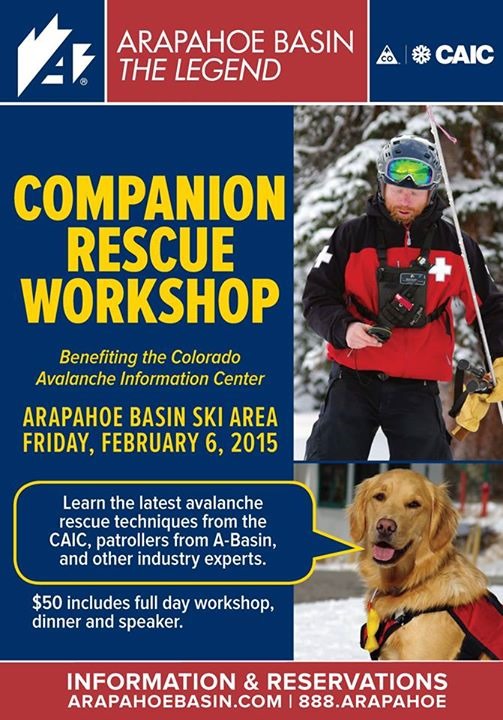
Arapahoe Basin Ski Patrol is putting on this class.
Join CAIC, A-Basin Ski Patrol and patrollers from neighboring ski areas for a day of classroom instruction and hands-on outdoor scenarios on how to make solo and group avalanche rescues.
*A Lift Ticket or Season Pass is REQUIRED for this workshop*
Price includes pasta dinner and special presentation about being prepared in the backcountry after the workshop.
Price $50.00
Companion Rescue Workshop Pasta Dinner
Pasta for everyone! Join us after the Companion Rescue Workshop for a pasta dinner and special presentation about being prepared in the backcountry in the A-Frame (vegetarian options available).
Open to everyone, even if you’re not participating in the workshop! Bring your friends and join us in the A-Frame. All proceeds go to the CAIC.
What do you think? Leave a comment.
If you like this let your friends know or post it on FB, Twitter or LinkedIn
Copyright 2015 Recreation Law (720) Edit Law
Email: Rec-law@recreation-law.com
Google+: +Recreation
Twitter: RecreationLaw
Facebook: Rec.Law.Now
Facebook Page: Outdoor Recreation & Adventure Travel Law
Blog: www.recreation-law.com
Mobile Site: http://m.recreation-law.com
By Recreation Law Rec-law@recreation-law.com James H. Moss #Authorrank
#AdventureTourism, #AdventureTravelLaw, #AdventureTravelLawyer, #AttorneyatLaw, #Backpacking, #BicyclingLaw, #Camps, #ChallengeCourse, #ChallengeCourseLaw, #ChallengeCourseLawyer, #CyclingLaw, #FitnessLaw, #FitnessLawyer, #Hiking, #HumanPowered, #HumanPoweredRecreation, #IceClimbing, #JamesHMoss, #JimMoss, #Law, #Mountaineering, #Negligence, #OutdoorLaw, #OutdoorRecreationLaw, #OutsideLaw, #OutsideLawyer, #RecLaw, #Rec-Law, #RecLawBlog, #Rec-LawBlog, #RecLawyer, #RecreationalLawyer, #RecreationLaw, #RecreationLawBlog, #RecreationLawcom, #Recreation-Lawcom, #Recreation-Law.com, #RiskManagement, #RockClimbing, #RockClimbingLawyer, #RopesCourse, #RopesCourseLawyer, #SkiAreas, #Skiing, #SkiLaw, #Snowboarding, #SummerCamp, #Tourism, #TravelLaw, #YouthCamps, #ZipLineLawyer, Colorado Avalanche Information Center, CAIC, Arapahoe Basin, A Basin, Avalanche,
Colorado Avalanche Information Center has a new Email Design: Informative and Easy to Understand
Posted: November 25, 2014 Filed under: Avalanche | Tags: avalanche, backcountry, CAIC, Colorado, Colorado Avalanche Information Center, Forecast Leave a comment
Weather Forecast for 11,000ftIssued Thursday, November 20, 2014 at 6:36 AM by Scott Toepfer
© 2008-2014 Colorado Avalanche Information Center. All rights reserved. |


7th Annual CAIC Benefit Bash Breckenridge Riverwalk Center: You Ski, You Should Be There!
Posted: November 1, 2014 Filed under: Avalanche | Tags: avalanche, backcountry, Breckenridge, CAIC, Colorado Avalance Information Center, skiing, snowboarding Leave a commentYOU ARE INVITED!
7th Annual CAIC Benefit Bash
Presented By: Backcountry Access, Voile, Weston Snowboards, Vail Resorts Epic Promise, Arc’teryx, Black Diamond, and Freeride Systems
Saturday, November 8, 2014
5 p.m. – 10 p.m.
Breckenridge Riverwalk Center
150 West Adams Ave
Breckenridge, CO 80424
Tickets: https://itkt.choicecrm.net/templates/WALK/
More info: http://avalanche.state.co.us/about-us/events/7th-annual-caic-benefit-bash/
The Friends of the CAIC are proud to host the Seventh Annual CAIC Benefit Bash, a benefit for the Colorado Avalanche Information Center (CAIC), on Friday, Nov. 8, 2014 at the Riverwalk Center in Breckenridge. Mountain enthusiasts are invited to rally together and support CAIC in their continued efforts of avalanche forecasting and education throughout Colorado. This winter kick-off staple features live music from Shakedown Street, an array of tasty food from local restaurants and incredible beer from Colorado’s own, New Belgium Brewery. Don’t miss out on the Benefit Bash’s massive silent auction, live auction and thousands of dollars worth of door prizes and giveaways.
Also, don’t forget to book your hotel rooms. Beaver Run Resort is offering discounted rates for our attendees. Rooms can be booked by calling Beaver Run group reservations at 1-800-525-2253 and mentioning the CAIC Benefit Bash.
We are looking forward to another great event!
Law firm is going after GoPro for two different ways a video camera can allegedly lead to a fatality: the camera does not kill you, using the camera kills you????
Posted: October 29, 2014 Filed under: Avalanche | Tags: avalanche, Avalanche Beacon, Camera, GoPro, helmet, Video Camera 8 CommentsNot the only ways. Better the issue is the failure to warn that doing stupid things to try and become famous might kill you?
A press release went out from a large northwestern law firm looking for people who had been injured or died wearing GoPro Cameras. The first cause of accidents targeted were accidents due to GoPro’s interfering with Avalanche Beacons. See Electronic gadgets, including video cameras interfere with Avalanche Beacons. The second was head injuries from mounting GoPro Camera’s on a helmet.
Both arguments have major flaws. The first claim that GoPro’s interfere with Avalanche Beacons is true. However, any electronic device interferes with an avalanche beacon. If your cell phone is close to your beacon and rings during a search for you, you may not be found. However, cell phones will cause less interference because a phone is shielded. Cameras, video cameras and other electronic devices have less shielding so they create more interference. Put a video camera on your chest, an MP3 Player in your pocket and a walkie-talkie on your chest and you’ll never be found.
In researching the article Electronic gadgets, including video cameras interfere with Avalanche Beacons I did not find any electronic device that stated it may interfere with a beacon. Some electronic devices said they may cause interference but it is not specific. Most state that the device meets some FCC shielding requirements.
The second major issue is allegedly helmet mounts affect the helmet’s ability to protect your head. The helmet mount issue started with a news report that the GoPro cameras mount caused the helmet being worn by Formula 1 racer Michael Schumacher led to his injuries in a skiing accident. See Michael Schumacher’s Ski Accident Brain Injury Said to Be Caused by his GoPro Helmet Cam. The mount was a stick on mount. If stick on mounts affects helmets, goggle holders, stickers and dozens of other things we attach to helmets may be subject to litigation. Supposedly, the French investigation into this did not lead to any problems.
Some helmet mounts use drilled holes into your helmet to mount cameras. GoPro has none of those on its website. (Drill a hole in your helmet?)
The article indicates the law firm does not really understand what is going on. One report suggests that the cameras may interfere not only with the transmission of the rescue signal, but also with the ability of searcher equipment to locate an avalanche victim.” Isn’t that one and the same no transmission no finds you. Besides what is the “searcher equipment?”
I think a better lawsuit might be the brain damage any video camera does to the wearer. Put on a video camera and you seem to do stupid things. Just go to YouTube.com and you’ll find hundreds of videos proving this legal theory.
See Law Firm Begins Soliciting GoPro Customers
What do you think? Leave a comment.
If you like this let your friends know or post it on FB, Twitter or LinkedIn
Copyright 2013 Recreation Law (720) Edit Law
Email: Rec-law@recreation-law.com
Google+: +Recreation
Twitter: RecreationLaw
Facebook: Rec.Law.Now
Facebook Page: Outdoor Recreation & Adventure Travel Law
Blog: www.recreation-law.com
Mobile Site: http://m.recreation-law.com
#AdventureTourism, #AdventureTravelLaw, #AdventureTravelLawyer, #AttorneyatLaw, #Backpacking, #BicyclingLaw, #Camps, #ChallengeCourse, #ChallengeCourseLaw, #ChallengeCourseLawyer, #CyclingLaw, #FitnessLaw, #FitnessLawyer, #Hiking, #HumanPowered, #HumanPoweredRecreation, #IceClimbing, #JamesHMoss, #JimMoss, #Law, #Mountaineering, #Negligence, #OutdoorLaw, #OutdoorRecreationLaw, #OutsideLaw, #OutsideLawyer, #RecLaw, #Rec-Law, #RecLawBlog, #Rec-LawBlog, #RecLawyer, #RecreationalLawyer, #RecreationLaw, #RecreationLawBlog, #RecreationLawcom, #Recreation-Lawcom, #Recreation-Law.com, #RiskManagement, #RockClimbing, #RockClimbingLawyer, #RopesCourse, #RopesCourseLawyer, #SkiAreas, #Skiing, #SkiLaw, #Snowboarding, #SummerCamp, #Tourism, #TravelLaw, #YouthCamps, #ZipLineLawyer, GoPro, Avalanche, Avalanche Beacon, Helmet, Video Camera,
First Colorado Avalanche Information Center Forecast for the 2014-15 Season. Become a member and support this group
Posted: October 9, 2014 Filed under: Avalanche, Skiing / Snow Boarding | Tags: avalanche, Colorado, National Weather Service, October, Snow, Weather forecasting, x Leave a comment
© 2008-2014 Colorado Avalanche Information Center. All rights reserved. |
13th Annual Colorado Snow and Avalanche Workshop: If you are in the ski industry in the West you need to be here!
Posted: October 2, 2014 Filed under: Avalanche | Tags: Alaska, avalanche, Breckenridge, CAIC, Colorado, Colorado Avalanche Information Center, CSAW, Friends Leave a comment13th Annual Colorado Snow and Avalanche Workshop (CSAW)

English: I took this picture on May 2006, on my way to Mount Everest base camp. Ilan Adler. (Photo credit: Wikipedia)
8 a.m. – 5 p.m.
Breckenridge Riverwalk Center
150 West Adams Ave
Breckenridge, CO 80424
Tickets: http://tinyurl.com/csawtickets2014
Join the CAIC and Friends of CAIC in Breckenridge, Colorado for this year’s Colorado Snow and Avalanche Workshop.
We have invited speakers from around Colorado and as far as Montana, Canada, and Alaska. It’s going to be a great event and we would love to see you there. You can see the full schedule here: http://tinyurl.com/csaw2014.
Register before October 13th and save on the registration fee.

A powder snow avalanche (Photo credit: Wikipedia)
Also, don’t forget to book your hotel rooms. Beaver Run Resort is offering discounted rates for our attendees. Rooms can be booked by calling Beaver Run group reservations at 1-800-525-2253 and mentioning CAIC.
We are looking forward to another great CSAW!
April is an awesome month for skiing and also an fantastic time to PARTY FOR A PURPOSE and support the CAIC!
Posted: April 10, 2014 Filed under: Avalanche, Colorado | Tags: avalanche, CAIC, Colorado, Colorado Avalanche Information Center, Fund Raiser, Loveland Ski Area Leave a commentJoin the Friends of CAIC at the below events and say “Thank You” to our avalanche forecasters for a season for hard work.
April 11th: Après in the Boat – Steamboat, CO
Featuring: Steamboat’s own – Missed the Boat
Where: Bear River Bar and Grill, Steamboat Ski Area
Tickets: $25 in advance; $30 at the door.
Ticket price includes: Bowl of Chili, 2 drink tickets, 1 door prize tickets, access to great music! Advance tickets available until April 10, 2014.
April 17th: Thank you CAIC! – Edwards, CO
E-Town: 5:30pm – 9:00pm
Hug and thank a forecaster for all their hard work this season. Join us in Edwards, Colorado for a benefit party for the CAIC. We will have a ton of gear to give away, some great food, and fantastic beer. All the money raised will go toward the Friends of CAIC Stay Informed, Stay Alive $150,000 challenge. Jump on board today!
Requested donation: $20 at the door.
April 26th: Loveland Corn Harvest – Loveland Ski Area

Join your friends for a fun day of spring skiing, lunch, music, prizes, and refreshments at this year’s Corn Harvest.
Where: Loveland Ski Area
When: April 26, 2014
Tickets: $60 (includes: Lunch, Beer, Lift Ticket, door prize ticket)
$30 – With Season Pass
More information can be found here: http://cornharvest.org/
Also, don’t forget. We are in the middle of our Stay Informed, Stay Alive $150,000 Challenge campaign. We have had tremendous support over the past few weeks. Do your part and donate now! http://www.crowdrise.com/stayinformedstayalive/fundraiser/FriendsofCAIC
What do you think? Leave a comment.
If you like this let your friends know or post it on FB, Twitter or LinkedIn
Copyright 2014 Recreation Law (720) Edit Law
Email: Rec-law@recreation-law.com
Google+: +Recreation
Twitter: RecreationLaw
Facebook: Rec.Law.Now
Facebook Page: Outdoor Recreation & Adventure Travel Law
Mobile Site: http://m.recreation-law.com
By Recreation Law Rec-law@recreation-law.com James H. Moss #Authorrank
<rel=”author” link=” https://plus.google.com/u/0/b/112453188060350225356/” />
#AdventureTourism, #AdventureTravelLaw, #AdventureTravelLawyer, #AttorneyatLaw, #Backpacking, #BicyclingLaw, #Camps, #ChallengeCourse, #ChallengeCourseLaw, #ChallengeCourseLawyer, #CyclingLaw, #FitnessLaw, #FitnessLawyer, #Hiking, #HumanPowered, #HumanPoweredRecreation, #IceClimbing, #JamesHMoss, #JimMoss, #Law, #Mountaineering, #Negligence, #OutdoorLaw, #OutdoorRecreationLaw, #OutsideLaw, #OutsideLawyer, #RecLaw, #Rec-Law, #RecLawBlog, #Rec-LawBlog, #RecLawyer, #RecreationalLawyer, #RecreationLaw, #RecreationLawBlog, #RecreationLawcom, #Recreation-Lawcom, #Recreation-Law.com, #RiskManagement, #RockClimbing, #RockClimbingLawyer, #RopesCourse, #RopesCourseLawyer, #SkiAreas, #Skiing, #SkiLaw, #Snowboarding, #SummerCamp, #Tourism, #TravelLaw, #YouthCamps, #ZipLineLawyer, CAIC, Colorado Avalanche Information Center, Colorado, Avalanche, Fund Raiser,
WordPress Tags: April,PURPOSE,CAIC,Join,Friends,events,Thank,avalanche,forecasters,Après,Boat,Steamboat,Where,Bear,River,Grill,Area,Tickets,door,Ticket,Bowl,Chili,music,Advance,Edwards,Town,forecaster,Colorado,gear,food,beer,money,Stay,Alive,Jump,donation,Loveland,Corn,Harvest,refreshments,Lunch,Lift,Season,Pass,information,Also,Challenge,fundraiser,FriendsofCAIC,Leave,Twitter,LinkedIn,Recreation,Edit,Email,Google,RecreationLaw,Facebook,Page,Outdoor,Adventure,Travel,Blog,Mobile,Site,James,Moss,Authorrank,author,AdventureTourism,AdventureTravelLaw,AdventureTravelLawyer,AttorneyatLaw,BicyclingLaw,Camps,ChallengeCourse,ChallengeCourseLaw,ChallengeCourseLawyer,CyclingLaw,FitnessLaw,FitnessLawyer,HumanPoweredRecreation,JamesHMoss,JimMoss,Negligence,OutdoorLaw,OutdoorRecreationLaw,OutsideLaw,OutsideLawyer,RecLaw,RecLawBlog,LawBlog,RecLawyer,RecreationalLawyer,RecreationLawBlog,RecreationLawcom,Lawcom,RiskManagement,RockClimbingLawyer,RopesCourse,RopesCourseLawyer,SkiAreas,SkiLaw,SummerCamp,Tourism,TravelLaw,YouthCamps,ZipLineLawyer,Center,Fund,Raiser

Update on whether Avalanches are in inherent risk of inbounds skiing reviewed by Appellate court in Colorado.
Posted: March 13, 2014 Filed under: Assumption of the Risk, Avalanche, Colorado, Ski Area, Skiing / Snow Boarding | Tags: avalanche, Colorado, Colorado Supreme Court, Inbounds, Inbounds Avalanche, Intawest, IntraWest Winter Park Operations Corporation, Ski Resort, Winter Park, Winter Park Ski Area Leave a commentFor background on the issues see Issue of whether avalanches are an inherent risk of skiing in Colorado headed for appeal. Even with this decision, this issue I am still betting will head to the Supreme Court of Colorado.
The first case in the two avalanche deaths that occurred several years ago inbound at ski areas has reached the appellate level. The court in Fleury v. IntraWest Winter Park Operations Corporation, 2014 Colo. App. LEXIS 242 held for the ski area stating that the Colorado Ski Safety Act included in its terms of inherent risks Avalanches.
For that reason, because an appeal is probably forthcoming and the time for filing for an appeal has just started to run, I’ll not review the case at this time.
If the case is not appealed…
To read the decision see Fleury v. IntraWest Winter Park Operations Corporation, 2014 Colo. App. LEXIS 242
What do you think? Leave a comment.
If you like this let your friends know or post it on FB, Twitter or LinkedIn
Copyright 2014 Recreation Law (720) Edit Law
Email: Rec-law@recreation-law.com
Google+: +Recreation
Twitter: RecreationLaw
Facebook: Rec.Law.Now
Facebook Page: Outdoor Recreation & Adventure Travel Law
Mobile Site: http://m.recreation-law.com
By Recreation Law Rec-law@recreation-law.com James H. Moss #Authorrank
<rel=”author” link=” https://plus.google.com/u/0/b/112453188060350225356/” />
#RecreationLaw, #Recreation-Law.com, #OutdoorLaw, #OutdoorRecreationLaw, #AdventureTravelLaw, #law, #TravelLaw, #JimMoss, #JamesHMoss, #Tourism, #AdventureTourism, #Rec-Law, #RiskManagement, #CyclingLaw, #BicyclingLaw, #FitnessLaw, #Recreation-Law.com, #Backpacking, #Hiking, #Mountaineering, #IceClimbing, #RockClimbing, #RopesCourse, #ChallengeCourse, #SummerCamp, #Camps, #YouthCamps, #Skiing, #Ski Areas, #Negligence, #Snowboarding, #RecreationLaw, #@RecreationLaw, #Cycling.Law, #SkiLaw, #Outside.Law, #Recreation.Law, #RecreationLaw.com, #OutdoorLaw, #RecreationLaw, #OutdoorRecreationLaw, #AdventureTravelLaw, #Law, #TravelLaw, #JimMoss, #JamesHMoss, #AttorneyatLaw, #Tourism, #AdventureTourism, #RecLaw, #RecLawBlog, #RecreationLawBlog, #RiskManagement, #HumanPowered, #HumanPoweredRecreation,# CyclingLaw, #BicyclingLaw, #FitnessLaw, #RecreationLaw.com, #Backpacking, #Hiking, #Mountaineering, #IceClimbing, #RockClimbing, #RopesCourse, #ChallengeCourse, #SummerCamp, #Camps, #YouthCamps, #Skiing, #Ski Areas, #Negligence, #Snowboarding, sport and recreation laws, ski law, cycling law, Colorado law, law for recreation and sport managers, bicycling and the law, cycling and the law, ski helmet law, skiers code, skiing accidents, Recreation Lawyer, Ski Lawyer, Paddlesports Lawyer, Cycling Lawyer, Recreational Lawyer, Fitness Lawyer, Rec Lawyer, Challenge Course Lawyer, Ropes Course Lawyer, Zip Line Lawyer, Rock Climbing Lawyer, Adventure Travel Lawyer, Outside Lawyer, Recreation Lawyer, Ski Lawyer, Paddlesports Lawyer, Cycling Lawyer, #RecreationalLawyer, #FitnessLawyer, #RecLawyer, #ChallengeCourseLawyer, #RopesCourseLawyer, #ZipLineLawyer, #RockClimbingLawyer, #AdventureTravelLawyer, #OutsideLawyer, Good Samaritan, Samaritan, First Aid, Winter Park Ski Area, Winter Park, Intawest, Avalanche, Inbounds, Inbounds Avalanche,
WordPress Tags: Update,Avalanches,Appellate,Colorado,Issue,decision,Supreme,Court,avalanche,deaths,areas,Fleury,IntraWest,Winter,Park,Operations,Corporation,Colo,LEXIS,area,Leave,Twitter,LinkedIn,Recreation,Edit,Email,Google,RecreationLaw,Facebook,Page,Outdoor,Adventure,Travel,Blog,Mobile,Site,James,Moss,Authorrank,author,OutdoorLaw,OutdoorRecreationLaw,AdventureTravelLaw,TravelLaw,JimMoss,JamesHMoss,Tourism,AdventureTourism,RiskManagement,CyclingLaw,BicyclingLaw,FitnessLaw,RopesCourse,ChallengeCourse,SummerCamp,Camps,YouthCamps,Negligence,SkiLaw,Outside,AttorneyatLaw,RecLaw,RecLawBlog,RecreationLawBlog,HumanPoweredRecreation,managers,helmet,accidents,Lawyer,Paddlesports,Recreational,Challenge,Course,Ropes,Line,Rock,RecreationalLawyer,FitnessLawyer,RecLawyer,ChallengeCourseLawyer,RopesCourseLawyer,ZipLineLawyer,RockClimbingLawyer,AdventureTravelLawyer,OutsideLawyer,Samaritan,Intawest,Inbounds,whether
Friends of CAIC Launches $150,000 fundraising campaign
Posted: March 7, 2014 Filed under: Avalanche, Colorado | Tags: avalanche, CAIC, Colorado, Colorado Avalanche, Colorado Avalanche Information Center Leave a commentHi There,
We have had 7 fatalities thus far this season including the most recent, which happened yesterday in Southern Colorado. Our sincerest condolences go out to the family and friends of the victim. Numerous accidents have happened throughout Colorado and we recently saw an avalanche cycle that was one of the largest in 30 years. It has been and continues to be a very busy season.
The Colorado Avalanche Information Center’s Backcountry Avalanche Forecasting program is small but mighty. The CAIC operates on limited funding and they do incredible work with what they have. Colorado is a very big place and there are more and more people enjoying the State’s spectacular winter backcountry each year. We deserve the best avalanche center in the country. To achieve this goal we need everyone’s support. The State of Colorado is incredibly supportive and has increased the CAIC’s funding. But to really grow, we need you involved. This private public partnership is the best way we can expand the CAIC’s backcountry forecast program and I am personally asking you to support avalanche forecasting and education throughout the State of Colorado. In fact, to show how strongly I feel about the CAIC’s backcountry forecasting program, I will kick off the campaign with my own $200 donation.
Starting today and for the next 7 weeks the Friends of CAIC will be offering prizes, challenges, and incentives, to anyone who donates $25 or more. Click here for more information or to DONATE NOW!
We will be accepting donations in the following ways:
Donate on Crowdrise.com.http://www.crowdrise.com/stayinformedstayalive/
(Remember you don’t have to pay the “Optional Processing Fee”. Click on the text and select 0%.)
Mail us a check: PO BOX 140817 Denver, CO 80214
Donate ONLINE on our website: http://friendsofcaic.org
Hand us cash!
We are looking forward to your help in this campaign.
Sincerely,
Aaron Carlson
Executive Director
Friends of CAIC
Ethan Greene
Director
Colorado Avalanche Information Center
=

It’s that time of year again. Support your local Avalanche Information Group
Posted: November 26, 2013 Filed under: Avalanche | Tags: avalanche, CAIC, Colorado Avalanche Information Center Leave a comment |
Morning Backcountry Weather Forecast |
 |
|
||||||||||||||||||||||||||||||||||||||||||||||||||||||||||||||||||||||||||||||||||||||||||||||||||||||||||||||||||||||||||||||||||||||||||||||||||||||||||||||||||||||||||||||||||||||||||||||||||||||||||||||||||||||||||||||||||||||||||||||||||||||||||||||||||||||||||
| © 2008 – 2013 Colorado Avalanche Information Center. All rights reserved. Powered by Weatherflow. |
=
Theo Meiners Avalanche Research Grants
Posted: November 19, 2013 Filed under: Avalanche | Tags: avalanche, Backcountry skiing, Grants, Ski Leave a comment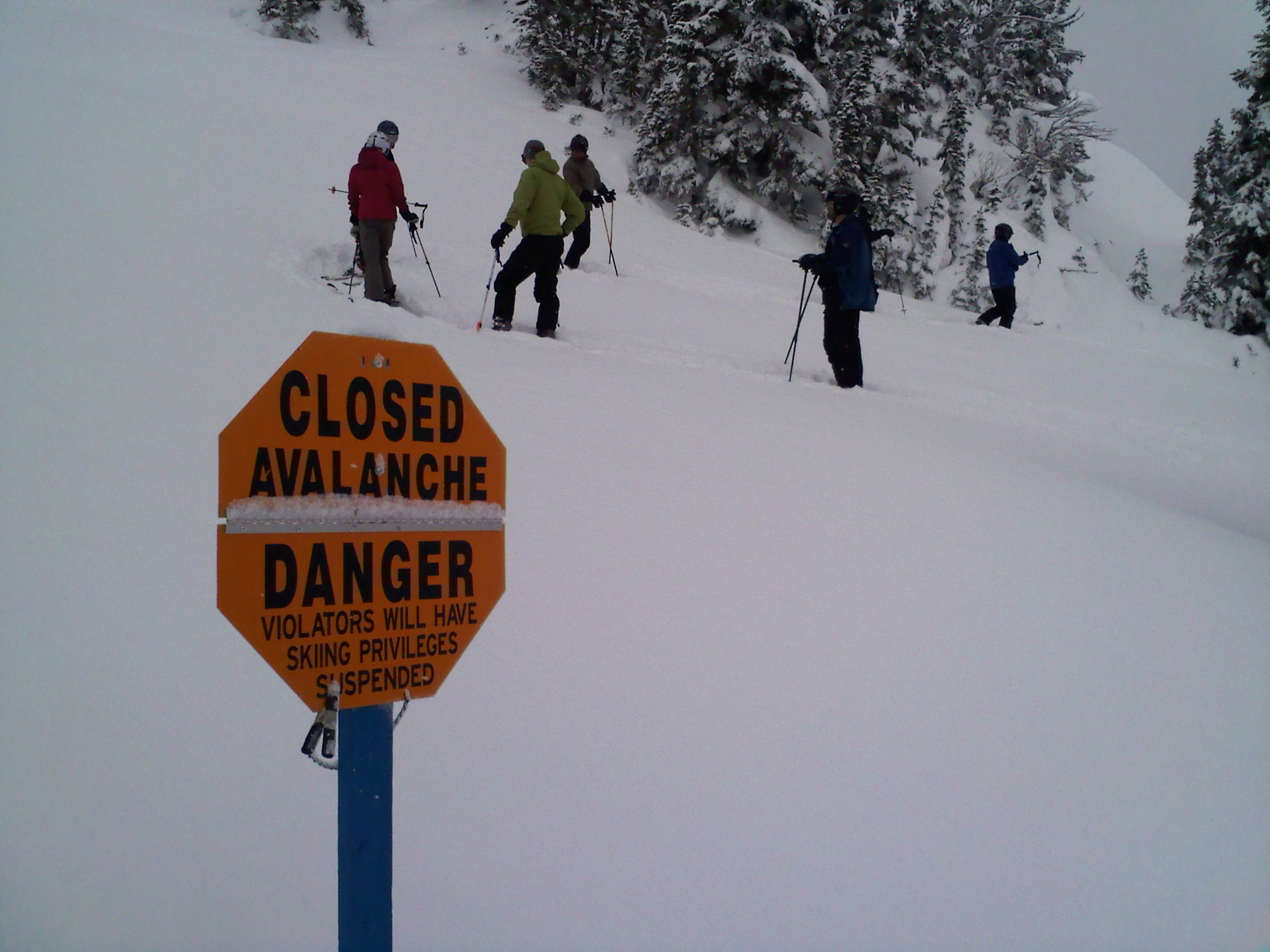
In honor of Theo Meiners’ tireless efforts to support avalanche research prior to his passing in the fall of 2012, new funding is available to support avalanche research projects. The International Snow Science Workshop 2012 has teamed with John Byrne III, the owner of Alyeska Resort, to offer two separate grants of $2,500 each during the fall of 2013, and two additional grants of $2,500 during the fall of 2014. These funds will be administered by the American Avalanche Association grants process.
Applications for the research grants must be submitted by November 30, 2013 with the awards being disseminated by December 31, 2013. The same dates will apply for the 2014 grants.
One of the two grants, the “research” grant, can be applied to basic research projects in avalanche behavior or modeling. The other “practical” grant will be awarded to a practitioner project with an emphasis on a subject that would be relevant to helicopter skiing.
Applicants should describe their proposed project, identify the need for grant funding as well as where the funding would be applied, and present a proposed timeline. All grant recipients will be required to submit a paper for presentation at the International Snow Science Workshop. For 2013 recipients they will be required to submit for Banff in 2014. Grant recipients in 2014 will be required to submit for Breckenridge in 2016.
Inquiries about the grants and appropriate projects can be directed to David Hamre at hamred or 907-223-9590
Applications can be submitted by downloading the form and emailing your application to the Chair of the AAA Research Committee (Jordy Hendrikx: jordy.hendrikx).
For more information refer to:
http://www.americanavalancheassociation.org/grants_research.php
Smart Phone based avalanche transceivers don’t work
Posted: November 7, 2013 Filed under: Avalanche, Skiing / Snow Boarding | Tags: avalanche, Avalanche Beacon, Bluetooth, Burial, Canadian Avalanche Center, Canadian Avalanche Centre, GPS, Smart Phone, Transceiver, WiFi Leave a commentCanadian Avalanche Centre research shows several problems.
There are currently three different Apps that say they work as avalanche transceivers on your smart phone. All are from Europe. All three of them have major problems that make relying on them for an avalanche resource dangerous.
The Canadian Avalanche Centre has researched the apps and determined the following:
· The apps can only connect to an identical app.
· The apps cannot be used to find any other avalanche beacon
· The apps cannot be used to find other avalanche apps
· These apps have limited range
· These apps are not effective in transmitting through snow or debris
· These apps reflect off objects giving false readings
· The apps rely on WiFi and Bluetooth to work which do not transmit through snow
· The GPS readings are not accurate, and can be off by several meters.
Consequently this limits the value of these apps to just the wrong side of worthless. Besides how many of you ski or board in avalanche country with WiFi or a cell signal?
See: Canadian Avalanche Centre Warns Backcountry Users About New Smartphone Apps
For a more in-depth study see: CAC Reviews Smartphone avalanche search apps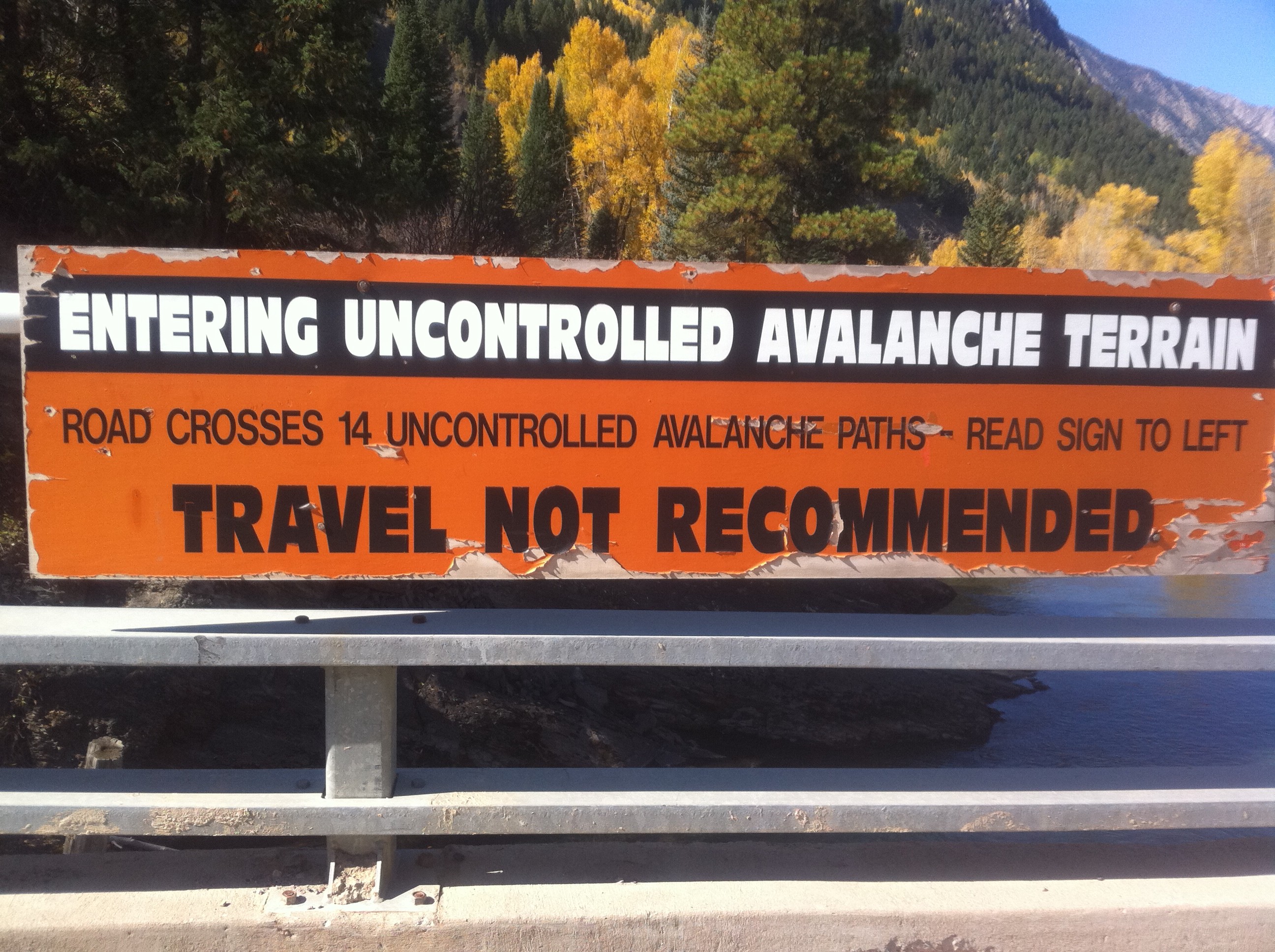
What do you think? Leave a comment.
If you like this let your friends know or post it on FB, Twitter or LinkedIn
Copyright 2013 Recreation Law (720) Edit Law
Email: Rec-law@recreation-law.com
Google+: +Recreation
Twitter: RecreationLaw
Facebook: Rec.Law.Now
Facebook Page: Outdoor Recreation & Adventure Travel Law
Mobile Site: http://m.recreation-law.com
By Recreation Law Rec-law@recreation-law.com James H. Moss #Authorrank
<rel=”author” link=” https://plus.google.com/u/0/b/112453188060350225356/” />
#RecreationLaw, #Recreation-Law.com, #OutdoorLaw, #OutdoorRecreationLaw, #AdventureTravelLaw, #law, #TravelLaw, #JimMoss, #JamesHMoss, #Tourism, #AdventureTourism, #Rec-Law, #RiskManagement, #CyclingLaw, #BicyclingLaw, #FitnessLaw, #Recreation-Law.com, #Backpacking, #Hiking, #Mountaineering, #IceClimbing, #RockClimbing, #RopesCourse, #ChallengeCourse, #SummerCamp, #Camps, #YouthCamps, #Skiing, #Ski Areas, #Negligence, #Snowboarding, #RecreationLaw, #@RecreationLaw, #Cycling.Law, #SkiLaw, #Outside.Law, #Recreation.Law, #RecreationLaw.com, #OutdoorLaw, #RecreationLaw, #OutdoorRecreationLaw, #AdventureTravelLaw, #Law, #TravelLaw, #JimMoss, #JamesHMoss, #AttorneyatLaw, #Tourism, #AdventureTourism, #RecLaw, #RecLawBlog, #RecreationLawBlog, #RiskManagement, #HumanPowered, #HumanPoweredRecreation,# CyclingLaw, #BicyclingLaw, #FitnessLaw, #RecreationLaw.com, #Backpacking, #Hiking, #Mountaineering, #IceClimbing, #RockClimbing, #RopesCourse, #ChallengeCourse, #SummerCamp, #Camps, #YouthCamps, #Skiing, #Ski Areas, #Negligence, #Snowboarding, sport and recreation laws, ski law, cycling law, Colorado law, law for recreation and sport managers, bicycling and the law, cycling and the law, ski helmet law, skiers code, skiing accidents, Recreation Lawyer, Ski Lawyer, Paddlesports Lawyer, Cycling Lawyer, Recreational Lawyer, Fitness Lawyer, Rec Lawyer, Challenge Course Lawyer, Ropes Course Lawyer, Zip Line Lawyer, Rock Climbing Lawyer, Adventure Travel Lawyer, Outside Lawyer, Recreation Lawyer, Ski Lawyer, Paddlesports Lawyer, Cycling Lawyer, #RecreationalLawyer, #FitnessLawyer, #RecLawyer, #ChallengeCourseLawyer, #RopesCourseLawyer, #ZipLineLawyer, #RockClimbingLawyer, #AdventureTravelLawyer, #OutsideLawyer, Good Samaritan, Samaritan, First Aid, Avalanche, Avalanche Beacon, Transceiver, Burial, Canadian Avalanche Centre, Canadian Avalanche Center, Smart Phone, GPS, WiFi, Bluetooth, Burial,
WordPress Tags: Smart,avalanche,Canadian,Centre,Apps,Europe,resource,beacon,debris,readings,WiFi,Bluetooth,meters,Besides,cell,Warns,Backcountry,Users,About,depth,Reviews,Leave,Twitter,LinkedIn,Recreation,Edit,Email,Google,RecreationLaw,Facebook,Page,Outdoor,Adventure,Travel,Blog,Mobile,Site,James,Moss,Authorrank,author,OutdoorLaw,OutdoorRecreationLaw,AdventureTravelLaw,TravelLaw,JimMoss,JamesHMoss,Tourism,AdventureTourism,RiskManagement,CyclingLaw,BicyclingLaw,FitnessLaw,RopesCourse,ChallengeCourse,SummerCamp,Camps,YouthCamps,Areas,Negligence,SkiLaw,Outside,AttorneyatLaw,RecLaw,RecLawBlog,RecreationLawBlog,HumanPoweredRecreation,Colorado,managers,helmet,accidents,Lawyer,Paddlesports,Recreational,Challenge,Course,Ropes,Line,Rock,RecreationalLawyer,FitnessLawyer,RecLawyer,ChallengeCourseLawyer,RopesCourseLawyer,ZipLineLawyer,RockClimbingLawyer,AdventureTravelLawyer,OutsideLawyer,Samaritan,Transceiver,Burial,Center,transceivers,three
American Avalanche Association: AVPRO course location and dates
Posted: October 25, 2013 Filed under: Youth Camps, Zip Line | Tags: American Avalanche Association, avalanche, skiing, snowboarding Leave a comment
|
||||||||||||||||||||||||||||||

Updates from the Mammut Barryvox Avalanche Beacon
Posted: September 24, 2013 Filed under: Avalanche, Ski Area, Skiing / Snow Boarding | Tags: avalanche, Avalanche Beacon, backcountry, Backcountry skiing, Barryvox, Barryvox Mammut, Mammut, skiing Leave a comment |
|||||||||||||||||||||||||||||||||||||||||||||||||||||||||||||||||
|


American Avalanche Association Job Openings
Posted: May 23, 2013 Filed under: Skiing / Snow Boarding | Tags: American Avalanche Association, avalanche, backcountry, Colorado, Colorado Avalanche, Colorado Avalanche Information Center, Job, Loveland Pass, skiing, Sports, United States Leave a comment
The American Avalanche Association is currently seeking persons to fill two vacancies on AAA’s Management Team: Executive Director and AVPRO Course Coordinator. AVPRO is the AAA’s Professional Avalanche Worker School. Both positions are part-time paid positions.
The Executive Director runs the daily operations of the AAA and provides support to all AAA committees and The Avalanche Review. Additionally, the Director represents the AAA at avalanche industry events such as the ISSW, NAS, and regional meetings and seminars. This is a part-time year round position. Qualified individuals need not be AAA Members.
The AVPRO Course Coordinator is responsible for all aspects of scheduling and planning one to two AVPRO course per winter. Candidates must be AAA Professional Members and AAA Certified Instructors or have the required experience to become a Certified Instructor.
Complete position descriptions can be found on the AAA Employment Page at this link; http://www.avalanche.org/employment.php
Thank you, the AAA Governing Board
NW Avalanche Center 2012-13 Newsletter #03
Posted: May 21, 2013 Filed under: Avalanche, Skiing / Snow Boarding | Tags: avalanche, Colorado, Colorado Avalanche, Colorado Avalanche Information Center, Facebook, Loveland Pass, Ski, skiing, Snowboard Leave a comment
|

 – Friend us
 – Like us
 – Follow us


 Recreation Law