
Scott-Moncrieff v. Lost Trails, LLC, 2018 U.S. Dist. LEXIS 146936; 2018 WL 4110742
Posted: October 28, 2019 Filed under: Activity / Sport / Recreation, Legal Case, Pennsylvania, Release (pre-injury contract not to sue) | Tags: activities, adhesion, Assumption of risk, conspicuity, enforceable, Exculpatory Agreement, Exculpatory clause, font, genuine issue, Gym, initialed, intent of a party, legal right, Lost Trails, Lost Trails LLC, material fact, Membership, minor child, non-moving, parties, recreational activity, Release, requirements, ride, rushed, signing, Sports, Summary judgment, summary judgment motion, ticket, Trails, Waiver, waiver form Leave a comment
Scott-Moncrieff v. Lost Trails, LLC
, 2018 U.S. Dist. LEXIS 146936 *; 2018 WL 4110742
United States District Court for the Middle District of Pennsylvania
August 29, 2018, Decided; August 29, 2018, Filed
CIVIL ACTION NO. 3:16-CV-1105
2018 U.S. Dist. LEXIS 146936 *; 2018 WL 4110742
PATRICE SCOTT-MONCRIEFF, Plaintiff v. THE LOST TRAILS, LLC, et al, Defendants
Subsequent History: Appeal filed, 09/13/2018
Counsel: [*1] For Patrice Scott-Moncrieff, Plaintiff: James W. Sutton, III, LEAD ATTORNEY, LAW OFFICES OF VIASAC & SHMARUK, FEASTERVILLE, PA.
For The Lost Trails, LLC, d/b/a Lost Trails ATV Adventures, Defendant, Cross Claimant, Cross Defendant: John T. McGrath, Jr., Marshall, Dennehey, Warner, Coleman & Goggin, Scranton, PA; Michael J. Connolly, Moosic, PA.
Judges: KAROLINE MEHALCHICK, United States Magistrate Judge.
Opinion by: KAROLINE MEHALCHICK
MEMORANDUM OPINION
Before the Court is a motion for summary judgment filed by Defendant, The Lost Trails, LLC (“Lost Trails”) in this matter. The motion (Doc. 50) was filed on November 14, 2017, together with a brief in support (Doc. 52), and Statement of Facts (Doc. 53). Plaintiff, Patrice Scott-Moncrieff, filed a brief in opposition (Doc. 54) on November 28, 2017, a reply brief (Doc. 55) was filed on December 6, 2017, and a sur reply brief (Doc. 62) was filed on January 17, 2018. This motion is ripe for disposition. For the following reasons, the Court will grant the motion for summary judgment.
I. Factual Background and Procedural History
The factual background is taken from Defendant’s Statements of Undisputed Material Facts (Doc. 53). Where the parties dispute certain facts, [*2] those disputes are noted. In addition, the facts have been taken in the light most favorable to the plaintiff as the non-moving party, with all reasonable inferences drawn in her favor. This is in accordance with the Local Rules of this Court, which state, in pertinent part, as follows:
LR 56.1 Motions for Summary Judgment.
A motion for summary judgment filed pursuant to Fed.R.Civ.P.56, shall be accompanied by a separate, short and concise statement of the material facts, in numbered paragraphs, as to which the moving party contends there is no genuine issue to be tried.
The papers opposing a motion for summary judgment shall include a separate, short and concise statement of the material facts, responding to the numbered paragraphs set forth in the statement required in the foregoing paragraph, as to which it is contended that there exists a genuine issue to be tried.
Statements of material facts in support of, or in opposition to, a motion shall include references to the parts of the record that support the statements.
All material facts set forth in the statement required to be served by the moving party will be deemed to be admitted unless controverted by the statement required to be served by the opposing [*3] party.
Local Rule 56.1 (emphasis added).
To comply with Local Rule 56.1, Plaintiff should (1) clearly and unequivocally admit or deny whether each fact contained in Defendant’s statement of facts is undisputed and/or material, (2) set forth the basis for any denial if any fact is not admitted in its entirety, and (3) provide a citation to the record that supports any such denial. Occhipinti v. Bauer, No. 3:13-CV-1875, 2016 U.S. Dist. LEXIS 136082, 2016 WL 5844327, at *3 (M.D. Pa. Sept. 30, 2016); Park v. Veasie, 2011 U.S. Dist. LEXIS 50682, 2011 WL 1831708, *4 (M.D. Pa. 2011). As such, where Plaintiff disputes a fact set forth by Defendant, but fails to provide a citation to the record supporting their denial, that fact will be deemed to be admitted. “Unsupported assertions, conclusory allegations, or mere suspicions” are insufficient to overcome a motion for summary judgment. Schaar v. Lehigh Valley Health Servs., Inc., 732 F.Supp.2d 490, 493 (E.D.Pa. 2010). In this matter, Plaintiff, though including a statement of fact in her brief in opposition to Defendant’s motion for summary judgment (Doc. 54), does not comply with the local rules and submit a separate statement of material facts in opposition to Defendant’s statement of material facts. Notably, despite being given the opportunity to file a sur-reply brief in this matter, after Defendant raises the issue of Plaintiff’s failure to file a statement of facts in its Reply Brief (Doc. 55), Plaintiff still [*4] did not file a separate statement of fact. As such, the facts set forth in Defendant’s statement of material facts will be deemed admitted.
On October 20, 2013, Plaintiff visited Defendant’s ATV facility for the first time and, prior to using the facility, executed a waiver of liability. (Doc. 50-2, at 4-5; DOC. 53, AT ¶¶ 5, 9). Plaintiff did not read the waiver in its entirety prior to signing it, and claims she was rushed during the process. (Doc. 53, at ¶ 7; Doc. 50-2, at 71). On June 22, 2014, Plaintiff returned to the facility, at which time she alleged suffered injuries when she was thrown from the ATV she was riding. (Doc. 1).
The release from liability signed by Plaintiff on October 20, 2013 reads, in pertinent part, as follows:
In consideration for the opportunity for event participation and utilization of general admission, all facilities, equipment and premises of Lost Trails, LLC (LT), North American Warhorse Inc, (NAW) Theta Land Corp. (TLC), 1000 Dunham Drive LLC (DD), and their respective affiliates, members, agents, employees, heirs and assigns and other associates in furtherance of the sport of Off-Road Riding, racing and any other activities, scheduled or unscheduled, [*5] (hereinafter collectively called “Off-Roading.”) This Waiver shall commence on the date first signed and shall remain binding for all time thereafter.
By signing this document, I hereby understand and agree for me and/or my minor child to this Release of Liability, Wavier of Legal rights and Assumption of Risk and to the terms hereof as follows:
2. I hereby RELEASE AND DISCHARGE LT, NAW, TLC, DD and all related parties, event volunteers, company officers, directors, elected officials, agents, employees, and owners of equipment, the land used for Off-Roading activities and any owners of adjourning lands to the premises (hereinafter collectively referred to as “Released parties”) from any and all liability claims, demands or causes of action that I, my minor child or my representatives and my heirs may hereafter have for injuries, loss of life, and all other forms of damages arising out of my voluntary participation in Off-Roading activities.
3. I understand and acknowledge that Off-Road riding and racing activities have inherent dangers that no amount of care, caution, instruction or expertise can eliminate and I EXPRESSLY AND VOLUNTARILY ASSUME ALL RISK OF DEATH OR PERSONAL INJURY [*6] OR OTHER FORMS OF DAMAGES SUSTAINED WHILE PARTICIPATING IN OFF-ROADING ACTIVITIES WHETHER OR NOT CAUSED BY THE NEGLIGENCE OF THE RELEASE PARTIES.
4. I further agree that I WILL NOT SUE OR OTHERWISE MAKE A CLAIM on behalf of me and/or on behalf of my minor child, against the Released Parties for damages or other losses sustained as a result of my participation in Off-Roading activities.
5. I also agree to INDEMNIFY AND HOLD THE RELEASED PARTIES HARMLESS from all claims, judgments and costs, including attorneys’ fees, incurred in the connection with any action brought against them, jointly or severally, as a result of my or my minor child’s participation in “Off-Roading” activities.
6. I take full responsibility for, and hold harmless Released Parties for any injury, property damage, or death that I or my minor child may suffer or inflict upon others .or their property as a result of my engaging in Off-Roading activities.
7. I further represent that I am at least 18 years of age, or that as the parent or (adult) legal guardian, I waive and release any and all legal rights that may accrue to me, to my minor child or to the minor child for whom I am (adult) legal guardian, as the result of [*7] any injury or damage that my minor child, the minor child for whom I am (adult) legal guardian, or I may suffer while engaging in Off-Roading activities.
8. I hereby expressly recognize that this Release of Liability, Waiver of Legal Rights and Assumption of Risks is a contract pursuant to which I have released any and all claims against the Released Parties resulting from participation in Off-Roading activities including any claims related to the negligence of the Released Parties by any of the undersigned.
9. I further expressly agree that the foregoing Release of Liability, Waiver of Legal Rights and Assumption of Risks is intended to be as broad and inclusive as is permitted by law of the province or state in which services, materials and/or equipment are provided and the course of business is conducted, and that if any portion thereof is held invalid, it is agreed that the balance shall, notwithstanding, continue in full legal force and effect. I agree that, should any claim or action arise from my participation as described herein, including any issue as to the applicability of this Release or any provision contained within it, proper Jurisdiction and Venue will lie only in Monroe [*8] County, Pennsylvania and I waive Jurisdiction and Venue anywhere else.
Plaintiff initialed all of the above provisions. She did not initial paragraph 10 on the next page, however, which states as follows:
l0. Having had ample time and opportunity to raise any concerns or questions that I may have, and having read and understood the information, I certify my acceptance of the aforementioned provisions by signing below.
I am in good health and physical condition. I am voluntarily participating with knowledge that dangers are involved and agree to assume all risks. I also understand that if I am injured or become ill, I agree that Lost Trails LLC, or any of its employees, volunteers or guests will not be held liable should they render medical assistance to me or my minor child.
Despite not specifically initialing paragraph 10, Plaintiff did sign the agreement, indicating her acceptance and understanding of the exculpatory clauses. (Doc. 54-1).
II. Legal Standard
Under Rule 56 of the Federal Rules of Civil Procedure, summary judgment should be granted only if “there is no genuine dispute as to any material fact and the movant is entitled to judgment as a matter of law.” Fed. R. Civ. P. 56(a). A fact is “material” only [*9] if it might affect the outcome of the case. Anderson v. Liberty Lobby, Inc., 477 U.S. 242, 248, 106 S. Ct. 2505, 91 L. Ed. 2d 202 (1986). A dispute of material fact is “genuine” if the evidence “is such that a reasonable jury could return a verdict for the non-moving party.” Anderson, 477 U.S. at 248. In deciding a summary judgment motion, all inferences “should be drawn in the light most favorable to the non-moving party, and where the non-moving party’s evidence contradicts the movant’s, then the non-movant’s must be taken as true.” Pastore v. Bell Tel. Co. of Pa., 24 F.3d 508, 512 (3d Cir. 1994).
A federal court should grant summary judgment “if the pleadings, depositions, answers to interrogatories, and admissions on file, together with the affidavits, if any, show that there is no genuine issue as to any material fact and that the moving party is entitled to a judgment as a matter of law.” Farrell v. Planters Lifesavers Co., 206 F.3d 271, 278 (3d Cir. 2000). In deciding a motion for summary judgment, the court’s function is not to make credibility determinations, weigh evidence, or draw inferences from the facts. Anderson, 477 U.S. at 249. Rather, the court must simply “determine whether there is a genuine issue for trial.” Anderson, 477 U.S. at 249.
The party seeking summary judgment “bears the initial responsibility of informing the district court of the basis for its motion,” and demonstrating the absence of a genuine dispute of any material fact. Celotex Corp. v. Catrett, 477 U.S. 317, 323, 106 S. Ct. 2548, 91 L. Ed. 2d 265 (1986). If the movant makes [*10] such a showing, the non-movant must go beyond the pleadings with affidavits or declarations, answers to interrogatories or the like in order to demonstrate specific material facts which give rise to a genuine issue. Fed. R. Civ. P. 56(c); Celotex, 477 U.S. at 324. The non-movant must produce evidence to show the existence of every element essential to its case, which it bears the burden of proving at trial, because “a complete failure of proof concerning an essential element of the nonmoving party’s case necessarily renders all other facts immaterial.” Celotex, 477 U.S. at 323. Furthermore, mere conclusory allegations and self-serving testimony, whether made in the complaint or a sworn statement, cannot be used to obtain or avoid summary judgment when uncorroborated and contradicted by other evidence of record. See Lujan v. Nat’l Wildlife Fed’n, 497 U.S. 871, 888, 110 S. Ct. 3177, 111 L. Ed. 2d 695 (1990); see also Thomas v. Delaware State Univ., 626 F. App’x 384, 389 n.6 (3d Cir. 2015) (not precedential) (“[U]nsupported deposition testimony, which is contradicted by the record, is insufficient to defeat summary judgment.”); NLRB v. FES, 301 F.3d 83, 95 (3d Cir. 2002) (“[The plaintiff’s] testimony . . . amounts to an unsupported, conclusory assertion, which we have held is inadequate to satisfy the movant’s burden of proof on summary judgment.”).
As this jurisdiction of this Court is sounded in the diversity of the parties pursuant to 28 U.S.C. § 1332(a), Pennsylvania substantive [*11] law will apply. Erie R. Co. v. Tompkins, 304 U.S. 64, 58 S.Ct. 817, 82 L.Ed. 1188 (1938).
III. Discussion
Defendant submits that it is entitled to judgment in its favor because Plaintiff executed a valid waiver of all liability prior to ever engaging in any recreational activities on Defendant’s property; because such releases and waivers are recognized under Pennsylvania law; and because within the waiver, Plaintiff specifically acknowledged that she was assuming all of the risks associated with these activities. (Doc. 52, at 2). In response, Plaintiff argues that Plaintiff did not sign a waiver on the date of the accident, and therefore did not waive any liability or assume any risk; that she was rushed and unable to read the original waiver in its entirety; that the waiver is unenforceable as not properly conspicuous; and finally, that because the earlier waiver signed by Plaintiff was “for all time thereafter” it should not be enforced. (Doc. 54).
A. The Exculpatory Clause is Valid
An exculpatory clause is valid if the following conditions are met: 1) the clause does not contravene public policy; 2) the contract is between parties relating entirely to their own private affairs; and 3) the contract is not one of adhesion. Evans v. Fitness & Sports Clubs, LLC, No. CV 15-4095, 2016 U.S. Dist. LEXIS 133490, 2016 WL 5404464, at *3 (E.D. Pa. Sept. 28, 2016); [*12]
Topp Copy Prods., Inc. v. Singletary, 533 Pa. 468, 626 A.2d 98, 99 (Pa. 1993). A valid exculpatory clause is only enforceable if “the language of the parties is clear that a person is being relieved of liability for his own acts of negligence.” Id. A waiver of liability violates public policy only if it involves “a matter of interest to the public or the state. Such matters of interest to the public or the state include the employer-employee relationship, public service, public utilities, common carriers, and hospitals.” Seaton v. E. Windsor Speedway, Inc., 400 Pa. Super. 134, 582 A.2d 1380, 1382 (Pa. Super. Ct. 1990); see also Kotovsky v. Ski Liberty Operating Corp., 412 Pa. Super. 442, 603 A.2d 663, 665 (Pa. Super. Ct. 1992). The exculpatory clause at issue in this case does not contravene public policy because it does not affect a matter of interest to the public or the state. See Kotovsky, 603 A.2d at 665-66 (holding that releases did not violate public policy because “[t]hey were [in] contracts between private parties and pertained only to the parties’ private rights. They did not in any way affect the rights of the public.”). Thus, the exculpatory clause meets the first two prongs of the Topp Copy standard for validity.
The contract meets the third prong of the Topp Copy validity standard because it is not a contract of adhesion. Agreements to participate in “voluntary sporting or recreational activities” are not contracts of adhesion because “[t]he signer is a free agent [*13] who can simply walk away without signing the release and participating in the activity, and thus the contract signed under such circumstances is not unconscionable.” Chepkevich v. Hidden Valley Resort, L.P., 607 Pa. 1, 2 A.3d 1174, 1190-91 (Pa. 2010). “The signer is under no compulsion, economic or otherwise, to participate, much less to sign the exculpatory agreement, because it does not relate to essential services, but merely governs a voluntary recreational activity.” Id. The Agreement at issue here is not a contract of adhesion because it is a contract to participate in voluntary recreational activities. The Agreement does not relate to an essential service, and Plaintiff was free to engage in the activity, or not, as she wished. She was under no compulsion to do so. See Chepkevich, supra; see also Hinkal v. Pardoe, 2016 PA Super 11, 133 A.3d 738, 741-2 (Pa. Super. Ct. 2016) (en banc), appeal denied, 636 Pa. 650, 141 A.3d 481 (Pa. 2016) (citing the “thorough and well-reasoned opinion” of the trial court, which held that the plaintiff’s gym membership agreement was not a contract of adhesion because exercising at a gym is a voluntary recreational activity and the plaintiff was under no compulsion to join the gym). The Agreement meets all three prongs of the Topp Copy standard for validity, and thus the exculpatory clause is facially valid.
B. The Exculpatory Clause is Enforceable
Even if an exculpatory clause is [*14] facially valid, it is enforceable only if it clearly relieves a party of liability for its own negligence. Evans v. Fitness & Sports Clubs, LLC, No. CV 15-4095, 2016 U.S. Dist. LEXIS 133490, 2016 WL 5404464, at *5 (E.D. Pa. Sept. 28, 2016). The following standards guide a court’s determination of the enforceability of an exculpatory clause:
1) the contract language must be construed strictly, since exculpatory language is not favored by the law; 2) the contract must state the intention of the parties with the greatest particularity, beyond doubt by express stipulation, and no inference from words of general import can establish the intent of the parties; 3) the language of the contract must be construed, in cases of ambiguity, against the party seeking immunity from liability; and 4) the burden of establishing the immunity is upon the party invoking protection under the clause.
The Court now turns to Plaintiff’s arguments against the enforceability of the exculpatory clause.
1. Plaintiff’s first waiver is enforceable, including the clause “for all time thereafter.”
Plaintiff submits that the waiver she executed in October 2013 did not apply to her visit to Defendant on June 22, 2014, because “it is uncontroverted that the Defendant has a policy that dictates all [*15] riders must sign a waiver every time they ride an ATV at their park” (Doc. 54, at 4), and Plaintiff did not sign a waiver when she visited the park in June 2014. Defendant counters that Plaintiff is misconstruing the record in making this assertion. (Doc. 55, at 2). Specifically, Defendant submits that the testimony cited by Plaintiff is that of a former maintenance man who has nothing to do with policy or procedure at Defendant’s property, and further, that he neither testifying as a representative of, nor acting on behalf of, Lost Trails, LLC. (Doc. 55-1, at 4). The testimony offered by the Plaintiff on this issue is that of Matthew Anneman, who testified as follows:
Q: Everybody that goes there is supposed sign the waiver before they go out on the trails, is that fair to say?
Q: Do you know if Miss Moncrieff signed a waiver before she went on the trail that day?
A: Yes. It is imperative that everybody who comes to ride on that mountain is to fill out a waiver.
Q: So every single time somebody comes to the facility, before they go out there, they go in and sign a waiver.
Q: And you’re not involved in that part of it, the sign in, and the waiver.
A: No, no. Leslie or one [*16] of her employees would work the front desk.
(Doc. 54-1, at 12; Anneman Dep. at 36).
The Court finds this testimony to have little to no bearing on the validity and applicability of the October 2013 waiver. Even construing the evidence in the record in Plaintiff’s favor, Mr. Anneman’s testimony does not change the fact Plaintiff did sign a waiver in October 2013, one which indicated that it “shall remain binding for all time thereafter.” (Doc. 54-1, at 20) (emphasis added). Nothing in the record before the Court indicates that Mr. Anneman was responsible for either policy at Defendant’s facility, or in any way even involved with the waiver process. Further, the language of the waiver is clear. In interpreting the language of a contract, courts attempt to ascertain the intent of the parties and give it effect. Sycamore Rest. Grp., LLC v. Stampfi Hartke Assocs., LLC, 2017 Pa. Super. 221, 174 A.3d 651, 656 (2017); LJL Transp., Inc. v. Pilot Air Freight Corp., 599 Pa. 546, 962 A.2d 639, 648 (2009). When a writing is clear and unequivocal, its meaning must be determined by its contents alone. Synthes USA Sales, LLC v. Harrison, 2013 Pa. Super. 324, 83 A.3d 242, 250-51 (2013); Murphy v. Duquesne Univ. of the Holy Ghost, 565 Pa. 571, 591, 777 A.2d 418, 429 (2001) (citations and quotation marks omitted). “[I]t is not the function of this Court to re-write it, or to give it a construction in conflict with … the accepted and plain meaning of the language used.” Id.; citing Robert F. Felte, Inc. v. White, 451 Pa. 137, 144, 302 A.2d 347, 351 (1973) (citation omitted). Here, the language of the waiver form (Doc. 54-1, [*17] at 20) is unequivocal in stating the intent that it is binding for all time thereafter. As the Pennsylvania Supreme Court has stated,
The word “all” needs no definition; it includes everything, and excludes nothing. There is no more comprehensive word in the language, and as used here it is obviously broad enough to cover liability for negligence. If it had been the intention of the parties to exclude negligent acts they would have so written in the agreement. This paragraph of the lease is clear and unambiguous. No rules of construction are required to ascertain the intention of the parties.
Topp Copy Prods. v. Singletary, 533 Pa. 468, 472, 626 A.2d 98, 100 (1993); citing Cannon v. Bresch, 307 Pa. 31, 34, 160 A. 595, 596 (1932).
As such, the Court finds that the October 2013 waiver executed by Plaintiff was in effect during her June 2014 visit to Defendant’s property.1
2. Plaintiff’s argument that she was rushed and unable to read the original waiver in its entirety is without merit.
Plaintiff next argues that, should the Court find that the 2013 waiver was in effect in June 2014, she was rushed and therefore did not have time to read the waiver before signing it. “The law of Pennsylvania is clear. One who is about to sign a contract has a duty to read that contract [*18] first.” Hinkal v. Pardoe, 2016 Pa. Super. 11, 133 A.3d 738, 743, appeal denied, 636 Pa. 650, 141 A.3d 481 (2016); In re Estate of Boardman, 2013 PA Super 300, 80 A.3d 820, 823 (Pa.Super.2013); citing Schillachi v. Flying Dutchman Motorcycle Club, 751 F.Supp. 1169, 1174 (E.D.Pa.1990) (citations omitted). In the absence of fraud, the failure to read a contract before signing it is “an unavailing excuse or defense and cannot justify an avoidance, modification or nullification of the contract.” Germantown Sav. Bank v. Talacki, 441 Pa.Super. 513, 657 A.2d 1285, 1289 (1995) (citing Standard Venetian Blind Co. v. American Emp. Ins. Co., 503 Pa. 300, 469 A.2d 563, 566 note (1983)); see also Wroblewski v. Ohiopyle Trading Post, Inc., No. CIV.A. 12-0780, 2013 U.S. Dist. LEXIS 119206, 2013 WL 4504448, at *7 (W.D. Pa. Aug. 22, 2013) (Under Pennsylvania law, the failure to read a contract does not nullify the contract’s validity.); Arce v. U-Pull-It Auto Parts, Inc., No. 06-5593, 2008 U.S. Dist. LEXIS 10202, 2008 WL 375159, at *5-9 (E.D.Pa. Feb.11, 2008) (written release found to be enforceable even when the agreement was in English but the plaintiff only read and spoke Spanish, noting that the “[p]laintiff cannot argue that the release language was inconspicuous or somehow hidden from his attention…. Nor did Defendant have an obligation to verify that [p]laintiff had read and fully understood the terms of the document before he signed his name to it.”). In this case, there is no allegation or evidence of fraud, and as such, Plaintiff’s argument is without merit.
3. The waiver is properly conspicuous.
Finally, Plaintiff avers that summary judgment should be denied because the waiver was not properly conspicuous, and relies on the Pennsylvania Superior Court’s decision in Beck-Hummel in making [*19] this assertion. The Beck-Hummel court addressed the enforceability of a waiver of liability printed on the back of a tubing ticket. The exculpatory language appeared in a font that was “just barely readable,” and smaller than the font used for some other portions of the ticket. Id. at 1274-75. The Beck-Hummel court looked to the conspicuousness of the waiver of liability as a means of establishing whether or not a contract existed, setting forth three factors to consider in determining conspicuousness: 1) the waiver’s placement in the document; 2) the size of the waiver’s font; and 3) whether the waiver was highlighted by being printed in all capital letters or a different font or color from the remainder of the text. Beck-Hummel, 902 A.2d at 1274. After considering these factors, the Beck-Hummel court could not conclude as a matter of law that the exculpatory clause was enforceable because the language of the ticket was not sufficiently conspicuous as to put the purchaser/user on notice of the waiver. Id.at 1275.
However, in a more recent Pennsylvania Superior Court case, the court held that, as in the case presently before this Court, where the exculpatory clause was part of a signed contract between the parties, the requirements of [*20] conspicuity set forth in Beck-Hummel would not necessarily apply. In Hinkal v. Pardoe, the en banc Superior Court of Pennsylvania examined whether the Beck-Hummel conspicuity requirements for the enforcement of exculpatory clauses applies to signed valid written contracts. Hinkal v. Pardoe, 2016 Pa. Super. 11, 133 A.3d 738, 743-745, appeal denied, 636 Pa. 650, 141 A.3d 481 (2016). In Hinkal, the plaintiff had signed a membership agreement with Gold’s Gym that contained a waiver of liability for negligence claims on the back page. Id. at 741. The Hinkal court found the plaintiff’s comparison of her case to Beck-Hummel “inapposite” because, unlike a waiver printed on the back of a tubing ticket that did not require a signature; the gym waiver was part of a signed agreement. Id. at 744-45. Further, the court noted that conspicuity is generally not required to establish the formation of a contract, but “has been resorted to as a means of proving the existence or lack of a contract,” where it is unclear whether a meeting of the minds occurred, and imposing such a requirement would allow a properly executed contract to be set aside through one party’s failure to do what the law requires – reading a contract. Id. at 745. The Hinkal court concluded that the waiver of liability was valid and enforceable because [*21] the plaintiff had signed the agreement. Similarly, in Evans v. Fitness & Sports Clubs, LLC, the District Court determined that the exculpatory clauses contained in a fitness club’s membership agreements were valid and enforceable where the plaintiff had signed both a membership and personal training agreement, including an acknowledgement that the plaintiff had read and understood the entire agreement, including the release and waiver of liability, appears directly above the plaintiff’s signature on the first page of each agreement. Evans v. Fitness & Sports Clubs, LLC, No. CV 15-4095, 2016 U.S. Dist. LEXIS 133490, 2016 WL 5404464, at *6 (E.D. Pa. Sept. 28, 2016).
The Court finds the agreement at issue in this case to be far more in line with the waivers discussed by the Pennsylvania Superior and Eastern District of Pennsylvania courts in Hinkal and Evans. The waiver form in this case was two pages in length, and initialed and signed by Plaintiff. It was not, like the waiver in Beck-Hummel, printed in small font on the back of a tubing ticket. This was a waiver that was reviewed, initialed and signed by Plaintiff. As such, the requirements of conspicuity set forth in Beck-Hummel would not necessarily apply. Hinkal v. Pardoe, 133 A.3d at 743-745.
Even if those conspicuity requirements applied, however [*22] the exculpatory clauses in the Waiver Form would still be enforceable. The document is titled, in larger font, bold, underlined, and all capital letters “LOST TRAILS ATV ADVENTURES WAIVER FORM.” The language specifically indicating release and discharge, assumption of the risk, an agreement not to sue, and indemnification, are set of in all capitals in the numbered paragraphs, and were acknowledged by Plaintiff initialing each paragraph. (Doc. 54-1, at 20). Immediately above the signature line, in all capital bold letters, the release reads:
I HAVE READ THIS RELEASE OF LIABILITY, WAIVER OF LEGAL RIGHTS AND ASSUMPTIONS OF RISK AND FULLY UNDERSTAND ITS CONTENTS. I SIGN IT WILLINGLY, VOLUNTARILY AND HAVING HAD AMPLE OPPORTUNITY TO RAISE ANY QUESTIONS OR CONCERNS THAT I MAY HAVE, I ACKNOWLEDGE THAT I AM PARTICIPATING VOLUNTARILY WITH KNOWLEDGE THAT DANGERS ARE INVOLVED AND I AGREE TO ASSUME ALL THE RISKS.
These clauses are conspicuously set apart, appearing in capital letters, and in the case of the final paragraph, fully set apart, in all bold and all capitals. Further, the agreement itself is titled “Waiver Form” which notifies the reader of the purpose of the form. [*23] Plaintiff initialed the paragraphs setting forth the exculpatory clauses,2 and signed the agreement directly underneath the final, most prominent waiver clause. As such, the Court finds that the exculpatory clauses are valid and enforceable. See Evans, 2016 U.S. Dist. LEXIS 133490, 2016 WL 5404464, at n. 6.
IV. Conclusion
For the reasons set forth above, the undisputed material facts in the record establish that Defendant is entitled to summary judgment. Viewing the record in light most favorable to the Plaintiff, the Court finds that the exculpatory clauses at issue are valid and enforceable. As such, Defendant’s motion will be granted, and judgment will be entered in favor of Defendant.
United States Magistrate Judge
ORDER
AND NOW, this 29th day of August, 2018, IT IS HEREBY ORDERED that for the reasons set forth in the memorandum filed concurrently with this Order, Defendant’s motion for summary judgment (Doc. 50) is GRANTED, and judgment is entered in favor of Defendant. The Clerk of Court is directed to CLOSE this matter.
United States Magistrate Judge
 End of Document
Plaintiff loses snow tubing case in PA because their experts could not argue the actions of the defendant were gross negligence.
Posted: October 28, 2019 Filed under: Pennsylvania, Release (pre-injury contract not to sue), Skiing / Snow Boarding, Snow Tubing | Tags: anti-fatigue, bottom, deceleration, deposition, expert report, fail to meet, folded, grant summary judgment, Gross negligence, Inc., issues, kitchen, Mats, matter of law, patron's, Reckless, Resort, rider's, rubber, run-out, serious injury, Ski, Ski Roundtop Operating Corporation, Snow, Snow Time, speed, Standard of Care, stopping, Summary judgment, summary judgment motion, Trial court, tubers, Tubing Leave a commentAssociation resource guide is used against the defendants to prove the plaintiff’s case.
Bourgeois v. Snow Time, Inc., 2018 Pa. Super. Unpub. LEXIS 2938; 2018 WL 3868670
State: Pennsylvania, Superior Court of Pennsylvania
Plaintiff: Ray M. Bourgeois and Mary Ann I. Bourgeois
Defendant: Snow Time, Inc. and Ski Roundtop Operating Corporation
Plaintiff Claims: negligence, gross negligence, recklessness, and loss of consortium
Defendant Defenses: failure to state a claim and release
Holding: For the defendant
Year: 2018
Summary
In the instant matter, Appellant Ray Bourgeois was seriously injured while snow tubing when his tube crossed folded anti-fatigue rubber kitchen mats which Appellees had placed in the deceleration area of the snow tubing run. Appellants’ theory of the case is that Appellees acted recklessly and with gross negligence by placing the mats at the end of the tubing run to aid in tube deceleration.
Facts
This case stems from an incident that occurred while Appellant Ray Bourgeois (Bourgeois) was snow tubing at Roundtop Mountain Resort (the Resort), which is owned and operated by Appellees. As described by the trial court, Bourgeois
went down the hill on his stomach, [head first] on his tube, and proceeded to reach the run-out area at the bottom of the hill. To aid snow tubers in slowing down and stopping at the bottom of the hill, [Appellees] utilized deceleration mats. On his final run, [Bourgeois’s] snow tube came into contact with a deceleration mat, causing his tube to come to an abrupt stop. [Bourgeois’s] body continued forward in motion after his tube stopped, causing him to land [head first] into the snow. The resulting collision caused a hyperextension of [Bourgeois’s] spinal cord in his neck that has left him quadriplegic with limited mobility from his neck down.
The defendants filed a motion for summary judgment, which was granted and the plaintiff’s appealed.
Analysis: making sense of the law based on these facts.
The first issue the appellate court reviewed was the dismissal of the plaintiff’s claims for gross negligence. The appellate court held that “we find that Appellants did not establish a prima facie claim for recklessness or gross negligence”
The court came to that conclusion because no one could state the standard of care needed to prove the actions of the defendant rose to the level of gross negligence.
In this case, the trial court concluded as a matter of law that Appellants could not establish a claim for recklessness or gross negligence. The trial court reasoned that since Appellants’ experts had not articulated the standard of care that Appellees failed to meet, a factfinder could not conclude that Appellees were aware of that standard of care and disregarded it and, thus, acted recklessly or with grossly negligence:
The court first looked at the definition of recklessness and gross negligence.
The Pennsylvania Supreme Court, citing the Restatement (Second) of Torts, found that a defendant acts recklessly, when, inter alia, he owes a duty to the plaintiff and fails to meet that duty. That is, a defendant is reckless when:
he does an act or intentionally fails to do an act which it is his duty to the other to do, knowing or having reason to know of facts which would lead a reasonable man to realize, not only that his conduct creates an unreasonable risk of physical harm to another, but also that such risk is substantially greater than that which is necessary to make his conduct negligent.
The key point is the failure must be an intentional failure. The plaintiff must establish that the defendant consciously acted or failed to act. “Thus, recklessness is more closely aligned with intentional conduct than with negligence, which suggests “unconscious inadvertence.”
To prove gross negligence Pennsylvania laws requires a deviation from the standard of care.
Similarly, an element of gross negligence is the deviation from a standard of care. More precisely, a plaintiff must establish that a defendant’s conduct grossly and flagrantly deviated from “the ordinary standard of care.”
Normally the trier of fact, the jury must make this decision. However, Pennsylvania courts are allowed to decide this issue if the facts are “entirely free from doubt and there is no possibility that a reasonable jury could find gross negligence.”
Normally, to prove the defendant’s duty, expert testimony is required to establish the standard of care that the defendant failed to meet and how the expert deviated from that standard of care.
The plaintiff hired to experts that provided opinions as to the actions of the defendant. The first expert opined that the actions of the defendant were beyond the standard of care, but never provided an opinion about what the standard of care was.
DiNola, however, did not cite or explain the “ordinary standards of conduct for a tubing park operator” from which Appellees’ conduct had departed. He just baldly opined that the use of the mats departs from ordinary standards of conduct.
The second expert did not set forth any standards of care.
Therefore, we are constrained to agree with the trial court that Appellants failed to articulate the appropriate standard of care for the use of deceleration mats. Without such a standard of care, Appellants, as a matter of law, cannot establish Appellees’ duty to Appellants and that Appellees knew or should have known about the standard of care. Since Appellants failed to meet this element of recklessness and gross negligence, the trial court properly granted Appellees’ Motion for Summary Judgment on this issue.
The simple negligence claims were barred by a release. The plaintiff argued on appeal that the release was void because it did not specifically name in the release one of the defendants. However, the court found that the language in the release, “and their owners” was sufficient to cover the defendant when not specifically named in the release.
There was a dissent in this case. The dissent argued the plaintiff should win because the warning on the mats used to decelerate the tubes stated that vinyl tubes were not to be decelerated by mats or other devices. The dissent also argued the opinions of the experts did provide enough information for a decision about the recklessness and gross negligence of the defendants.
In my view, Appellants have put forth enough evidence at this stage for the jury to decide the issue. I disagree with the sole focus of the Majority and trial court on the use of the folded mats, when that is but one piece of Appellants’ claims. See Appellants’ Brief at 45-47 (discussing the facts Appellees knew or should have known, including the conditions contributing to speeds as high as 30-35 miles per hour, the risk of serious injuries when a fast-traveling snow tube abruptly collides with an obstacle, the lack of sufficient run-out area, and the use of mats not designed for use in snow tubing).5 Both experts explained the ways in which Appellees’ conduct deviated from the standard of care, based upon the facts established through depositions of Appellees’ employees and officers. It is clear to me that a jury could have determined that the series of conscious decisions made by Appellees worked together to create an unreasonable risk of physical harm to Bourgeois that was substantially greater than ordinary negligence. Therefore, I would reverse the trial court’s grant of summary judgment and remand for trial.
So Now What?
The plaintiff was rendered a quadriplegic by the accident so a lot of money was at stake. The plaintiff did not hire experts correctly or did not explain what was needed from the experts. This first rule of pleading is proving your case legally on the paperwork and then prove it in the record. The plaintiff failed to do that.
The biggest hurdle was the association resource guide. The National Ski Area Association created a resource guide for tubing hills. The dissenting judge called it the standard of care. The resource guide did not contain any information on using devices to slow tubes. The resource guide said you should have a sufficient run out.
The court did not see the issue as using a mat to slow participants as a violation of the standard to use a run out.
That was the close one in this case.
What do you think? Leave a comment.
Copyright 2019 Recreation Law (720) 334 8529
If you like this let your friends know or post it on FB, Twitter or LinkedIn


Author: Outdoor Recreation Insurance, Risk Management and Law
Facebook Page: Outdoor Recreation & Adventure Travel Law
Email: Jim@Rec-Law.US
By Recreation Law Rec-law@recreation-law.com James H. Moss
#AdventureTourism, #AdventureTravelLaw, #AdventureTravelLawyer, #AttorneyatLaw, #Backpacking, #BicyclingLaw, #Camps, #ChallengeCourse, #ChallengeCourseLaw, #ChallengeCourseLawyer, #CyclingLaw, #FitnessLaw, #FitnessLawyer, #Hiking, #HumanPowered, #HumanPoweredRecreation, #IceClimbing, #JamesHMoss, #JimMoss, #Law, #Mountaineering, #Negligence, #OutdoorLaw, #OutdoorRecreationLaw, #OutsideLaw, #OutsideLawyer, #RecLaw, #Rec-Law, #RecLawBlog, #Rec-LawBlog, #RecLawyer, #RecreationalLawyer, #RecreationLaw, #RecreationLawBlog, #RecreationLawcom, #Recreation-Lawcom, #Recreation-Law.com, #RiskManagement, #RockClimbing, #RockClimbingLawyer, #RopesCourse, #RopesCourseLawyer, #SkiAreas, #Skiing, #SkiLaw, #Snowboarding, #SummerCamp, #Tourism, #TravelLaw, #YouthCamps, #ZipLineLawyer, #RecreationLaw, #OutdoorLaw, #OutdoorRecreationLaw, #SkiLaw,
Even hikers sue for their injuries.
Posted: October 21, 2019 Filed under: Adventure Travel, Assumption of the Risk, California | Tags: #Tour, Acknowledgement of Risk, Adventure travel, assumption of the risk, Exploratin, Hiking, Machu Pichu, Open and Obvious, Peru, Raining, Steps, stone steps, Uneven Terrain Leave a commentAlthough I would guess this is a subrogation claim because the plaintiff is now a quadriplegic.
Citation: Kalter, et al., v. Grand Circle Travel, et al., 631 F.Supp.2d 1253 (C.D.Cal. 2009)
State: California, United States District Court, C.D. California
Plaintiff: Jill and Scott Kalter
Defendant: Grand Circle Travel
Plaintiff Claims: Negligence
Defendant Defenses: Assumption of the Risk
Holding: for the defendant
Year: 2009
Summary
The plaintiff fell trying to climb wet stone steps in Machu Pichu. She sued the travel agency she hired to take her there and lost. Climbing wet stones is an open and obvious risk and the doctrine of assumption of the risk prevented the plaintiff’s recovery.
Facts
Grand Circle is a tour operator that arranges vacation packages to destinations around the world. Jill Kalter (” Kalter” ) purchased a Grand Circle ” Amazon River Cruise & Rain Forest” tour, along with an optional post-trip extension to visit the Inca ruins at Machu Picchu. Prior to departing on her trip, Kalter received from Grand Circle an itinerary of the Machu Picchu trip extension (the ” Itinerary” ), which stated that her group would visit Machu Picchu on two consecutive days, and that on the second day she would have the option of remaining with a guide or exploring the ruins on her own. The Itinerary also stated: ” [t]hese Inca sites are not like ancient squares in Europe; they are spread out over steep hillsides with large stone steps and uneven surfaces…. In the ruins, there are no handrails some places where you might like one.” Kalter received and read the itinerary prior to departing on her trip. In addition, the tour guide, Jesus Cardenas, distributed a map of Machu Picchu to the tour participants prior to entering the park. The map includes a section entitled ” Visit Regulations,” which states, among other things, ” Do not climb the walls,” and ” Follow only designated routes according to arrows.”
It was raining on both days Kalter was at Machu Picchu. The first day, she remained with Cardenas and walked on the stone paths The second day, she opted to explore on her own, and ventured off the established paths. states that he gave verbal warnings to the group to use caution due to wet and slippery conditions. Kalter states that she did not hear Cardenas give these warnings, but that she ” has no reason to doubt” that he did so. Kalter went to an area known as the ” terraces,” filled with vertical rock walls that contain small stone protrusions called ” floating steps.” Some of these terraces are along paths color-coded by length, and no paths at Machu Picchu require traversing floating steps. Approximately one hour after venturing out on her own, Kalter became lost and disoriented, and was concerned about connecting with her group so that she would not miss the train. In an effort to get a better view of where she was, Kalter stepped up onto the bottom two floating steps of a vertical wall. Kalter did not think this was a dangerous act. As a result, Kalter fell and suffered serious injuries, and is now a quadriplegic.
The defendant moved for summary judgment, which was granted.
Analysis: making sense of the law based on these facts.
The defense raised by the plaintiffs was assumption of the risk.
The doctrine of primary assumption of the risk applies where ” the defendant owes no legal duty to protect the plaintiff from the particular risk of harm that caused the injury.” To determine if primary assumption of the risk applies, courts look to the nature of the activity, and the parties’ relationship to that activity. The question turns on whether the plaintiff’s injury is within the ” inherent” risk of the activity. A risk is inherent to an activity if its elimination would chill vigorous participation in the activity and thereby alter the fundamental nature of the activity. Accordingly, ” the doctrine of primary assumption of risk applies where ‘ conditions or conduct that otherwise might be viewed as dangerous often are an integral part’ of the activity itself.” When primary assumption of the risk applies, a defendant is only liable for a plaintiff’s injuries ” if the defendant ‘ engages in conduct so reckless as to be totally outside the range of the ordinary activity involved in the sport or activity’ or increases the inherent risk involved in the activity.”
However…
If, on the other hand, ” the defendant does owe a duty of care to the plaintiff, but the plaintiff proceeds to encounter a known risk imposed by the defendant’s breach of duty,” the doctrine of secondary assumption of the risk applies, which is analyzed under comparative fault principles.
The court found that inherent in the activity of hiking on uneven terrain among ancient ruins is the risk of falling and becoming injured.
The court then looked at the information the plaintiff received prior to going to Machu Picchu.
The Itinerary Kalter received prior to the tour informed her that the Inca sites at Machu Picchu ” are spread out over steep hillsides with large stone steps and uneven surfaces.” (Itinerary 65.) Eliminating tour participants’ access to these large stone steps and uneven surfaces in an attempt to protect against the risk of falling would eliminate the ability to view the Inca sites, and thus ” alter the fundamental nature of the activity.”
…Kalter did not fall while engaging in the activities condoned by Defendants-she chose to leave the established stone pathway, and further endangered herself by stepping onto the floating steps. Accordingly, the Court finds that primary assumption of the risk applies to Kalter’s injuries from falling while hiking at Machu Picchu.
The defendant would be liable for the plaintiff’s injuries only if the defendant’s conduct was so reckless as to be totally outside the range of the ordinary activity involved in hiking among ancient ruins or uneven terrain.
The plaintiff argued that the defendant was liable for encouraging the plaintiff to roam the ruins on her own.
…Grand Circle’s act of allowing Kalter to explore on her own areas she had not been to with Cardenas was not ” so reckless as to be totally outside the range of ordinary activity” involved in the excursion, nor did it increase the inherent risk of falling and sustaining injury involved in hiking in this region.
The next issue was whether or not the defendant had a duty to warn the plaintiff of the dangers equally obvious to both the plaintiff and others. The plaintiff admitted it was raining and admitted the steps were wet. The map she received told her not to climb the walls.
The court found the risks of the floating steps the plaintiff climbed leading to her fall were open and obvious, and she assumed the risk when climbing on them. “Moreover, numerous courts have held that tour companies and guides have no duty to warn of obvious dangers their customer’s encounter on trips.” Consequently, the defendant had no duty to warn the plaintiff of the dangers of climbing on the steps that led to her fall.
The court held for the defendant.
As explained above, neither Grand Circle nor Cardenas are liable for Kalter’s injuries because the doctrine of primary assumption of the risk applies, and because neither had a duty to warn her of the open and obvious danger of falling while climbing wet stone steps protruding from a vertical wall.
So Now What?
The plaintiff was a quadriplegic, so I suspect here, a health or disability insurance carrier started the lawsuit to recover the payment on behalf of the plaintiff. Alternatively, the plaintiff could have started the litigation because so much money was involved if they won that it might have been a lottery.
However, the simple fact the plaintiff fell while on her own exploring, a ruin in Peru does not give rise to liability in this case.
What keeps coming to the surface in cases over the past couple of years is the defense of assumption of the risk. Looking at this from a different perspective. The more you educate your client, the less likely you will be sued and the less likely you will lose that lawsuit.
I’ve been saying that for more than thirty years, and it seems to come back with greater defenses and benefits for both the guests and the outfitters.
 James H. “Jim” Moss |
Jim Moss is an attorney specializing in the legal issues of the outdoor recreation community. He represents guides, guide services, and outfitters both as businesses and individuals and the products they use for their business. He has defended Mt. Everest guide services, summer camps, climbing rope manufacturers, avalanche beacon manufacturers, and many more manufacturers and outdoor industries. Contact Jim at Jim@Rec-Law.us |
Outdoor Recreation Insurance, Risk Management, and Law
Jim is the author or co-author of six books about legal issues in the outdoor recreation world; the latest is Outdoor Recreation Insurance, Risk Management, and Law.
To see Jim’s complete bio go here and to see his CV you can find it here. To find out the purpose of this website go here.
G-YQ06K3L262
What do you think? Leave a comment.
If you like this let your friends know or post it on FB, Twitter or LinkedIn
 |
 |
 Blue Sky |
 X (formerly known as Twitter) |
 Threads Logo |
 Mastodon |
Author: Outdoor Recreation Insurance, Risk Management, and Law To Purchase Go Here:
Facebook Page: Outdoor Recreation & Adventure Travel Law
Email: Jim@Rec-Law.US
By Recreation Law Rec-law@recreation-law.com James H. Moss
@2008-2024 Summit Magic Publishing, LLC
#AdventureTourism, #AdventureTravelLaw, #AdventureTravelLawyer, #AttorneyatLaw, #Backpacking, #BicyclingLaw, #Camps, #ChallengeCourse, #ChallengeCourseLaw, #ChallengeCourseLawyer, #CyclingLaw, #FitnessLaw, #FitnessLawyer, #Hiking, #HumanPowered, #HumanPoweredRecreation, #IceClimbing, #JamesHMoss, #JimMoss, #Law, #Mountaineering, #Negligence, #OutdoorLaw, #OutdoorRecreationLaw, #OutsideLaw, #OutsideLawyer, #RecLaw, #Rec-Law, #RecLawBlog, #Rec-LawBlog, #RecLawyer, #RecreationalLawyer, #RecreationLaw, #RecreationLawBlog, #RecreationLawcom, #Recreation-Lawcom, #Recreation-Law.com, #RiskManagement, #RockClimbing, #RockClimbingLawyer, #RopesCourse, #RopesCourseLawyer, #SkiAreas, #Skiing, #SkiLaw, #Snowboarding, #SummerCamp, #Tourism, #TravelLaw, #YouthCamps, #ZipLineLawyer, #RecreationLaw, #OutdoorLaw, #OutdoorRecreationLaw, #SkiLaw,
Stand Up Paddleboard case. Rental company was not liable for the death of renter who could not swim.
Posted: October 14, 2019 Filed under: Assumption of the Risk, California, Paddlesports, Release (pre-injury contract not to sue) | Tags: Admiralty Law, drowning, Leash, PFD, Release, Rental, Stand Up Paddleboard, SUP, Waiver Leave a commentRelease and assumption of the risk were both used to defeat the plaintiff’s claims.
Citation: Kabogoza v. Blue Water Boating, Inc., et al
State: California, United States District Court, E.D. California
Plaintiff: Mary Bacia Kabogoza, on behalf of herself and the Estate of Davies Khallit Kabogoza
Defendant: Blue Water Boating, Inc., Skip Abed and ten “Roe” defendants
Plaintiff Claims: wrongful death, negligence, and gross negligence
Defendant Defenses: Assumption of the Risk and Release
Holding: For the Defendant
Year: 2019
Summary
A renter of a stand-up paddleboard drowned after falling off his board. He did not use the free leash and wore his inflatable PFD incorrectly so it did not work.
The court found the plaintiff assumed the risk and had signed a release preventing his survivors from suing.
Facts
In April 2017, Davies Kabogoza and his friend, Laura Tandy, rented stand-up paddleboards from Defendant Blue Water Boating. Kabogoza had rented paddleboards from this rental company before. He was familiar with the staff, but had never told them that he could not swim.
Kabogoza and Tandy signed a rental agreement before taking out the paddleboards. The one-page agreement included several general and SUP-specific safety rules, along with a release of liability. Upon signing the agreement, the rental company-per Kabogoza’s request-gave him and Tandy intermediate-level paddleboards and belt-pack flotation devices. Regular life vests were also available, but Defendants allow their customers to choose between the two options. Belt-pack flotation devices are “very popular” among paddle boarders, but customers often wear them incorrectly, with the flotation portion of the device facing backwards. Id. Plaintiff alleges that Kabogoza was wearing his incorrectly at the time of the accident.
Defendants also gave its customers the option of using a paddleboard leash. Defendant Skip Abed, the owner of Blue Water Boating, told an investigator that 9 out of 10 times, customers do not want a leash. Neither Kabogoza nor Tandy used a leash while paddleboarding.
Shortly after Kabogoza and Tandy began using their paddleboards in the Santa Barbara Harbor, the wind increased, and the water became choppy. Tandy was in front of Kabogoza when she heard a splash behind her. When she turned around, she saw that Kabogoza had fallen off his board, and was struggling to keep his head above water. Tandy was unable to reach Kabogoza and prevent him from drowning. A dive team later found his body at the bottom of the ocean in about 30 feet of water. Id. When the divers found him, Kabogoza’s flotation device was attached to his waist, but in the backwards position. An inspection revealed that the device was in “good working order.”
The defendants filed a motion to dismiss, which was granted by the district court.
Analysis: making sense of the law based on these facts.
The court first looked at the gross negligence claim of the plaintiffs. Under California law, gross negligence is defined as “the want of even scant care or an extreme departure from the ordinary standard of conduct.” The court then went on to reiterate the California Supreme Court issue of disposing of gross negligence claims that do not meet the definition.
The court then looked at the defense of assumption of the risk. The plaintiffs plead admiralty and state law claims in this lawsuit. Each has different types of claims and different defenses and defenses to state law claims do not work in admiralty cases and vice versa. The court waded through the differences in each of the defenses presented by the defendant.
Assumption of the risk is not a defense to an admiralty law claim. Assumption of the risk is a defense to state law claims. The court then went back to the gross negligence claim and found the facts pleaded by the plaintiff did not rise to the level of gross negligence.
The next claim of the plaintiffs was a wrongful death claim. A wrongful death claim is a claim of the survivors of the deceased. However, any defense to a claim by the deceased is a bar to a wrongful death claim.
Because the rental agreement signed by the deceased included release language, it was a bar to the wrongful death claim of the deceased survivors.
So Now What?
First, this is a stand-up paddleboard rental; however, the court did not treat it any differently than the rental of any other boat.
The knowledge that renters might wear their PFDs incorrectly is disconcerting. I would counsel clients to at least post a sign or something showing people the proper way to wear their PFDs.
I also think a leash would be required to make sure the boards come back. Fall off your board and the currents will send it away faster than you can swim and the rental company has lost another SUP.
However, tragic this accident, legally the result was correct I believe.
 James H. “Jim” Moss |
Jim Moss is an attorney specializing in the legal issues of the outdoor recreation community. He represents guides, guide services, and outfitters both as businesses and individuals and the products they use for their business. He has defended Mt. Everest guide services, summer camps, climbing rope manufacturers, avalanche beacon manufacturers, and many more manufacturers and outdoor industries. Contact Jim at Jim@Rec-Law.us |

Outdoor Recreation Insurance, Risk Management, and Law
Jim is the author or co-author of six books about legal issues in the outdoor recreation world; the latest is Outdoor Recreation Insurance, Risk Management, and Law.
To see Jim’s complete bio go here and to see his CV you can find it here. To find out the purpose of this website go here.
G-YQ06K3L262
What do you think? Leave a comment.
If you like this let your friends know or post it on FB, Twitter or LinkedIn
 Threads |
 X (formerly known as Twitter) logo |
 Mastodon |
 |
 |
 Blue Sky |
Author: Outdoor Recreation Insurance, Risk Management, and Law To Purchase Go Here:
Facebook Page: Outdoor Recreation & Adventure Travel Law
Email: Jim@Rec-Law.US
By Recreation Law Rec-law@recreation-law.com James H. Moss
@2008-2024 Summit Magic Publishing, LLC
#AdventureTourism, #AdventureTravelLaw, #AdventureTravelLawyer, #AttorneyatLaw, #Backpacking, #BicyclingLaw, #Camps, #ChallengeCourse, #ChallengeCourseLaw, #ChallengeCourseLawyer, #CyclingLaw, #FitnessLaw, #FitnessLawyer, #Hiking, #HumanPowered, #HumanPoweredRecreation, #IceClimbing, #JamesHMoss, #JimMoss, #Law, #Mountaineering, #Negligence, #OutdoorLaw, #OutdoorRecreationLaw, #OutsideLaw, #OutsideLawyer, #RecLaw, #Rec-Law, #RecLawBlog, #Rec-LawBlog, #RecLawyer, #RecreationalLawyer, #RecreationLaw, #RecreationLawBlog, #RecreationLawcom, #Recreation-Lawcom, #Recreation-Law.com, #RiskManagement, #RockClimbing, #RockClimbingLawyer, #RopesCourse, #RopesCourseLawyer, #SkiAreas, #Skiing, #SkiLaw, #Snowboarding, #SummerCamp, #Tourism, #TravelLaw, #YouthCamps, #ZipLineLawyer, #RecreationLaw, #OutdoorLaw, #OutdoorRecreationLaw, #SkiLaw,
Kalter, et al., v. Grand Circle Travel, et al., 631 F.Supp.2d 1253 (C.D.Cal. 2009)
Posted: October 9, 2019 Filed under: Adventure Travel, Assumption of the Risk, California | Tags: assumption of the risk, Climbing, Hiking, Machu Picchu, Open and Obvious, Peru, stone steps, tour operator, Walking Leave a commentTo Read an Analysis of this decision see: Even hikers sue for their injuries.
Kalter, et al., v. Grand Circle Travel, et al., 631 F.Supp.2d 1253 (C.D.Cal. 2009)
631 F.Supp.2d 1253 (C.D.Cal. 2009)
Jill Kalter, et al., Plaintiffs,
v.
Grand Circle Travel, et al., Defendants.
No. CV 08-02252 SJO (AGRx).
United States District Court, C.D. California.
June 24, 2009
David B. Leichenger, Jon Matthew Steiner, Levitt Leichenger and Aberle, Beverly Hills, CA, for Plaintiffs.
John S. Murray, Mary Agnes Watson, Walsworth Franklin Bevins & McCall LLP, Orange, CA, Robert Mueller, Rodney E. Gould, Rubin Hay and Gould PC, Framingham, MA, for Defendants.
ORDER GRANTING DEFENDANT’S MOTION FOR SUMMARY JUDGMENT
[Docket No. 57]
S. JAMES OTERO, District Judge.
This matter is before the Court on Defendants Grand Circle, LLC (erroneously sued as Grand Circle Travel, Overseas Adventure Travel and Overseas Adventure Travel Partners, Inc.) and Grand Circle Corporation’s (collectively, ” Grand Circle” ) Motion for Summary Judgment, filed May 13, 2009. Plaintiffs Jill and Scott Kalter (collectively, ” Plaintiffs” ) filed an Opposition, to which Grand Circle replied. The Court found this matter suitable for disposition without oral argument and vacated the hearing set for June 1, 2009. See Fed.R.Civ.P. 78(b). For the following reasons, Grand Circle’s Motion is GRANTED.
I. BACKGROUND
Grand Circle is a tour operator that arranges vacation packages to destinations around the world. (Olson Decl., filed as Gould Decl. Ex D, ¶ ¶ 2, 8; Pls.’ Separate Statement of Undisputed and Disputed Material Fact (” Statement” ) ¶ 1.) Jill Kalter (” Kalter” ) purchased a Grand Circle ” Amazon River Cruise & Rain Forest” tour, along with an optional post-trip extension to visit the Inca ruins at Machu Picchu. (Olson Decl. ¶ 13; Pls.’ Statement ¶ 2.) Prior to departing on her trip, Kalter received from Grand Circle an itinerary of the Machu Picchu trip extension (the ” Itinerary” ), which stated that her group would visit Machu Picchu on two consecutive days, and that on the second day she would have the option of remaining with a guide or exploring the ruins on her own. (Kalter Dep., filed as Gould Decl. Ex. A, 35:5-35:7, 36:15-20; 44:19-45:22; Itinerary, filed as Leichenger Decl. ” Kalter Dep. Ex. 20″ ; Pls.’ Statement ¶ ¶ 3-4.) The Itinerary also stated: ” [t]hese Inca sites are not like ancient squares in Europe; they are spread out over steep hillsides with large stone steps and uneven surfaces…. In the ruins, there are no handrails some places where you might like one.” (Itinerary at 65.) Kalter received and read the itinerary prior to departing on her trip. (Kalter Dep. 36: 15-20.) In addition, the tour guide, Jesus Cardenas, distributed a map of Machu Picchu to the tour participants prior to entering the park.[1] (Cardenas Decl. ¶ 20; Kalter Dep. 59:18-20.) The map includes a section entitled ” Visit Regulations,” which states, among other things, ” Do not climb the walls,” and ” Follow only designated routes according to arrows.” (Map, filed as Cardenas Decl. Ex. C.)
It was raining on both days Kalter was at Machu Picchu. (Kalter Dep. 54:12-16, 71:8-11.) The first day, she remained with Cardenas and walked on the stone paths. Id. 52:22-25, 64:11-16. The second day, she opted to explore on her own, and ventured off the established paths. Id. 67:24-68:1, 126:4-6; Supplemental Cardenas Decl. ¶ 11-12. Cardenas states that he gave verbal warnings to the group to use caution due to wet and slippery conditions. (Cardenas Decl. ¶ 13.) Kalter states that she did not hear Cardenas give these warnings, but that she ” has no reason to doubt” that he did so. (Kalter Decl. ¶ 7; Kalter Dep. 54:24-55:2.) Kalter went to an area known as the ” terraces,” filled with vertical rock walls that contain small stone protrusions called ” floating steps.” (Kalter Dep. 8:5-14; Pls.’ Statement ¶ 10; see Supplemental Cardenas Decl. ¶ 12, Ex. C (photographs of only set of floating steps above the location where Kalter was found after the fall).[2]) Some of these terraces are along paths color-coded by length, and no paths at Machu Picchu require traversing floating steps. (Cardenas Decl. ¶ 5.) Approximately one hour after venturing out on her own, Kalter became lost and disoriented, and was concerned about connecting with her group so that she would not miss the train. (Kalter Decl. ¶ 10; Kalter Dep. 85:11-13, 101:20-21.) In an effort to get a better view of where she was, Kalter stepped up onto the bottom two floating steps of a vertical wall. (Kalter Decl. ¶ ¶ 10-11; Kalter Dep. 8:16-20; Supplemental Cardenas Decl. Ex. C.) Kalter did not think this was a dangerous act. (Kalter Decl. ¶ 11.) As a result, Kalter fell and suffered serious injuries, and is now a quadriplegic.[3] (Pl.’s Opp’n 3.)
Grand Circle now moves for summary judgment on the grounds that: (1) Plaintiffs’ claims are barred under the doctrine of primary assumption of the risk; (2) Grand Circle had no duty to warn Kalter of the dangerous nature of the floating steps because it was open and obvious; and (3) Grand Circle is not liable for the actions of Cardenas because he is an independent contractor.
II. DISCUSSION
Summary judgment is proper only if ” the pleadings, the discovery and disclosure materials on file, and any affidavits show that there is no genuine issue as to any material fact and that the moving party is entitled to a judgment as a matter of law.” Fed.R.Civ.P. 56(c). A ” material” fact is one that could affect the outcome of the case, and an issue of material fact is ” genuine” if ” the evidence is such that a reasonable jury could return a verdict for the nonmoving party.” Anderson v. Liberty Lobby, Inc., 477 U.S. 242, 248, 106 S.Ct. 2505, 91 L.Ed.2d 202 (1986). In determining whether a genuine issue of material fact exists, courts view the evidence in the light most favorable to the nonmoving party. Id. at 255, 106 S.Ct. 2505.
A. Primary Assumption of the Risk Bars Plaintiffs’ Claims.
” The question of the existence and scope of a defendant’s duty of care is a legal question which depends on the nature of the sport or activity in question and on the parties’ general relationship to the activity, and is an issue to be decided by the court, rather than the jury.” Knight v. Jewett, 3 Cal.4th 296, 313, 11 Cal.Rptr.2d 2, 834 P.2d 696 (1992). The doctrine of primary assumption of the risk applies where ” the defendant owes no legal duty to protect the plaintiff from the particular risk of harm that caused the injury.” Id. at 314-315, 11 Cal.Rptr.2d 2, 834 P.2d 696. To determine if primary assumption of the risk applies, courts look to the nature of the activity, and the parties’ relationship to that activity. Branco v. Kearny Moto Park, Inc., 37 Cal.App.4th 184, 190, 43 Cal.Rptr.2d 392 (1995). The question turns on whether the plaintiff’s injury is within the ” inherent” risk of the activity. Neinstein v. Los Angeles Dodgers, Inc., 185 Cal.App.3d 176, 182, 229 Cal.Rptr. 612 (1986). A risk is inherent to an activity if its elimination would chill vigorous participation in the activity and thereby alter the fundamental nature of the activity. Knight, 3 Cal.4th at 318, 11 Cal.Rptr.2d 2, 834 P.2d 696. Accordingly, ” the doctrine of primary assumption of risk applies where ‘ conditions or conduct that otherwise might be viewed as dangerous often are an integral part’ of the activity itself.” Andia v. Full Serv. Travel, No. 06-437, 2007 WL 4258634, at *4, 2007 U.S. Dist. LEXIS 88247, at *13 (S.D.Cal. Nov. 29, 2007) (citing Knight, 3 Cal.4th at 315, 11 Cal.Rptr.2d 2, 834 P.2d 696). When primary assumption of the risk applies, a defendant is only liable for a plaintiff’s injuries ” if the defendant ‘ engages in conduct so reckless as to be totally outside the range of the ordinary activity involved in the sport or activity’ or increases the inherent risk involved in the activity.” Id. (citing Saville v. Sierra College, 133 Cal.App.4th 857, 866, 36 Cal.Rptr.3d 515 (Cal.Ct.App.2005)).
If, on the other hand, ” the defendant does owe a duty of care to the plaintiff, but the plaintiff proceeds to encounter a known risk imposed by the defendant’s breach of duty,” the doctrine of secondary assumption of the risk applies, which is analyzed under comparative fault principles. Knight, 3 Cal.4th at 315, 11 Cal.Rptr.2d 2, 834 P.2d 696. In such a case, ” the trier of fact, in apportioning the loss resulting from the injury, may consider the relative responsibility of the parties.” Id.
Here, Kalter was engaged in the activity of hiking on uneven terrain amongst ancient ruins. Inherent in this activity is the risk that one will fall and become injured. ( See Andia, 2007 WL 4258634, at *5, 2007 U.S. Dist. LEXIS 88247, at *15) (holding that ” falling is always a risk when engaging in any kind of strenuous hike on steep and uneven terrain” ). The Itinerary Kalter received prior to the tour informed her that the Inca sites at Machu Picchu ” are spread out over steep hillsides with large stone steps and uneven surfaces.” (Itinerary 65.) Eliminating tour participants’ access to these large stone steps and uneven surfaces in an attempt to protect against the risk of falling would eliminate the ability to view the Inca sites, and thus ” alter the fundamental nature of the activity.” SeeKnight, 3 Cal.4th at 318, 11 Cal.Rptr.2d 2, 834 P.2d 696. In other words, ” hiking across uneven and challenging natural terrain is an inherent risk of hiking to [the ancient ruins at Machu Picchu], without which the general public would be substantially deprived of viewing the … phenomenon.” Seeid. Moreover, as discussed further below, Kalter did not fall while engaging in the activities condoned by Defendants-she chose to leave the established stone pathway, and further endangered herself by stepping onto the floating steps. Accordingly, the Court finds that primary assumption of the risk applies to Kalter’s injuries from falling while hiking at Machu Picchu. Therefore, Grand Circle is only liable for only liable for Kalter’s injuries ” if [it] engage[d] in conduct so reckless as to be totally outside the range of the ordinary activity involved in [hiking amongst ancient ruins on uneven terrain] or increase[d] the inherent risk involved in the activity.” SeeSaville, 133 Cal.App.4th at 866, 36 Cal.Rptr.3d 515.
Plaintiffs argue that Grand Circle breached its duty to Kalter by ” encouraging and permitting her to roam the ruins of Machu Picchu on her own, then directing her to an area unknown, i.e. which was not explored with her Trip Leader the prior day, and given the conditions of that day, was dangerous and confusing.” (Pls.’ Opp’n 10.) Kalter was an experienced hiker, and prior to electing to explore the ruins on her own instead of remaining with Cardenas, she had read Grand Circle’s Itinerary informing her that she would encounter steep hillsides, large stone steps, and uneven surfaces. (Itinerary 65; Kalter Dep. 36: 15-20, 48:9-14.) She also received the map from Cardenas which stated ” Do not climb the walls” and ” Follow only designated routes according to arrows.” (Kalter Dep. 59:18-20; Cardenas Decl. Ex. C.) Moreover, Plaintiffs do not dispute that visitors to Machu Picchu often wander the ruins on their own, and that park regulations do not prohibit them from doing so. ( See Cardenas Decl. ¶ 15; Pls.’ Statement ¶ 26.) In addition, Plaintiffs provide no evidence that Cardenas or Grand Circle knew Kalter would attempt to climb the floating steps, and do not dispute Cardenas’ statement that Kalter ” never asked me if she could climb down from or up to any terraces. At no time did I tell Ms. Kalter that she should climb down or up the series of terraces, and at no time did I tell Ms. Kalter that it would be okay for her to climb up or down the stone terrace walls or on the ‘ floating steps.’ ” (Cardenas Decl. ¶ 16.)
Given these undisputed facts, Grand Circle’s act of allowing Kalter to explore on her own areas she had not been to with Cardenas was not ” so reckless as to be totally outside the range of ordinary activity” involved in the excursion, nor did it increase the inherent risk of falling and sustaining injury involved in hiking in this region. SeeSaville, 133 Cal.App.4th at 866, 36 Cal.Rptr.3d 515. The Court also notes that other participants in the tour stated that Cardenas was ” outstanding and the accident was not at all [his] fault. And of course, [Kalter] fell on a day of totally independent activities.” ( See Dobbins Dep. 13-25; see also Garvey Dep. 121:21- 25.) Moreover, even if Grand Circle or Cardenas erred in estimating Kalter’s ability to hike on her own across the uneven terrain at Machu Picchu in rainy weather, ” an instructor’s assessment errors-either in making the necessarily subjective judgment of skill level or the equally subjective judgment about the difficulty of conditions-are in no way ‘ outside the range of the ordinary activity involved in the sport.’ ” Kane v. Nat’l Ski Patrol, 88 Cal.App.4th 204, 214, 105 Cal.Rptr.2d 600 (Cal.Ct.App.2001); see also Andia, 2007 WL 4258634, at *5, 2007 U.S. Dist. LEXIS 88247, at *16 (holding that tour guide’s ” decision to allow Plaintiff to return to the Rangers station alone [during a guided hike to a lava flow] … at most constituted ‘ assessment errors,’ but these ‘ subjective judgments about the difficulty of the conditions were ‘ in no way so reckless as to be totally outside the range of the ordinary activity involved’ in the activity of lava hiking” ).
Plaintiffs have submitted a declaration by Alexander Anolik, a travel and tourism attorney, stating that Cardenas ” failed to insist, explain the need for or put together a ‘ buddy system’ whereby Ms. Kalter would not have to be in this strange and dangerous area by herself,” and contending that his conduct of allowing Kalter to explore on her own fell below the standard of care in the travel industry. (Anolik Decl. ¶ 4.) Anolik submits no case law or any other information to suggest that such conduct falls below a standard of care, or that any other tour companies or guides employ such practices. ( See Supplemental Cardenas Decl. ¶ 3, stating that he is unaware of any other tour guide at Machu Picchu that requires a buddy system.) Further, as explained above, allowing tour participants to hike on their own, even off trail on uneven terrain, is not so reckless as to be totally outside the range of the ordinary activity involved in hiking. See Andia, 2007 WL 4258634, at *5, 2007 U.S. Dist. LEXIS 88247, at *16. As such, the Court finds Anolik’s bare assertions insufficient to create a triable issue of fact regarding whether Defendants’ conduct was so reckless as to be totally outside the range of the ordinary activity or otherwise increased the inherent risk involved in the activity of hiking amongst ancient ruins in an undeveloped area. Accordingly, Grand Circle is not liable for Kalter’s injuries under the doctrine of primary assumption of the risk.
B. Grand Circle Had No Duty to Warn Kalter of the Open and Obvious Danger Posed by the Wet Floating Steps.
” It is established law, at least in the exercise of ordinary care, that one is under no duty to warn another of a danger equally obvious to both.” Andia, 2007 WL 4258634, at *6, 2007 U.S. Dist. 88247, at *18 (citing Marshall v. United Airlines, 35 Cal.App.3d 84, 90, 110 Cal.Rptr. 416 (1973)). Here, it was obvious to both Kalter and Cardenas that it was raining, and Kalter admitted at her deposition that she ” knew [the stones] were slippery and wet.” (Kalter Dep. 64:19-65:3, 71:14-15.) Moreover, the danger of slipping and falling from stepping on a small wet stone step protruding from a vertical wall is undoubtedly an obvious danger.
Plaintiffs conclusorily state that ” there are genuine issues of material fact regarding whether the conditions that caused Ms. Kalter’s injuries were open and obvious,” but offer no evidence to support this claim. (Pls.’ Opp’n 13.) Indeed, Kalter admits that it was ” raining on and off,” that she ” knew the rocks could be slippery” , and that before she started climbing she could see the third step was missing. (Kalter Dep. 71:8-15, 101:12-18.) Kalter offers no evidence to suggest that she believed climbing the floating steps was allowed or common, or that she saw anyone else climbing them. Further, it appears that the danger of climbing the steps was obvious to other members of Kalter’s tour; when asked whether he saw anyone climbing the steps, one member responded, ” Good Lord. Someone, probably the guide, said that the Indians might have used them.” (Dobbins Dep. 24:23-25.) In addition, the map Kalter received prior to entering the park instructed her not to climb the walls. (Cardenas Decl. Ex. C.) Kalter also testified at her deposition that she ” thought there would be some risk in climbing up the floating steps.” (Kalter Dep. 110:12-22.) Further, Plaintiffs offer no evidence that the risk of slipping on the wet floating steps was any less obvious to Kalter than to Cardenas, especially in light of the fact that Kalter had walked on stone with Cardenas the previous day and noted that the stone was ” slippery at times.” (Kalter Dep. 64:15-18.)
Plaintiffs also cite case law holding that ” although the obviousness of a danger may obviate the duty to warn of its existence, if it is foreseeable that the danger may cause injury despite the fact that it is obvious (e.g. when necessity requires persons to encounter it), there may be a duty to remedy the danger, and the breach of that duty may in turn form the basis for liability.” (Pls.’ Opp’n 12), citing Martinez v. Chippewa Entrps., Inc., 121 Cal.App.4th 1179, 1184, 18 Cal.Rptr.3d 152 (Cal.Ct.App.2004) (emphasis in original) (holding that trial court erred in granting summary judgment based on obvious danger where plaintiff slipped on water covering defendant landowner’s driveway.) While a landowner may be required to remedy a dangerous but obvious condition on his property, the situation differs with regards to a tour guide and tour company, where, as here, the dangerous condition is neither on the guide or company’s property nor within their control. Further, in Martinez, the plaintiff slipped on water in a defendant’s driveway that she had to cross to get by; in contrast, ” necessity” did not ” require [Kalter] to encounter” the floating steps. SeeMartinez, 121 Cal.App.4th at 1184, 18 Cal.Rptr.3d 152.
Moreover, numerous courts have held that tour companies and guides have no duty to warn of obvious dangers their customers encounter on trips. See, e.g.,Tei Yan Sun v. Governmental Auths. of Taiwain, 2001 U.S. Dist. 1160, at *31-32 (finding no liability for failure to disclose dangers of ” severe undertow, high waives, and strong surf” at beach, and noting that travel agents have no duty to disclose obvious dangers to travelers) (citing McCollum v. Friendly Hills Travel Ctr., 172 Cal.App.3d 83, 95, 217 Cal.Rptr. 919 (Cal.Ct.App.1985)); Passero v. DHC Hotels & Resorts, 981 F.Supp. 742, 744 (D.Conn.1996)(” A tour operator may be obligated, under some circumstances, to warn a traveler of a dangerous condition unknown to the traveler but known to it…. This doctrine applies to situations where a tour operator is aware of a dangerous condition not readily discoverable by the plaintiff. It simply does not apply to an obvious dangerous condition equally observable by plaintiff.” ); Stafford v. Intrav, Inc., 841 F.Supp. 284, 287 (E.D.Mo.1993) (noting that travel agents owe no duty to disclose information that is obvious and apparent to the traveler). Plaintiffs cite no cases in which courts have found tour companies or guides liable for failing to warn of or remedy open and obvious dangers.
Accordingly, the Court finds that Grand Circle had no duty to warn Kalter that the floating steps might be slippery and dangerous in the rain, as this danger was readily observable.
C. Since Neither Grand Circle Nor Cardenas Are Liable for Kalter’s Injuries, the Court Need Not Reach the Issue of Whether Cardenas Is an Employee or Independent Contractor.
As explained above, neither Grand Circle nor Cardenas are liable for Kalter’s injuries because the doctrine of primary assumption of the risk applies, and because neither had a duty to warn her of the open and obvious danger of falling while climbing wet stone steps protruding from a vertical wall. Further, Plaintiffs do not argue that Cardenas’ actions after Kalter fell caused or contributed to her injury. As such, whether Cardenas is Grand Circle’s employee or an independent contractor does not affect Grand Circle’s liability, and the Court need not reach the issue.
III. RULING
For the foregoing reasons, the Court GRANTS Grand Circle’s Motion for Summary Judgment.
IT IS SO ORDERED.
———
Notes:
[1] The map is produced by the Peru National Institute of Culture, not Grand Circle.
[2] Plaintiffs object to these photographs on the grounds that they ” lack proper foundation, are misleading in that the angles from which most are taken (particularly the closeups) and the two-dimensional nature of them cannot fairly (and accurately) depict how Ms. Kalter viewed the conditions at the time that she stepped on the two lowest steps.” (Pls.’ Objections to Evidence 2.) However, Cardenas states in his declaration that he took all of the photographs, and that they fairly and accurately reflect the conditions and terrain at Machu Picchu. (Supplemental Cardenas Decl. ¶ 8.) The Court finds these photographs to fairly and accurately represent the floating steps.
[3] It is unclear exactly how Kalter fell, as she does not remember and there were apparently no witnesses. (Kalter Dep. 12:22-13:5.)
G-YQ06K3L262
Kabogoza v. Blue Water Boating, Inc., et al.,
Posted: October 9, 2019 Filed under: Assumption of the Risk, California, Legal Case, Paddlesports, Release (pre-injury contract not to sue) | Tags: assumption of the risk, Gross negligence, Leash, Negligence, PFD, Release, Rental, Stand Up Paddleboard, SUP, Surivors, Wrongful Death Leave a commentTo Read an Analysis of this decision see: Stand Up Paddleboard case. Rental company was not liable for the death of renter who could not swim.
Kabogoza v. Blue Water Boating, Inc., et al.,
Mary Bacia Kabogoza, on behalf of herself and the Estate of Davies Khallit Kabogoza, Plaintiff,
v.
Blue Water Boating, Inc., et al., Defendants.
No. 2:18-cv-02722-JAM-KJN
United States District Court, E.D. California
April 5, 2019
ORDER GRANTING DEFENDANTS’ MOTION TO DISMISS AND DECLARING PLAINTIFFS’ CROSS-MOTION FOR SUMMARY JUDGMENT MOOT
JOHN A. MENDEZ, UNITED STATES DISTRICT JUDGE.
On October 9, 2018, Mary Kabogoza (“Plaintiff”) filed a complaint against Blue Water Boating, Inc., Skip Abed, and ten “Roe” defendants (“Defendants”). Compl., ECF No. 1. Plaintiff brought a wrongful death claim on her own behalf, and a survival action for negligence on behalf of her deceased husband, Davies Kabogoza. Compl. ¶¶ 8-17. She amended the complaint a month later to replace the negligence claim with a claim for gross negligence. See First Am. Compl. (“FAC”) ¶ 22-29, ECF No. 4. Plaintiff properly invokes the Court’s diversity jurisdiction and admiralty jurisdiction. FAC ¶ 1 (citing 28 U.S.C. §§ 1332, 1333).[1]
Defendants filed a motion to dismiss both of Plaintiff’s claims. Mot. to Dismiss (“Mot.”), ECF No. 6. Plaintiff opposed Defendants’ motion, and filed a Motion for Partial Summary Judgment. Opp’n to Mot. to Dismiss and Cross-Mot. for Partial Summ. J. (“Cross-Mot.”), ECF No. 8. Defendants opposed Plaintiff’s motion. Opp’n to Cross-Mot. and Reply (“Opp’n”), ECF No. 9. Plaintiff, however, never filed a reply to Defendants’ opposition.
For the reasons discussed below, the Court grants in part and denies in part Defendants’ Motion to Dismiss. The Court denies Plaintiff’s Motion for Summary Judgment.
I. FACTUAL ALLEGATIONS
In April 2017, Davies Kabogoza and his friend, Laura Tandy, rented stand-up paddleboards from Defendant Blue Water Boating. FAC ¶ 6. Kabogoza had rented paddleboards from this rental company before. FAC ¶ 7. He was familiar with the staff, but had never told them that he could not swim. FAC ¶ 14.
Kabogoza and Tandy signed a rental agreement before taking out the paddleboards. FAC ¶ 18. The one-page agreement included several general and SUP-specific safety rules, along with a release of liability. FAC, Ex. A. Upon signing the agreement, the rental company-per Kabogoza’s request-gave him and Tandy intermediate-level paddleboards and belt-pack flotation devices. FAC ¶¶ 7, 10, 15. Regular life vests were also available, but Defendants allow their customers to choose between the two options. FAC ¶ 14. Belt-pack flotation devices are “very popular” among paddle boarders, but customers often wear them incorrectly, with the flotation portion of the device facing backwards. Id. Plaintiff alleges that Kabogoza was wearing his incorrectly at the time of the accident. FAC. ¶ 13.
Defendants also gave its customers the option of using a paddleboard leash. FAC ¶ 16. Defendant Skip Abed, the owner of Blue Water Boating, told an investigator that 9 out of 10 times, customers do not want a leash. Id. Neither Kabogoza nor Tandy used a leash while paddleboarding. FAC ¶ 19.
Shortly after Kabogoza and Tandy began using their paddleboards in the Santa Barbara Harbor, the wind increased, and the water became choppy. FAC ¶ 9. Tandy was in front of Kabogoza when she heard a splash behind her. Id. When she turned around, she saw that Kabogoza had fallen off his board, and was struggling to keep his head above water. Id. Tandy was unable to reach Kabogoza and prevent him from drowning. Id. A dive team later found his body at the bottom of the ocean in about 30 feet of water. Id. When the divers found him, Kabogoza’s flotation device was attached to his waist, but in the backwards position. FAC ¶ 12. An inspection revealed that the device was in “good working order.” Id.
II. OPINION
A. Defendants’ Motion to Dismiss
1. Legal Standard
Federal Rule of Civil Procedure 8(a)(2) requires a “short and plain statement of the claim showing that the pleader is entitled to relief.” A court will dismiss a suit if the plaintiff fails to “state a claim upon which relief can be granted.” Fed.R.Civ.P. 12(b)(6). When considering a motion to dismiss, the Court “must accept as true all of the allegations contained in a complaint.” Ashcroft v. Iqbal, 556 U.S. 662, 678 (2009). It is not, however, “bound to accept as true a legal conclusion couched as a factual allegation.” Id. A court may consider documents whose contents are alleged in or attached to the complaint if no party questions the documents’ authenticity. Knievel v. ESPN, 393 F.3d 1068, 1076 (9th Cir. 2005).
2. Analysis
a. Choice of Law
Plaintiff’s claims arise out of this Court’s admiralty jurisdiction as well as its diversity jurisdiction. A claim arising in admiralty is governed by federal admiralty law. Yamaha Motor Corp., U.S.A. v. Calhoun, 516 U.S. 199, 206 (1996). Ordinarily, a court may not supplement maritime law with state law when the state’s law “will not work material prejudice to the characteristic features of the general maritime law, nor interfere with the proper harmony and uniformity of that law.” Id. at 207 (quoting Western Fuel Co. v. Garcia, 257 U.S. 233, 242 (1921)). However, admiralty law does not provide a cause of action for wrongful death or survival suits independent of the remedies provided by state law. Id. at 206. Thus, in admiralty, “state statutes provide the standard of liability as well as the remedial regime” for wrongful death and survival actions. Id. To the extent that Plaintiff’s claims arise under the Court’s admiralty jurisdiction, California law applies.
When a claim arises out of the court’s diversity jurisdiction, the court applies the substantive law of the forum state. Erie R. Co. v. Tompkins, 304 U.S. 64, 78 (1938). But if the dispute is covered by a valid choice-of-law clause, the laws of the contractually-designated state applies. PAE Government Services, Inc. v. MPRI, Inc., 514 F.3d 856, 860 (9th Cir. 2007). Here, the law of the forum and the law designated by the rental agreement’s choice-of-law clause are the same. See FAC, Ex. A. California law applies to the claims arising out of this Court’s diversity jurisdiction.
b. Gross Negligence
Plaintiff has not stated a claim for gross negligence. Gross negligence is defined as “the want of even scant care or an extreme departure from the ordinary standard of conduct.” Id. (quoting Kearl v. Board of Med. Quality Assurance, Cal.App.3d 1040, 1052-53 (1986). The California Supreme Court has emphasized “the importance of maintaining a distinction between ordinary and gross negligence, ” and disposing of cases on that bases “in appropriate circumstances.” City of Santa Barbara, 41 Cal.4th at 766.
Defendants first argue that Plaintiff’s claim should be dismissed because it is barred by the assumption-of-risk doctrine. Mot. at 9-11. The Court disagrees. To the extent that the claim is arising out of the Court’s admiralty jurisdiction, maritime tort law does not adopt California’s approach to this doctrine. Barber v. Marina Sailing, Inc., 36 Cal.App.4th 558, 568-69 (1995). Assumption of risk, be it express or implied, may not serve as a bar to claims that arise under admiralty law. Id. at 568 (“Numerous federal cases have held in a variety of contexts that assumption of [] risk is not permitted as an affirmative defense in admiralty law.”). While true that California law governs the standard of liability and the remedial regime for survival actions, Defendants do not identify any cases to suggest that Yamaha likewise intended state law to modify the defenses available in admiralty. To the extent that Plaintiff’s gross negligence claim arises under the Court’s admiralty jurisdiction, assumption of risk does not bar the action.
Assumption of risk likewise does not preclude Plaintiff’s gross negligence claim arising under the Court’s diversity jurisdiction. Although California law recognizes assumption of risk as a bar to recovery under some circumstances, it does not allow a party to release itself from liability for gross negligence. City of Santa Barbara v. Super. Ct., 41 Cal.4th 747, 779 (2007). To the extent that Plaintiff’s gross negligence claim arises under the Court’s diversity jurisdiction, assumption of risk, again, does not bar the action. For the same reason, the exculpatory clause in Defendants’ rental agreement does not bar Plaintiff’s survival action for gross negligence. So long as the allegations in the complaint support a plausible claim for relief, Plaintiff’s claim must survive Defendant’s motion to dismiss.
But even when accepted as true, Plaintiff’s allegations do not state a plausible gross negligence claim. Plaintiff alleges that Defendants’ gross negligence is reflected in the following omissions:
• Failing to ask Kabogoza about his swimming abilities before renting him a paddleboard;
• Failing to warn Kabogoza of the danger of using and/or misusing the paddleboard and belt-pack flotation device;
• Failing to ensure that Kabogoza was leashed to the paddleboard while using it; and
• Failing to ensure that Kabogoza knew how to use the paddleboard and belt-pack flotation device.
FAC ¶ 25.[2]
These omissions, when viewed in light of the circumstances surrounding this incident, might give rise to a colorable negligence claim had Kabogoza not released Defendants of liability. But they do not rise to the level of culpability found in the cases Plaintiff cites where gross negligence claims survived motions to dismiss. See Cross-Mot. at 10-11. In City of Santa Barbara, the court found that the plaintiff’s claim for gross negligence properly fell outside the defendant’s exculpatory clause when a young girl with epilepsy drowned at defendant’s camp for developmentally-disabled children. 41 Cal.4th at 751-52. The girl’s parents had told the city that their daughter was prone to seizures while in the water and required constant supervision. Id. at 752. Even so, a camp supervisor- knowing the girl had suffered from a seizure less than an hour earlier-diverted her attention while the child was swimming. Id. The girl had a seizure and drowned. Id.Mayall v. USA Water Polo,Inc., 909 F.3d 1055 (9th Cir. 2018) and Lewis v. Mammoth Mountain Ski Area, No. 1:07-cv-00497-OWW-GSA, 2009 WL 426595 (E.D. Cal. Feb. 20, 2009) involved similarly culpable omissions.
The defendants here differ from the defendants in City of Santa Barbara, Mayall, and Lewis in several important respects. First, Defendants knew that Kabogoza had safely engaged in paddleboarding before. FAC ¶ 9. Unlike in City of Santa Barbara, where defendant knew the decedent had a history of having seizures in the water; Mayall, where defendant knew water-polo players were dangerously returning to play after suffering concussions; and Lewis, where the employee knew he was leading beginner snowmobilers, Defendants had no reason to know that Kabogoza was at an increased risk of harm. In fact, Defendants knew that he had a history of safely participating in this activity. FAC ¶ 9. Kabogoza rented paddleboards from Blue Water Boating on up to three previous occasions. Id.
Furthermore, Defendants equipped all of their customers with safety information and safety equipment regardless of their skill level. FAC ¶¶ 6, 16. Defendants made sure that each renter signed a rental agreement that included clear safety instructions about the products it rented. FAC, Ex. A. Defendants gave each of their customers flotation devices to protect against the inherent and inevitable risk of falling into the ocean. FAC ¶ 6. They also made paddleboard leashes available to all their customers even though nine out of ten renters opted not to use them. FAC ¶ 16.
Plaintiff makes much of the fact that Defendants did not ask about each customer’s swimming abilities or require each customer to have use a leash. FAC ¶ 25; Cross-Mot. at 11. Nor did Defendants specifically work with its customers to ensure they were correctly using the flotation devices. FAC ¶ 25; Cross-Mot. at 11. Rental companies can, of course, always do more to ensure that their customers have the safest possible experience. And when those companies’ rentals involve the level of risk that gives way to this sort of tragedy, they likely should. But the law does not task the Court with answering that question today. Here, the question is whether Defendants acted with “a ‘want of even scant care’ or ‘an extreme departure from the ordinary standard of conduct.’ ” Based on Plaintiff’s pleadings, the Court cannot find that they did.
The Court dismisses Plaintiff’s gross negligence claim without prejudice.
c. Wrongful Death
Plaintiff has not stated a wrongful death claim. Nor did she meaningfully oppose Defendants’ motion to dismiss this claim. California law governs wrongful death claims regardless of whether the claim arises under the court’s diversity or admiralty jurisdiction. Yamaha Motor Corp., 516 U.S. At 206-07. To support a claim of negligent wrongful death under California law, “a plaintiff must establish the standard elements of negligence: defendants owed a duty of care; defendants breached their duty; and defendants’ breach caused plaintiff’s injury.” Hayes v. Cnty.of San Diego, 736 F.3d 1223, 1231 (9th Cir. 2013) (citing Wright v. City of Los Angeles, 219 Cal.App.3d 318, 344 (1990)).
A wrongful death action-unlike claims brought under the state’s survival statute-belong to the decedent’s heirs, not to the decedent. Madison v. Super. Ct., 203 Cal.App.3d 589, 596 (1988). All the same, “a plaintiff in a wrongful death action is subject to any defenses which could have been asserted against the decedent.” Id. at 597. These defenses include a decedent’s decision “to waive the defendant’s negligence and assume all risks.” Id.
Here, Kabogoza signed a rental agreement where he expressly assumed the risks of paddleboarding and released Defendants of liability. FAC, Ex. A. To the extent that the assumption-of-risk and exculpatory clauses purport to release Defendants from liability for ordinary negligence, they are valid. See FAC, Ex. A. See also City of Santa Barbara, 41 Cal.4th at 755-58; Knight v. Jewett, 3 Cal.4th 296, 319-21 (1992). And as already discussed, Plaintiff does not make a showing of gross negligence that would bring her wrongful death action outside the rental agreement’s scope.
The rental agreement precludes Plaintiff from making out a claim of ordinary negligence. To the extent that her wrongful death claim is predicated on Defendants’ ordinary negligence, the Court dismisses it with prejudice.
B. Plaintiff’s Cross-Motion for Summary Judgment
The Court has dismissed the gross negligence claim covered by Plaintiff’s Motion for Partial Summary Judgment. The arguments raised in Plaintiff’s motion are, therefore, moot.
III. ORDER
For the reasons set forth above, the Court GRANTS Defendants’ Motion to Dismiss. Plaintiff’s gross negligence claim is DISMISSED WITHOUT PREJUDICE. If Plaintiffs elect to amend their complaint with respect to these claims, they shall file a Second Amended Complaint within twenty (20) days of this Order. Defendants’ responsive pleading is due twenty (20) days thereafter. Plaintiff’s wrongful death claim is DISMISSED WITH PREJUDICE to the extent that it is based on Defendants’ ordinary negligence.
The Court DENIES AS MOOT Plaintiff’s Motion for Summary Judgment on her gross negligence claim.
IT IS SO ORDERED.
———
Notes:
[1] This motion was determined to be suitable for decision without oral argument. E.D. Cal. L.R. 230(g). The hearing was scheduled for February 19, 2019.
[2] Plaintiff also alleges that Defendants breached a duty to Kabogoza by failing to safely manufacture the paddleboard and flotation device, and by failing to timely issue recalls of the defective products. FAC ¶ 25. But to date, Plaintiff has not joined any manufacturers or distributors as defendants.
G-YQ06K3L262
Hawaii Supreme Court agrees that finding out a release is required to be signed upon arrival at the activity and after the activity has been paid for may be a deceptive trade practice.
Posted: September 30, 2019 Filed under: Equine Activities (Horses, Donkeys, Mules) & Animals, Hawaii, Release (pre-injury contract not to sue) | Tags: Dahana Ranch, deceptive trade practice, Deceptive Trade Practices, Deceptive Trade Practices Act, Equine, Hawaii, Hawaii Equine Liability Act, Horseback Ride, Inc., Release Leave a commentHowever, the court does uphold the use of a release as a defense to a horseback riding claim.
Citation: Courbat v. Dahana Ranch, Inc., 141 P.3d 427 (Hawai’i 2006
State: Hawaii, Supreme Court of Hawai’i
Plaintiff: Lisa Courbat and Steven Courbat
Defendant: Dahana Ranch, Inc.
Plaintiff Claims: negligence, gross negligence, and the actions of the defendant were a deceptive trade practice
Defendant Defenses: Release
Holding: For the plaintiffs on the deceptive trade practices claim and sent back for review. However, if not a deceptive trade practice then for the defendant because of the signed release.
Year: 2006
Summary
The plaintiffs signed up with a third-party booking agent to take a horseback ride while in Hawaii. Upon arrival, they were presented with a release to sign which they were not told about when they booked the ride. Both the plaintiff and her husband signed the release.
During the ride, the plaintiff rode her horse too close to another hose that kicked her in the leg.
Facts
The present matter arises out of personal injuries sustained by Lisa on February 1, 1999, while she and Steven were on a horseback riding tour on the Dahana Ranch on the Big Island of Hawai’i. The Courbats had booked the tour and prepaid the fee several months earlier through Island Incentives, Inc., an internet-based tour organizer. When they checked in at the Ranch, the Courbats were presented with a document to review and to sign which laid out the rules for the horseback tour and included a waiver “releas[ing] and hold[ing] harmless . . . [the] Ranch . . . from . . . injury to myself . . . resulting from my . . . being a spectator or participant or while engaged in any such activity in the event[-]related facilities” and stating that the undersigned “acknowledge[s] that there are significant elements of risk in any adventure, sport, or activity associated with horses.” [3] According to admissions by the Courbats in subsequent depositions, Lisa read over the waiver and, having no questions regarding the rules and regulations it contained, signed it before passing it to her husband to sign. Steven evidently did not read it, but recognized that it was “some kind of release of some sort” and signed it. In fact, no guest of the Ranch had ever refused to sign a waiver. Steven was familiar with the concept of such waivers, having participated with his wife in a snorkeling activity earlier during the vacation, at which time they both signed similar forms.
The Ranch’s guide, Daniel Nakoa, briefed the Courbats on how to handle a horse and general rules of the trail, including the importance of not riding single-file or allowing the horses to bunch up end to end. Out on the ride, Lisa was injured when she rode up behind Nakoa’s horse while Nakoa was speaking with another guest who had approached Nakoa with a question. According to later statements by both Nakoa and Lisa, Lisa approached Nakoa’s horse from the rear while the three horses were in motion, and, when her horse neared Nakoa’s horse, Nakoa’s horse struck out at her horse, hitting Lisa in the left shin.
It was interesting the court went on for 2 more pages, including the deposition testimony of the plaintiff and the wrangler on how this occurred. It seems like the defendant missed the defense of assumption of the risk, and the court was pointing it out to them.
Analysis: making sense of the law based on these facts.
The first argument of the plaintiffs the court reviewed was whether the practice of booking a ride and having the release signed after the people arrive for the ride was a deceptive trade practice. The Plaintiffs argued.
… that the Ranch’s practice of booking ride reservations through an activity company, receiving payment prior to the arrival of the guest, and then, upon the guest’s arrival at the Ranch, requiring the guest to sign a liability waiver as a precondition to horseback riding is an unfair and deceptive business practice to which the remedies of HRS ch. 480 apply.
Hawaii Revised Statute ch. 480 is the Hawaiian Deceptive Trade Practices Act.
The plaintiffs argued that not telling guests that they had to sign a release until after they arrived was misleading, and the release should be thrown out for that reason. A prior court of appeal’s decision held that the act was not available to plaintiffs for personal injury claims. The plaintiffs argued the act did apply because they were injured economically because of the cost of the ride.
The court held that a three-prong test must be applied to the facts to determine if the actions of the defendant violated the statute. The court also held that a determination that the actions violated the statute must be determined by the trier of fact, (the jury) and could not be determined by a motion for summary judgment.
This set up two possible outcomes. First, the non-disclosure of the waiver was a deceptive trade practice, then the release would be void. Also, the court held that the protections and rebuttable presumption the Hawaii Equine Liability Act provided would be void.
If the trier of fact determines that the failure to inform the Courbats of the waiver requirement was a deceptive trade practice, then the negligence waiver, along with the underlying contract, will be rendered void, and the Courbats’ negligence claims will be revived.
If the trier of fact held that the non-disclosure of the release was not deceptive, then the release is valid, and the defendant win.
“The general rule of contract law is that one who assents to a contract is bound by it and cannot complain that he has not read it or did not know what it contained. “Furthermore, ” ‘[p]arties are permitted to make exculpatory contracts so long as they are knowingly and willingly made and free from fraud. No public policy exists to prevent such contracts.’
“[S]uch bargains are not favored, however, and, if possible, bargains are construed not to confer this immunity.” Therefore, as a general rule, ” ‘[e]xculpatory clauses will be held void if the agreement is (1) violative of a statute, (2) contrary to a substantial public interest, or (3) gained through inequality of bargaining power.’ ”
The Courbats have not alleged that any of the terms of the waiver, or the use of a waiver by the Ranch, violates a statute; on the contrary, the Courbats concede that waivers are an acceptable method by which tour operators may seek to limit their liability in response to rising insurance and litigation costs.
The court never really specified the reasoning for its conclusion that the Hawaii Equine Liability Act did not apply except the one statement.
…. we hold that HRS ch. 663B, entitled “Equine activities,” see supra note 2, setting forth a rebuttable presumption of non-negligence on the part of the tour operator, does not apply to the present matter.
The plaintiff argued the release was void because of public policy grounds which the court denied.
….we determine that the public interest here is not at stake: recreational activity tours are not generally suitable to public regulation, in the manner of common carriers, nor of great importance to the public, nor of an essential nature, in the manner of medical care, such that the provider’s bargaining power is greatly enhanced over any member of the public seeking their services.
….in considering negligence waivers in the context of recreational activity, while such waivers may be contracts of adhesion, in that they are presented on a “take-it-or-leave-it” basis, they are not unconscionable, but “are of a sort commonly used in recreational settings” and “are generally held to be valid.” “[C]ontracts [of adhesion] are ‘unenforceable if two conditions are present: (1) the contract is the result of coercive bargaining between parties of unequal bargaining strength; and (2) the contract unfairly limits the obligations and liabilities of, or otherwise unfairly advantages, the stronger party.’ (“[A]dhesion contracts are fully enforceable provided that they are not unconscionable and do not fall outside the reasonable expectations of the weaker or adhering party.”). Unequal bargaining strength “involves the absence of alternatives; specifically whether the plaintiffs were ‘free to use or not to use’ [the] defendant’s . . . services.”
The court tied up any loose ends by reiterating the plaintiff’s deposition testimony concerning the release.
In the present matter, Lisa read through and responded to queries contained in the waiver form and had no further questions or concerns regarding the contents before she signed it. Steven conceded that he routinely relied on his wife to review documents before signing them and that he knew he was waiving rights when he signed the form. The record demonstrates that the Courbats were given adequate time and opportunity to fully review the waiver presented to them before they signed it and that both knew that by signing it, they were waiving legal rights in return for being allowed to participate in the ride.
The final issue was the gross negligence claim the plaintiffs pleaded. The court stated the release did not protect against gross negligence or willful misconduct.
So Now What?
The good news is, that if properly written and presented in advance of the arrival of the guests, a release in Hawaii is valid. If the release is void, big check. If the release is valid, the issue of gross negligence is to be determined.
What do you think? Leave a comment.
 Jim Moss |
Jim Moss is an attorney specializing in the legal issues of the outdoor recreation community. He represents guides, guide services, and outfitters both as businesses and individuals and the products they use for their business. He has defended Mt. Everest guide services, summer camps, climbing rope manufacturers; avalanche beacon manufacturers, and many more manufacturers and outdoor industries. Contact Jim at Jim@Rec-Law.us |
Jim is the author or co-author of eight books about legal issues in the outdoor recreation world; the latest is Outdoor Recreation Insurance, Risk Management,
Outdoor Recreation Insurance, Risk Management, and Law
To see Jim’s complete bio go here and to see his CV you can find it here. To find out the purpose of this website go here.
If you are interested in having me write your release, download the form and return it to me.
Connect
If you like this let your friends know or post it on FB, Twitter, or LinkedIn
Facebook Page: Outdoor Recreation & Adventure Travel Law
LinkedIn https://www.linkedin.com/in/recreationlaw/
Threads https://www.threads.net/@recreation_law
X https://twitter.com/RecreationLaw
Email: Jim@Rec-Law.US
By Recreation Law Rec-law@recreation-law.com James H. Moss
@2019-2023 Summit Magic Publishing, LLC
G-YQ06K3L262
#AdventureTourism, #AdventureTravelLaw, #AdventureTravelLawyer, #AttorneyatLaw, #Backpacking, #BicyclingLaw, #Camps, #ChallengeCourse, #ChallengeCourseLaw, #ChallengeCourseLawyer, #CyclingLaw, #FitnessLaw, #FitnessLawyer, #Hiking, #HumanPowered, #HumanPoweredRecreation, #IceClimbing, #JamesHMoss, #JimMoss, #Law, #Mountaineering, #Negligence, #OutdoorLaw, #OutdoorRecreationLaw, #OutsideLaw, #OutsideLawyer, #RecLaw, #Rec-Law, #RecLawBlog, #Rec-LawBlog, #RecLawyer, #RecreationalLawyer, #RecreationLaw, #RecreationLawBlog, #RecreationLawcom, #Recreation-Lawcom, #Recreation-Law.com, #RiskManagement, #RockClimbing, #RockClimbingLawyer, #RopesCourse, #RopesCourseLawyer, #SkiAreas, #Skiing, #SkiLaw, #Snowboarding, #SummerCamp, #Tourism, #TravelLaw, #YouthCamps, #ZipLineLawyer, #RecreationLaw, #OutdoorLaw, #OutdoorRecreationLaw, #SkiLaw,
West Virginia Supreme Court upholds a release signed to obtain a season pass at a ski area
Posted: September 23, 2019 Filed under: Release (pre-injury contract not to sue), Ski Area, Skiing / Snow Boarding, West Virginia | Tags: Double Black Diamond, Icy Conditions, Lower Shay's Revenge, Ski Area Snowshoe Mountain Resort, Ski Law, skiing, snowboarding, Snowshoe Mountain, West Virginia, West Virginia Skiing Responsibility Act Leave a commentThe plaintiff’s inability to produce any evidence to support his allegations also went a long way in defeating his claims.
Addis v. Snowshoe Mountain, Inc., a West Virginia corporation, 2013 W. Va. LEXIS 1353 (W. Va. 2013)
State: West Virginia, Supreme Court of West Virginia
Plaintiff: Glen Addis and Pamela Addis
Defendant: Snowshoe Mountain, Inc., a West Virginia corporation
Plaintiff Claims: Negligence
Defendant Defenses: West Virginia Skiing Responsibility Act and Release
Holding: For the Defendants
Year: 2013
Summary
Injury received by experienced season pass holder and former ski instructor was barred by the West Virginia Skiing Responsibility Act and a release he had signed when he bought his season pass.
Facts
Plaintiff was a former ski instructor and a season pass holder at Snowshoe Mountain ski area in Southern West Virginia. On the second run on Lower Shay’s revenge, a double black diamond, he fell, slid into some trees and was severely injured. His argument was based on the idea that the snow making equipment was shooting water rather than snow because of the temperature creating extremely icy conditions.
On the first run down Lower Shay’s Revenge, he noticed the icy conditions, but he did not notify anyone of the conditions.
The plaintiff lost at the trial court level after the defendant Snowshoe Mountain filed a motion for summary judgment, and the plaintiff appealed.
Analysis: making sense of the law based on these facts.
The court first looked at the application of the West Virginia Skiing Responsibility Act to this incident. The plaintiff argued:
…respondent lost the protection of the Act by failing to monitor weather information, failing to stop malfunctioning snowmaking equipment, failing to train ski patrol, and failing to mark hazards.
(Respondent meaning the ski area.) This argument was predicated on the temperatures that day being above freezing. The snow making equipment was shooting water rather than snow according to the plaintiff.
Central to each of petitioners’ assertions is their supposition that the air temperature was warmer than 32 degrees Fahrenheit at key times on the days around the petitioner’s accident, causing respondents snowmaking equipment to blow water, rather than snow, which created ice on the trail.
The court throughout the weather argument because the plaintiff did not produce any exhibits or evidence that proved the weather that day caused the issues or that the ski area’s snow making equipment malfunctioned because of the temperatures.
The only evidence of the temperature, however, is a three-page climate data report of the National Weather Service setting out the minimum and maximum daily area temperatures for the month of January of 2009. While that report shows that the maximum temperature reached 42 degrees Fahrenheit on the day of petitioner’s accident, there is no evidence that respondent’s equipment malfunctioned as a result of that temperature, or that the equipment was improvidently used.
The court found the West Virginia Skiing Responsibility Act protected the defendant ski area, because the plaintiff could not prove the resort’s equipment malfunctioned.
The second argument was the release should fail. West Virginia has a history of finding releases void for narrow reasons. In fact, I’ve listed West Virginia as a state where releases are suspect. See States that do not Support the Use of a Release.
Here the plaintiff argued because the West Virginia Skiing Responsibility Act had been violated, the release was void. A negligence per se argument that a release cannot protect against violation of a rule, regulations or statute designed to protect someone. Since the court found the statute had not been violated, the Supreme Court upheld the release.
Their sole argument before this Court is that the circuit court failed to recognize, based on Murphy v. North American River Runners, Inc, that exculpatory clauses do not provide immunity to operators who violate a statutory safety standard. Inasmuch as we have determined herein that there is no evidence of respondents acting contrary to its duty set forth in the West Virginia Skiing Responsibility Act, petitioners cannot prevail on this ground.
So Now What?
What makes this case so interesting is the decision by the WV Supreme Court to uphold a release. In numerous release cases that have come before the court over the past decades, the court has uniformly found the releases void.
Of course, it helps if the plaintiff fails to place into evidence any information or facts that can support his or her case.
 |
Jim Moss is an attorney specializing in the legal issues of the outdoor recreation community. He represents guides, guide services, outfitters both as businesses and individuals and the products they use for their business. He has defended Mt. Everest guide services, summer camps, climbing rope manufacturers; avalanche beacon manufactures and many more manufacturers and outdoor industries. Contact Jim at Jim@Rec-Law.us |
Jim is the author or co-author of six books about the legal issues in the outdoor recreation world; the latest is Outdoor Recreation Insurance, Risk Management and Law.
To see Jim’s complete bio go here and to see his CV you can find it here. To find out the purpose of this website go here.
G-YQ06K3L262
What do you think? Leave a comment.
If you like this let your friends know or post it on FB, Twitter or LinkedIn
Author: Outdoor Recreation Insurance, Risk Management and Law
Facebook Page: Outdoor Recreation & Adventure Travel Law
Email: Jim@Rec-Law.US
By Recreation Law Rec-law@recreation-law.com James H. Moss
@2023 Summit Magic Publishing, LLC
#AdventureTourism, #AdventureTravelLaw, #AdventureTravelLawyer, #AttorneyatLaw, #Backpacking, #BicyclingLaw, #Camps, #ChallengeCourse, #ChallengeCourseLaw, #ChallengeCourseLawyer, #CyclingLaw, #FitnessLaw, #FitnessLawyer, #Hiking, #HumanPowered, #HumanPoweredRecreation, #IceClimbing, #JamesHMoss, #JimMoss, #Law, #Mountaineering, #Negligence, #OutdoorLaw, #OutdoorRecreationLaw, #OutsideLaw, #OutsideLawyer, #RecLaw, #Rec-Law, #RecLawBlog, #Rec-LawBlog, #RecLawyer, #RecreationalLawyer, #RecreationLaw, #RecreationLawBlog, #RecreationLawcom, #Recreation-Lawcom, #Recreation-Law.com, #RiskManagement, #RockClimbing, #RockClimbingLawyer, #RopesCourse, #RopesCourseLawyer, #SkiAreas, #Skiing, #SkiLaw, #Snowboarding, #SummerCamp, #Tourism, #TravelLaw, #YouthCamps, #ZipLineLawyer, #RecreationLaw, #OutdoorLaw, #OutdoorRecreationLaw, #SkiLaw,
I have a new book: Boating the Grand Canyon: A “How To” for Private Boaters
Posted: September 18, 2019 Filed under: Paddlesports, Whitewater Rafting | Tags: #GrandCanyonRiverGuides, #RecLaw, @GrandCanynTrust, @GrandCanyonNPS, @Interior, @NatlParkService, @SC_GrandCanyon, Colorado River, GCRG, Grand Canyon, Grand Canyon National Park, Grand Canyon Private Boaters Association, Grand Canyon River Guides, Grand Canyon Trust, Multi-Day River Trip, National Park Servce, Non-Commercial River Trip, Packing List, Paddlesports, Private Boater, RecreationLaw, River Trip, Whitewater, Whitewater Rafting Leave a comment
Boating the Grand Canyon: A “How To” for Private Boaters
https://rec-law.us/GrandCanyon
 Waiting to raft the Colorado River through the Grand Canyon, the greatest river trip in the world?
This new book, Boating the Grand Canyon: A “How To” for Private Boaters, will help make your once in a lifetime trip work.
The Colorado River flowing through the Grand Canyon is one of the world’s most awe-inspiring places on earth. Rafting and kayaking down the river is the water trip of a lifetime. Whether you are trying to get a permit or have already one a permit, this new book will instantly make planning your Grand Canyon River trip easier.
 You want this once in a lifetime experience to be everything you have heard and dreamed about for years. Boating the Grand Canyon Will help make those dreams come true.
25 years of working on commercial trips in the Grand Canyon and private trips, or as the Park Service calls them non-commercial river trips, has helped me gather the best from both worlds. On top of that I’ve worked river trips for dozens of companies all over the east and west. Twenty-Five years rafting in the West, 1000’s of river days and dozens of commercial and private trips have given me the opportunity to pick the best of all works to write this book and make your trip special.
This new book will instantly make planning your Grand Canyon River trip easier.
This book will
- Plan on getting your trip together
- Pick the perfect friends to go down the river with you.
- Help you understand the equipment to take or that you renting from an outfitter
- Know what gear you need to bring with you to make the trip easier and better
 Give you more time to enjoy the Grand Canyon
- Save you time
- Save you money
- Show you all of the options you have in planning and running your trip
- Help you transfer your river trip skills to a Grand Canyon trip
Boating the Grand Canyon explains the Non-Commercial River Trip regulations and why and how the Grand Canyon National Park River Rangers enforce the rules. By knowing and understanding the reasoning for the rules you will have a better experience with National Park Service Rangers.
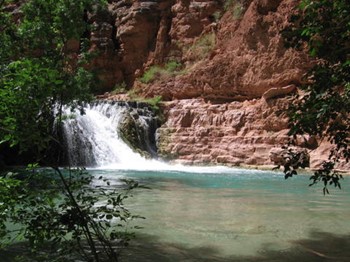 This book is full of:
- Ideas on how to plan and what not to plan for your private river trip.
- How to decide what meals will work for your group and trip
-
Ideas on how to organize
- Your trip
- Your kitchen crews
- Your menu
- Your menu based on your schedule
- Your boat
- Your trip
- How to Quickly rig in the morning
- How to easily de-rig in the evening
- How to plan, in advance
12 Chapters of ideas, time savers, equipment and gear to bring and not to bring. The best way to organize your trip and the best way to keep everyone happy. 150 pages of tips, tricks and ideas to keep you enjoying the trip and not worrying about it. Two chapters on resources, links and terminology to help you become the professional Grand Canyon private boater.
- You want to run the Grand Canyon.
- Planning your trip: Organizing Your People
- What to Take Down the River: Stuff
- Food and Pre-Trip Food Preparation
- Things to do before you Start Your Trip
- Ideas on Packing and Rigging
- On the River
- Special days on the River
- Getting to the End of your trip
- Hints Tips & Tricks
- River Etiquette
- Books, Websites & References
- Appendix
- Glossary: Grand Canyon Terms & Terminology
Whitewater rafting and kayaking the legendary rapids, Horn, Granite, Crystal and Lava are what your dreams concentrate on, are you good enough, can I do 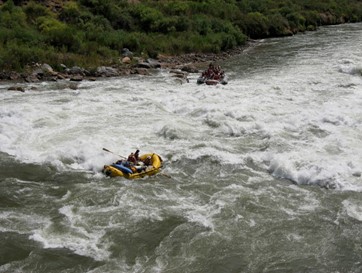 it, how much fun am I going to have? This book will show you how to load your boats, and deal with the issues so running the rapids is not the keep you up all night worrying issue it might be.
The Colorado River has so much more to offer than just fantastic Whitewater. Views that are only available on a river trip such as Vasey’s Paradise, Red Wall Cavern, Elves Chasm and Deer Creek Falls are just a few.
No matter if you follow this book to the letter, or you glance through it for some new ideas, Boating the Grand Canyon will help you enjoy the Canyon, watch it change the lives of the people you are floating downriver with and marvel at what it did  to you when you get home.
The Grand Canyon will change your life! This book, Boating the Grand Canyon will give you more Time to Enjoy the Adventure.
Summit Magic Publishing, LLC
Jim Moss
Hawaii § 663B-2. Equine activities; rebuttable presumption
Posted: September 17, 2019 Filed under: Hawaii | Tags: Equine Activities, Equine Liability Act, Equine Liability Statute, Hawaii Leave a commentHawaii Statutes
Division 4. COURTS AND JUDICIAL PROCEEDINGS
Title 36. CIVIL REMEDIES AND DEFENSES AND SPECIAL PROCEEDINGS
Chapter 663B. EQUINE ACTIVITIES
Current through Act 286 of the 2019 Legislative Session
§ 663B-2. Equine activities; rebuttable presumption
(a) In any civil action for injury, loss, damage, or death of a participant, there shall be a presumption that the injury, loss, damage, or death was not caused by the negligence of an equine activity sponsor, equine professional, or their employees or agents, if the injury, loss, damage, or death was caused solely by the inherent risk and unpredictable nature of the equine. An injured person or their legal representative may rebut the presumption of no negligence by a preponderance of the evidence.
(b) Nothing in this section shall prevent or limit the liability of an equine activity sponsor, an equine professional, or their employees or agents if the equine activity sponsor, equine professional, or person:
(1) Provided the equipment or tack, and knew or should have known that the equipment or tack was faulty, and the equipment or tack was a proximate cause of the injury;
(2) Provided the equine and failed to make reasonable and prudent efforts to determine the ability of the participant to engage safely in the equine activity; or determine the ability of the participant to safely manage the particular equine based on the participant’s representations of the participant’s ability; or determine the characteristics of the particular equine and suitability of the equine to participate in equine activities with the participant; or failed to reasonably supervise the equine activities and such failure is a proximate cause of the injury;
(3) Owns, leases, rents, or otherwise is in lawful possession and control of the land or facilities upon which the participant sustained injuries because of a dangerous latent condition which was known or reasonably should have been known to the equine activity sponsor, equine professional, or person, or for which reasonable warning signs have not been conspicuously posted;
(4) Commits an act or omission that constitutes gross negligence or wilful or wanton disregard for the safety of the participant, and that act or omission caused the injury; or
(5) Intentionally injures the participant.
(c) Nothing in subsection (a) shall prevent or limit the liability of an equine activity sponsor or an equine professional under liability provisions as set forth in the products liability laws or in sections 142-63, 142-64, 142-65, 142-66, and 142-68.
Cite as (Casemaker) HRS § 663B-2
History. L 1994, c 249, pt of §1
Note:
Revision Note
Subsection (c) redesignated pursuant to § 23G-15(1).
Case Notes:
If plaintiff’s claims that ranch tour guide failed to reasonably supervise the equine activities that were the proximate cause of plaintiff’s injury were correct, the presumption of non-negligence set forth in this section would not apply; thus it was error for trial court to apply this section to the case. 111 Haw. 254, 141 P.3d 427.
Addis v. Snowshoe Mountain, Inc., a West Virginia corporation, 2013 W. Va. LEXIS 1353 (W. Va. 2013)
Posted: September 16, 2019 Filed under: Release (pre-injury contract not to sue), Ski Area, Skiing / Snow Boarding, West Virginia | Tags: Double Black Diamond, Release, Showshoe Mountain, ski area, Skier Responsibility Act, skiing, snowboarding, Snowshoe Corporation, Snowshoe Mountain Resort, West Virginia, West Virginia Skiing Responsibility Act Leave a commentTo read an Analysis of the case see West Virginia Supreme Court upholds a release signed to obtain a season pass at a ski area
Addis v. Snowshoe Mountain, Inc., a West Virginia corporation, 2013 W. Va. LEXIS 1353 (W. Va. 2013)
Glen Addis and Pamela Addis, Plaintiffs Below, Petitioners
v.
Snowshoe Mountain, Inc., a West Virginia corporation, Defendant Below, Respondent
No. 12-1537
Supreme Court of West Virginia
November 22, 2013
(Pocahontas County 10-C-69)
MEMORANDUM DECISION
Petitioners Glen and Pamela Addis, by counsel John F. McCuskey, Roberta F. Green, and Heather B. Osborn, appeal the order of the Circuit Court of Pocahontas County, entered November 28, 2012, granting summary judgment in favor of Respondent Snowshoe Mountain, Inc. Respondent appears by counsel Robert M. Steptoe, Amy M. Smith, and Matthew B. Hansberry.
This Court has considered the parties’ briefs and the record on appeal. The facts and legal arguments are adequately presented, and the decisional process would not be significantly aided by oral argument. Upon consideration of the standard of review, the briefs, and the record presented, the Court finds no substantial question of law and no prejudicial error. For these reasons, a memorandum decision is appropriate under Rule 21 of the Rules of Appellate Procedure.
Petitioners filed a complaint and amended complaint in the Circuit Court of Kanawha County based on injuries Petitioner Glen Addis received after skiing over and slipping on ice on a double black diamond trail called Lower Shay’s Revenge at respondent’s ski resort.[1] The civil action was transferred to the Circuit Court of Pocahontas County upon the court’s grant of respondent’s motion to dismiss for improper venue, or in the alternative, transfer. Respondent filed a motion for summary judgment after the close of discovery, and the circuit court granted the motion by order entered November 28, 2012, on the grounds that petitioners’ claims are barred by the West Virginia Skiing Responsibility Act and by release and waiver language contained in an agreement signed by petitioner.[2] Petitioners appealed the grant of summary judgment to this Court.
The material facts are not in dispute. Petitioner Glen Addis entered respondent’s resort the day of his accident using a season pass. In obtaining that pass, petitioner signed the following agreement:
I understand and accept the fact that skiing, snowboarding, bicycling, and golf in their various forms are INHERENTLY DANGEROUS AND HAZARDOUS sports that have many dangers and risks. I realize that injuries are a common and ordinary occurrence of these sports. I agree, as a condition of being allowed to use the resort’s facilities and premises, that I freely accept and voluntarily assume all risks of personal injury or death or property damage, and release Snowshoe Mountain, Inc. and its agents, employees, directors, officers, and shareholders from any and all liability for personal injury or property damage which results in any way from negligence, conditions on or about the premises and facilities, the operations of the resort including, but not limited to, grooming, snowmaking, ski lift operations, trail maintenance, golf operations, the actions or omissions of employees or agents of Snowshoe or my participation in skiing or other activities in the area, accepting myself the full responsibility for any and all such damage or injury of any kind which may result.
I further understand and accept that there may be exposure to other dangers or hazards including, but not limited to, the following: riding and disembarking the ski lifts, changing weather conditions, loss of balance or control, rocks, roots, stumps, trees, forest debris, creeks and streams, natural and manmade objects, bare spots, blind spots, reduced visibility (for any reason), and the actions of other guests or employees.
I, the undersigned, have read, understood, and agree to accept the terms of this RELEASE AND AGREEMENT NOT TO SUE. I am signing it freely and of my own accord realizing it is binding upon my heirs, my assigns, and myself. . . .
I shall support the Responsibility Code and understand that skiing, snowboarding, bicycling and golf are inherently dangerous sports and I freely and voluntarily accept all of the inherent risks and responsibilities associated with these sports.
Petitioner is an experienced skier and former ski instructor, and he had skied Lower Shay’s Revenge many times prior to the accident that is the subject of this claim. His fall occurred on his second run on that trail on the morning of January 24, 2009. On his earlier run, petitioner observed that the trail was not well-groomed, was icy, and had large mounds of snow.[3]He did not, however, report the condition of the trail to ski patrol. Petitioner approached an icy mound on his second run, and his right ski became dislodged. He then stopped on a “very steep slope” and, while attempting to put his ski back on, he slipped on ice, over a drop-off, and into the nearby wooded area. Petitioner struck a tree, fracturing both femurs and his pelvis.
On appeal, petitioners assert two assignments of error. First, they argue that the circuit court improperly construed the West Virginia Skiing Responsibility Act. Second, they argue that the circuit court misapplied West Virginia law on pre-injury exculpatory clauses and thereby violated their constitutional rights in granting summary judgment. “A circuit court’s entry of summary judgment is reviewed de novo.” Syl. Pt. 1, Painter v. Peavy, 192, W.Va. 189, 451 S.E.2d 755 (1994). The non-moving party may only defeat a motion for summary judgment by offering some concrete evidence from which a reasonable fact finder could return a verdict in his favor. See Williams v. Precision Coil, Inc., 194 W.Va. 52, 459 S.E.2d 329 (1995). Mindful of this standard, we consider petitioners’ arguments.
The West Virginia Skiing Responsibility Act provides in part:
§20-3 A-3. Duties of ski area operators with respect to ski areas. Every ski area operator shall:
(8) Maintain the ski areas in a reasonably safe condition, except that such operator shall not be responsible for any injury, loss or damage caused by the following: variations in terrain; surface or subsurface snow or ice conditions; bare spots, rocks, trees, other forms of forest growth or debris; collisions with pole lines, lift towers or any components thereof; or, collisions with snowmaking equipment which is marked by a visible sign or other warning implement in compliance with subdivision (2) of this section.
§20-3 A-5. Duties of skiers.
(a) It is recognized that skiing as a recreational sport is hazardous to skiers, regardless of all feasible safety measures which can be taken. Each skier expressly assumes the risk of and legal responsibility for any injury, loss or damage to person or property which results from participation in the sport of skiing including, but not limited to, any injury, loss or damage caused by the following: Variations in terrain including freestyle terrain; surface or subsurface snow or ice conditions; bare spots, rocks, trees, other forms of forest growth or debris; collisions with pole lines, lift towers or any component thereof; or, collisions with snowmaking equipment which is marked by a visible sign or other warning implement in compliance with section three of this article. Each skier shall have the sole individual responsibility for knowing the range of his or her own ability to negotiate any ski slope or trail, and it shall be the duty of each skier to ski within the limits of the skier’s own ability, to maintain reasonable control of speed and course at all times while skiing, to heed all posted warnings, to ski only on a skiing area designated by the ski area operator and to refrain from acting in a manner which may cause or contribute to the injury of anyone. If while actually skiing, any skier collides with any object or person, except an obviously intoxicated person of whom the ski area operator is aware, the responsibility for such collision shall be solely that of the skier or skiers involved and not that of the ski area operator.
Petitioners argue that respondent lost the protection of the Act by failing to monitor weather information, failing to stop malfunctioning snowmaking equipment, failing to train ski patrol, and failing to mark hazards. We find no evidence in the record to support any such asserted failure, and petitioners direct our attention to none.[4] Central to each of petitioners’ assertions is their supposition that the air temperature was warmer than 32 degrees Fahrenheit at key times on the days around petitioner’s accident, causing respondent’s snowmaking equipment to blow water, rather than snow, which created ice on the trail. The only evidence of the temperature, however, is a three-page climate data report of the National Weather Service setting out the minimum and maximum daily area temperatures for the month of January of 2009. While that report shows that the maximum temperature reached 42 degrees Fahrenheit on the day of petitioner’s accident, there is no evidence that respondent’s equipment malfunctioned as a result of that temperature, or that the equipment was improvidently used.
Petitioners liken their situation to Hardin v. Ski Venture, Inc., 848 F.Supp. 58 (N.D. W.Va. 1994), a case in which a defendant ski resort was denied summary judgment because there was evidence that defendant’s malfunctioning snowmaking equipment blew “excessively wet snow” into plaintiff’s goggles, obstructing his vision and ultimately causing the collision that rendered him quadriplegic.[5] But here, where petitioners have made only broad accusations of “failure, ” and offered unsupported conjecture, petitioners have presented no facts to significantly distinguish this case from Pinson v. Canaan Valley Resorts, Inc., 196 W.Va. 436, 473 S.E.2d 151 (1996), wherein a plaintiff sued a ski resort for injuries she received while skiing on ungroomed, natural snow. In that case, we ultimately determined that “skiers, rather than ski area operators, are responsible for injuries caused by ‘variations in terrain; surface or subsurface snow or ice conditions’ and that such variations or conditions . . . caused the injury to” that plaintiff. Similarly, we find that petitioner is responsible for his injury, inasmuch as the evidence shows only that it was caused by conditions of the terrain.
Petitioners’ second assignment of error is that the circuit court misapplied our law on pre-injury exculpatory clauses. Their sole argument before this Court is that the circuit court failed to recognize, based on Murphy v. North American River Runners, Inc., 186 W.Va. 310, 412 S.E.2d 504 (1991), that exculpatory clauses do not provide immunity to operators who violate a statutory safety standard. Inasmuch as we have determined herein that there is no evidence of respondent’s acting contrary to its duty set forth in the West Virginia Skiing Responsibility Act, petitioners cannot prevail on this ground.
For the foregoing reasons, we affirm.
Affirmed.
CONCURRED IN BY:
Chief Justice Brent D. Benjamin Justice Robin Jean Davis Justice Margaret L. Workman Justice Menis E. Ketchum Justice Allen H. Loughry II
Notes:
[1]The “double black diamond” designation indicates that the trail is “extremely difficult” and is intended for “advanced” skiers.
[2]The sole claim of Petitioner Pamela Addis was loss of consortium. The circuit court correctly noted that it was entirely derivative of her husband’s claims.
[3]Petitioner was also aware, however, that other nearby trails were groomed, inasmuch as he had skied several earlier that morning.
[4]Petitioners’ citations to their own pleadings or arguments below, rather than specific testimony or evidence, to establish the events giving rise to this action is insufficient.
[5]In their reply brief, petitioners state that they, like the Hardin plaintiffs, “had retained an expert who was prepared to identify the operator’s failures that led to the injuries alleged.” They further explain that it was that expert testimony in Hardin that created a factual dispute concerning the cause of the accident. The Court has been unable to find such expert testimony in the appendix record for this case.
Knowingly Luring Bears
Posted: September 11, 2019 Filed under: Colorado | Tags: Bears, Colorado, Colorado Parks & Wildlife, Fine, Knowing Luring Bears, Luring Bears Leave a commentColorado Statutes
Title 33. PARKS AND WILDLIFE
WILDLIFE
Article 6. Law Enforcement and Penalties – Wildlife
Part 1. GENERAL PROVISIONS
§ 33-6-131. Knowingly luring bears
(1) Unless otherwise permitted by commission rule, it is unlawful for any person to place food or edible waste in the open with the intent of luring a wild bear to such food or edible waste.
(2)
(a) This section shall not apply to acts related to agriculture, as defined in section 35-1-102(1), C.R.S.
(b) For the purposes of this section, “food or edible waste” shall not include live animals or food that is grown in the open prior to such food being harvested.
(3) Any person who violates this section shall be given a warning. Upon a second or subsequent violation of this section, the person is guilty of a misdemeanor and, upon conviction, shall be punished by a fine not to exceed:
(a) Two hundred dollars for a first offense;
(b) One thousand dollars for a second offense; or
(c) Two thousand dollars for a third or subsequent offense.
Cite as C.R.S. § 33-6-131
History. Amended by 2019 Ch. 423, §15, eff. 7/1/2019.
L. 2003: Entire section added, p. 2618, § 1, effective June 5.
I have a new book: Boating the Grand Canyon: A “How To” for Private Boaters
Posted: September 4, 2019 Filed under: Paddlesports, Whitewater Rafting | Tags: #GrandCanyonRiverGuides, #RecLaw, @GrandCanynTrust, @GrandCanyonNPS, @Interior, @NatlParkService, @SC_GrandCanyon, Colorado River, GCRG, Grand Canyon, Grand Canyon National Park, Grand Canyon Private Boaters Association, Grand Canyon River Guides, Grand Canyon Trust, Multi-Day River Trip, National Park Servce, Non-Commercial River Trip, Packing List, Paddlesports, Private Boater, RecreationLaw, River Trip, Whitewater, Whitewater Rafting Leave a comment
Boating the Grand Canyon: A “How To” for Private Boaters
https://rec-law.us/GrandCanyon
Waiting to raft the Colorado River through the Grand Canyon, the greatest river trip in the world?
This new book, Boating the Grand Canyon: A “How To” for Private Boaters, will help make your once in a lifetime trip work.
The Colorado River flowing through the Grand Canyon is one of the world’s most awe-inspiring places on earth. Rafting and kayaking down the river is the water trip of a lifetime. Whether you are trying to get a permit or have already one a permit, this new book will instantly make planning your Grand Canyon River trip easier.
You want this once in a lifetime experience to be everything you have heard and dreamed about for years. Boating the Grand Canyon Will help make those dreams come true.
25 years of working on commercial trips in the Grand Canyon and private trips, or as the Park Service calls them non-commercial river trips, has helped me gather the best from both worlds. On top of that I’ve worked river trips for dozens of companies all over the east and west. Twenty-Five years rafting in the West, 1000’s of river days and dozens of commercial and private trips have given me the opportunity to pick the best of all works to write this book and make your trip special.
This new book will instantly make planning your Grand Canyon River trip easier.
This book will
- Plan on getting your trip together
- Pick the perfect friends to go down the river with you.
- Help you understand the equipment to take or that you renting from an outfitter
- Know what gear you need to bring with you to make the trip easier and better
- Give you more time to enjoy the Grand Canyon
- Save you time
- Save you money
- Show you all of the options you have in planning and running your trip
- Help you transfer your river trip skills to a Grand Canyon trip
Boating the Grand Canyon explains the Non-Commercial River Trip regulations and why and how the Grand Canyon National Park River Rangers enforce the rules. By knowing and understanding the reasoning for the rules you will have a better experience with National Park Service Rangers.
This book is full of:
- Ideas on how to plan and what not to plan for your private river trip.
- How to decide what meals will work for your group and trip
-
Ideas on how to organize
- Your trip
- Your kitchen crews
- Your menu
- Your menu based on your schedule
- Your boat
- Your trip
- How to Quickly rig in the morning
- How to easily de-rig in the evening
- How to plan, in advance
12 Chapters of ideas, time savers, equipment and gear to bring and not to bring. The best way to organize your trip and the best way to keep everyone happy. 150 pages of tips, tricks and ideas to keep you enjoying the trip and not worrying about it. Two chapters on resources, links and terminology to help you become the professional Grand Canyon private boater.
- You want to run the Grand Canyon.
- Planning your trip: Organizing Your People
- What to Take Down the River: Stuff
- Food and Pre-Trip Food Preparation
- Things to do before you Start Your Trip
- Ideas on Packing and Rigging
- On the River
- Special days on the River
- Getting to the End of your trip
- Hints Tips & Tricks
- River Etiquette
- Books, Websites & References
- Appendix
- Glossary: Grand Canyon Terms & Terminology
Whitewater rafting and kayaking the legendary rapids, Horn, Granite, Crystal and Lava are what your dreams concentrate on, are you good enough, can I do it, how much fun am I going to have? This book will show you how to load your boats, and deal with the issues so running the rapids is not the keep you up all night worrying issue it might be.
The Colorado River has so much more to offer than just fantastic Whitewater. Views that are only available on a river trip such as Vasey’s Paradise, Red Wall Cavern, Elves Chasm and Deer Creek Falls are just a few.
No matter if you follow this book to the letter, or you glance through it for some new ideas, Boating the Grand Canyon will help you enjoy the Canyon, watch it change the lives of the people you are floating downriver with and marvel at what it did to you when you get home.
The Grand Canyon will change your life! This book, Boating the Grand Canyon will give you more Time to Enjoy the Adventure.
Summit Magic Publishing, LLC
Jim Moss
I have a new book: Boating the Grand Canyon: A “How To” for Private Boaters
Posted: August 21, 2019 Filed under: Paddlesports, Whitewater Rafting | Tags: #GrandCanyonRiverGuides, #RecLaw, @GrandCanynTrust, @GrandCanyonNPS, @Interior, @NatlParkService, @SC_GrandCanyon, Colorado River, GCRG, Grand Canyon, Grand Canyon National Park, Grand Canyon Private Boaters Association, Grand Canyon River Guides, Grand Canyon Trust, Multi-Day River Trip, National Park Servce, Non-Commercial River Trip, Packing List, Paddlesports, Private Boater, RecreationLaw, River Trip, Whitewater, Whitewater Rafting Leave a comment
Boating the Grand Canyon: A “How To” for Private Boaters
https://rec-law.us/GrandCanyon
Waiting to raft the Colorado River through the Grand Canyon, the greatest river trip in the world?
This new book, Boating the Grand Canyon: A “How To” for Private Boaters, will help make your once in a lifetime trip work.
The Colorado River flowing through the Grand Canyon is one of the world’s most awe-inspiring places on earth. Rafting and kayaking down the river is the water trip of a lifetime. Whether you are trying to get a permit or have already one a permit, this new book will instantly make planning your Grand Canyon River trip easier.
You want this once in a lifetime experience to be everything you have heard and dreamed about for years. Boating the Grand Canyon Will help make those dreams come true.
25 years of working on commercial trips in the Grand Canyon and private trips, or as the Park Service calls them non-commercial river trips, has helped me gather the best from both worlds. On top of that I’ve worked river trips for dozens of companies all over the east and west. Twenty-Five years rafting in the West, 1000’s of river days and dozens of commercial and private trips have given me the opportunity to pick the best of all works to write this book and make your trip special.
This new book will instantly make planning your Grand Canyon River trip easier.
This book will
- Plan on getting your trip together
- Pick the perfect friends to go down the river with you.
- Help you understand the equipment to take or that you renting from an outfitter
- Know what gear you need to bring with you to make the trip easier and better
- Give you more time to enjoy the Grand Canyon
- Save you time
- Save you money
- Show you all of the options you have in planning and running your trip
- Help you transfer your river trip skills to a Grand Canyon trip
Boating the Grand Canyon explains the Non-Commercial River Trip regulations and why and how the Grand Canyon National Park River Rangers enforce the rules. By knowing and understanding the reasoning for the rules you will have a better experience with National Park Service Rangers.
This book is full of:
- Ideas on how to plan and what not to plan for your private river trip.
- How to decide what meals will work for your group and trip
-
Ideas on how to organize
- Your trip
- Your kitchen crews
- Your menu
- Your menu based on your schedule
- Your boat
- Your trip
- How to Quickly rig in the morning
- How to easily de-rig in the evening
- How to plan, in advance
12 Chapters of ideas, time savers, equipment and gear to bring and not to bring. The best way to organize your trip and the best way to keep everyone happy. 150 pages of tips, tricks and ideas to keep you enjoying the trip and not worrying about it. Two chapters on resources, links and terminology to help you become the professional Grand Canyon private boater.
- You want to run the Grand Canyon.
- Planning your trip: Organizing Your People
- What to Take Down the River: Stuff
- Food and Pre-Trip Food Preparation
- Things to do before you Start Your Trip
- Ideas on Packing and Rigging
- On the River
- Special days on the River
- Getting to the End of your trip
- Hints Tips & Tricks
- River Etiquette
- Books, Websites & References
- Appendix
- Glossary: Grand Canyon Terms & Terminology
Whitewater rafting and kayaking the legendary rapids, Horn, Granite, Crystal and Lava are what your dreams concentrate on, are you good enough, can I do it, how much fun am I going to have? This book will show you how to load your boats, and deal with the issues so running the rapids is not the keep you up all night worrying issue it might be.
The Colorado River has so much more to offer than just fantastic Whitewater. Views that are only available on a river trip such as Vasey’s Paradise, Red Wall Cavern, Elves Chasm and Deer Creek Falls are just a few.
No matter if you follow this book to the letter, or you glance through it for some new ideas, Boating the Grand Canyon will help you enjoy the Canyon, watch it change the lives of the people you are floating downriver with and marvel at what it did to you when you get home.
The Grand Canyon will change your life! This book, Boating the Grand Canyon will give you more Time to Enjoy the Adventure.
Summit Magic Publishing, LLC
Jim Moss
I have a new book: Boating the Grand Canyon: A “How To” for Private Boaters
Posted: August 7, 2019 Filed under: Paddlesports, Whitewater Rafting | Tags: #GrandCanyonRiverGuides, #RecLaw, @GrandCanynTrust, @GrandCanyonNPS, @Interior, @NatlParkService, @SC_GrandCanyon, Colorado River, GCRG, Grand Canyon, Grand Canyon National Park, Grand Canyon Private Boaters Association, Grand Canyon River Guides, Grand Canyon Trust, Multi-Day River Trip, National Park Servce, Non-Commercial River Trip, Packing List, Paddlesports, Private Boater, RecreationLaw, River Trip, Whitewater, Whitewater Rafting Leave a comment
Boating the Grand Canyon: A “How To” for Private Boaters
https://rec-law.us/GrandCanyon
Waiting to raft the Colorado River through the Grand Canyon, the greatest river trip in the world?
This new book, Boating the Grand Canyon: A “How To” for Private Boaters, will help make your once in a lifetime trip work.
The Colorado River flowing through the Grand Canyon is one of the world’s most awe-inspiring places on earth. Rafting and kayaking down the river is the water trip of a lifetime. Whether you are trying to get a permit or have already one a permit, this new book will instantly make planning your Grand Canyon River trip easier.
You want this once in a lifetime experience to be everything you have heard and dreamed about for years. Boating the Grand Canyon Will help make those dreams come true.
25 years of working on commercial trips in the Grand Canyon and private trips, or as the Park Service calls them non-commercial river trips, has helped me gather the best from both worlds. On top of that I’ve worked river trips for dozens of companies all over the east and west. Twenty-Five years rafting in the West, 1000’s of river days and dozens of commercial and private trips have given me the opportunity to pick the best of all works to write this book and make your trip special.
This new book will instantly make planning your Grand Canyon River trip easier.
This book will
- Plan on getting your trip together
- Pick the perfect friends to go down the river with you.
- Help you understand the equipment to take or that you renting from an outfitter
- Know what gear you need to bring with you to make the trip easier and better
- Give you more time to enjoy the Grand Canyon
- Save you time
- Save you money
- Show you all of the options you have in planning and running your trip
- Help you transfer your river trip skills to a Grand Canyon trip
Boating the Grand Canyon explains the Non-Commercial River Trip regulations and why and how the Grand Canyon National Park River Rangers enforce the rules. By knowing and understanding the reasoning for the rules you will have a better experience with National Park Service Rangers.
This book is full of:
- Ideas on how to plan and what not to plan for your private river trip.
- How to decide what meals will work for your group and trip
-
Ideas on how to organize
- Your trip
- Your kitchen crews
- Your menu
- Your menu based on your schedule
- Your boat
- Your trip
- How to Quickly rig in the morning
- How to easily de-rig in the evening
- How to plan, in advance
12 Chapters of ideas, time savers, equipment and gear to bring and not to bring. The best way to organize your trip and the best way to keep everyone happy. 150 pages of tips, tricks and ideas to keep you enjoying the trip and not worrying about it. Two chapters on resources, links and terminology to help you become the professional Grand Canyon private boater.
- You want to run the Grand Canyon.
- Planning your trip: Organizing Your People
- What to Take Down the River: Stuff
- Food and Pre-Trip Food Preparation
- Things to do before you Start Your Trip
- Ideas on Packing and Rigging
- On the River
- Special days on the River
- Getting to the End of your trip
- Hints Tips & Tricks
- River Etiquette
- Books, Websites & References
- Appendix
- Glossary: Grand Canyon Terms & Terminology
Whitewater rafting and kayaking the legendary rapids, Horn, Granite, Crystal and Lava are what your dreams concentrate on, are you good enough, can I do it, how much fun am I going to have? This book will show you how to load your boats, and deal with the issues so running the rapids is not the keep you up all night worrying issue it might be.
The Colorado River has so much more to offer than just fantastic Whitewater. Views that are only available on a river trip such as Vasey’s Paradise, Red Wall Cavern, Elves Chasm and Deer Creek Falls are just a few.
No matter if you follow this book to the letter, or you glance through it for some new ideas, Boating the Grand Canyon will help you enjoy the Canyon, watch it change the lives of the people you are floating downriver with and marvel at what it did to you when you get home.
The Grand Canyon will change your life! This book, Boating the Grand Canyon will give you more Time to Enjoy the Adventure.
Summit Magic Publishing, LLC
Jim Moss
New Book Aids Both CEOs and Students
Posted: August 1, 2019 Filed under: Adventure Travel, Assumption of the Risk, Camping, Challenge or Ropes Course, Climbing, Climbing Wall, Contract, Cycling, Equine Activities (Horses, Donkeys, Mules) & Animals, First Aid, Insurance, Jurisdiction and Venue (Forum Selection), Legal Case, Medical, Mountain Biking, Mountaineering, Paddlesports, Release (pre-injury contract not to sue), Risk Management, Rivers and Waterways, Rock Climbing, Sea Kayaking, Ski Area, Skiing / Snow Boarding, Skydiving, Paragliding, Hang gliding, Swimming, Whitewater Rafting, Zip Line | Tags: Adventure travel, and Law, assumption of the risk, camping, Case Analysis, Challenge or Ropes Course, Climbing, Climbing Wall, Contract, Cycling, Desk Reference, Donkeys, Equine Activities (Horses, first aid, Good Samaritan Statutes, Hang gliding, Insurance, James H. Moss, Jurisdiction and Venue (Forum Selection), Law, Legal Case, Medical, Mountain biking, Mountaineering, Mules) & Animals, Negligence, Outdoor Industry, Outdoor recreation, Outdoor Recreation Insurance, Outdoor Recreation Risk Management, Paddlesports, Paragliding, Recreational Use Statute, Reference Book, Release (pre-injury contract not to sue), Reward, Risk, Risk Management, Rivers and Waterways, Rock climbing, Sea Kayaking, ski area, Ski Area Statutes, Skiing / Snow Boarding, Skydiving, swimming, Textbook, Whitewater Rafting, zip line Leave a comment“Outdoor Recreation Insurance, Risk Management, and Law” is a definitive guide to preventing and overcoming legal issues in the outdoor recreation industry
Outdoor Recreation Insurance, Risk Management, and Law
Denver based James H. Moss, JD, an attorney who specializes in the legal issues of outdoor recreation and adventure travel companies, guides, outfitters, and manufacturers, has written a comprehensive legal guidebook titled, “Outdoor Recreation Insurance, Risk Management, and Law”. Sagamore Publishing, a well-known Illinois-based educational publisher, distributes the book.
Mr. Moss, who applied his 30 years of experience with the legal, insurance, and risk management issues of the outdoor industry, wrote the book in order to fill a void.
“There was nothing out there that looked at case law and applied it to legal problems in outdoor recreation,” Moss explained. “The goal of this book is to provide sound advice based on past law and experience.”
The Reference book is sold via the Summit Magic Publishing, LLC.
While written as a college-level textbook, the guide also serves as a legal primer for executives, managers, and business owners in the field of outdoor recreation. It discusses how to tackle, prevent, and overcome legal issues in all areas of the industry.
The book is organized into 14 chapters that are easily accessed as standalone topics, or read through comprehensively. Specific topics include rental programs, statues that affect outdoor recreation, skiing and ski areas, and defenses to claims. Mr. Moss also incorporated listings of legal definitions, cases, and statutes, making the book easy for laypeople to understand.
PURCHASE
TABLE OF CONTENTS
Table of Cases
Introduction
Outdoor Recreation Law and Insurance: Overview
Risk
Risk
Perception versus Actual Risk
Risk v. Reward
Risk Evaluation
Risk Management Strategies
Humans & Risk
Risk = Accidents
Accidents may/may not lead to litigation
How Do You Deal with Risk?
How Does Acceptance of Risk Convert to Litigation?
Negative Feelings against the Business
Risk, Accidents & Litigation
No Real Acceptance of the Risk
No Money to Pay Injury Bills
No Health Insurance
Insurance Company Subrogation
Negative Feelings
Litigation
Dealing with Different People
Dealing with Victims
Develop a Friend & Eliminate a Lawsuit
Don’t Compound Minor Problems into Major Lawsuits
Emergency Medical Services
Additional Causes of Lawsuits in Outdoor Recreation
Employees
How Do You Handle A Victim?
Dealing with Different People
Dealing with Victims
Legal System in the United States
Courts
State Court System
Federal Court System
Other Court Systems
Laws
Statutes
Parties to a Lawsuit
Attorneys
Trials
Law
Torts
Negligence
Duty
Breach of the Duty
Injury
Proximate Causation
Damages
Determination of Duty Owed
Duty of an Outfitter
Duty of a Guide
Duty of Livery Owner
Duty of Rental Agent
Duty of Volunteer Youth Leader
In Loco Parentis
Intentional Torts
Gross Negligence
Willful & Wanton Negligence
Intentional Negligence
Negligence Per Se
Strict Liability
Attractive Nuisance
Results of Acts That Are More than Ordinary Negligence
Product Liability
Contracts
Breach of Contract
Breach of Warranty
Express Warranty
Implied Warranty
Warranty of Fitness for a Particular Purpose
Warranty of Merchantability
Warranty of Statute
Detrimental Reliance
Unjust Enrichment
Liquor Liability
Food Service Liability
Damages
Compensatory Damages
Special Damages
Punitive Damages
Statutory Defenses
Skier Safety Acts
Whitewater Guides & Outfitters
Equine Liability Acts
Legal Defenses
Assumption of Risk
Express Assumption of Risk
Implied Assumption of Risk
Primary Assumption of Risk
Secondary Assumption of Risk
Contributory Negligence
Assumption of Risk & Minors
Inherent Dangers
Assumption of Risk Documents.
Assumption of Risk as a Defense.
Statutory Assumption of Risk
Express Assumption of Risk
Contributory Negligence
Joint and Several Liability
Release, Waivers & Contracts Not to Sue
Why do you need them
Exculpatory Agreements
Releases
Waivers
Covenants Not to sue
Who should be covered
What should be included
Negligence Clause
Jurisdiction & Venue Clause
Assumption of Risk
Other Clauses
Indemnification
Hold Harmless Agreement
Liquidated Damages
Previous Experience
Misc
Photography release
Video Disclaimer
Drug and/or Alcohol clause
Medical Transportation & Release
HIPAA
Problem Areas
What the Courts do not want to see
Statute of Limitations
Minors
Adults
Defenses Myths
Agreements to Participate
Parental Consent Agreements
Informed Consent Agreements
Certification
Accreditation
Standards, Guidelines & Protocols
License
Specific Occupational Risks
Personal Liability of Instructors, Teachers & Educators
College & University Issues
Animal Operations, Packers
Equine Activities
Canoe Livery Operations
Tube rentals
Downhill Skiing
Ski Rental Programs
Indoor Climbing Walls
Instructional Programs
Mountaineering
Retail Rental Programs
Rock Climbing
Tubing Hills
Whitewater Rafting
Risk Management Plan
Introduction for Risk Management Plans
What Is A Risk Management Plan?
What should be in a Risk Management Plan
Risk Management Plan Template
Ideas on Developing a Risk Management Plan
Preparing your Business for Unknown Disasters
Building Fire & Evacuation
Dealing with an Emergency
Insurance
Theory of Insurance
Insurance Companies
Deductibles
Self-Insured Retention
Personal v. Commercial Policies
Types of Policies
Automobile
Comprehension
Collision
Bodily Injury
Property Damage
Uninsured Motorist
Personal Injury Protection
Non-Owned Automobile
Hired Car
Fire Policy
Coverage
Liability
Named Peril v. All Risk
Commercial Policies
Underwriting
Exclusions
Special Endorsements
Rescue Reimbursement
Policy Procedures
Coverage’s
Agents
Brokers
General Agents
Captive Agents
Types of Policies
Claims Made
Occurrence
Claims
Federal and State Government Insurance Requirements
Bibliography
Index
The 427-page volume is sold via Summit Magic Publishing, LLC.
What is a Risk Management Plan and What do You Need in Yours?
Posted: July 25, 2019 Filed under: Activity / Sport / Recreation, Adventure Travel, Assumption of the Risk, Avalanche, Camping, Challenge or Ropes Course, Climbing, Climbing Wall, Contract, Cycling, Equine Activities (Horses, Donkeys, Mules) & Animals, First Aid, Health Club, Indoor Recreation Center, Jurisdiction and Venue (Forum Selection), Legal Case, Medical, Minors, Youth, Children, Mountain Biking, Mountaineering, Paddlesports, Playground, Racing, Racing, Release (pre-injury contract not to sue), Risk Management, Rivers and Waterways, Rock Climbing, Scuba Diving, Sea Kayaking, Search and Rescue (SAR), Ski Area, Skier v. Skier, Skiing / Snow Boarding, Skydiving, Paragliding, Hang gliding, Snow Tubing, Sports, Summer Camp, Swimming, Triathlon, Whitewater Rafting, Youth Camps, Zip Line | Tags: #ORLawTextbook, #ORRiskManagment, #OutdoorRecreationRiskManagementInsurance&Law, #OutdoorRecreationTextbook, @SagamorePub, Adventure travel, and Law, assumption of the risk, camping, Case Analysis, Challenge or Ropes Course, Climbing, Climbing Wall, Contract, Cycling, Donkeys, Equine Activities (Horses, first aid, General Liability Insurance, Good Samaritan Statutes, Guide, Hang gliding, http://www.rec-law.us/ORLawTextbook, Insurance, Insurance policy, James H. Moss, James H. Moss J.D., Jim Moss, Jurisdiction and Venue (Forum Selection), Legal Case, Liability insurance, Medical, Mountain biking, Mountaineering, Mules) & Animals, Negligence, OR Textbook, Outdoor Recreation Insurance, Outdoor Recreation Law, Outdoor Recreation Risk Management, Outfitter, Paddlesports, Paragliding, Recreational Use Statute, Release (pre-injury contract not to sue), Risk Management, risk management plan, Rivers and Waterways, Rock climbing, Sea Kayaking, ski area, Ski Area Statutes, Skiing / Snow Boarding, Skydiving, swimming, Textbook, Understanding, Understanding Insurance, Understanding Risk Management, Whitewater Rafting, zip line Leave a commentEveryone has told you, that you need a risk management plan. A plan to follow if you have
Outdoor Recreation Insurance, Risk Management, and Law
a crisis. You‘ve seen several and they look burdensome and difficult to write. Need help writing a risk management plan? Need to know what should be in your risk management plan? Need Help?
This book can help you understand and write your plan. This book is designed to help you rest easy about what you need to do and how to do it. More importantly, this book will make sure your plan is a workable plan, not one that will create liability for you.

Table of Contents
Chapter 1 Outdoor Recreation Risk Management, Law, and Insurance: An Overview
Chapter 2 U.S. Legal System and Legal Research
Chapter 3 Risk 25
Chapter 4 Risk, Accidents, and Litigation: Why People Sue
Chapter 5 Law 57
Chapter 6 Statutes that Affect Outdoor Recreation
Chapter 7 PreInjury Contracts to Prevent Litigation: Releases
Chapter 8 Defenses to Claims
Chapter 9 Minors
Chapter 10 Skiing and Ski Areas
Chapter 11 Other Commercial Recreational Activities
Chapter 12 Water Sports, Paddlesports, and water-based activities
Chapter 13 Rental Programs
Chapter 14 Insurance
$130.00 plus shipping

I have a new book: Boating the Grand Canyon: A “How To” for Private Boaters
Posted: July 24, 2019 Filed under: Paddlesports, Whitewater Rafting | Tags: #GrandCanyonRiverGuides, #RecLaw, @GrandCanynTrust, @GrandCanyonNPS, @Interior, @NatlParkService, @SC_GrandCanyon, Colorado River, GCRG, Grand Canyon, Grand Canyon National Park, Grand Canyon Private Boaters Association, Grand Canyon River Guides, Grand Canyon Trust, Multi-Day River Trip, National Park Servce, Non-Commercial River Trip, Packing List, Paddlesports, Private Boater, RecreationLaw, River Trip, Whitewater, Whitewater Rafting Leave a comment
Boating the Grand Canyon: A “How To” for Private Boaters
https://rec-law.us/GrandCanyon
Waiting to raft the Colorado River through the Grand Canyon, the greatest river trip in the world?
This new book, Boating the Grand Canyon: A “How To” for Private Boaters, will help make your once in a lifetime trip work.
The Colorado River flowing through the Grand Canyon is one of the world’s most awe-inspiring places on earth. Rafting and kayaking down the river is the water trip of a lifetime. Whether you are trying to get a permit or have already one a permit, this new book will instantly make planning your Grand Canyon River trip easier.
You want this once in a lifetime experience to be everything you have heard and dreamed about for years. Boating the Grand Canyon Will help make those dreams come true.
25 years of working on commercial trips in the Grand Canyon and private trips, or as the Park Service calls them non-commercial river trips, has helped me gather the best from both worlds. On top of that I’ve worked river trips for dozens of companies all over the east and west. Twenty-Five years rafting in the West, 1000’s of river days and dozens of commercial and private trips have given me the opportunity to pick the best of all works to write this book and make your trip special.
This new book will instantly make planning your Grand Canyon River trip easier.
This book will
- Plan on getting your trip together
- Pick the perfect friends to go down the river with you.
- Help you understand the equipment to take or that you renting from an outfitter
- Know what gear you need to bring with you to make the trip easier and better
- Give you more time to enjoy the Grand Canyon
- Save you time
- Save you money
- Show you all of the options you have in planning and running your trip
- Help you transfer your river trip skills to a Grand Canyon trip
Boating the Grand Canyon explains the Non-Commercial River Trip regulations and why and how the Grand Canyon National Park River Rangers enforce the rules. By knowing and understanding the reasoning for the rules you will have a better experience with National Park Service Rangers.
This book is full of:
- Ideas on how to plan and what not to plan for your private river trip.
- How to decide what meals will work for your group and trip
-
Ideas on how to organize
- Your trip
- Your kitchen crews
- Your menu
- Your menu based on your schedule
- Your boat
- Your trip
- How to Quickly rig in the morning
- How to easily de-rig in the evening
- How to plan, in advance
12 Chapters of ideas, time savers, equipment and gear to bring and not to bring. The best way to organize your trip and the best way to keep everyone happy. 150 pages of tips, tricks and ideas to keep you enjoying the trip and not worrying about it. Two chapters on resources, links and terminology to help you become the professional Grand Canyon private boater.
- You want to run the Grand Canyon.
- Planning your trip: Organizing Your People
- What to Take Down the River: Stuff
- Food and Pre-Trip Food Preparation
- Things to do before you Start Your Trip
- Ideas on Packing and Rigging
- On the River
- Special days on the River
- Getting to the End of your trip
- Hints Tips & Tricks
- River Etiquette
- Books, Websites & References
- Appendix
- Glossary: Grand Canyon Terms & Terminology
Whitewater rafting and kayaking the legendary rapids, Horn, Granite, Crystal and Lava are what your dreams concentrate on, are you good enough, can I do it, how much fun am I going to have? This book will show you how to load your boats, and deal with the issues so running the rapids is not the keep you up all night worrying issue it might be.
The Colorado River has so much more to offer than just fantastic Whitewater. Views that are only available on a river trip such as Vasey’s Paradise, Red Wall Cavern, Elves Chasm and Deer Creek Falls are just a few.
No matter if you follow this book to the letter, or you glance through it for some new ideas, Boating the Grand Canyon will help you enjoy the Canyon, watch it change the lives of the people you are floating downriver with and marvel at what it did to you when you get home.
The Grand Canyon will change your life! This book, Boating the Grand Canyon will give you more Time to Enjoy the Adventure.
Summit Magic Publishing, LLC
Jim Moss
How Long Should I hold onto Releases/Assumption of the risk Forms
Posted: July 24, 2019 Filed under: Release (pre-injury contract not to sue) | Tags: Contract, Minor, Paranoia, Release, statute of limitations, Tort Leave a commentThere are several factors you need to find out before you can identify the exact number of years to hold on to contracts, assumption of the risk forms and releases. However, with modern technology, it does not matter anymore, hold onto them forever.
The old method
When boxes of releases were common, we used to calculate how long you should hold onto documents. The calculation relied on two major factors: The statute of limitations for a tort in your state and the age of the participant or person signing the document.
In most states, the statute of limitations for torts is two or three years. For an adult, you would hold on to a release for the statute of limitations plus one year. That plus one year is ” in case” (also translated meaning lawyer paranoia). That means in Colorado three years after an event, trip or whatever had ended you can shred the documents.
If the person was a minor, no matter if the minor signed it or their parent, you hold onto the document for the number of years until the minor turns eighteen (19 in Mississippi and 21 in Nebraska). (See The age that minors become adults.) You add those years to the statute of limitations.
As an example
Statute of Limitations in Colorado is two years for a tort. 2
Minor was 14 at the time of his injury: 18-14 = 4
One year just in case. 1
You would hold onto that release for seven years. 7
The reason for this is the minor can sue once he reaches the age of 18, until the statute of limitations runs. 99% of lawsuits for minors are started immediately, but you never know when a minor might decide that mom, and dad missed the boat when college tuition is needed.
However, sorting releases and assumption of the risk agreements signed by minors from those signed by adults was time consuming so the length of time to hold onto a release became forever. It was easier to collect and store the files then it was to sort them.
New Method = Forever, but a lot faster and easier
Scan the releases into a PDF file and store them on several hard drivers, thumb drives or in the cloud forever. You DO NOT need to sort them by name or separate them out into individual files. Just store them by date.
So, everyone who went Whitewater rafting on June 2, 2019 would be in the PDF dated 6.2.19. If you needed the release, you can just pull up the file and search or do a manual scan for the right release. Since a copy of the original is as good as the original, you do not need to keep the original. Colorado Rules of Evidence 1002; Federal Rules of Evidence 1002.
The exception to this rule would be if you know that someone was injured. You then need to go through a multi-step process.
- Scan the releases, including the one signed by the injured party and store them like all other releases. You do this with all the participants on the trip or program. You may need to contact the other parties as witnesses and having them in the same group as the injured party makes the other people at the event or on the boat easy to find.
-
Collect all other necessary data that may be important years later. Examples of this might include:
- A roster of participants at the event
- A roster of staff attending the event
- All witness lists.
- All information and marketing material used to promote the event.
- Copy of the Weather report, water level, snow report, etc. for the day
- Program, Handouts, Agenda’s etc.
- Maintenance logs for equipment used in the event.
- Training, certifications, etc., of all staff for the activity
-
Any photographs/videos of the activity
- Any photographs/videos from before the activity
- Any photographs/videos from after the activity
- Any photographs/videos from before the activity
- Map of the area, as current as possible
- Etc.
- A roster of participants at the event
-
Take this information you have collected and scan it all into an electronic format.
- Send copies to your attorney(s)
-
Send copies to your insurance company
Tell them it is for safe keeping.
- Send copies to your attorney(s)
-
Make paper copies of all paper and send a complete set of copies to your insurance company and attorney. Ask both what to do with the originals.
- Keep one good set of copies for yourself if you are told to send the originals to the insurance company or attorney, if not keep the originals.
- Keep one good set of copies for yourself if you are told to send the originals to the insurance company or attorney, if not keep the originals.
For paper files, I suggest using a file or folder color that will attract attention, so they are not thrown out by accident. Red, Orange or Yellow good colors of files or folder colors to use. Keep the paperwork in a closed folder or envelope. Put everything in and seal it shut so nothing can fall out and the store this file somewhere so everyone knows where it is and why. If you find more information after you have sealed the first envelope or folder, create a second one, and write 1 of 2 and 2 of 2 on them. Put a large rubber band around both or secure them some way, so they do not get separated. Always right the last name of the injured party and the date on the outside so they don’t have to be opened to determine what files they contain.
After 10 years, you can shred these files.
Instead of having a warehouse full of releases or a back wall of your office with an additional 12 inches of insulation, you can have a hard drive of all the necessary documents needed in case of litigation.
What do you think? Leave a comment.
Copyright 2018 Recreation Law (720) 334 8529
If you like this let your friends know or post it on FB, Twitter or LinkedIn


Author: Outdoor Recreation Insurance, Risk Management and Law
Facebook Page: Outdoor Recreation & Adventure Travel Law
Email: Rec-law@recreation-law.com
Google+: +Recreation
Twitter: RecreationLaw
Facebook: Rec.Law.Now
Facebook Page: Outdoor Recreation & Adventure Travel Law
Blog:
www.recreation-law.com
Mobile Site: http://m.recreation-law.com
By Recreation Law Rec-law@recreation-law.com James H. Moss
#AdventureTourism, #AdventureTravelLaw, #AdventureTravelLawyer, #AttorneyatLaw, #Backpacking, #BicyclingLaw, #Camps, #ChallengeCourse, #ChallengeCourseLaw, #ChallengeCourseLawyer, #CyclingLaw, #FitnessLaw, #FitnessLawyer, #Hiking, #HumanPowered, #HumanPoweredRecreation, #IceClimbing, #JamesHMoss, #JimMoss, #Law, #Mountaineering, #Negligence, #OutdoorLaw, #OutdoorRecreationLaw, #OutsideLaw, #OutsideLawyer, #RecLaw, #Rec-Law, #RecLawBlog, #Rec-LawBlog, #RecLawyer, #RecreationalLawyer, #RecreationLaw, #RecreationLawBlog, #RecreationLawcom, #Recreation-Lawcom, #Recreation-Law.com, #RiskManagement, #RockClimbing, #RockClimbingLawyer, #RopesCourse, #RopesCourseLawyer, #SkiAreas, #Skiing, #SkiLaw, #Snowboarding, #SummerCamp, #Tourism, #TravelLaw, #YouthCamps, #ZipLineLawyer,
Can’t Sleep? Guest was injured, and you don’t know what to do? This book can answer those questions for you.
Posted: July 23, 2019 Filed under: Adventure Travel, Assumption of the Risk, Avalanche, Camping, Climbing, Climbing Wall, Contract, Criminal Liability, Cycling, Equine Activities (Horses, Donkeys, Mules) & Animals, First Aid, Health Club, How, Indoor Recreation Center, Insurance, Jurisdiction and Venue (Forum Selection), Medical, Minors, Youth, Children, Mountain Biking, Mountaineering, Paddlesports, Playground, Racing, Racing, Release (pre-injury contract not to sue), Risk Management, Rivers and Waterways, Rock Climbing, Scuba Diving, Sea Kayaking, Search and Rescue (SAR), Ski Area, Skier v. Skier, Skiing / Snow Boarding, Skydiving, Paragliding, Hang gliding, Snow Tubing, Sports, Summer Camp, Swimming, Triathlon, Whitewater Rafting, Youth Camps, Zip Line | Tags: #ORLawTextbook, #ORRiskManagment, #OutdoorRecreationRiskManagementInsurance&Law, #OutdoorRecreationTextbook, @SagamorePub, Accidents, Angry Guest, Dealing with Claims, General Liability Insurance, Guide, http://www.rec-law.us/ORLawTextbook, Injured Guest, Insurance policy, James H. Moss J.D., Jim Moss, Liability insurance, OR Textbook, Outdoor Recreation Insurance, Outdoor Recreation Law, Outdoor Recreation Risk Management, Outfitter, RecreationLaw, Risk Management, risk management plan, Textbook, Understanding, Understanding Insurance, Understanding Risk Management, Upset Guest Leave a comment An injured guest is everyone’s business owner’s nightmare. What happened, how do you make sure it does not happen again, what can you do to help the guest, can you help the guests are just some of the questions that might be keeping you up at night.
This book can help you understand why people sue and how you can and should deal with injured, angry or upset guests of your business.
This book is designed to help you rest easy about what you need to do and how to do it. More importantly, this book will make sure you keep your business afloat and moving forward.
You did not get into the outdoor recreation business to worry or spend nights staying awake. Get prepared and learn how and why so you can sleep and quit worrying.

Table of Contents
Chapter 1 Outdoor Recreation Risk Management, Law, and Insurance: An Overview
Chapter 2 U.S. Legal System and Legal Research
Chapter 3 Risk 25
Chapter 4 Risk, Accidents, and Litigation: Why People Sue
Chapter 5 Law 57
Chapter 6 Statutes that Affect Outdoor Recreation
Chapter 7 Pre-injury Contracts to Prevent Litigation: Releases
Chapter 8 Defenses to Claims
Chapter 9 Minors
Chapter 10 Skiing and Ski Areas
Chapter 11 Other Commercial Recreational Activities
Chapter 12 Water Sports, Paddlesports, and water-based activities
Chapter 13 Rental Programs
Chapter 14 Insurance
$130.00 plus shipping

Kentucky determines that a parent cannot sign away a child’s right to sue.
Posted: July 22, 2019 Filed under: Indoor Recreation Center, Kentucky, Release (pre-injury contract not to sue) | Tags: House of Boom, Indoor Trampoline Park, Kentucky, Kentucky Supreme Court, Minor's right to sue, parent, Parents right to waive minor's right to sue, Release, Trampoline, Trampoline Park, Waiver, \ 2 CommentsCourts are allowed to pick and choose the case law they relied upon and to distinguish or ignore the case law the court does not like. In this case, the Kentucky Supreme Court ignored law it did not like or simply found a way around the case law it did not want to agree with.
Citation: E.M. v. House of Boom Ky., LLC (In re Miller), 2019 Ky. LEXIS 211, 2019 WL 2462697
State: Kentucky, Supreme Court of Kentucky
Plaintiff: Kathy Miller, as Next Friend of Her Minor Child, E.M.
Defendant: House of Boom Kentucky, LLC
Plaintiff Claims: negligence
Defendant Defenses: release
Holding: for the plaintiff
Year: 2019
Summary
Kentucky Supreme Court rules that a parent cannot sign away a minor’s right to sue.
Facts
House of Boom, LLC (“House of Boom”) is a for-profit trampoline park located in Louisville, Kentucky. The park is a collection of trampoline and acrobatic stunt attractions. On August 6, 2015, Kathy Miller purchased tickets for her 11-year-old daughter, E.M., and her daughter’s friends to go play at House of Boom. Before purchasing the tickets, House of Boom required the purchaser to check a box indicating that the purchaser had read the waiver of liability.
Once Miller checked the box, E.M. participated in activities at House of Boom. She was injured when another girl jumped off a three-foot ledge and landed on E.M’s ankle, causing it to break. Miller, as next friend of her daughter, sued House of Boom for the injury. House of Boom, relying on Miller’s legal power to waive the rights of her daughter via the release, moved for summary judgment. The Western District of Kentucky concluded that House of Boom’s motion for summary judgment involved a novel issue of state law and requested Certification from this Court which we granted. Both parties have briefed the issue and the matter is now ripe for Certification.
So, the plaintiff sued in Federal District Court. Because the issue of whether or not a parent could sign away a minor’s right to sue had not been reviewed by the Kentucky Supreme Court, the federal district court asked the Kentucky Supreme Court to review the case. The Kentucky Supreme court did with this decision.
Analysis: making sense of the law based on these facts.
The sole question before the court was whether a parent could sign away a minor’s right to sue.
The question before this Court is whether a parent has the authority to sign a pre-injury exculpatory agreement on behalf of her child, thus terminating the child’s potential right to compensation for an injury occurring while participating in activities sponsored by a for-profit company.
The court in reviewing the case law from other states on this issue decided the cases had been determined in one of four categories.
House of Boom categorizes these decisions in as those that enforced the waiver and those that did not, but the decisions of those jurisdictions more accurately fall into four distinct categories: (1) jurisdictions that have enforced a waiver between a parent and a for-profit entity; (2) jurisdictions that have enforced waivers between a parent and a non-profit entity; (3) jurisdictions that have declared a waiver between a parent and a for-profit entity unenforceable; and (4) jurisdictions that have declared a waiver between a parent and a non-profit entity unenforceable.
By making this distinction in the cases to start, the court immediately eliminated much of the case law supporting the defendants. In most states, a non-profit has no different legal duty to patrons then a for profit, and none that I can find in Kentucky. However, by using these categories the court was able to place this case in the category with only one other decision that could support the defendant.
House of Boom is a for-profit trampoline park, and eleven out of twelve jurisdictions that have analyzed similar waivers between parents and for-profit entities have adhered to the common law and held such waivers to be unenforceable.
The court then justified it classifications and reasoning by stating a commercial entity had more ways to deal with the cost of the liability than a non-profit.
A commercial entity has the ability to purchase insurance and spread the cost between its customers. It also has the ability to train its employees and inspect the business for unsafe conditions.
However, none of the factors listed above are any different from the situations or requirements to do business for a non-profit operation.
The court then fell back on a legal fallacy that plaintiffs have been arguing for years.
A child has no similar ability to protect himself from the negligence of others within the confines of a commercial establishment. “If pre-injury releases were permitted for commercial establishments, the incentive to take reasonable precautions to protect the safety of minor children would be removed.
However, no cases I’ve read have ever stated that the injury was caused because the defendant did not have to deal with liability issues. Any breach of a duty of care that has occurred were not across the board, just spotty.
The court concluded:
Under the common law of this Commonwealth, absent special circumstances, a parent has no authority to enter into contracts on a child’s behalf.
So Now What?
The plaintiff’s mother purchased tickets for several kids. So, for the majority of the children, the release was void to begin with. One release was signed for multiple possible plaintiffs by someone who did not have the legal authority to sign on their behalf anyway.
The category’s trick was interesting. By restricting the cases it reviewed to artificial categories the Kentucky Supreme Court eliminated several cases that supported the defendant’s position. On top of that, it also then ignored cases after the initial cases it reviewed that supported the use of a release signed by a parent for a child in for-profit or commercial situations.
The Ohio Supreme Court found that a parent could sign away a minor’s right to sue in a non-profit case: Zivich v. Mentor Soccer Club, Inc., 696 N.E.2d 201, 82 Ohio St.3d 367 (1998). Subsequent decisions in Ohio by the appellate courts have also upheld a release signed by the parent of the injured child: Ohio Appellate decision upholds the use of a release for a minor for a commercial activity.
By placing blinders on the case law it was looking at, it is a lot easier to ignore decisions you do not want to deal with.
It is disturbing when a court, weaves its way through case law to reach a conclusion it could have easily reached without circular path. Either the court works its way around lots of decisions or the court realized this decision was going against the general flow of law in the US on this issue and wanted to justify its decision.
Statutes and prior law in Kentucky say a parent’s rights are not absolute in controlling their child and thus a parent cannot sign away their minor child’s right to sue.
#AdventureT
What do you think? Leave a comment.
 Jim Moss |
Jim Moss is an attorney specializing in the legal issues of the outdoor recreation community. He represents guides, guide services, and outfitters both as businesses and individuals and the products they use for their business. He has defended Mt. Everest guide services, summer camps, climbing rope manufacturers; avalanche beacon manufacturers, and many more manufacturers and outdoor industries. Contact Jim at Jim@Rec-Law.us |
Jim is the author or co-author of eight books about legal issues in the outdoor recreation world; the latest is Outdoor Recreation Insurance, Risk Management,
Outdoor Recreation Insurance, Risk Management, and Law
To see Jim’s complete bio go here and to see his CV you can find it here. To find out the purpose of this website go here.
If you are interested in having me write your release, download the form and return it to me.
Connect
If you like this let your friends know or post it on FB, Twitter, or LinkedIn
 Facebook Logo |
 X, Formerly Twitter |
 Threads |
 Recreation Law |
By Recreation Law Rec-law@recreation-law.com James H. Moss
@2023 Summit Magic Publishing, LLC
G-YQ06K3L262
ourism, #AdventureTravelLaw, #AdventureTravelLawyer, #AttorneyatLaw, #Backpacking, #BicyclingLaw, #Camps, #ChallengeCourse, #ChallengeCourseLaw, #ChallengeCourseLawyer, #CyclingLaw, #FitnessLaw, #FitnessLawyer, #Hiking, #HumanPowered, #HumanPoweredRecreation, #IceClimbing, #JamesHMoss, #JimMoss, #Law, #Mountaineering, #Negligence, #OutdoorLaw, #OutdoorRecreationLaw, #OutsideLaw, #OutsideLawyer, #RecLaw, #Rec-Law, #RecLawBlog, #Rec-LawBlog, #RecLawyer, #RecreationalLawyer, #RecreationLaw, #RecreationLawBlog, #RecreationLawcom, #Recreation-Lawcom, #Recreation-Law.com, #RiskManagement, #RockClimbing, #RockClimbingLawyer, #RopesCourse, #RopesCourseLawyer, #SkiAreas, #Skiing, #SkiLaw, #Snowboarding, #SummerCamp, #Tourism, #TravelLaw, #YouthCamps, #ZipLineLawyer, #RecreationLaw, #OutdoorLaw, #OutdoorRecreationLaw, #SkiLaw,
Need a Handy Reference Guide to Understand your Insurance Policy?
Posted: July 18, 2019 Filed under: Adventure Travel, Assumption of the Risk, Avalanche, Challenge or Ropes Course, Climbing, Contract, Cycling, Equine Activities (Horses, Donkeys, Mules) & Animals, Health Club, Indoor Recreation Center, Insurance, Jurisdiction and Venue (Forum Selection), Minors, Youth, Children, Mountain Biking, Mountaineering, Paddlesports, Racing, Release (pre-injury contract not to sue), Risk Management, Rivers and Waterways, Rock Climbing, Scuba Diving, Sea Kayaking, Ski Area, Skier v. Skier, Skiing / Snow Boarding, Skydiving, Paragliding, Hang gliding, Snow Tubing, Sports, Summer Camp, Swimming, Whitewater Rafting, Youth Camps, Zip Line | Tags: #ORLawTextbook, #ORRiskManagment, #OutdoorRecreationRiskManagementInsurance&Law, #OutdoorRecreationTextbook, @SagamorePub, Adventure travel, and Law, assumption of the risk, camping, Case Analysis, Challenge or Ropes Course, Climbing, Climbing Wall, Contract, Cycling, Donkeys, Equine Activities (Horses, first aid, General Liability Insurance, Good Samaritan Statutes, Guide, Hang gliding, http://www.rec-law.us/ORLawTextbook, Insurance, Insurance policy, James H. Moss, James H. Moss J.D., Jim Moss, Jurisdiction and Venue (Forum Selection), Legal Case, Liability insurance, Medical, Mountain biking, Mountaineering, Mules) & Animals, Negligence, Outdoor Recreation Insurance, Outdoor Recreation Law, Outdoor Recreation Risk Management, Outfitter, Paddlesports, Paragliding, Recreational Use Statute, Release (pre-injury contract not to sue), Risk Management, Rivers and Waterways, Rock climbing, Sea Kayaking, ski area, Ski Area Statutes, Skiing / Snow Boarding, Skydiving, swimming, Whitewater Rafting, zip line Leave a commentThis book should be on every outfitter and guide’s desk. It will answer your questions, help you sleep at night, help you answer your guests’ questions and allow you to run your business with less worry.

Table of Contents
Chapter 1 Outdoor Recreation Risk Management, Law, and Insurance: An Overview
Chapter 2 U.S. Legal System and Legal Research
Chapter 3 Risk 25
Chapter 4 Risk, Accidents, and Litigation: Why People Sue
Chapter 5 Law 57
Chapter 6 Statutes that Affect Outdoor Recreation
Chapter 7 PreInjury Contracts to Prevent Litigation: Releases
Chapter 8 Defenses to Claims
Chapter 9 Minors
Chapter 10 Skiing and Ski Areas
Chapter 11 Other Commercial Recreational Activities
Chapter 12 Water Sports, Paddlesports, and water-based activities
Chapter 13 Rental Programs
Chapter 14 Insurance
$99.00 plus shipping

E.M. v. House of Boom Ky., LLC (In re Miller), 2019 Ky. LEXIS 211, 2019 WL 2462697
Posted: July 15, 2019 Filed under: Indoor Recreation Center, Kentucky, Legal Case, Minors, Youth, Children | Tags: House of Boom, Kentucky, Kentucky Supreme Court, Minor, Supreme Court, Trampoline, Trampoline Park Leave a commentTo Read an Analysis of this decision see
Kentucky determines that a parent cannot sign away a child’s right to sue.
E.M. v. House of Boom Ky., LLC (In re Miller), 2019 Ky. LEXIS 211, 2019 WL 2462697
In Re: Kathy Miller, as Next Friend of Her Minor Child, E.M.
v.
House of Boom Kentucky, LLC
No. 2018-SC-000625-CL
Supreme Court of Kentucky
June 13, 2019
UNITED STATES DISTRICT COURT WESTERN DISTRICT OF KENTUCKY LOUISVILLE DIVISION CASE NO. 3:16-CV-332-CRS
COUNSEL FOR APPELLANT: Grover Simpson Cox Grover S. Cox Law Office Vanessa Lynn Armstrong U.S. District Court
COUNSEL FOR APPELLEE: Anthony M. Pernice Reminger Co., LPA
COUNSEL FOR AMICUS CURIAE KENTUCKY JUSTICE ASSOCIATION: Kevin Crosby Burke Jamie Kristin Neal Burke Neal PLLC
OPINION
VANMETER, JUSTICE
By order entered February 14, 2019, this Court granted the United States District Court, Western District of Kentucky’s request for certification of law on the following issue:
Is a pre-injury liability waiver signed by a parent on behalf of a minor child enforceable under Kentucky law?
After careful consideration, we hold that such a waiver is unenforceable under the specific facts of this case.
I. Factual and Procedural Background.
House of Boom, LLC (“House of Boom”) is a for-profit trampoline park located in Louisville, Kentucky. The park is a collection of trampoline and acrobatic stunt attractions. On August 6, 2015, Kathy Miller purchased tickets for her 11-year-old daughter, E.M., and her daughter’s friends to go play at House of Boom. Before purchasing the tickets, House of Boom required the purchaser to check a box indicating that the purchaser had read the waiver of liability. The waiver reads:
(1) RELEASE OF LIABILITY: Despite all known and unknown risks including b[u]t not limite[d] to serious bodily injury, permanent disability, paralysis and loss of life, I, on behalf of myself, and/or on behalf of my spouse, minor child(ren)/ward(s) hereby expressly and volun[]tarily remise, release, acquit, satisfy and forever discharge and agree not to sue HOUSE OF BOOM, including its suppliers, designers, installers, manufacturers of any trampoline equipment, foam pit material, or such other material and equipment in HOUSE OF BOOM’S facility (all hereinafter referred to as “EQUIPMENT SUPPLIERS”) and agree to hold said parties harmless of and from any and all manner of actions or omission(s), causes of action, suits, sums of money, controversies, damages, judgments, executions, claims and demands whatsoever, in law or in equity, including, but no[t] limited to, any and all claim[s] which allege negligent acts and/or omissions committed by HOUSE OF BOOM or any EQUIPMENT SUPPLIERS, whether the action arises out of any damage, loss, personal injury, or death to me or my spouse, minor child(ren)/ward(s), while participating in or as a result of participating in any of the ACTIVITIES in or about the premises. This Release of Liability, is effective and valid regardless of whether the damage, loss or death is a result of any act or omission on the part of HOUSE OF BOOM and/or any EQUIPMENT SUPPLIERS.
The agreement goes on to state:
1. By signing this document, I understand that I may be found by a court of law to have forever waived my and my spouse and/or child(ren)/ward(s) right to maintain any action against HOUSE OF BOOM on the basis of any claim from which I have released HOUSE OF BOOM and any released party herein and that I have assumed all risk of damage, loss, personal injury, or death to myself, my spouse and/or my minor child(ren)/wards(s) and agreed to indemnify and hold harmless HOUSE OF BOOM and all EQUIPMENT SUPPLIERS from and against any all losses, liabilities, claims, obligations, costs, damages and/or expenses whatsoever paid, incurred and/or suffered by HOUSE OF BOOM and all EQUIPMENT SUPPLIERS as a result of the participation in ACTIVITIES in or about the facility by myself, my spouse and/or child(ren)/ward(s) and/or claims asserted by myself, my spouse and/or child(ren)/ward(s) against HOUSE OF BOOM and all EQUIPMENT SUPPLIERS related to such participation in ACTIVITIES. I have had a reasonable and sufficient opportunity to read and understand this entire document and consult with legal counsel, or have voluntarily waived my right to do so. I knowingly and voluntarily agree to be bound by all terms and conditions set forth herein.
The above waiver includes language that, if enforceable, would release all claims by (1) the individual who checked the box, (2) her spouse, (3) her minor child, or (4) her ward against House of Boom. Once Miller checked the box, E.M. participated in activities at House of Boom. She was injured when another girl jumped off a three-foot ledge and landed on E.M’s ankle, causing it to break. Miller, as next friend of her daughter, sued House of Boom for the injury. House of Boom, relying on Miller’s legal power to waive the rights of her daughter via the release, moved for summary judgment. The Western District of Kentucky concluded that House of Boom’s motion for summary judgment involved a novel issue of state law and requested Certification from this Court which we granted. Both parties have briefed the issue and the matter is now ripe for Certification.
II. Analysis.
The question before this Court is whether a parent has the authority to sign a pre-injury exculpatory agreement on behalf of her child, thus terminating the child’s potential right to compensation for an injury occurring while participating in activities sponsored by a for-profit company. Although an issue of first impression in the Commonwealth, the enforceability of a pre-injury waiver signed by a parent on behalf of a child has been heavily litigated in a multitude of jurisdictions. House of Boom categorizes these decisions in as those that enforced the waiver and those that did not, but the decisions of those jurisdictions more accurately fall into four distinct categories: (1) jurisdictions that have enforced a waiver between a parent and a for-profit entity;[1] (2) jurisdictions that have enforced waivers between a parent and a non-profit entity;[2] (3) jurisdictions that have declared a waiver between a parent and a for-profit entity unenforceable;[3] and (4) jurisdictions that have declared a waiver between a parent and a non-profit entity unenforceable.[4]House of Boom is a for-profit trampoline park, and eleven out of twelve jurisdictions that have analyzed similar waivers between parents and for-profit entities have adhered to the common law and held such waivers to be unenforceable.[5]
Pre-injury release waivers are not per se invalid in the Commonwealth but are generally “disfavored and are strictly construed against the parties relying on them.” Hargis v. Baize, 168 S.W.3d 36, 47 (Ky. 2005) (citation omitted). We analyze these agreements for violations of public policy. See Cobb v. Gulf Refining Co., 284 Ky. 523, 528, 145 S.W.2d 96, 99 (1940) (citing Restatement of Contracts § 575). The relevant public policy here is whether a parent has the authority to enter into an exculpatory agreement on their child’s behalf, negating any opportunity for a tort claim-a child’s property right-if House of Boom’s negligence causes injury to the child.
The general common law rule in Kentucky is that “parents ha[ve] no right to compromise or settle” their child’s cause of action as that “right exist[s] in the child alone,” and parents have no right to enter into contracts on behalf of their children absent special circumstances. Meyer’s Adm’r v. Zoll, 119 Ky. 480, 486, 84 S.W. 543, 544 (1905); see also Wilson v. Wilson, 251 Ky. 522, 525, 65 S.W.2d 694, 695 (1933) (“[W]hile the mother might enter into a contract regarding her rights, she could not contract away the rights of her unborn child[]”);GGNSC Stanford, LLC v. Rome, 388 S.W.3d 117, 123 (Ky. App. 2012) (“In light of the limited authority granted to custodians by KRS[6] 405.020 and KRS 387.280, we cannot conclude they are permitted to contractually bind their wards without formal appointment as guardians[]”). Thus, we must determine whether Kentucky public policy supports a change in the common law that would protect for-profit entities from liability by enforcing pre-injury liability waivers signed by parents on behalf of their children. First, KRS 405.020 provides that “[t]he father and mother shall have the joint custody, nurture, and education of their children who are under the age of eighteen (18).” However, this grant of custody and a parent’s right to raise their child, choose the child’s educational path, and make healthcare decisions on a child’s behalf has never abrogated the traditional common law view that parents have no authority to enter into contracts on behalf of their child when dealing with a child’s property rights, prior to being appointed guardian by a district court. Scott v. Montgomery Traders Bank & Trust Co., 956 S.W.2d 902, 904 (Ky. 1997).
In Scott, the parent at issue attempted to settle her child’s tort claim and fund a trust with the settlement funds without being appointed guardian by a district court. Id. This Court held that
[i]t is fundamental legal knowledge in this state that District Court has exclusive jurisdiction “. . . for the appointment and removal of guardians . . . and for the management and settlement of their accounts” and that a person must be appointed as guardian by the Court in order to legally receive settlements in excess of $10, 000.00.
Id. (quoting KRS 387.020(1), KRS 387.125(b)) (emphasis added). Additionally, our precedent dictates that even when acting as next friend, a minor’s parent has no right to compromise or settle a minor’s claim without court approval or collect the proceeds of a minor’s claim.[7] Metzger Bros. v. Watson’s Guardian, 251 Ky. 446, 450, 65 S.W.2d 460, 462 (1933). Thus, finding no inherent right on the part of a parent to contract on behalf of their child, the remaining question is whether public policy demands enforcement of these contracts within the Commonwealth.
House of Boom’s initial public policy argument is that a parent’s fundamental liberty interest “in the care and custody of their children” supports enforcing a for-profit entity’s pre-injury liability waiver signed by a parent on behalf of a minor child. Morgan v. Getter, 441 S.W.3d 94, 112 (Ky. 2014) (citing Troxel v. Granville, 530 U.S. 57, 65, 120 S.Ct. 2054, 2060, 147 L.Ed.2d 49 (2000) (“The liberty interest … of parents in the care, custody, and control of their children-is perhaps the oldest of the fundamental liberty interests recognized by this Court[]”). Although this Court recognizes a parent’s fundamental liberty interest in the rearing of one’s child, this right is not absolute, and the Commonwealth may step in as parens patraie[8] to protect the best interests of the child. See Hojnowski, 901 A.2d at 390 (“the question whether a parent may release a minor’s future tort claims implicates wider public policy concerns and the parens patriae duty to protect the best interests of children[]”); see also Cooper, 48 P.3d at 1235 n. 11 (parental release of child’s right to sue for negligence is “not of the same character and quality as those rights recognized as implicating parents’ fundamental liberty interest in the ‘care, custody and control’ of their children[]”). House of Boom argues that the parens patriae doctrine “is difficult to defend in a post-Troxel world.” However, if Troxel is read to grant parents the decision to enter into pre-injury liability waivers, then, logically, our court-appointed guardian statutes and statutes restricting a parent’s ability to settle claims post-injury would also infringe upon a parent’s fundamental liberty interest. As litigation restrictions upon parents have remained a vital piece of our Commonwealth’s civil practice and procedure, we do not recognize a parent’s fundamental liberty interest to quash their child’s potential tort claim.
House of Boom next argues that public policy concerns surrounding post-injury settlements between parents and defendants are not present when a parent is signing a pre-injury release waiver (signing in the present case being checking a box on an I phone), and therefore, the state only needs to step in to protect the child post-injury, not pre-injury. First, we note that since Meyer’s Adm’r and Metzger Bros., this Court and the legislature have protected minor’s rights to civil claims. See KRS 387.280. Indeed, “children deserve as much protection from the improvident compromise of their rights before an injury occurs [as our common law and statutory schemes] afford[] them after the injury.” Hojnowski, 901 A.2d at 387. As summarized in Hawkins, 37 P.3d at 1066,
[w]e see little reason to base the validity of a parent’s contractual release of a minor’s claim on the timing of an injury. Indeed, the law generally treats preinjury releases or indemnity provisions with greater suspicion than postinjury releases. See Shell Oil Co. v. Brinkerhoff-Signal Drilling Co., 658 P.2d 1187, 1189 (Utah 1983). An exculpatory clause that relieves a party from future liability may remove an important incentive to act with reasonable care. These clauses are also routinely imposed in a unilateral manner without any genuine bargaining or opportunity to pay a fee for insurance. The party demanding adherence to an exculpatory clause simply evades the necessity of liability coverage and then shifts the full burden of risk of harm to the other party. Compromise of an existing claim, however, relates to negligence that has already taken place and is subject to measurable damages. Such releases involve actual negotiations concerning ascertained rights and liabilities. Thus, if anything, the policies relating to restrictions on a parent’s right to compromise an existing claim apply with even greater force in the preinjury, exculpatory clause scenario.
The public policy reasons for protecting a child’s civil claim pre-injury are no less present than they are post-injury, and we are unpersuaded by House of Boom’s arguments to the contrary.
Lastly, House of Boom argues that enforcing a waiver signed by a parent on behalf of a child to enter a for-profit trampoline park furthers the public policy of encouraging affordable recreational activities. In making this argument, House of Boom relies on the decisions of states that have enforced these waivers between a parent and a non-commercial entity. Granted, this Commonwealth has similar public policy to these jurisdictions to “encourage wholesome recreation for boys and girls” and to limit liability for those volunteering, in a variety of ways, to increase recreational and community activities across the Commonwealth. Wilson v. Graves Cty. Bd. Of Educ, 307 Ky. 203, 206, 210 S.W.2d 350, 351 (1948); see also KRS 162.055 (granting limited immunity to school districts for allowing the public to use school grounds for “recreation, sport, academic, literary, artistic, or community uses”); KRS 411.190(2) (“[t]he purpose of this section is to encourage owners of land to make land and water areas available to the public for recreational purposes by limiting their liability toward persons entering thereon for such purposes[]”). However, the same public policy implications that apply when dealing with the voluntary opening of private property or a school district’s limited immunity allowing community use of school property do not apply when dealing with a commercial entity.
A commercial entity has the ability to purchase insurance and spread the cost between its customers. It also has the ability to train its employees and inspect the business for unsafe conditions. A child has no similar ability to protect himself from the negligence of others within the confines of a commercial establishment. “If pre-injury releases were permitted for commercial establishments, the incentive to take reasonable precautions to protect the safety of minor children would be removed.” Kirton, 997 So.2d at 358. Accordingly, no public policy exists to support House of Boom’s affordable recreational activities argument in the context of a commercial activity.[9]
HI. Conclusion.
Under the common law of this Commonwealth, absent special circumstances, a parent has no authority to enter into contracts on a child’s behalf. Based upon our extensive research and review of the relevant policy in this Commonwealth and the nation as a whole, we find no relevant public policy to justify abrogating the common law to enforce an exculpatory agreement between a for-profit entity and a parent on behalf of her minor child.[10] Simply put, the statutes of the General Assembly and decisions of this Court reflect no public policy shielding the operators of for-profit trampoline parks from liability.
All sitting. All concur.
———
Notes:
[1] Maryland’s highest court is the only judicial body to enforce these waivers when one of the parties is a for-profit entity. However, Maryland’s court rules allow parents to “make decisions to terminate tort claims” without “judicial interference.” BJ’s Wholesale Club Inc. v. Rosen, 80 A.3d 345, 356-57 (Md. 2013) (citing Md. Code Ann. § 6-205). Kentucky does not have a similar provision in our court rules, statutes, or judicial decisions.
[2] See Kelly v. United States, 809 F.Supp.2d 429, 437 (E.D. N.C. 2011) (waiver enforceable as it allowed plaintiff to “participate in a school-sponsored enrichment program that was extracurricular and voluntary[]”); Hohe v. San Diego Unified Sch. Dist, 274 Cal.Rptr. 647, 649-50 (Cal.Ct.App. 1990) (upholding a pre-injury release executed by a father on behalf of his minor child which waived claims resulting from an injury during a school sponsored activity); Sharon v. City of Newton, 769 N.E.2d 738, 747 (Mass. 2002) (upholding a public school extracurricular sports activities waiver signed by a parent on behalf of a minor); Zivich v. Mentor Soccer Club, Inc., 696 N.E.2d 201, 205 (Ohio 1998) (holding that public policy supporting limiting liability of volunteer coaches and landowners who open their land to the public “justified] giving parents authority to enter into [pre-injury liability waivers] on behalf of their minor children!]”).
[3] See In re Complaint of Royal Caribbean Cruises Ltd., 403 F.Supp.2d 1168, 1172-73 (S.D. Fla. 2005) (where “a release of liability is signed on behalf of a minor child for an activity run by a for-profit business, outside of a school or community setting, the release is typically unenforceable against the minor[]”); Simmons v. Parkette Nat’l Gymnastic Training Ctr., 670 F.Supp. 140, 144 (E.D. Pa. 1987) (invalidating a pre-injury release waiver signed by a parent in adherence with the “common law rule that minors, with certain exceptions, may disaffirm their contracts [based on] the public policy concern that minors should not be bound by mistakes resulting from their immaturity or the overbearance of unscrupulous adults[]”); Cooper v. Aspen Skiing Co., 48 P.3d 1229, 1237 (Colo. 2002) (“[T]o allow a parent to release a child’s possible future claims for injury caused by negligence may as a practical matter leave the minor in an unacceptably precarious position with no recourse, no parental support, and no method to support himself or care for his injury[]”), superseded by statute, Colo. Rev. Stat. § 13-22-107(3)); Kirton v. Fields, 997 So.2d 349, 358 (Fla. 2008) (invalidating agreement between parent and for-profit ATV park, but limiting the holding to “injuries resulting from participation in a commercial activity[]”); Meyer v. Naperville Manner, Inc., 634 N.E.2d 411, 414 (111. 1994) (invalidating waiver between parent and for-profit horse riding stable); Woodman ex. rel Woodman v. Kera LLC, 785 N.W.2d 1, 16 (Mich. 2010) (holding, in a case against a for-profit inflatable play area, that state common law indicated that enforcement of a waiver signed by parent was “contrary to the established public policy of this state” and that the legislature is better equipped for such a change in the common law); Hojnowski v. Vans Skate Park, 901 A.2d 381, 386 (N.J. 2006) (“the public policy of New Jersey prohibits a parent of a minor child from releasing a minor child’s potential tort claims arising out of the use of a commercial recreational facility[]”); Ohio Cas. Ins. Co. v. Mallison, 354 P.2d 800, 802 (Or. 1960) (invalidating an indemnity provision in a settlement agreement-after settlement the child sustained further injury-in part because a parent’s duty to act “for the benefit of his child [is] not fully discharged where the parent enters into a bargain which gives rise to conflicting interests[]”); Blackwell v. Sky High Sports Nashville Operations, LLC, 523 S.W.3d 624, 651 (Tenn. Ct. App. 2017) (in holding a parent-signed waiver unenforceable, the court held that Tennessee had no public policy supporting the “desire to shield the operators of for-profit trampoline parks from liability[]”); Munoz u. IUaz Inc., 863 S.W.2d 207, 210 (Tex. App. 1993) (“in light of this state’s long-standing policy to protect minor children, the language, ‘decisions of substantial legal significance’in section 12.04(7) of the Family Code cannot be interpreted as empowering the parents to waive the rights of a minor child to sue for personal injuries[]”); Hawkins v. Peart, 37 P.3d 1062, 1066 (Utah 2001) (concluding that “a parent does not have the authority to release a child’s claims before an injury”); Scott v. Pac. W. Mountain Resort, 834 P.2d 6, 11-12 (Wash. 1992) (“Since a parent generally may not release a child’s cause of action after injury, it makes little, if any, sense to conclude a parent has the authority to release a child’s cause of action prior to an injury[]”).
[4] See Fedor v. Mauwehu Council, Boy Scouts of America, Inc., 143 A.2d 466, 468-69 (Conn. 1958) (invalidating a waiver signed by a child’s parents allowing the child to attend Boy Scout camp); Galloway v. State, 790 N.W.2d 252, 259 (Iowa 2010) (invalidating a pre-injury release waiver signed by a parent on behalf of a child attending a school sponsored field trip because of Iowa’s “strong public policy favoring the protection of children’s legal rights”).
[5] While a slight majority of jurisdictions support enforceability in the context of a non-profit recreational activity, non-profits and volunteer youth sports raise different public policy concerns which we need not address in this opinion today.
[6] Kentucky Revised Statutes.
[7] The legislature has sought fit to slightly change this portion of the common law and has authorized parents to receive funds less than $10, 000, but those settlements must be approved by a court before the funds may be paid to a parent in custody of a child. KRS 387.280. Thus, a parent, based merely on custody, still maintains no right to negotiate a settlement on behalf of their child.
[8] See Parens Patriae, Black’s Law Dictionary (10th. ed 2014) (“The state regarded as a sovereign; the state in its capacity as provider of protection to those unable to care for themselves”); see also KRS 600.010(2)(a) (the Commonwealth should “direct its efforts to promoting protection of children”); Giuliani v. Gutter, 951 S.W.2d 318, 319 (Ky. 1997) (relevant public policy existed to support the enlargement of children’s legal rights under the common law derived from KRS 600.010(2)(a)’s directive to protect children).
[9] As previously noted, the question of whether public policy exists to require enforcement of parent-signed, pre-injury waivers in a non-commercial context is not before this Court today, and thus we make no determination on the issue.
[10] House of Boom retains the ability to urge change in the common law by petitioning the General Assembly to enact a statute that supports a parent’s ability to waive their child’s legal rights. See Alaska Stat. § 09.65.292 (2004) (“a parent may, on behalf of the parent’s child, release or waive the child’s prospective claim for negligence against the provider of a sports or recreational activity in which the child participates to the extent that the activities to which the waiver applies are clearly and conspicuously set out in the written waiver and to the extent the waiver is otherwise valid. The release or waiver must be in writing and shall be signed by the child’s parent[]); Colo. Rev. Stat. § 13-22-107(3) (2003) (“A parent of a child may, on behalf of the child, release or waive the child’s prospective claim for negligence[]”).
———
G-YQ06K3L262


 Recreation Law