
What? It is a legal news blog, you think I’ve got an April Fools Day Joke?
Posted: April 1, 2014 Filed under: Uncategorized Leave a commentHave a Nice Day :)
Seriously you came to this website on April Fools day? I’m worried about my readers…….
Indiana decision upholds release signed by mother for claims of an injured daughter for the inherent risks of softball. However, language of the decision may apply to well written releases to stop all claims for negligence.
Posted: March 31, 2014 Filed under: Indiana, Minors, Youth, Children, Release (pre-injury contract not to sue) | Tags: base, Brian Thompson, Indiana, Inherent Risk, Minor, Negligence, parent, Plaintiff, Release, Sliding, softball, Summary judgment, YMCA 3 CommentsDecision appears to add Indiana to the list of states were a parent can sign away a minor’s right to sue for injuries.
Wabash County Young Men’s Christian Association, Inc. v. Thompson, 2012 Ind. App. LEXIS 428
Date of the Decision: August 31, 2012
Plaintiff: Wabash County Young Men’s Christian Association, Inc. f/k/a Wabash Community Service, Appellant-Defendant
Defendant: Taylor M. Thompson, a minor, by next friends, Brian Thompson and Charlene Thompson
Plaintiff (Defendant on Appeal) Claims: negligent and violated its duty to protect Taylor by its failure to inspect, warn, and implement preventive measures designed to eliminate or reduce dangers posed by the condition of the second base “such that it was fixed as a rigid obstacle for participants to encounter while sliding into the base and, thereby, posing a clear safety hazard
Defendant Defenses: Release
Holding: Release signed by the mother of the injured plaintiff (defendant on appeal) barred claims for the inherent risks of playing softball
Again, the plaintiff on appeal was the defendant in the trial court. The defendant at the trial court level filed a motion to dismiss. The motion was denied, and the defendant appealed that decision. Because of that timeline, the defendant became the plaintiff on appeal. Because of the confusion, I’ll just refer to the parties by their names: YMCA and Thompson.
The mother of Thompson, 17 years old at the time of her injury, signed a release to allow her daughter to play softball. The release was quite bad. It did not contain solid language, the word release, or explain any risks except the inherent risks of softball. The trial court rejected the YMCA’s argument and denied its motion for summary judgment based on the release.
The YMCA appealed the decision to the Indiana Appellate Court which reversed the decision.
Of note and of interest, Indian defines negligence in three steps, not the normal four steps as defined by the appellate court in this case.
In order to prevail on a claim of negligence, a plaintiff is required to prove:
(1) a duty owed by the defendant to the plaintiff;
(2) a breach of that duty by the defendant; and
(3) an injury to the plaintiff proximately caused by the breach.”
Basically, Indiana combines the majority third and fourth step into Indiana’s third step to define the requirements to prove negligence.
Summary of the case
Thompson first argued that an Indiana statute required any release for a minor to be approved by the court before it became effective. Many states require court approval of the settlement of the claims of minors.
The court quickly dismissed this argument because the statute in question was part of the probate law of Indiana and only dealt with post injury claims. Thompson did not raise any other arguments against the release so the court declared the release valid.
The court then went through the requirements for a valid release under Indiana’s law.
It is well established in Indiana that exculpatory agreements are not against public policy. “Generally, parties are permitted to agree that a party owes no obligation of care for the benefit of another, and thus, shall not be liable for consequences that would otherwise be considered negligent.” However, this court has held that an exculpatory clause will not act to absolve a party from liability unless it “‘specifically and explicitly refer[s] to the negligence of the party seeking release from liability.'” An exculpatory clause may be found sufficiently specific and explicit on the issue of negligence even in the absence of the word itself. Furthermore, an exculpatory clause not referring to the negligence of the releasee may act to bar liability for those damages incurred which are inherent in the nature of the activity.
Of greater note was this statement from the court. “The requirement of specificity is only necessary when the risk of harm is a latent danger, i.e. the defendant’s own negligence.”
This may lead you to believe, and I believe properly that a properly written release would top a minor’s claim for negligence under Indiana Law.
The court concluded the release signed by the mother did not release the YMCA for all negligent acts because it was written so poorly. However, it will release the YMCA for what was stated in the release, the inherent risks of softball.
The court then reviewed whether sliding into a base was an inherent risk of softball.
Sliding into second base, notwithstanding its rigidity, is an activity inherent in the nature of playing baseball or softball and we conclude that Taylor’s injury was derived from a risk inherent in the nature of the activity.
So Now What?
It appears that Indiana will allow a parent to sign away a minor’s right to sue. A well-written release, including the magic word negligence, which identifies the risks other than the inherent risks, would stop a claim for negligence.
A well-written release would have eliminated half of this decision, maybe even the appeal. If the proper language, the magic word negligence and a broader definition of the risks were in the release, this case would have been decided faster and with less worthy.
What do you think? Leave a comment.
If you like this let your friends know or post it on FaceBook, Twitter or LinkedIn
Copyright 2014 Recreation Law (720) Edit Law
Email: Rec-law@recreation-law.com
Google+: +Recreation
Twitter: RecreationLaw
Facebook: Rec.Law.Now
Facebook Page: Outdoor Recreation & Adventure Travel Law
Blog: www.recreation-law.com
Mobile Site: http://m.recreation-law.com
By Recreation Law Rec-law@recreation-law.com James H. Moss #Authorrank
<rel=”author” link=” https://plus.google.com/u/0/b/112453188060350225356/” />
#AdventureTourism, #AdventureTravelLaw, #AdventureTravelLawyer, #AttorneyatLaw, #Backpacking, #BicyclingLaw, #Camps, #ChallengeCourse, #ChallengeCourseLaw, #ChallengeCourseLawyer, #CyclingLaw, #FitnessLaw, #FitnessLawyer, #Hiking, #HumanPowered, #HumanPoweredRecreation, #IceClimbing, #JamesHMoss, #JimMoss, #Law, #Mountaineering, #Negligence, #OutdoorLaw, #OutdoorRecreationLaw, #OutsideLaw, #OutsideLawyer, #RecLaw, #Rec-Law, #RecLawBlog, #Rec-LawBlog, #RecLawyer, #RecreationalLawyer, #RecreationLaw, #RecreationLawBlog, #RecreationLawcom, #Recreation-Lawcom, #Recreation-Law.com, #RiskManagement, #RockClimbing, #RockClimbingLawyer, #RopesCourse, #RopesCourseLawyer, #SkiAreas, #Skiing, #SkiLaw, #Snowboarding, #SummerCamp, #Tourism, #TravelLaw, #YouthCamps, #ZipLineLawyer, Minor, Parent, Release, Negligence, Softball, Sliding, Base, Inherent Risk,
WordPress Tags: Indiana,decision,daughter,negligence,injuries,Wabash,Young,Christian,Association,Thompson,LEXIS,Date,August,Plaintiff,Service,Appellant,Defendant,Taylor,Brian,Charlene,Appeal,Claims,failure,dangers,obstacle,participants,Defenses,Release,Again,YMCA,injury,argument,judgment,Appellate,Court,Indian,fourth,requirements,Summary,statute,Many,approval,settlement,minors,probate,arguments,agreements,policy,obligation,consequences,clause,absence,statement,requirement,danger,definition,Leave,FaceBook,Twitter,LinkedIn,Recreation,Edit,Email,Google,RecreationLaw,Page,Outdoor,Adventure,Travel,Blog,Mobile,Site,James,Moss,Authorrank,author,AdventureTourism,AdventureTravelLaw,AdventureTravelLawyer,AttorneyatLaw,BicyclingLaw,Camps,ChallengeCourse,ChallengeCourseLaw,ChallengeCourseLawyer,CyclingLaw,FitnessLaw,FitnessLawyer,HumanPoweredRecreation,JamesHMoss,JimMoss,OutdoorLaw,OutdoorRecreationLaw,OutsideLaw,OutsideLawyer,RecLaw,RecLawBlog,LawBlog,RecLawyer,RecreationalLawyer,RecreationLawBlog,RecreationLawcom,Lawcom,RiskManagement,RockClimbingLawyer,RopesCourse,RopesCourseLawyer,SkiAreas,SkiLaw,SummerCamp,Tourism,TravelLaw,YouthCamps,ZipLineLawyer,Minor,Parent,Softball,Base,Inherent,Risk,third,exculpatory

Wabash County Young Men’s Christian Association, Inc. v. Thompson, 2012 Ind. App. LEXIS 428
Posted: March 31, 2014 Filed under: Indiana, Legal Case, Release (pre-injury contract not to sue), Sports | Tags: IN, Indiana, Indianapolis, Inherent Risk, Judgment as a matter of law, Magic Words, Minor, Motion (legal), Negligence, parent, Release, Summary judgment, YMCA Leave a commentWabash County Young Men’s Christian Association, Inc. v. Thompson, 2012 Ind. App. LEXIS 428
Wabash County Young Men’s Christian Association, Inc. f/k/a Wabash Community Service, Appellant-Defendant, vs. Taylor M. Thompson, a minor, by next friends, Brian Thompson and Charlene Thompson, Appellees-Plaintiffs.
No. 85A05-1203-CT-138
COURT OF APPEALS OF INDIANA
2012 Ind. App. LEXIS 428
August 31, 2012, Decided
August 31, 2012, Filed
PRIOR HISTORY: [*1]
APPEAL FROM THE WABASH CIRCUIT COURT. The Honorable Robert R. McCallen, III, Judge. Cause No. 85C01-1110-CT-839.
COUNSEL: FOR APPELLANT: RANDALL W. GRAFF, ORFEJ P. NAJDESKI, LESLIE B. POLLIE, Kopka, Pinkus, Dolin & Eads, LLC, Indianapolis, Indiana.
FOR APPELLEES: JOSEF MUSSER, Spitzer Herriman Stephenson, Holderead Musser & Conner, LLP, Marion, Indiana.
JUDGES: BROWN, Judge. FRIEDLANDER, J., and PYLE, J., concur.
OPINION BY: BROWN
OPINION
OPINION – FOR PUBLICATION
BROWN, Judge
Wabash County Young Men’s Christian Association, Inc., (“YMCA”) appeals the trial court’s order denying its motion for summary judgment. The YMCA raises one issue which we revise and restate as whether the trial court erred in denying the YMCA’s motion for summary judgment. We reverse.
The relevant facts follow. On October 13, 2011, Taylor Thompson, by next friends Brian Thompson and Charlene Thompson, filed a complaint against the YMCA alleging that she was at the premises known as the Field of Dreams which was owned by the YMCA on May 28, 2009, and was injured when she slid into second base while participating in the Wabash Metro Summer Baseball/Softball League.1 The complaint alleged that the YMCA was negligent and violated its duty to protect Taylor [*2] by its failure to inspect, warn, and implement preventive measures designed to eliminate or reduce dangers posed by the condition of the second base “such that it was fixed as a rigid obstacle for participants to encounter while sliding into the base and, thereby, posing a clear safety hazard.” Appellant’s Appendix at 7. The complaint alleged that Taylor suffered serious and permanent physical injury.
1 The complaint indicated that Taylor was seventeen years old at the time of the filing of the complaint.
On November 22, 2011, the YMCA filed a Motion to Dismiss And/Or Change of Venue Pursuant to Trial Rule 12(B)(6). The YMCA alleged that Charlene, Taylor’s mother, executed a contractual document for Taylor’s participation in the Wabash Metro Summer Baseball/Softball League, and the YMCA attached the document to the motion. The form contains the following statement:
I (parent or guardian) Charlene Thompson hereby give permission for Taylor Thompson to participate in Metro League Baseball/Softball. I further understand that injuries can occur and will not hold the field, sponsor, coaching staff or league responsible for injury or medical expenses incurred while participating in practice [*3] or playing in a game. I also affirm that my child is physically fit to participate in athletic activities.
Id. at 12. The YMCA alleged that Taylor contractually agreed that there was an inherent risk to her participation in the softball game that could result in injury and that she contractually agreed that she would hold the YMCA, as alleged owner of the field, harmless for any injuries or medical expenses resulting from such injuries.
On December 22, 2011, Taylor filed a response to the YMCA’s motion to dismiss and argued that “in the case of minors, a person claiming tort damages on behalf of the minor against another person has power to execute a release on the minor’s behalf, however, the release must be approved by the Court before being effective.” Appellant’s Appendix at 14. Taylor also alleged that the document YMCA relies upon did not contemplate an injury from the negligent maintenance of the property, rather, it contemplates the foreseeable injuries which can inherently occur while playing baseball or softball. Taylor argued that the YMCA was not a party to the understanding evidenced by the document.
On December 30, 2011, the court held a hearing on the YMCA’s motion. On [*4] January 18, 2012, the court denied the YMCA’s motion to dismiss. On February 16, 2012, the YMCA filed a motion to certify the interlocutory order, which the court granted on February 21, 2012. On April 16, 2012, this court accepted jurisdiction pursuant to Ind. Appellate Rule 14(B).
The issue is whether the trial court erred by denying summary judgment to the YMCA. Initially, we note that the YMCA’s motion to dismiss was filed pursuant to Ind. Trial Rule 12(B)(6) and attached the form completed by Taylor’s mother. Therefore, we will review the YMCA’s motion to dismiss as a motion for summary judgment. [HN1] See Ind. Trial Rule 12(B) (“If, on a motion, asserting the defense number (6), to dismiss for failure of the pleading to state a claim upon which relief can be granted, matters outside the pleading are presented to and not excluded by the court, the motion shall be treated as one for summary judgment and disposed of as provided in Rule 56.”); New Albany-Floyd Cnty. Educ. Ass’n v. Ammerman, 724 N.E.2d 251, 255 n.7 (Ind. Ct. App. 2000) (“Although the trial court specifically granted Holman’s motion to dismiss and did not rule on his motion for summary judgment, we must nevertheless treat [*5] the former as a motion for summary judgment on review.”); Galbraith v. Planning Dep’t of City of Anderson, 627 N.E.2d 850, 852 (Ind. Ct. App. 1994) (treating the trial court’s dismissal of plaintiff’s complaint as a summary judgment for the defendant when plaintiff submitted an affidavit and the trial court acknowledged that it considered matters outside the pleadings).
[HN2] Summary judgment is appropriate only where there is no genuine issue of material fact and the moving party is entitled to judgment as a matter of law. Ind. Trial Rule 56(C); Mangold ex rel. Mangold v. Ind. Dep’t of Natural Res., 756 N.E.2d 970, 973 (Ind. 2001). All facts and reasonable inferences drawn from those facts are construed in favor of the nonmovant. Mangold, 756 N.E.2d at 973. [HN3] Our review of a summary judgment motion is limited to those materials designated to the trial court. Id. [HN4] We must carefully review a decision on summary judgment to ensure that a party was not improperly denied its day in court. Id. at 974. [HN5] “[A] motion for summary judgment that is unopposed should be granted only if the designated materials, regardless of whether they stand unopposed by materials designated by the nonmovant, warrant it.” [*6] Starks v. Village Green Apartments, 854 N.E.2d 411, 415 (Ind. Ct. App. 2006), abrogated on other grounds by Klotz v. Hoyt, 900 N.E.2d 1 (Ind. 2009).
[HN6] In reviewing a grant of summary judgment we face the same issues as the trial court and follow the same process. Klinker v. First Merchants Bank, N.A., 964 N.E.2d 190, 193 (Ind. 2012). [HN7] Under Trial Rule 56(C), the moving party bears the burden of making a prima facie showing that there are no genuine issues of material fact and that it is entitled to judgment as a matter of law. Id. If it is successful, the burden shifts to the nonmoving party to designate evidence establishing the existence of a genuine issue of material fact. Id.
[HN8] “In order to prevail on a claim of negligence, a plaintiff is required to prove: (1) a duty owed by the defendant to the plaintiff; (2) a breach of that duty by the defendant; and (3) an injury to the plaintiff proximately caused by the breach.” Peters v. Forster, 804 N.E.2d 736, 738 (Ind. 2004). [HN9] In negligence cases, summary judgment is “rarely appropriate.” Rhodes v. Wright, 805 N.E.2d 382, 387 (Ind. 2004). “This is because negligence cases are particularly fact sensitive and are governed by a standard of the [*7] objective reasonable person–one best applied by a jury after hearing all of the evidence.” Id. Nevertheless, a defendant is entitled to judgment as a matter of law when the undisputed material facts negate at least one element of the plaintiff’s claim. Id. at 385.
We initially address Taylor’s argument that while Indiana law requires that a parent claiming tort damages on behalf of a minor against another person has power to execute a release on the minor’s behalf, the release must be approved by the court to be valid. Taylor cites Ind. Code § 29-3-9-7(b) which provides:
[HN10] Whenever a minor has a disputed claim against another person, whether arising in contract, tort, or otherwise, and a guardian for the minor and the minor’s property has not been appointed, the parents of the minor may compromise the claim. However, before the compromise is valid, it must be approved by the court upon filing of a petition requesting the court’s approval. If the court approves the compromise, it may direct that the settlement be paid in accordance with IC 29-3-3-1. If IC 29-3-3-1 is not applicable, the court shall require that a guardian be appointed and that the settlement be delivered to the guardian [*8] upon the terms that the court directs.
Taylor argues that “[n]o Indiana statute, rule, or decision authorizes a parent of a minor to sign a pre-tort waiver.” Appellee’s Brief at 5. Taylor also argues that “the Indiana statute requiring court approval of minor’s claim settlement arises out of a public policy of favoring protection of minors with respect to contractual obligations” and “[t]he statute guards minors against improvident compromises made by their parents.” Id.
The YMCA argues that Taylor’s reliance on Ind. Code § 29-3-9-7(b) “is misplaced and has no bearing on the subject matter at issue in this case, which involves a vastly different legal scenario having nothing to do with probating a disputed claim a minor has against another person.” Appellant’s Brief at 8. The YMCA also argues that if Taylor’s argument is accepted, it would render all releases signed by parents to allow their children to participate in school and sporting events ineffective and meaningless. The YMCA contends that “[i]t would be impossible for parents to obtain court approval for every release or hold harmless agreement for every club, hobby, camp, and sporting activity for each of their children.” Id. at 9.
We [*9] observe that the referenced statute governs a post-injury claim and falls under Title 29, which governs probate law, and not the issue in this case. Further, Taylor does not point to any other authority indicating that the release form was invalid. Under the circumstances, we conclude that the release form is valid. See Bellew v. Byers, 272 Ind. 37, 38, 396 N.E.2d 335, 336 (1979) (addressing a minor’s compromise claim in which the parent and natural guardian was paid an amount for the injuries to her three children in return for a release), abrogated on other grounds by Huffman v. Monroe Cnty. Cmty. Sch. Corp., 588 N.E.2d 1264 (Ind. 1992); Zivich v. Mentor Soccer Club, Inc., 82 Ohio St. 3d 367, 1998 Ohio 389, 696 N.E.2d 201, 206-207 (Ohio 1998) (holding that it was not appropriate to equate a pre-injury release with a post-injury release and that parents have the authority to bind their minor children to exculpatory agreements in favor of volunteers and sponsors of nonprofit sport activites where the cause of action sounds in negligence).
We next turn to whether the release applies to Taylor’s injury. The YMCA argues that the release form applies to Taylor’s action of sliding into second base during the softball game. [*10] The YMCA also argues that “one can take almost any on-field mishap and seek to couch it in terms of negligence by arguing for more padding, softer playing surfaces, rule changes, etc., but the fact remains that the injury arose because of a risk inherent in the game.” Appellant’s Reply Brief at 3. Taylor argues that the YMCA’s repeated reference to her injury being the result of her sliding into second base without referencing the accompanying allegations of the complaint that the injury was caused by the negligent maintenance of the second base is a glaring omission throughout the YMCA’s argument.
“It is well established in Indiana that [HN11] exculpatory agreements are not against public policy.” Stowers v. Clinton Cent. Sch. Corp., 855 N.E.2d 739, 749 (Ind. Ct. App. 2006), trans. denied. [HN12] “Generally, parties are permitted to agree that a party owes no obligation of care for the benefit of another, and thus, shall not be liable for consequences that would otherwise be considered negligent.” Marsh v. Dixon, 707 N.E.2d 998, 1000 (Ind. Ct. App. 1999), trans. denied. However, this court has held that an exculpatory clause will not act to absolve a party from liability unless it “‘specifically [*11] and explicitly refer[s] to the negligence of the party seeking release from liability.'” Id. (quoting Powell v. Am. Health Fitness Ctr. of Fort Wayne, Inc., 694 N.E.2d 757, 761 (Ind. Ct. App. 1998)). [HN13] An exculpatory clause may be found sufficiently specific and explicit on the issue of negligence even in the absence of the word itself. Anderson v. Four Seasons Equestrian Ctr., Inc., 852 N.E.2d 576, 581 (Ind. Ct. App. 2006), trans. denied. Furthermore, [HN14] an exculpatory clause not referring to the negligence of the releasee may act to bar liability for those damages incurred which are inherent in the nature of the activity. Id. [HN15] The requirement of specificity is only necessary when the risk of harm is a latent danger, i.e. the defendant’s own negligence. Id. at 581-582.
The form signed by Taylor’s mother did not release the YMCA of liability for all negligent acts because the form did not contain any specific or explicit reference to the negligence of the YMCA or owner of the field. See Stowers, 855 N.E.2d at 749 (“The Stowers’ proposed instruction set out that the Release Forms did not absolve Clinton Central of liability for negligent acts if they did not contain language specifically referring [*12] to negligence; thus, it was a correct statement of the law.”). Thus, we must determine whether Taylor’s injury was derived from a risk inherent in the nature of the activity. See Anderson, 852 N.E.2d at 581 (holding that an exculpatory clause not referring to the negligence of the releasee may act to bar liability for those damages incurred which are inherent in the nature of the activity).
Sliding into second base, notwithstanding its rigidity, is an activity inherent in the nature of playing baseball or softball and we conclude that Taylor’s injury was derived from a risk inherent in the nature of the activity. See id. at 584-585 (observing that the plaintiff was injured when attempting to mount her horse and concluding that the plaintiff’s damages were inherent in the nature of the activity of horse riding and that the trial court did not err by granting summary judgment to the defendants). The release attached to the YMCA’s motion to dismiss indicated that the owner of the field would not be responsible for any injury or medical expenses “incurred while participating in practice or playing in a game.” Appellant’s Appendix at 12. Based upon the language in the release, we conclude [*13] that the YMCA met its burden of making a prima facie showing that there were no genuine issues of material fact and that it was entitled to judgment as a matter of law and that the burden then shifted to Taylor who did not designate any evidence to show that an issue of material fact existed. Accordingly, we conclude that the trial court erred by denying the YMCA’s motion for summary judgment.
For the foregoing reasons, we reverse the trial court’s denial of the YMCA’s motion for summary judgment.
Reversed.
FRIEDLANDER, J., and PYLE, J., concur.
WordPress Tags: Wabash,Young,Christian,Association,Thompson,LEXIS,Service,Appellant,Defendant,Taylor,Brian,Charlene,Appellees,Plaintiffs,COURT,APPEALS,INDIANA,August,PRIOR,HISTORY,APPEAL,FROM,CIRCUIT,Honorable,Robert,McCallen,Judge,Cause,COUNSEL,RANDALL,GRAFF,ORFEJ,NAJDESKI,LESLIE,POLLIE,Kopka,Pinkus,Dolin,Eads,Indianapolis,JOSEF,MUSSER,Spitzer,Herriman,Stephenson,Holderead,Conner,Marion,JUDGES,BROWN,FRIEDLANDER,PYLE,OPINION,PUBLICATION,YMCA,judgment,October,complaint,premises,Field,Dreams,Metro,Summer,Baseball,Softball,League,failure,dangers,obstacle,participants,Appendix,injury,November,Motion,Dismiss,Change,Venue,Pursuant,Trial,Rule,participation,statement,guardian,permission,injuries,owner,December,response,minors,person,tort,maintenance,January,February,April,jurisdiction,Appellate,relief,Albany,Floyd,Educ,Ammerman,Although,Holman,Galbraith,Anderson,dismissal,plaintiff,affidavit,Summary,fact,Mangold,Natural,inferences,decision,Starks,Village,Apartments,Klotz,Hoyt,Klinker,Merchants,Bank,Under,existence,negligence,Peters,Forster,Rhodes,jury,argument,Code,parents,approval,settlement,accordance,statute,waiver,Appellee,Brief,policy,protection,obligations,reliance,scenario,events,agreement,hobby,Title,probate,Further,Bellew,Byers,Huffman,Monroe,Corp,Zivich,Mentor,Soccer,Club,Ohio,agreements,action,mishap,reference,allegations,omission,Stowers,Clinton,Cent,obligation,consequences,Marsh,Dixon,clause,Powell,Health,Fort,Wayne,absence,Four,Seasons,Equestrian,requirement,danger,instruction,Release,Forms,Central,Thus,horse,defendants,denial,whether,behalf,upon,nonmovant,prima,facie,exculpatory,trans,releasee
Greg Mortenson : only climber I know who got lost in a valley. But he did a lot of good in that region. New movie 3000 Cupts of Tea tries to point that out
Posted: March 28, 2014 Filed under: Youth Camps, Zip Line | Tags: 3000 Cups of Tea, Afghanistan, Afghanistan–Pakistan relations, Central Asia Institute, Cups of Tea, Greg Mortensen, Greg Mortenson, Greg Mortenson: Did 60 Minutes Get it Wrong?, Mortenson, Pakistan, Three Cups of Tea 2 Comments
|
|||||||||||||||||||||||||||||
|
|||||||||||||||||||||||||||||



Academy of Leisure Sciences (ALS) Future Scholars Program
Posted: March 27, 2014 Filed under: Uncategorized | Tags: (ALS), Academy of Leisure Sciences, Charlotte North Carolina, Colleges and Universities, education, Education Network, Future Scholars Program, National Recreation & Parks Association, National Recreation and Park Association, NRPA, NRPA Education Network Leave a commentThe purpose of the Future Scholars Program is to provide master’s degree students who are interested (in the next few years) in pursuing a doctorate in an area related to recreation and leisure studies the opportunity to meet some of the outstanding researchers and scholars in the field. Selected applicants will be invited to attend the NRPA Annual Congress as guests of the ALS and the NRPA Education Network. The Future Scholars will receive $1,000 to cover transportation, lodging, and meal expenses. Future Scholars are expected to register for the NRPA conference at the student rate.
Future Scholars Program
Thank you for your interest in the Academy of Leisure Sciences (ALS) Future Scholars Program sponsored by the ALS with support from the National Recreation and Park Association (NRPA) Education Network. This packet includes information that you will need to complete your application.
This year’s conference will be held from October 14 to 16, 2014 in Charlotte, North Carolina. At the conference, Future Scholars will be paired with a mentor and have an opportunity to interact with scholars in the field. In addition, Future Scholars will attend meetings hosted by the Academy of Leisure Sciences, the Leisure Research Symposium, and the NRPA Education Network; go to NRPA educational sessions; and participate in social functions. This will be an excellent opportunity for Future Scholars to ask questions about the field and inquire about doctoral program opportunities.
Applications should be submitted to Dr. Deb Kerstetter (debk@psu.edu) as an email attachment (.docx or .pdf formatted) by midnight April 18, 2014.
Best wishes and thank you for your interest in the Future Scholars program!
The 2014 ALS Future Scholars Program Committee Members
FUTURE SCHOLARS PROGRAM
The purpose of the ALS Future Scholars Program is to provide graduate students who are interested in pursuing a doctorate in an area related to recreation and leisure studies the opportunity to meet some of the outstanding scholars in the field by attending the NRPA National Congress.
ELIGIBILITY
Individuals who meet all of the following criteria are eligible to apply:
• currently enrolled in, or have completed a master’s degree in the leisure field;
• have a grade point average of at least 3.0 (on a 4.0 scale) during both undergraduate and graduate studies;
• Is not committed to, nor enrolled in, doctoral study at a particular university at the time of application and conference attendance;
• has plans to initiate doctoral studies within the next three years;
• is interested in pursuing a doctoral degree in recreation and parks, leisure studies, tourism, or related discipline;
• has the written support of a faculty sponsor; and
• can attend the 2014 NRPA National Congress.
SELECTION CRITERIA
Members of the 2014 ALS Future Scholars Program Committee will review all applicants using the following criteria:
• academic ability (based on GPA and Faculty Sponsor letter);
• indications of scholarly potential in the field (based on publications, presentations, research experience, applicant’s cover letter, and/or Faculty Sponsor letter);
• strength of intention to pursue doctoral studies in a leisure-related subject (based on applicant’s cover letter and Faculty Sponsor letter); and
• general level of professionalism (based on format and depth of application materials, presentation of written materials, and professional involvement).
What do you think? Leave a comment.
If you like this let your friends know or post it on FB, Twitter or LinkedIn
Copyright 2014 Recreation Law (720) Edit Law
Email: Rec-law@recreation-law.com
Google+: +Recreation
Twitter: RecreationLaw
Facebook: Rec.Law.Now
Facebook Page: Outdoor Recreation & Adventure Travel Law
Mobile Site: http://m.recreation-law.com
By Recreation Law Rec-law@recreation-law.com James H. Moss #Authorrank
<rel=”author” link=” https://plus.google.com/u/0/b/112453188060350225356/” />
#RecreationLaw, #Recreation-Law.com, #OutdoorLaw, #OutdoorRecreationLaw, #AdventureTravelLaw, #law, #TravelLaw, #JimMoss, #JamesHMoss, #Tourism, #AdventureTourism, #Rec-Law, #RiskManagement, #CyclingLaw, #BicyclingLaw, #FitnessLaw, #Recreation-Law.com, #Backpacking, #Hiking, #Mountaineering, #IceClimbing, #RockClimbing, #RopesCourse, #ChallengeCourse, #SummerCamp, #Camps, #YouthCamps, #Skiing, #Ski Areas, #Negligence, #Snowboarding, #RecreationLaw, #@RecreationLaw, #Cycling.Law, #SkiLaw, #Outside.Law, #Recreation.Law, #RecreationLaw.com, #OutdoorLaw, #RecreationLaw, #OutdoorRecreationLaw, #AdventureTravelLaw, #Law, #TravelLaw, #JimMoss, #JamesHMoss, #AttorneyatLaw, #Tourism, #AdventureTourism, #RecLaw, #RecLawBlog, #RecreationLawBlog, #RiskManagement, #HumanPowered, #HumanPoweredRecreation,# CyclingLaw, #BicyclingLaw, #FitnessLaw, #RecreationLaw.com, #Backpacking, #Hiking, #Mountaineering, #IceClimbing, #RockClimbing, #RopesCourse, #ChallengeCourse, #SummerCamp, #Camps, #YouthCamps, #Skiing, #Ski Areas, #Negligence, #Snowboarding, sport and recreation laws, ski law, cycling law, Colorado law, law for recreation and sport managers, bicycling and the law, cycling and the law, ski helmet law, skiers code, skiing accidents, Recreation Lawyer, Ski Lawyer, Paddlesports Lawyer, Cycling Lawyer, Recreational Lawyer, Fitness Lawyer, Rec Lawyer, Challenge Course Lawyer, Ropes Course Lawyer, Zip Line Lawyer, Rock Climbing Lawyer, Adventure Travel Lawyer, Outside Lawyer, Recreation Lawyer, Ski Lawyer, Paddlesports Lawyer, Cycling Lawyer, #RecreationalLawyer, #FitnessLawyer, #RecLawyer, #ChallengeCourseLawyer, #RopesCourseLawyer, #ZipLineLawyer, #RockClimbingLawyer, #AdventureTravelLawyer, #OutsideLawyer, Good Samaritan, Samaritan, First Aid, Academy of Leisure Sciences, (ALS), Future Scholars Program, NRPA, National Recreation and Park Association,
WordPress Tags: Academy,Leisure,Sciences,Future,Scholars,Program,purpose,degree,students,doctorate,area,recreation,researchers,applicants,NRPA,Annual,guests,Education,Network,transportation,conference,student,Thank,National,Park,Association,packet,information,October,Charlotte,North,Carolina,mentor,addition,meetings,Research,Symposium,sessions,opportunities,Applications,Kerstetter,attachment,April,Best,Committee,Members,Individuals,criteria,undergraduate,attendance,parks,tourism,SELECTION,Sponsor,letter,indications,publications,presentations,applicant,strength,intention,professionalism,depth,presentation,involvement,Leave,Twitter,LinkedIn,Edit,Email,Google,RecreationLaw,Facebook,Page,Outdoor,Adventure,Travel,Blog,Mobile,Site,James,Moss,Authorrank,author,OutdoorLaw,OutdoorRecreationLaw,AdventureTravelLaw,TravelLaw,JimMoss,JamesHMoss,AdventureTourism,RiskManagement,CyclingLaw,BicyclingLaw,FitnessLaw,RopesCourse,ChallengeCourse,SummerCamp,Camps,YouthCamps,Areas,Negligence,SkiLaw,Outside,AttorneyatLaw,RecLaw,RecLawBlog,RecreationLawBlog,HumanPoweredRecreation,Colorado,managers,helmet,accidents,Lawyer,Paddlesports,Recreational,Challenge,Course,Ropes,Line,Rock,RecreationalLawyer,FitnessLawyer,RecLawyer,ChallengeCourseLawyer,RopesCourseLawyer,ZipLineLawyer,RockClimbingLawyer,AdventureTravelLawyer,OutsideLawyer,Samaritan,doctoral,docx
States that allow a parent to sign away a minor’s right to sue
Posted: March 26, 2014 Filed under: Minors, Youth, Children, Release (pre-injury contract not to sue) | Tags: Alaska, Arizona, Camp, Colorado, Exculpatory Agreement, Minor, parent, Recreation, Release, Waiver Leave a commentIf your state is not listed here, you should assume a parent cannot waive a minor’s right to sue in your state.
What do you think? Leave a comment.
If you like this let your friends know or post it on FB, Twitter or LinkedIn
Copyright 2013 Recreation Law (720) Edit Law
Email: Rec-law@recreation-law.com
Google+: +Recreation
Twitter: RecreationLaw
Facebook: Rec.Law.Now
Facebook Page: Outdoor Recreation & Adventure Travel Law
Mobile Site: http://m.recreation-law.com
By Recreation Law Rec-law@recreation-law.com James H. Moss #Authorrank
<rel=”author” link=” https://plus.google.com/u/0/b/112453188060350225356/” />
#RecreationLaw, #@RecreationLaw, #Cycling.Law #Fitness.Law, #Ski.Law, #Outside.Law, #Recreation.Law, #Recreation-Law.com, #Outdoor Law, #Recreation Law, #Outdoor Recreation Law, #Adventure Travel Law, #law, #Travel Law, #Jim Moss, #James H. Moss, #Attorney at Law, #Tourism, #Adventure Tourism, #Rec-Law, #Rec-Law Blog, #Recreation Law, #Recreation Law Blog, #Risk Management, #Human Powered, #Human Powered Recreation,# Cycling Law, #Bicycling Law, #Fitness Law, #Recreation-Law.com, #Backpacking, #Hiking, #Mountaineering, #Ice Climbing, #Rock Climbing, #Ropes Course, #Challenge Course, #Summer Camp, #Camps, #Youth Camps, #Skiing, #Ski Areas, #Negligence, #Snowboarding, #RecreationLaw, #@RecreationLaw, #Cycling.Law #Fitness.Law, #SkiLaw, #Outside.Law, #Recreation.Law, #RecreationLaw.com, #OutdoorLaw, #RecreationLaw, #OutdoorRecreationLaw, #AdventureTravelLaw, #Law, #TravelLaw, #JimMoss, #JamesHMoss, #AttorneyatLaw, #Tourism, #AdventureTourism, #RecLaw, #RecLawBlog, #RecreationLawBlog, #RiskManagement, #HumanPowered, #HumanPoweredRecreation,# CyclingLaw, #BicyclingLaw, #FitnessLaw, #RecreationLaw.com, #Backpacking, #Hiking, #Mountaineering, #IceClimbing, #RockClimbing, #RopesCourse, #ChallengeCourse, #SummerCamp, #Camps, #YouthCamps, #Skiing, #Ski Areas, #Negligence, #Snowboarding, #minor, #release, #ParentSignature, #NC, #NorthCarolina,#Alaska, #AK, #AZ, #Arizona, #CO, #Colorado, #Florida, #FL, #CA, #California, #MA, #Massachusetts, #Minnesota, #MN, #ND, #NorthDakota, #OH, #Ohio, #WI, #Wisconsin, #Hohe, #SanDiego, #SanDiegoUnifiedSchoolDistrict, #GlobalTravelMarketing, #Shea, #Gonzalez, #CityOfCoralGables, #Sharon, #CityofNewton, #Moore, #MinnesotaBaseballInstructionalSchool, #McPhail, #BismarkParkDistrict, #Zivich, #MentorSoccerClub, #Osborn, #CascadeMountain, #Atkins, #SwimwestFamilyFitnessCenter, Delware, Maryland, Retail Store, Child Care,
WordPress Tags: States,State,Statute,Restrictions,Alaska,areas,injuries,Arizona,Equine,Activities,Colorado,Release,horse,Camp,Florida,Case,California,Hohe,Diego,Dist,Rptr,Delaware,Hong,Hockessin,Athletic,Club,Super,LEXIS,decision,signature,venue,minors,Global,Travel,Shea,Allows,arbitration,Gonzalez,Coral,Gables,government,entities,Maryland,Wholesale,Rosen,injury,area,parents,Massachusetts,Sharon,Newton,Mass,Minnesota,Baseball,Instructional,School,Minn,Unpub,North,Dakota,McPhail,Bismarck,Park,District,Ohio,Zivich,Mentor,Soccer,Appellate,Wisconsin,Osborn,Cascade,Mountain,Wisc,Atkins,Swimwest,Center,Edge,Carolina,America,Federal,Court,Leave,Twitter,LinkedIn,Recreation,Edit,Email,Google,RecreationLaw,Facebook,Page,Outdoor,Adventure,Blog,Mobile,Site,James,Moss,Authorrank,author,Keywords,Outside,Attorney,Tourism,Risk,Management,Human,Rock,Ropes,Course,Challenge,Summer,Camps,Youth,Negligence,SkiLaw,OutdoorLaw,OutdoorRecreationLaw,AdventureTravelLaw,TravelLaw,JimMoss,JamesHMoss,AttorneyatLaw,AdventureTourism,RecLaw,RecLawBlog,RecreationLawBlog,RiskManagement,HumanPoweredRecreation,CyclingLaw,BicyclingLaw,FitnessLaw,RopesCourse,ChallengeCourse,SummerCamp,YouthCamps,ParentSignature,NorthCarolina,NorthDakota,SanDiego,SanDiegoUnifiedSchoolDistrict,CityOfCoralGables,CityofNewton,MinnesotaBaseballInstructionalSchool,BismarkParkDistrict,MentorSoccerClub,CascadeMountain,SwimwestFamilyFitnessCenter,Delware,Retail,Child,Care
Business Opportunity Announced for Hospitality Contract on South Rim of Grand Canyon National Park
Posted: March 25, 2014 Filed under: Arizona | Tags: Bright Angel Lodge, Concession Agreement, Desert View Watchtower, El Tovar, El Tovar Hotel, Grand Canyon, Grand Canyon National Park, Kachina Lodges, Maswik Lodge, Mule Ride, National Park Service, NPS, Phantom Ranch, Thunderbird Leave a commentFeel like entertaining a million people a year? Read on!
Grand Canyon National Park Superintendent Dave Uberuaga has announced the availability of a prospectus for a business opportunity in the park, to provide lodging, food services, retail, transportation, mule rides, and other services on the South Rim. This prospectus, similar to one announced on August 6, 2013, outlines the business opportunity, describes the existing business, and provides details on how to submit a responsive proposal.
The new 15 year contract is one of the largest in the National Park Service (NPS) in terms of revenue and lodging inventory. The services required in this prospectus have generated an average of approximately $66 million in gross revenues annually.
This historic lodging and hospitality contract (CC-GRCA001-15) will include lodging, retail and food service in the historic Grand Canyon Village including the El Tovar, Bright Angel Lodge, Thunderbird and Kachina Lodges, Maswik Lodge and Phantom Ranch, as well as retail and food service at Hermits Rest. It will also continue to include transportation services such as bus tours, taxi service and mule rides.
The historic Desert View Watchtower, which is currently operated as a gift shop, will be transferred to the NPS and will remain open to the public.
Concessions contracts are developed and issued under the authority of the Concessions Management Improvement Act of 1998, P.L. 105-391, and its attending regulations in 36 CFR §51.
All interested parties are encouraged to apply and submit a responsive proposal to the prospectus. This new opportunity is being advertised on the Federal Business Opportunities web site, www.fbo.gov. The prospectus is available online at http://www.concessions.nps.gov/prospectuses.htm. To obtain a paper copy of the prospectus please contact Jennifer Parker at 303-969-2661 303-969-2661.
Responsive proposals must be received by the Intermountain Regional Office by Monday, May 12, 2014. For additional information, please contact Jennifer Parker, Chief of Concessions, Intermountain Region at 303-969-2661303-969-2661.
What do you think? Leave a comment.
If you like this let your friends know or post it on FB, Twitter or LinkedIn
Copyright 2014 Recreation Law (720) Edit Law
Email: Rec-law@recreation-law.com
Google+: +Recreation
Twitter: RecreationLaw
Facebook: Rec.Law.Now
Facebook Page: Outdoor Recreation & Adventure Travel Law
Mobile Site: http://m.recreation-law.com
By Recreation Law Rec-law@recreation-law.com James H. Moss #Authorrank
<rel=”author” link=” https://plus.google.com/u/0/b/112453188060350225356/” />
#RecreationLaw, #Recreation-Law.com, #OutdoorLaw, #OutdoorRecreationLaw, #AdventureTravelLaw, #law, #TravelLaw, #JimMoss, #JamesHMoss, #Tourism, #AdventureTourism, #Rec-Law, #RiskManagement, #CyclingLaw, #BicyclingLaw, #FitnessLaw, #Recreation-Law.com, #Backpacking, #Hiking, #Mountaineering, #IceClimbing, #RockClimbing, #RopesCourse, #ChallengeCourse, #SummerCamp, #Camps, #YouthCamps, #Skiing, #Ski Areas, #Negligence, #Snowboarding, #RecreationLaw, #@RecreationLaw, #Cycling.Law, #SkiLaw, #Outside.Law, #Recreation.Law, #RecreationLaw.com, #OutdoorLaw, #RecreationLaw, #OutdoorRecreationLaw, #AdventureTravelLaw, #Law, #TravelLaw, #JimMoss, #JamesHMoss, #AttorneyatLaw, #Tourism, #AdventureTourism, #RecLaw, #RecLawBlog, #RecreationLawBlog, #RiskManagement, #HumanPowered, #HumanPoweredRecreation,# CyclingLaw, #BicyclingLaw, #FitnessLaw, #RecreationLaw.com, #Backpacking, #Hiking, #Mountaineering, #IceClimbing, #RockClimbing, #RopesCourse, #ChallengeCourse, #SummerCamp, #Camps, #YouthCamps, #Skiing, #Ski Areas, #Negligence, #Snowboarding, sport and recreation laws, ski law, cycling law, Colorado law, law for recreation and sport managers, bicycling and the law, cycling and the law, ski helmet law, skiers code, skiing accidents, Recreation Lawyer, Ski Lawyer, Paddlesports Lawyer, Cycling Lawyer, Recreational Lawyer, Fitness Lawyer, Rec Lawyer, Challenge Course Lawyer, Ropes Course Lawyer, Zip Line Lawyer, Rock Climbing Lawyer, Adventure Travel Lawyer, Outside Lawyer, Recreation Lawyer, Ski Lawyer, Paddlesports Lawyer, Cycling Lawyer, #RecreationalLawyer, #FitnessLawyer, #RecLawyer, #ChallengeCourseLawyer, #RopesCourseLawyer, #ZipLineLawyer, #RockClimbingLawyer, #AdventureTravelLawyer, #OutsideLawyer, Good Samaritan, Samaritan, First Aid, NPS, National Park Service, Grand Canyon, Grand Canyon National Park, Concession Agreement, Mule Ride, El Tovar, Bright Angel Lodge, Thunderbird, Kachina Lodges, Maswik Lodge, Phantom Ranch, Desert View Watchtower,
WordPress Tags: Contract,South,Grand,Canyon,National,Park,Superintendent,Dave,Uberuaga,prospectus,food,transportation,August,proposal,Service,revenue,inventory,million,revenues,Village,Tovar,Angel,Lodge,Thunderbird,Kachina,Lodges,Maswik,Phantom,Ranch,Hermits,Rest,taxi,Desert,View,Watchtower,gift,Concessions,Management,Improvement,Federal,Opportunities,prospectuses,paper,Jennifer,Parker,Responsive,proposals,Intermountain,Regional,Office,information,Chief,Region,Leave,Twitter,LinkedIn,Recreation,Edit,Email,Google,RecreationLaw,Facebook,Page,Outdoor,Adventure,Travel,Blog,Mobile,Site,James,Moss,Authorrank,author,OutdoorLaw,OutdoorRecreationLaw,AdventureTravelLaw,TravelLaw,JimMoss,JamesHMoss,Tourism,AdventureTourism,RiskManagement,CyclingLaw,BicyclingLaw,FitnessLaw,RopesCourse,ChallengeCourse,SummerCamp,Camps,YouthCamps,Areas,Negligence,SkiLaw,Outside,AttorneyatLaw,RecLaw,RecLawBlog,RecreationLawBlog,HumanPoweredRecreation,Colorado,managers,helmet,accidents,Lawyer,Paddlesports,Recreational,Challenge,Course,Ropes,Line,Rock,RecreationalLawyer,FitnessLawyer,RecLawyer,ChallengeCourseLawyer,RopesCourseLawyer,ZipLineLawyer,RockClimbingLawyer,AdventureTravelLawyer,OutsideLawyer,Samaritan,Concession,Agreement,Mule,Ride
Maryland top court allows a parent to sign away a minor’s right to sue. Release was not fantastic, but good enough.
Posted: March 24, 2014 Filed under: Maryland, Minors, Youth, Children, Release (pre-injury contract not to sue) | Tags: BJ's Wholesale Club, BJ’s Wholesale Kid’s Club, Court of Appeals, Court of Special Appeals, Maryland Court of Appeals, Maryland Court of Special Appeals, Maryland Courts, Minor, parent, Release, Waiver Leave a commentParents signed a release to drop kids off at a “kids’ club” while they shopped in the defendant’s store (wholesale club). The release was in the agreement to use the club. Also included in the agreement was an indemnification clause which the court did not rule on.
BJ’s Wholesale Club, Inc. v. Rosen, 435 Md. 714; 80 A.3d 345; 2013 Md. LEXIS 897
Date of the Decision: November 27, 2013
Plaintiff: (Original) Russell Rosen, et. al.
Defendant: (Original) BJ’s Wholesale Club, Inc.
Plaintiff Claims: Defendant had a duty to exercise reasonable care to protect its patrons in the play area from injury. Defendant agents and employees knew or should have known that placing an elevated play structure directly over carpet adhered to a concrete floor would pose a danger to children playing there. The defendant breached its duty of care by placing.
Defendant Defenses: Release and indemnification
Holding: For the defendant (plaintiff in the appeal)
In this Maryland Supreme Court decision, the party named first in the citation to the case is the party that appealed the lower-court opinion. So the original defendant is the party that appealed the decision in the last court and thus is listed as the plaintiff in the citation.
The defendant is a wholesale club. Generally, you pay a yearly fee to shop in the club which sells items for lower prices. As an incentive, this club had a play area called the BJ’s Incredible Kids’ Club. To be able to leave your kids at the club while you shop you had to sign “BJ’s Incredible Kids’ Club Rules.”
The rules contained a release and indemnification clause.
In the kid’s club, there was an elevated plastic play apparatus called Harry the Hippo. Harry the Hippo was approximately 38” high at its peak. The injured plaintiff was a five-year-old boy who fell off the hippo landing on the floor. The floor was carpeted with no padding covering the concrete. The young boy suffered a severe “acute epidural hematoma.” This required surgery to save his life.
The family sued. The trial court dismissed the plaintiff’s complaint based on the release. The next level of court in Maryland, the Court of Special Appeals, reversed the trial court. The case was appealed and accepted by the highest court, in this case, the Court of Appeals of Maryland.
Summary of the case
The court first examined the club agreement which contained the release. The release language was just one paragraph long but did contain a clause that released the negligence of the club. The agreement also had rules, one of which was you could not leave your kid in the club for more than 90 minutes.
Right below the release, or exculpatory clause as it was called by the court, was an indemnification clause. The indemnification clause was in smaller font but printed in bold right above the signature line.
The court then worked through the requirements for releases to be valid in Maryland as reviewed by the lower courts in their decisions.
Generally, Maryland Courts will uphold exculpatory clauses that are executed by adults on their own behalf. “There are circumstances, however, under which the public interest will not permit an exculpatory clause in a contract.” “Public policy will not permit exculpatory agreements in transactions affecting the public interest.” “The ultimate determination of what constitutes the public interest must be made considering the totality of the circumstances of any given case against the backdrop of current societal expectations.”
The court then specifically reviewed exculpatory clauses under Maryland law.
An exculpatory clause is a “contractual provision relieving a party from liability resulting from a negligent or wrongful act.” By entering into an exculpatory agreement, “the parties expressly . . . agree in advance that the defendant is under no obligation of care for the benefit of the plaintiff, and shall not be liable for the consequences of conduct which would otherwise be negligent.”
…”[i]n the absence of legislation to the contrary, exculpatory clauses are generally valid, and the public policy of freedom of contract is best served by enforcing the provisions of the clause.” We also have opined that exculpatory clauses are to be construed strictly, requiring that the language of any such clause “clearly and specifically indicates the intent to release the defendant from liability for personal injury caused by the defendant’s negligence.”
The court then reviewed when exculpatory clauses would not be upheld in Maryland. An exculpatory will not protect from liability from intentional harm or extreme forms of negligence. Extreme forms of negligence are generally referred to herein as greater than normal negligence and in Maryland include reckless, wanton or gross negligence.
Second, an exculpatory clause cannot be part of a contract that was the product of grossly unequal bargaining power. That means when a party has no choice but to sign the agreement, because that person has no bargaining power so that he is at the mercy of the other’s negligence.
Remember, for the argument of unequal bargaining power to be a valid defense to a release, the agreement must be for something necessary for the health, welfare or safety of the person signing the agreement. Babysitting or recreational activities are not such necessities that create a true unequal bargaining power that would void a release.
The final group that would void a release are transactions affecting the public interest. Transactions affecting the public interest seem to be very similar to the unequal bargaining power argument but are viewed by the court from the context of why rather than who. Two were not at issue in this case; public service obligations such as an agreement between a consumer and an electric company and “other transactions “so important to the public good that an exculpatory clause would be patently offensive.”” The example the court gave to explain the second type of contract was in the reverse; an agreement between a health club and a consumer “of no great public importance or practical necessity.”
The court went into depth is reasoning on rejecting the public service obligation because it was the basis for the dissent in the case from two other justices.
The third category of public service exceptions to releases, the court and the dissent stated were not easily defined. In a prior Maryland case, this exception was developed by referring to the California decision in Tunkl v. Regents of University of California, 60 Cal. 2d 92, 32 Cal. Rptr. 33, 383 P.2d 441, 444-46 (Cal. 1963). However, the court found that Tunkl was not valid in defining this exception.
We declined, however, to adopt the Tunkl factors, determining that the “fluid nature of the public interest” renders strict reliance on “the presence or absence of six fixed factors” arbitrary and inappropriate. We recognized, instead, that while the factors may be persuasive to evaluate the public interest, “[t]he ultimate determination of what constitutes the public interest must be made considering the totality of the circumstances of any given case against the backdrop of current societal expectations.”
The best description the court could identify was “societal expectations.” These expectations are best found by looking at the statute and common law. Here the court examined the laws defining the relationship between the parent and the child. Under Maryland law, the parents are given almost absolute control over the acts, welfare, growth, and raising of their child. The presumption in Maryland is the parents are going to act in the best interest of the child.
The societal expectation that parents should make significant decisions pertaining to a child’s welfare is manifest in statutes that enable parents to exercise their authority on behalf of their minor child in the most important aspects of a child’s life, including significant physical and mental health decisions. Parents are empowered, on behalf of their children to: consent to medical treatment, consent to having their children give blood, consent to the use of a tanning device by their child, and to authorize another family member to consent to the immunization of a minor child. Parents are also empowered to commit a child, under certain conditions, to: a public or private service that provides treatment for individuals with mental disorders, as well as a private therapeutic group home that provides access to a range of diagnostic and therapeutic mental health services.
“Parents also are empowered to permit a fifteen to seventeen-year-old child to marry.” Based on the court’s review of these and other statutes, the court found parents in Maryland were empowered to make significant decisions on behalf of children. The next argument was then whether the courts had a duty or obligation to step in and replace the decision-making of a parent and when.
The major argument to support this argument is courts in Maryland approve settlements affecting children who were injured as plaintiffs in lawsuits. This is normal in most states and has been developed for many reasons; the main one is to prevent a negligent defendant from taking advantage of a naïve or unknowing parent. However, in Maryland, there were exceptions to this law, which allowed parents to settle some claims without judicial review. Based on that exception the court found this argument was not controlling.
We conclude, therefore, that Mr. Rosen’s execution of an exculpatory agreement on behalf of Ephraim to allow him to use the Kids’ Club was not a transaction affecting the public interest within the meaning of Wolf, which otherwise would have impugned the effect of the agreement.
The next argument presented by the injured parties was a commercial entity was better able to bear the risk of loss by purchasing insurance than these parents. The court found several flaws with this argument. Basically, was who was going to determine what a commercial enterprise was. The court used this example to make its point.
For example, is a Boy Scout or Girl Scout, YMCA, or church camp a commercial establishment or a community-based activity? Is a band trip to participate in the Macy’s Thanksgiving Day parade a school or commercial activity? What definition of commercial is to be applied?
The final argument was that the state had a parens patriae obligation to the children of the state. Parens patriae is the legal power of the state to protect those who do not have the legal authority to protect themselves. Minor’s incapacitated adults or adults who mental status is not at the state’s minimum level.
However, under Maryland law the obligation of the state under parens patriae only arises if the parental rights have been abrogated pursuant to a statute. No statute required the courts to intervene, and no statute had removed the injured minor from the legal authority of his parents. Finally, parens patriae is applied when a minor has been adjudicated or become involved in the juvenile delinquency system, which was not present in this case.
The court reversed the lower court’s ruling and sent the case back to the trial court for dismissal.
So Now What?
Maryland now joins the slowing growing ranks of states that allow a parent to sign a release and give up their minor child’s right to sue.
For a complete list see: States that allow a parent to sign away a minor’s right to sue.
 |
Jim Moss is an attorney specializing in the legal issues of the outdoor recreation community. He represents guides, guide services, outfitters both as businesses and individuals and the products they use for their business. He has defended Mt. Everest guide services, summer camps, climbing rope manufacturers; avalanche beacon manufactures and many more manufacturers and outdoor industries. Contact Jim at Jim@Rec-Law.us |
Jim is the author or co-author of six books about the legal issues in the outdoor recreation world; the latest is Outdoor Recreation Insurance, Risk Management and Law.
To see Jim’s complete bio go here and to see his CV you can find it here. To find out the purpose of this website go here.
G-YQ06K3L262
What do you think? Leave a comment.
If you like this let your friends know or post it on FB, Twitter or LinkedIn
Author: Outdoor Recreation Insurance, Risk Management and Law

Outdoor Recreation Insurance, Risk Management and Law
Facebook Page: Outdoor Recreation & Adventure Travel Law
Email: Jim@Rec-Law.US
By Recreation Law Rec-law@recreation-law.com James H. Moss
@2014-2023 Summit Magic Publishing, LLC
<rel=”author” link=” https://plus.google.com/u/0/b/112453188060350225356/” />
#AdventureTourism, #AdventureTravelLaw, #AdventureTravelLawyer, #AttorneyatLaw, #Backpacking, #BicyclingLaw, #Camps, #ChallengeCourse, #ChallengeCourseLaw, #ChallengeCourseLawyer, #CyclingLaw, #FitnessLaw, #FitnessLawyer, #Hiking, #HumanPowered, #HumanPoweredRecreation, #IceClimbing, #JamesHMoss, #JimMoss, #Law, #Mountaineering, #Negligence, #OutdoorLaw, #OutdoorRecreationLaw, #OutsideLaw, #OutsideLawyer, #RecLaw, #Rec-Law, #RecLawBlog, #Rec-LawBlog, #RecLawyer, #RecreationalLawyer, #RecreationLaw, #RecreationLawBlog, #RecreationLawcom, #Recreation-Lawcom, #Recreation-Law.com, #RiskManagement, #RockClimbing, #RockClimbingLawyer, #RopesCourse, #RopesCourseLawyer, #SkiAreas, #Skiing, #SkiLaw, #Snowboarding, #SummerCamp, #Tourism, #TravelLaw, #YouthCamps, #ZipLineLawyer, Minor, Parent, BJ’s Wholesale Club, BJ’s Wholesale Kid’s Club, Release, Waiver,
WordPress Tags: Maryland,Release,Parent,defendant,agreement,Also,clause,Wholesale,Club,Rosen,LEXIS,Date,Decision,November,Plaintiff,Original,Russell,Claims,patrons,area,injury,agents,employees,carpet,danger,Defenses,Supreme,Court,citation,opinion,items,incentive,Incredible,Kids,Rules,apparatus,Harry,Hippo,surgery,life,complaint,Special,Appeals,Summary,paragraph,negligence,signature,requirements,decisions,Courts,clauses,adults,Public,policy,agreements,transactions,determination,backdrop,expectations,provision,obligation,consequences,absence,legislation,freedom,Extreme,Second,product,person,mercy,Remember,argument,health,welfare,Baby,necessities,context,obligations,consumer,example,importance,depth,basis,justices,category,exceptions,exception,California,Tunkl,Regents,Rptr,factors,reliance,presence,description,statute,Here,laws,relationship,Under,parents,growth,presumption,expectation,statutes,aspects,treatment,blood,device,member,immunization,individuals,settlements,plaintiffs,lawsuits,advantage,execution,Ephraim,transaction,Wolf,insurance,flaws,enterprise,Scout,Girl,YMCA,establishment,band,Macy,definition,Parens,Minor,status,delinquency,system,dismissal,States,Leave,FaceBook,Twitter,LinkedIn,Recreation,Edit,Email,Google,RecreationLaw,Page,Outdoor,Adventure,Travel,Blog,Mobile,Site,James,Moss,Authorrank,author,AdventureTourism,AdventureTravelLaw,AdventureTravelLawyer,AttorneyatLaw,BicyclingLaw,Camps,ChallengeCourse,ChallengeCourseLaw,ChallengeCourseLawyer,CyclingLaw,FitnessLaw,FitnessLawyer,HumanPoweredRecreation,JamesHMoss,JimMoss,OutdoorLaw,OutdoorRecreationLaw,OutsideLaw,OutsideLawyer,RecLaw,RecLawBlog,LawBlog,RecLawyer,RecreationalLawyer,RecreationLawBlog,RecreationLawcom,Lawcom,RiskManagement,RockClimbingLawyer,RopesCourse,RopesCourseLawyer,SkiAreas,SkiLaw,SummerCamp,Tourism,TravelLaw,YouthCamps,ZipLineLawyer,Waiver,indemnification,exculpatory,behalf,patriae
Down River Spring Boat Swap and Grand Re-Opening
Posted: March 23, 2014 Filed under: Whitewater Rafting | Tags: Boat, Canoes and Kayaks, Columbia River, Friday, Sports, Water Sports, x, y, z Leave a comment
|
|||||||||||||||||||||||||||||


| Down River Equipment Company | 12100 W 52nd Ave | Unit #101 | Wheat Ridge | CO | 80033 |
ANSI/PRCA American National Standard
Posted: March 22, 2014 Filed under: Challenge or Ropes Course | Tags: American National Standards Institute, ANSI, Canopy Tour, challenge course, Mike Barker, PRCA, Professional Ropes Course Association, Ropes course, Steve Gustafson, zip line, Zipline Leave a comment
|
 Ziplines, Canopy Tours,

Forward this email
Professional Ropes Course Association (PRCA) | 6260 E. Riverside Blvd., #104 | info | www.prcainfo.org | Rockford | IL | 61114 |


Kickstarter campaign for Bluetooth lost luggage device that also has a motion sensor. It can record your big jumps on the slope, Terrain Park or bike park. It can also find your lost keys.
Posted: March 21, 2014 Filed under: Uncategorized | Tags: Kickstarter, Lost, Luggage, PebbleBee, Pets, Skis Leave a commentThis small round and thin device can be placed on any mobile item with a hook, key ring, stick or the PebbleBee’s adhesive back! The PebbleBee can assist in locating lost items (with attached Bee), monitor tracking, movement, temperature, navigation and numerous other features that assist in everyday management of personal items!
Whether you are traveling to the park or internationally, you don’t want to loose your personal items! Your worries are over…..Meet the PebbleBee!
The PebbleBee’s revolutionary “Range Finder” will assist in alerting you when any mobile item (including children or pets) has crossed over the configured range. By setting up the range alert paired with your location, your mobile device will alert you when the item has crossed over the configured range of up to 150 feet. The PebbleBee will alert you with a “Buzz” or “ring” or even “spark with a LED internal flash to aid in finding your item-it’s your choice. The PebbleBee App (free) will indicate how close you are to the item of interest based on a signal bar and Bee rings. Think, pet collars, children’s backpacks or necklaces, laptops, bikes, cars the items are endless.
Another feature is the PebbleBee Hornet’s motion detection ability that assists in monitoring home security, location of children or pets, health/fitness, numerous sports applications, navigation and commercial/industrial monitoring for safety applications. It has a 9 Axis Motion Tracker and thermometer sensors that when paired with your phone it can provide data on movement, direction, speed, navigation and tracking the user. In combination with your phone’s GPS the possibilities are endless. You can configure defined alerts that let you know if the temperature is dropping outside to bring your plants in, where your cat has traveled at night, if your jogging speed drops below your threshold and more!!! The data can be viewed live and/or saved to a file for replay. Track your awesome moments on the ski slopes, or put the PebbleBee on a door to know when it is being opened. The applications are unlimited!
Should you lose your item at the airport? No problem, with the PebbleBee network an alert will sent to all PebbleBee users who can assist in locating the item for you. You can also integrate your swarm of PebbleBees and Bluetooth devices. Registered in the hive you can securely access your phone or PC anywhere in the world. The Hive software will be compatible with other Smart Router hubs.
For more information-https://www.kickstarter.com/projects/192833321/pebblebee-the-most-versatile-ios-android-bluetooth
Scheduled to be available in May!
Features:
· -5 mm thick and 40 mm diameter.
· -The PebbleBee battery lasts 3 years depending on usage – and can be replaced.
· -PebbleBee works on Android 4.3 Bluetooth 4 equipped phones/tablets and Apple Bluetooth 4
· compatible iPhones and iPads. Coming soon for Windows 8 Computers and Phones.
· -PebbleBee can be commanded by the app to buzz or light up.
· -PebbleBee button can be used to command numerous triggers on your phone, such as ring, or call your favorite contact.
· -PebbleBee devices provide a range finder so you can view how far you are from your belongings.
· -PebbleBee devices can be put in alert mode, so when your assigned PebbleBee leaves a configurable
· range the user is alerted. The alert can also be paired to a location.
· -PebbleBees can be located based on last known position detected by the entire PebbleBee network.
Location can be displayed on Google Maps for user to navigate.
· -PebbleBees can be designated as lost. Owner will be alerted when it becomes actively detected on the
PebbleBee network by PebbleBee users and designated Friends.
· -PebbleBees can be shared by owners to multiple other PebbleBee users who get select abilities.
· -PebbleBee Friends can be designated to easily discover which of your friends is closest to your lost
· device.
· -A PebbleBee application user can easily view status and manage dozens of owned and shared PebbleBee
· devices.
· -From an application on any platform, a PebbleBee user can logon to cloud sync their account PebbleBee
· devices for use on multiple handheld devices. Once a PebbleBee is configured, the App doesn’t require
· the PebbleBee cloud.
· -PebbleBee devices can be designated by name and picture.
· -Ability to operate in private mode to preserve battery life, and increase wireless performance
· -The PebbleBee communicates with Bluetooth 4.0 enabling a range of 50-150ft and low power usage
· -The PebbleBee devices are water resistant.
· -Connect a key ring or Stick the adhesive backed PebbleBee to anything and everything! It’s the perfect accessory and utility to find or avoid any keys, bag, remote, car, dog, cat, child anything!
Hornet Version: Includes a 9-axis (3-axis gyro, 3-axis accelerometer and 3-axis magnometer or compass) chip and a temperature sensor with developer API to interface/control the PebbleBee’s 9-Axis data stream. Includes functions to enable/disable 9-axis chip and enable callbacks for motion data. Provide real time motion data over Bluetooth. Ability to control when and how (at different sampling rates) you receive data and users can follow easy to use, drag and drop action and trigger commands on the PebbleBee app to create PebbleBee scenarios. I.e. if user pins a PebbleBee on their front door, and door moves, even very slight movement will trigger a compass direction change, which will send a stream of data to your paired phone which will then trigger your defined actions such as sound phone alarm, or email your security company, etc. You get lost hiking in the woods and your cell phone no longer works? No problem because your PebbleBee on your keychain recorded your whole path back, and can actually help you navigate back. The 9-axis gyro can be used to collect endless high resolution motion data on your skateboarding/biking/skiing/motorsports….really any sporting activity and seamlessly stream the data on your phone for live viewing or storage and post analysis/replay. You can even keep an eye on your wine cooler and be notified when the temperature goes below or above an assigned number.
Bumble Version: The PebbleBee can be wirelessly charged by placing it on a wireless charger for battery life longevity. This version includes an induction coil and a lithium ion battery at 150mAH and increase the thickness to 6 mm.
PebbleBee Hive (hub): For home security or for networking PebbleBees across the world, use the PebbleBee Hive. It’s a hub that wirelessly connects all your PebbleBees at home, in the office or out in the field outdoors. The Hive seamlessly coordinates with the cloud over WIFI to notify the PebbleBee application user of notable events. You no longer need your phone to be in range of your PebbleBees for complete control! You can apply all your PebbleBees around your home and be notified of every movement in your home with emails, and notifications on your phone wherever you are. Actions, triggers and motion control can be monitored for multiple PebbleBee contributors across the world. PebbleBees can be shared and controlled anywhere the internet is available. You can play drinking games with your buddies across the globe with the PebbleBee attached to their beer mugs and know exactly when, and how far ahead you are by streaming live data through the PebbleBee hive.
For more information:
https://www.kickstarter.com/projects/192833321/pebblebee-the-most-versatile-ios-android-bluetooth
The kickstarter campaign is pretty well written and the video explains a lot.
Although the Kickstarter pedge description is confusing as heck. I still haven’t figured out what what you get for how much money.
What do you think? Leave a comment.
If you like this let your friends know or post it on FB, Twitter or LinkedIn
Copyright 2014 Recreation Law (720) Edit Law
Email: Rec-law@recreation-law.com
Google+: +Recreation
Twitter: RecreationLaw
Facebook: Rec.Law.Now
Facebook Page: Outdoor Recreation & Adventure Travel Law
Mobile Site: http://m.recreation-law.com
By Recreation Law Rec-law@recreation-law.com James H. Moss #Authorrank
<rel=”author” link=” https://plus.google.com/u/0/b/112453188060350225356/” />
#RecreationLaw, #Recreation-Law.com, #OutdoorLaw, #OutdoorRecreationLaw, #AdventureTravelLaw, #law, #TravelLaw, #JimMoss, #JamesHMoss, #Tourism, #AdventureTourism, #Rec-Law, #RiskManagement, #CyclingLaw, #BicyclingLaw, #FitnessLaw, #Recreation-Law.com, #Backpacking, #Hiking, #Mountaineering, #IceClimbing, #RockClimbing, #RopesCourse, #ChallengeCourse, #SummerCamp, #Camps, #YouthCamps, #Skiing, #Ski Areas, #Negligence, #Snowboarding, #RecreationLaw, #@RecreationLaw, #Cycling.Law, #SkiLaw, #Outside.Law, #Recreation.Law, #RecreationLaw.com, #OutdoorLaw, #RecreationLaw, #OutdoorRecreationLaw, #AdventureTravelLaw, #Law, #TravelLaw, #JimMoss, #JamesHMoss, #AttorneyatLaw, #Tourism, #AdventureTourism, #RecLaw, #RecLawBlog, #RecreationLawBlog, #RiskManagement, #HumanPowered, #HumanPoweredRecreation,# CyclingLaw, #BicyclingLaw, #FitnessLaw, #RecreationLaw.com, #Backpacking, #Hiking, #Mountaineering, #IceClimbing, #RockClimbing, #RopesCourse, #ChallengeCourse, #SummerCamp, #Camps, #YouthCamps, #Skiing, #Ski Areas, #Negligence, #Snowboarding, sport and recreation laws, ski law, cycling law, Colorado law, law for recreation and sport managers, bicycling and the law, cycling and the law, ski helmet law, skiers code, skiing accidents, Recreation Lawyer, Ski Lawyer, Paddlesports Lawyer, Cycling Lawyer, Recreational Lawyer, Fitness Lawyer, Rec Lawyer, Challenge Course Lawyer, Ropes Course Lawyer, Zip Line Lawyer, Rock Climbing Lawyer, Adventure Travel Lawyer, Outside Lawyer, Recreation Lawyer, Ski Lawyer, Paddlesports Lawyer, Cycling Lawyer, #RecreationalLawyer, #FitnessLawyer, #RecLawyer, #ChallengeCourseLawyer, #RopesCourseLawyer, #ZipLineLawyer, #RockClimbingLawyer, #AdventureTravelLawyer, #OutsideLawyer, Good Samaritan, Samaritan, First Aid,
WordPress Tags: Kickstarter,Bluetooth,luggage,device,sensor,Terrain,Park,bike,item,PebbleBee,adhesive,items,temperature,navigation,management,Whether,Meet,Range,Finder,location,feet,Buzz,Think,backpacks,necklaces,laptops,bikes,cars,Another,Hornet,detection,health,Axis,Motion,Tracker,sensors,data,direction,user,combination,possibilities,threshold,Track,moments,door,Should,airport,users,PebbleBees,Hive,Smart,Router,hubs,information,android,Features,diameter,usage,tablets,Apple,Windows,Computers,Phones,belongings,mode,Google,Maps,Owner,Friends,owners,abilities,status,dozens,From,platform,account,Once,life,performance,Connect,Stick,accessory,Version,Includes,compass,developer,interface,Provide,action,scenarios,woods,cell,path,storage,analysis,Bumble,charger,induction,office,WIFI,events,notifications,Actions,contributors,buddies,globe,beer,Leave,Twitter,LinkedIn,Recreation,Edit,Email,RecreationLaw,Facebook,Page,Outdoor,Adventure,Travel,Blog,Mobile,Site,James,Moss,Authorrank,author,OutdoorLaw,OutdoorRecreationLaw,AdventureTravelLaw,TravelLaw,JimMoss,JamesHMoss,Tourism,AdventureTourism,RiskManagement,CyclingLaw,BicyclingLaw,FitnessLaw,RopesCourse,ChallengeCourse,SummerCamp,Camps,YouthCamps,Areas,Negligence,SkiLaw,Outside,AttorneyatLaw,RecLaw,RecLawBlog,RecreationLawBlog,HumanPoweredRecreation,Colorado,managers,helmet,accidents,Lawyer,Paddlesports,Recreational,Challenge,Course,Ropes,Line,Rock,RecreationalLawyer,FitnessLawyer,RecLawyer,ChallengeCourseLawyer,RopesCourseLawyer,ZipLineLawyer,RockClimbingLawyer,AdventureTravelLawyer,OutsideLawyer,Samaritan,gyro
The American Alpine Club is pleased to announce a Call For Applications for the 2014 Zack Martin Breaking Barriers Grant
Posted: March 20, 2014 Filed under: Uncategorized | Tags: #AAC, American Alpine Club, Anatoli Boukreev, Climbing, Mountaineering, Petzl, Zack Martin, Zack Martin Breaking Barriers Fund, ZMBBF Leave a commentThe American Alpine Club is pleased to announce a Call for Applications for the 2014 Zack Martin Breaking Barriers Grant. ZMBB grant applications are due, this year, on April 30
A special thanks to Black Diamond and Petzl for supporting this grant through special merchandise deals for the recipients.
The AAC Grants Webpage
http://www.americanalpineclub.org/grants
Zack Martin Breaking Barriers Grant Page
http://www.americanalpineclub.org/grant/zackmartinbreakingbarriersgrant
The Zack Martin Breaking Barriers Grant (ZMBB) is a dual-purpose grant fund. The primary objective is humanitarian and the secondary objective is climbing, alpinism and/or exploration in the natural environment. The grantee must meet both objectives and is strongly encouraged to obtain additional funding. The humanitarian objective must be reasonable, and sustainable. Objectives that continue after implementation will receive the highest level of consideration. Focus the objective to affect the greatest human change. The alpine objective should focus on climbing and/or exploration but need not be at the leading edge of climbing or alpinism.
Zack Martin died just before his 25th birthday on Thanksgiving Day 2002. He was a recipient of AAC grants, the Anatoli Boukreev grant and others. Zack was concerned about the general arrogance and self-serving aspirations of climbers and explorers. He committed that on all future expeditions he would not only climb and explore but more importantly he would perform humanitarian service in the local community. He would “break a barrier” in the alpine environment and “break a barrier” in the heart of man. As Zack often said, “The only barrier holding you back is yourself.”
The American Alpine Club Webpage
http://www.americanalpineclub.org
The Donate To The Zack Martin Fund
American Alpine Club
c/o Donations—The Zack Martin Grant Fund
710 10th St
Suite 100
Golden, CO 80401
Include on check:
Zack Martin Breaking Barriers Fund
What do you think? Leave a comment.
If you like this let your friends know or post it on FB, Twitter or LinkedIn
Copyright 2014 Recreation Law (720) Edit Law
Email: Rec-law@recreation-law.com
Google+: +Recreation
Twitter: RecreationLaw
Facebook: Rec.Law.Now
Facebook Page: Outdoor Recreation & Adventure Travel Law
Mobile Site: http://m.recreation-law.com
By Recreation Law Rec-law@recreation-law.com James H. Moss #Authorrank
<rel=”author” link=” https://plus.google.com/u/0/b/112453188060350225356/” />
#RecreationLaw, #Recreation-Law.com, #OutdoorLaw, #OutdoorRecreationLaw, #AdventureTravelLaw, #law, #TravelLaw, #JimMoss, #JamesHMoss, #Tourism, #AdventureTourism, #Rec-Law, #RiskManagement, #CyclingLaw, #BicyclingLaw, #FitnessLaw, #Recreation-Law.com, #Backpacking, #Hiking, #Mountaineering, #IceClimbing, #RockClimbing, #RopesCourse, #ChallengeCourse, #SummerCamp, #Camps, #YouthCamps, #Skiing, #Ski Areas, #Negligence, #Snowboarding, #RecreationLaw, #@RecreationLaw, #Cycling.Law, #SkiLaw, #Outside.Law, #Recreation.Law, #RecreationLaw.com, #OutdoorLaw, #RecreationLaw, #OutdoorRecreationLaw, #AdventureTravelLaw, #Law, #TravelLaw, #JimMoss, #JamesHMoss, #AttorneyatLaw, #Tourism, #AdventureTourism, #RecLaw, #RecLawBlog, #RecreationLawBlog, #RiskManagement, #HumanPowered, #HumanPoweredRecreation,# CyclingLaw, #BicyclingLaw, #FitnessLaw, #RecreationLaw.com, #Backpacking, #Hiking, #Mountaineering, #IceClimbing, #RockClimbing, #RopesCourse, #ChallengeCourse, #SummerCamp, #Camps, #YouthCamps, #Skiing, #Ski Areas, #Negligence, #Snowboarding, sport and recreation laws, ski law, cycling law, Colorado law, law for recreation and sport managers, bicycling and the law, cycling and the law, ski helmet law, skiers code, skiing accidents, Recreation Lawyer, Ski Lawyer, Paddlesports Lawyer, Cycling Lawyer, Recreational Lawyer, Fitness Lawyer, Rec Lawyer, Challenge Course Lawyer, Ropes Course Lawyer, Zip Line Lawyer, Rock Climbing Lawyer, Adventure Travel Lawyer, Outside Lawyer, Recreation Lawyer, Ski Lawyer, Paddlesports Lawyer, Cycling Lawyer, #RecreationalLawyer, #FitnessLawyer, #RecLawyer, #ChallengeCourseLawyer, #RopesCourseLawyer, #ZipLineLawyer, #RockClimbingLawyer, #AdventureTravelLawyer, #OutsideLawyer, Good Samaritan, Samaritan, First Aid, Zack Martin Breaking Barriers Fund, AAC, ZMBBF, American Alpine Club,
WordPress Tags: American,Alpine,Club,Call,Applications,Zack,Martin,Barriers,Grant,ZMBB,April,Black,Diamond,Petzl,recipients,Grants,Webpage,Page,purpose,exploration,environment,implementation,Focus,recipient,Anatoli,Boukreev,arrogance,self,aspirations,climbers,explorers,expeditions,barrier,Donate,Fund,Donations,Suite,Golden,Include,Leave,Twitter,LinkedIn,Recreation,Edit,Email,Google,RecreationLaw,Facebook,Outdoor,Adventure,Travel,Blog,Mobile,Site,James,Moss,Authorrank,author,OutdoorLaw,OutdoorRecreationLaw,AdventureTravelLaw,TravelLaw,JimMoss,JamesHMoss,Tourism,AdventureTourism,RiskManagement,CyclingLaw,BicyclingLaw,FitnessLaw,RopesCourse,ChallengeCourse,SummerCamp,Camps,YouthCamps,Areas,Negligence,SkiLaw,Outside,AttorneyatLaw,RecLaw,RecLawBlog,RecreationLawBlog,HumanPoweredRecreation,Colorado,managers,helmet,accidents,Lawyer,Paddlesports,Recreational,Challenge,Course,Ropes,Line,Rock,RecreationalLawyer,FitnessLawyer,RecLawyer,ChallengeCourseLawyer,RopesCourseLawyer,ZipLineLawyer,RockClimbingLawyer,AdventureTravelLawyer,OutsideLawyer,Samaritan,ZMBBF,americanalpineclub,alpinism
ANNOUNCING THE ACADEMY FOR PARK & RECREATION ADMINISTRATION BEST DISSERTATION AWARD ANNUAL COMPETITION
Posted: March 18, 2014 Filed under: Uncategorized | Tags: #AAPRA, Academic degree, American Academy for Parks & Recreation Administration, Doctorate, education, Recreation, Thesis Leave a comment
The Academy (AAPRA) is an organization of distinguished practitioners and scholars committed to the advancement of the park and recreation field. We have three primary purposes:
1. The purpose of the Academy is to advance knowledge related to the administration of public parks and recreation.
2. To encourage scholarly efforts both by practitioners and educators to enhance the practice of public parks and recreation administration, and to promote broader public understanding of the importance of public parks and recreation to the public good.
3. To conduct research, publish scholarly papers, and/or sponsor seminars related to the advancement of public parks and recreation administration.
DESCRIPTION: In light of the Academy’s focus, we host an annual competition that alternates yearly between best paper and best doctoral dissertation. In even numbered years (e.g. 2014) we host the BEST DOCTORAL DISSERTATION AWARD.
TIMELINE: The Call for Papers goes out to colleges and universities that have known parks and recreation degree programs each year. In March, students submit abstracts/executive summaries for consideration. The Selection Committee narrows down the submissions to the top three entries and, in May those students are invited to submit a copy of the dissertation. Competition participants are notified in early July as to the status of their entry. A presentation to the awardee is made at the AAPRA Annual Business meeting, which is held in conjunction with the National Recreation and Park Association Annual Congress each fall.
THE AWARD:
The Best Dissertation Award Winner receives $1,000 and up to $500 to assist with travel expenses to the Annual Meeting. In addition, the Academy works to have the executive summary published in a professional publication. The two Runners-Up receive public recognition and Certificates of Merit for their outstanding work.

BEST PAPER/BEST DISSERTATION AWARD COMPETITION
ELIGIBILITY
1. For the dissertation award, the submission must have been written as a dissertation in partial fulfillment of the requirements for a doctoral degree.
2. The paper must have been completed in the previous two (2) calendar years (2012 or 2013).
3. The paper should make a contribution to scholarly literature and have clear implications for the improved practice of park and recreation administration.
4. The writer of the winning paper must personally attend the Academy’s annual meeting during the National Recreation and Park Association’s Annual Congress and present a five (5) minute synopsis of the paper.
ENTRY PROCEDURE
1. An electronic copy of an executive summary of the paper, not exceeding 1000 words is be submitted to the Chair of the Academy’s Best Paper Award Committee (Chris Nunes, Ph.D, CPRE Director of Parks and Recreation, The Woodlands Township, Texas at cnunes@thewoodlandstownship-tx.gov). Summaries exceeding this word limit will not be considered. Submittals are due no later than March 14, 2014.
2. Only the title of the paper should appear on the executive summary (no personally identifying information). Include a separate cover page that identifies the: student’s name, current email address and phone number; guiding professor’s name, current email address and phone number; date on which the paper was completed; and title of the paper.
3. The Academy’s Best Paper Award Committee will undertake a blind review of the executive summary.
4. Writers of the three (3) executive summaries that receive the highest ratings will be requested to submit a full electronic copy of their paper to the Committee Chair. The committee will then review each paper and select the winner.
REVIEW CRITERIA
A committee of Academy members will evaluate the executive summaries and the invited full papers using the following weighted scoring system:
1. RELATIONSHIP TO PARK AND RECREATION ADMINISTRATION (15 pts)
The subject matter must relate to park and recreation administration in some way. While it may use a separate disciplinary approach – for example, management, marketing, economics, financing, evaluation, or social psychology – it must have relevance to park and recreation administration in the broad context. Given these parameters, is the topic timely and of importance?
2. QUALITY OF THE PROBLEM DEVELOPMENT (25 pts)
The methodology should be clearly presented and demonstrate knowledge of techniques appropriate to the research and its objectives (research questions, hypotheses). Methodological quality should be judged in the context of the discipline and appropriateness to the study. For example, economic studies are likely to utilize a different methodology from those pertaining to management. Similarly, ease study, quantitative, historical, and phenomenological studies will adopt different methodologies.
3. CREATIVE APPROACH (20 pts)
The study should make a creative contribution to the discipline and/or profession. Does the study examine a new problem? Does the study make a creative contribution to the knowledge of park and recreation administration? Does the study use new techniques to examine an old problem? Does the study extend the topic beyond our present understanding?
4. USEFULNESS AND APPLICABILITY (20 pts)
While the development of theory is important, the study should have implications for the improved practice of park and recreation administration. This criterion is concerned with measuring the application to practice.
5. QUALITY OF PRESENTATION (20 pts)
The quality of the writing, including readability and use of graphics, is measured by this criterion. Although technical jargon may be necessary, practitioners should understand the writing. Overall organization, continuity and clarity, along with the quality of the style and grammar fall within this criterion.
WordPress Tags: ACADEMY,PARK,RECREATION,ADMINISTRATION,BEST,DISSERTATION,AWARD,ANNUAL,COMPETITION,AAPRA,practitioners,scholars,advancement,purposes,purpose,knowledge,parks,efforts,educators,importance,papers,seminars,DESCRIPTION,paper,DOCTORAL,TIMELINE,Call,colleges,universities,degree,March,students,summaries,Selection,Committee,submissions,participants,status,presentation,conjunction,National,Association,Winner,addition,publication,Runners,recognition,Certificates,Merit,submission,requirements,calendar,contribution,literature,implications,writer,synopsis,ENTRY,PROCEDURE,Chair,Chris,Nunes,CPRE,Director,Woodlands,Township,Texas,Submittals,information,Include,student,professor,Writers,ratings,REVIEW,CRITERIA,system,RELATIONSHIP,example,management,economics,evaluation,psychology,relevance,context,Given,parameters,topic,PROBLEM,DEVELOPMENT,methodology,techniques,hypotheses,Methodological,methodologies,CREATIVE,APPROACH,profession,Does,theory,criterion,graphics,Although,jargon,Overall,grammar,three
Most references in case law to assumption of the risk are to this California decision. The basis for understanding Assumption of the Risk is this decision based on an injured finger during a pickup football game.
Posted: March 17, 2014 Filed under: Assumption of the Risk, California, Sports | Tags: Acknowledgement of Risk, Assumption of risk, assumption of the risk, California, California Supreme Court, Inherent Risk, Jewett, Kendra Knight, Knight, Knight v. Jewett, Michael Jewett, Primary Assumption of the Risk, reasonable implied assumption of risk, Secondary Assumption of the Risk, Summary judgment, unreasonable implied assumption of risk Leave a commentThe definition of primary and secondary assumption of the risk was clearly set forth in this decision. This decision also related primary assumption of the risk with the inherent risk of an activity. The decision also eliminated the equally confusing reasonable implied assumption of risk, unreasonable implied assumption of risk theories.
Date of the Decision: 1992
Plaintiff: Kendra Knight
Defendant: Michael Jewett
Plaintiff Claims: negligence and assault and battery
Defendant Defenses: assumption of the risk
Holding: for the defendant
Most references to assumption of the risk when needed to clarify the definition in a decision come back to this seminal case: Knight v. Jewett.
The injury in this case occurred during a football game during half time of a super bowl game. The plaintiff and defendant were guests invited to watch the game. Each team had 4-5 players of both sexes. It was purely a pick-up football game. The plaintiff and defendant were on opposite teams.
The court never determined which set of facts were controlling in the case. Generally, the plaintiff and defendant ran into each other during a play. The plaintiff maintained she told the defendant not to play so hard. On the next play, the defendant stepped on the plaintiff’s hand while she was on the ground, injuring her finger.
The injury resulted in three operations and eventual amputation of the finger.
The plaintiff filed suit, which the trial court dismissed based upon the defendant’s motion for summary judgment where he argued assumption of the risk by the plaintiff prevented her recover. The court of appeals affirmed the trial court decision, and the case was appealed to the California Supreme Court which led to this discussion.
Summary of the case
The California Supreme Court wrote extensively about the history and nature of assumption of the risk. A little of that decision will be reviewed here.
The court ruled the basics of negligence claims. “As a general rule, persons have a duty to use due care to avoid injury to others, and may be held liable if they’re careless conduct injures another person.” It then looked at this in comparison of sports and recreation.
In the sports setting, however, conditions or conduct that otherwise might be viewed as dangerous often are an integral part of the sport itself. Thus, although moguls on a ski run pose a risk of harm to skiers that might not exist were these configurations removed, the challenge and risks posed by the moguls are part of the sport of skiing, and a ski resort has no duty to eliminate them.
The court then examined the issue of inherent risk of a sport or activity. An inherent risk is one that without those risks, the sport would not exist. Another way of looking at it is you cannot participate in the sport without possibly experiencing the inherent risks of the sport.
Although defendants generally have no legal duty to eliminate (or protect a plaintiff against) risks inherent in the sport itself, it is well established that defendants generally do have a duty to use due care not to increase the risks to a participant over and above those inherent in the sport.
As sports evolved, the actions of other parties in an activity might exceed or be considered careless, but still part of the sport. “In some situations, however, the careless conduct of others is treated as an “inherent risk” of a sport, thus barring recovery by the plaintiff.”
This then leads to the variations in how the courts interpreted the defense.
“The divergent results of the foregoing cases lead naturally to the question how courts are to determine when careless conduct of another properly should be considered an “inherent risk” of the sport that (as a matter of law) is assumed by the injured participant.
The issue of the careless coparticipant in a sport or recreational activity has generally been resolved in the US as a risk of the sport.
The overwhelming majority of the cases, both within and outside California, that have addressed the issue of coparticipant liability in such a sport, have concluded that it is improper to hold a sports participant liable to a coparticipant for ordinary careless conduct committed during the sport–for example, example, for an injury resulting from a carelessly thrown ball or bat during a baseball game–and that liability properly may be imposed on a participant only when he or she intentionally injures another player or engages in reckless conduct that is totally outside the range of the ordinary activity involved in the sport.
The court looked at the history of the defense and found that it has been used in several different ways and was a very confusing defense.
Indeed, almost a half-century ago, Justice Frankfurter described the term “assumption of risk” as a classic example of a felicitous phrase, “undiscriminatingly used to express different and sometimes contradictory ideas,” and whose uncritical use “bedevils the law.”
The defense had been applied in California to cases where spectators were injured at sporting events where it was determined that no duty was owed to the spectator. In other cases, it was used in sport and other activities where:
… it was clear that the defendant had breached a legal duty of care to the plaintiff, and the inquiry focused on whether the plaintiff knowingly and voluntarily had chosen to encounter the specific risk of harm posed by the defendant’s breach of duty.
The court then reviewed comparative fault or the doctrine of contributory negligence. Until the adoption of the doctrine, it did not matter what assumption of risk theory was used, both prevented recovery. However, after the adoption of the doctrine it became important to define which theory applied. One was merged with contributory negligence and the other either by exemption in a statute or by court decision was allowed to survive.
Contributory Negligence was the result of a change in how liability and consequently, damages were applied by a jury. Instead of determining who won or lost, completely, the jury was tasked with determining what percentage of fault applied to the parties in a case. If the plaintiff was less at fault than the defendant, the percentage of fault is different in each state, and then the defendant recovered that percentage of the damages.
However, that division of the fault left many in the sports and recreation field at a loss when the plaintiff did assume the risk of injuries which the court felt should bar a claim.
The court then started to define the new approach of assumption of the risk.
First, in “primary assumption of risk” cases–where the defendant owes no duty to protect the plaintiff from a particular risk of harm–a plaintiff who has suffered such harm is not entitled to recover from the defendant, whether the plaintiff’s conduct in undertaking the activity was reasonable or unreasonable.
Second, in “secondary assumption of risk” cases–involving instances in which the defendant has breached the duty of care owed to the plaintiff–the defendant is not entitled to be entirely relieved of liability for an injury proximately caused by such breach, simply because the plaintiff’s conduct in encountering the risk of such an injury was reasonable rather than unreasonable.
The basic distinction results in a totally different result. The first prevents the plaintiff from recovering, and the second may affect the plaintiff’s recovery. By that I mean one is a complete bar to the plaintiff’s recovery and the second, because of comparative negligence may reduce or limit the plaintiff’s recovery.
This third classification is different. However, if you look at the injuries of different sports it makes sense; compare the risks of jump rope versus the risk of boxing.
Third and finally, the question, whether the defendant owed a legal duty to protect the plaintiff from a particular risk of harm does not turn on the reasonableness or unreasonableness of the plaintiff’s conduct, but rather on the nature of the activity or sport in which the defendant is engaged and the relationship of the defendant and the plaintiff to that activity or sport.
The court reached the following conclusions with respect to how the two different applications of the theory would be applied to the facts and the result.
In cases involving “primary assumption of risk”–where, by virtue of the nature of the activity and the parties’ relationship to the activity, the defendant owes no legal duty to protect the plaintiff from the particular risk of harm that caused the injury–the doctrine continues to operate as a complete bar to the plaintiff’s recovery.
Secondary assumption of risk was defined as:
In cases involving “secondary assumption of risk”–where the defendant does owe a duty of care to the plaintiff, but the plaintiff proceeds to encounter a known risk imposed by the defendant’s breach of duty–the doctrine is merged into the comparative fault scheme, and the trier of fact, in apportioning the loss resulting from the injury, may consider the relative responsibility of the parties.
Coparticipants in sports were then defined to be protected from their careless acts because the injured participant assumed the risk.
Accordingly, we conclude that a participant in an active sport breaches a legal duty of care to other participants–i.e., engages in conduct that properly may subject him or her to financial liability–only if the participant intentionally injures another player or engages in conduct that is so reckless as to be totally outside the range of the ordinary activity involved in the sport.
As such the defendant in this case was found not to be liable to the plaintiff because the defendant’s carelessness was a risk of the activity, and the plaintiff assumed the risk under the primary assumption of risk doctrine.
So Now What?
First, this court wrote a decision that is still referenced today and is used by the majority of states to define assumption of the risk; primary and secondary for a state.
The real issue, and the one that courts face every day, is to determine the inherent risks of an activity and what defines careless acts on the part of coparticipant. Leaving this decision to a judge or a jury that does not understand the activity could lead to confusion and losing decisions.
In that vein, when a statute is written such as equine or ski safety acts, then the statute defines the inherent risks of the activity. A long and comprehensive list such as that in the Colorado Ski Safety Act broadens the risks inherent in skiing.
In that vein, make sure you release does not limit the risks that are covered by your release. If your release just prevents suits for the inherent risks of the activity, those risks that in many states, the plaintiff must accept and assume any way you may be limiting the scope of your release.
Always educate your guests on all of the risks of the activity or as many as you possibly can. You want your guests to be informed of the risks, the more a guest knows and understands the better the experience. At the same time, the more the guest knows, the more the issue becomes primary assumption of the risk, a complete bar rather than secondary assumption of the risk.
What do you think? Leave a comment.
If you like this let your friends know or post it on FaceBook, Twitter or LinkedIn
Copyright 2014 Recreation Law (720) Edit Law
Email: Rec-law@recreation-law.com
Google+: +Recreation
Twitter: RecreationLaw
Facebook: Rec.Law.Now
Facebook Page: Outdoor Recreation & Adventure Travel Law
Blog: www.recreation-law.com
Mobile Site: http://m.recreation-law.com
By Recreation Law Rec-law@recreation-law.com James H. Moss #Authorrank
<rel=”author” link=” https://plus.google.com/u/0/b/112453188060350225356/” />
#AdventureTourism, #AdventureTravelLaw, #AdventureTravelLawyer, #AttorneyatLaw, #Backpacking, #BicyclingLaw, #Camps, #ChallengeCourse, #ChallengeCourseLaw, #ChallengeCourseLawyer, #CyclingLaw, #FitnessLaw, #FitnessLawyer, #Hiking, #HumanPowered, #HumanPoweredRecreation, #IceClimbing, #JamesHMoss, #JimMoss, #Law, #Mountaineering, #Negligence, #OutdoorLaw, #OutdoorRecreationLaw, #OutsideLaw, #OutsideLawyer, #RecLaw, #Rec-Law, #RecLawBlog, #Rec-LawBlog, #RecLawyer, #RecreationalLawyer, #RecreationLaw, #RecreationLawBlog, #RecreationLawcom, #Recreation-Lawcom, #Recreation-Law.com, #RiskManagement, #RockClimbing, #RockClimbingLawyer, #RopesCourse, #RopesCourseLawyer, #SkiAreas, #Skiing, #SkiLaw, #Snowboarding, #SummerCamp, #Tourism, #TravelLaw, #YouthCamps, #ZipLineLawyer,Kendra Knight, Michael Jewett, Assumption of the Risk, Acknowledgement of Risk, Primary Assumption of the Risk, Secondary Assumption of the Risk, Inherent Risk, reasonable implied assumption of risk, unreasonable implied assumption of risk, Knight, Jewett, Knight v. Jewett,
WordPress Tags: Most,references,assumption,California,decision,basis,Risk,football,definition,theories,Jewett,Rptr,LEXIS,Service,Journal,Date,Plaintiff,Kendra,Defendant,Michael,Claims,negligence,Defenses,injury,guests,team,players,sexes,teams,amputation,judgment,Supreme,Court,discussion,Summary,history,basics,person,comparison,recreation,Thus,moguls,configurations,resort,Another,Although,defendants,participant,situations,recovery,variations,example,ball,player,century,Justice,Frankfurter,spectators,events,spectator,doctrine,adoption,theory,exemption,statute,Contributory,jury,Instead,percentage,injuries,Second,instances,distinction,classification,Third,relationship,conclusions,virtue,Secondary,trier,fact,Coparticipants,participants,decisions,vein,Colorado,scope,guest,Leave,FaceBook,Twitter,LinkedIn,Edit,Email,Google,RecreationLaw,Page,Outdoor,Adventure,Travel,Blog,Mobile,Site,James,Moss,Authorrank,author,AdventureTourism,AdventureTravelLaw,AdventureTravelLawyer,AttorneyatLaw,BicyclingLaw,Camps,ChallengeCourse,ChallengeCourseLaw,ChallengeCourseLawyer,CyclingLaw,FitnessLaw,FitnessLawyer,HumanPoweredRecreation,JamesHMoss,JimMoss,OutdoorLaw,OutdoorRecreationLaw,OutsideLaw,OutsideLawyer,RecLaw,RecLawBlog,LawBlog,RecLawyer,RecreationalLawyer,RecreationLawBlog,RecreationLawcom,Lawcom,RiskManagement,RockClimbingLawyer,RopesCourse,RopesCourseLawyer,SkiAreas,SkiLaw,SummerCamp,Tourism,TravelLaw,YouthCamps,ZipLineLawyer,Acknowledgement,Primary,Inherent,coparticipant,whether
EPA Region 8 is launching an Earth Day poster contest in conjunction with the 2014 EPA Earth Day theme of climate change, and with the EPA Climate Change in Focus Video Contest.
Posted: March 15, 2014 Filed under: Uncategorized | Tags: Climate, Climate change, Denver, Earth Day, Environment, Environmental Education, EPA, EPA Climate Change in Focus Video Contest, EPA Region 8, Poster, Sea level, United States Environmental Protection Agency 1 CommentTheme of the Poster Contest: What are the impacts of climate changes in my area? The Earth’s climate is getting warmer. Rain patterns are changing, sea level is rising, and snow and ice are melting sooner in the spring. As global temperatures continue to rise, we are likely to see more changes in our climate and our local environment. These changes have the potential to affect people, animals, and ecosystems in many ways. To enter the poster contest, represent the climate change impacts in your area on a poster using the art medium of your choice (drawing, painting, photograph, fiber, mixed media, etc.).
All posters will be displayed, and the winners will be announced, at an event on Monday, April 28, from 12:00 to 1:00 pm at the EPA Region 8 Regional Office in Denver, CO.
Theme of the Poster Contest: What are the impacts of climate changes in my area? The Earth’s climate is getting warmer. Rain patterns are changing, sea level is rising, and snow and ice are melting sooner in the spring. As global temperatures continue to rise, we are likely to see more changes in our climate and our local environment. These changes have the potential to affect people, animals, and ecosystems in many ways. To enter the poster contest, represent the climate change impacts in your area on a poster using the art medium of your choice (drawing, painting, photograph, fiber, mixed media, etc.).
Contest Guidelines:
• only one entry per student (K-12)
• entries must not be more than 18×24 inches
• include your name, email address, phone number and street address on the back of each entry (school contact information for students only)
• elementary, middle, and high school student are eligible to participate
• posters can be in color or black and white, and use any type of art medium (paint, pencil, photos, fiber, … etc.)
• 1st-3rd place winners in each track will receive a certificate, and students will have the opportunity to visit the EPA Regional Office in Denver, CO
• all winners will have their artwork displayed in the EPA Region 8 Conference Center
• all entries are due April 15th, winners will be announced on Earth Day
• an event will be held in the EPA Region 8 conference center to view all the posters and celebrate the winners – Monday, April 28, from 12:00 to 1:00pm
Mail your entries to:
Wendy Dew
Outreach and Education Coordinator
MC OC
1595 Wynkoop Street
Denver, CO 80470
Teacher Reference Materials:
http://www.epa.gov/climatechange/kids/
http://www.epa.gov/climatechange/kids/contest.html
http://www.epa.gov/students/teachers.html
http://www.epa.gov/climatechange/
For More Information Contact:
Wendy Dew
Outreach and Education Coordinator
U.S. Environmental Protection Agency
Region 8 ( CO, ND, SD, MT, UT, WY )
1595 Wynkoop Street, 8OC
Denver CO 80202-1129
dew.wendy@epa.gov
303-312-6605303-312-6605 office
Or
Laura Farris
Climate Change Coordinator
U.S. Environmental Protection Agency
Region 8 ( CO, ND, SD, MT, UT, WY )
1595 Wynkoop Street, 8OC
Denver CO 80202-1129
farris.laura@epa.gov
303-312-6741303-312-6741 office
What do you think? Leave a comment.
If you like this let your friends know or post it on FB, Twitter or LinkedIn
Copyright 2014 Recreation Law (720) Edit Law
Email: Rec-law@recreation-law.com
Google+: +Recreation
Twitter: RecreationLaw
Facebook: Rec.Law.Now
Facebook Page: Outdoor Recreation & Adventure Travel Law
Mobile Site: http://m.recreation-law.com
By Recreation Law Rec-law@recreation-law.com James H. Moss #Authorrank
<rel=”author” link=” https://plus.google.com/u/0/b/112453188060350225356/” />
#RecreationLaw, #Recreation-Law.com, #OutdoorLaw, #OutdoorRecreationLaw, #AdventureTravelLaw, #law, #TravelLaw, #JimMoss, #JamesHMoss, #Tourism, #AdventureTourism, #Rec-Law, #RiskManagement, #CyclingLaw, #BicyclingLaw, #FitnessLaw, #Recreation-Law.com, #Backpacking, #Hiking, #Mountaineering, #IceClimbing, #RockClimbing, #RopesCourse, #ChallengeCourse, #SummerCamp, #Camps, #YouthCamps, #Skiing, #Ski Areas, #Negligence, #Snowboarding, #RecreationLaw, #@RecreationLaw, #Cycling.Law, #SkiLaw, #Outside.Law, #Recreation.Law, #RecreationLaw.com, #OutdoorLaw, #RecreationLaw, #OutdoorRecreationLaw, #AdventureTravelLaw, #Law, #TravelLaw, #JimMoss, #JamesHMoss, #AttorneyatLaw, #Tourism, #AdventureTourism, #RecLaw, #RecLawBlog, #RecreationLawBlog, #RiskManagement, #HumanPowered, #HumanPoweredRecreation,# CyclingLaw, #BicyclingLaw, #FitnessLaw, #RecreationLaw.com, #Backpacking, #Hiking, #Mountaineering, #IceClimbing, #RockClimbing, #RopesCourse, #ChallengeCourse, #SummerCamp, #Camps, #YouthCamps, #Skiing, #Ski Areas, #Negligence, #Snowboarding, sport and recreation laws, ski law, cycling law, Colorado law, law for recreation and sport managers, bicycling and the law, cycling and the law, ski helmet law, skiers code, skiing accidents, Recreation Lawyer, Ski Lawyer, Paddlesports Lawyer, Cycling Lawyer, Recreational Lawyer, Fitness Lawyer, Rec Lawyer, Challenge Course Lawyer, Ropes Course Lawyer, Zip Line Lawyer, Rock Climbing Lawyer, Adventure Travel Lawyer, Outside Lawyer, Recreation Lawyer, Ski Lawyer, Paddlesports Lawyer, Cycling Lawyer, #RecreationalLawyer, #FitnessLawyer, #RecLawyer, #ChallengeCourseLawyer, #RopesCourseLawyer, #ZipLineLawyer, #RockClimbingLawyer, #AdventureTravelLawyer, #OutsideLawyer, Good Samaritan, Samaritan, First Aid, EPA Region 8, EPA, Earth Day, climate change, EPA Climate Change in Focus Video Contest,
WordPress Tags: Region,Earth,poster,conjunction,theme,climate,Change,Focus,Video,Contest,impacts,area,Rain,temperatures,environment,ecosystems,media,posters,winners,event,April,Regional,Office,Denver,Guidelines,student,street,information,students,photos,certificate,artwork,Conference,Center,Mail,Wendy,Outreach,Education,Coordinator,Wynkoop,Teacher,Reference,Materials,teachers,Contact,Environmental,Protection,Agency,Laura,Farris,Leave,Twitter,LinkedIn,Recreation,Edit,Email,Google,RecreationLaw,Facebook,Page,Outdoor,Adventure,Travel,Blog,Mobile,Site,James,Moss,Authorrank,author,OutdoorLaw,OutdoorRecreationLaw,AdventureTravelLaw,TravelLaw,JimMoss,JamesHMoss,Tourism,AdventureTourism,RiskManagement,CyclingLaw,BicyclingLaw,FitnessLaw,RopesCourse,ChallengeCourse,SummerCamp,Camps,YouthCamps,Areas,Negligence,SkiLaw,Outside,AttorneyatLaw,RecLaw,RecLawBlog,RecreationLawBlog,HumanPoweredRecreation,Colorado,managers,helmet,accidents,Lawyer,Paddlesports,Recreational,Challenge,Course,Ropes,Line,Rock,RecreationalLawyer,FitnessLawyer,RecLawyer,ChallengeCourseLawyer,RopesCourseLawyer,ZipLineLawyer,RockClimbingLawyer,AdventureTravelLawyer,OutsideLawyer,Samaritan,climatechange,html
OK, this one just sent me over the edge. The USFS ticketed a rescuer for not getting out of the way. The rescuer had rappelled down and stabilized an injured climber on a ledge.
Posted: March 14, 2014 Filed under: North Carolina, Rock Climbing | Tags: Asheville North Carolina, Emergency Medical Services, Forest Service, Good Samaritan, Helicopter, Linville Gorge, Linville Gorge Wilderness, North Carolina, Pisgah National Forest, Rescue, Rock climbing, Sikorsky UH-60 Black Hawk, USFS 3 CommentsWatch the video or read the transcript then go make a comment! I would also suggest you contact your congressman and let them know the actions of the USFS are way out of line.
Read the transcript at the website Climber involved in rescue issued citation
On top of that, the Good Samaritan rescuer could have been liable to the injured climber if he had followed the instructions and abandoned the injured climber. As many of you know, once you start a rescue or first aid you must continue until relieved by a higher medical authority.
Besides, how is this going to be portrayed with the next rescuer? Will people be willing to help if they may face a ticket?
The biggest wake up should be to the US Forest Service. Most rescue plans for federal lands, USFS, BLM or NPS are dependent upon Good Samaritans. In many plans, the plans would not be possible without the involvement of persons standing by.
The National Forests in North Carolina contact info can be located here and is: Supervisor’s Office
160 Zillicoa St. Suite A
Asheville, NC 28801
828-257-4200828-257-4200
You can email them here. Tell them you only know what you say on the newscast but their actions can have chilling effect on future rescues. Also, their actions might have put the victim at risk and subject the rescuer to liability.
What do you think? Leave a comment.
If you like this let your friends know or post it on FB, Twitter or LinkedIn
Copyright 2014 Recreation Law (720) Edit Law
Email: Rec-law@recreation-law.com
Google+: +Recreation
Twitter: RecreationLaw
Facebook: Rec.Law.Now
Facebook Page: Outdoor Recreation & Adventure Travel Law
Mobile Site: http://m.recreation-law.com
By Recreation Law Rec-law@recreation-law.com James H. Moss #Authorrank
<rel=”author” link=” https://plus.google.com/u/0/b/112453188060350225356/” />
#RecreationLaw, #Recreation-Law.com, #OutdoorLaw, #OutdoorRecreationLaw, #AdventureTravelLaw, #law, #TravelLaw, #JimMoss, #JamesHMoss, #Tourism, #AdventureTourism, #Rec-Law, #RiskManagement, #CyclingLaw, #BicyclingLaw, #FitnessLaw, #Recreation-Law.com, #Backpacking, #Hiking, #Mountaineering, #IceClimbing, #RockClimbing, #RopesCourse, #ChallengeCourse, #SummerCamp, #Camps, #YouthCamps, #Skiing, #Ski Areas, #Negligence, #Snowboarding, #RecreationLaw, #@RecreationLaw, #Cycling.Law, #SkiLaw, #Outside.Law, #Recreation.Law, #RecreationLaw.com, #OutdoorLaw, #RecreationLaw, #OutdoorRecreationLaw, #AdventureTravelLaw, #Law, #TravelLaw, #JimMoss, #JamesHMoss, #AttorneyatLaw, #Tourism, #AdventureTourism, #RecLaw, #RecLawBlog, #RecreationLawBlog, #RiskManagement, #HumanPowered, #HumanPoweredRecreation,# CyclingLaw, #BicyclingLaw, #FitnessLaw, #RecreationLaw.com, #Backpacking, #Hiking, #Mountaineering, #IceClimbing, #RockClimbing, #RopesCourse, #ChallengeCourse, #SummerCamp, #Camps, #YouthCamps, #Skiing, #Ski Areas, #Negligence, #Snowboarding, sport and recreation laws, ski law, cycling law, Colorado law, law for recreation and sport managers, bicycling and the law, cycling and the law, ski helmet law, skiers code, skiing accidents, Recreation Lawyer, Ski Lawyer, Paddlesports Lawyer, Cycling Lawyer, Recreational Lawyer, Fitness Lawyer, Rec Lawyer, Challenge Course Lawyer, Ropes Course Lawyer, Zip Line Lawyer, Rock Climbing Lawyer, Adventure Travel Lawyer, Outside Lawyer, Recreation Lawyer, Ski Lawyer, Paddlesports Lawyer, Cycling Lawyer, #RecreationalLawyer, #FitnessLawyer, #RecLawyer, #ChallengeCourseLawyer, #RopesCourseLawyer, #ZipLineLawyer, #RockClimbingLawyer, #AdventureTravelLawyer, #OutsideLawyer, Good Samaritan, Samaritan, First Aid, Linville Gorge, North Carolina, Rescue, USFS, Forest Service, Good Samaritan, Rock Climbing,
WordPress Tags: Enter,caption,USFS,rescuer,climber,ledge,Watch,transcript,Read,citation,Samaritan,instructions,Besides,ticket,Forest,Service,Most,Samaritans,involvement,National,Forests,North,Carolina,info,Supervisor,Office,Zillicoa,Suite,Asheville,Tell,newscast,Also,victim,Leave,Twitter,LinkedIn,Recreation,Edit,Email,Google,RecreationLaw,Facebook,Page,Outdoor,Adventure,Travel,Blog,Mobile,Site,James,Moss,Authorrank,author,OutdoorLaw,OutdoorRecreationLaw,AdventureTravelLaw,TravelLaw,JimMoss,JamesHMoss,Tourism,AdventureTourism,RiskManagement,CyclingLaw,BicyclingLaw,FitnessLaw,RopesCourse,ChallengeCourse,SummerCamp,Camps,YouthCamps,Areas,Negligence,SkiLaw,Outside,AttorneyatLaw,RecLaw,RecLawBlog,RecreationLawBlog,HumanPoweredRecreation,Colorado,managers,helmet,accidents,Lawyer,Paddlesports,Recreational,Challenge,Course,Ropes,Line,Rock,RecreationalLawyer,FitnessLawyer,RecLawyer,ChallengeCourseLawyer,RopesCourseLawyer,ZipLineLawyer,RockClimbingLawyer,AdventureTravelLawyer,OutsideLawyer,Linville,Gorge,Rescue
Update on whether Avalanches are in inherent risk of inbounds skiing reviewed by Appellate court in Colorado.
Posted: March 13, 2014 Filed under: Assumption of the Risk, Avalanche, Colorado, Ski Area, Skiing / Snow Boarding | Tags: avalanche, Colorado, Colorado Supreme Court, Inbounds, Inbounds Avalanche, Intawest, IntraWest Winter Park Operations Corporation, Ski Resort, Winter Park, Winter Park Ski Area Leave a commentFor background on the issues see Issue of whether avalanches are an inherent risk of skiing in Colorado headed for appeal. Even with this decision, this issue I am still betting will head to the Supreme Court of Colorado.
The first case in the two avalanche deaths that occurred several years ago inbound at ski areas has reached the appellate level. The court in Fleury v. IntraWest Winter Park Operations Corporation, 2014 Colo. App. LEXIS 242 held for the ski area stating that the Colorado Ski Safety Act included in its terms of inherent risks Avalanches.
For that reason, because an appeal is probably forthcoming and the time for filing for an appeal has just started to run, I’ll not review the case at this time.
If the case is not appealed…
To read the decision see Fleury v. IntraWest Winter Park Operations Corporation, 2014 Colo. App. LEXIS 242
What do you think? Leave a comment.
If you like this let your friends know or post it on FB, Twitter or LinkedIn
Copyright 2014 Recreation Law (720) Edit Law
Email: Rec-law@recreation-law.com
Google+: +Recreation
Twitter: RecreationLaw
Facebook: Rec.Law.Now
Facebook Page: Outdoor Recreation & Adventure Travel Law
Mobile Site: http://m.recreation-law.com
By Recreation Law Rec-law@recreation-law.com James H. Moss #Authorrank
<rel=”author” link=” https://plus.google.com/u/0/b/112453188060350225356/” />
#RecreationLaw, #Recreation-Law.com, #OutdoorLaw, #OutdoorRecreationLaw, #AdventureTravelLaw, #law, #TravelLaw, #JimMoss, #JamesHMoss, #Tourism, #AdventureTourism, #Rec-Law, #RiskManagement, #CyclingLaw, #BicyclingLaw, #FitnessLaw, #Recreation-Law.com, #Backpacking, #Hiking, #Mountaineering, #IceClimbing, #RockClimbing, #RopesCourse, #ChallengeCourse, #SummerCamp, #Camps, #YouthCamps, #Skiing, #Ski Areas, #Negligence, #Snowboarding, #RecreationLaw, #@RecreationLaw, #Cycling.Law, #SkiLaw, #Outside.Law, #Recreation.Law, #RecreationLaw.com, #OutdoorLaw, #RecreationLaw, #OutdoorRecreationLaw, #AdventureTravelLaw, #Law, #TravelLaw, #JimMoss, #JamesHMoss, #AttorneyatLaw, #Tourism, #AdventureTourism, #RecLaw, #RecLawBlog, #RecreationLawBlog, #RiskManagement, #HumanPowered, #HumanPoweredRecreation,# CyclingLaw, #BicyclingLaw, #FitnessLaw, #RecreationLaw.com, #Backpacking, #Hiking, #Mountaineering, #IceClimbing, #RockClimbing, #RopesCourse, #ChallengeCourse, #SummerCamp, #Camps, #YouthCamps, #Skiing, #Ski Areas, #Negligence, #Snowboarding, sport and recreation laws, ski law, cycling law, Colorado law, law for recreation and sport managers, bicycling and the law, cycling and the law, ski helmet law, skiers code, skiing accidents, Recreation Lawyer, Ski Lawyer, Paddlesports Lawyer, Cycling Lawyer, Recreational Lawyer, Fitness Lawyer, Rec Lawyer, Challenge Course Lawyer, Ropes Course Lawyer, Zip Line Lawyer, Rock Climbing Lawyer, Adventure Travel Lawyer, Outside Lawyer, Recreation Lawyer, Ski Lawyer, Paddlesports Lawyer, Cycling Lawyer, #RecreationalLawyer, #FitnessLawyer, #RecLawyer, #ChallengeCourseLawyer, #RopesCourseLawyer, #ZipLineLawyer, #RockClimbingLawyer, #AdventureTravelLawyer, #OutsideLawyer, Good Samaritan, Samaritan, First Aid, Winter Park Ski Area, Winter Park, Intawest, Avalanche, Inbounds, Inbounds Avalanche,
WordPress Tags: Update,Avalanches,Appellate,Colorado,Issue,decision,Supreme,Court,avalanche,deaths,areas,Fleury,IntraWest,Winter,Park,Operations,Corporation,Colo,LEXIS,area,Leave,Twitter,LinkedIn,Recreation,Edit,Email,Google,RecreationLaw,Facebook,Page,Outdoor,Adventure,Travel,Blog,Mobile,Site,James,Moss,Authorrank,author,OutdoorLaw,OutdoorRecreationLaw,AdventureTravelLaw,TravelLaw,JimMoss,JamesHMoss,Tourism,AdventureTourism,RiskManagement,CyclingLaw,BicyclingLaw,FitnessLaw,RopesCourse,ChallengeCourse,SummerCamp,Camps,YouthCamps,Negligence,SkiLaw,Outside,AttorneyatLaw,RecLaw,RecLawBlog,RecreationLawBlog,HumanPoweredRecreation,managers,helmet,accidents,Lawyer,Paddlesports,Recreational,Challenge,Course,Ropes,Line,Rock,RecreationalLawyer,FitnessLawyer,RecLawyer,ChallengeCourseLawyer,RopesCourseLawyer,ZipLineLawyer,RockClimbingLawyer,AdventureTravelLawyer,OutsideLawyer,Samaritan,Intawest,Inbounds,whether
Is it Release or Waiver? (Release in the majority of states)
Posted: March 12, 2014 Filed under: Release (pre-injury contract not to sue) | Tags: Black’s Law Dictionary, Release, SLRA, Sport & Recreation Law Association, Waiver Leave a commentAfter spending three days at a conference with the majority being from South Eastern US, I was curious what is the term applied in most states to a contract that in advance of an injury releases or waives a claim.
Release Liberation from an obligation, duty or demand; the act of giving up a right or claim to the person against whom it could have been enforced.
Black’s Law Dictionary 1403 (9th ed. 2009)
Waiver The voluntary relinquishment or abandonment – impress or implied – of a legal right or advantage
Black’s Law Dictionary 1717 (9th ed. 2009)
![clip_image002[4]](https://recreation-law.com/wp-content/uploads/2014/03/clip_image0024.gif "clip_image002[4]")
State Laws: Release or Waiver
|
State |
Release/Waiver |
Citation |
|
Alabama |
Release |
|
|
Alaska |
Release |
Sec. 05.45.120. Use of liability releases |
|
Arizona |
Release & Waiver |
Phelps v. Firebird Raceway, Inc., 210 Ariz. 403, 111 P.3d 1003, 454 Ariz. Adv. Rep. 29, 2005 Ariz. LEXIS 53: Benjamin v. Gear Roller Hockey Equipment, Inc, 198 Ariz. 462; 11 P.3d 421; 2000 Ariz. App. LEXIS 146; 332 Ariz. Adv. Rep. 21 |
|
Arkansas |
|
|
|
California |
Release |
Scott v. Snow Summit Ski Corporation et al, 2002 Cal. App. Unpub. LEXIS 4842 |
|
Colorado |
Release |
Brooks v. Timberline Tours, Inc., 127 F.3d 1273; 1997 U.S. App. LEXIS 29862; 1997 Colo. J. C.A.R. 2638 |
|
Connecticut |
Release |
Delk v. Go Vertical, Inc, 303 F. Supp. 2d 94; 2004 U.S. Dist. LEXIS 1466 (2004); Munn, et al., v. Hotchkiss School, 2013 U.S. Dist. LEXIS 40787 |
|
Delaware |
Release |
McDonough v. National Off-Road Bicycle Assn. (NORBA), 1997 U.S. Dist. LEXIS 8036 (Dist. Del 1997); Hong, v. Hockessin Athletic Club, 2012 Del. Super. LEXIS 340 |
|
Florida |
Waiver |
|
|
Georgia |
Waiver |
Hembree v. Johnson et al., 224 Ga. App. 680; 482 S.E.2d 407; 1997 Ga. App. LEXIS 182; 97 Fulton County D. Rep. 622; Benford et al. v. RDL, Inc., 223 Ga. App. 800; 479 S.E.2d 110; 1996 Ga. App. LEXIS 1284; 96 Fulton County D. Rep. 4312 |
|
Hawaii |
Waiver |
Wheelock v. Sport Kites, Inc, 839 F. Supp. 730; 1993 U.S. Dist. LEXIS 17050 |
|
Idaho |
Release |
Hanks v. Sawtelle Rentals, Inc., 133 Idaho 199; 984 P.2d 122; 1999 Ida. LEXIS 98; Morrison, v. Northwest Nazarene University, 2012 Ida. LEXIS 82 |
|
Illinois |
Release |
Hojnowski v. Vans Skate Park, 187 N.J. 323; 901 A.2d 381; 2006 N.J. LEXIS 1080 |
|
Indiana |
Release |
Mark v. Moser, 746 N.E.2d 410; 2001 Ind. App. LEXIS 671; Amburgey, et al., v. Atomic Ski Usa, Inc., 2007 U.S. Dist. LEXIS 92762 |
|
Iowa |
Release |
Sweeney v. City of Bettendorf, 762 N.W.2d 873; 2009 Iowa Sup. LEXIS 26; Galloway vs. State of Iowa, 790 N.W.2d 252; 2010 Iowa Sup. LEXIS 109 |
|
Kansas |
Release |
Wolfgang v. Mid-American Motorsports, Inc., et al., 898 F. Supp. 783; 1995 U.S. Dist. LEXIS 12615 |
|
Kentucky |
Release |
Coughlin v. T.M.H. International Attractions, Inc 895 F.Supp. 159; Bowling v. Asylum Extreme, LLC; 2011 Ky. App. Unpub. LEXIS 801 |
|
Louisiana |
|
|
|
Maine |
Release |
|
|
Maryland |
Release |
|
|
Massachusetts |
Release |
Lautieri v. Bae, 17 Mass. L. Rep. 4; 2003 Mass. Super. LEXIS 290; Brush, v. Jiminy Peak Mountain Resort, Inc., Et Al, 626 F. Supp. 2d 139; 2009 U.S. Dist. LEXIS 52204; Malley v. Country Ski & Sport, Inc., 4 Mass. L. Rep. 582; 1995 Mass. Super. LEXIS 28 |
|
Michigan |
Release |
Duncan, et al., v. Ryba Company, 1999 U.S. Dist. LEXIS 12424; Miranda v Shelby Township, 2003 Mich. App. LEXIS 2690 |
|
Minnesota |
Release |
Dailey, vs. Sports World South, Inc, 2003 Minn. App. LEXIS 1223 |
|
Mississippi |
Release |
|
|
Missouri |
Release |
Lewis v. Snow Creek, Inc., 6 S.W.3d 388; 1999 Mo. App. LEXIS 421 |
|
Montana |
Release |
Ganz vs. United States Cycling Federation, 1994 Mont. Dist. LEXIS 756 |
|
Nebraska |
Release & Waiver |
Palmer v. Lakeside Wellness Center, 281 Neb. 780; 798 N.W.2d 845; 2011 Neb. LEXIS 62 |
|
Nevada |
Nevada |
Charnis v. Watersport Pro, LLC, 2009 U.S. Dist. LEXIS 76022; 2009 AMC 1299 |
|
New Hampshire |
Release |
Porter v. Dartmouth College, 2009 DNH 145; 2009 U.S. Dist. LEXIS 90516 |
|
New Jersey |
Release |
Hojnowski v. Vans Skate Park, 187 N.J. 323; 901 A.2d 381; 2006 N.J. LEXIS 1080 |
|
New Mexico |
Release |
Berlangieri v. Running Elk Corporation, 132 N.M. 332;2002 NMCA 60;48 P.3d 70;2002 N.M. App. 39;41 N.M. St. B. Bull. 25 |
|
New York |
Waiver |
Applbaum vs Golden Acres Farm and Ranch, 333 F. Supp. 2d 31; 2004 U.S. Dist. LEXIS 18130; Franzek v. Calspan Corporation, 78 A.D.2d 134; 434 N.Y.S.2d 288; 1980 N.Y. App. Div. LEXIS 13397 |
|
North Carolina |
Release |
Strawbridge, Jr., v. Sugar Mountain Resort, Inc., 328 F. Supp. 2d 610; 2004 U.S. Dist. LEXIS 18644; Kelly v. United States of America, 2011 U.S. Dist. LEXIS 89741; Fortson v. McClellan1998 N.C. App. 1436, 131 N.C. App. 635; 508 S.E.2d 549 |
|
North Dakota |
Release |
McPhail v. Bismarck Park District, 2003 ND 4; 655 N.W.2d 411; 2003 N.D. LEXIS 3; Reed v. Univ. of North Dakota, 1999 ND 25, P22 n.4, 589 N.W.2d 880 |
|
Ohio |
Release |
Zivich v. Mentor Soccer Club, Inc., 696 N.E.2d 201, 82 Ohio St.3d 367 (Ohio 1998) |
|
Oklahoma |
Release |
Schmidt v. United States of America, 1996 OK 29; 912 P.2d 871; 1996 Okla. LEXIS 38 (Okl 1996) |
|
Oregon |
Release |
Pierce v. Mt. Hood Meadows Oregon, Ltd., 118 Ore. App. 450; 847 P.2d 909; 1993 Ore. App. LEXIS 262 |
|
Pennsylvania |
Release |
Cappello v. CBH20 General Partner, LLC, d/b/a Camelback Ski Corporation, 2010 Pa. Dist. & Cnty. Dec. LEXIS 679; 20 Pa. D. & C.5th 568 |
|
Rhode Island |
Release |
Julian v. Zayxe Corp., 388 A.2d 813, 120 R.I. 494 (1978) |
|
South Carolina |
|
|
|
South Dakota |
|
|
|
Tennessee |
Release |
Perez v. McConkey, 872 S.W.2d 897; 1994 Tenn. LEXIS 50; Bonne, et al., v. Premier Athletics, LLC, et al., 2006 U.S. Dist. LEXIS 77802 |
|
Texas |
Release |
Newman v. Tropical Visions, Inc., 891 S.W.2d 713; 1994 Tex. App. LEXIS 3254; Munoz v. II Jaz Inc. D/B/A Physical Whimsical, 863 S.W.2d 207; 1993 Tex. App. LEXIS 2550 (TX App. 1993) |
|
Utah |
Release |
Hawkins v. Peart, dba Navajo Trails, 37 P.3d 1062;433 Utah Adv. Rep. 19 2001 Utah LEXIS 177, 2001 UT 94; |
|
Vermont |
Release |
Szczotka v. Snowridge, Inc., 869 F. Supp. 247; 1994 U.S. Dist. LEXIS 17197 |
|
Virginia |
|
|
|
Washington |
Release |
Scott v. Pacific West Mt. Resort, 119 Wn.2d 484 (1992); Wagenblast v. Odessa School Dist., 758 P.2d 968, 110 Wn.2d 845 (1988) |
|
West Virginia |
Release |
Johnson, v. New River Scenic Whitewater Tours, Inc, 313 F. Supp. 2d 621; 2004 U.S. Dist. LEXIS 6166 |
|
Wisconsin |
Release |
Cass v. American Home Assurance Company and Granite Peak Corporation, 2005 WI App 126; 284 Wis. 2d 572; 699 N.W.2d 254; 2005 Wisc. App. LEXIS 408 |
|
Wyoming |
Release |
Madsen v. Wyoming River Trips, Inc., 31 F. Supp. 2d 1321; 1999 U.S. Dist. LEXIS 77 |
|
Washington, D.C. |
Release |
Jaffe v. Pallotta Teamworks, 276 F. Supp. 2d 102; 2003 U.S. Dist. LEXIS 13881 |
What do you think? Leave a comment.
If you like this let your friends know or post it on FB, Twitter or LinkedIn
Copyright 2014 Recreation Law (720) Edit Law
Email: Rec-law@recreation-law.com
Google+: +Recreation
Twitter: RecreationLaw
Facebook: Rec.Law.Now
Facebook Page: Outdoor Recreation & Adventure Travel Law
Mobile Site: http://m.recreation-law.com
By Recreation Law Rec-law@recreation-law.com James H. Moss #Authorrank
<rel=”author” link=” https://plus.google.com/u/0/b/112453188060350225356/” />
#RecreationLaw, #Recreation-Law.com, #OutdoorLaw, #OutdoorRecreationLaw, #AdventureTravelLaw, #law, #TravelLaw, #JimMoss, #JamesHMoss, #Tourism, #AdventureTourism, #Rec-Law, #RiskManagement, #CyclingLaw, #BicyclingLaw, #FitnessLaw, #Recreation-Law.com, #Backpacking, #Hiking, #Mountaineering, #IceClimbing, #RockClimbing, #RopesCourse, #ChallengeCourse, #SummerCamp, #Camps, #YouthCamps, #Skiing, #Ski Areas, #Negligence, #Snowboarding, #RecreationLaw, #@RecreationLaw, #Cycling.Law, #SkiLaw, #Outside.Law, #Recreation.Law, #RecreationLaw.com, #OutdoorLaw, #RecreationLaw, #OutdoorRecreationLaw, #AdventureTravelLaw, #Law, #TravelLaw, #JimMoss, #JamesHMoss, #AttorneyatLaw, #Tourism, #AdventureTourism, #RecLaw, #RecLawBlog, #RecreationLawBlog, #RiskManagement, #HumanPowered, #HumanPoweredRecreation,# CyclingLaw, #BicyclingLaw, #FitnessLaw, #RecreationLaw.com, #Backpacking, #Hiking, #Mountaineering, #IceClimbing, #RockClimbing, #RopesCourse, #ChallengeCourse, #SummerCamp, #Camps, #YouthCamps, #Skiing, #Ski Areas, #Negligence, #Snowboarding, sport and recreation laws, ski law, cycling law, Colorado law, law for recreation and sport managers, bicycling and the law, cycling and the law, ski helmet law, skiers code, skiing accidents, Recreation Lawyer, Ski Lawyer, Paddlesports Lawyer, Cycling Lawyer, Recreational Lawyer, Fitness Lawyer, Rec Lawyer, Challenge Course Lawyer, Ropes Course Lawyer, Zip Line Lawyer, Rock Climbing Lawyer, Adventure Travel Lawyer, Outside Lawyer, Recreation Lawyer, Ski Lawyer, Paddlesports Lawyer, Cycling Lawyer, #RecreationalLawyer, #FitnessLawyer, #RecLawyer, #ChallengeCourseLawyer, #RopesCourseLawyer, #ZipLineLawyer, #RockClimbingLawyer, #AdventureTravelLawyer, #OutsideLawyer, Good Samaritan, Samaritan, First Aid, Release, Waiver, SLRA, Sport & Recreation Law Association, Black’s Law Dictionary,
WordPress Tags: Release,Waiver,conference,South,Eastern,injury,Liberation,obligation,person,Black,Dictionary,relinquishment,abandonment,advantage,State,Laws,Citation,Alabama,Monster,Mountain,Dist,LEXIS,Serv,Callaghan,Alaska,Arizona,Phelps,Firebird,Raceway,Ariz,Benjamin,Gear,Roller,Hockey,Equipment,Arkansas,California,Scott,Summit,Corporation,Unpub,Colorado,Brooks,Timberline,Tours,Colo,Connecticut,Delk,Vertical,Supp,Munn,Hotchkiss,School,Delaware,McDonough,National,Road,Bicycle,Assn,NORBA,Hong,Hockessin,Athletic,Club,Super,Florida,Travent,Schecter,Georgia,Hembree,Johnson,Fulton,Benford,Hawaii,Wheelock,Sport,Kites,Idaho,Hanks,Sawtelle,Rentals,Morrison,Northwest,Nazarene,Illinois,Hojnowski,Vans,Skate,Park,Indiana,Mark,Moser,Amburgey,Atomic,Iowa,Sweeney,Bettendorf,Galloway,Kansas,Wolfgang,American,Motorsports,Kentucky,Coughlin,International,Attractions,Asylum,Extreme,Louisiana,Maine,Lloyd,Bourassa,Maryland,Sanders,Laurel,Highlands,River,Table,Massachusetts,Lautieri,Mass,Brush,Jiminy,Peak,Resort,Malley,Country,Michigan,Duncan,Ryba,Company,Miranda,Shelby,Township,Mich,Minnesota,Dailey,Sports,World,Minn,Mississippi,Turnbough,Ladner,Miss,Missouri,Lewis,Creek,Montana,Ganz,States,Federation,Mont,Nebraska,Palmer,Lakeside,Center,Nevada,Charnis,Watersport,Hampshire,Porter,Dartmouth,College,Jersey,Mexico,Berlangieri,NMCA,Bull,York,Applbaum,Golden,Acres,Farm,Ranch,Franzek,Calspan,North,Carolina,Strawbridge,Sugar,America,Fortson,McClellan,Dakota,McPhail,Bismarck,District,Univ,Ohio,Zivich,Mentor,Soccer,Oklahoma,Schmidt,Okla,Oregon,Pierce,Meadows,Pennsylvania,Cappello,General,Partner,Camelback,Rhode,Island,Julian,Zayxe,Corp,Tennessee,Perez,McConkey,Tenn,Bonne,Premier,Athletics,Texas,Newman,Tropical,Visions,Munoz,Physical,Whimsical,Utah,Hawkins,Peart,Navajo,Trails,Vermont,Szczotka,Snowridge,Virginia,Washington,Pacific,West,Wagenblast,Odessa,Scenic,Whitewater,Wisconsin,Cass,Home,Assurance,Granite,Wisc,Madsen,Trips,Jaffe,Pallotta,Teamworks,Leave,Twitter,LinkedIn,Recreation,Edit,Email,Google,RecreationLaw,Facebook,Page,Outdoor,Adventure,Travel,Blog,Mobile,Site,James,Moss,Authorrank,author,OutdoorLaw,OutdoorRecreationLaw,AdventureTravelLaw,TravelLaw,JimMoss,JamesHMoss,Tourism,AdventureTourism,RiskManagement,CyclingLaw,BicyclingLaw,FitnessLaw,RopesCourse,ChallengeCourse,SummerCamp,Camps,YouthCamps,Areas,Negligence,SkiLaw,Outside,AttorneyatLaw,RecLaw,RecLawBlog,RecreationLawBlog,HumanPoweredRecreation,managers,helmet,accidents,Lawyer,Paddlesports,Recreational,Challenge,Course,Ropes,Line,Rock,RecreationalLawyer,FitnessLawyer,RecLawyer,ChallengeCourseLawyer,RopesCourseLawyer,ZipLineLawyer,RockClimbingLawyer,AdventureTravelLawyer,OutsideLawyer,Samaritan,SLRA,Association
Colorado Trout Unlimited: Great News on the Fraser River in Colorado
Posted: March 11, 2014 Filed under: Uncategorized | Tags: Berthoud Pass, Clean Rivers, Clean Up, Colorado, Colorado River, Denver Water Board, Fraser, Fraser River, Moffat Tunnel, Trout Unlimited, Water Leave a comment |
||||
Celebrate A Major Victory for the Fraser River!The Fraser River is an outstanding trout fishery that has been treasured by generations of Coloradoans and even drew President Eisenhower to the area to fish in an area known as his “Western White House”. Now it is poised to enjoy a renaissance and a future worthy of its storied past. After years of persistence and hard work – negotiations, public outreach, research, community organizing, lobbying – TU has announced a major deal with Denver Water and Grand County that will bring a new spirit of collaboration – along with significant financial and water resources – to conserving and restoring the Fraser River watershed.
For the past decade, TU has been working to secure just those kinds of protections. We identified three core issues for the river: avoiding excessively warm water temperatures that threaten trout and other coldwater species; ensuring adequate “flushing flows” to keep stream beds from becoming clogged by sediment; and including a long-term monitoring and adaptive management program to deal with future challenges that might not be foreseen based on limited information today. Over the years we had moments of promise and others where things looked bleak – but we never stopped pushing for the protections we knew the Fraser River needed. Now, we can celebrate an agreement that addresses all three challenges and helps secure a bright future for the Fraser. The new agreement, called the Mitigation and Enhancement Coordination Plan, builds on other commitments Denver Water has previously made to address issues facing the Fraser. Under the agreement, Denver Water will provide additional instream flows during key summer months to help keep water temperatures from rising too high. They will use the flexibility built into their extensive water diversion system to help meet target peak flows to help flush sediment and maintain habitat. All of this will take part through a new collaboration called “Learning By Doing” that includes long-term monitoring, financial and water contributions from Denver Water, and cooperative management to adjust conservation and mitigation efforts over time to minimize impacts and maximize benefits for the Fraser River. Importantly, Denver has agreed to propose Learning By Doing as a condition of its federal permit for the Moffat Project – meaning that the commitment to this effort will be secure not only today, but for the future. Through this Plan and the parallel agreements, the Fraser and Upper Colorado will have an impressive package of protections and enhancements to help secure their future: Mitigation Measures: · Measures to address stream temperature issues: o Monitor stream temperatures and bypass up to 250 AF of water annually if stream temperatures reach state standards o Bypass sufficient additional flows to reach defined minimum flows if stream temperature problem persists after the 250 AF have been bypassed o Contribute $1 million to additional projects if temperature problems persist · Measures to address sediment issues: o Work to provide flushing flows as recommended in Grand County’s Stream Management Plan o Operate and maintain sediment pond that catches highway traction sand o Contribute $1 million to additional projects if sediment problems persist · $750,000 for fish habitat restoration projects · $72,500 for fish barrier and restoration of cutthroat habitat plus any additional measures required by the US Fish and Wildlife Service in its Biological Opinion Enhancement Measures: · Through Learning by Doing, implement an extensive monitoring program including stream temperature, sediment transport, benthic macroinvertebrates, and riparian areas and wetlands · Use Denver Water’s system operation flexibility to address identified problems while maintaining water yield · Provide in-kind contributions of people, equipment and material to benefit Learning by Doing · $3.25 million for aquatic habitat improvement projects ($1.25 million available before the project is built) · $2 million for water quality projects (available before the project is built) · $1 million to pump water at Windy Gap to Granby for release for the benefit of the Colorado River below Granby and below Windy Gap Reservoir · $2 million for stream improvement projects in the Colorado River · $1 million for the Colorado River Wild and Scenic Stakeholder effort in the Colorado River · 1000 AF of water each year released from Denver Water’s Fraser collection system for the benefit of Fraser basin streams · 1000 AF of water each year released from Williams Fork reservoir (including up to 2,500 AF of carryover storage) for the benefit of the Colorado River below its confluence with Williams Fork It has been a long road, and one that we haven’t travelled alone. Our conservation allies have been steadfast in their shared commitment to this watershed. Grand County has been a remarkable example of local government leadership in protecting the values of their home waters. Local landowners have contributed their time, expertise, resources, and political support – standing up for their local watershed and community. Denver Water, while we didn’t always see eye to eye, maintained an open door for dialogue and has stepped up to address its impacts in good faith. We deeply appreciate the contributions of all of our partners to this milestone victory for a treasured river.
I’m very proud of what “Team TU” has accomplished together —national staff, state council and grassroots all working together. Mely Whiting of TU’s Colorado Water Project has put blood, sweat and tears into this campaign for years, attending countless meetings, crunching mind-numbing technical data, and negotiating the shoals of the federal permitting process. Our Council staff and volunteer leaders like Sinjin Eberle have helped at every step with negotiations and public education. TU’s Colorado River Headwaters Chapter and its president, Kirk Klancke, spoke eloquently about the Fraser at every opportunity and spearheaded chapter-led restoration projects. (Kirk’s passionate advocacy was the subject of a recent National Geographic profile online.) At all levels, TU has been working together to protect the Fraser and Upper Colorado. This agreement comes just over a year after a similar agreement was reached with the Northern Colorado Water Conservancy District on its Windy Gap Firming Project – including extensive river protections and mitigation for the Upper Colorado River, including a shared vision for reconnecting the Colorado River through the current Windy Gap dam to restore fish passage, create improved habitat, and enhance water quality. Collectively, these agreements and the long-term cooperation envisioned under Learning by Doing give us a chance to truly protect and restore a priceless part of Colorado’s river heritage. While this is a major turning point, our work in the Fraser basin and Upper Colorado is far from over. With both the Moffat and Windy Gap projects, we need to secure final federal permits that reflect the agreements reached with Denver and Northern. Your voice in urging the Corps of Engineers and Bureau of Reclamation to honor these agreements and lend their support and force of law to the effort will be vital. Beyond that, we will have the long-term work of collaborating with Denver, Northern, Grand County, local landowners, and community partners for ongoing monitoring, cooperative water management, leveraging of additional financial and volunteer resources, and completing projects to improve river health. These agreements provide the framework and opportunity for future success – and ensure TU has a place at the table moving forward – but it will take our continued committed efforts to truly achieve the full potential of these victories for Colorado’s rivers. Your continued support and involvement with TU will make that possible, and I thank you for helping us to make a difference. Sincerely,
David Nickum CTU Executive Director |
||||
| Colorado Trout Unlimited | 620 Sixteenth St., Ste. 300 Denver, Colorado 80202 |
||||
 The Fraser, a key tributary of the Upper Colorado that flows from
  And we thank you – our members and supporters – for all that you have done throughout this effort to make this achievement possible. You’ve turned up at public meetings, submitted letters and comments to regulatory agencies, taken part in rallies to support the river, shared the
Release signed for whitewater rafting also works to stop claim for tripping getting out of raft bus. Tennessee release law broad enough to protect items enumerated in the release
Posted: March 10, 2014 Filed under: Paddlesports, Release (pre-injury contract not to sue), Tennessee, Whitewater Rafting | Tags: Bus, Negligence, Public Policy, Raft, Rafting, Rafting Bus, Release, statute, Tennessee, Transportation, Whitewater Rafting Leave a commentHenderson v. Quest Expeditions, Inc. 174 S.W.3d 730; 2005 Tenn. App. LEXIS 334
Plaintiff: Nathan & Brandy Henderson
Defendant: Quest Expeditions, Inc.
Plaintiff Claims: negligence
Defendant Defenses: Release
Holding: for the defendant based on the release
This Tennessee case is quite interesting. The plaintiff was a first-time whitewater rafter. After the raft trip ended, he boarded the bus to ride back to the office. For some reason, not in the record, he was forced to get out of the first bus and board another bus. While disembarking from the first bus he slipped and fell sustaining injuries.
He filed this suit which was dismissed by the trial court based on a Motion for Summary Judgment. The plaintiff appealed arguing the release was barred by public policy and void because it was too excessive in its scope.
Summary of the case
The court looked at all arguments raised by the plaintiff on appeal. Some that I have reviewed and written about before and some new and “novel” theories.
The first issue was the plaintiff stated the release should be thrown out because the plaintiff “had no previous white-water rafting experience, and was given a pre-printed document to sign prior to the excursion which was not reviewed with him by an employee of defendant.”
Can you imagine the pile up in an office if you had to go over each release with each patron who came to purchase a trip from you?
The plaintiff also argued that “he was not advised whether there were any other rafting companies who would allow him to go rafting without having to sign a waiver, or whether he could pay additional money to not have to sign the waiver.”
This is a rare argument, but it has been used to defeat releases in a few cases. See Atkins v. Swimwest Family Fitness Center, 2005 WI 4; 2005 Wisc. LEXIS 2.
The next argument was the release was void because it violated public policy. The court first looked at whether releases were valid in Tennessee. The Tennessee Supreme Court upheld releases.
It is well settled in this State that parties may contract that one shall not be liable for his negligence to another but that such other shall assume the risk incident to such negligence. . . . Further, it is not necessary that the word ‘negligence’ appear in the exculpatory clause and the public policy of Tennessee favors freedom to contract against liability for negligence.
Of note is the statement by the court that the word negligence does not need to appear in the release. The Tennessee Supreme Court adopted the requirements of Tunkl v. Regents of University of California, 60 Cal. 2d 92, 383 P.2d 441, 32 Cal. Rptr. 33 (Ca. 1963) to determine if an activity should not be covered by a release.
(a.) It concerns a business of a type generally thought suitable for public regulation.
(b.) The party seeking exculpation is engaged in performing a service of great importance to the public, which is often a matter of practical necessity for some members of the public.
(c.) The party holds himself out as willing to perform this service for any member of the public who seeks it, or at least for any member coming within certain established standards.
(d.) As a result of the essential nature of the service, in the economic setting of the transaction, the party invoking exculpation possesses a decisive advantage of bargaining strength against any member of the public who seeks his services.
(e.) In exercising a superior bargaining power the party confronts the public with a standardized adhesion contract of exculpation, and makes no provision whereby a purchaser may pay additional reasonable fees and obtain protection against negligence.
(f.) Finally, as a result of the transaction, the person or property of the purchaser is placed under the control of the seller, subject to the risk of carelessness by the seller or his agents.
The court then looked at the factors as explained by the Tennessee Supreme Court. Generally, professionals are not allowed to receive a release for their negligence, where tradesmen could.
…not all of the factors had to be present in order to invalidate an exculpatory agreement, but generally, the factors were limited to circumstances involving “a contract with a profession, as opposed to ‘tradesmen in the marketplace’
Whitewater rafting is not a professional trade and as such the defendant could use a release. Whitewater rafting “is not a service of “great importance to the public, which is often a matter of practical necessity for some members of the public.” There is no necessity that one goes whitewater rafting.
The plaintiff then argued that because whitewater rafting was regulated it was of a public interest. Tennessee’s legislature passed 2005 Tenn. Pub. Acts 169 which regulated whitewater rafting in the state. However, the statute specifically allowed the use of releases. T.C.A. 70-7-205. Written waivers, exculpatory agreements and releases.
The final argument was the injury received by the plaintiff, slipping exiting a bus, which not an inherent risk of whitewater rafting and thus of outside the scope of the release. The plaintiff described the busses of the defendant in his complaint as: “…dilapidated school buses.” (Seems like a normal rafting company to me……
However, the court rejected that argument on two grounds. The first was the release was written broadly and covered all negligent acts of the defendant. The second was the release mentioned bus or van transportation. “Moreover, the Contract specifically mentions that plaintiffs are being furnished and participating in white-water rafting and “bus or van transportation” provided by the defendant.”
The court concluded:
The Contract under consideration is clear and unambiguous, and states that plaintiffs agreed to release defendant from any and all liability, including defendant’s own negligence. Moreover, the Contract specifically mentions that plaintiffs are being furnished and participating in white water rafting and “bus or van transportation” provided by the defendant. The Contract states that plaintiffs realize that they could be injured due to dangers from the rafting as well as the use of white water equipment, forces of nature, or even due to the negligence of defendant’s employees and other rafters. The Con-tract states that defendant is being relieved of any liability caused by its own negligence in no less than four places, the last of which is in bold print above the signature line. This Contract is plain, and enforceable as written.
So Now What?
First, never run the risk of having a release thrown out because it does not include the magic word negligence. Even though the Supreme Court may not require it today, your lawsuit tomorrow may set precedence on that issue. It is easy to put in and should be in every release.
To defeat the argument that you should be able to bargain your way out of the release or that whether there are any other companies offering trips without requiring a release to be signed you should put language in your release advising your clients about those issues. A release that states that the person is signing the release voluntarily and undertaking the activity voluntarily and is free to go, as in this case, whitewater rafting with someone else can eliminate this argument in most states.
To engage or purchase a trip with you without signing a release have your insurance company send you a letter stating how much your insurance would cost if a release is not signed. Then if asked you can show a patron the letter to support charging the normal price plus the increase in your insurance premium to go on a trip without signing a release. A $10,095.00 raft trip is probably not worth it for a day on the water.
If anyone asks if they can go rafting and not sign a release, the easiest way to respond is to send them to a competitor.
Whether or not transportation will be covered by a release will be different for each state. In some states if the transportation is incidental to the activity it may be covered. Here the release was written broadly, and releases are interpreted broadly to allow the scope of the release to cover transportation.
In some states, however, transportation is an activity that cannot be released because it is protected by public policy.
 Jim Moss |
Jim Moss is an attorney specializing in the legal issues of the outdoor recreation community. He represents guides, guide services, and outfitters both as businesses and individuals and the products they use for their business. He has defended Mt. Everest guide services, summer camps, climbing rope manufacturers, avalanche beacon manufacturers, and many more manufacturers and outdoor industries. Contact Jim at Jim@Rec-Law.us |
Jim is the author or co-author of six books about the legal issues in the outdoor recreation world; the latest is Outdoor Recreation Insurance, Risk Management
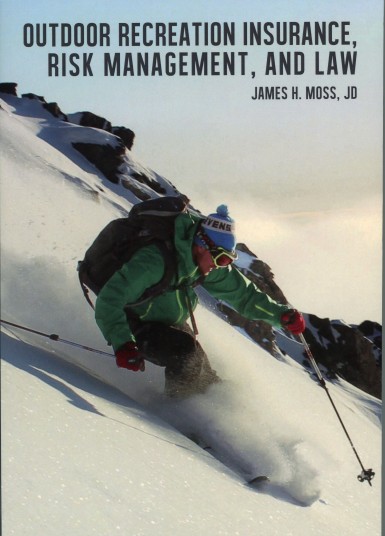
Outdoor Recreation Insurance, Risk Management, and Law
To see Jim’s complete bio go here and to see his CV you can find it here. To find out the purpose of this website go here.
G-YQ06K3L262
What do you think? Leave a comment.
If you like this let your friends know or post it on FB, Twitter or LinkedIn
 |
 |
 Threads |
 X (formerly known as Twitter) logo |
 Stimulus |
 Blue Sky |
Author: Outdoor Recreation Insurance, Risk Management and Law
Facebook Page: Outdoor Recreation & Adventure Travel Law
Email: Jim@Rec-Law.US
By Recreation Law Rec-law@recreation-law.com James H. Moss
@2024 Summit Magic Publishing, LLC
<rel=”author” link=” https://plus.google.com/u/0/b/112453188060350225356/” />
#AdventureTourism, #AdventureTravelLaw, #AdventureTravelLawyer, #AttorneyatLaw, #Backpacking, #BicyclingLaw, #Camps, #ChallengeCourse, #ChallengeCourseLaw, #ChallengeCourseLawyer, #CyclingLaw, #FitnessLaw, #FitnessLawyer, #Hiking, #HumanPowered, #HumanPoweredRecreation, #IceClimbing, #JamesHMoss, #JimMoss, #Law, #Mountaineering, #Negligence, #OutdoorLaw, #OutdoorRecreationLaw, #OutsideLaw, #OutsideLawyer, #RecLaw, #Rec-Law, #RecLawBlog, #Rec-LawBlog, #RecLawyer, #RecreationalLawyer, #RecreationLaw, #RecreationLawBlog, #RecreationLawcom, #Recreation-Lawcom, #Recreation-Law.com, #RiskManagement, #RockClimbing, #RockClimbingLawyer, #RopesCourse, #RopesCourseLawyer, #SkiAreas, #Skiing, #SkiLaw, #Snowboarding, #SummerCamp, #Tourism, #TravelLaw, #YouthCamps, #ZipLineLawyer, Quest Expeditions, Inc., Nathan & Brandy Henderson, Whitewater Rafting, Tennessee, Rafting Bus, Negligence, Public Policy, Statute, Whitewater Rafting, Rafting, Release, Bus, Transportation,
WordPress Tags: Release,whitewater,Tennessee,items,Henderson,Quest,Expeditions,Tenn,LEXIS,Plaintiff,Nathan,Brandy,Defendant,Claims,negligence,Defenses,office,injuries,Motion,Summary,Judgment,policy,scope,arguments,Some,theories,employee,patron,waiver,money,argument,Atkins,Swimwest,Center,Wisc,Supreme,Court,State,incident,Further,clause,freedom,statement,requirements,Tunkl,Regents,California,Rptr,regulation,exculpation,importance,member,transaction,advantage,strength,adhesion,provision,purchaser,protection,person,seller,agents,factors,professionals,agreement,profession,marketplace,legislature,Acts,statute,Written,waivers,agreements,injury,complaint,Seems,transportation,Moreover,Contract,plaintiffs,dangers,equipment,employees,tract,signature,lawsuit,precedence,clients,insurance,letter,cost,worth,competitor,Whether,Here,Leave,FaceBook,Twitter,LinkedIn,Recreation,Edit,Email,Google,RecreationLaw,Page,Outdoor,Adventure,Travel,Blog,Mobile,Site,James,Moss,Authorrank,author,AdventureTourism,AdventureTravelLaw,AdventureTravelLawyer,AttorneyatLaw,BicyclingLaw,Camps,ChallengeCourse,ChallengeCourseLaw,ChallengeCourseLawyer,CyclingLaw,FitnessLaw,FitnessLawyer,HumanPoweredRecreation,JamesHMoss,JimMoss,OutdoorLaw,OutdoorRecreationLaw,OutsideLaw,OutsideLawyer,RecLaw,RecLawBlog,LawBlog,RecLawyer,RecreationalLawyer,RecreationLawBlog,RecreationLawcom,Lawcom,RiskManagement,RockClimbingLawyer,RopesCourse,RopesCourseLawyer,SkiAreas,SkiLaw,SummerCamp,Tourism,TravelLaw,YouthCamps,ZipLineLawyer,Public,exculpatory,tradesmen
Henderson v. Quest Expeditions, Inc. 174 S.W.3d 730; 2005 Tenn. App. LEXIS 334
Posted: March 10, 2014 Filed under: Legal Case, Paddlesports, Release (pre-injury contract not to sue), Tennessee | Tags: Bus, California Supreme Court, Release, Supreme Court, Tenn, Tennessee, TN, Transportation, Whitewater Rafting Leave a commentTo Read an Analysis of this decision see: Release signed for whitewater rafting also works to stop claim for tripping getting out of raft bus. Tennessee release law broad enough to protect items enumerated in the release
Henderson v. Quest Expeditions, Inc. 174 S.W.3d 730; 2005 Tenn. App. LEXIS 334
Nathan & Brandy Henderson v. Quest Expeditions, Inc.
No. E2004-02585-COA-R3-CV
COURT OF APPEALS OF TENNESSEE, AT KNOXVILLE
174 S.W.3d 730; 2005 Tenn. App. LEXIS 334
April 4, 2005, Session
June 8, 2005, Filed
SUBSEQUENT HISTORY: Appeal denied by Henderson v. Quest Expeditions, Inc., 2005 Tenn. LEXIS 962 (Tenn., Oct. 24, 2005)
PRIOR HISTORY: [**1] Tenn. R. App. P.3 Appeal as of Right; Judgment of the Circuit Court Affirmed. Direct Appeal from the Circuit Court for Polk County. No. CV-03-130. Hon. John B. Hagler, Circuit Judge.
DISPOSITION: Judgment of the Circuit Court Affirmed.
COUNSEL: H. Franklin Chancey, Cleveland, Tennessee, for appellants.
Gary A. Cooper, Chattanooga, Tennessee, for appellee.
JUDGES: HERSCHEL PICKENS FRANKS, P.J., delivered the opinion of the court, in which CHARLES D. SUSANO, JR., J., and D. MICHAEL SWINEY, J., joined.
OPINION BY: HERSCHEL PICKENS FRANKS
OPINION
[*731] In this action for personal injuries allegedly due to defendant’s negligence, the Trial Court granted defendant summary judgment on the grounds that plaintiffs had executed a Waiver and Release of Liability which was required by defendant prior to plaintiffs’ participation in white water rafting. Plaintiffs have appealed, insisting the Release is void as against the public policy of this State. We affirm.
Plaintiffs’ Complaint alleged that Henderson was injured while on a white water rafting expedition operated by defendant. The Complaint alleged that defendant “ferries rafters to and from the Ocoee River by means of a series of dilapidated school buses.”, and that [**2] after Henderson had completed his rafting trip, he and other rafters were put on a bus, and then told to get on another bus, and when disembarking from the first bus he slipped and fell, sustaining severe personal injuries. Plaintiffs further alleged that defendant’s negligence was the proximate cause of his injuries.
Defendant in its Answer admitted that Henderson had participated in a rafting trip sponsored by defendant, and among its defenses raised was waiver, because plaintiff had signed a “Waiver and Release of Liability”, which defendant attached to its Answer.
In their Answers to Requests for Admissions, plaintiffs admitted that the waiver in question had been signed by Henderson. Defendant then filed a Motion for Summary Judgment, which plaintiffs opposed and Henderson filed his Affidavit which stated that Henderson had no previous white-water rafting experience, and was given a pre-printed document to sign prior to the excursion which was not reviewed with him by an employee of defendant. He further stated that he was not advised whether there were any other rafting companies who would allow him to go rafting without having to sign a waiver, or whether he could pay additional [**3] money to not have to sign the waiver.
The Trial Court determined that the waiver in this case did not affect the public interest, and thus the waiver was not void as against public policy. The court noted that Olson v. Molzen, 558 S.W.2d 429 (Tenn. 1977) did not apply to this situation and he was guided by the rule adopted in California, which states that “exculpatory agreements in the recreational sports context do not implicate the public interest.” Citing Allan v. Snow Summit, Inc., 51 Cal. App. 4th 1358, 59 Cal.Rptr.2d 813, 823 (Ca. App. 1996).
Plaintiffs on appeal insist the Waiver is void against public policy, and in the alternative, that the Waiver was void on the grounds it was too excessive in scope.
Plaintiffs concede that if the Waiver is enforceable then this action is barred, but argue the waiver violates the public policy of this State.
[*732] As our Supreme Court has explained:
[HN1] It is well settled in this State that parties may contract that one shall not be liable for his negligence to another but that such other shall assume the risk incident to such negligence. . . . Further, it is not necessary that the word ‘negligence’ appear [**4] in the exculpatory clause and the public policy of Tennessee favors freedom to contract against liability for negligence.
Empress Health and Beauty Spa, Inc. v. Turner, 503 S.W.2d 188 (Tenn. 1973).
An exception to this rule was recognized by the Supreme Court in Olson v. Molzen, wherein the Court held that certain relationships required greater responsibility which would render such a release “obnoxious”. Olson, at p. 430. The Court adopted the opinion of the California Supreme Court in Tunkl v. Regents of University of California, 60 Cal. 2d 92, 383 P.2d 441, 32 Cal. Rptr. 33 (Ca. 1963), which held that where the public interest would be affected by an exculpatory provision, such provision could be held invalid. Olson, at p. 431.
[HN2] Our Supreme Court adopted the six criteria set forth in Tunkl as useful in determining when an exculpatory provision should be held invalid as contrary to public policy. See Olson. These criteria are:
(a.) It concerns a business of a type generally thought suitable for public regulation.
(b.) The party seeking exculpation is engaged in performing a service of great importance to [**5] the public, which is often a matter of practical necessity for some members of the public.
(c.) The party holds himself out as willing to perform this service for any member of the public who seeks it, or at least for any member coming within certain established standards.
(d.) As a result of the essential nature of the service, in the economic setting of the transaction, the party invoking exculpation possesses a decisive advantage of bargaining strength against any member of the public who seeks his services.
(e.) In exercising a superior bargaining power the party confronts the public with a standardized adhesion contract of exculpation, and makes no provision whereby a purchaser may pay additional reasonable fees and obtain protection against negligence.
(f.) Finally, as a result of the transaction, the person or property of the purchaser is placed under the control of the seller, subject to the risk of carelessness by the seller or his agents.
Olson, at p. 431.
In Olson, the Supreme Court invalidated a contract between a doctor and patient which attempted to release the doctor from liability for his negligence in the performance of medical [**6] services. Also see Carey v. Merritt, 148 S.W.3d 912 (Tenn. Ct. App. 2004) and Russell v. Bray, 116 S.W.3d 1 (Tenn. Ct. App. 2003). In Russell, this Court refused to enforce an exculpatory contract between home buyers and the home inspectors who were hired by the buyers, because the Court found that the home inspectors were professionals whose services affected the public interest, and thus the contracts were offensive to public policy, based on the factors enumerated in Olson. In Carey, this Court made clear that [HN3] not all of the factors had to be present in order to invalidate an exculpatory agreement, but generally, the factors were limited to circumstances involving “a contract with a profession, as opposed to ‘tradesmen in the marketplace’.” Carey, at p. 916; cf. Parton v. Mark Pirtle Oldsmobile-Cadillac-Isuzu, Inc., 730 S.W.2d 634 [*733] (Tenn. Ct. App. 1987) (auto repair shop is not “professional” as would qualify it as service affecting public interest in order to invalidate exculpatory contract).
This case is factually different from Olson, Carey, and Parton because the white-water rafting service offered [**7] by defendant is not a “professional” trade, which affects the public interest. As discussed in factor number two quoted above, this is not a service of “great importance to the public, which is often a matter of practical necessity for some members of the public.” See Olson. There is no necessity that one go white-water rafting. In fact, [HN4] many jurisdictions have recognized that such recreational sporting activities are not activities of an essential nature which would render exculpatory clauses contrary to the public interest. See Seigneur v. National Fitness Institute, Inc., 132 Md. App. 271, 752 A.2d 631 (Md. Ct. Spec. App. 2000) (health club services not essential for purposes of holding exculpatory clause unenforceable as offensive to public interest); Allan v. Snow Summit, Inc., 51 Cal. App. 4th 1358, 59 Cal.Rptr.2d 813 (Cal. Ct. App. 1996) (“voluntary participation in recreational and sports activities [skiing] does not implicate the public interest”); Schutkowski v. Carey, 725 P.2d 1057 (Wyo. 1986) (sky diving and other private recreational businesses generally do not involve services which are necessary to the public such [**8] that exculpatory contract would be invalidated).
Plaintiffs argue that the Release in this case does affect the public interest because the business involved, i.e. commercial white-water rafting, is subject to regulation. While this is true, the presence of this factor does not render this Release offensive to the public interest. In fact, [HN5] recent legislation passed by the Tennessee Legislature “recognizes that the State has a legitimate interest in maintaining the economic viability of commercial white water rafting operations” because the State and its citizens benefit thereby. 2005 Tenn. Pub. Acts 169. This act states the legislative intent is to “encourage white water rafting by discouraging claims based on injury, death or damages resulting from risks inherent in white water rafting.” Id. Thus, the Tennessee legislature has evidenced that the public policy of this State is that commercial white water rafting companies be protected from claims for injuries to patrons.
Accordingly we affirm the Trial Court’s determination that the exculpatory contract in this case does not affect the public interest such that it should be invalidated pursuant to the Olson criteria.
Finally, [**9] appellants argue that the Release in this case should not operate as a bar to their claims because the injury suffered by Henderson was not within the “inherent risks” of the sport of white water rafting, and thus was not within the contemplation of the parties when the release was signed.
In the cases relied on by the plaintiffs regarding the scope of exculpatory provisions in the context of a sport, there are no provisions in those agreements which purport to release the defendant from its own negligence. For example, in Johnson v. Thruway Speedways, Inc., 63 A.D.2d 204, 407 N.Y.S.2d 81 (N.Y. App. Div. 1978), the Court refused to uphold a grant of summary judgment based on a release signed by the plaintiff prior to the sporting event. The Court stated that language of the release (which was not quoted in the opinion) “could lead to the conclusion that it only applied to injuries sustained by a spectator which were associated with the risks inherent in the activity of automobile racing”. The plaintiff in that case was injured when he was hit by a maintenance vehicle not involved in the race. Id. at 205. Thus, the Court [*734] held that this created a triable issue of fact [**10] as to whether the incident was of the type contemplated by the parties when the release was signed. Id.
Similarly, in the case of Larsen v. Vic Tanny International, 130 Ill. App. 3d 574, 474 N.E.2d 729, 85 Ill. Dec. 769 (Ill. App. Ct. 1984), the plaintiff was injured when he inhaled dangerous vapors created by the negligent mixing of cleaning compounds by the defendant health club’s employee. Plaintiff had signed a membership contract which contained exculpatory language regarding plaintiff’s use of the facilities (but did not mention any negligence by defendant). Id. The Court stated this type of injury was arguably not foreseeable to plaintiff when he signed the release, and thus a fact question existed regarding the parties’ intent behind the exculpation clause, which precluded summary judgment. Id. 1
1 The Court noted the result would have been different if plaintiff’s injuries stemmed from a slip and fall in an area adjacent to a swimming pool, citing its previous decision in Owen v. Vic Tanny Enterprises, 48 Ill. App. 2d 344, 199 N.E.2d 280 (Ill. App. Ct. 1964).
[**11] In another case where “negligence” is included in the release, Sweat v. Big Time Auto Racing, Inc., 117 Cal. App. 4th 1301, 12 Cal.Rptr. 3d 678 (Cal. Ct. App. 2004), the plaintiff was injured when the pit-area bleachers collapsed. Plaintiff had signed a release before entering the pit area, which stated that he released the defendant from all liability “whether caused by the negligence of the releasees or otherwise while the undersigned is in or upon the restricted area and/or . . . observing . . . the event.” Id. at 680. The Court found that the release was ambiguous due to the “and/or” language used, and thus relied on extrinsic evidence in interpreting the release, such as the fact that anyone could enter the pit area without signing the release once the race was over. The Court concluded that the release was only intended to apply to the risks inherent in being in close proximity to a race, and was not intended to cover the type of incident which occurred when the bleachers collapsed due to defective construction/maintenance. Id.
[HN6] The majority view from sister states is that an exculpatory provision which specifically and expressly releases a defendant from [**12] its own negligence will be upheld, without regard to whether the injury sustained is one typically thought to be “inherent in the sport”. In fact, there seems to be a split of authority among the states regarding whether the word “negligence” is even required to be present in the exculpation clause for the provision to be construed as releasing the defendant from its own negligence. Cases from Connecticut, for example, have held that in order for an exculpatory provision to be construed as releasing a defendant from its own negligence, the provision must expressly mention negligence . The cases are equally clear, however, that if the provision does expressly release the defendant from its own negligence, then it will be upheld as written. See Hyson v. White Water Mtn. Resorts, 265 Conn. 636, 829 A.2d 827 (Conn. 2003) (snowtubing); Brown v. Sol, 2004 Conn. Super. LEXIS 2430, 2004 WL 2165638 (Conn. Super. Ct. Aug. 31, 2004) (racing school); DiMaggio v. LaBreque, 2003 Conn. Super. LEXIS 2823, 2003 WL 22480968 (Conn. Super. Ct. Oct. 9, 2003) (parachuting).
[HN7] Most jurisdictions, including Tennessee, have held that if the exculpation contract sufficiently demonstrates the parties’ intent to eliminate [**13] liability for negligence, the absence of the word “negligence” is not fatal. See Krazek v. Mountain River Tours, Inc., 884 F.2d 163 (4th Cir. 1989) (white water rafting); Saenz v. Whitewater Voyages, Inc., 226 Cal. App. 3d 758, 276 Cal.Rptr. 672 (Cal. Ct. App. 1991) (white water rafting); Heil Valley Ranch, Inc. v. Simkin, 784 P.2d 781 (Colo. 1989) (horseback [*735] riding); Seigneur v. National Fitness Institute, Inc., 132 Md. App. 271, 752 A.2d 631 (Md. Ct. Spec. App. 2000) (health club); Petry v. Cosmopolitan Spa Intern., Inc., 641 S.W.2d 202 (Tenn. Ct. App. 1982) (health club); Murphy v. North American River Runners, Inc., 186 W. Va. 310, 412 S.E.2d 504 (W. Va. 1991) (white water rafting); Schutkowski v. Carey, 725 P.2d 1057 (Wyo. 1986) (skydiving). In these cases, the fact that the injury occurred during an activity that was not foreseeable or not associated with a risk “inherent in the sport” did not matter. See, e.g., Benedek (health club member injured when adjusting a television set above exercise machines which fell); Murphy (white water rafter injured [**14] when her raft tried to engage in rescue of another raft), and Petry (patron of health club injured when exercise machine she was sitting on collapsed).
In this case, the Release in question does specifically and expressly release defendant from any liability for its negligence or that of any employees, owners, agents, etc. In the matter of contract interpretation, this Court has previously explained:
[HN8] The cardinal rule in the construction of contracts is to ascertain the intent of the parties. West v. Laminite Plastics Mfg. Co., 674 S.W.2d 310 (Tenn. App. 1984). If the contract is plain and unambiguous, the meaning thereof is a question of law, and it is the Court’s function to interpret the contract as written according to its plain terms. Petty v. Sloan, 197 Tenn. 630, 277 S.W.2d 355 (1955). The language used in a contract must be taken and understood in its plain, ordinary, and popular sense. Bob Pearsall Motors, Inc. v. Regal Chrysler-Plymouth, Inc., 521 S.W.2d 578 (Tenn. 1975). In construing contracts, the words expressing the parties’ intentions should be given the usual, natural, and ordinary meaning. Ballard v. North American Life & Cas. Co., 667 S.W.2d 79 (Tenn. App. 1983). [**15] If the language of a written instrument is unambiguous, the Court must interpret it as written rather than according to the unexpressed intention of one of the parties. Sutton v. First Nat. Bank of Crossville, 620 S.W.2d 526 (Tenn. App. 1981). Courts cannot make contracts for parties but can only enforce the contract which the parties themselves have made. McKee v. Continental Ins. Co., 191 Tenn. 413, 234 S.W.2d 830, 22 A.L.R.2d 980 (1951).
Bradson Mercantile, Inc. v. Crabtree, 1 S.W.3d 648, 652 (Tenn. Ct. App. 1999).
The Contract under consideration is clear and unambiguous, and states that plaintiffs agreed to release defendant from any and all liability, including defendant’s own negligence. Moreover, the Contract specifically mentions that plaintiffs are being furnished and participating in white water rafting and “bus or van transportation” provided by the defendant. The Contract states that plaintiffs realize that they could be injured due to dangers from the rafting as well as the use of white water equipment, forces of nature, or even due to the negligence of defendant’s employees and other rafters. The Contract states [**16] that defendant is being relieved of any liability caused by its own negligence in no less than four places, the last of which is in bold print above the signature line. This Contract is plain, and enforceable as written. We conclude the Trial Court properly granted summary judgment to defendant on plaintiffs’ negligence claims.
The Trial Court’s Judgment is affirmed, and the cost of the appeal is assessed to plaintiffs Nathan and Brandy Henderson.
HERSCHEL PICKENS FRANKS, P.J.
G-YQ06K3L262
WordPress Tags: Henderson,Quest,Expeditions,Tenn,LEXIS,Nathan,Brandy,COURT,APPEALS,TENNESSEE,KNOXVILLE,April,Session,June,SUBSEQUENT,HISTORY,Appeal,PRIOR,Judgment,Circuit,Direct,Polk,John,Hagler,Judge,DISPOSITION,COUNSEL,Franklin,Chancey,Cleveland,appellants,Gary,Cooper,Chattanooga,JUDGES,HERSCHEL,PICKENS,FRANKS,opinion,CHARLES,SUSANO,MICHAEL,SWINEY,action,injuries,defendant,negligence,Trial,plaintiffs,Waiver,Release,participation,policy,State,Complaint,expedition,Ocoee,River,series,Answer,plaintiff,Answers,Requests,Admissions,Motion,Summary,Affidavit,employee,money,Olson,Molzen,situation,California,agreements,context,Allan,Summit,Rptr,scope,Supreme,incident,Further,clause,freedom,Health,Turner,exception,relationships,Tunkl,Regents,provision,criteria,regulation,exculpation,importance,member,transaction,advantage,strength,adhesion,purchaser,protection,person,seller,agents,performance,Also,Carey,Merritt,Russell,Bray,buyers,inspectors,professionals,factors,agreement,profession,marketplace,Parton,Mark,Pirtle,Oldsmobile,Cadillac,Isuzu,auto,factor,fact,jurisdictions,clauses,Seigneur,National,Institute,Spec,purposes,Schutkowski,presence,legislation,Legislature,citizens,Acts,injury,death,Thus,patrons,determination,contemplation,example,Johnson,Thruway,Speedways,event,conclusion,spectator,automobile,maintenance,vehicle,Larsen,Tanny,International,compounds,membership,facilities,area,decision,Owen,Enterprises,Sweat,Time,bleachers,construction,Cases,Connecticut,Hyson,White,Water,Resorts,Conn,Brown,Super,DiMaggio,LaBreque,Most,absence,Krazek,Mountain,Tours,Saenz,Whitewater,Voyages,Heil,Valley,Ranch,Simkin,Colo,Petry,Cosmopolitan,Intern,Murphy,North,American,Runners,Benedek,television,patron,machine,employees,owners,interpretation,West,Laminite,Plastics,Sloan,Pearsall,Motors,Regal,Chrysler,Plymouth,intentions,Ballard,Life,instrument,intention,Sutton,Bank,Crossville,Courts,McKee,Continental,Bradson,Mercantile,Crabtree,Contract,Moreover,transportation,dangers,equipment,signature,cost,whether,exculpatory,enforceable
Liability for Activities Whitewater Rafting Professionals
Posted: March 10, 2014 Filed under: Paddlesports, Tennessee, Whitewater Rafting | Tags: Paddling, Raft, Recreation, Release, statute, Tenn, Tennessee, Whitewater Rafting Leave a commentTennessee Whitewater Rafting Statute
TENNESSEE CODE ANNOTATED
Title 70 Wildlife Resources
Chapter 7 Liability for Activities
Part 2 Whitewater Rafting Professionals
GO TO THE TENNESSEE ANNOTATED STATUTES ARCHIVE DIRECTORY
Tenn. Code Ann. § 70-7-204 (2013)
70-7-201. Part definitions.
As used in this part, unless the context otherwise requires:
(1) “Engages in whitewater activity” means whitewater rafting;
(2) “Inherent risks of whitewater activities” means those dangers or conditions that are an integral part of whitewater activities, including, but not limited to:
(A) Water;
(B) Rocks and obstructions;
(C) Cold water and weather; and
(D) The potential of a participant to act in a negligent manner that may contribute to injury to the participant or other, such as failing to follow instructions or not acting within the participant’s ability;
(3) “Participant” means any person who engages in a whitewater activity;
(4) “Whitewater” means rapidly moving water;
(5) “Whitewater activity” means navigation on rapidly moving water in a watercraft; and
(6) “Whitewater professional” means a person, corporation, LLC, partnership, natural person or any other en-tity engaged for compensation in whitewater activity.
HISTORY: Acts 2012, ch. 862, § 1.
NOTES: Compiler’s Notes.
For the Preamble to the act concerning the limitation of liability of those involved in whitewater activities, please refer to Acts 2012, ch. 862.
Former part 2, §§ 70-7-201 — 70-7-204 (Acts 2004, ch. 952, § 1), concerning white water rafting, was repealed ef-fective May 17, 2005, by Acts 2005, ch. 169, § 1, which also enacted present part 2, §§ 70-7-201 — 70-7-207, in its place.
Former Part 2, §§ 70-7-201 — 70-7-208 (Acts 2005, ch. 169, § 1), concerning the Tennessee White Water Rafting Responsibility Act, was repealed by Acts 2005, ch. 169, § 2, as amended by Acts 2007, ch. 85, § 1, effective July 1, 2010.
Effective Dates.
Acts 2012, ch. 862, § 2. May 1, 2012.
70-7-202. Limitations on liability of whitewater professional.
Except as provided in § 70-7-203:
(1) A whitewater professional shall not be liable for an injury to or the death of a participant resulting from the inherent risks of whitewater activities; and
(2) No participant or participant’s representative shall make any claim against, maintain an action against, or re-cover from a whitewater professional, or any other participant for injury, loss, damages, or death of the participant resulting from any of the inherent risks of whitewater activities.
HISTORY: Acts 2012, ch. 862, § 1.
NOTES: Compiler’s Notes.
For the Preamble to the act concerning the limitation of liability of those involved in whitewater activities, please refer to Acts 2012, ch. 862.
Former part 2, §§ 70-7-201 — 70-7-204 (Acts 2004, ch. 952, § 1), concerning white water rafting, was repealed ef-fective May 17, 2005, by Acts 2005, ch. 169, § 1, which also enacted present part 2, §§ 70-7-201 — 70-7-207, in its place.
Former Part 2, §§ 70-7-201 — 70-7-208 (Acts 2005, ch. 169, § 1), concerning the Tennessee White Water Rafting Responsibility Act, was repealed by Acts 2005, ch. 169, § 2, as amended by Acts 2007, ch. 85, § 1, effective July 1, 2010.
Effective Dates.
Acts 2012, ch. 862, § 2. May 1, 2012.
Section to Section References.
This section is referred to in § 70-7-203.
70-7-203. When liability of whitewater professional imposed.
Nothing in § 70-7-202 shall be construed to prevent or limit the liability of a whitewater professional, or any other person if the whitewater professional:
(1) Provided the equipment and knew or should have known that the equipment was faulty, and the equipment was faulty to the extent that it caused the injury;
(2) Owns, leases, rents, or otherwise is in the lawful possession and control of the land or facilities upon which the participant sustained injuries because of a dangerous latent condition that was known to the whitewater professional, or person and for which warning signs have not been conspicuously posted;
(3) Commits an act or omission that constitutes gross negligence or willful or wanton disregard for the safety of the participant, and the act or omission caused the injury; or
(4) Intentionally injures the participant.
HISTORY: Acts 2012, ch. 862, § 1.
NOTES: Compiler’s Notes.
For the Preamble to the act concerning the limitation of liability of those involved in whitewater activities, please refer to Acts 2012, ch. 862.
Former part 2, §§ 70-7-201 — 70-7-204 (Acts 2004, ch. 952, § 1), concerning white water rafting, was repealed ef-fective May 17, 2005, by Acts 2005, ch. 169, § 1, which also enacted present part 2, §§ 70-7-201 — 70-7-207, in its place.
Former Part 2, §§ 70-7-201 — 70-7-208 (Acts 2005, ch. 169, § 1), concerning the Tennessee White Water Rafting Responsibility Act, was repealed by Acts 2005, ch. 169, § 2, as amended by Acts 2007, ch. 85, § 1, effective July 1, 2010.
Effective Dates.
Acts 2012, ch. 862, § 2. May 1, 2012.
Section to Section References.
This section is referred to in § 70-7-202.
70-7-204. Warning notice.
(a) Every whitewater professional shall either post and maintain signs that contain the warning notice prescribed in subsection (d) or give the warning in writing to participants. The signs shall be placed in clearly visible locations on or near places where the whitewater professional conducts whitewater activities, if the places are owned, managed, or controlled by the professional.
(b) The warning notice specified in subsection (d) shall appear on the sign in black letters, with each letter to be a minimum of one inch (1”) in height.
(c) Every written contract entered into by a whitewater professional for the purpose of providing professional services, instruction, or the rental of equipment to a participant, whether or not the contract involves activities on or off the location or site of the whitewater professional’s business, shall contain in clearly readable print the warning notice specified in subsection (d).
(d) The signs and contracts described in subsection (a) shall contain the following warning notice:
WARNING
Pursuant to Tenn. Code Annotated title 70, chapter 7, part 2, a whitewater professional is not liable for an injury to or the death of a participant in whitewater activities resulting from the inherent risks of whitewater activities.
HISTORY: Acts 2012, ch. 862, § 1.
NOTES: Compiler’s Notes.
For the Preamble to the act concerning the limitation of liability of those involved in whitewater activities, please refer to Acts 2012, ch. 862.
Former part 2, §§ 70-7-201 — 70-7-204 (Acts 2004, ch. 952, § 1), concerning white water rafting, was repealed effective May 17, 2005, by Acts 2005, ch. 169, § 1, which also enacted present part 2, §§ 70-7-201 — 70-7-207, in its place.
Former Part 2, §§ 70-7-201 — 70-7-208 (Acts 2005, ch. 169, § 1), concerning the Tennessee White Water Rafting Responsibility Act, was repealed by Acts 2005, ch. 169, § 2, as amended by Acts 2007, ch. 85, § 1, effective July 1, 2010.
Effective Dates.
Acts 2012, ch. 862, § 2. May 1, 2012.
70-7-205. Written waivers, exculpatory agreements and releases.
Nothing in this part shall modify, constrict or prohibit the use of written waivers, exculpatory agreements or releases. This part is intended to provide additional limitations of liability for whitewater professionals, whether or not such agreements are used.
HISTORY: Acts 2012, ch. 862, § 1.
NOTES: Compiler’s Notes.
For the Preamble to the act concerning the limitation of liability of those involved in whitewater activities, please refer to Acts 2012, ch. 862.
Former part 2, §§ 70-7-201 — 70-7-204 (Acts 2004, ch. 952, § 1), concerning white water rafting, was repealed ef-fective May 17, 2005, by Acts 2005, ch. 169, § 1, which also enacted present part 2, §§ 70-7-201 — 70-7-207, in its place.
Former Part 2, §§ 70-7-201 — 70-7-208 (Acts 2005, ch. 169, § 1), concerning the Tennessee White Water Rafting Responsibility Act, was repealed by Acts 2005, ch. 169, § 2, as amended by Acts 2007, ch. 85, § 1, effective July 1, 2010.
Effective Dates.
Acts 2012, ch. 862, § 2. May 1, 2012.
WordPress Tags: Activities,Whitewater,Professionals,Chapter,Part,Tenn,Code,Written,waivers,agreements,limitations,HISTORY,Acts,NOTES,Compiler,Preamble,limitation,Former,Tennessee,White,Water,Effective,Dates,exculpatory
Bill before congress to open the Yellowstone River and Grand Teton National Parks to paddling has an interesting side
Posted: March 8, 2014 Filed under: Paddlesports, Wyoming | Tags: Code of Federal Regulations, Congress, Grand Teton National Park, National Elk Refuge, National Park Service, Paddlesports, Paddling, Rafting, rivers, United States House Committee on Natural Resources, Yellowstone, Yellowstone National Park, Yellowstone River 1 CommentThe bill is sponsored by, let’s say, a very non environmental supporter in Congress. The bill is part of several other bills which are not so innocuous and the bill opens vast areas to paddling that the NPS will not be able to control.
You can find the bill here:
113th CONGRESS
1st Session
H. R. 3492
IN THE HOUSE OF REPRESENTATIVES
November 14, 2013
Mrs. Lummis (for herself and Mr. Bishop of Utah) introduced the following bill; which was referred to the Committee on Natural Resources
A BILL
To provide for the use of hand-propelled vessels in Yellowstone National Park, Grand Teton National Park, and the National Elk Refuge, and for other purposes.
1.
Short Title
This Act may be cited as the ” River Paddling Protection Act “.
2.
Regulations Superseded
(a)
In general
The following regulations shall have no force or effect with regard to hand-propelled vessels and the Secretary of the Interior may not issue substantially similar regulations that apply to hand-propelled vessels:
(1)
Section 7.13(d)(4)(ii) of title 36, Code of Federal Regulations, regarding vessels on streams and rivers in Yellowstone National Park.
(2)
Section 7.22(e)(3) of title 36, Code of Federal Regulations, regarding vessels on lakes and rivers in Grand Teton National Park.
(b)
Wildlife-Dependent recreational use
Notwithstanding section 25.21(a) of title 50, Code of Federal Regulations, regarding National Elk Refuge, the use of hand-propelled vessels on rivers and streams in the National Elk Refuge shall be considered a “wildlife-dependent recreational use” as that term is defined in section 5(2) of Public Law 89–669 ( 16 U.S.C. 668ee(2) ).
On the surface it looks great. We can paddle on a couple of rivers that have been closed forever. However, does it open up too much? It does not stop on the Yellowstone River but all rivers in Yellowstone National park. The same with Grand Teton National Park, everything will be fair paddling game.
Honestly, I don’t know if that is good, great or bad. You need to read and investigate for yourself.
Here are some comments: Protection of parks requires self restraint and Lummis Boating Legislation for Yellowstone and Grand Teton Parks Misguided.
Do Something
Read, educate yourself and get involved.
What do you think? Leave a comment.
If you like this let your friends know or post it on FB, Twitter or LinkedIn
Copyright 2014 Recreation Law (720) Edit Law
Email: Rec-law@recreation-law.com
Google+: +Recreation
Twitter: RecreationLaw
Facebook: Rec.Law.Now
Facebook Page: Outdoor Recreation & Adventure Travel Law
Mobile Site: http://m.recreation-law.com
By Recreation Law Rec-law@recreation-law.com James H. Moss #Authorrank
<rel=”author” link=” https://plus.google.com/u/0/b/112453188060350225356/” />
#RecreationLaw, #Recreation-Law.com, #OutdoorLaw, #OutdoorRecreationLaw, #AdventureTravelLaw, #law, #TravelLaw, #JimMoss, #JamesHMoss, #Tourism, #AdventureTourism, #Rec-Law, #RiskManagement, #CyclingLaw, #BicyclingLaw, #FitnessLaw, #Recreation-Law.com, #Backpacking, #Hiking, #Mountaineering, #IceClimbing, #RockClimbing, #RopesCourse, #ChallengeCourse, #SummerCamp, #Camps, #YouthCamps, #Skiing, #Ski Areas, #Negligence, #Snowboarding, #RecreationLaw, #@RecreationLaw, #Cycling.Law, #SkiLaw, #Outside.Law, #Recreation.Law, #RecreationLaw.com, #OutdoorLaw, #RecreationLaw, #OutdoorRecreationLaw, #AdventureTravelLaw, #Law, #TravelLaw, #JimMoss, #JamesHMoss, #AttorneyatLaw, #Tourism, #AdventureTourism, #RecLaw, #RecLawBlog, #RecreationLawBlog, #RiskManagement, #HumanPowered, #HumanPoweredRecreation,# CyclingLaw, #BicyclingLaw, #FitnessLaw, #RecreationLaw.com, #Backpacking, #Hiking, #Mountaineering, #IceClimbing, #RockClimbing, #RopesCourse, #ChallengeCourse, #SummerCamp, #Camps, #YouthCamps, #Skiing, #Ski Areas, #Negligence, #Snowboarding, sport and recreation laws, ski law, cycling law, Colorado law, law for recreation and sport managers, bicycling and the law, cycling and the law, ski helmet law, skiers code, skiing accidents, Recreation Lawyer, Ski Lawyer, Paddlesports Lawyer, Cycling Lawyer, Recreational Lawyer, Fitness Lawyer, Rec Lawyer, Challenge Course Lawyer, Ropes Course Lawyer, Zip Line Lawyer, Rock Climbing Lawyer, Adventure Travel Lawyer, Outside Lawyer, Recreation Lawyer, Ski Lawyer, Paddlesports Lawyer, Cycling Lawyer, #RecreationalLawyer, #FitnessLawyer, #RecLawyer, #ChallengeCourseLawyer, #RopesCourseLawyer, #ZipLineLawyer, #RockClimbingLawyer, #AdventureTravelLawyer, #OutsideLawyer, Good Samaritan, Samaritan, First Aid, Grand Teton National Park, Yellowstone, Yellowstone National Park, National Park Service, Paddlesports, Paddling, rafting, rivers, Congress,
WordPress Tags: Bill,River,Grand,Teton,National,Parks,supporter,areas,Session,HOUSE,November,Lummis,Bishop,Utah,Committee,Natural,Resources,vessels,Park,Refuge,purposes,Short,Title,Protection,Regulations,Secretary,Interior,Section,Code,Federal,rivers,lakes,Wildlife,Dependent,Public,Here,self,Legislation,Read,Leave,Twitter,LinkedIn,Recreation,Edit,Email,Google,RecreationLaw,Facebook,Page,Outdoor,Adventure,Travel,Blog,Mobile,Site,James,Moss,Authorrank,author,OutdoorLaw,OutdoorRecreationLaw,AdventureTravelLaw,TravelLaw,JimMoss,JamesHMoss,Tourism,AdventureTourism,RiskManagement,CyclingLaw,BicyclingLaw,FitnessLaw,RopesCourse,ChallengeCourse,SummerCamp,Camps,YouthCamps,Negligence,SkiLaw,Outside,AttorneyatLaw,RecLaw,RecLawBlog,RecreationLawBlog,HumanPoweredRecreation,Colorado,managers,helmet,accidents,Lawyer,Paddlesports,Recreational,Challenge,Course,Ropes,Line,Rock,RecreationalLawyer,FitnessLawyer,RecLawyer,ChallengeCourseLawyer,RopesCourseLawyer,ZipLineLawyer,RockClimbingLawyer,AdventureTravelLawyer,OutsideLawyer,Samaritan,Service

Friends of CAIC Launches $150,000 fundraising campaign
Posted: March 7, 2014 Filed under: Avalanche, Colorado | Tags: avalanche, CAIC, Colorado, Colorado Avalanche, Colorado Avalanche Information Center Leave a commentHi There,
We have had 7 fatalities thus far this season including the most recent, which happened yesterday in Southern Colorado. Our sincerest condolences go out to the family and friends of the victim. Numerous accidents have happened throughout Colorado and we recently saw an avalanche cycle that was one of the largest in 30 years. It has been and continues to be a very busy season.
The Colorado Avalanche Information Center’s Backcountry Avalanche Forecasting program is small but mighty. The CAIC operates on limited funding and they do incredible work with what they have. Colorado is a very big place and there are more and more people enjoying the State’s spectacular winter backcountry each year. We deserve the best avalanche center in the country. To achieve this goal we need everyone’s support. The State of Colorado is incredibly supportive and has increased the CAIC’s funding. But to really grow, we need you involved. This private public partnership is the best way we can expand the CAIC’s backcountry forecast program and I am personally asking you to support avalanche forecasting and education throughout the State of Colorado. In fact, to show how strongly I feel about the CAIC’s backcountry forecasting program, I will kick off the campaign with my own $200 donation.
Starting today and for the next 7 weeks the Friends of CAIC will be offering prizes, challenges, and incentives, to anyone who donates $25 or more. Click here for more information or to DONATE NOW!
We will be accepting donations in the following ways:
Donate on Crowdrise.com.http://www.crowdrise.com/stayinformedstayalive/
(Remember you don’t have to pay the “Optional Processing Fee”. Click on the text and select 0%.)
Mail us a check: PO BOX 140817 Denver, CO 80214
Donate ONLINE on our website: http://friendsofcaic.org
Hand us cash!
We are looking forward to your help in this campaign.
Sincerely,
Aaron Carlson
Executive Director
Friends of CAIC
Ethan Greene
Director
Colorado Avalanche Information Center
=
Honorary member of the Italian Academic Alpine Club acceptance speech is an eloquent statement on why we climb mountains
Posted: March 5, 2014 Filed under: Mountaineering | Tags: Bernard Amy, CAIC, French mountaineer, French Observatoir pour les Pratiques de la Montagne et de l' Alpinisme, honorary, Italian Academic Alpine Club, Membership, Mountaineering, OPMA Leave a commentWhether you climb or not, you should read this speech. It will justify your actions provide you with ideas to defend our desire to climb, no matter the risk.
Bernard Amy is a well-known French mountaineer and President the French Observatoir pour les Pratiques de la Montagne et de l’ Alpinisme (OPMA). He was granted honorary membership in the Italian Academic Alpine Club (CAIC). His acceptance speech can be found here.
Mr. Amy’s speech should be read by every mountaineer and should be read by every person who is attempting to stop a mountaineer. Some Quotes:
Rather, in order to have mountaineering accepted as a risky activity, we must explain what the mountains give us and what we learn from them. In other words, we must not try to explain why we go to the mountains, but what we find there.
Like all passions, the passion for mountaineering is characterized by a permanent element of doubt, a continuous questioning of oneself about the sense of the activity. Be he young or old, a mountaineer needs to feel strong. For this the social recognition of the group is essential.
These are valuable and strong statements by someone who has concentrated to find the thrill, the accomplishment and the satisfaction of standing on the summit.
Congratulations Mr. Amy on your honorary membership in the CAIC. Thank you for providing us support for our future endeavors to keep mountains open and mountain tops great places of worship for our soles.
Bernard Amy says we must explain what the mountains give us and what we learn from them
What do you think? Leave a comment.
If you like this let your friends know or post it on FB, Twitter or LinkedIn
Copyright 2013 Recreation Law (720) Edit Law
Email: Rec-law@recreation-law.com
Google+: +Recreation
Twitter: RecreationLaw
Facebook: Rec.Law.Now
Facebook Page: Outdoor Recreation & Adventure Travel Law
Mobile Site: http://m.recreation-law.com
By Recreation Law Rec-law@recreation-law.com James H. Moss #Authorrank
<rel=”author” link=” https://plus.google.com/u/0/b/112453188060350225356/” />
#RecreationLaw, #Recreation-Law.com, #OutdoorLaw, #OutdoorRecreationLaw, #AdventureTravelLaw, #law, #TravelLaw, #JimMoss, #JamesHMoss, #Tourism, #AdventureTourism, #Rec-Law, #RiskManagement, #CyclingLaw, #BicyclingLaw, #FitnessLaw, #Recreation-Law.com, #Backpacking, #Hiking, #Mountaineering, #IceClimbing, #RockClimbing, #RopesCourse, #ChallengeCourse, #SummerCamp, #Camps, #YouthCamps, #Skiing, #Ski Areas, #Negligence, #Snowboarding, #RecreationLaw, #@RecreationLaw, #Cycling.Law, #SkiLaw, #Outside.Law, #Recreation.Law, #RecreationLaw.com, #OutdoorLaw, #RecreationLaw, #OutdoorRecreationLaw, #AdventureTravelLaw, #Law, #TravelLaw, #JimMoss, #JamesHMoss, #AttorneyatLaw, #Tourism, #AdventureTourism, #RecLaw, #RecLawBlog, #RecreationLawBlog, #RiskManagement, #HumanPowered, #HumanPoweredRecreation,# CyclingLaw, #BicyclingLaw, #FitnessLaw, #RecreationLaw.com, #Backpacking, #Hiking, #Mountaineering, #IceClimbing, #RockClimbing, #RopesCourse, #ChallengeCourse, #SummerCamp, #Camps, #YouthCamps, #Skiing, #Ski Areas, #Negligence, #Snowboarding, sport and recreation laws, ski law, cycling law, Colorado law, law for recreation and sport managers, bicycling and the law, cycling and the law, ski helmet law, skiers code, skiing accidents, Recreation Lawyer, Ski Lawyer, Paddlesports Lawyer, Cycling Lawyer, Recreational Lawyer, Fitness Lawyer, Rec Lawyer, Challenge Course Lawyer, Ropes Course Lawyer, Zip Line Lawyer, Rock Climbing Lawyer, Adventure Travel Lawyer, Outside Lawyer, Recreation Lawyer, Ski Lawyer, Paddlesports Lawyer, Cycling Lawyer, #RecreationalLawyer, #FitnessLawyer, #RecLawyer, #ChallengeCourseLawyer, #RopesCourseLawyer, #ZipLineLawyer, #RockClimbingLawyer, #AdventureTravelLawyer, #OutsideLawyer, Good Samaritan, Samaritan, First Aid, Bernard Amy, French mountaineer, French Observatoir pour les Pratiques de la Montagne et de l’ Alpinisme, OPMA, honorary, membership, Italian Academic Alpine Club, CAIC,
WordPress Tags: Honorary,member,Italian,Academic,Alpine,Club,acceptance,speech,statement,mountains,Whether,Bernard,French,mountaineer,President,Observatoir,Pratiques,Montagne,Alpinisme,OPMA,membership,CAIC,person,Some,Quotes,Rather,passions,passion,recognition,statements,accomplishment,satisfaction,summit,Congratulations,Thank,mountain,Leave,Twitter,LinkedIn,Recreation,Edit,Email,Google,RecreationLaw,Facebook,Page,Outdoor,Adventure,Travel,Blog,Mobile,Site,James,Moss,Authorrank,author,OutdoorLaw,OutdoorRecreationLaw,AdventureTravelLaw,TravelLaw,JimMoss,JamesHMoss,Tourism,AdventureTourism,RiskManagement,CyclingLaw,BicyclingLaw,FitnessLaw,RopesCourse,ChallengeCourse,SummerCamp,Camps,YouthCamps,Areas,Negligence,SkiLaw,Outside,AttorneyatLaw,RecLaw,RecLawBlog,RecreationLawBlog,HumanPoweredRecreation,Colorado,managers,helmet,accidents,Lawyer,Paddlesports,Recreational,Challenge,Course,Ropes,Line,Rock,RecreationalLawyer,FitnessLawyer,RecLawyer,ChallengeCourseLawyer,RopesCourseLawyer,ZipLineLawyer,RockClimbingLawyer,AdventureTravelLawyer,OutsideLawyer,Samaritan


 Recreation Law