
NY court explains how it interprets Section 5-326 which disallows releases in NY. Upholds release for a marathon
Posted: October 8, 2012 Filed under: New York, Racing, Release (pre-injury contract not to sue) | Tags: Brooklyn, General Obligations Law § 5-326, Jim Moss, New York, New York City, New York Roadrunners Club, New York Supreme Court Leave a commentBrookner v New York Roadrunners Club, Inc., et al., 2008 NY Slip Op 4638; 51 A.D.3d 841; 858 N.Y.S.2d 348; 2008 N.Y. App. Div. LEXIS 4393
Language of General Obligations Law § 5-326 is interpreted

In this case, the plaintiff sued the New York Road Runners Club which puts on the ING New York Marathon. His injuries were not stated in the claim nor were his
claims. A New York statute restricts the use of releases. See States that do not Support the Use of a Releaseand no court has ever clearly defined how they get around the statute when a release is raised as a defense.
The Supreme Court of New York, Appellate Division which wrote this decision held that General Obligations Law § 5-326 did not apply.
General Obligations Law § 5-326 states:
§ 5-326. Agreements exempting pools, gymnasiums, places of public amusement or recreation and similar establishments from liability for negligence void and unenforceable
Every covenant, agreement or understanding in or in connection with, or collateral to, any contract, membership application, ticket of admission or similar writing, entered into between the owner or operator of any pool, gymnasium, place of amusement or recreation, or similar establishment and the user of such facilities, pursuant to which such owner or operator receives a fee or other compensation for the use of such facilities, which exempts the said owner or operator from liability for damages caused by or resulting from the negligence of the owner, operator or person in charge of such establishment, or their agents, servants or employees, shall be deemed to be void as against public policy and wholly unenforceable.
The court then looked at the language of the statute and concluded the release applied in this case because the entry fee for the marathon was not a fee for admission into the streets of New York City. Further the court found the streets of New York City, where the plaintiff was injured were not places of amusement.
…General Obligations Law § 5-326 does not invalidate the release, since the entry fee the plaintiff paid to the NYRRC was for his participation in the marathon, and was not an admission fee allowing him to use the City-owned public roadway over which the marathon was run. Further, the public roadway in Brooklyn where the plaintiff alleges he was injured is not a “place of amusement or recreation”
So Now What?

Although the interpretation by the court could be viewed in another light, clearly most courts in New York want to uphold releases and if given the opportunity will write a decision which does so.
Make sure, if you are based in New York, that when your release is written it takes the statute into consideration. You can have signors of the release agree to the release that you are not a place of amusement, and the fee paid is not for admission.
Other New York Articles:
Electronic Signature on release in NY upheld.
New York Decision explains the doctrine of Primary Assumption of the Risk for cycling
Summer camp supervision issues are always part of any lawsuit and tough to determine in New York.
How to fight a Bicycle Product Liability case in New York. One step at a time
 |
Jim Moss is an attorney specializing in the legal issues of the outdoor recreation community. He represents guides, guide services, outfitters both as businesses and individuals and the products they use for their business. He has defended Mt. Everest guide services, summer camps, climbing rope manufacturers; avalanche beacon manufacturers, and many more manufacturers and outdoor industries. Contact Jim at Jim@Rec-Law.us |
Jim is the author or co-author of six books about the legal issues in the outdoor recreation world; the latest is Outdoor Recreation Insurance, Risk Management
Outdoor Recreation Insurance, Risk Management and Law
To see Jim’s complete bio go here and to see his CV you can find it here. To find out the purpose of this website go here.
G-YQ06K3L262
What do you think? Leave a comment.
If you like this let your friends know or post it on FB, Twitter or LinkedIn
Author: Outdoor Recreation Insurance, Risk Management and Law
Facebook Page: Outdoor Recreation & Adventure Travel Law
Email: Jim@Rec-Law.US
By Recreation Law Rec-law@recreation-law.com James H. Moss
@2012-2023 Summit Magic Publishing, LLC
#RecreationLaw, #@RecreationLaw, #Cycling.Law #Fitness.Law, #Ski.Law, #Outside.Law, #Recreation.Law, #Recreation-Law.com, #Outdoor Law, #Recreation Law, #Outdoor Recreation Law, #Adventure Travel Law, #law, #Travel Law, #Jim Moss, #James H. Moss, #Attorney at Law, #Tourism, #Adventure Tourism, #Rec-Law, #Rec-Law Blog, #Recreation Law, #Recreation Law Blog, #Risk Management, #Human Powered, #Human Powered Recreation,# Cycling Law, #Bicycling Law, #Fitness Law, #Recreation-Law.com, #Backpacking, #Hiking, #Mountaineering, #Ice Climbing, #Rock Climbing, #Ropes Course, #Challenge Course, #Summer Camp, #Camps, #Youth Camps, #Skiing, #Ski Areas, #Negligence, #Snowboarding, #RecreationLaw, #@RecreationLaw, #Cycling.Law #Fitness.Law, #SkiLaw, #Outside.Law, #Recreation.Law, #RecreationLaw.com, #OutdoorLaw, #RecreationLaw, #OutdoorRecreationLaw, #AdventureTravelLaw, #Law, #TravelLaw, #JimMoss, #JamesHMoss, #AttorneyatLaw, #Tourism, #AdventureTourism, #RecLaw, #RecLawBlog, #RecreationLawBlog, #RiskManagement, #HumanPowered, #HumanPoweredRecreation,# CyclingLaw, #BicyclingLaw, #FitnessLaw, #RecreationLaw.com, #Backpacking, #Hiking, #Mountaineering, #IceClimbing, #RockClimbing, #RopesCourse, #ChallengeCourse, #SummerCamp, #Camps, #YouthCamps, #Skiing, #Ski Areas, #Negligence, #Snowboarding, sport and recreation laws, ski law, cycling law, Colorado law, law for recreation and sport managers, bicycling and the law, cycling and the law, ski helmet law, skiers code, skiing accidents, Recreation Lawyer, Ski Lawyer, Paddlesports Lawyer, Cycling Lawyer, Recreational Lawyer, Fitness Lawyer, Rec Lawyer, Challenge Course Lawyer, Ropes Course Lawyer, Zip Line Lawyer, Rock Climbing Lawyer, Adventure Travel Lawyer, Outside Lawyer, Recreation Lawyer, Ski Lawyer, Paddlesports Lawyer, Cycling Lawyer, #RecreationalLawyer, #FitnessLawyer, #RecLawyer, #ChallengeCourseLawyer, #RopesCourseLawyer, #ZipLineLawyer, #RockClimbingLawyer, #AdventureTravelLawyer, #OutsideLawyer, New York, ING, New York Marathon, Marathon, ING NY Marathon, release,
WordPress Tags: Upholds,Brookner,York,Roadrunners,Club,Slip,LEXIS,Language,General,Obligations,plaintiff,Road,Runners,Marathon,injuries,statute,States,Support,Release,Supreme,Court,Appellate,Division,decision,Agreements,gymnasiums,amusement,recreation,establishments,negligence,covenant,agreement,connection,collateral,membership,ticket,admission,owner,operator,gymnasium,establishment,user,facilities,compensation,person,agents,servants,employees,policy,streets,Further,NYRRC,participation,roadway,Brooklyn,Although,interpretation,Make,Articles,Electronic,Signature,doctrine,Primary,Assumption,Risk,Summer,supervision,lawsuit,Bicycle,Product,Leave,Twitter,LinkedIn,Edit,RecreationLaw,Facebook,Page,Outdoor,Adventure,Travel,Blog,Mobile,Site,Outside,Moss,James,Attorney,Tourism,Management,Human,Rock,Ropes,Course,Challenge,Camp,Camps,Youth,Areas,SkiLaw,OutdoorLaw,OutdoorRecreationLaw,AdventureTravelLaw,TravelLaw,JimMoss,JamesHMoss,AttorneyatLaw,AdventureTourism,RecLaw,RecLawBlog,RecreationLawBlog,RiskManagement,HumanPoweredRecreation,CyclingLaw,BicyclingLaw,FitnessLaw,RopesCourse,ChallengeCourse,SummerCamp,YouthCamps,Colorado,managers,helmet,accidents,Lawyer,Paddlesports,Recreational,Line,RecreationalLawyer,FitnessLawyer,RecLawyer,ChallengeCourseLawyer,RopesCourseLawyer,ZipLineLawyer,RockClimbingLawyer,AdventureTravelLawyer,OutsideLawyer,unenforceable
Brookner v New York Roadrunners Club, Inc., et al., 2008 NY Slip Op 4638; 51 A.D.3d 841; 858 N.Y.S.2d 348; 2008 N.Y. App. Div. LEXIS 4393
Posted: October 8, 2012 Filed under: Legal Case, New York, Racing | Tags: New York, New York City, New York Roadrunners Club, Supreme Court Leave a commentTo Read an Analysis of this decision see NY court explains how it interprets § 5-326 which disallows releases in NY. Upholds release for a marathon
Brookner v New York Roadrunners Club, Inc., et al., 2008 NY Slip Op 4638; 51 A.D.3d 841; 858 N.Y.S.2d 348; 2008 N.Y. App. Div. LEXIS 4393
[*1] Larry Brookner, Appellant, v New York Roadrunners Club, Inc., et al., Respondents. (Index No. 2902/06)
2007-02310, 2007-02712
SUPREME COURT OF NEW YORK, APPELLATE DIVISION, SECOND DEPARTMENT
2008 NY Slip Op 4638; 51 A.D.3d 841; 858 N.Y.S.2d 348; 2008 N.Y. App. Div. LEXIS 4393
May 20, 2008, Decided
SUBSEQUENT HISTORY: Appeal denied by Brookner v. N.Y. Roadrunners Club, Inc., 11 NY3d 704, 894 NE2d 1198, 2008 N.Y. LEXIS 2654, 864 NYS2d 807 (N.Y., Sept. 9, 2008)
HEADNOTES
Release–Scope of Release
COUNSEL: David A. Kapelman, P.C., New York, N.Y. (Richard H. Bliss of counsel), for appellant.
Havkins Rosenfeld Ritzert & Varriale, LLP, New York, N.Y. (Steven Rosenfeld and Carmen Nicolaou of counsel), for respondents.
JUDGES: ANITA R. FLORIO, J.P., HOWARD MILLER, MARK C. DILLON, WILLIAM E. McCARTHY, JJ. FLORIO, J.P., MILLER, DILLON and McCARTHY, JJ., concur.
OPINION
[**841] [***348]
In an action to recover damages for personal injuries, the plaintiff appeals (1) from an order of the Supreme Court, Kings County (Ambrosio, J.), dated December 18, 2006, which, in effect, granted that branch of the defendants’ motion pursuant to CPLR 3211 (a) (5) which was to dismiss the complaint insofar as asserted against the defendant New York Roadrunners Club, Inc., and (2), as limited by his brief, from so much of an order of the same court dated February 8, 2007, as, in effect, granted that branch of the defendants’ motion pursuant to CPLR 3211 (a) (5) which was to dismiss the complaint insofar as asserted against the defendant City of New York.
Ordered that the order dated December 18, 2006, is affirmed; and it is further,
[***349] Ordered that the order dated February 8, 2007, is affirmed insofar as appealed from; and it is further,
Ordered that one bill of costs is awarded to the defendants.
The plaintiff commenced this action to recover damages after he allegedly sustained injuries while participating in the 2004 ING Marathon in New York City. Prior to the event, the plaintiff signed a waiver and release, which unambiguously stated his intent to release the defendants from [*2] any liability arising from ordinary negligence (see Bufano v National Inline Roller Hockey Assn., 272 AD2d 359, 359-360, 707 NYS2d 223 [2000]; cf. Gross v Sweet, 49 NY2d 102, 109-110, 400 NE2d 306, 424 NYS2d 365 [1979]; Doe v Archbishop Stepinac High School, 286 AD2d 478, 479, 729 NYS2d 538 [2001]). In light of this waiver and release, [**842] the Supreme Court properly granted those branches of the defendants’ motion which were to dismiss the complaint pursuant to CPLR 3211 (a) (5) insofar as asserted against the defendants New York Road Runners Club, Inc. (hereinafter NYRRC) and City of New York (see Fazzinga v Westchester Track Club, 48 AD3d 410, 851 NYS2d 278 [2008]; see also Booth v 3669 Delaware, 92 NY2d 934, 703 NE2d 757, 680 NYS2d 899 [1998]; Lee v Boro Realty, LLC, 39 AD3d 715, 716, 832 NYS2d 453 [2007]; Koster v Ketchum Communications, 204 AD2d 280, 611 NYS2d 298 [1994]).
Contrary to the plaintiff’s contentions, General Obligations Law § 5-326 does not invalidate the release, since the entry fee the plaintiff paid to the NYRRC was for his participation in the marathon, and was not an admission fee allowing him to use the City-owned public roadway over which the marathon was run (see Stulweissenburg v Town of Orangetown, 223 AD2d 633, 634, 636 NYS2d 853 [1996]). Further, the public roadway in Brooklyn where the plaintiff alleges he was injured is not a “place of amusement or recreation” (Tedesco v Triborough Bridge & Tunnel Auth., 250 AD2d 758, 673 NYS2d 181 [1998]; see Fazzinga v Westchester Track Club, 48 AD3d 410, 851 NYS2d 278 [2008]).
The plaintiff’s remaining contentions are without merit. Florio, J.P., Miller, Dillon and McCarthy, JJ., concur.

Keep Healthy Kids in the Picture with NWF
Posted: October 5, 2012 Filed under: Uncategorized | Tags: #NWF, Barack Obama, Center for Responsive Politics, Kids, National Wildlife Federation, Outdoors, Play, Ranger Rick, South Platte River Leave a comment |
||
 When fall arrives, how do you picture your kids? Will they be front and center taking nature walks and hunting for colorful leaves? Most likely they won’t. Studies show kids today spend far less time outdoors than their parents did — help change that by registering for Hike & Seek! When fall arrives, how do you picture your kids? Will they be front and center taking nature walks and hunting for colorful leaves? Most likely they won’t. Studies show kids today spend far less time outdoors than their parents did — help change that by registering for Hike & Seek! Register now for NWF’s Hike & Seek, 9 a.m. – 12 p.m. at South Platte Park on September 29, and enjoy activity stations, live animals, naturalists, crafts and more, especially for toddlers to children age 10 and their grown-ups. This year, kids will have the opportunity to communicate through echolocation (just like bats!), build a bug box, and make bird calls. You can even meet everyone’s favorite raccoon, Ranger Rick—all while supporting NWF programs that get kids out doors and into healthier lifestyles. Register now for NWF’s Hike & Seek, 9 a.m. – 12 p.m. at South Platte Park on September 29, and enjoy activity stations, live animals, naturalists, crafts and more, especially for toddlers to children age 10 and their grown-ups. This year, kids will have the opportunity to communicate through echolocation (just like bats!), build a bug box, and make bird calls. You can even meet everyone’s favorite raccoon, Ranger Rick—all while supporting NWF programs that get kids out doors and into healthier lifestyles.
Register now at As soon as you register, you’ll receive a link to your personal online Participant Center so you can plan your hike and have the opportunity to fundraise. Sign up today. You’ll be thrilled with what develops. Sincerely,
Karoline Hurd Senior Manager, Special Events PS: Don’t forget to fundraise! Check out our incentives page and see our great prizes. |
||

The 2013 National Outdoor Recreation Conference and IUFRO Conference on Forests for People
Posted: October 4, 2012 Filed under: Uncategorized | Tags: #Paper, Conference, Forest, Management Science, Michigan, NORC, Poster session, SORP, Traverse City, Traverse City Michigan, West Virginia University Leave a comment
Call for Presentation and Poster Proposals
The 2013 National Outdoor Recreation Conference and IUFRO Conference on Forests for People
The Society of Outdoor Recreation Professionals is proud to be sponsoring the 2013 National Outdoor Recreation Conference in conjunction with the second annual International Union of Forest Research Organizations Conference on Forests for People in Traverse City, Michigan from May 19-23, 2013.
We are pleased to offer this exciting and unique joint forum. These two educational programs will be seamlessly blended, while still retaining the individual identity of the two host organizations. You will have the opportunity to submit a presentation(s), host a poster session, and attend any session of these two educational programs.
One registration form and one registration fee will cover both conferences. The program will offer several joint sessions and field workshops, along with separate concurrent sessions tailored directly to the related themes of each conference. The sessions will be carefully synchronized to allow participants to move across as many as seven choices.
This joint call for presentations and posters allows you to target your presentation and/or poster session to the conference and theme that meets your needs.
This is a new model for professional education and development tailored for these difficult economic times. With the co-location and the joint administration of the programs, participants will have more opportunities and a greater experience.
More information about the 2013 National Outdoor Recreation and Forests for People Conference is at www.recpro.org/2013-sorp-ffp-conference. Check back often, as updates will be made regularly as the program develops.
Click here to download the Call for Proposals and Abstract Submission Form package.
Don’t delay, the deadline to submit a proposal is November 16, 2012.
~~~~~~~~~~~~~~~~~~~~~~~~~~~~~~~~~~~~~~~
Brenda Adams-Weyant
Association Manager
Society of Outdoor Recreation Professionals
(formerly NARRP)
PO Box 221
Marienville, PA 16239
(814) 927-8212
(814) 927-6659 FAX
Brenda
Robert C. Burns, Ph.D.
Associate Professor
6125 Percival Hall
Morgantown, WV 26506-6125
(office) 304-293-6781
(fax) 304-293-2441
You don’t ask for help, you don’t pay, you aren’t a member but you sue when you were not properly trained.
Posted: October 3, 2012 Filed under: Climbing Wall, Idaho | Tags: AdventureTravel, Grigri, Idaho, Jim Moss, Outdoor recreation, Rock climbing, YMCA Leave a commentSettlement in the Wood River, ID YMCA lawsuit
I wrote about this lawsuit, and the injury right after it happened. See Climbing accident at Ketchum Idaho indoor Climbing Walland Update on climbing wall accident at Wood River YMCA Climbing Wall. A lot, more facts came out in this latest article that makes the plaintiff’s position look weak if not worse.
In this suit, the plaintiff claimed:

He contended that the Y was negligent in not training him how to use the climbing equipment and that the rope and self-belay device that he was using suddenly detached from the climbing wall while he was 20 feet up
The YMCA defended saying, “Hopfenbeck had signed a liability release. Furthermore, the Y claimed, he had considerable experience at climbing on indoor walls.”
However, this is the statement that drives me “up a wall.”
In a deposition, Hopfenbeck acknowledged that he had not paid a fee to use the wall, was not a member of the Y in Ketchum and had not asked anyone’s permission to climb. He said he began climbing on his own after taking a ballet class at the Y, but a Y employee did ask him to sign a liability waiver.
When you go use a climbing wall without being a member, without telling anyone, without getting permission to use the wall, how is the Y supposed to train you?
The plaintiff also stated:
Hopfenbeck said another climber there showed him how to use a Grigri belaying device, which can be used to self-belay. He said he practiced with it some, then climbed to the top of the wall and lay back in his harness to rest.
It was the YMCA’s fault he never knew how to use the complicated belay device?
Results – probably not good
This lawsuit was brought in Idaho and settled before the defendant’s motion for summary judgment on the release had been decided by the court. However, I can’t believe that an Idaho jury would allow this plaintiff to recover any money.
How can you trespass, use a device and get hurt then argue you were not trained in how to use the device?
The real problem is there is probably a gate at the Y and the people on the climbing wall probably have a wrist band. YMCA’s all over the world having instituted stricter

polices (however, I doubt they have updated their releases) to make sure no one climbs the wall without signing a release and receiving instruction.
Any settlement is better than a trial, but sometimes you just want to win because the claims are so outlandish.
I hope they deducted the fee for a YMCA membership the year he was hurt from his settlement.
See YMCA settles negligence lawsuit
What do you think? Leave a comment.
Copyright 2012 Recreation Law (720) Edit Law,
Twitter: RecreationLaw
Facebook: Rec.Law.Now
Facebook Page: Outdoor Recreation & Adventure Travel Law
Blog: http://www.recreation-law.com
#recreationlaw, #@recreationlaw, #cycling.law #fitness.law, #ski.law, #outside.law, #recreation.law, #recreation-law.com, #outdoor law, #recreation law, #outdoor recreation law, #adventure travel law, #law, #travel law, #Jim Moss, #James H. Moss, #attorney at law, #tourism, #adventure tourism, #rec-law, #rec-law blog, #recreation law, #recreation law blog, #risk management, #Human Powered, #human powered recreation,# cycling law, #bicycling law, #fitness law, #recreation-law.com, #backpacking, #hiking, #Mountaineering, #ice climbing, #rock climbing, #ropes course, #challenge course, #summer camp, #camps, #youth camps, #skiing, #ski areas, #negligence, #,
WordPress Tags: member,Settlement,Wood,River,YMCA,lawsuit,injury,accident,Ketchum,Idaho,Wall,Update,article,plaintiff,equipment,self,device,feet,Hopfenbeck,statement,permission,ballet,employee,waiver,climber,Grigri,Results,defendant,judgment,jury,money,gate,band,instruction,membership,negligence,Leave,Recreation,Edit,Gmail,Twitter,RecreationLaw,Facebook,Page,Outdoor,Adventure,Travel,Blog,Keywords,Moss,James,attorney,tourism,management,Human,youth,areas,belay
Public Input Received on LTEMP EIS Alternatives………long wait, big fight, stay involved
Posted: October 2, 2012 Filed under: Uncategorized | Tags: Arizona, Colorado, Colorado River, EIS, Flagstaff, Flagstaff Arizona, Grand Canyon, Grand Canyon National Park, LTEMP, National Park Service, NPS Leave a commentPublic Input Received on LTEMP EIS Alternatives
***********************************************
The Bureau of Reclamation and the National Park Serviceextended an opportunity for members of the public to provide input on LTEMP EIS alternatives after

preliminary alternative concepts were published in a newsletter on March 30, 2012, and the agencies hosted a public workshop on alternatives in Flagstaff, Arizona on April 4 and 5, 2012. Input was received from the Basin States (consisting of the seven Colorado River Basin states and the Upper Colorado River Commission), the Colorado River Energy Distributors Association (CREDA), the Grand Canyon Trust, and the Irrigation and Electrical Districts Association of Arizona (IEDA). This input can be viewed on the LTEMP EIS website at
http://ltempeis.anl.gov/news/index.cfm#PublicInput
The LTEMP joint-lead agencies are reviewing this material and using it to inform development of alternatives to be considered in the LTEMP EIS.
For More Information
********************
To learn more about how you can participate in the EIS process, visit the “Getting Involved” page of the LTEMP EIS Web Site
(http://ltempeis.anl.gov/involve/index.cfm).
If you have questions or need more information, contact the LTEMP EIS Webmaster at ltempeiswebmaster@anl.gov
Please forward this message to any party you feel may be interested in the LTEMP EIS.
_________________CONTACTS/SUBSCRIPTIONS________________
FEEDBACK
Michigan appellate court supports dismissal of a case based on Michigan Ski Area Safety Act
Posted: October 1, 2012 Filed under: Michigan, Ski Area, Skiing / Snow Boarding | Tags: Anderson, Boyne Mountain, Boyne USA, Jackson Hole Mountain Resort, Michigan, Michigan Supreme Court, Ski, Ski Resort, skiing, snowboarding, Terrain park Leave a commentAnderson v Boyne USA, Inc., 2012 Mich. App. LEXIS 1725
Decision is definitive about the issues identifying how the Michigan Ski Area Safety Act is to be interpreted.
This decision is recent and can still be appealed by the plaintiff. However, the decision is written well, short, and thorough. In the case, the plaintiff was paralyzed on a jump in the terrain park at Boyne Mountain Ski Area. The trial court dismissed the plaintiff’s lawsuit based on the Michigan Ski Safety Act, (SASA), MCL 408.341 et seq.
The plaintiff had been skiing at Boyne the prior day and had boarded through the terrain park. The terrain park was marked and had warning signs posted near the entrance into the terrain park. The court stated, “The jump was not a hidden feature of the park, and plaintiff would have seen it had he heeded all posted signs and warnings, as required by the statute.”
Summary of the case
The court in the first paragraph stated the Michigan Ski Safety Act barred the plaintiff’s claims because the jump was “an inherent, obvious, and necessary danger of snowboarding.” The reasoning was based on the SASA MCL 408.342 which states:
(1) While in a ski area, each skier shall do all of the following:
(a) Maintain reasonable control of his or her speed and course at all times.
(b) Stay clear of snow-grooming vehicles and equipment in the ski area.
(c) Heed all posted signs and warnings.
(d) Ski only in ski areas which are marked as open for skiing on the trail board described in section 6a(e).
(2) Each person who participates in the sport of skiing accepts the dangers that inhere in that sport insofar as the dangers are obvious and necessary. Those dangers include, but are not limited to, injuries which can result from variations in terrain; surface or subsurface snow or ice conditions; bare spots; rocks, trees, and other forms of natural growth or debris; collisions with ski lift towers and their components, with other skiers, or with properly marked or plainly visible snowmaking or snow-grooming equipment.
The court then interpreted a prior Michigan Supreme Court decision Anderson v Pine Knob Ski Resort, Inc, 469 Mich 20; 664 NW2d 756 (2003) which stated: “in the hazards is that they all inhere in the sport of skiing and, as long as they are obvious and necessary to the sport, there is immunity from suit.”
The court looked at the jump in the terrain park as a “variation of terrain” which is listed as an inherent risk of skiing in the SASA. The jump was also something the plaintiff should expect to see if one entered the terrain park. A skier or snowboarder must accept the risks associated with the sport, whether going down the slope or “performing tricks in a terrain park.”
The court also looked at the terrain park not as some special part of the ski area but as part of the ski area. The following quote should be used in every motion over terrain park injuries in the future. It shows a true understanding of what a terrain park is.
While it is true, one can snowboard without jumps, a snowboarder enters a terrain park expecting to use jumps, rails, and boxes. Without those features, there would not be a terrain park. If a snowboarder did not want to use those features, he or she would not enter a terrain park. Instead, the snowboarder would simply propel down a ski hill. Therefore, a jump is a necessary feature of a terrain park.
The court looked at the jump the plaintiff was injured jumping and found it was obvious. The plaintiff also knew of the jump, seeing it the previous day.
The court also took on the plaintiff’s expert witness. The plaintiff, through its expert argued the jump was designed or constructed incorrectly. The court found this to be irrelevant. How it was constructed does not matter because it is a risk that the plaintiff assumed as set forth in the statute. The Michigan legislature removed this argument from the case when it passed the law.
So Now What?
Finally, a decision concerning a terrain park from a court that understands what a terrain park is, part of a ski area. However, as stated above, this decision could still be appealed, which may result in a different decision.
This case shows an evolution of the courts understanding of snowboarding and terrain parks. Decisions in the past either failed to comprehend what a terrain park was or held the resort liable because the terrain park was outside the protection of the statute and obviously dangerous. See Dunbar v. Jackson Hole Mountain Resort Corporation, 2004 U.S. App. LEXIS 25807 where the court found the half pipe to be a high-risk feature when the plaintiff fell into it (not fell while in it, but fell from the berm into it.)
Here the court saw the park as just another part of the ski area. Like a roller or a bump made by grooming outside of the terrain park, whether or not the injury was caused in or out of the terrain, park does not matter. The jump is part of the resort as such covered by the definitions in the Michigan Ski Area Safety Act.
|
Jim Moss is an attorney specializing in the legal issues of the outdoor recreation community. He represents guides, guide services, outfitters both as businesses and individuals and the products they use for their business. He has defended Mt. Everest guide services, summer camps, climbing rope manufacturers; avalanche beacon manufactures and many more manufacturers and outdoor industries. Contact Jim at Jim@Rec-Law.us |
Jim is the author or co-author of six books about the legal issues in the outdoor recreation world; the latest is Outdoor Recreation Insurance, Risk Management and Law.
To see Jim’s complete bio go here and to see his CV you can find it here. To find out the purpose of this website go here.
G-YQ06K3L262
What do you think? Leave a comment.
If you like this let your friends know or post it on FB, Twitter or LinkedIn
Author: Outdoor Recreation Insurance, Risk Management and Law

Outdoor Recreation Insurance, Risk Management and Law
Facebook Page: Outdoor Recreation & Adventure Travel Law
Email: Jim@Rec-Law.US
By Recreation Law Rec-law@recreation-law.com James H. Moss
@2023 Summit Magic Publishing, LLC
#RecreationLaw, #@RecreationLaw, #Cycling.Law #Fitness.Law, #Ski.Law, #Outside.Law, #Recreation.Law, #Recreation-Law.com, #Outdoor Law, #Recreation Law, #Outdoor Recreation Law, #Adventure Travel Law, #law, #Travel Law, #Jim Moss, #James H. Moss, #Attorney at Law, #Tourism, #Adventure Tourism, #Rec-Law, #Rec-Law Blog, #Recreation Law, #Recreation Law Blog, #Risk Management, #Human Powered, #Human Powered Recreation,# Cycling Law, #Bicycling Law, #Fitness Law, #Recreation-Law.com, #Backpacking, #Hiking, #Mountaineering, #Ice Climbing, #Rock Climbing, #Ropes Course, #Challenge Course, #Summer Camp, #Camps, #Youth Camps, #Skiing, #Ski Areas, #Negligence, #Snowboarding, #RecreationLaw, #@RecreationLaw, #Cycling.Law #Fitness.Law, #SkiLaw, #Outside.Law, #Recreation.Law, #RecreationLaw.com, #OutdoorLaw, #RecreationLaw, #OutdoorRecreationLaw, #AdventureTravelLaw, #Law, #TravelLaw, #JimMoss, #JamesHMoss, #AttorneyatLaw, #Tourism, #AdventureTourism, #RecLaw, #RecLawBlog, #RecreationLawBlog, #RiskManagement, #HumanPowered, #HumanPoweredRecreation,# CyclingLaw, #BicyclingLaw, #FitnessLaw, #RecreationLaw.com, #Backpacking, #Hiking, #Mountaineering, #IceClimbing, #RockClimbing, #RopesCourse, #ChallengeCourse, #SummerCamp, #Camps, #YouthCamps, #Skiing, #Ski Areas, #Negligence, #Snowboarding, sport and recreation laws, ski law, cycling law, Colorado law, law for recreation and sport managers, bicycling and the law, cycling and the law, ski helmet law, skiers code, skiing accidents, Recreation Lawyer, Ski Lawyer, Paddlesports Lawyer, Cycling Lawyer, Recreational Lawyer, Fitness Lawyer, Rec Lawyer, Challenge Course Lawyer, Ropes Course Lawyer, Zip Line Lawyer, Rock Climbing Lawyer, Adventure Travel Lawyer, Outside Lawyer, Recreation Lawyer, Ski Lawyer, Paddlesports Lawyer, Cycling Lawyer, #RecreationalLawyer, #FitnessLawyer, #RecLawyer, #ChallengeCourseLawyer, #RopesCourseLawyer, #ZipLineLawyer, #RockClimbingLawyer, #AdventureTravelLawyer, #OutsideLawyer, Boyne Mountain Ski Area, Boyne, Michigan, SASA, Michigan Ski Area Safety Act, Ski Area Safety Act, Terrain Park, Jump,
Anderson v Boyne USA, Inc., 2012 Mich. App. LEXIS 1725
Posted: October 1, 2012 Filed under: Legal Case, Michigan, Ski Area, Skiing / Snow Boarding | Tags: Boyne USA, Michigan Ski Area Safety Act, SASA, Terrain park Leave a commentTo Read an Analysis of this case see Michigan appellate court supports dismissal of a case based on Michigan Ski Area Safety Act and Court writes clear decision a jump in a terrain park is an open and obvious risk
Anderson v Boyne USA, Inc., 2012 Mich. App. LEXIS 1725
Patrick N. Anderson, Plaintiff-Appellant, v Boyne USA, Inc., Defendant-Appellee.
No. 306060
COURT OF APPEALS OF MICHIGAN
2012 Mich. App. LEXIS 1725
September 11, 2012, Decided
NOTICE: THIS IS AN UNPUBLISHED OPINION. IN ACCORDANCE WITH MICHIGAN COURT OF APPEALS RULES, UNPUBLISHED OPINIONS ARE NOT PRECEDENTIALLY BINDING UNDER THE RULES OF STARE DECISIS.
PRIOR HISTORY: [*1]
Charlevoix Circuit Court. LC No. 10-028423-NO.
CORE TERMS: terrain, jump, ski, skiing, shack, snowboarder, skier, sport, ski area, snowboarding, placement, hazard, posted, timing, de novo, nonmoving party, ejusdem generis, grant immunity, reasonableness, snow-grooming, constructed, common-law, favorable, variation, ski-area, genuine, warnings, weather, marked, inhere
JUDGES: Before: SERVITTO, P.J., and FITZGERALD and Talbot, JJ.
OPINION
Per Curiam.
Plaintiff appeals as of right from an order granting plaintiff’s motion for summary disposition. We affirm.
Plaintiff filed a complaint against defendant after he was paralyzed as the result of a snowboarding accident involving a jump in the terrain park at Boyne Mountain Ski Resort. The trial court found that the Ski Area Safety Act (SASA), MCL 408.341 et seq, barred plaintiff’s claim because the jump was an inherent, obvious, and necessary danger of snowboarding.
We review a trial court’s decision on a motion for summary disposition de novo. Maiden v Rozwood, 461 Mich 109, 118; 597 NW2d 817 (1999). Defendant filed its motion under both MCR 2.116(C)(8) and (C)(10), but the trial court did not specify the rule it was applying when it granted the motion. “However, where, as here, the trial court considered material outside the pleadings, this Court will construe the motion as having been granted pursuant to MCR 2.116(C)(10).” Hughes v Region VII Area Agency on Aging, 277 Mich App 268, 273; 744 NW2d 10 (2007). “A motion for summary disposition under MCR 2.116(C)(10) tests the [*2] factual sufficiency of the complaint.” BC Tile & Marble Co, Inc v Multi Building Co, Inc, 288 Mich App 576, 582-583; 794 NW2d 76 (2010). All documentary evidence supporting a motion under (C)(10) must be viewed in a light most favorable to the nonmoving party. Marilyn Froling Revocable Living Trust v Bloomfield Hills Country Club, 283 Mich App 264, 278; 769 NW2d 234 (2009). When reviewing a motion pursuant to MCR 2.116(C)(10), summary disposition may be granted if the evidence establishes that “there is no genuine issue as to any material fact, and the moving party is entitled to judgment . . . as a matter of law.” MCR 2.116(C)(10). “There is a genuine issue of material fact when reasonable minds could differ on an issue after viewing the record in a light most favorable to the nonmoving party.” Allison v AEW Capital Mgt, LLP, 481 Mich 419, 425; 751 NW2d 8 (2008). In addition, this issue requires us to “determine whether a set of circumstances falls within the scope of MCL 408.342(2),” which is a question of law that is also reviewed de novo. Anderson v Pine Knob Ski Resort, Inc, 469 Mich 20; 664 NW2d 756 (2003).
(1) While in a ski area, each skier shall do all [*3] of the following:
(a) Maintain reasonable control of his or her speed and course at all times.
(b) Stay clear of snow-grooming vehicles and equipment in the ski area.
(c) Heed all posted signs and warnings.
(d) Ski only in ski areas which are marked as open for skiing on the trail board described in section 6a(e).
(2) Each person who participates in the sport of skiing accepts the dangers that inhere in that sport insofar as the dangers are obvious and necessary. Those dangers include, but are not limited to, injuries which can result from variations in terrain; surface or subsurface snow or ice conditions; bare spots; rocks, trees, and other forms of natural growth or debris; collisions with ski lift towers and their components, with other skiers, or with properly marked or plainly visible snowmaking or snow-grooming equipment.
The parties primarily rely on Anderson to support their positions. In Anderson, the plaintiff was in a ski competition at Pine Knob Ski Resort when he “‘caught an edge’ as he neared the finish line and lost his balance.” Anderson, 469 Mich at 22. As a result, “he collided with the shack housing the race timing equipment.” Id. Our Supreme Court noted that SASA provided [*4] for two types of dangers inherent in skiing: natural and unnatural hazards. Anderson, 469 Mich at 24. The examples listed in the statute “are employed to give the reader guidance about what other risks are held to be assumed by the skier [,]” but are not limited to those listed. Id. at 25. The Court applied the doctrine of ejusdem generis1 and “conclude[d] that the commonality in the hazards is that they all inhere in the sport of skiing and, as long as they are obvious and necessary to the sport, there is immunity from suit.” Id. The question then became “whether the timing shack was within the dangers assumed by plaintiff as he engaged in ski racing at Pine Knob.” Id. The Court held that it was. Id. The Court stated that the timing equipment was necessary for ski racing, and for it to function it had to be protected from the weather. Id. The shack provided that protection and “was obvious in its placement at the end of the run.” Id. The Court stated that the shack was “a hazard of the same sort as the ski towers and snow-making and grooming machines to which the statutes refers us.” Id. at 25-26. Further, the Court rejected the plaintiff’s argument that the shack was larger than other [*5] alternatives that could have been used for timing-equipment protection. Id. at 26. The Court stated, “We find nothing in the language of the statute that allows us to consider factors of this sort. Once hazards fall within the covered category, only if they are unnecessary or not obvious is the ski operator liable.” Id. The Court stated that the Legislature enacted the statute to remove these matters “from the common-law arena” and to grant immunity to ski-area operators. Id. Therefore, the reasonableness of the placement of the shack was not a consideration for the fact-finder. Id.
1 Under ejusdem generis, general terms include those “of the same kind, class, character, or nature as those specifically enumerated.” Anderson, 469 Mich at 25, n 1 (quotation marks and citation omitted).
As noted in Anderson, the list of examples in SASA is not exhaustive and is provided as guidance to determine what other risks a skier assumes. Here, the jump was a danger assumed by plaintiff as he snowboarded in the terrain park. Whether it was created by defendant or not, it was still a variation in the terrain that a snowboarder would expect to see if he or she entered a terrain park. Even if the jump [*6] were not inside the terrain park, it would still be a danger inherent in the sport of skiing; a snowboarder accepts the risks associated with snowboarding, regardless of whether he is snowboarding down a slope or performing tricks in a terrain park. See Barrett v Mount Brighton, Inc, 474 Mich 1087; 1087, 719 NW2d 154 (2006) (indicating that the particular form of skiing does not matter).
While it is true one can snowboard without jumps, a snowboarder enters a terrain park expecting to use jumps, rails, and boxes. Without those features, there would not be a terrain park. If a snowboarder did not want to use those features, he or she would not enter a terrain park. Instead, the snowboarder would simply propel down a ski hill. Therefore, a jump is a necessary feature of a terrain park.
Further, the jump was in an obvious placement in the terrain park. Plaintiff was aware of the original jump the previous day, but failed to inspect the premises on the second day, even though he knew features of the park could change. There were signs posted at the entrance of the terrain park stating that skiers were responsible for familiarizing themselves with the terrain throughout its use, especially [*7] because the features change constantly due to snow conditions, weather, and usage. The jump was not a hidden feature of the park, and plaintiff would have seen it had he heeded all posted signs and warnings, as required by the statute. See MCL 408.342(1)(c).
In addition, plaintiff argues that the jump was not obvious because he was unaware of the danger it created by being improperly constructed; he relies on his expert witness to support the assertion that the jump should have been constructed in a safer way. However, whether there was a safer alternative for creating the jump appears to be irrelevant for purposes of SASA. See Anderson, 469 Mich at 26. The Legislature enacted the statute to remove these matters “from the common-law arena” and to grant immunity to ski-area operators; therefore, reasonableness of the placement of the jump would not be a consideration. Id.
Affirmed.
/s/ Deborah A. Servitto
/s/ E. Thomas Fitzgerald
/s/ Michael J. Talbot
Denver B-Cycle is going to have local area interuptions during the Presidential Debates
Posted: September 28, 2012 Filed under: Cycling | Tags: B-Cycle, Broncos, Denver, Denver Broncos, Glenarm, Oakland Raiders, Presdential Debate, University of Denver Leave a comment
|




SGMA Changes its name after 107 years to Sports and Fitness Industry Association (SFIA)
Posted: September 27, 2012 Filed under: Uncategorized | Tags: Board of directors, Chairman, Marketing research, SFIA, SGMA, SIFA, Sporting Goods Manufacturers Association Leave a comment
|
|||||||||||||||



Worldwide warning to users of via ferrata sets
Posted: September 25, 2012 Filed under: Youth Camps, Zip Line | Tags: Bern, International Olympic Committee, UIAA, Via Ferrata Leave a comment
|
|||||||||||||

Maryland cycling product liability case shows why a good defense may wear down the plaintiff
Posted: September 24, 2012 Filed under: Cycling, Maryland | Tags: bicycle, Consumer, Cycling, Dorel Industries, Legal release, MARYLAND, Pacific Cycle, Product liability, Retailer, Sports Authority, Stritct Liability, Summary judgment Leave a commentAlexander v. The Sports Authority, Inc., et al., 2007 U.S. Dist. LEXIS 43317
Pre-printed release allows most claims to proceed
Basically, a release you buy as a form or from a print shop is not valid and will not get you out of a lawsuit. Releases must be written by an attorney for your business as this bicycle retailer learns in with this decision.
The plaintiff was a 77-year-old man who purchased a bicycle from the retailer, the Sports Authority (TSA). The bicycle was made by Pacific Cycle, Inc., and Dorel Industries, Inc. The brakes on the bicycle were center pull brakes and after riding the bike a half-dozen times the plaintiff used the brakes and fell. He claimed center pull brakes were only for experts, and he was not an expert cyclist. The plaintiff claimed:
Count I that Defendants were negligent, careless, and reckless because TSA failed to provide proper training in the use of high-performance brakes at the point of sale and Pacific Cycle installed brakes designed for experienced riders on a bicycle meant for the general public’s use. In Count II, Plaintiff alleges that Defendants are strictly liable for his injuries because the bicycle was placed in the stream of commerce and sold in a defective and unreasonably dangerous condition.
At the time, the plaintiff bought the bike; he completed a “sales/repair ticket” which included release language and language that stated the plaintiff had been educated in the use of the bike and the brakes. “I have been shown the proper way to operate the shifting, braking and release mechanisms of this bicycle.” The sales/repair ticket was a form used by man bike shops.
The defendant retailer The Sports Authority filed a motion for summary judgment, which led to this appeal. The basis of the appeal was:
(1) the release agreement Plaintiff signed expressly releases TSA from liability, (2) TSA had no duty to train Plaintiff, (3) Maryland law provides a statutory defense to sellers in defective design cases such as this, and (4) Plaintiff’s disregard for the written warnings is an intervening cause of his injury and provides a defense to strict liability.
Summary of the case
Release written poorly
The first argument the court looked at was the issue of the release that was part of the Sales/Repair Ticket. The release only released the retailer and did not release the manufacturers. This allowed the plaintiff to argue the release should not allow the defendant retailer out of the case because their issues were no different from the two other defendants not protected by the release. The court agreed. Although there was nothing wrong with the release, because it did not protect all the defendants, it could not be used for just one defendant.
Arguments to void release under Maryland law
Under Maryland law, a court looks at a release or contract to determine the effect of the release based on the intentions of the parties. This requires a release to be written properly under Maryland law. Here the court did not find the release was written in a way to cover the interpretation the retailer was arguing. The major issue was the language did not protect the other defendants so those claims that were joint against the other defendants and TSA, kept TSA in the lawsuit. If the plaintiff had not named the other defendants, the release would have protected TSA. Simply put the language of the release did not cover the claims of the plaintiff.
The court also looked at what it took to void a release under Maryland law.
(1) when the party protected by the clause intentionally causes harm or engages in acts of reckless, wanton, or gross negligence; (2) when the bargaining power of one party to the contract is so grossly unequal so as to put that party at the mercy of the other’s negligence; and (3) when the transaction involves the public interest.
The issues that void a release are basically the same under Maryland law as in other states. The first one is the acts of the defendant intentionally harmed the plaintiff. No contract protects against intentional acts, and no insurance policy covers intentional acts. If you do something intentionally that injures someone you are going to write a check. The next two issues are similar to public policy arguments. The first is the plaintiff has no choice but to contract with the defendant and no choice but to take the contract on the terms offered by the defendant. The second is a purer public policy argument where the item offered by the defendant is public interest such as utilities, food or public transportation. Under Maryland law, a public interest that cannot use a release is:
…the performance of a public service obligation, e.g., public utilities, common carriers, innkeepers, and public warehousemen. It also includes those transactions, not readily susceptible to definition or broad categorization, that-are so important to the public good that an exculpatory clause would be “patently offensive,” such that “the common sense of the entire community would . . . pronounce it” invalid.
The court found that the sale of a bicycle did not fall within any of the categories in this case that would void the release.
Failure to name defendants specifically
The next argument is one that has been made several times in releases and bicycle shops. Many bicycle shops purchase pre-printed forms from bicycle companies that include a release. The forms cover rentals, repair checklists, inventory issues, etc. The release does not name the defendant, but just refers to the “bicycle shop.” This argument has been made several times in other cases and someday may succeed. Here it did not, because the court found it was clear enough to the parties that the term bicycle shop referred to TSA in the release. However, as stated above, the release kept the lawsuit going because it only referred to the bicycle shop, not the manufacturers.
Release stated the plaintiff had been educated in how to use the bicycle
The next argument the court reviewed was the statement in the release that said the plaintiff has been shown the “the proper way to operate the shifting, braking and release mechanisms of this bicycle….” The court quickly dismissed the argument that the plaintiff should not be held to this defense because the plaintiff signed the agreement, so he had been instructed.
The court then looked at the plaintiff’s argument that the bicycle shop had failed to train the plaintiff in how to ride the bike and operate the equipment. The court held that there can be no negligence where there is no duty. Bicycle shops have no requirement to train people in how to ride a bike. Remember negligence has for things that must be proven to win a lawsuit. The first is there must be a duty between the plaintiff and the defendant. Here, the shop had no duty to train a buyer in how to ride a bicycle.
Expert Witness not qualified
One interesting issue the court looked at was the plaintiff’s attempt to establish a duty on the part of the retailer to train a buyer using an expert witness. The expert witness testified that there was a duty to train a buyer on how to use and ride a bike. However, the court found the expert witness’s credentials did not show any retail experience that would allow the expert to give that opinion retailer issues. An expert can only provide an opinion on those things he has training, knowledge, education or experience in. Because the expert witness’s resume or CV did not show any retail experience, the court questioned his ability opining about those issues. The court did give the plaintiff two weeks to come back with an additional statement showing that expert did have retail experience.
Maryland “sealed container” defense
The next issue was an argument raised by the defendant retailer, TSA, based on a Maryland statute. The statute is called the “sealed container” defense. The statute says a retailer cannot be held liable under a product’s liability claim for a product that has not been changed by the retailer. The defense is effective if the product is sold in a sealed container not changed or altered by the retailer. Here, however, the court found the bike had been sold out of the box. For the statute to provide a defense the bike would have to have been sold by the store in the original box the bike came to the store in.
The defense also failed because the defendant retailer hired a third party to build the bike.
The basis for the theory behind the statute is a retailer could not have found any defect in the product if they never opened the box the product came in. Courts in product liability claims hold that any person in the chain of sale from the manufacturer to the final seller is liable for a product liability claim because anyone of them could have discovered the defect in the product and prevented the injury to the consumer.
The court withheld its ruling on this issue until a later time because TSA hired the third party to build the bikes as stated above which further confused the defense.
Strict Liability Claim
Strict liability is a claim in product’s liability cases that argues the manufacturer and others in the chain of commerce are liable for placing a dangerous product into the hands of a consumer. Strict liability claims have very few defenses other than the item was not defective and unreasonably dangerous. Under Maryland law, a product is defectively dangerous if:
…if it is dangerous to an extent beyond that which would be contemplated by the ordinary consumer who purchased it with the ordinary knowledge common to the community as to the product’s characteristics….
A strict liability claim can be beaten if the manufacturer can prove that the consumer was warned of the risks. Here the court looked at the owner’s manual about the brakes and found the plaintiff’s strict liability argument did not apply. The manual informed the plaintiff of the risks.
It cannot be said enough, written about enough or argued enough, owner’s manuals are critical and must notify people of the issues, warn consumers of all risks of a product.
Here because the plaintiff failed to adhere to the warnings in the owner’s manual, the strict liability claim was dismissed.
So Now What?
This case was not over after the decision, and it had no other appeals to determine what happened with the case. Probably, the case settled sometime after this appeal was written. However, the case is very informative on the issues of Maryland law and product’s liability issues in general.
Specifically
1. If you are going to use a release, have a release written that works in your state, for your business, for your legal issues. Make sure your release protects you and everyone else that should be protected. Here the release was written badly. The release escaped the claim of the defendant retailer not being identified but failed to protect the other people in the chain of sale, which allowed the case to continue. Ultimately, the release did not protect the retailer.
You, your suppliers, distributors, manufacturers, bike builders, other riders, and everyone else reasonable connected to the release, sale or event should be protected.
2. Sell the right product to the right person. This case never would have happened if the plaintiff had purchased a bicycle he understood and knew how to use.
This does not mean you cannot upsell someone or move them into better products. However moving someone who has not ridden a bike in a while from a coaster brake to hand brakes, requires a little more thinking. If you don’t have the right bike, is it worth the money you are going to make on the sale to make a customer this unhappy.
3. If you are a manufacturer make sure if you are selling in the US (or North America, for that matter) that your release is written in English and contains are the necessary warnings. Written in English does not mean translated from a foreign language into English, but translated and written in English.
Warning labels have to cover everything. You may not consider them warnings; they may just be educational issues. However, the court will look at that education as a warning label.
Any warning label on the bike or product should also be repeated in the manual.
I strongly suggest that all owners’ manuals be available on your website also. Also in the owner’s manual make sure that the manual instructs the purchaser to refer to the website for changes, updates or new warnings.
4. Always make sure that every manual, hangtag, sticker, or warning that comes in the box from the manufacturer goes out the door with the product when the bike is sold. The strict liability defense would have failed if the warning label had been left on the shop floor, and the sole issue of the case would have been how much, not if.
5. If you are a manufacturer, tell your retailers to protect you or better, develop a program where retailers, and you work together from the beginning to beat lawsuits. Make sure the retailer has a good release that protects all parties. Make sure the retailer knows to tell purchases to read the owner’s manual and to go to your website to learn more about the product.
6. If you are a manufacturer make your website more than just a sales site. It is a place where people can learn how to use your product. (And having a “community” site where other consumers using the product improperly tell your new customers how to use it improperly is not an answer.) Education and information are an effective way to keep customers happy and stop lawsuits.
This lawsuit would have ended if the release had been written properly. Buying a release from a form’s seller or a printing shop is buying trouble, not a defense. Nor is a release a stroke of luck. A well-written release in 43 states stops lawsuits. (See States that do not Support the Use of a Releasefor the states that do not support a release.)
For more product liability articles see:
How not to respond to a product liability claim or How to turn a mess into a legal disaster.
How to fight a Bicycle Product Liability case in New York. One step at a time.
Jurisdiction in Massachusetts allows a plaintiff to bring in Salomon France to the local court.
PR Disaster should not be turned into bigger disasters
For additional articles on cycling legal issues see:
Connecticut court works hard to void a release for a cycling event
Good Release stops lawsuit against Michigan bicycle renter based on marginal acts of bicycle renter
New York Decision explains the doctrine of Primary Assumption of the Risk for cycling.
PA court upholds release in bicycle race.
Release for training ride at Triathlon training camp stops lawsuit
|
Jim Moss is an attorney specializing in the legal issues of the outdoor recreation community. He represents guides, guide services, outfitters both as businesses and individuals and the products they use for their business. He has defended Mt. Everest guide services, summer camps, climbing rope manufacturers; avalanche beacon manufactures and many more manufacturers and outdoor industries. Contact Jim at Jim@Rec-Law.us |
Jim is the author or co-author of six books about the legal issues in the outdoor recreation world; the latest is Outdoor Recreation Insurance, Risk Management and Law.
To see Jim’s complete bio go here and to see his CV you can find it here. To find out the purpose of this website go here.
G-YQ06K3L262
What do you think? Leave a comment.
If you like this let your friends know or post it on FB, Twitter or LinkedIn
Author: Outdoor Recreation Insurance, Risk Management and Law
Facebook Page: Outdoor Recreation & Adventure Travel Law
Email: Jim@Rec-Law.US
By Recreation Law Rec-law@recreation-law.com James H. Moss
@2023 Summit Magic Publishing, LLC
#RecreationLaw, #@RecreationLaw, #Cycling.Law #Fitness.Law, #Ski.Law, #Outside.Law, #Recreation.Law, #Recreation-Law.com, #Outdoor Law, #Recreation Law, #Outdoor Recreation Law, #Adventure Travel Law, #law, #Travel Law, #Jim Moss, #James H. Moss, #Attorney at Law, #Tourism, #Adventure Tourism, #Rec-Law, #Rec-Law Blog, #Recreation Law, #Recreation Law Blog, #Risk Management, #Human Powered, #Human Powered Recreation,# Cycling Law, #Bicycling Law, #Fitness Law, #Recreation-Law.com, #Backpacking, #Hiking, #Mountaineering, #Ice Climbing, #Rock Climbing, #Ropes Course, #Challenge Course, #Summer Camp, #Camps, #Youth Camps, #Skiing, #Ski Areas, #Negligence, #Snowboarding, #RecreationLaw, #@RecreationLaw, #Cycling.Law #Fitness.Law, #SkiLaw, #Outside.Law, #Recreation.Law, #RecreationLaw.com, #OutdoorLaw, #RecreationLaw, #OutdoorRecreationLaw, #AdventureTravelLaw, #Law, #TravelLaw, #JimMoss, #JamesHMoss, #AttorneyatLaw, #Tourism, #AdventureTourism, #RecLaw, #RecLawBlog, #RecreationLawBlog, #RiskManagement, #HumanPowered, #HumanPoweredRecreation,# CyclingLaw, #BicyclingLaw, #FitnessLaw, #RecreationLaw.com, #Backpacking, #Hiking, #Mountaineering, #IceClimbing, #RockClimbing, #RopesCourse, #ChallengeCourse, #SummerCamp, #Camps, #YouthCamps, #Skiing, #Ski Areas, #Negligence, #Snowboarding, sport and recreation laws, ski law, cycling law, Colorado law, law for recreation and sport managers, bicycling and the law, cycling and the law, ski helmet law, skiers code, skiing accidents, Recreation Lawyer, Ski Lawyer, Paddlesports Lawyer, Cycling Lawyer, Recreational Lawyer, Fitness Lawyer, Rec Lawyer, Challenge Course Lawyer, Ropes Course Lawyer, Zip Line Lawyer, Rock Climbing Lawyer, Adventure Travel Lawyer, Outside Lawyer, Recreation Lawyer, Ski Lawyer, Paddlesports Lawyer, Cycling Lawyer, #RecreationalLawyer, #FitnessLawyer, #RecLawyer, #ChallengeCourseLawyer, #RopesCourseLawyer, #ZipLineLawyer, #RockClimbingLawyer, #AdventureTravelLawyer, #OutsideLawyer, TSA, The Sports Authority, Pacific Cycles, Bicycle, Cycling, Center Pull Brakes, Product Liability, Strict Liability, Owner’s Manual, Release, Maryland, MD,
WordPress Tags: Maryland,product,plaintiff,Alexander,Sports,Dist,LEXIS,TITLE,lawsuit,Releases,attorney,bicycle,retailer,decision,Pacific,Cycle,Dorel,Industries,bike,experts,Count,Defendants,performance,sale,riders,injuries,commerce,sales,ticket,mechanisms,defendant,judgment,basis,agreement,sellers,warnings,injury,Summary,Release,argument,Repair,manufacturers,Although,Arguments,Under,intentions,Here,interpretation,clause,negligence,mercy,transaction,insurance,policy,item,utilities,food,transportation,obligation,carriers,innkeepers,transactions,definition,categorization,categories,Failure,Many,rentals,checklists,inventory,statement,equipment,requirement,Remember,buyer,Expert,credentials,opinion,knowledge,education,statute,theory,Courts,person,manufacturer,seller,consumer,bikes,Strict,Claim,extent,characteristics,owner,manuals,consumers,Make,suppliers,distributors,builders,event,Sell,products,coaster,worth,money,customer,North,America,English,Written,owners,Also,purchaser,sticker,door,retailers,lawsuits,customers,information,luck,States,Support,Combination,Report,disaster,York,Jurisdiction,Massachusetts,Salomon,France,disasters,Sometimes,editorials,Connecticut,Michigan,renter,doctrine,Primary,Assumption,Risk,Triathlon,Leave,Twitter,LinkedIn,Recreation,Edit,RecreationLaw,Facebook,Page,Outdoor,Adventure,Travel,Blog,Mobile,Site,Outside,Moss,James,Tourism,Management,Human,Rock,Ropes,Course,Challenge,Summer,Camp,Camps,Youth,Areas,SkiLaw,OutdoorLaw,OutdoorRecreationLaw,AdventureTravelLaw,TravelLaw,JimMoss,JamesHMoss,AttorneyatLaw,AdventureTourism,RecLaw,RecLawBlog,RecreationLawBlog,RiskManagement,HumanPoweredRecreation,CyclingLaw,BicyclingLaw,FitnessLaw,RopesCourse,ChallengeCourse,SummerCamp,YouthCamps,Colorado,managers,helmet,accidents,Lawyer,Paddlesports,Recreational,Line,RecreationalLawyer,FitnessLawyer,RecLawyer,ChallengeCourseLawyer,RopesCourseLawyer,ZipLineLawyer,RockClimbingLawyer,AdventureTravelLawyer,OutsideLawyer,Cycles,Center,Pull,Brakes,Manual,third,website
Huge 2 day Warehouse Sale: Camp USA, Scarpa and More!
Posted: September 21, 2012 Filed under: Uncategorized | Tags: BCA, Camp, Cassin, Rottafella, Scarpa 2 Comments
USA Cycling to roll out the USA Cycling Professional Cyclo-cross Calendar
Posted: September 21, 2012 Filed under: Cycling | Tags: Calendar, Cincinnati, Cycle-cross, Iowa City, Jeremy Powers, Mellow Mushroom, Ohio, Racing, Union Cycliste Internationale, USA Cycling 1 Comment
|
||||||||


New book on how to train with a power meter on a bike
Posted: September 20, 2012 Filed under: Cycling | Tags: Cycling, Joe Friel, Power Meter, training, Triathlete's Training Bible, Velo, VeloPress Leave a commentPower meters do not allow you to be misled the way a heart rate monitor may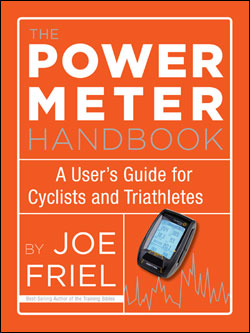
If you don’t know how to use it, a power meter is just an overpriced cycling computer. Joe Friel’s new book The Power Meter Handbook makes understanding a power meter easy. In his friendly user guide to power meters, the most trusted coach in cycling and triathlon offers a simplified approach to using a power meter for road cycling, triathlons, time trials, century rides, and Gran Fondos. The Power Meter Handbook is now available in bookstores, bike and tri shops, and online. Preview the book at http://rec-law.us/PsMO2C.
Friel’s approach to power meters can immediately improve a cyclist’s speed and power. After learning Friel’s recommended ways to set up a power meter for specific uses, riders will master the basics and learn their key power numbers. By focusing on the most important numbers, cyclists and triathletes will discover hidden pockets of power, find ways to improve their pacing, and find out how many matches they can burn on any given day.
The Power Meter Handbook includes weekly training schedules to prepare more efficiently for road racing, time trials, triathlons, and century rides. Riders will match their training to their upcoming race or event schedule and push their power envelope step by step. Friel explains how to sift through noisy data to find the numbers that matter, pinpointing fitness changes to peak predictably for key events. Friel’s 12 power-based workouts will build up a rider’s power profile through aerobic endurance, muscular force, sprint speed, and climbing ability.
Power meters aren’t just for racers anymore. Friel’s Power Meter Handbook makes it easy for any cyclist or triathlete to find new speed with cycling’s most effective training tool.
The Power Meter Handbook: A User’s Guide for Cyclists and Triathletes Joe Friel Paperback with charts and tables throughout 6″ x 8″, 240 pp., $16.95, 978-1-934030-95-0
Joe Friel is the best-selling author of The Cyclist’s Training Bible and The Triathlete’s Training Bible and is a cofounder of TrainingPeaks, the most popular training software platform. As one of America’s most trusted coaches, he has trained national athletes and represented the United States at world championships. Learn more at http://www.TrainingBible.com.
VeloPress publishes books for cyclists, triathletes, and runners that help beginners and committed athletes build fitness and achieve their goals. VeloPress is a division of Competitor Group, which publishes Velo, Triathlete, Inside Triathlon, and Competitor magazines. For more information, please visit http://rec-law.us/O06vQU.
What do you think? Leave a comment.
If you like this let your friends know or post it on FB, Twitter or LinkedIn
Copyright 2012 Recreation Law (720) Edit Law
Twitter: RecreationLaw
Facebook: Rec.Law.Now
Facebook Page: Outdoor Recreation & Adventure Travel Law
Mobile Site: http://m.recreation-law.com
#RecreationLaw, #@RecreationLaw, #Cycling.Law #Fitness.Law, #Ski.Law, #Outside.Law, #Recreation.Law, #Recreation-Law.com, #Outdoor Law, #Recreation Law, #Outdoor Recreation Law, #Adventure Travel Law, #law, #Travel Law, #Jim Moss, #James H. Moss, #Attorney at Law, #Tourism, #Adventure Tourism, #Rec-Law, #Rec-Law Blog, #Recreation Law, #Recreation Law Blog, #Risk Management, #Human Powered, #Human Powered Recreation,# Cycling Law, #Bicycling Law, #Fitness Law, #Recreation-Law.com, #Backpacking, #Hiking, #Mountaineering, #Ice Climbing, #Rock Climbing, #Ropes Course, #Challenge Course, #Summer Camp, #Camps, #Youth Camps, #Skiing, #Ski Areas, #Negligence, #Snowboarding, #RecreationLaw, #@RecreationLaw, #Cycling.Law #Fitness.Law, #SkiLaw, #Outside.Law, #Recreation.Law, #RecreationLaw.com, #OutdoorLaw, #RecreationLaw, #OutdoorRecreationLaw, #AdventureTravelLaw, #Law, #TravelLaw, #JimMoss, #JamesHMoss, #AttorneyatLaw, #Tourism, #AdventureTourism, #RecLaw, #RecLawBlog, #RecreationLawBlog, #RiskManagement, #HumanPowered, #HumanPoweredRecreation,# CyclingLaw, #BicyclingLaw, #FitnessLaw, #RecreationLaw.com, #Backpacking, #Hiking, #Mountaineering, #IceClimbing, #RockClimbing, #RopesCourse, #ChallengeCourse, #SummerCamp, #Camps, #YouthCamps, #Skiing, #Ski Areas, #Negligence, #Snowboarding, sport and recreation laws, ski law, cycling law, Colorado law, law for recreation and sport managers, bicycling and the law, cycling and the law, ski helmet law, skiers code, skiing accidents, Recreation Lawyer, Ski Lawyer, Paddlesports Lawyer, Cycling Lawyer, Recreational Lawyer, Fitness Lawyer, Rec Lawyer, Challenge Course Lawyer, Ropes Course Lawyer, Zip Line Lawyer, Rock Climbing Lawyer, Adventure Travel Lawyer, Outside Lawyer, Recreation Lawyer, Ski Lawyer, Paddlesports Lawyer, Cycling Lawyer, #RecreationalLawyer, #FitnessLawyer, #RecLawyer, #ChallengeCourseLawyer, #RopesCourseLawyer, #ZipLineLawyer, #RockClimbingLawyer, #AdventureTravelLawyer, #OutsideLawyer, Velo, VeloPress, Power Meter, Joe Friel,
WordPress Tags: meter,bike,Power,meters,computer,Friel,Handbook,user,road,trials,century,Gran,Fondos,Preview,riders,basics,event,envelope,data,events,workouts,rider,endurance,racers,tool,Guide,Cyclists,Triathletes,Paperback,author,Cyclist,Bible,Triathlete,TrainingPeaks,platform,America,athletes,States,championships,Learn,TrainingBible,runners,beginners,goals,Competitor,Group,Velo,Inside,Triathlon,magazines,information,Leave,Twitter,LinkedIn,Recreation,Edit,RecreationLaw,Facebook,Page,Outdoor,Adventure,Travel,Blog,Mobile,Site,Outside,Moss,James,Attorney,Tourism,Risk,Management,Human,Rock,Ropes,Course,Challenge,Summer,Camp,Camps,Youth,Areas,Negligence,SkiLaw,OutdoorLaw,OutdoorRecreationLaw,AdventureTravelLaw,TravelLaw,JimMoss,JamesHMoss,AttorneyatLaw,AdventureTourism,RecLaw,RecLawBlog,RecreationLawBlog,RiskManagement,HumanPoweredRecreation,CyclingLaw,BicyclingLaw,FitnessLaw,RopesCourse,ChallengeCourse,SummerCamp,YouthCamps,Colorado,managers,helmet,accidents,Lawyer,Paddlesports,Recreational,Line,RecreationalLawyer,FitnessLawyer,RecLawyer,ChallengeCourseLawyer,RopesCourseLawyer,ZipLineLawyer,RockClimbingLawyer,AdventureTravelLawyer,OutsideLawyer,triathlons
A group ride by its very nature does not make the leader liable
Posted: September 19, 2012 Filed under: Cycling | Tags: bicycle, Bike Rides, Cycling, Fearless Leader, Group Rides, Leader, liability, Negligence 2 CommentsAnd just because I lawyer writing in a bicycle magazine says it does, does not change the law.
The article Be a Fearless Leader gives the impression that being a group leader in a ride and offering advice or sprinting at the end is enough to create liability for the leader. IT’S NOT!
To be liable, you must be negligent. Negligence has four components. All four components must be proven for someone to be negligent. Those components or steps are:
- Duty
- Breach of the Duty
- Injury proximately caused by the breach of duty
- Damages
Step one is the major stumbling block in a situation like this. What duty does a group ride leader owe to anyone else in the group ride? If everyone is riding voluntarily, then there is no duty unless you create a duty.
To create a duty you must create reliance or a need in someone that you then must fulfill or not ignore. By that I mean in a group ride situation you must say to the other riders either something that makes them think that you are responsible for them. You must say that the ride is safe or something that takes away their ability to be responsible for their own safety.
An example of the first situation would be having someone in the group say something like:
I’ve checked this route out, and I know it is absolutely safe. You can rely on me; this is a safe route. You will not get hurt on this ride.
Or
There will be no cars on the course today.
First of all, who would say something that dumb and secondly, who would rely on that statement.
An example of the second situation would be:
You can only ride behind the group, and you must follow the group. You can’t leave until we get to the finish.
Alternatively;
Run that red light.
In the first situation, you are saying to the people I am the leader, and you can rely upon me for your safety. In the second scenario, you are just being an idiot or a jerk.
The article goes even further. It mentions control and implies that if you pick the route or offer advice, you are in control. What ride doesn’t involve giving advice? What group of cyclists can get together and not start making comments and giving advice (a really boring group that’s who). For that matter what time would you have to get up to start getting a consensus form a group of cyclist on the route? How would you prepare for a route unless someone picked it in advance?
Why would you go on a group ride if you did not think you could learn something and become a better rider? I would get better if I learned a new route, picked by somebody. If someone does not want to do that route today, say fine, ride whatever you want.
The article suggests to not make the ride competitive and to avoid pushing anyone’s limits. Yeah, I want to go out on a group ride and meander in at the end. The end is where it is at. The sprint. Why join a group ride if the ride is not going to push you? Besides why go if you are not going to push me?
The last statement is the icing on the cake. Have the rider’s sign a release written by an attorney. That’s not a group ride that is a competitive ride, a grand fondo or something that everyone pays to enter where they get a shirt. Not many Saturday morning rides hand out t-shirts at the end. Besides who can afford to hire an attorney to write a release just for a non-competitive get together with no leader?
Do Something
The author does not follow his own advice see 11 Ways To Get the Most Out of Your Group Ride where he states that putting the hammer down on a group ride is OK. The author writes great articles on how to sue people. That is how he makes a living, by suing people, drivers and bicycle manufactures. If you don’t want to be sued, get advice from someone who works in that area of the law, preventing lawsuits, not starting them.
The problem is the suggestions in the article on how to run a group ride either make it a “no ride” because no one is going to show up or because you did everything (like getting a release) which makes you a leader and POSSIBLY liable.
Lawsuits get started because you are stupid, mean or nasty 99% of the time. Be nice and you won’t have to worry about the lawsuits. For the other 1% of the time make sure your homeowner’s insurance and/or automobile policy will cover these situations.
Let everyone know that a group ride is fun, hard, people will get dropped, and you are on your own. You can ride or not ride and you dare anyone to try to kick your butt at the end.
Races and big rides where you pay money get sued because they make promises which they fail to keep. Don’t make any promises you can’t keep or that you don’t want to have the world know about. Don’t run your group ride like a race or tell everyone how the ride is going to be done to get a jersey at the end and you’ll be OK.
I have a better idea. Have everyone in your group ride read that article. Anyone who says they like it, agree with it or think it’s right, tell them to go ride with the author because they can’t ride with you. Have everyone else read this article and make sure they understand it.
To read more articles on cycling litigation see:
Connecticut court works hard to void a release for a cycling event
New York Decision explains the doctrine of Primary Assumption of the Risk for cycling.
Release for training ride at Triathlon training camp stops lawsuit
How to fight a Bicycle Product Liability case in New York. One step at a time.
Good Release stops lawsuit against Michigan bicycle renter based on marginal acts of bicycle renter
PA court upholds release in bicycle race.
What do you think? Leave a comment.
If you like this let your friends know or post it on FB, Twitter or LinkedIn
Copyright 2012 Recreation Law (720) Edit Law
Twitter: RecreationLaw
Facebook: Rec.Law.Now
Facebook Page: Outdoor Recreation & Adventure Travel Law
Blog: www.recreation-law.com
Mobile Site: http://m.recreation-law.com
2013 Velo-City Conference Call for Contributions
Posted: September 18, 2012 Filed under: Cycling | Tags: Cycling, European Cyclists' Federation, Urban planning, Vancouver, Velo, Velo-City, Vienna Leave a comment |
|
| “The Sound of Cycling”: Velo-city Conference 2013 in Vienna Call for contributions to be submitted by 22 October 2012Vienna, 11 September 2012: Vienna has decided to make 2013 the year of cycling. One special highlight of this year will be the Velo-city Conference organised by the European Cyclists’ Federation (ECF) and the City of Vienna from 11 to 14 June. Following the motto “The Sound of Cycling – Urban Cycling Cultures”, a rich and varied program will focus on cycling in the city. Experts and speakers specialised in the field who wish to communicate their knowledge, know-how and practical experience to the conference participants and aim to establish network contacts may submit contributions until 22 October 2012.Velo-city Conference 2013: Cycling is culture
Vienna – A “smart city” with a long cycling tradition Call for contributions and registration Interested parties may register for the conference as of now at www.velo-city2013.com. Those registering before the end of October may win a free conference participation ticket. The Velo-city Conference series Application and registration: www.velo-city2013.com |
|

In this cycle race case, the release was void by state law, but could still be used to prove assumption of the risk.
Posted: September 17, 2012 Filed under: Assumption of the Risk, Cycling, Montana, Release (pre-injury contract not to sue) | Tags: Adventure travel, Attorney at law, Montana, Motion in Limine, USA Cycling Leave a commentGanz vs. United States Cycling Federation, 1994 Mont. Dist. LEXIS 756
At trial it is too late to find out that the release you had everyone sign has no value.
This is a motion hearing in Federal District Court for the great Western Stage Race held in Missoula. Montana by statute does not allow the use of a release. See States that do not Support the Use of a Release. The plaintiff was attempting to have two issues precluded from the trail:
· The fact the defendant was a non-profit.
· The fact the plaintiff signed a release which is void under Montana’s law.
To do that, you file a motion in limine. A motion in limine argues before the judge that because of a statute or the laws of evidence something the other side is going to try to say or introduce as evidence should be excluded. See Why accident reports can come back to haunt you for more on motions in limine.
The facts that gave rise to the case are the plaintiff was a competitor in the bicycle race. During the race, a pedestrian darted out in front of him and caused him to crash. He was claiming, “alleges negligence on the part of the Defendants for failure to create, establish, follow, and/or enforce appropriate safety standards on the race course.”
The first issue, the non-profit status of the defendant was quickly granted. Because most states have statutes, which state a non-profit is the same as a for-profit corporation, the issue of the defendant being a non-profit would only prejudice the jury.
The second issue, the release is of more interest. Pursuant to Montana’s law, a release is void and against public policy.
M.C.A. § 28-2-702 Contracts that violate policy of law — exemption from responsibility.
All contracts that have for their object, directly or indirectly, to exempt anyone from responsibility for the person’s own fraud, for willful injury to the person or property of another, or for violation of law, whether willful or negligent, are against the policy of the law.
So the release signed by the plaintiff in this case could not be used as a release. The plaintiff’s motion in limine was to exclude the release for any purpose; the jury would never know a release was signed.
So?
The court held the release could be used but only to the extent to show the portion of the release which showed that he was aware of the risks of the race.
The mention of the release form for the purpose of proving that no liability exists is prohibited. However, the Defendants should be allowed to show that Mr. Ganz [the plaintiff] signed that portion of the release which shows that he was aware of the dangers on the race course, without actually showing the release in its entirety to the jury.
Dependent upon how the release was written and the statement of the risks in the release, this could be a powerful document showing the plaintiff knew of and assumed the risks.
So Now What?
Make sure your release is written to include the risks of the activity or program. There are several reasons for doing this.
· Guests who have no clue will have a better time if they understand the risks.
· Guests who read about the risks have a better understanding of the risks and decided if this is the type of opportunity they want to take.
· If your release is thrown out, you can still use the release as proof the plaintiff assumed the risk.
You can’t write all the risks into a release. However, you can write in the following:
1. Those injuries that are common to the activity or program.
2. Those injuries that can cause permanent injury or death.
3. Those risks which are different in your activity from the normal or competitive activities.
The second group is easy to identify. If it is rock climbing, it is falling or having something fall on you resulting in permanent injury or death. In paddlesports it is drowning, hypothermia, or a “near-drowning” resulting in brain injury.
The first is also easy. Look at every injury you have ever seen in your activity. Injuries from falling on the hike to the base of the climb or falling down carrying a boat to the river. After lunch on the river, people sit on a hot raft getting a burn or rope burn while belaying. Those injuries that are not life threatening but occur regularly and deplete your stock of band aids.
The third category is a little harder. How is your program or activity different from the rest of the people in your industry. If the majority of climbing walls have padding on the floor, and yours does not you should identify this as a risk. In cycling, you need to identify if you have a closed course, a race course without cars on it is critical for participants to know.
As always, you have to have your release created by someone who understands your risks, your sport your activity and knows how to write a release.
What do you think? Leave a comment.
If you like this let your friends know or post it on FB, Twitter or LinkedIn
Copyright 2012 Recreation Law (720) Edit Law
Twitter: RecreationLaw
Facebook: Rec.Law.Now
Facebook Page: Outdoor Recreation & Adventure Travel Law
Mobile Site: http://m.recreation-law.com
#RecreationLaw, #@RecreationLaw, #Cycling.Law #Fitness.Law, #Ski.Law, #Outside.Law, #Recreation.Law, #Recreation-Law.com, #Outdoor Law, #Recreation Law, #Outdoor Recreation Law, #Adventure Travel Law, #law, #Travel Law, #Jim Moss, #James H. Moss, #Attorney at Law, #Tourism, #Adventure Tourism, #Rec-Law, #Rec-Law Blog, #Recreation Law, #Recreation Law Blog, #Risk Management, #Human Powered, #Human Powered Recreation,# Cycling Law, #Bicycling Law, #Fitness Law, #Recreation-Law.com, #Backpacking, #Hiking, #Mountaineering, #Ice Climbing, #Rock Climbing, #Ropes Course, #Challenge Course, #Summer Camp, #Camps, #Youth Camps, #Skiing, #Ski Areas, #Negligence, #Snowboarding, #RecreationLaw, #@RecreationLaw, #Cycling.Law #Fitness.Law, #SkiLaw, #Outside.Law, #Recreation.Law, #RecreationLaw.com, #OutdoorLaw, #RecreationLaw, #OutdoorRecreationLaw, #AdventureTravelLaw, #Law, #TravelLaw, #JimMoss, #JamesHMoss, #AttorneyatLaw, #Tourism, #AdventureTourism, #RecLaw, #RecLawBlog, #RecreationLawBlog, #RiskManagement, #HumanPowered, #HumanPoweredRecreation,# CyclingLaw, #BicyclingLaw, #FitnessLaw, #RecreationLaw.com, #Backpacking, #Hiking, #Mountaineering, #IceClimbing, #RockClimbing, #RopesCourse, #ChallengeCourse, #SummerCamp, #Camps, #YouthCamps, #Skiing, #Ski Areas, #Negligence, #Snowboarding, sport and recreation laws, ski law, cycling law, Colorado law, law for recreation and sport managers, bicycling and the law, cycling and the law, ski helmet law, skiers code, skiing accidents, Recreation Lawyer, Ski Lawyer, Paddlesports Lawyer, Cycling Lawyer, Recreational Lawyer, Fitness Lawyer, Rec Lawyer, Challenge Course Lawyer, Ropes Course Lawyer, Zip Line Lawyer, Rock Climbing Lawyer, Adventure Travel Lawyer, Outside Lawyer, Recreation Lawyer, Ski Lawyer, Paddlesports Lawyer, Cycling Lawyer, #RecreationalLawyer, #FitnessLawyer, #RecLawyer, #ChallengeCourseLawyer, #RopesCourseLawyer, #ZipLineLawyer, #RockClimbingLawyer, #AdventureTravelLawyer, #OutsideLawyer,
Ganz vs. United States Cycling Federation, 1994 Mont. Dist. LEXIS 756
Posted: September 17, 2012 Filed under: Cycling, Legal Case, Montana | Tags: Missoula, Missoula County Montana, Missoula Montana, Motion in Limine Leave a commentTo Read an Analysis of this decision see
Ganz vs. United States Cycling Federation, 1994 Mont. Dist. LEXIS 756
Adam Ganz, Plaintiff, vs. United States Cycling Federation; Missoula Downtown Association; The City of Missoula; and John Does as employees and/or agents of United States Cycling Federation, Missoula Downtown Association, and/or the City of Missoula, Defendants.
Cause No. 74659
FOURTH JUDICIAL DISTRICT COURT OF MONTANA, MISSOULA COUNTY
1994 Mont. Dist. LEXIS 756
May 17, 1994, Decided
CORE TERMS: non-profit, admissible, limine, release form, limine to exclude, corporate status, feasibility, bicycle
JUDGES: [*1] Douglas G. Harkin, DISTRICT COURT JUDGE.
OPINION BY: Douglas G. Harkin
OPINION
MEMORANDUM AND ORDER
This matter comes before the Court upon a motion in limine submitted by the Plaintiff, Adam Ganz, and a motion in limine submitted by Defendants United States Cycling Federation and the Missoula Downtown Association. The parties have briefed the motions and they are deemed submitted and ready for ruling.
BACKGROUND
This action arose out of the alleged personal injuries Mr. Ganz received while involved in the Great Western Stage Race held in Missoula on July 16, 1988. Mr. Ganz alleges that a pedestrian darted out in front of him on the race course and caused him to crash his bicycle. He alleges negligence on the part of the Defendants for failure to create, establish, follow, and/or enforce appropriate safety standards on the race course. Mr. Ganz filed a motion in limine to exclude any mention of: (1) the Defendants’ non-profit corporate status, or (2) a waiver of liability that he signed. The Defendant filed a motion in limine to exclude the mention of insurance.
NON-PROFIT STATUS
Mr. Ganz contends that any mention of the non-profit corporate status of Defendants Missoula Downtown [*2] Association and the United States Cycling Federation should be prohibited, as non-profit corporations are subject to the same liability as individuals. He contends that the mention of the non-profit status would be prejudicial to his case.
The Defendants argue that the feasibility of providing protection [i.e., a fence along the entire race course] is at issue, therefore, the non-profit corporate status is a consideration and should be held admissible. In addition, the Defendants contend that the non-profit status should be admissible for general background purposes in order to challenge Mr. Ganz’s testimony that the Defendants had the ability to protect the entire race course.
35-2-118, M.C.A. provides that a non-profit corporation has all the powers as an individual to do all things necessary or convenient to carry out its affairs, including, without limitation, the power to sue and be sued in its corporate name.
Any admission of the non-profit status for general background purposes is prohibited, as it may improperly imply that there is a lack of funds to pay a judgment, or that a non-profit business should be held to a lesser standard under a negligence claim. If the [*3] feasibility of protection arises, after obtaining leave of the Court, the Defendants can show what funds were available for protection without showing the corporations’ non-profit status.
WAIVER
Mr. Ganz contends that there should be no mention of the waiver which Mr. Ganz signed prior to the race, as it is void and in violation of public policy. The Defendants contend that Mr. Ganz’s signature on the release form conveys his acknowledgement that various conditions could exist on the race course, and that it is contrary to his testimony that bicycle racing is a safe sport, therefore, the release should be admissible for impeachment purposes.
28-2-702, M.C.A. provides that an entity cannot contractually exculpate itself from liability for willful or negligent violations of legal duties. Miller v. Fallon County, 222 Mont. 214, 221, 721 P.2d 342 (1986). The mention of the release form for the purpose of proving that no liability exists is prohibited. However, the Defendants should be allowed to show that Mr. Ganz signed that portion of the release which shows that he was aware of the dangers on the race course, without actually showing the release in its entirety [*4] to the jury.
INSURANCE
The Defendants request that the mention of insurance be prohibited pursuant to Rule 411, M.R.E. Mr. Ganz contends that the rule does not require the exclusion of the mention of insurance if it is offered for other purposes, such as to prove agency, ownership, control, or bias of a witness. Heisler v. Boule, 226 Mont. 332, 735 P.2d 516 (1987); and Massman v. City of Helena, 237 Mont. 234, 773 P.2d 1206 (1989).
Mr. Ganz has not clearly enunciated how the exceptions to Rule 411, M.R.E. are applicable to the facts of this case, therefore, the mention of insurance is prohibited unless Mr. Ganz obtains prior approval of this Court.
ORDER
Based upon the foregoing, the Plaintiff’s and the Defendants’ motions in limine are GRANTED as provided herein.
DATED this 17th day of May, 1994.
Douglas G. Harkin
District Judge
Super deal on high tech fabric conditioner
Posted: September 15, 2012 Filed under: Uncategorized | Tags: Fabric Conditioner, Fabric softener, Laundry, Nikwax, Sports Wash, Tech Fabrics, Washing machine Leave a comment
50% off NEW Nikwax® BaseFresh®!The new fabric conditioner that kills odors and speeds up drying.
|
I’ll be speaking in Deadwood South Dakota at the National Cave Association Meeting
Posted: September 14, 2012 Filed under: Uncategorized | Tags: AdventureTravel, Cave, Deadwood, Facebook, Jim Moss, Outdoor recreation Leave a commentGreat Group of People having a Great time and ME!

The National Cave Association is having its annual convention September 24-26, 2012 in Deadwood South Dakota. I’ll be speaking on the risk management and legal issues of operating a cave. If you’re in the area or you do or are interested in operating a commercial cave stop by!
What do you think? Leave a comment.
If you like this let your friends know or post it on FB, Twitter or LinkedIn
Copyright 2012 Recreation Law (720) Edit Law
Twitter: RecreationLaw
Facebook: Rec.Law.Now
Facebook Page: Outdoor Recreation & Adventure Travel Law
Mobile Site: http://m.recreation-law.com
#RecreationLaw, #@RecreationLaw, #Cycling.Law #Fitness.Law, #Ski.Law, #Outside.Law, #Recreation.Law, #Recreation-Law.com, #Outdoor Law, #Recreation Law, #Outdoor Recreation Law, #Adventure Travel Law, #law, #Travel Law, #Jim Moss, #James H. Moss, #Attorney at Law, #Tourism, #Adventure Tourism, #Rec-Law, #Rec-Law Blog, #Recreation Law, #Recreation Law Blog, #Risk Management, #Human Powered, #Human Powered Recreation,# Cycling Law, #Bicycling Law, #Fitness Law, #Recreation-Law.com, #Backpacking, #Hiking, #Mountaineering, #Ice Climbing, #Rock Climbing, #Ropes Course, #Challenge Course, #Summer Camp, #Camps, #Youth Camps, #Skiing, #Ski Areas, #Negligence, #Snowboarding, #RecreationLaw, #@RecreationLaw, #Cycling.Law #Fitness.Law, #SkiLaw, #Outside.Law, #Recreation.Law, #RecreationLaw.com, #OutdoorLaw, #RecreationLaw, #OutdoorRecreationLaw, #AdventureTravelLaw, #Law, #TravelLaw, #JimMoss, #JamesHMoss, #AttorneyatLaw, #Tourism, #AdventureTourism, #RecLaw, #RecLawBlog, #RecreationLawBlog, #RiskManagement, #HumanPowered, #HumanPoweredRecreation,# CyclingLaw, #BicyclingLaw, #FitnessLaw, #RecreationLaw.com, #Backpacking, #Hiking, #Mountaineering, #IceClimbing, #RockClimbing, #RopesCourse, #ChallengeCourse, #SummerCamp, #Camps, #YouthCamps, #Skiing, #Ski Areas, #Negligence, #Snowboarding, sport and recreation laws, ski law, cycling law, Colorado law, law for recreation and sport managers, bicycling and the law, cycling and the law, ski helmet law, skiers code, skiing accidents, Recreation Lawyer, Ski Lawyer, Paddlesports Lawyer, Cycling Lawyer, Recreational Lawyer, Fitness Lawyer, Rec Lawyer, Challenge Course Lawyer, Ropes Course Lawyer, Zip Line Lawyer, Rock Climbing Lawyer, Adventure Travel Lawyer, Outside Lawyer, Recreation Lawyer, Ski Lawyer, Paddlesports Lawyer, Cycling Lawyer, #RecreationalLawyer, #FitnessLawyer, #RecLawyer, #ChallengeCourseLawyer, #RopesCourseLawyer, #ZipLineLawyer, #RockClimbingLawyer, #AdventureTravelLawyer, #OutsideLawyer,
WordPress Tags: Deadwood,South,Dakota,National,Cave,Association,Great,Group,People,convention,September,management,area,Leave,Twitter,LinkedIn,Recreation,Edit,RecreationLaw,Facebook,Page,Outdoor,Adventure,Travel,Blog,Mobile,Site,Outside,Moss,James,Attorney,Tourism,Risk,Human,Rock,Ropes,Course,Challenge,Summer,Camp,Camps,Youth,Areas,Negligence,SkiLaw,OutdoorLaw,OutdoorRecreationLaw,AdventureTravelLaw,TravelLaw,JimMoss,JamesHMoss,AttorneyatLaw,AdventureTourism,RecLaw,RecLawBlog,RecreationLawBlog,RiskManagement,HumanPoweredRecreation,CyclingLaw,BicyclingLaw,FitnessLaw,RopesCourse,ChallengeCourse,SummerCamp,YouthCamps,Colorado,managers,helmet,accidents,Lawyer,Paddlesports,Recreational,Line,RecreationalLawyer,FitnessLawyer,RecLawyer,ChallengeCourseLawyer,RopesCourseLawyer,ZipLineLawyer,RockClimbingLawyer,AdventureTravelLawyer,OutsideLawyer
Experience the Magic of the Grand Canyon A Complete Video Library of America’s Greatest Natural Wonder
Posted: September 14, 2012 Filed under: Uncategorized | Tags: Don Briggs, Emmy Award, Ferde Grofé, GCRGA, Grand Canyon, Grand Canyon Mule Ride, Grand Canyon National Park, Grand Canyon Suite, River Runners of the Grand Canyon, River Song Leave a comment DON BRIGGS has spent over 25 years photographing and filming the Grand Canyon. Having made 70+ trips down the Colorado as a river guide, he has had the opportunity to capture the Canyon in its many moods, though all the seasons. His Grand Canyon films have won numerous National and International awards, including a Daytime Emmy Award for single camera cinematography.
ORDER DON BRIGGS’ GRAND CANYON VIDEOS ONLINE AT www.donbriggsfilms.com
THE GRAND CANYON SUITE
One of the most popular modern American orchestral works. As a young man, Ferde Grofé wandered about the American Southwest in the 1920’s and fell under the spell of the Grand Canyon. He translated his vivid impressions into his symphonic masterpiece. Combined with images by Emmy Award-winning cinematographer Don Briggs, “Grand Canyon Suite” becomes the quintessential musical travelogue. 32 minutes. $14.95

Don Briggs Film & Video www.donbriggsfilms.com
For bulk orders email donbriggsfilms@gmail.com
WordPress Tags: Experience,Magic,Grand,Canyon,Complete,Video,Library,America,Greatest,Natural,Wonder,BRIGGS,Colorado,river,moods,National,International,Daytime,Emmy,Award,cinematography,ORDER,VIDEOS,ONLINE,SUITE,American,Ferde,Grofé,Southwest,masterpiece,travelogue,Film,donbriggsfilms
SRLA Student Research Award
Posted: September 13, 2012 Filed under: Uncategorized | Tags: Call for Papers, Colleges and Universities, Connecticut, education, Postgraduate education, Research, SLRA, Student, Undergraduate education Leave a commentCALL FOR PAPERS Deadline: Monday, 12/3/12
The Sport and Recreation Law Association
This Student Research Award is granted to the student submitting the most outstanding research paper based upon the criteria found below. The award winner will receive free Conference Registration and reimbursement of up to $500 in expenses to attend The Annual SRLA Conference. The winning paper and the selected student will be included in the Conference Program to present his/her paper. The recipient will also be recognized during the Award’s Banquet during the Annual SRLA Conference.
Please Note: Using the appropriate format, students may simultaneously submit their manuscript to this award Call for Papers and to the general Call For Proposals for the Conference.
Application Criteria:
1. Students must submit a research paper or case note that deals with a significant and novel legal issue related to sport or physical activity.
2. The paper must be written in either APA or Blue Book style (follow current editions).
3. The suggested length for the paper is 10-20 double-spaced pages (not counting Appendices and Endnotes). Applicants must use the Times New Roman 12 pt. font.
4. The applicant must send the paper as a Microsoft Word document to schoepferk@winthrop.edu before 11:59 p.m. EST Monday, December 3, 2012. Late submissions will not be considered. In the email message accompanying the attached paper, include the student author’s name, mailing address, email address, and telephone numbers. (An email will be sent to the applicant to confirm that the paper has been received.)
5. The paper and associated research must be the sole work of the applicant, and edited and approved by a faculty advisor.
6. The applicant must be a graduate student or undergraduate student, and must be majoring in sport/recreation/ physical activity, sport/recreation management, or a related subject area. Students pursuing a law degree are also eligible. Either the student applicant or faculty advisor must be a current member of SRLA at the time of submission.
7. The faculty advisor must submit a signed document verifying compliance with criteria 5 and 6.
8. A maximum of three (3) student papers may be submitted from one academic institution.
Criteria for Selection:
1. Relevance, novelty, and importance of the topic to the legal aspects of sport and physical activity. Topic of the paper must address a legal issue. Experimental research, survey studies, or summaries of existing research will not be considered.
2. Quality and thoroughness of research; appropriateness of resources; use of primary resources.
3. Quality of writing, editing, organization and logic of thoughts, grammar, and citation style.
4. Adherence to all of the Application Criteria identified above.
The winner of the award will be notified via e-mail in early February.
Verification documents (see criteria #7 above) can be mailed, emailed, or faxed to:
Dr. Kristi Schoepfer
Re: SRLA Student Research Award
Winthrop University
Department of Physical Education, Sport, and Human Performance
WEST CENTER 218A
Rock Hill, SC, 29733
Fax (803) 323-2124
schoepferk@winthrop.edu
What do you think? Leave a comment.
If you like this let your friends know or post it on FB, Twitter or LinkedIn
Copyright 2012 Recreation Law (720) Edit Law
Twitter: RecreationLaw
Facebook: Rec.Law.Now
Facebook Page: Outdoor Recreation & Adventure Travel Law
Mobile Site: http://m.recreation-law.com
#RecreationLaw, #@RecreationLaw, #Cycling.Law #Fitness.Law, #Ski.Law, #Outside.Law, #Recreation.Law, #Recreation-Law.com, #Outdoor Law, #Recreation Law, #Outdoor Recreation Law, #Adventure Travel Law, #law, #Travel Law, #Jim Moss, #James H. Moss, #Attorney at Law, #Tourism, #Adventure Tourism, #Rec-Law, #Rec-Law Blog, #Recreation Law, #Recreation Law Blog, #Risk Management, #Human Powered, #Human Powered Recreation,# Cycling Law, #Bicycling Law, #Fitness Law, #Recreation-Law.com, #Backpacking, #Hiking, #Mountaineering, #Ice Climbing, #Rock Climbing, #Ropes Course, #Challenge Course, #Summer Camp, #Camps, #Youth Camps, #Skiing, #Ski Areas, #Negligence, #Snowboarding, #RecreationLaw, #@RecreationLaw, #Cycling.Law #Fitness.Law, #SkiLaw, #Outside.Law, #Recreation.Law, #RecreationLaw.com, #OutdoorLaw, #RecreationLaw, #OutdoorRecreationLaw, #AdventureTravelLaw, #Law, #TravelLaw, #JimMoss, #JamesHMoss, #AttorneyatLaw, #Tourism, #AdventureTourism, #RecLaw, #RecLawBlog, #RecreationLawBlog, #RiskManagement, #HumanPowered, #HumanPoweredRecreation,# CyclingLaw, #BicyclingLaw, #FitnessLaw, #RecreationLaw.com, #Backpacking, #Hiking, #Mountaineering, #IceClimbing, #RockClimbing, #RopesCourse, #ChallengeCourse, #SummerCamp, #Camps, #YouthCamps, #Skiing, #Ski Areas, #Negligence, #Snowboarding, sport and recreation laws, ski law, cycling law, Colorado law, law for recreation and sport managers, bicycling and the law, cycling and the law, ski helmet law, skiers code, skiing accidents, Recreation Lawyer, Ski Lawyer, Paddlesports Lawyer, Cycling Lawyer, Recreational Lawyer, Fitness Lawyer, Rec Lawyer, Challenge Course Lawyer, Ropes Course Lawyer, Zip Line Lawyer, Rock Climbing Lawyer, Adventure Travel Lawyer, Outside Lawyer, Recreation Lawyer, Ski Lawyer, Paddlesports Lawyer, Cycling Lawyer, #RecreationalLawyer, #FitnessLawyer, #RecLawyer, #ChallengeCourseLawyer, #RopesCourseLawyer, #ZipLineLawyer, #RockClimbingLawyer, #AdventureTravelLawyer, #OutsideLawyer, SRLA,
WordPress Tags: Student,Research,Award,CALL,PAPERS,Deadline,Sport,Recreation,Association,Bernard,Patrick,Maloy,paper,criteria,winner,Conference,Registration,reimbursement,Annual,SRLA,Program,recipient,Banquet,Note,students,manuscript,Proposals,Application,Blue,Book,editions,length,Appendices,Endnotes,Applicants,Times,Roman,applicant,Microsoft,Word,December,Late,submissions,message,author,advisor,undergraduate,management,area,degree,Either,member,submission,compliance,institution,Selection,Relevance,importance,topic,aspects,Experimental,summaries,resources,logic,grammar,citation,Adherence,February,Verification,Kristi,Schoepfer,Winthrop,Department,Physical,Education,Human,Performance,WEST,CENTER,Rock,Hill,Leave,Twitter,LinkedIn,Edit,RecreationLaw,Facebook,Page,Outdoor,Adventure,Travel,Blog,Mobile,Site,Outside,Moss,James,Attorney,Tourism,Risk,Ropes,Course,Challenge,Summer,Camp,Camps,Youth,Areas,Negligence,SkiLaw,OutdoorLaw,OutdoorRecreationLaw,AdventureTravelLaw,TravelLaw,JimMoss,JamesHMoss,AttorneyatLaw,AdventureTourism,RecLaw,RecLawBlog,RecreationLawBlog,RiskManagement,HumanPoweredRecreation,CyclingLaw,BicyclingLaw,FitnessLaw,RopesCourse,ChallengeCourse,SummerCamp,YouthCamps,Colorado,managers,helmet,accidents,Lawyer,Paddlesports,Recreational,Line,RecreationalLawyer,FitnessLawyer,RecLawyer,ChallengeCourseLawyer,RopesCourseLawyer,ZipLineLawyer,RockClimbingLawyer,AdventureTravelLawyer,OutsideLawyer,schoepferk
Kids get hurt and some kids die
Posted: September 12, 2012 Filed under: Uncategorized | Tags: Boy Scouts of America, Coaches, Home insurance, Insurance, Insurance policy, liability, parent, Scout, Volunteer, Volunteer Youth Leader, Youth Leave a commentIf you want your kids to play sports, enjoy the outdoors, and have fun, you have to accept the fact your kid will suffer an injury and some of those injuries are fatal.
If parents continue to sue volunteers and programs for their kids injuries, there are not going to be programs for kids. The facts of life say that the cost of providing a program for a kid by volunteers is going to reach a maximum, and those programs will end.
Most programs provide insurance for their volunteers. No matter how the coverage is provided, the volunteers own homeowner’s policy is the primary general liability policy. Eventually, when applying for homeowners insurance, there may be a question about volunteer activities. There is already a question about whether or not you have been sued in the past.
What about the time issues for a new volunteer. You want to be an assistant coach for your kids and the neighbor kids. You go to the first meeting and find out you have to take 20 hours of training before you can attend the first practice and several more hours after that. Is it worth the effort?
Think about the effects on our economy. No more free, after school, babysitting. Parents will have to trust their kids at home by themselves rather than sending them off to a volunteer.
Better, programs are going to require parents to be at all activities, including meetings and practices.
Seriously, would you take a kid backpacking knowing you be sued when you get home because he or she tripped over a stove and spilt hot pasta water on their foot. (Been there, took them to the hospital.)
So?
1. Programs are going to have to step up to the bar and require parents to sign releases and/or acknowledgment of risk forms, which state:
a. The parent is aware and understands all the risks of the sport or activity.
b. The parent has watched all the required videos online.
c. The parents agree to arbitration or mediation for all disputes and where applicable a limitation of damages.
2. Volunteers are going to have to make the programs have an attorney prepare a release.
3. Volunteers need to make sure they buy the maximum amount of liability coverage for their homeowner’s policy they can.
a. You may consider an umbrella insurance policy to provide more coverage.
4. You need to meet with parents and create minimums. If not enough parents are available for practices or games, the kids are sent home. If you say I need 10 parents to go with the 20 kids on this weekend camping trip and nine show up, you and the nine parents get a free weekend after you take all 10 kids home.
5. If you are a volunteer or a parent, consider having all parents and volunteers take the Boy Scouts of America (BSA) Guide to Safe Scouting (GSS) program. More information on the BSA GSS can be found here.
a. The BSA GSS safeguards kids but it will also protect you.
Don’t stick your neck out for the kids when their parents may chop them off.
What do you think? Leave a comment.
If you like this let your friends know or post it on FB, Twitter or LinkedIn
Copyright 2012 Recreation Law (720) Edit Law
Twitter: RecreationLaw
Facebook: Rec.Law.Now
Facebook Page: Outdoor Recreation & Adventure Travel Law
Mobile Site: http://m.recreation-law.com
#RecreationLaw, #@RecreationLaw, #Cycling.Law #Fitness.Law, #Ski.Law, #Outside.Law, #Recreation.Law, #Recreation-Law.com, #Outdoor Law, #Recreation Law, #Outdoor Recreation Law, #Adventure Travel Law, #law, #Travel Law, #Jim Moss, #James H. Moss, #Attorney at Law, #Tourism, #Adventure Tourism, #Rec-Law, #Rec-Law Blog, #Recreation Law, #Recreation Law Blog, #Risk Management, #Human Powered, #Human Powered Recreation,# Cycling Law, #Bicycling Law, #Fitness Law, #Recreation-Law.com, #Backpacking, #Hiking, #Mountaineering, #Ice Climbing, #Rock Climbing, #Ropes Course, #Challenge Course, #Summer Camp, #Camps, #Youth Camps, #Skiing, #Ski Areas, #Negligence, #Snowboarding, #RecreationLaw, #@RecreationLaw, #Cycling.Law #Fitness.Law, #SkiLaw, #Outside.Law, #Recreation.Law, #RecreationLaw.com, #OutdoorLaw, #RecreationLaw, #OutdoorRecreationLaw, #AdventureTravelLaw, #Law, #TravelLaw, #JimMoss, #JamesHMoss, #AttorneyatLaw, #Tourism, #AdventureTourism, #RecLaw, #RecLawBlog, #RecreationLawBlog, #RiskManagement, #HumanPowered, #HumanPoweredRecreation,# CyclingLaw, #BicyclingLaw, #FitnessLaw, #RecreationLaw.com, #Backpacking, #Hiking, #Mountaineering, #IceClimbing, #RockClimbing, #RopesCourse, #ChallengeCourse, #SummerCamp, #Camps, #YouthCamps, #Skiing, #Ski Areas, #Negligence, #Snowboarding, sport and recreation laws, ski law, cycling law, Colorado law, law for recreation and sport managers, bicycling and the law, cycling and the law, ski helmet law, skiers code, skiing accidents, Recreation Lawyer, Ski Lawyer, Paddlesports Lawyer, Cycling Lawyer, Recreational Lawyer, Fitness Lawyer, Rec Lawyer, Challenge Course Lawyer, Ropes Course Lawyer, Zip Line Lawyer, Rock Climbing Lawyer, Adventure Travel Lawyer, Outside Lawyer, Recreation Lawyer, Ski Lawyer, Paddlesports Lawyer, Cycling Lawyer, #RecreationalLawyer, #FitnessLawyer, #RecLawyer, #ChallengeCourseLawyer, #RopesCourseLawyer, #ZipLineLawyer, #RockClimbingLawyer, #AdventureTravelLawyer, #OutsideLawyer, Volunteer, Sports, Scouting, Youth Leader,
WordPress Tags: Kids,fact,injury,injuries,parents,life,cost,Most,insurance,coverage,homeowner,policy,homeowners,neighbor,hours,worth,effort,Think,Better,meetings,stove,foot,hospital,Programs,arbitration,mediation,limitation,Volunteers,attorney,umbrella,minimums,Scouts,America,Guide,Safe,information,neck,Leave,Twitter,LinkedIn,Recreation,Edit,RecreationLaw,Facebook,Page,Outdoor,Adventure,Travel,Blog,Mobile,Site,Outside,Moss,James,Tourism,Risk,Management,Human,Rock,Ropes,Course,Challenge,Summer,Camp,Camps,Youth,Areas,Negligence,SkiLaw,OutdoorLaw,OutdoorRecreationLaw,AdventureTravelLaw,TravelLaw,JimMoss,JamesHMoss,AttorneyatLaw,AdventureTourism,RecLaw,RecLawBlog,RecreationLawBlog,RiskManagement,HumanPoweredRecreation,CyclingLaw,BicyclingLaw,FitnessLaw,RopesCourse,ChallengeCourse,SummerCamp,YouthCamps,Colorado,managers,helmet,accidents,Lawyer,Paddlesports,Recreational,Line,RecreationalLawyer,FitnessLawyer,RecLawyer,ChallengeCourseLawyer,RopesCourseLawyer,ZipLineLawyer,RockClimbingLawyer,AdventureTravelLawyer,OutsideLawyer,Volunteer,Sports,Leader,nine


 Recreation Law